Remember gathering around that wooden console TV set, rabbit ears adjusted just right, watching our favorite shows? While these programs shaped our childhood memories, many of them reflected values and attitudes that would raise more than a few eyebrows today. Let’s take a nostalgic but honest look at some beloved shows that probably wouldn’t make it past today’s network executives.
Table of Contents
- 1 20. The Dukes of Hazzard
- 2 19. The Wild Wild West
- 3 18. CHiPs
- 4 17. Fantasy Island
- 5 16. Soap
- 6 15. Good Times
- 7 14. McCloud
- 8 13. What’s Happening!!
- 9 12. Charlie’s Angels
- 10 11. Married… with Children
- 11 10. Love, American Style
- 12 9. Hogan’s Heroes
- 13 8. F Troop
- 14 7. The Beverly Hillbillies
- 15 6. Bewitched
- 16 5. Three’s Company
- 17 4. I Dream of Jeannie
- 18 3. The Jeffersons
- 19 2. Gilligan’s Island
- 20 1. All in the Family
20. The Dukes of Hazzard
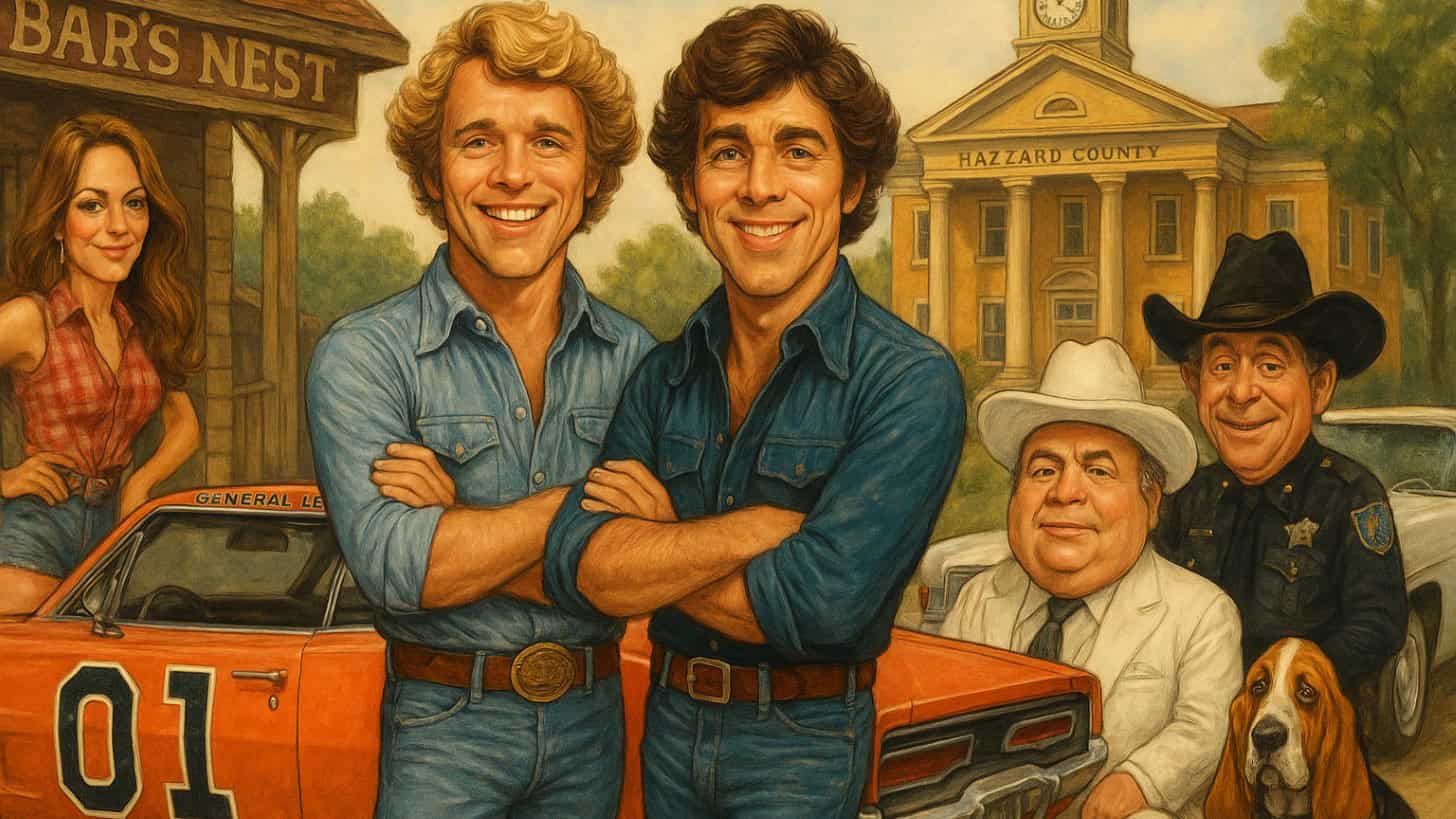
The Confederate flag prominently displayed on the General Lee would make this show impossible to air today. Beyond that controversial symbol, the show’s portrayal of Southern culture, Daisy Duke’s revealing outfits being central to her character, and the glorification of running from law enforcement would all be problematic in today’s social climate.
Save for later
Want to come back to this story? Save it with your email so it is easy to find again.
19. The Wild Wild West

This series frequently featured white actors playing characters of various ethnicities, particularly Native Americans and Mexicans. The show’s depiction of the American West often reinforced harmful stereotypes about indigenous peoples and other minorities. Its casual approach to violence and treatment of female characters as mere romantic interests would also face criticism today.
18. CHiPs
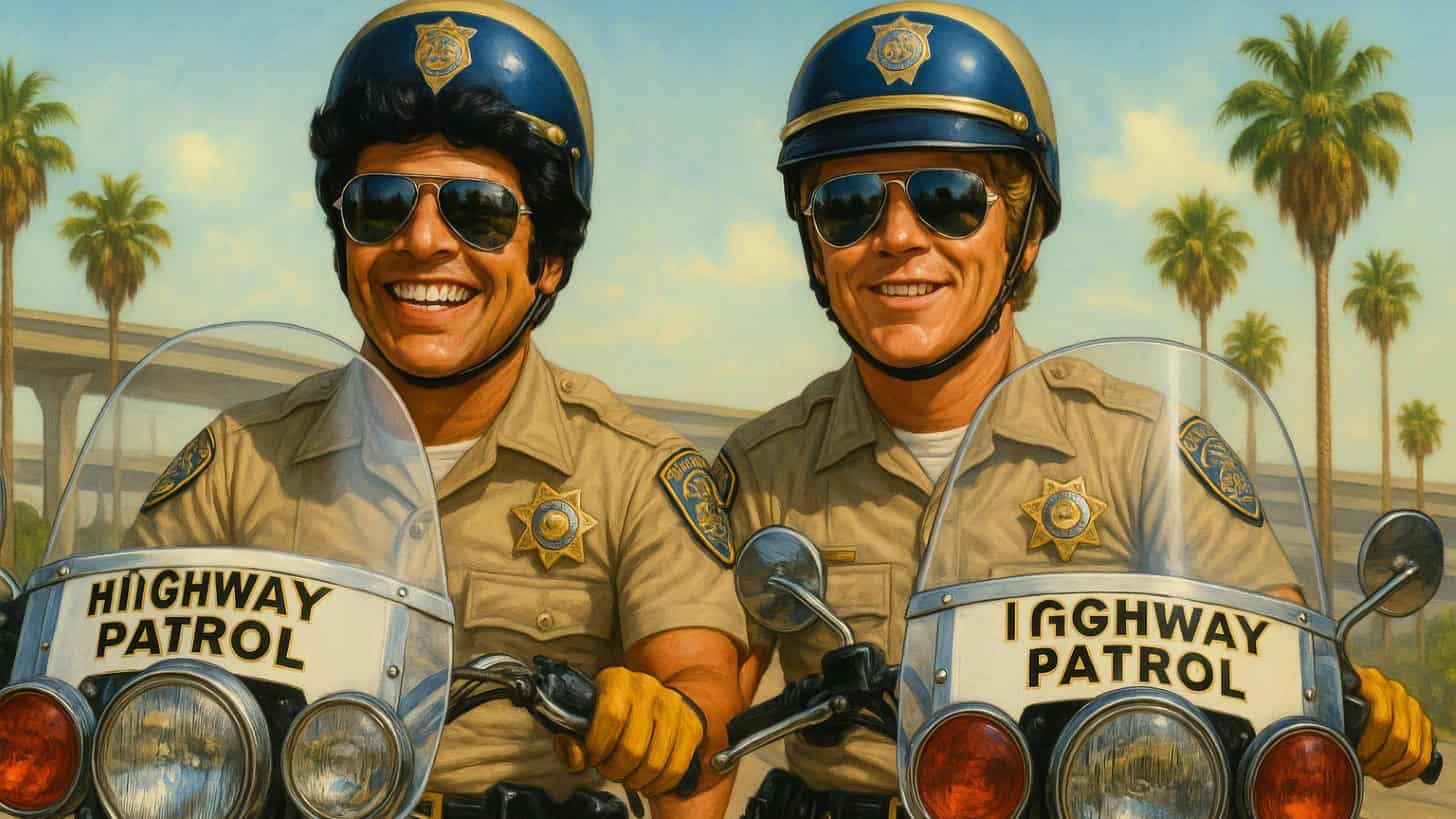
This police drama’s portrayal of law enforcement would be scrutinized heavily today. The show often glamorized police chases and physical confrontations while depicting officers bending rules for the greater good. Its treatment of female characters, often reduced to damsels in distress or eye candy, along with racial stereotyping of suspects, would be particularly problematic in today’s climate.
17. Fantasy Island
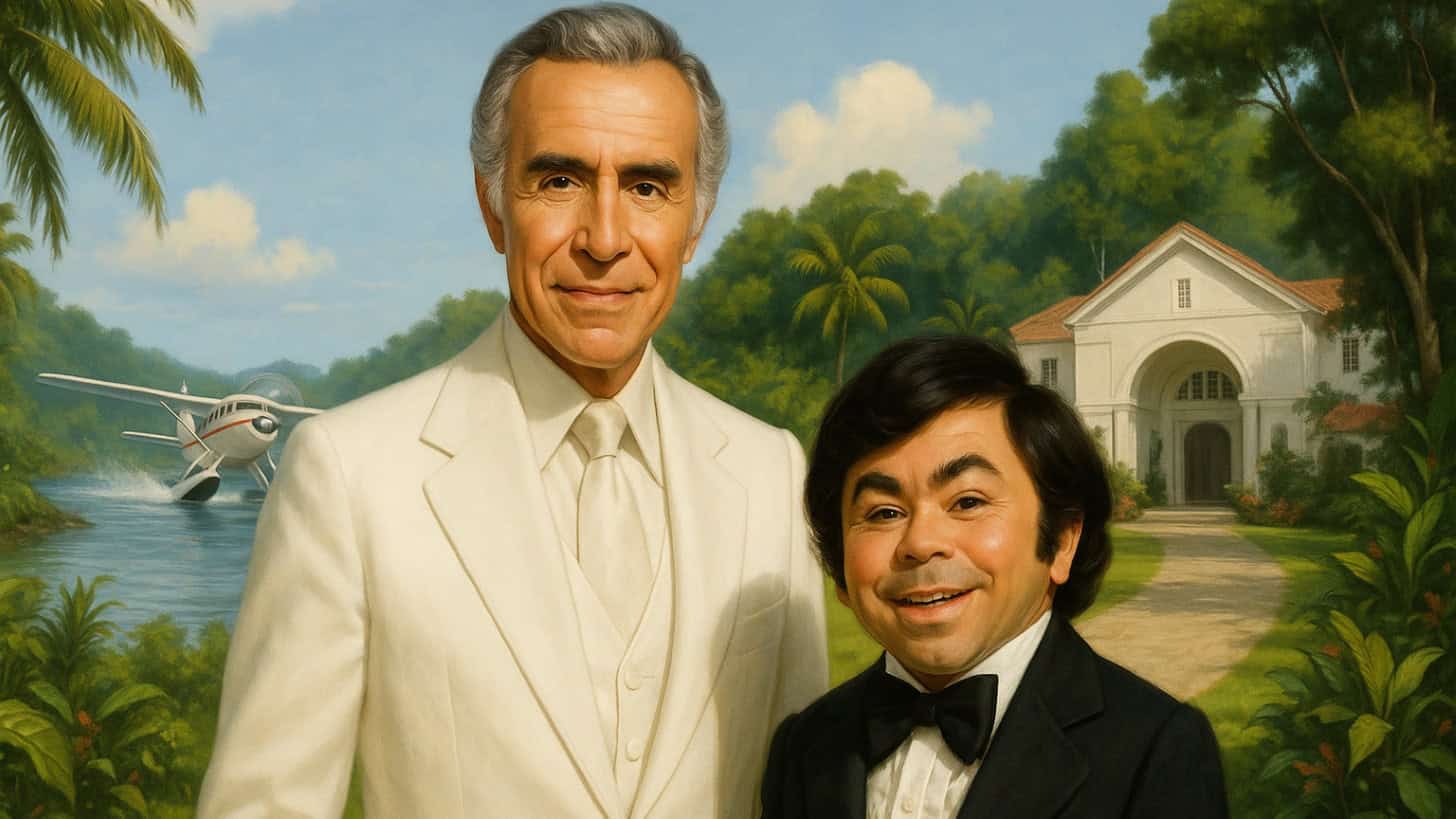
The character of Tattoo shouting “The plane! The plane!” and his overall portrayal would be considered problematic today, particularly given that actor Hervé Villechaize’s French nationality was ignored in favor of an exotic stereotype. The show’s handling of indigenous island culture and mysticism often bordered on cultural appropriation, while many episodes featured questionable consent scenarios.
16. Soap
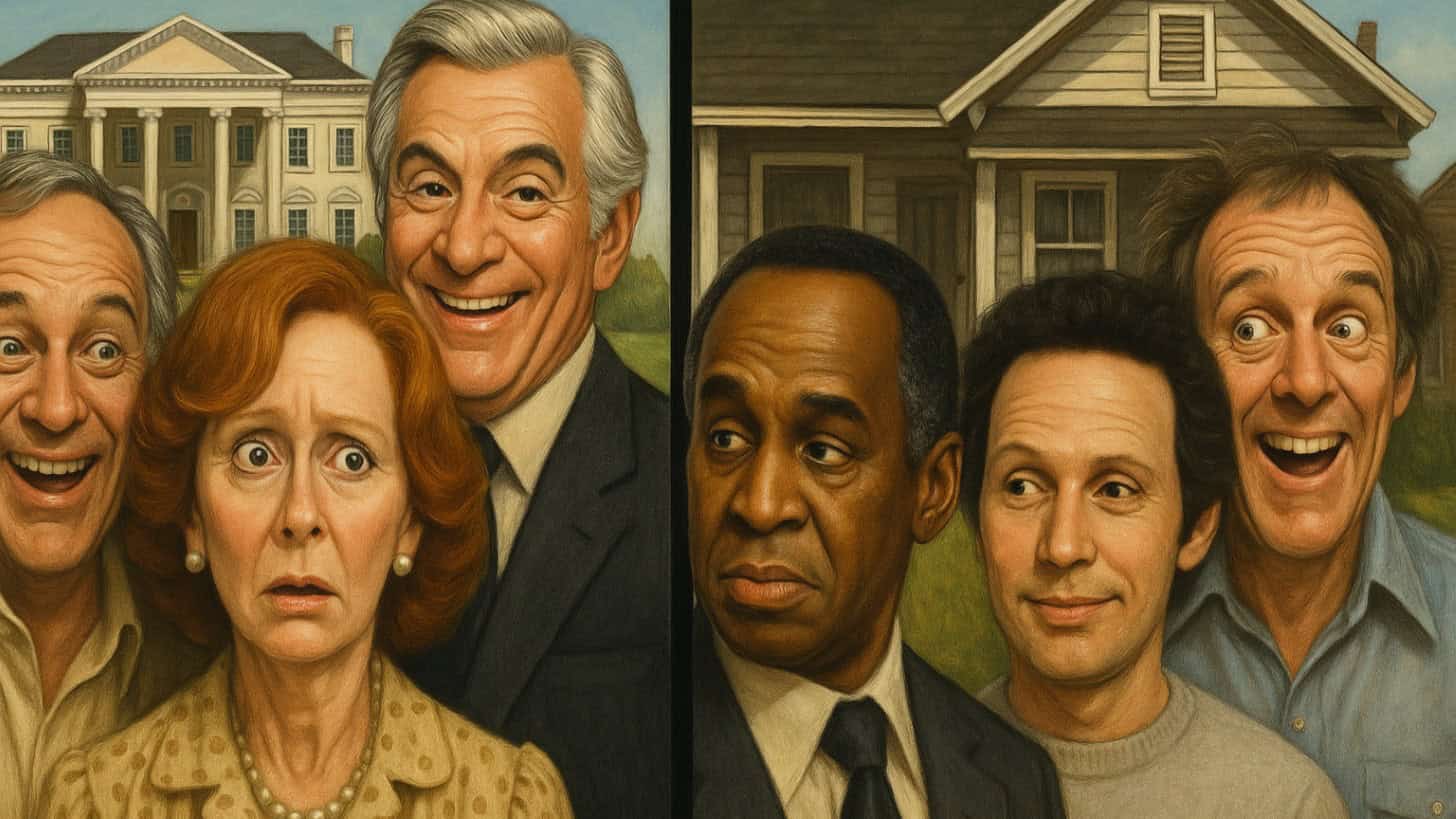
This controversial sitcom pushed boundaries with its treatment of topics like homosexuality, mental illness, and infidelity. While progressive for its time, the show’s handling of gay characters and mental health issues often relied on stereotypes for laughs. The character of Benson, a Black butler to a white family, would raise questions about racial dynamics despite the character’s popularity.
15. Good Times
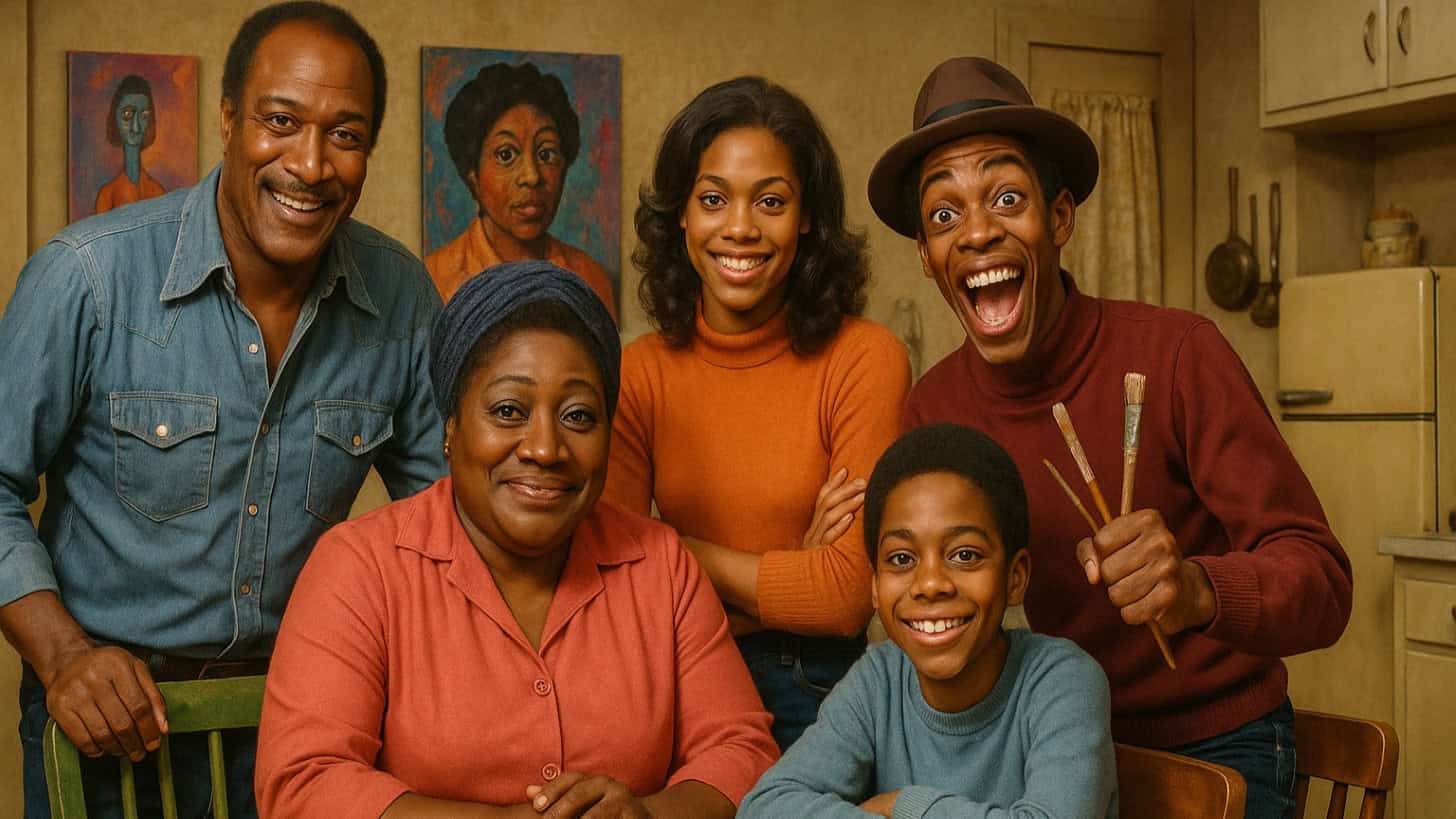
While groundbreaking for featuring an African American family, the show’s portrayal of poverty and inner-city life would be scrutinized today. J.J.’s character, with his catchphrase “Dy-no-mite!” and exaggerated mannerisms, would be criticized for perpetuating stereotypes. The show’s handling of serious issues like unemployment and systemic racism often relied on oversimplified solutions.
14. McCloud
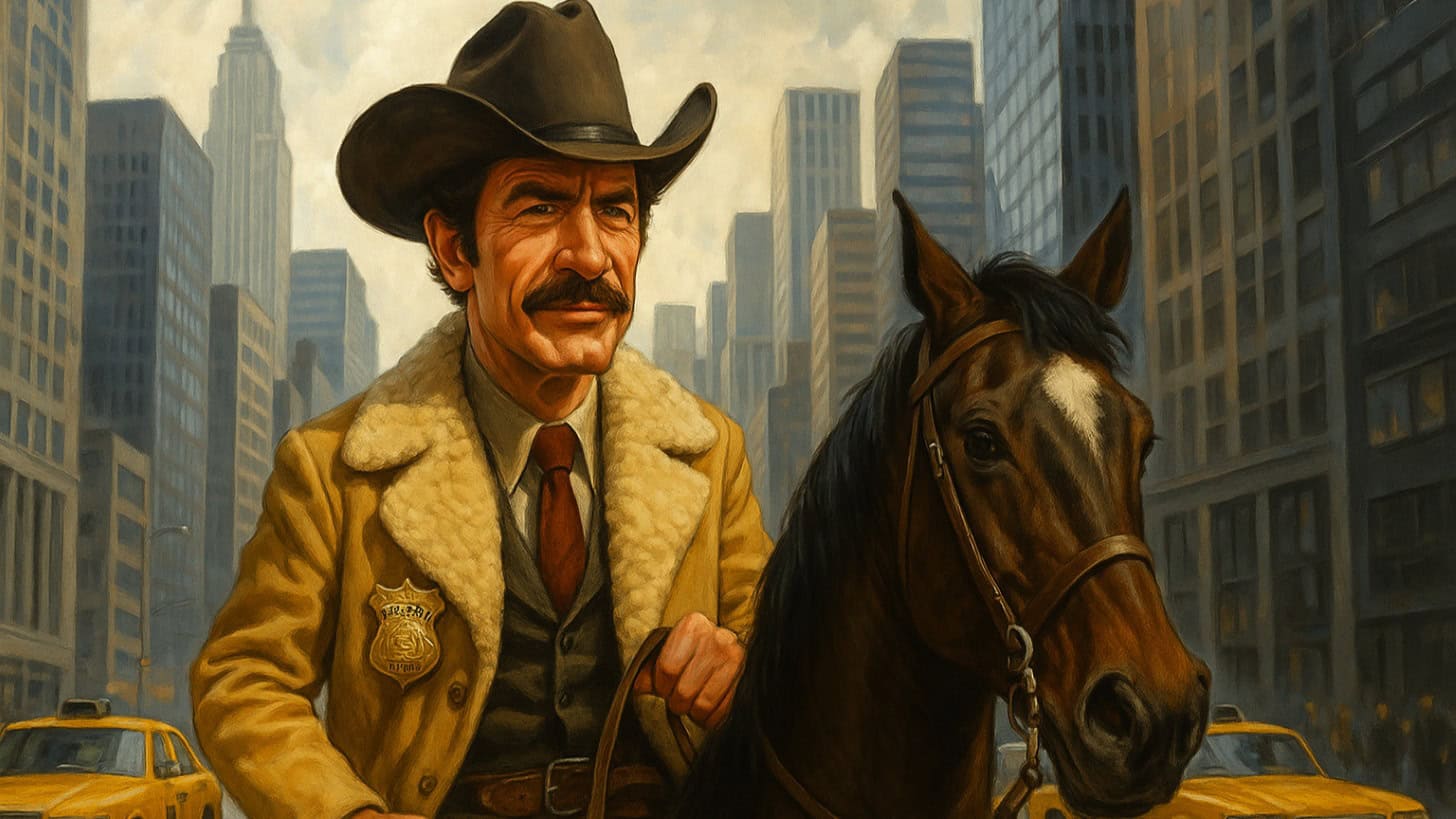
This fish-out-of-water police drama relied heavily on stereotypes about rural Western culture versus city life. The show’s casual approach to police procedure, excessive force, and vigilante justice would be particularly concerning today. McCloud’s cowboy approach to law enforcement in New York City would raise serious questions about police accountability and proper procedure.
13. What’s Happening!!
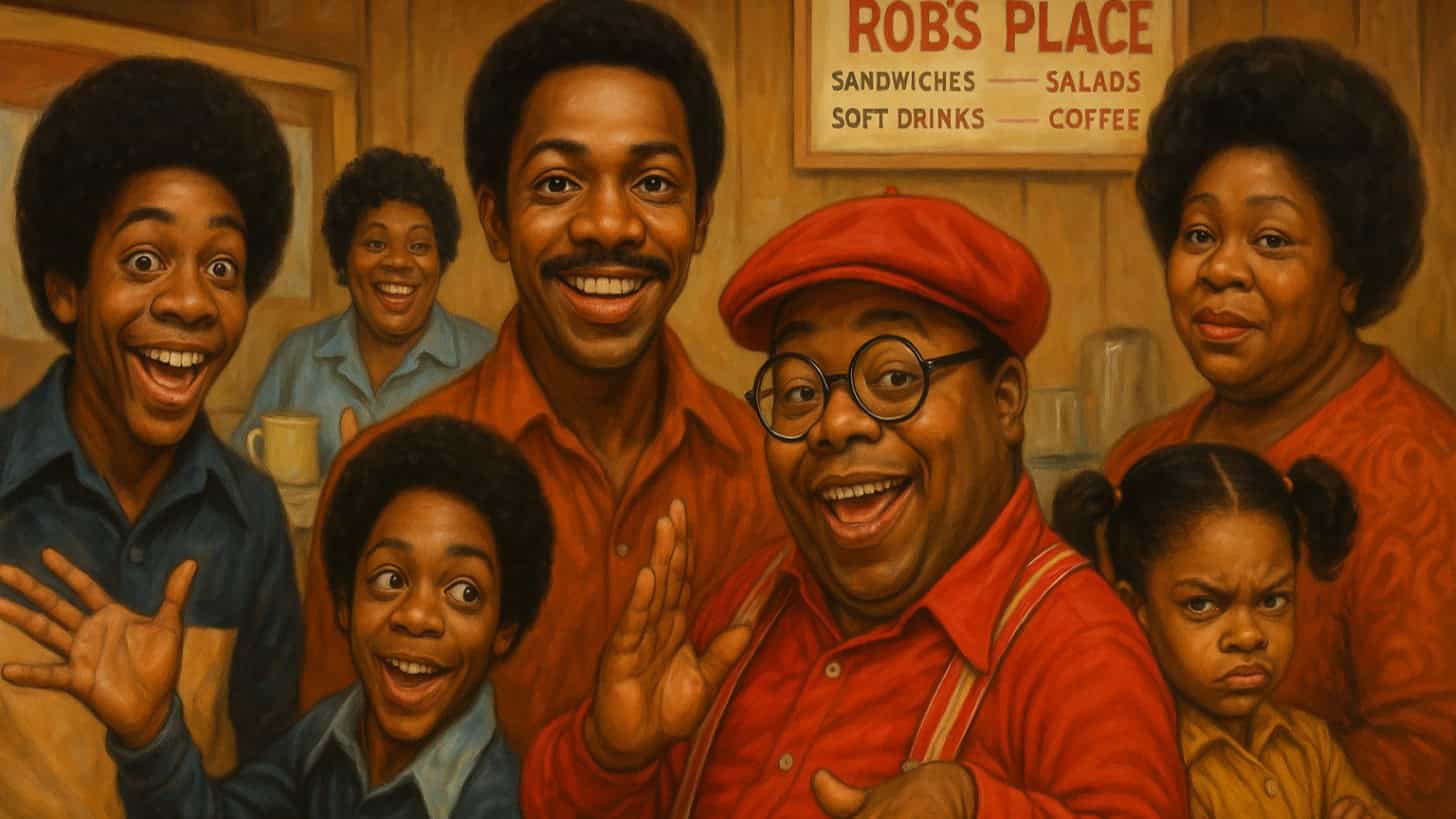
While groundbreaking for its predominantly African American cast, the show often relied on stereotypical characterizations. The constant fat-shaming of Raj’s sister Dee, the portrayal of single-parent households, and the sometimes simplistic handling of serious issues facing the Black community would be viewed differently today. The show’s depiction of teenage life often glossed over real challenges facing urban youth.
12. Charlie’s Angels

Despite being revolutionary for featuring women in lead action roles, the show’s emphasis on the Angels’ physical appearance and revealing outfits would be criticized today. The concept of three beautiful women working for a mysterious unseen male boss who controls their lives would raise red flags about power dynamics and exploitation. The show’s “jiggle TV” reputation emphasized looks over the characters’ detective skills.
11. Married… with Children

While slightly later than some shows on our list, this late-80s sitcom was built on sexist jokes, fat-shaming, and misogynistic attitudes. Al Bundy’s constant insults toward overweight women, the objectification of Kelly Bundy, and the overall toxic family dynamics would face intense criticism today. The show’s celebration of dysfunctional family relationships and casual cruelty would be particularly problematic.
10. Love, American Style
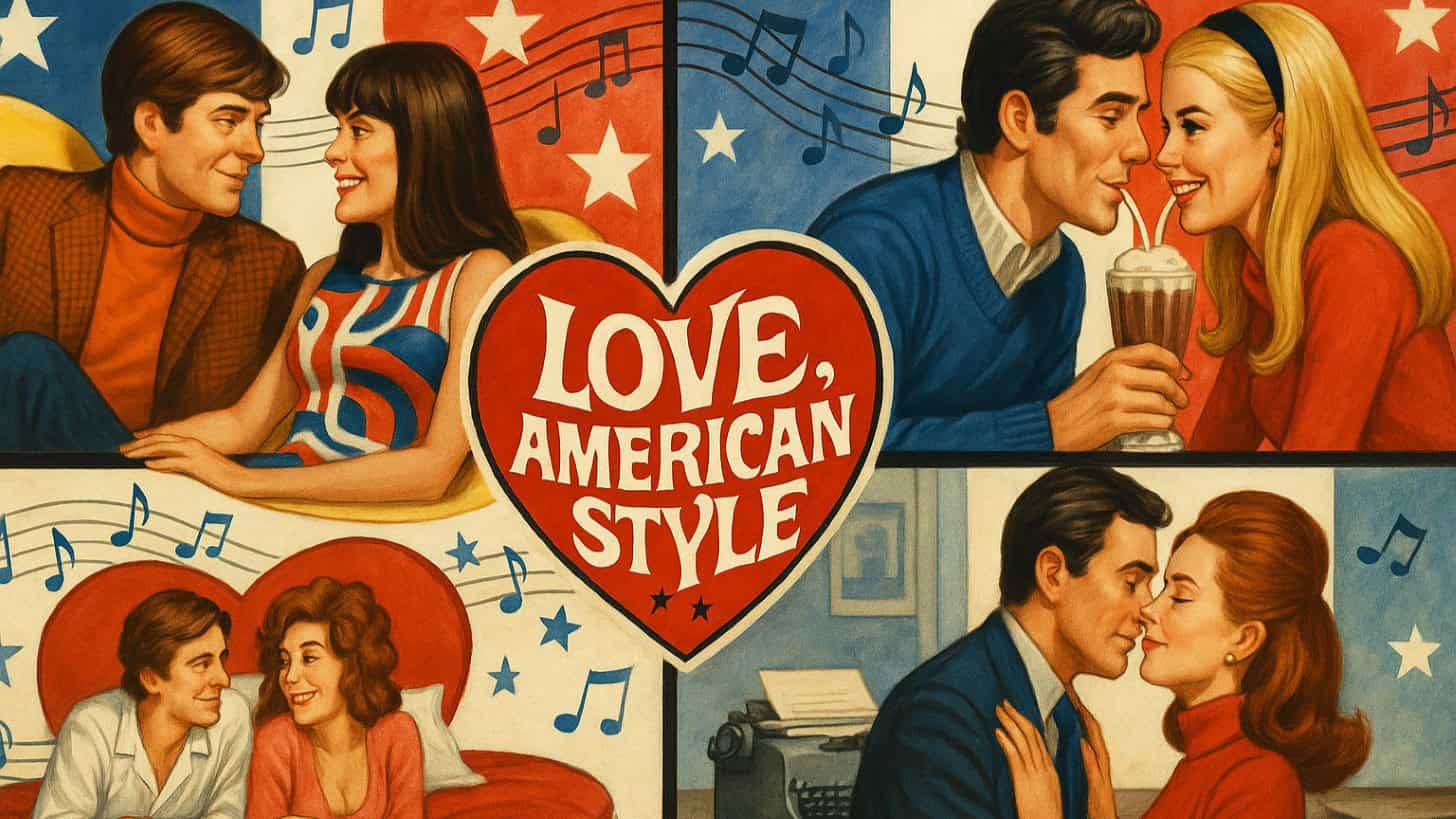
This anthology series often played sexual harassment and workplace discrimination for laughs. The show’s casual sexism and its treatment of women as objects of conquest would be considered highly problematic today. Many episodes featured plots that normalized behavior that would now be recognized as inappropriate or predatory, making it a relic of its time.
9. Hogan’s Heroes

A comedy set in a Nazi POW camp would be unthinkable today. While the show portrayed the German officers as bumbling fools and the Allied prisoners as clever heroes, the very concept of finding humor in World War II prison camps would be considered insensitive to the real horrors that occurred. The show’s light-hearted treatment of such a serious subject matter wouldn’t align with modern sensibilities.
8. F Troop

The show’s portrayal of Native Americans through the Hekawi tribe would be considered highly offensive by today’s standards. The tribe’s name itself was based on a racist joke, and the show regularly featured non-Native actors in redface makeup. The stereotypical depictions and cultural insensitivity would make this show impossible to produce in modern times.
7. The Beverly Hillbillies

The entire premise of this show relied on stereotyping rural Americans as unsophisticated, uneducated people who couldn’t understand modern life. While we found it hilarious back then, the show’s portrayal of Appalachian culture and its people would be considered classist and demeaning today. The constant jokes about the Clampetts’ lack of education and understanding of basic technology would be seen as punching down.
6. Bewitched

The central concept of Samantha suppressing her powers to please her husband, Darrin, would be problematic in today’s discussions about female empowerment. The show’s message that a woman should diminish her abilities to make her husband comfortable, along with Darrin’s constant demands that Samantha not use her natural gifts, would likely spark heated debates about gender dynamics.
5. Three’s Company
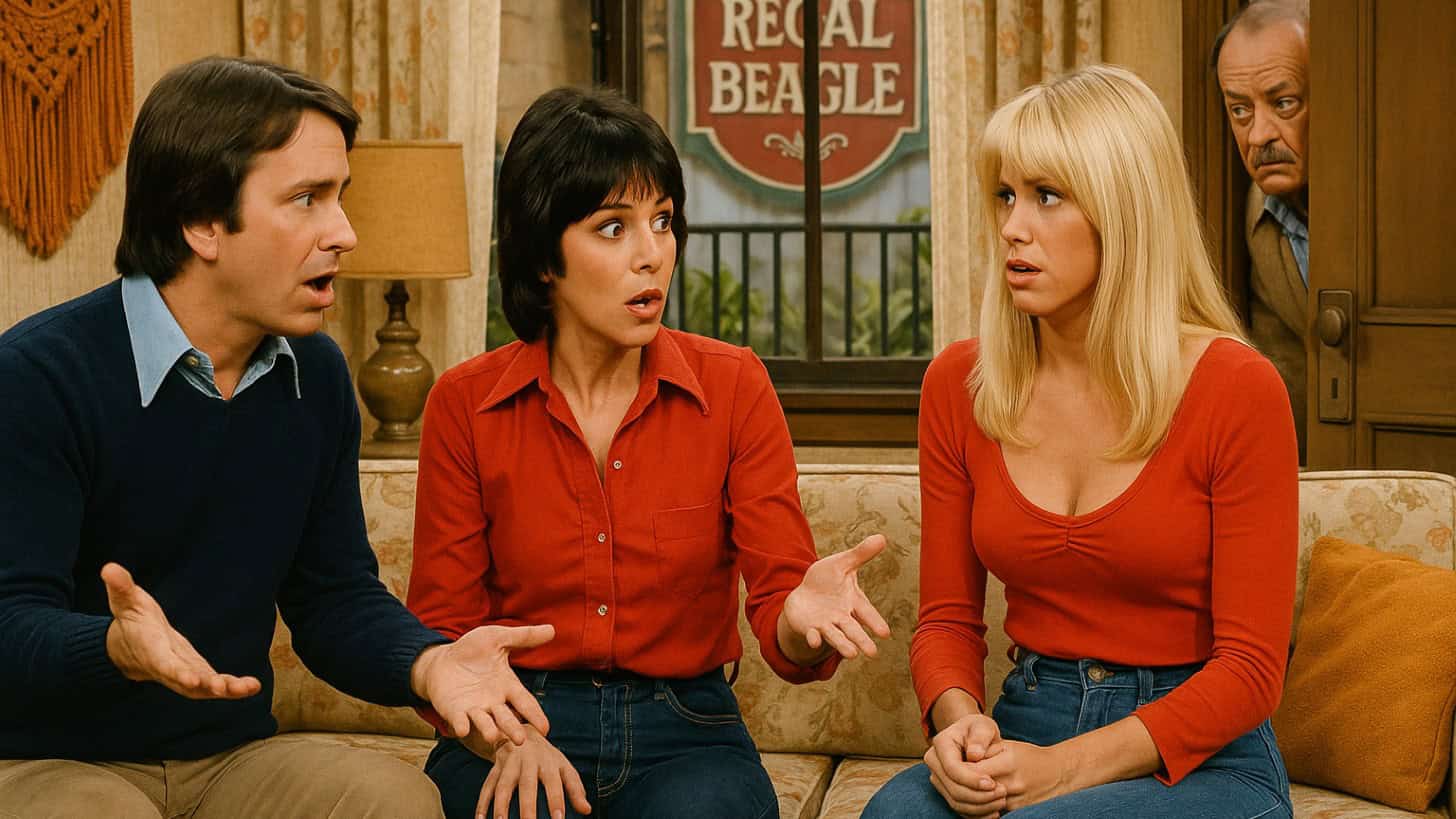
While we laughed at Jack Tripper pretending to be gay to appease his landlord, the show’s handling of LGBTQ+ themes would be considered offensive today. The constant sexual innuendos, misunderstandings, and Mr. Roper’s homophobic reactions were played for laughs in ways that would make modern audiences cringe. The show also relied heavily on stereotypical blonde jokes and sexual harassment scenarios that wouldn’t be acceptable today.
4. I Dream of Jeannie
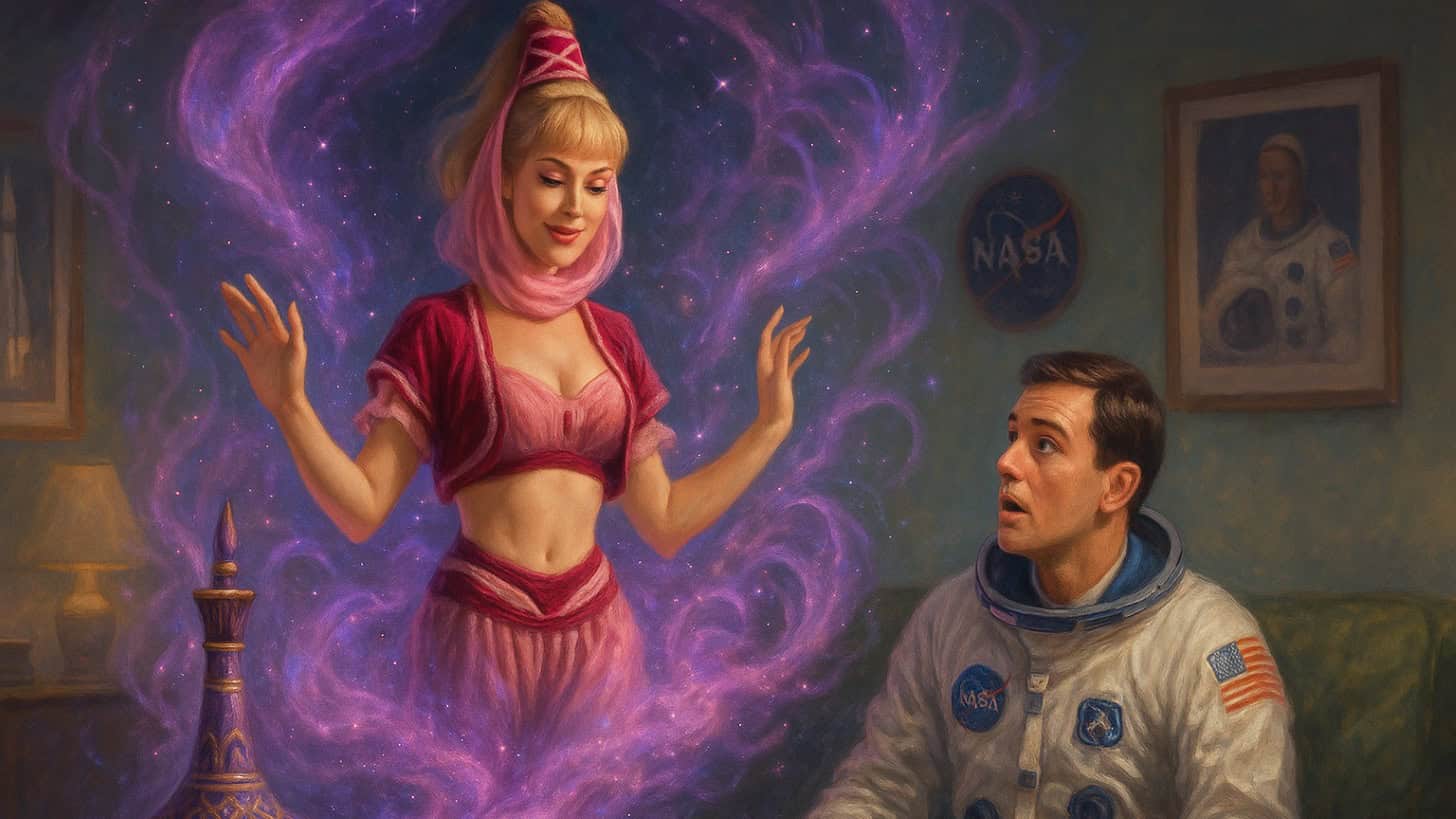
The entire premise of a powerful woman choosing to be subservient to a man, calling him “Master,” and wearing revealing harem outfits would never fly in today’s cultural climate. The show’s orientalist stereotypes and its portrayal of Middle Eastern culture would also raise serious concerns, not to mention the questionable power dynamics between Jeannie and Major Nelson.
3. The Jeffersons
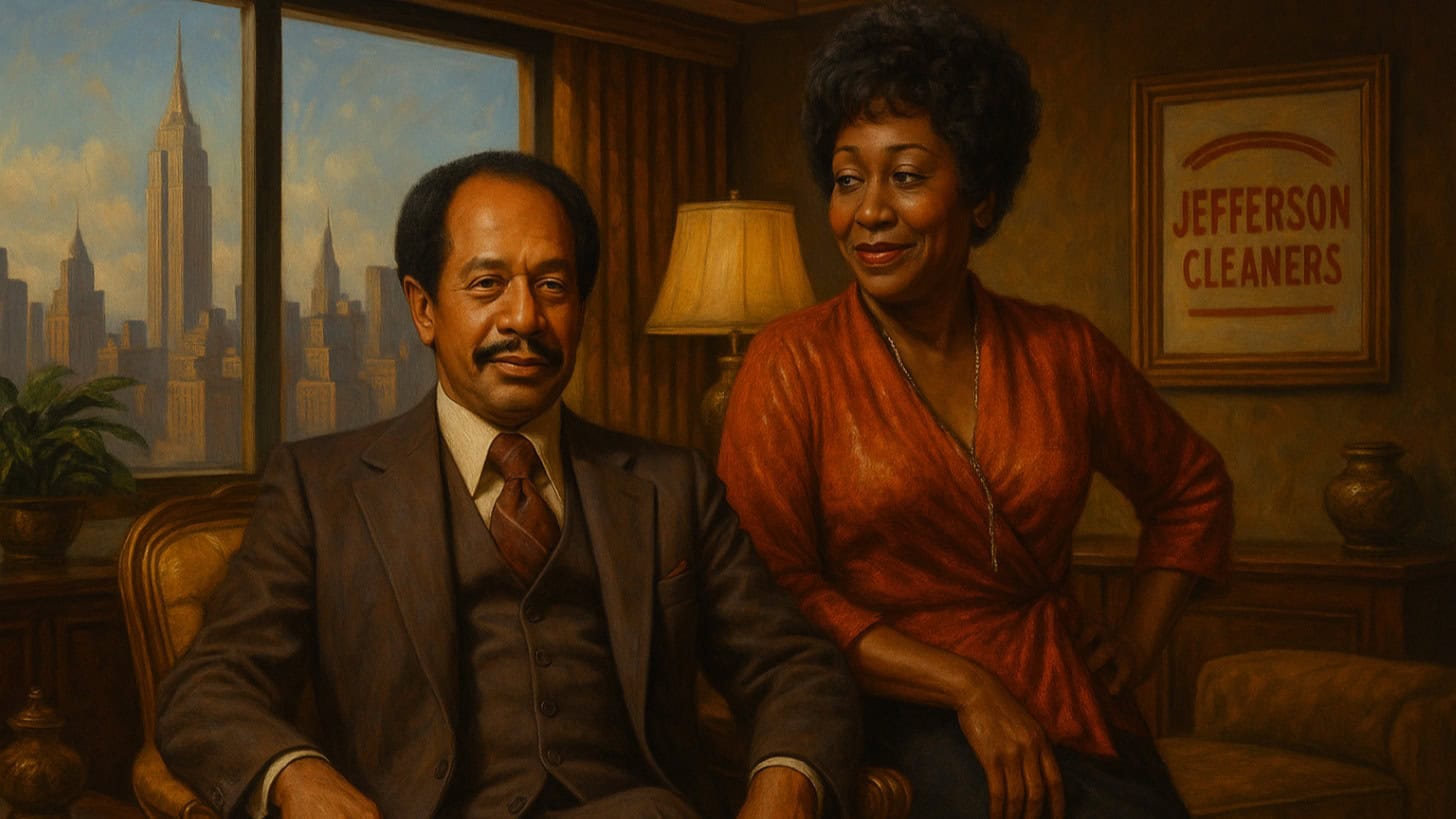
While groundbreaking for its time in showing a successful Black family, George Jefferson’s characterization and his frequent use of terms like “honky” would be considered too inflammatory today. The show’s handling of interracial relationships, while progressive for the 1970s, often relied on stereotypes and broad comedy that would feel dated and potentially offensive to modern audiences.
2. Gilligan’s Island

Our beloved island castaways entertained us for years, but the show’s portrayal of women and cultural stereotypes would face serious scrutiny today. Ginger was often reduced to her sexuality, Mary Ann was the naive farm girl, and the portrayal of native islanders who occasionally appeared was problematic at best. The constant “dumb vs. smart” dynamic between Gilligan and the Skipper would also likely be reconsidered under modern workplace standards.
1. All in the Family
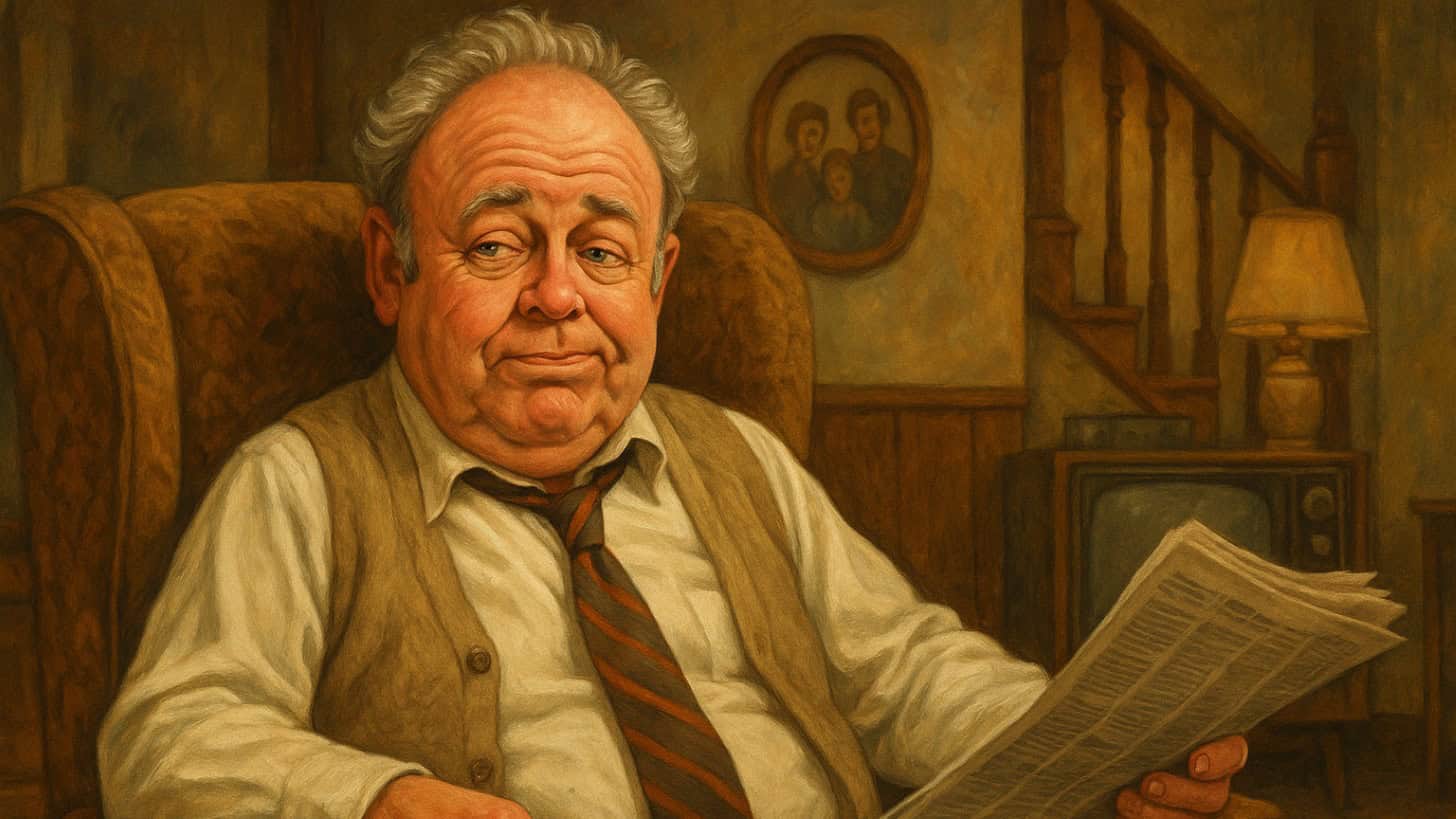
When Archie Bunker first walked into our living rooms in 1971, he brought with him a tornado of controversial opinions and politically incorrect statements that made television history. While the show brilliantly used his character to expose and criticize bigotry, today’s audiences might find his casual racism and sexism too uncomfortable, even in a satirical context. The show tackled everything from racism and homosexuality to women’s rights and political issues – topics that networks today would be hesitant to address with such raw honesty.