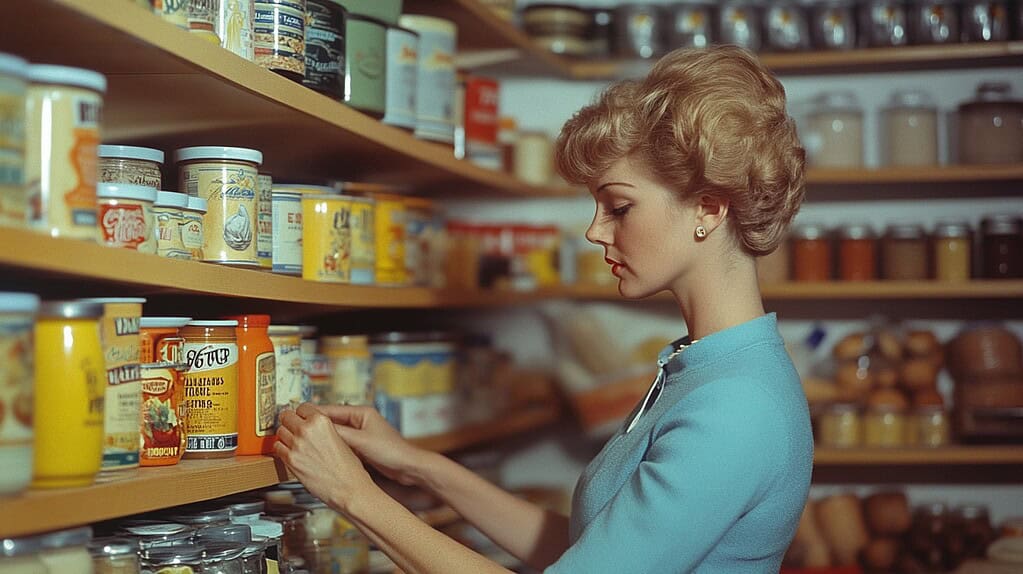
Back in my day, every kitchen was a treasure trove of money-saving wisdom. Our mothers and grandmothers knew precisely how to stretch a dollar and make the most of everything they had. These aren’t just fond memories – they’re practical skills that could save modern families a bundle. Let me share some kitchen wisdom that’s served us well through the decades.
Table of Contents
- 1 1. Making Your Own Bread from Scratch
- 2 2. Preserving the Summer Harvest
- 3 3. Rendering and Saving Fat
- 4 4. Making Stock from Scratch
- 5 5. Meal Planning and Leftover Magic
- 6 6. Making Your Own Cleaning Solutions
- 7 7. Repairing Kitchen Tools
- 8 8. Bulk Cooking and Freezing
- 9 9. Making Your Own Condiments
- 10 10. Using Every Part of Ingredients
- 11 11. Making Your Own Pasta
- 12 12. Keeping a Kitchen Herb Garden
- 13 13. Making Butter and Cheese
- 14 14. Stretching Meat with Fillers
- 15 15. Natural Food Storage Techniques
- 16 16. Kitchen Organization Systems
1. Making Your Own Bread from Scratch

Nothing beats the smell of fresh-baked bread wafting through the house. We didn’t run to the store for a $5 loaf back in the day – we made our own for pennies. We could create hearty loaves that would last all week with just flour, yeast, salt, and water. The trick was keeping your starter alive and kneading the dough until it felt just right – something you learned by touch, not from a recipe book.
Save for later
Want to come back to this story? Save it with your email so it is easy to find again.
2. Preserving the Summer Harvest

Every summer, our kitchens transformed into preservation stations. We’d spend whole weekends canning tomatoes, pickling cucumbers, and making jams from fresh berries. This wasn’t just a hobby – it was how we enjoyed garden-fresh flavors all winter long. The satisfying ‘pop’ of a properly sealed jar meant money saved and delicious meals ahead.
3. Rendering and Saving Fat
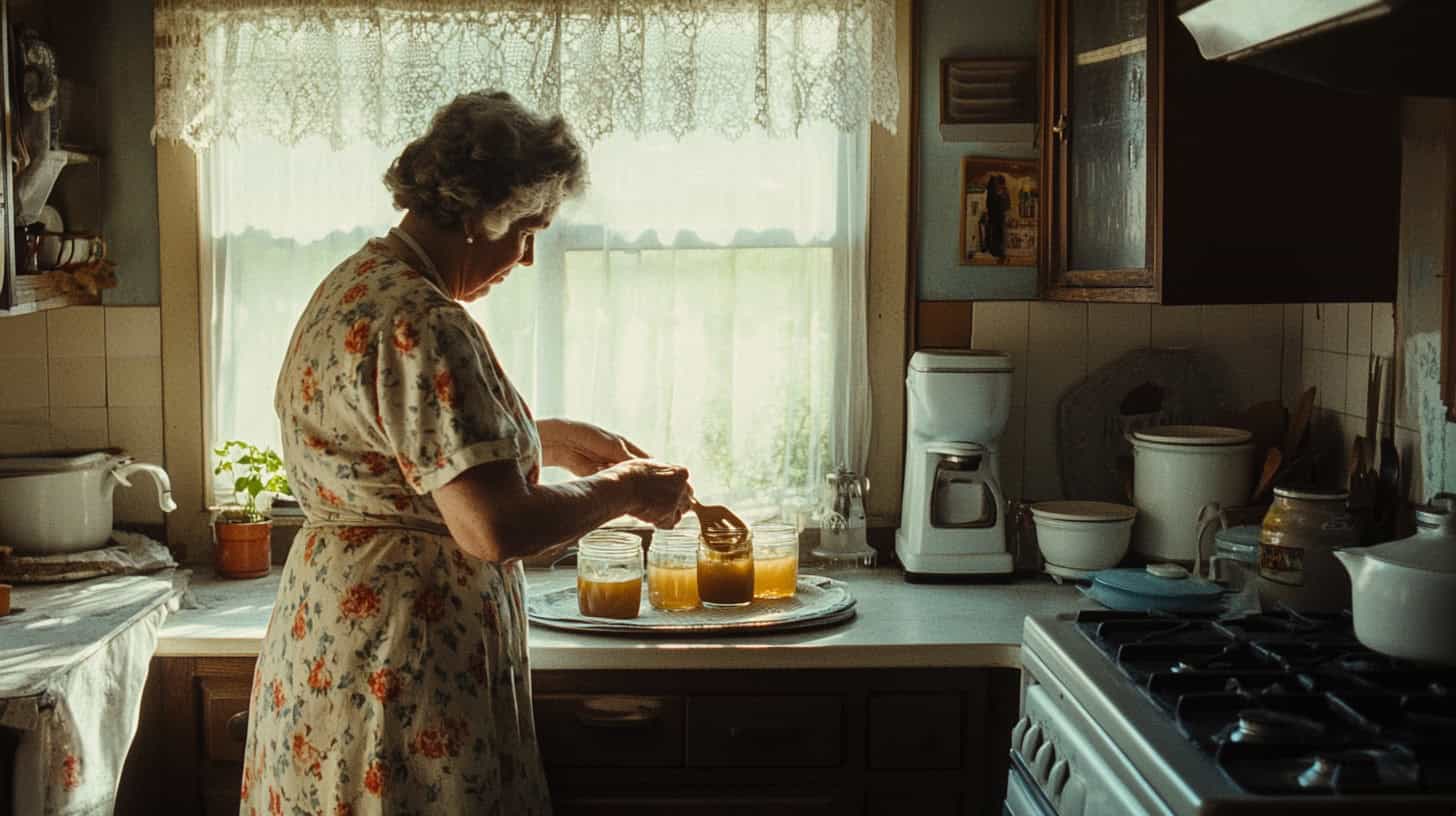
We never dreamed of throwing away bacon grease or meat drippings. Every drop was carefully strained and stored in a refrigerator container. This liquid gold added flavor to everything from cornbread to green beans, and meant we rarely had to buy cooking oil. Some families kept a dedicated “grease can” right on the stovetop – perfectly seasoned and ready for the next meal.
4. Making Stock from Scratch

In our kitchens, a chicken carcass or ham bone never went to waste. We’d save vegetable scraps and meat bones in a special freezer bag, and when it was full, we’d make a rich, nutritious stock. This formed the base for soups, gravies, and sauces that put today’s store-bought broths to shame. The secret was letting it simmer low and slow, sometimes all day long.
5. Meal Planning and Leftover Magic

Sunday’s roast became Monday’s sandwiches, Tuesday’s hash, and Wednesday’s soup. We planned our meals meticulously, using every scrap of food. The weekly menu was posted right on the refrigerator, and shopping lists were made with military precision. This wasn’t just organization – it was a strategy for stretching every dollar to its limit.
6. Making Your Own Cleaning Solutions

Our kitchens stayed spotless without expensive cleaning products. Vinegar, baking soda, and lemon juice were our go-to cleaners. We knew exactly which natural combinations would cut grease, remove stains, and keep surfaces sparkling. These simple ingredients were cheap, effective, and never left harmful chemical residues around our food.
7. Repairing Kitchen Tools

When something broke, we fixed it instead of replacing it. From sharpening knives to re-seasoning cast iron pans, we knew how to maintain and repair our kitchen tools. A loose handle or dull blade wasn’t an excuse to go shopping – it was an opportunity to practice our maintenance skills and save money in the process.
8. Bulk Cooking and Freezing

Long before frozen dinners became popular, we made our own convenience meals. When ground beef was on sale, we’d cook up a huge batch of meatballs or casseroles and freeze them in meal-sized portions. This saved both money and time, and meant we always had a home-cooked meal ready to go.
9. Making Your Own Condiments

Store-bought ketchup, mayonnaise, and salad dressings weren’t staples in our kitchens. We made our own condiments from scratch, controlling both the ingredients and the cost. These homemade versions weren’t just cheaper – they tasted better and didn’t have any preservatives or artificial ingredients.
10. Using Every Part of Ingredients

We knew how to use every part of our ingredients. Potato peels became crispy snacks, apple cores went into homemade vinegar, and citrus peels were candied or used for zest. This wasn’t about being trendy with “zero waste” – it was about respecting food and making the most of our grocery budget.
11. Making Your Own Pasta
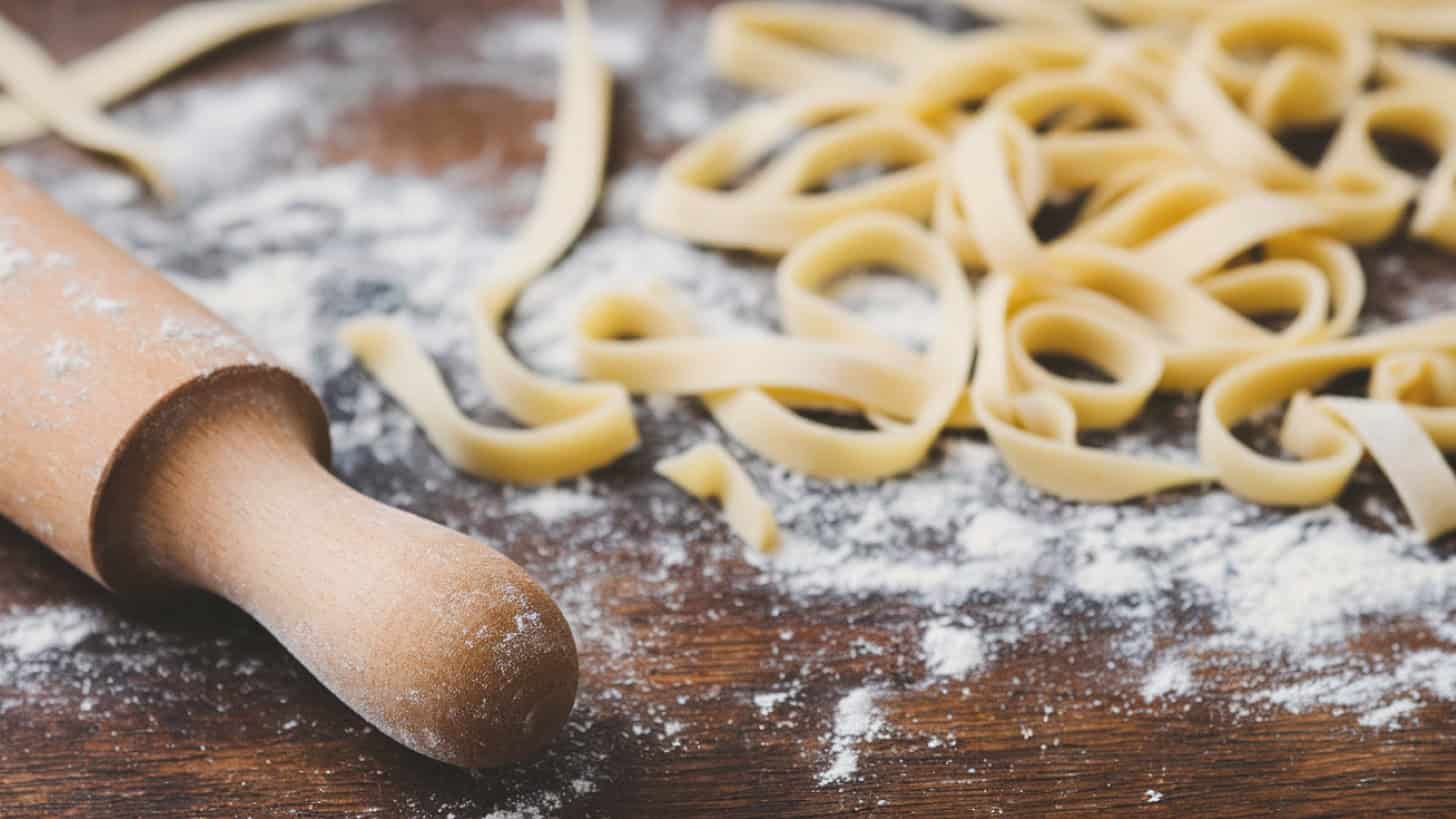
We could create delicious pasta from scratch with just flour, eggs, and a rolling pin. Many of us learned this art from our Italian neighbors or grandmothers. The kitchen table would become a pasta-making station, with sheets of noodles drying on clean cloths. The difference in taste between homemade and store-bought was remarkable, and the cost savings were substantial.
12. Keeping a Kitchen Herb Garden

Every kitchen window sill was a mini herb garden, growing parsley, chives, and basil. These fresh herbs added flavor to our cooking and saved us from buying expensive dried herbs at the store. We knew how to dry and store them for winter use, ensuring year-round access to our favorite seasonings.
13. Making Butter and Cheese

When milk was plentiful, we’d make our own butter and simple cheeses. A mason jar and some heavy cream were all you needed for fresh butter, and making cottage cheese or farmer’s cheese was a regular activity. The whey that was left over became a nutritious addition to bread dough or soup stock.
14. Stretching Meat with Fillers
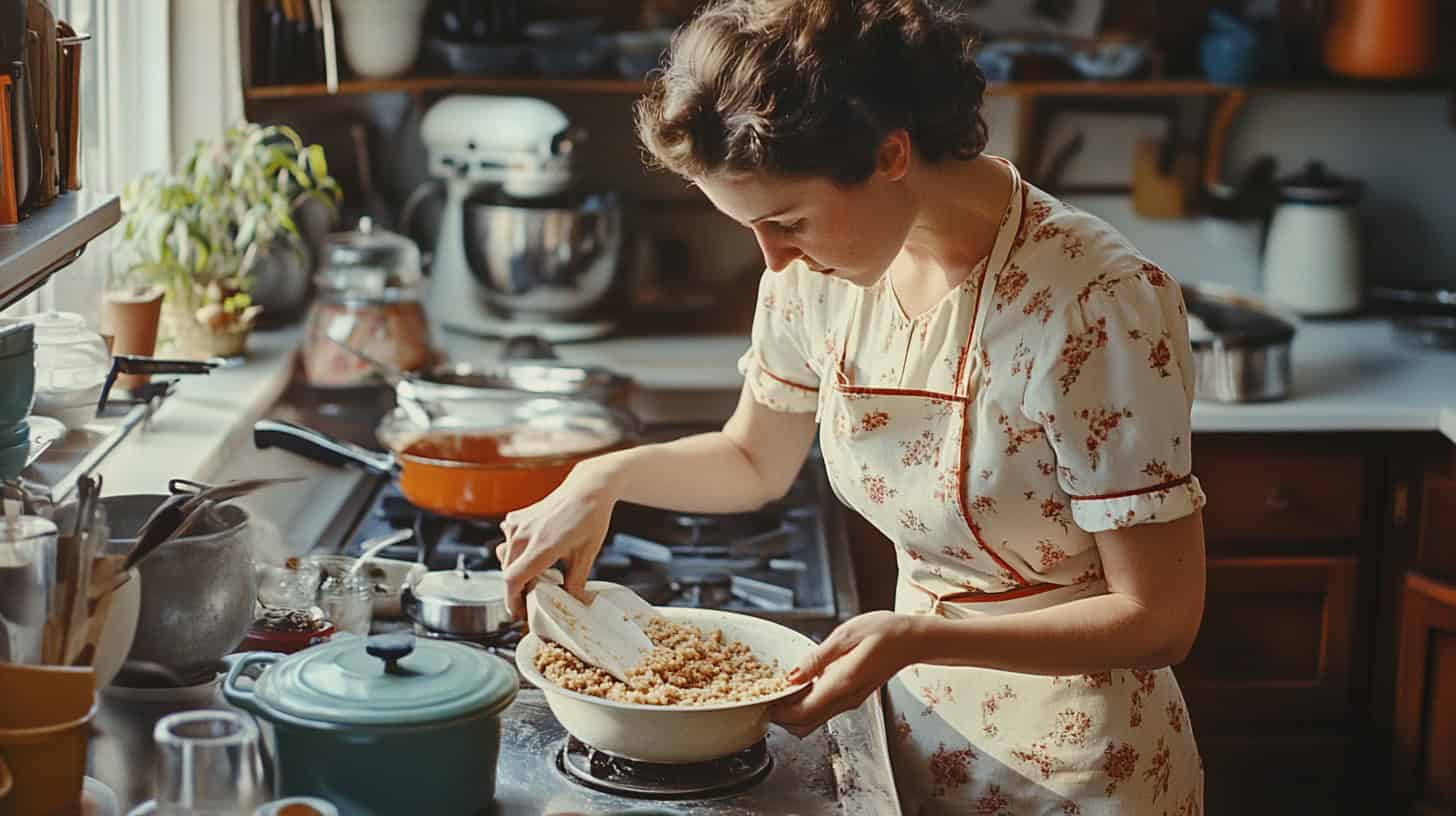
We knew all the tricks to make a little meat feed a lot of mouths. Breadcrumbs, oats, or grated vegetables mixed into meatloaf or meatballs made them just as satisfying while stretching the protein. This wasn’t just about saving money – it often made dishes more flavorful and nutritious.
15. Natural Food Storage Techniques
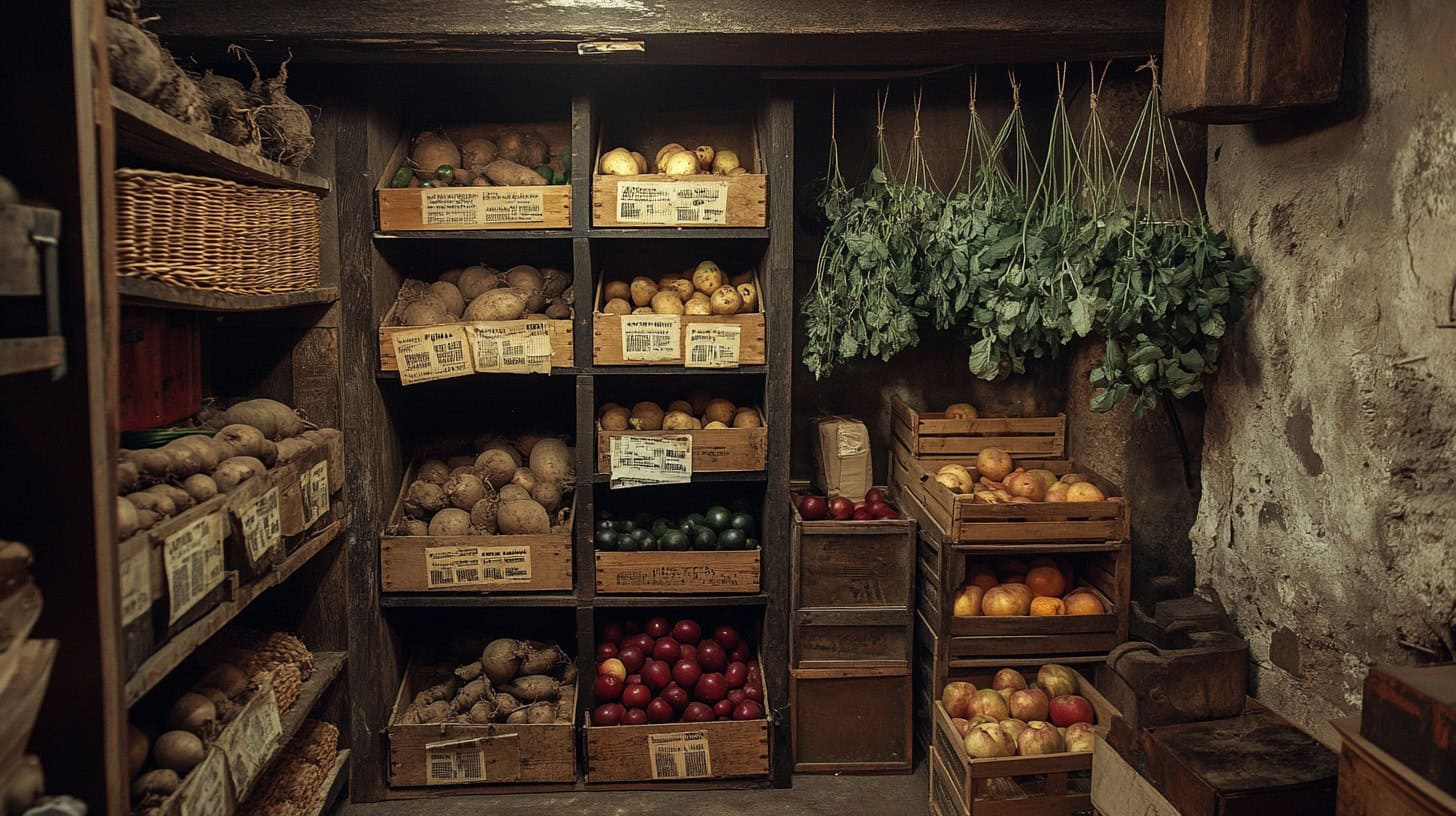
Before plastic containers and refrigeration dominated our kitchens, we knew how to store food naturally. Root vegetables in sand boxes, apples wrapped in newspaper, and herbs hung to dry from the ceiling – these methods kept food fresh without using electricity or expensive storage solutions.
16. Kitchen Organization Systems
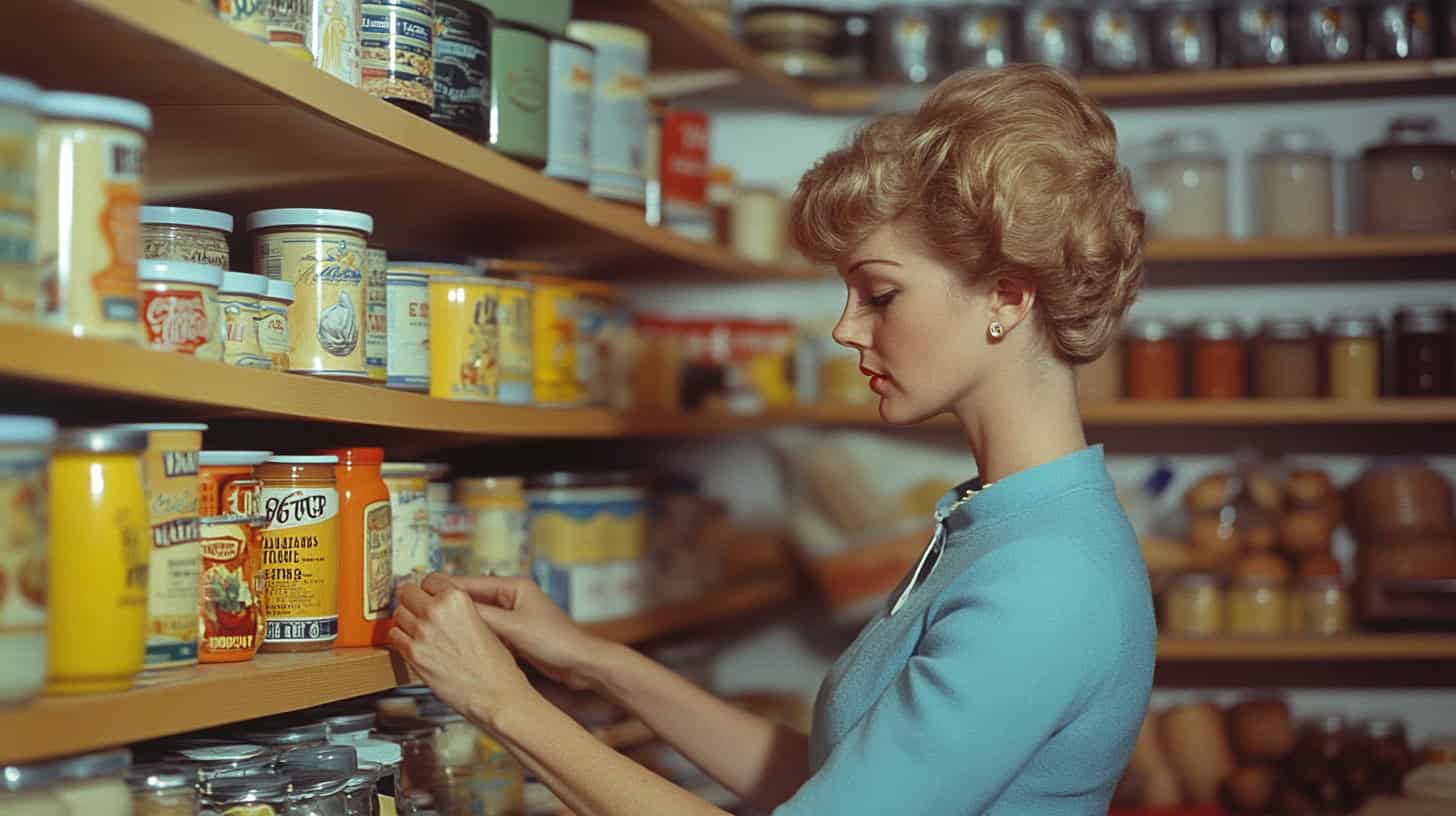
Our kitchens ran like well-oiled machines, with everything in its proper place. We used rotation systems for stored food, keeping track of expiration dates without fancy apps. The “first in, first out” method was second nature, and we had detailed inventory systems that prevented waste and unnecessary purchases.