Family vacations sure have changed since the days of station wagons and paper maps. Back in the 1950s, hitting the open road was an adventure in itself, without all the modern conveniences (and complications) we have today. Let’s take a nostalgic look at how family getaways have evolved from the golden age of American road trips to our current digital-driven expeditions.
Table of Contents

In the ’50s, Dad would unfold that massive paper map across the steering wheel at rest stops, while Mom played navigator from the passenger seat. Getting lost was part of the adventure, and asking for directions at local gas stations was a social occasion. Today’s GPS systems and smartphones have made navigation foolproof, but we’ve lost that wonderful sense of discovery and chance encounters with friendly locals.
Save for later
Want to come back to this story? Save it with your email so it is easy to find again.
2. Entertainment on the Road

We played license plate bingo, counted cows, and sang songs together to pass the time. No iPads, DVD players, or wireless headphones – just good old-fashioned family bonding and creative car games. The worst punishment was being the kid stuck in the middle seat without a window view.
3. Accommodations and Bookings
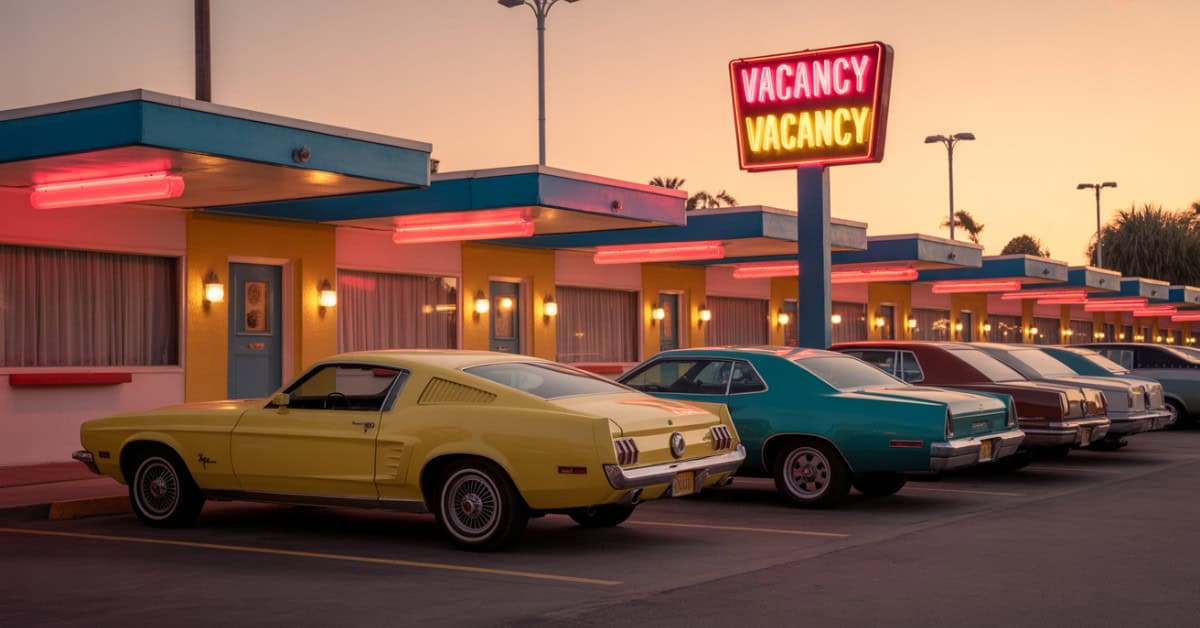
Finding a place to stay meant looking for “Vacancy” signs along the highway and hoping for the best. No online reviews or advance bookings – just faith in neon signs and clean-looking parking lots. Today’s travelers meticulously research every detail and book months in advance, complete with virtual tours and user ratings.
4. Road Trip Snacks
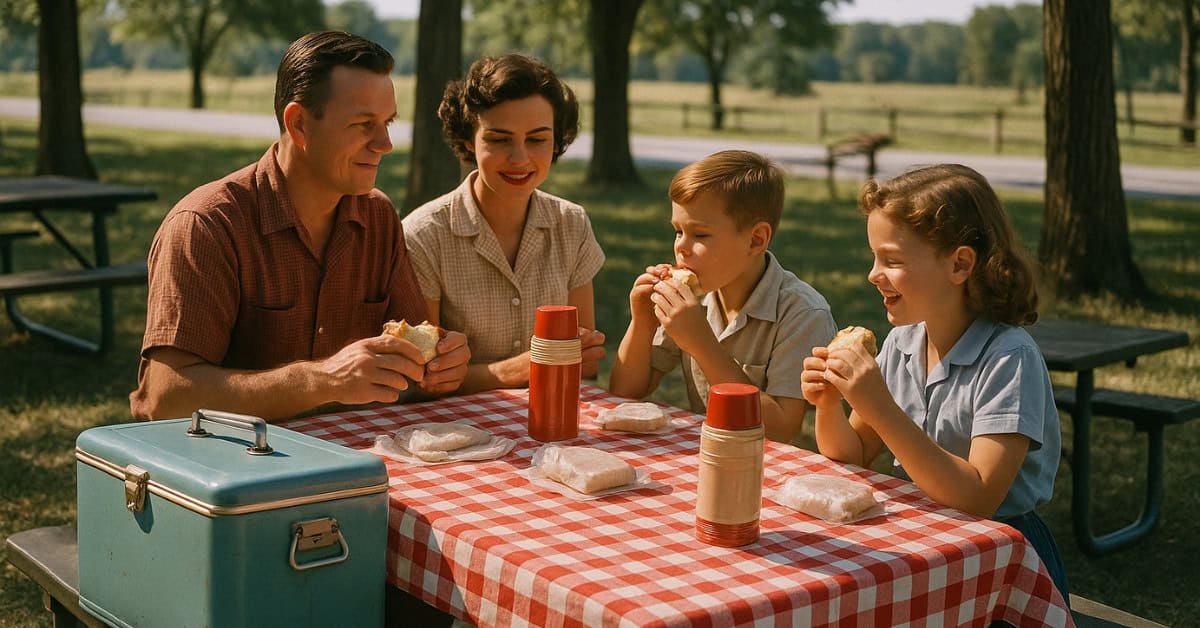
Mom would pack a cooler with homemade sandwiches, thermoses of Kool-Aid, and fresh fruit. Roadside picnic areas were our restaurants, complete with metal tables and charcoal grills. Now it’s drive-throughs, protein bars, and specially curated travel snacks from Whole Foods.
5. Car Comfort

Station wagons with vinyl seats and no air conditioning were the norm. We’d stick to the seats in summer and freeze in winter, using army blankets to keep warm. Modern SUVs with climate control, heated seats, and entertainment systems make those old road warriors seem like covered wagons.
6. Photo Documentation

One roll of film had to last the entire trip, making each shot precious and carefully planned. We’d wait weeks to see if our pictures turned out, then arrange them carefully in photo albums. Today’s vacationers share hundreds of digital photos in real-time, documenting every meal and moment.
7. Tourist Attractions
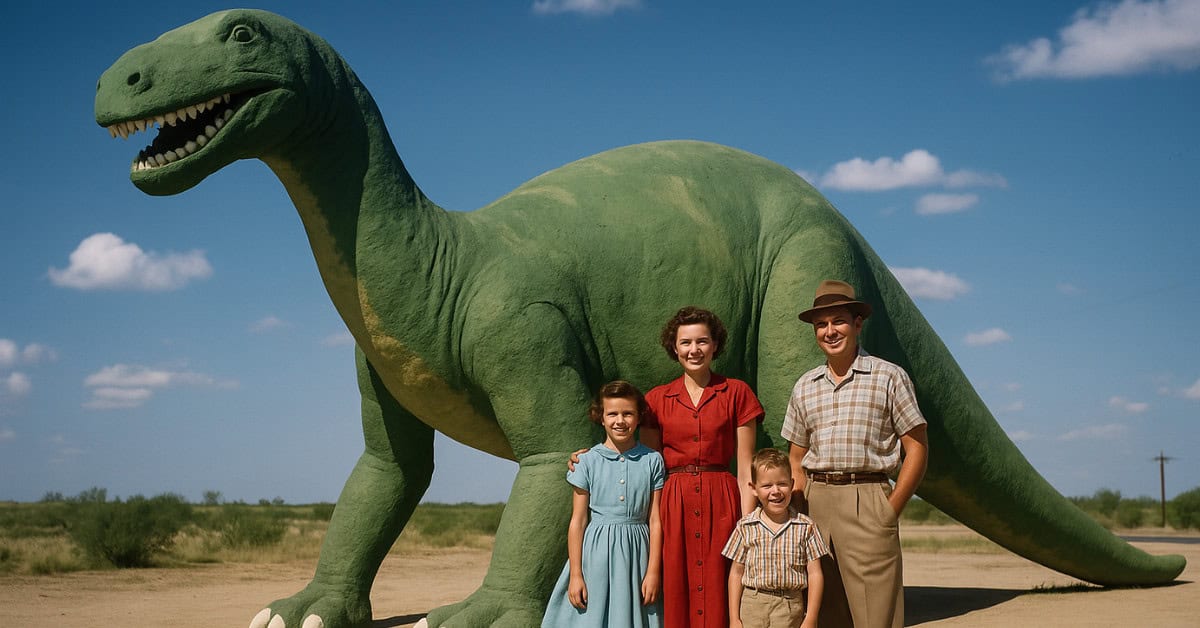
Roadside attractions were king – the bigger and weirder, the better. Giant balls of twine, mystery spots, and rock shops with “FREE ADMISSION” signs were irresistible stops. Modern families seek out curated experiences and educational opportunities, often bypassing these quirky treasures.
8. Communication Home
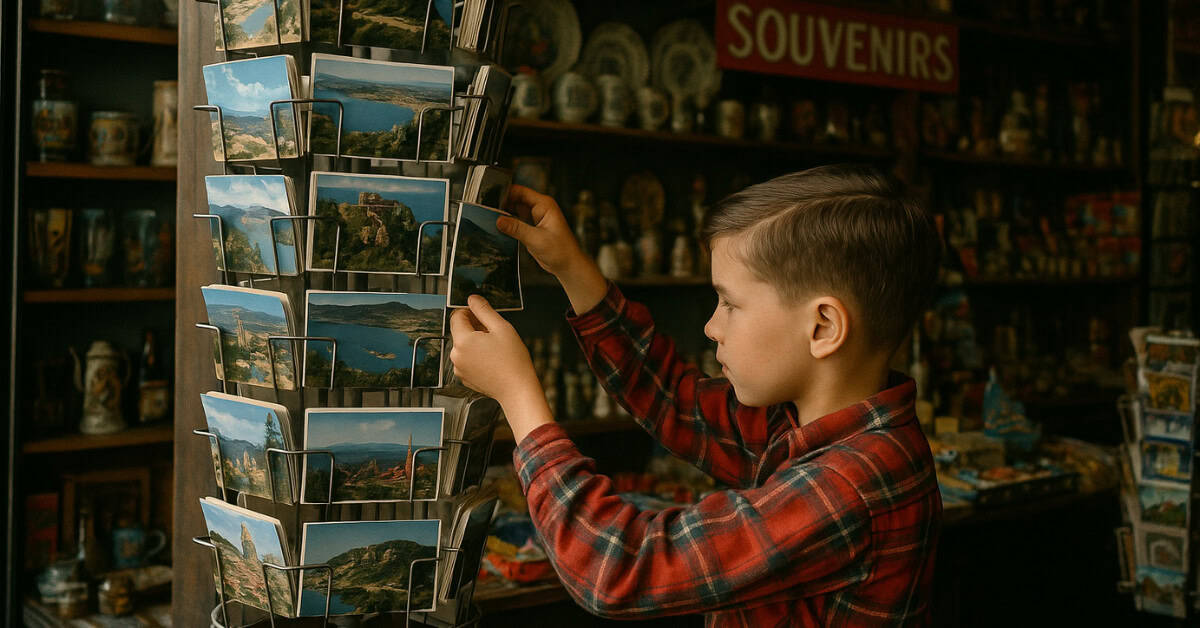
Sending postcards was a vacation ritual, and collect calls to grandparents were special occasions. Being unreachable was normal and even liberating. Now we’re constantly connected through social media updates, video calls, and instant messages.
9. Budget Management
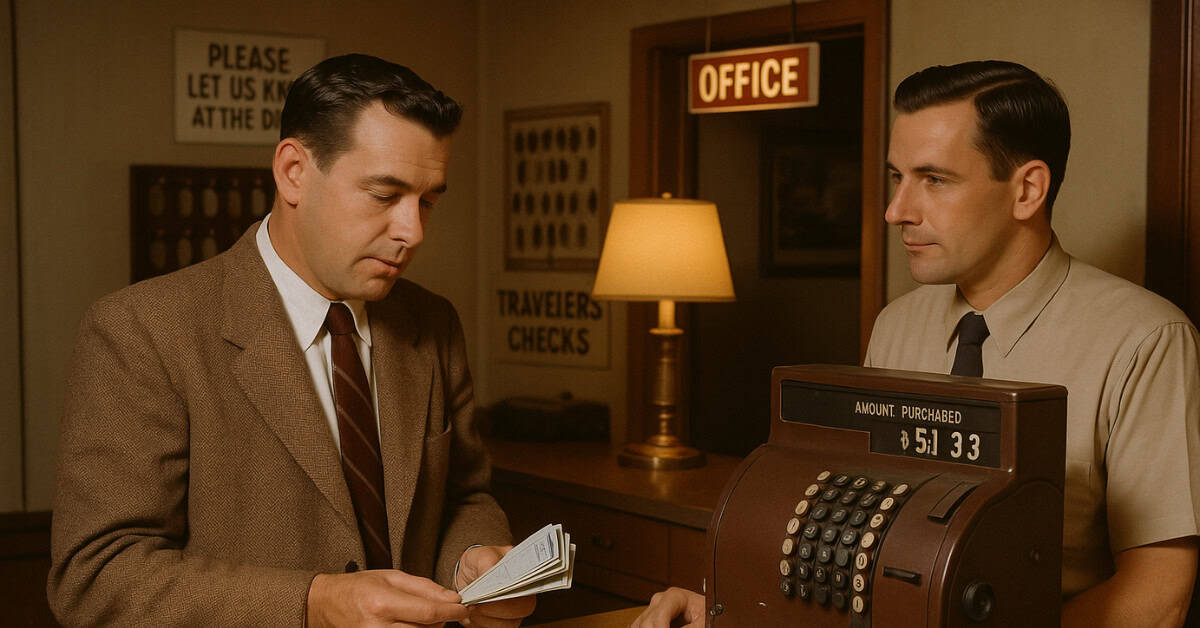
Dad would cash travelers’ checks at the bank before leaving, carefully budgeting for gas, food, and lodging. Credit cards were for emergencies only. Today’s travelers rely on apps to track spending, points programs for rewards, and rarely carry cash.
10. Weather Planning
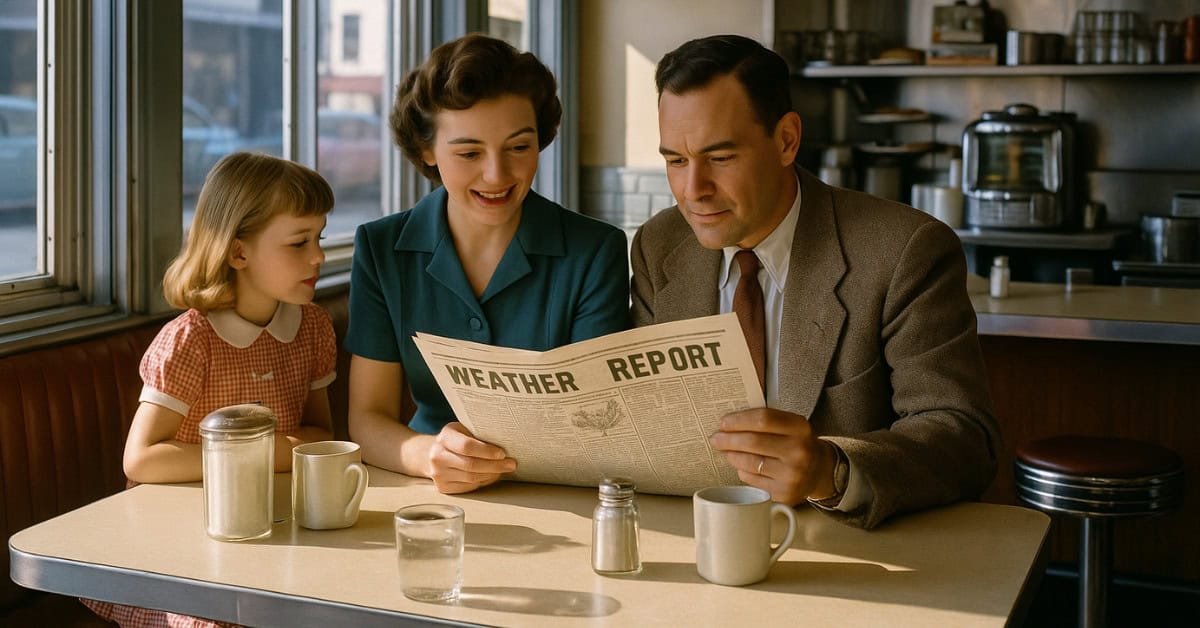
Weather was a surprise element, learned from local radio stations or the morning paper. Rainy days meant impromptu stops at museums or playing cards in motel rooms. Modern families check multiple weather apps and plan alternate activities weeks in advance.