Remember when the funny pages were more than just a quick chuckle with your morning coffee? The ’60s and ’70s brought us some of the most innovative and thought-provoking comic strips ever created. These weren’t just simple gags – they were cultural commentaries that changed how we viewed humor and society. Let’s flip back through the pages of time and revisit some groundbreaking strips that still influence cartoonists today.
Table of Contents
- 1 1. Peanuts (Peak Years: 1960s-1970s)
- 2 2. Doonesbury (Debut: 1970)
- 3 3. Ziggy (Debut: 1971)
- 4 4. Love Is… (Debut: 1970)
- 5 5. Tumbleweeds (Debut: 1965)
- 6 6. B.C. (Peak Years: 1960s-1970s)
- 7 7. Marmaduke (Peak: 1960s)
- 8 8. The Wizard of Id (Debut: 1964)
- 9 9. Cathy (Debut: 1976)
- 10 10. Tank McNamara (Debut: 1974)
1. Peanuts (Peak Years: 1960s-1970s)
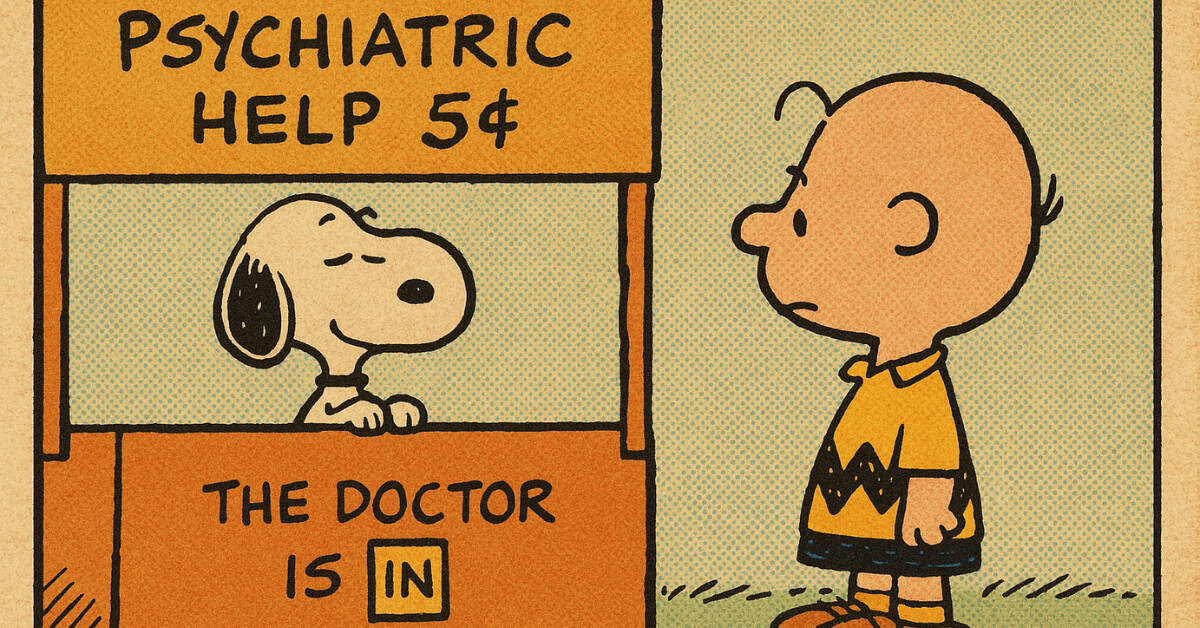
Charles Schulz revolutionized comic strips by introducing sophisticated philosophical themes through the eyes of children. During these decades, Peanuts tackled depression, existentialism, and unrequited love – heavy topics that had never been addressed in the funny pages before. The strip’s impact went far beyond newspapers, spawning television specials that became holiday traditions and merchandising that created the modern licensing industry.
Save for later
Want to come back to this story? Save it with your email so it is easy to find again.
2. Doonesbury (Debut: 1970)

Garry Trudeau’s politically charged strip broke new ground by directly addressing current events and political scandals. Starting as a college newspaper strip called “Bull Tales,” Doonesbury became the first daily comic strip to win a Pulitzer Prize. Its biting satire of political figures was so controversial that many newspapers moved it to the editorial page.
3. Ziggy (Debut: 1971)

Tom Wilson’s pantless everyman represented the common person’s struggles with modern life. Ziggy’s optimistic outlook in the face of constant frustration struck a chord with readers dealing with the increasing complexity of the modern world. The strip pioneered a minimalist style that influenced many later cartoonists.
4. Love Is… (Debut: 1970)

Kim Casali’s simple drawings of naked, childlike figures captured the zeitgeist of the Love Generation. Originally created as love notes to her future husband, these single-panel comics celebrated the small moments of romance in everyday life. The strip’s success showed that comics could focus on emotions rather than just humor.
5. Tumbleweeds (Debut: 1965)

Tom K. Ryan’s Western-themed strip brought sophisticated wordplay and social satire to the comics page. Set in the mythical town of Grimy Gulch, it cleverly commented on modern life through the lens of the Old West. The strip was among the first to regularly break the fourth wall, with characters often addressing readers directly.
6. B.C. (Peak Years: 1960s-1970s)

Johnny Hart’s prehistoric setting provided a unique lens for examining modern society’s foibles. During these decades, B.C. refined its combination of sophisticated wordplay and visual gags. The strip proved that seemingly simple drawings could convey complex ideas and social commentary.
7. Marmaduke (Peak: 1960s)

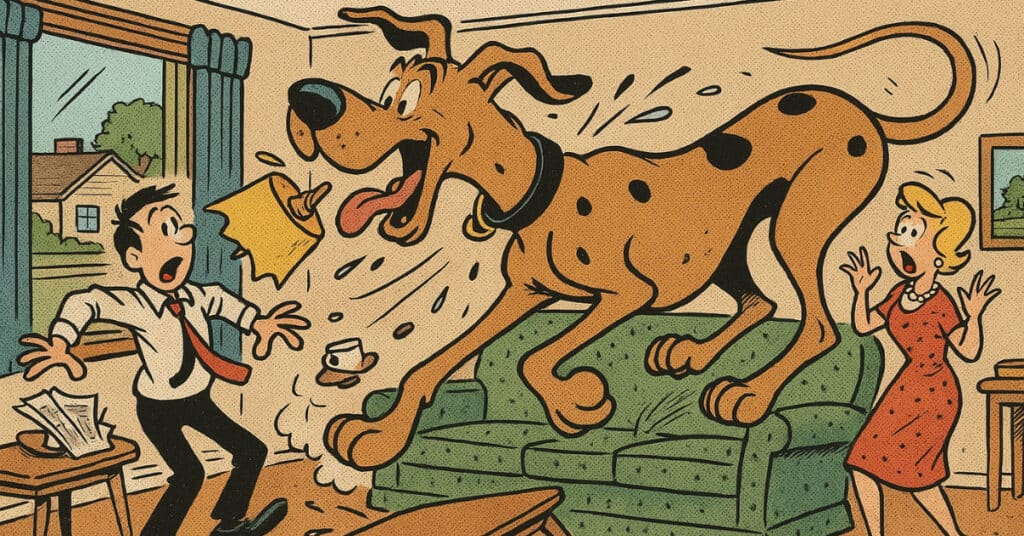
Brad Anderson’s giant Great Dane redefined the family pet comic genre. Through Marmaduke’s adventures, the strip captured the growing importance of pets in American family life. Its single-panel format perfected the art of visual comedy, proving that sometimes one image could be funnier than multiple panels.
8. The Wizard of Id (Debut: 1964)

Brant Parker and Johnny Hart’s medieval setting provided sharp political satire during turbulent times. The strip’s clever use of anachronisms to comment on current events influenced countless later comics. Its success proved that readers would embrace sophisticated humor in the funny pages.
9. Cathy (Debut: 1976)

Cathy Guisewite’s autobiographical strip broke new ground by addressing women’s changing roles in society. It was among the first mainstream comics to tackle issues like career-family balance and body image from a female perspective. The strip’s success opened doors for more women cartoonists in what had been a male-dominated field.
10. Tank McNamara (Debut: 1974)

Jeff Millar and Bill Hinds created the first comic strip focused entirely on sports culture. Through the eyes of ex-football player Tank McNamara, the strip tackled serious issues in athletics while maintaining its humor. It pioneered the use of real sports figures and events in a fictional comic strip setting.