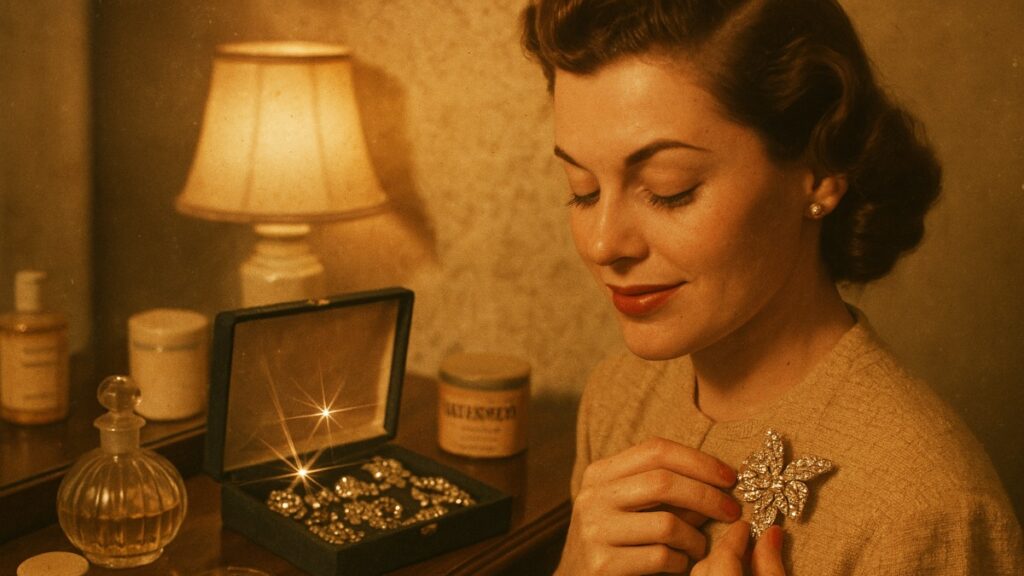
Remember when school was simpler? When teachers focused on the basics, kids played outside during recess, and everyone learned cursive? As someone who spent their formative years in classrooms during the 1960s and early ’70s, I can tell you that while education wasn’t perfect, most things made more sense. Let’s take a walk down memory lane and explore why.
Table of Contents
- 1 1. Cursive Writing Was Essential
- 2 2. Real Physical Education
- 3 3. Mental Math Was Non-Negotiable
- 4 4. Reading Was a Daily Priority
- 5 5. Shop Class Taught Real Skills
- 6 6. Home Economics Was Actually Useful
- 7 7. Recess Was Sacred Time
- 8 8. Discipline Had Real Meaning
- 9 9. Music and Art Weren’t ‘Extra’
- 10 10. Homework Was Manageable
1. Cursive Writing Was Essential

We’d practice our loops and curves every day until our penmanship was perfect. Cursive wasn’t just about writing pretty letters—it taught us fine motor skills and patience. We learned to read historical documents in their original form, and our signatures meant something. These days, many kids can’t even read their grandparents’ handwritten letters, let alone write in cursive themselves.
Save for later
Want to come back to this story? Save it with your email so it is easy to find again.
2. Real Physical Education
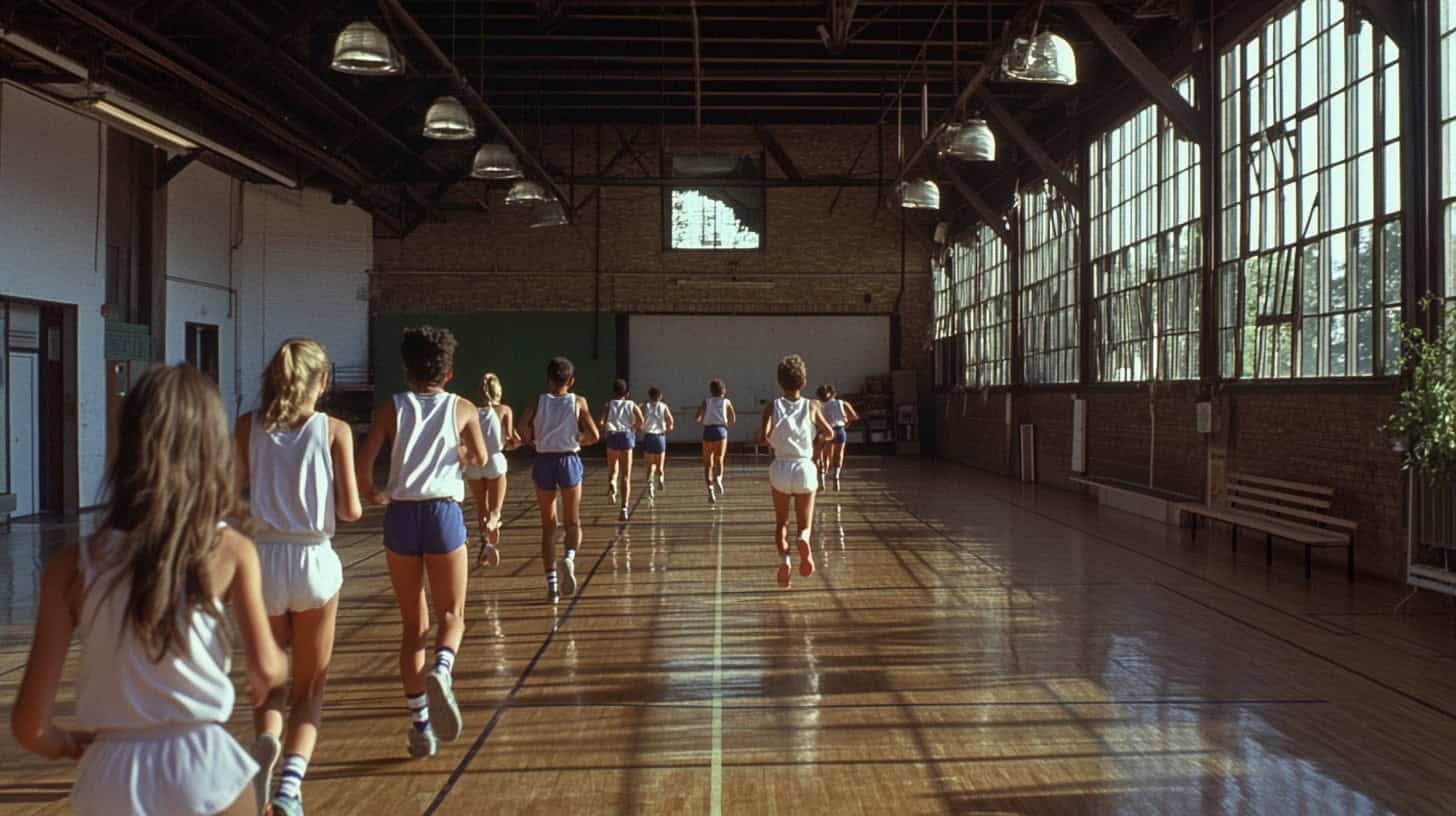
PE wasn’t optional, and it wasn’t just about playing games. We did real calisthenics, rope climbing, and gymnastics. The Presidential Fitness Test was a big deal, and everyone participated. There were no phones, no distractions—just pure physical activity that kept us fit and taught us about teamwork and perseverance.
3. Mental Math Was Non-Negotiable
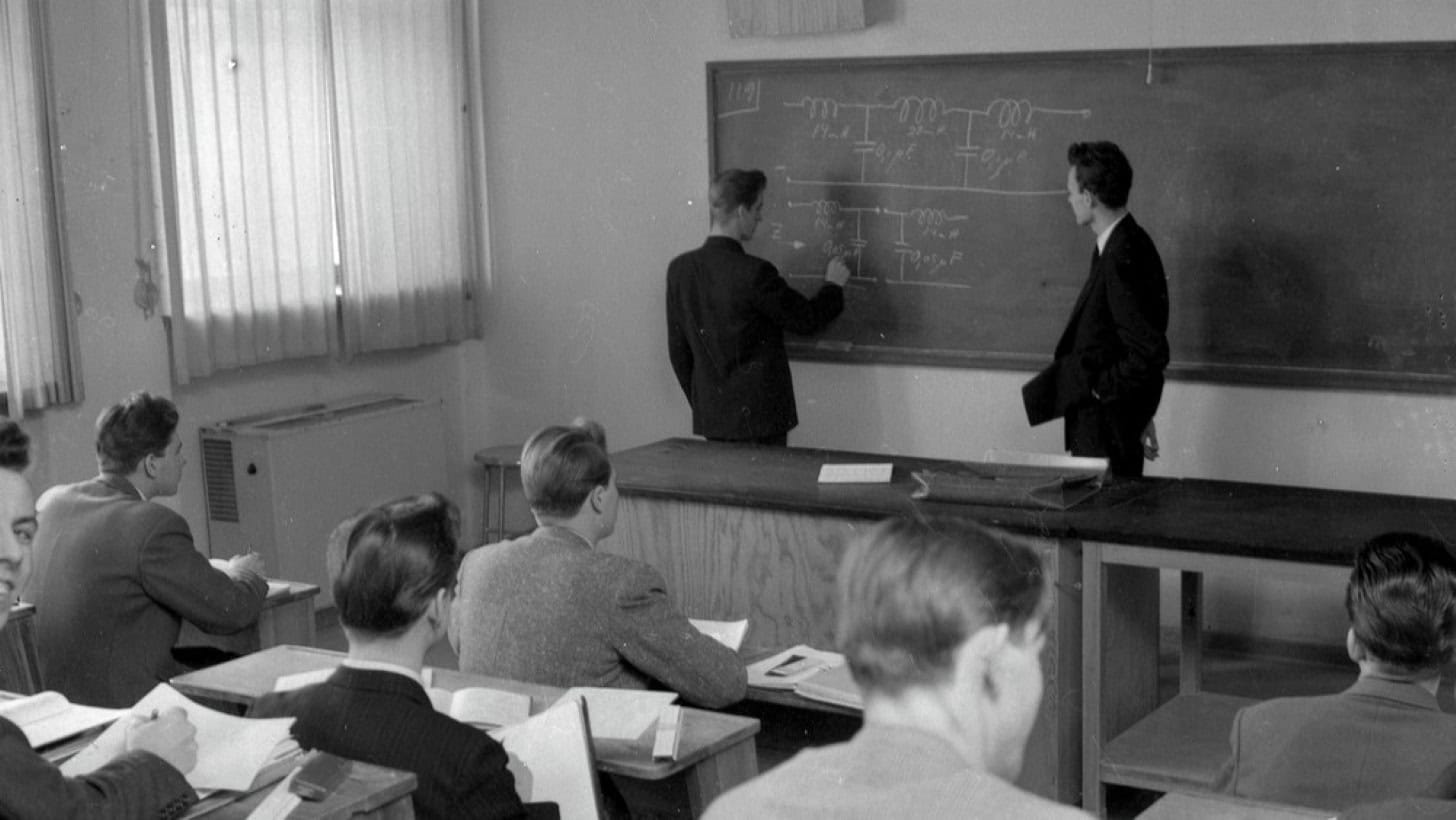
Calculators? Those were for college! We learned multiplication tables by heart and could add columns of numbers in our heads. Teachers emphasized mental math because they knew we wouldn’t always have a calculator handy. Having this foundation in mathematical thinking helped us understand more complex concepts later on.
4. Reading Was a Daily Priority
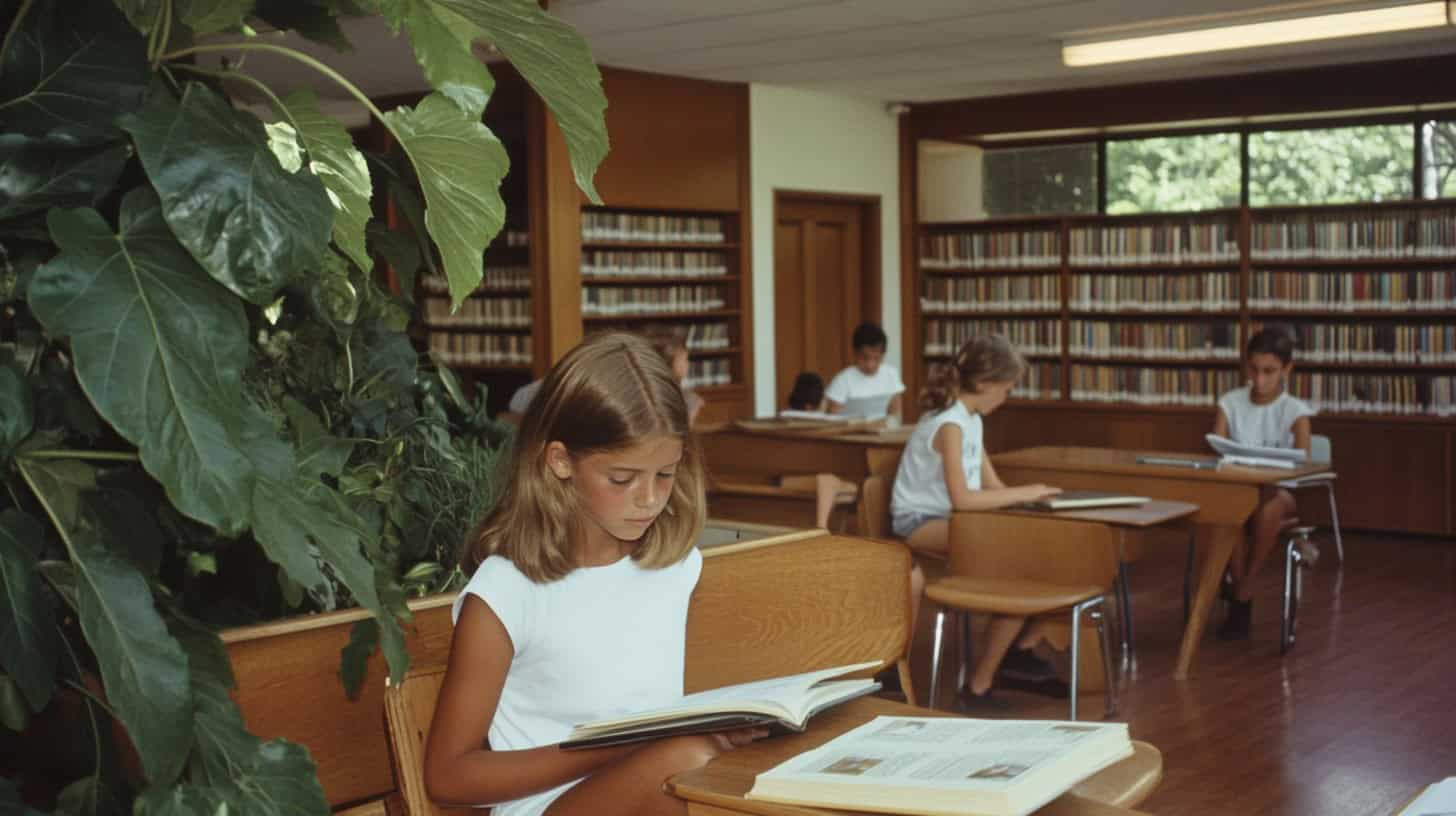
Every class had dedicated reading time, and the Weekly Reader was something we all looked forward to. Book reports weren’t just assignments but opportunities to share stories with classmates. Libraries were quiet sanctuaries where we read books, not places to plug in laptops and phones.
5. Shop Class Taught Real Skills

Boys and girls alike learned practical skills in shop class. We made bookshelves and birdhouses and learned basic home repairs. These weren’t just projects but life lessons in self-reliance and craftsmanship that many of us still use today.
6. Home Economics Was Actually Useful

Home economics taught real-world skills like budgeting, cooking, and basic sewing. Everyone learned to balance a checkbook, plan meals, and handle basic household repairs. These weren’t gender-specific skills but life skills that prepared us for adulthood.
7. Recess Was Sacred Time

Multiple recesses throughout the day weren’t considered time-wasters—they were essential breaks that let us burn off energy and develop social skills. We played kickball, jumped rope, and actually talked to each other face-to-face. There were no smartphones, just genuine human interaction and physical activity.
8. Discipline Had Real Meaning

Teachers commanded respect, and classroom discipline was consistent and clear. Notes home to parents meant something, and students knew there would be consequences for misbehavior. This structure helped create an environment where learning could actually take place.
9. Music and Art Weren’t ‘Extra’
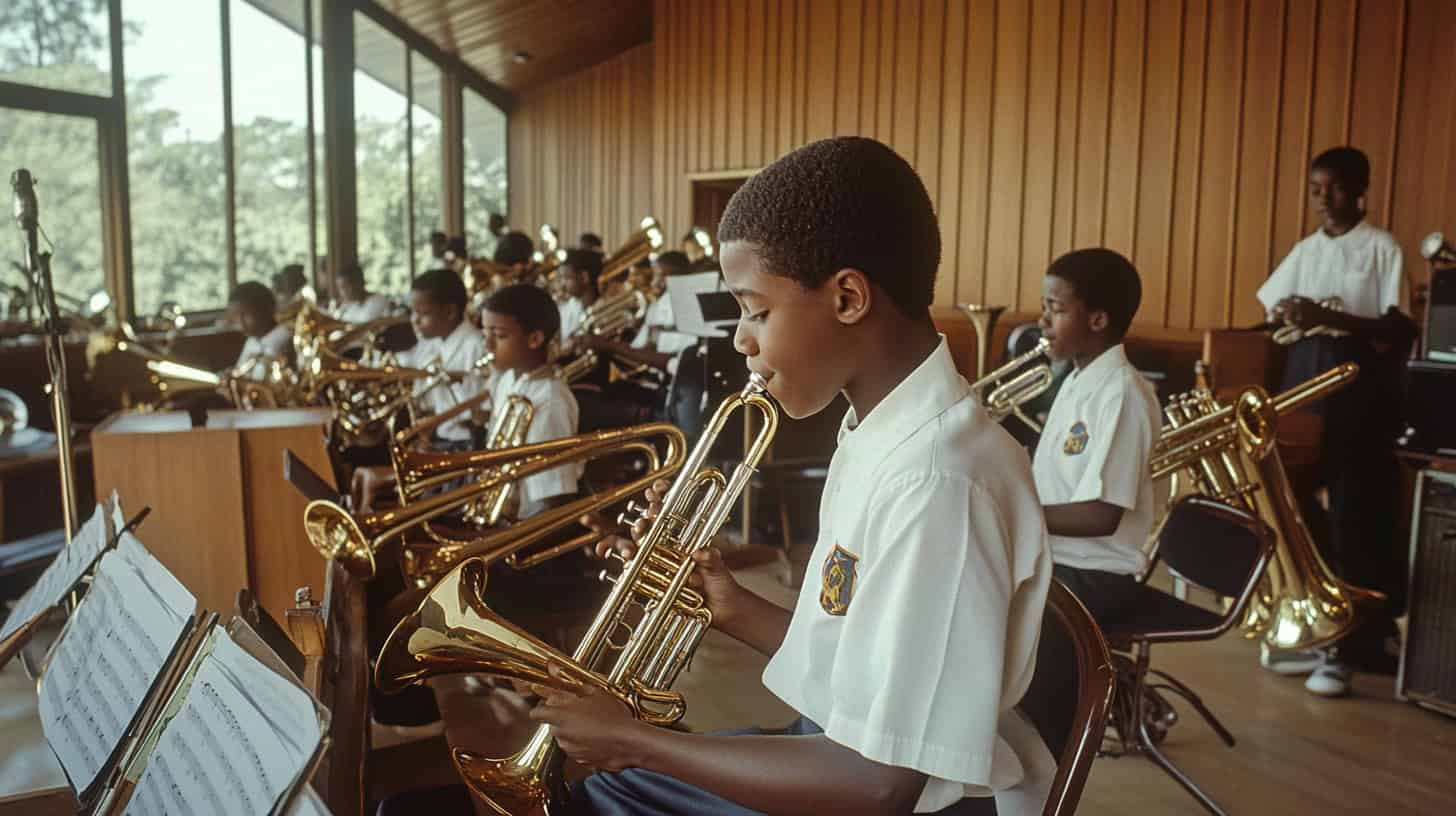
Every school had a band program, and art class was part of the core curriculum. We learned to appreciate classical music, play instruments, and express ourselves through various art mediums. These weren’t considered expendable programs – they were essential parts of a well-rounded education.
10. Homework Was Manageable
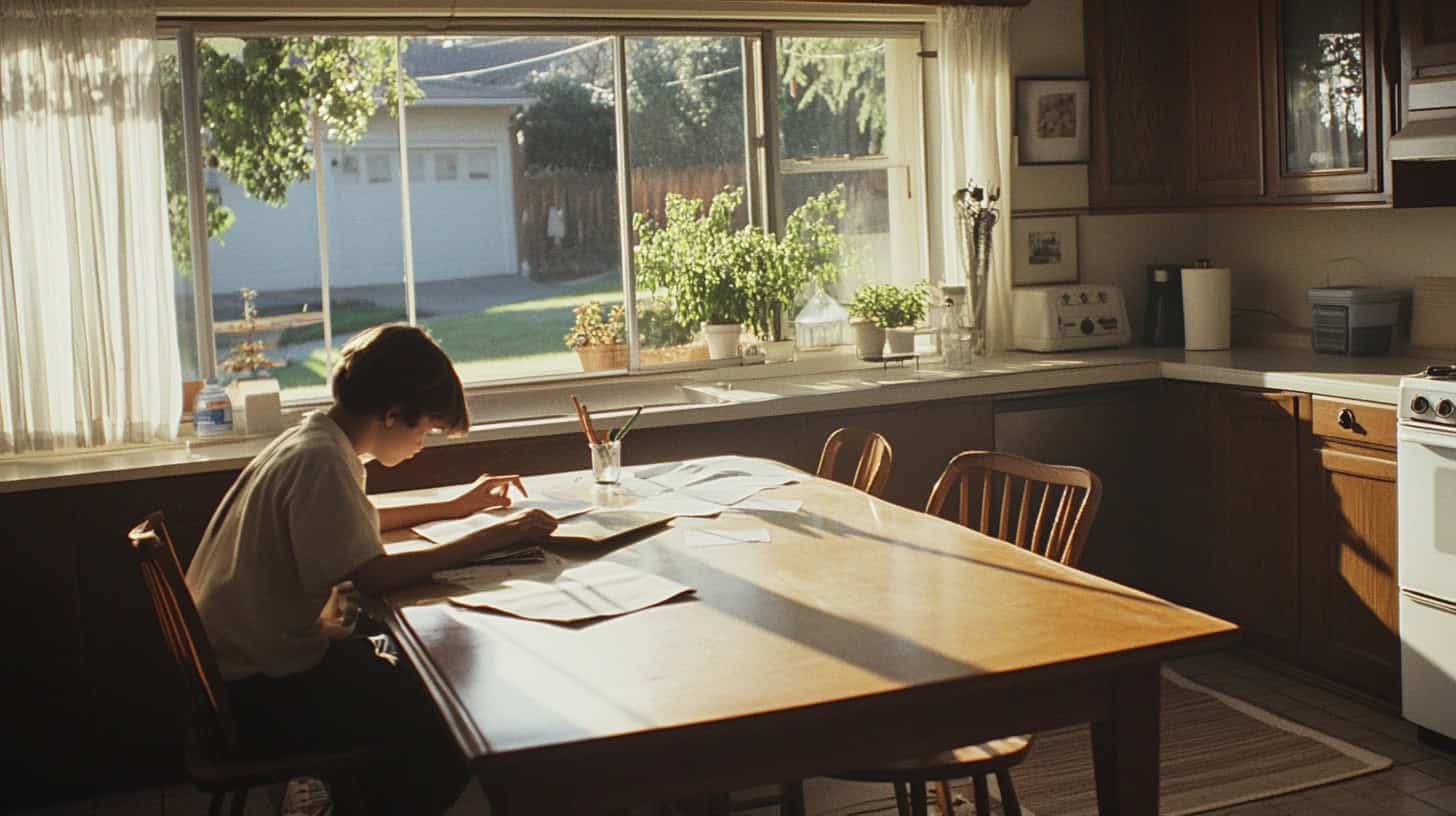
Homework reinforced what we learned in class but didn’t overwhelm us. We had time for family dinner, playing outside, and., most importantly, for actually being kids. The assignments were meaningful and helped us practice what we learned, not busy work that kept us up until midnight.