Growing up in the 1960s wasn’t just about experiencing a unique moment in history – it was about learning life lessons that would shape an entire generation. While today’s kids might have technology and instant gratification, those of us who came of age during the Kennedy and Johnson years learned some fundamental truths that still serve us well today.
Table of Contents
- 1 1. Patience Was More Than a Virtue – It Was Mandatory
- 2 2. Real Problem Solving Without Google
- 3 3. The Value of Face-to-Face Communication
- 4 4. True Independence Through Unsupervised Play
- 5 5. The Art of Making Your Own Fun
- 6 6. Community Connection and Trust
- 7 7. Respect for Authority (While Questioning Authority)
- 8 8. The Importance of Physical Activity
- 9 9. Real Risk Assessment
- 10 10. Manual Skills Matter
- 11 11. Waste Not, Want Not
1. Patience Was More Than a Virtue – It Was Mandatory
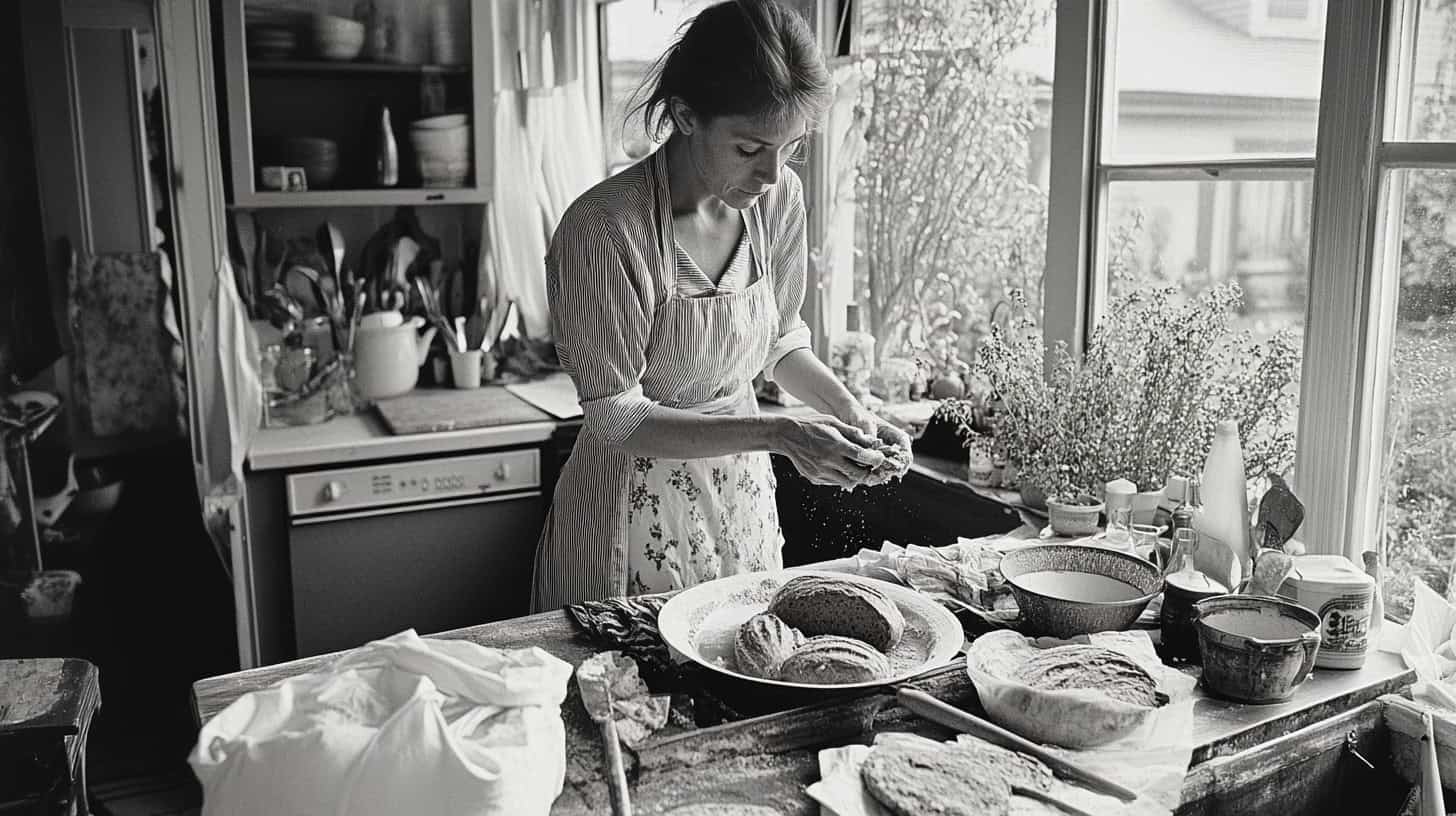
Whether waiting for Saturday morning cartoons, saving S&H Green Stamps for that special prize, or developing photos from your Brownie camera, instant gratification wasn’t an option. We learned that good things take time, and anticipation made the reward sweeter. This lesson in delayed gratification has served us well in an age of one-click shopping and streaming services.
Save for later
Want to come back to this story? Save it with your email so it is easy to find again.
2. Real Problem Solving Without Google
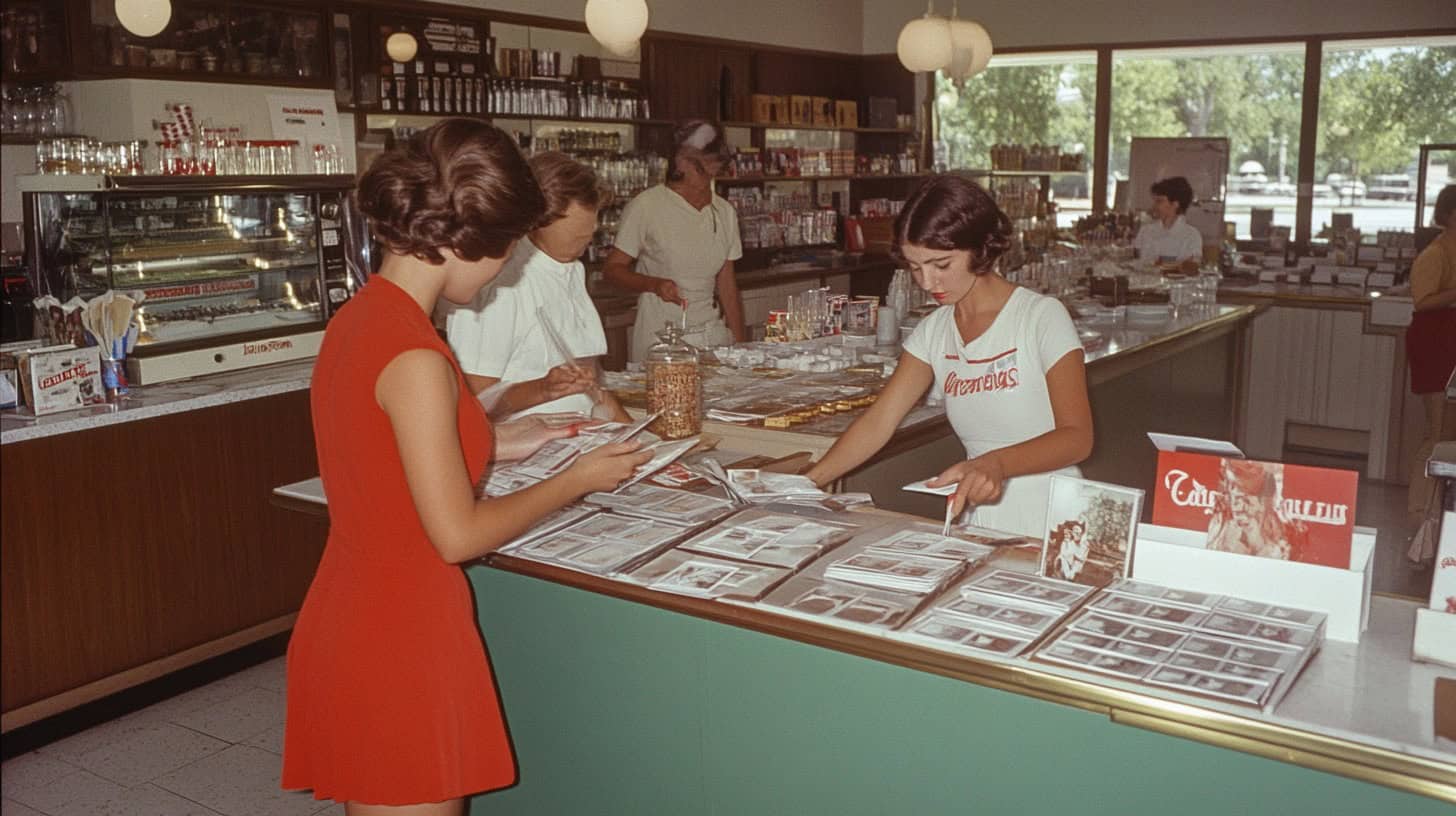
When your bike chain broke or your transistor radio stopped working, you had to figure it out yourself. We learned to think critically, use trial and error, and often create innovative solutions with limited resources. That problem-solving mindset has proven invaluable throughout our lives, especially when technology fails us today.
3. The Value of Face-to-Face Communication
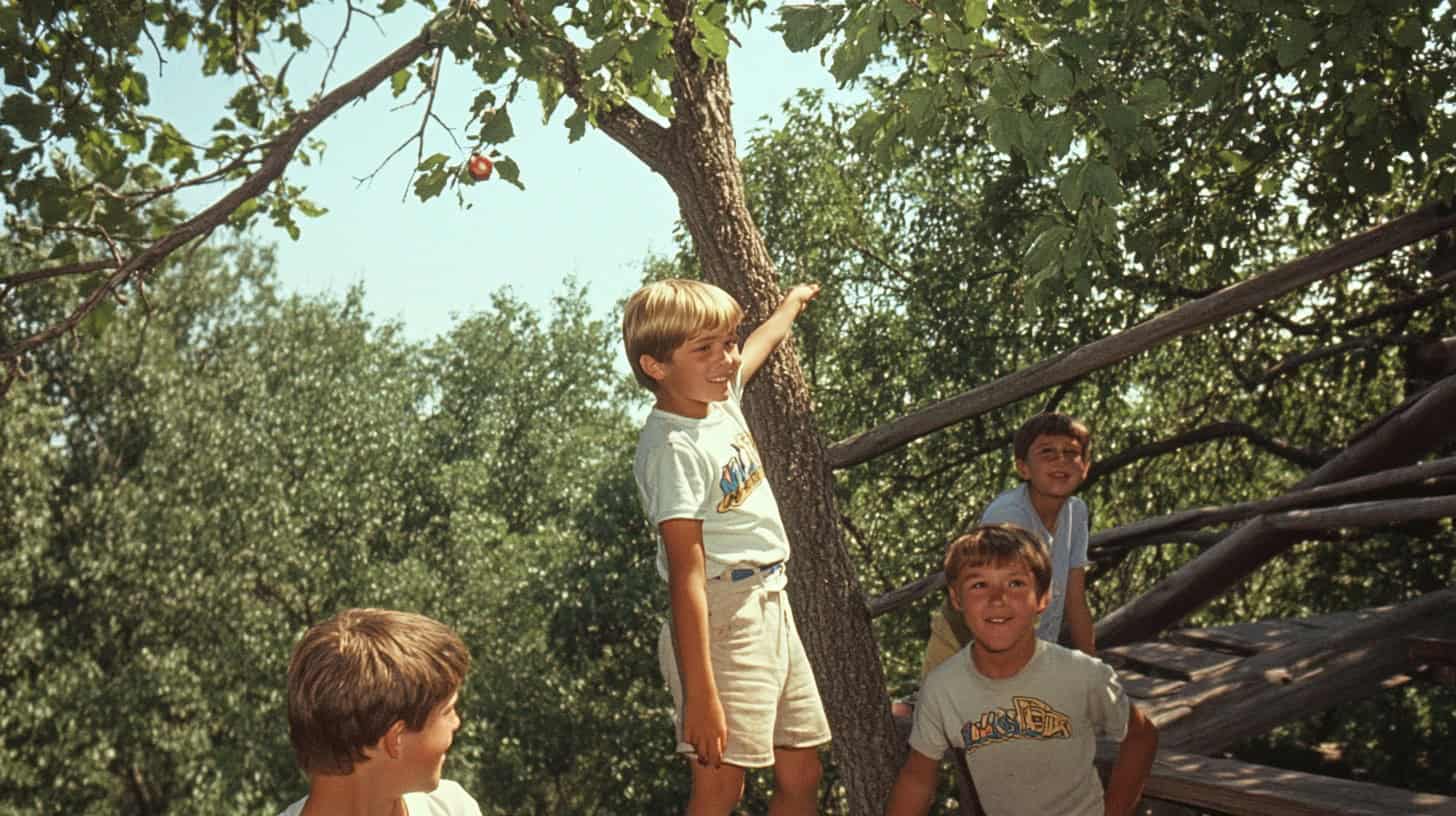
With no texting or social media, we had to work out our differences in person. Whether it was organizing a neighborhood baseball game or resolving a conflict with friends, we learned the nuances of real human interaction. Reading facial expressions and body language became second nature – skills that are increasingly rare in today’s digital world.
4. True Independence Through Unsupervised Play

“Be home when the street lights come on” was our only rule. We roamed neighborhoods, built forts, and learned to manage risk without helicopter parents hovering nearby. This freedom taught us responsibility, self-reliance, and how to trust our own judgment – lessons that built confidence for life’s bigger challenges.
5. The Art of Making Your Own Fun

Without endless entertainment options, we became masters of creativity. A cardboard box became a spaceship, a blanket over chairs transformed into a secret fort, and a stick could be anything from a sword to a magic wand. We learned that imagination is more powerful than any electronic device.
6. Community Connection and Trust
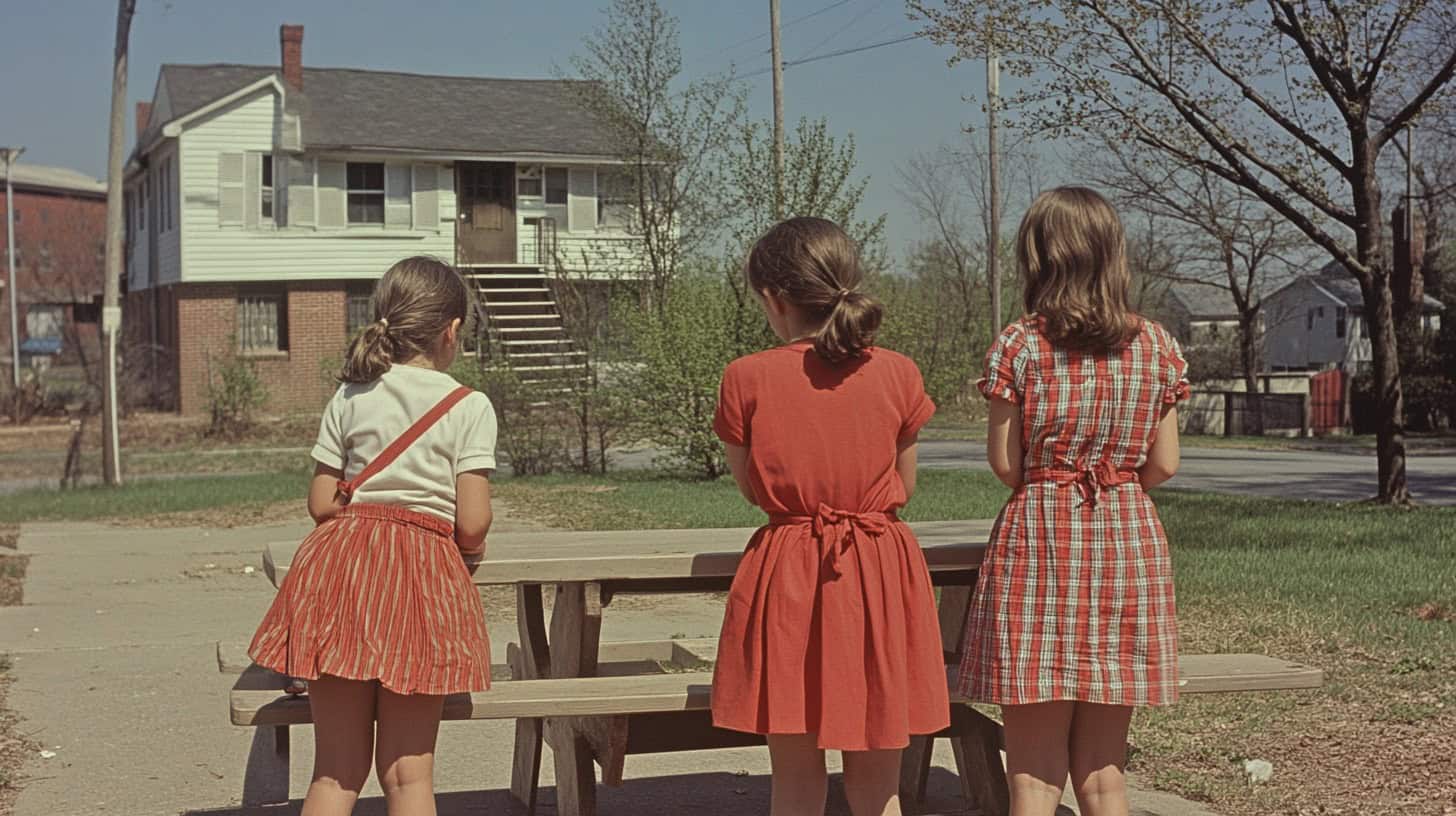
Neighbors watched out for each other’s kids, doors were left unlocked, and community meant something real. We learned the value of social trust and mutual responsibility. That sense of community taught us that we’re all connected and responsible for each other’s well-being.
7. Respect for Authority (While Questioning Authority)
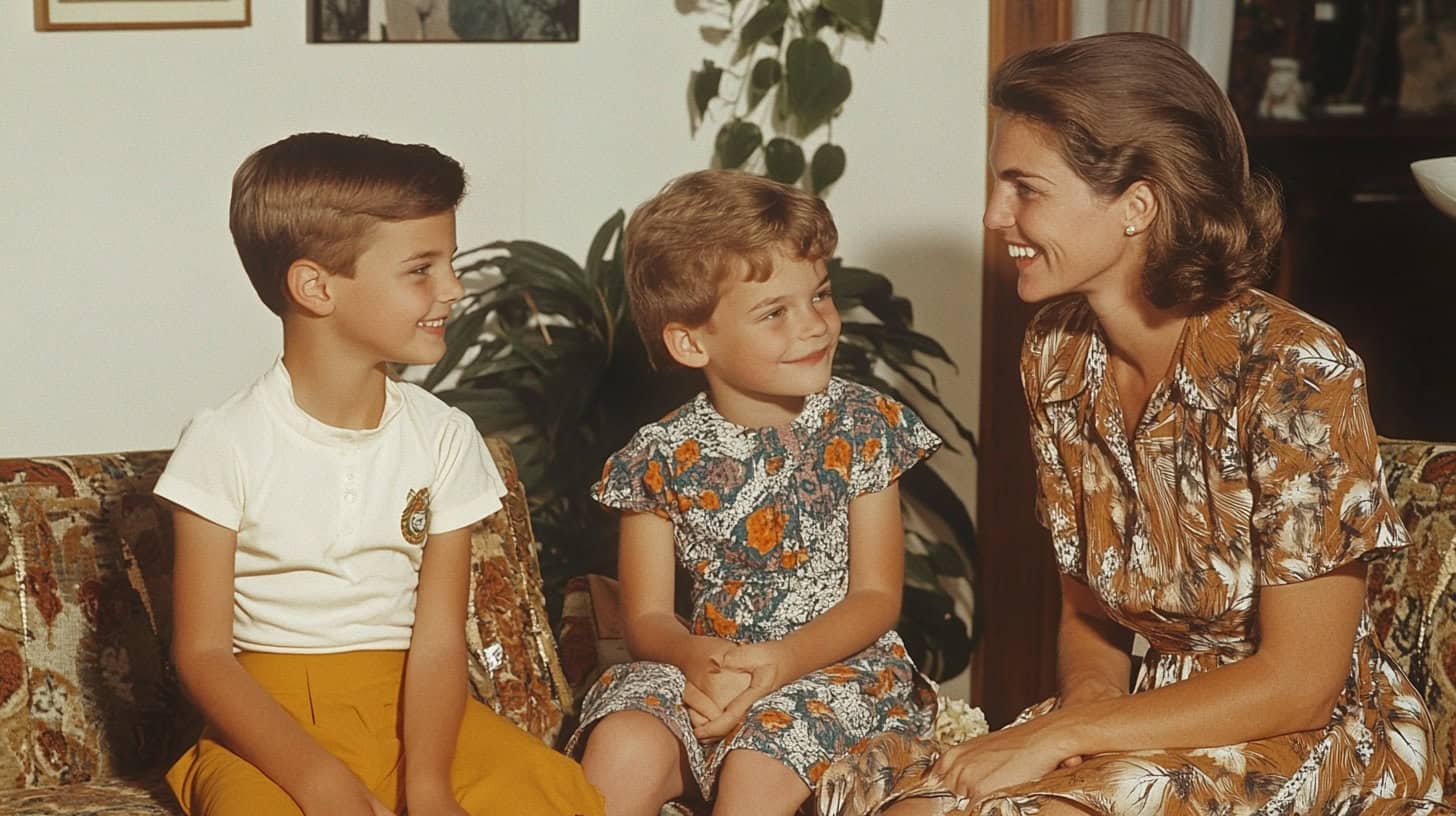
We grew up respecting our elders while simultaneously witnessing the power of questioning the status quo through the civil rights movement and Vietnam protests. This dual perspective taught us to balance respect with critical thinking – understanding when to follow and when to challenge authority.
8. The Importance of Physical Activity

Being indoors was punishment, not a lifestyle choice. We spent hours riding bikes, playing kickball, and exploring outdoors. Exercise wasn’t something you had to schedule – it was just part of daily life. This natural approach to physical activity created lifelong habits of staying active.
9. Real Risk Assessment
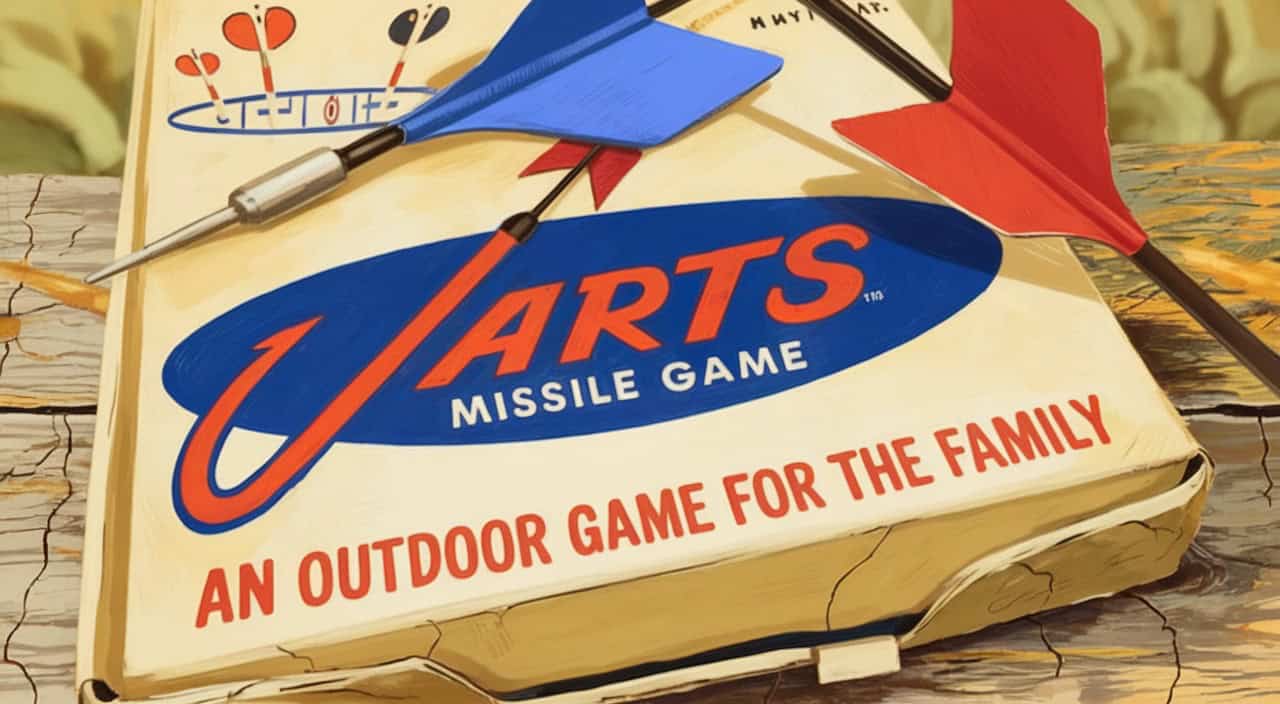
From climbing trees to riding bikes without helmets, we learned to evaluate risks firsthand. While some of our activities might horrify today’s parents, we developed an innate understanding of our capabilities and limitations. This natural risk assessment ability has guided us through many of life’s challenges.
10. Manual Skills Matter
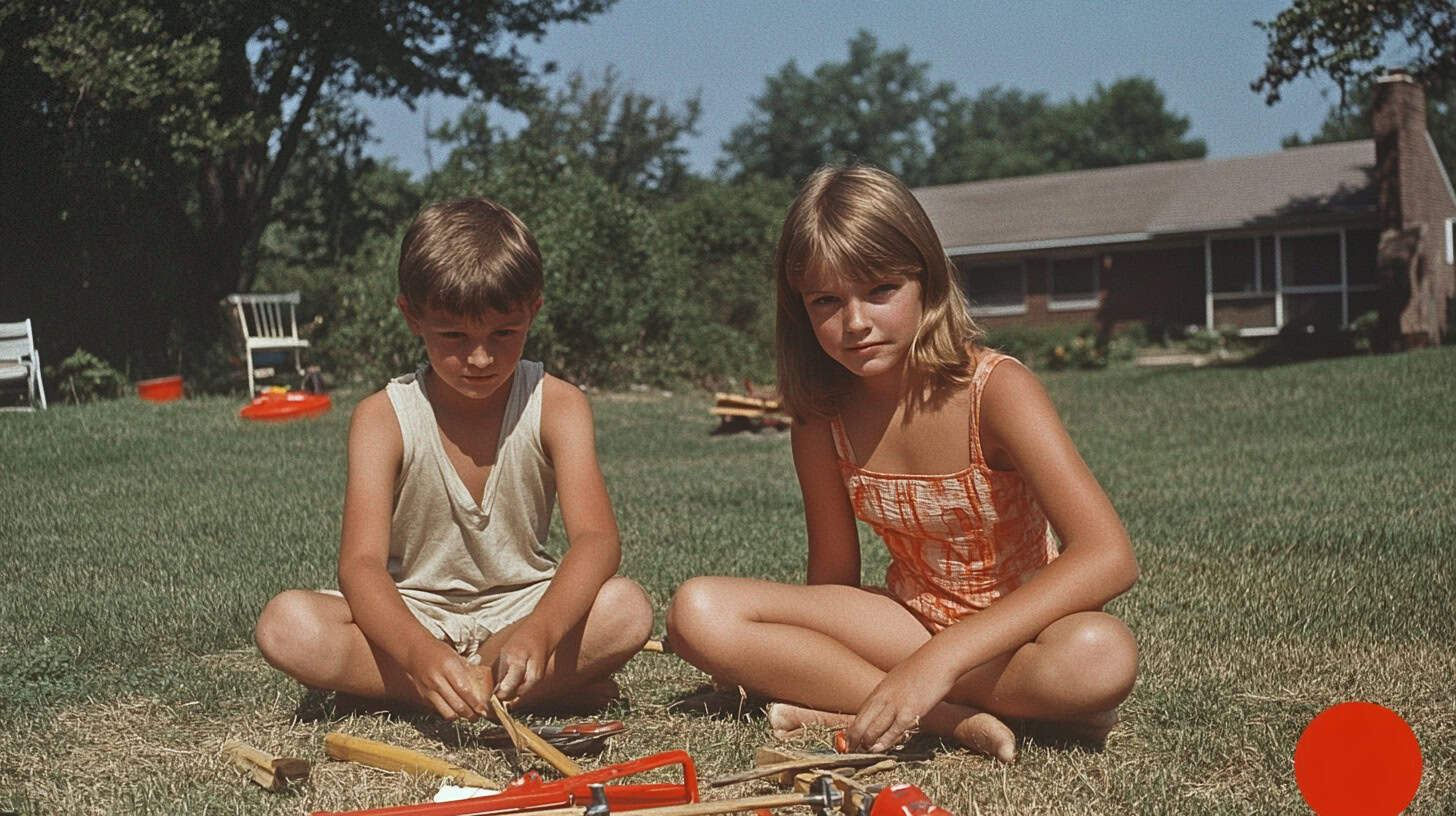
Everyone learned basic repair skills, from fixing a flat tire to darning socks. These practical abilities taught us self-reliance and the satisfaction of working with our hands. Even in today’s digital world, knowing how to fix things ourselves has saved us countless times.
11. Waste Not, Want Not

Growing up with parents who remembered the Great Depression, we learned the value of resources. We saved everything, fixed what was broken, and understood the difference between want and need. This mindset of conservation and careful use of resources has served us well in an increasingly disposable world.