Before laptops and tablets filled backpacks, school supplies were simpler but no less essential. The tools we used to learn and create in the 1970s might seem quaint to today’s students, but they shaped how we approached education. Let’s look back at some classroom staples that have disappeared from school supply lists but remain vivid in our memories.
Table of Contents
- 1 1. Slide Rules
- 2 2. Mimeograph Paper
- 3 3. Film Strip Projectors
- 4 4. Pencil Cases with Built-in Sharpeners
- 5 5. Vinyl Book Covers
- 6 6. Compass and Protractor Sets
- 7 7. Library Card Catalogs
- 8 8. Manual Pencil Sharpeners
- 9 9. Overhead Projector Transparencies
- 10 10. Multiplication Table Cards
- 11 11. Pink Pearl Erasers
- 12 12. Dictionary Stand
- 13 13. Rubber Cement
- 14 14. Assignment Notebooks
1. Slide Rules

These mathematical marvels were essential for any serious math or science student before calculators became affordable. Learning to use one was a rite of passage in advanced math classes. The precision required to line up the markers and read the tiny numbers taught attention to detail that even modern calculators can’t replicate.
Save for later
Want to come back to this story? Save it with your email so it is easy to find again.
2. Mimeograph Paper
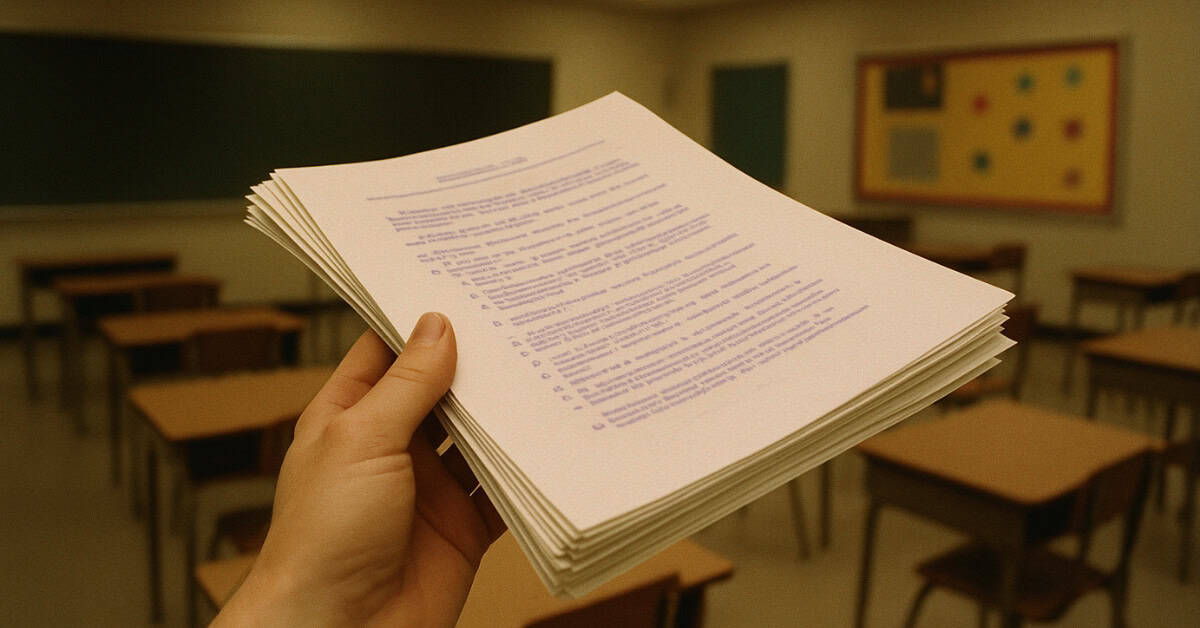
That distinctive purple ink and chemical smell meant test day was coming. Fresh mimeographed worksheets were still slightly damp and had a unique texture. Everyone remembers the ritual of sniffing the papers as they were passed down the rows.
3. Film Strip Projectors
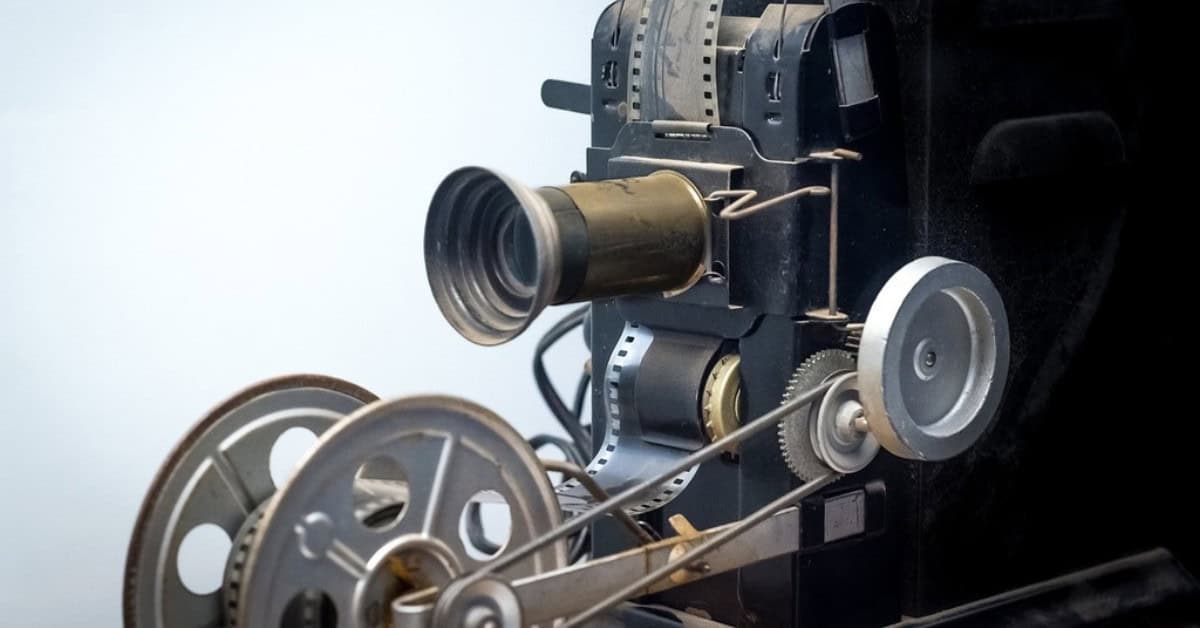
Being chosen to operate the filmstrip projector was a coveted honor. The responsibility of advancing the frames at the sound of the beep was taken very seriously. The warm hum of the projector and darkened classroom created a special atmosphere for learning.
4. Pencil Cases with Built-in Sharpeners

These plastic organizers with their tiny metal sharpeners were must-have items. The shavings compartment inevitably spilled in your backpack, but the convenience was worth it. The built-in ruler and protractor made them all-in-one math tools.
5. Vinyl Book Covers
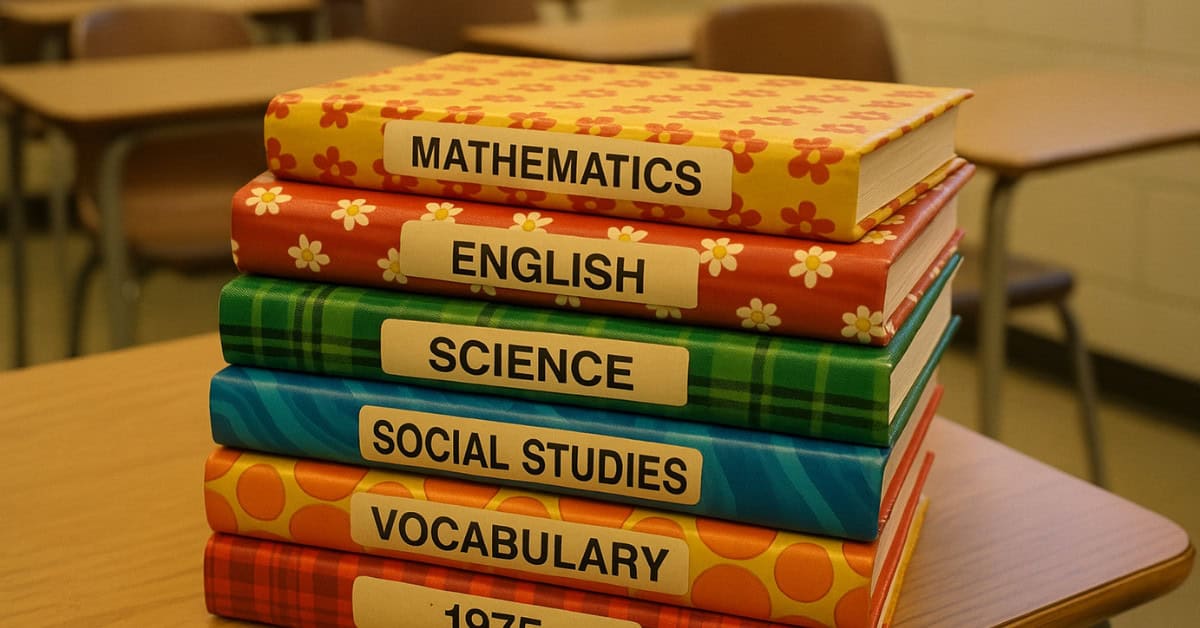
Stretching these covers over textbooks was an art form. The colorful patterns and designs made them personal fashion statements. Getting the corners just right without creating air bubbles took practice and patience.
6. Compass and Protractor Sets

These metal geometry tools came in their own special cases. The compass could become an impromptu weapon, but was essential for drawing perfect circles. The set’s many pieces were easily lost, making a complete kit rare by year’s end.
7. Library Card Catalogs
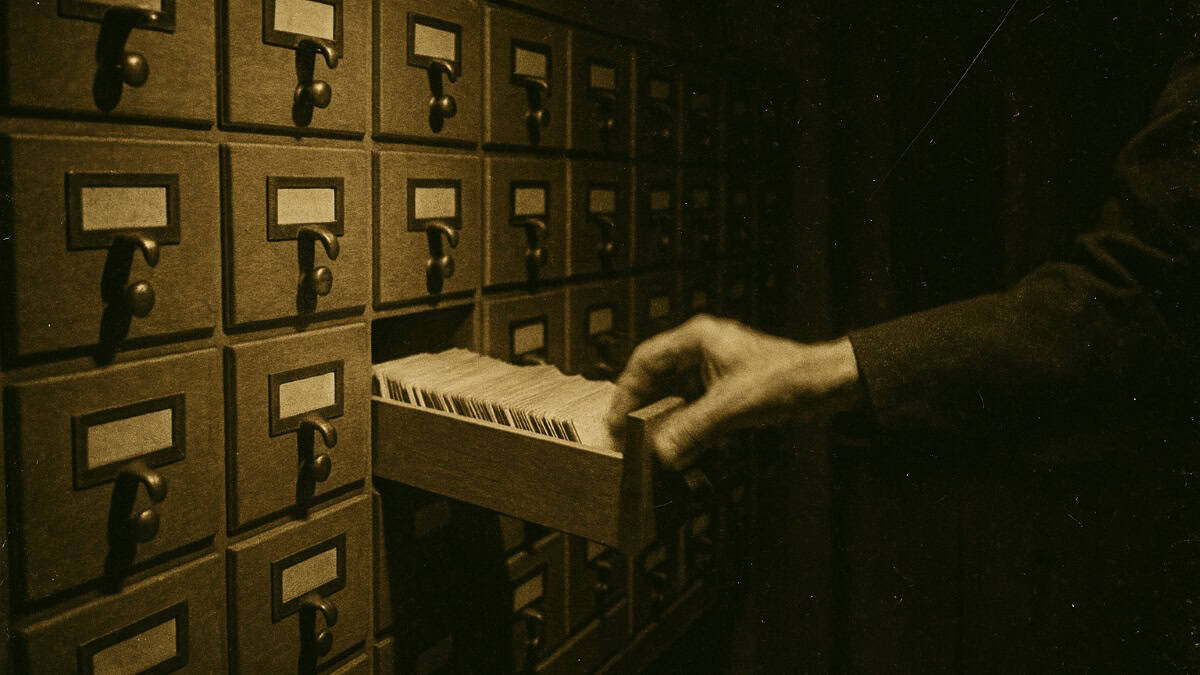
Learning the Dewey Decimal System was mandatory for research projects. The small drawers filled with typed cards were gateways to knowledge. Finding the right book meant understanding subject headings and cross-references.
8. Manual Pencil Sharpeners
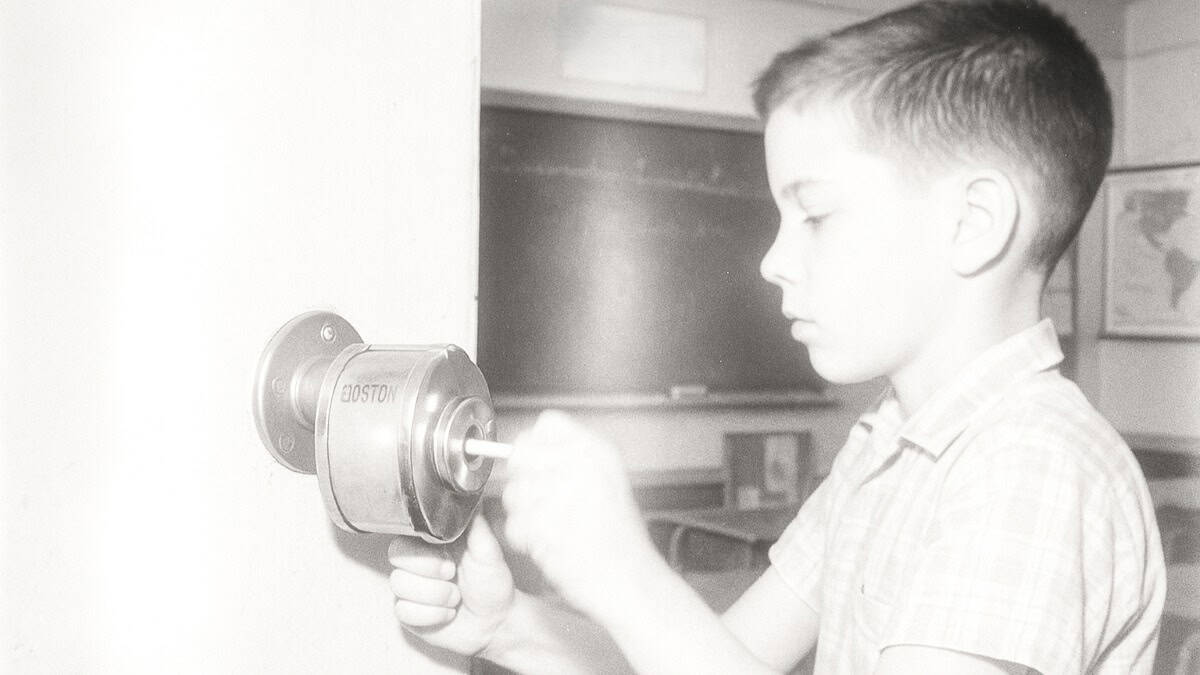
The wall-mounted sharpener was a classroom focal point. The satisfying crunch of a perfect point was worth the effort of cranking the handle. Getting permission to sharpen your pencil was sometimes an escape from boring lessons.
9. Overhead Projector Transparencies

Teachers wrote on clear sheets with special markers, layering information as lessons progressed. The projector’s fan provided white noise for the classroom. Accidentally touching the hot surface was a rite of passage.
10. Multiplication Table Cards
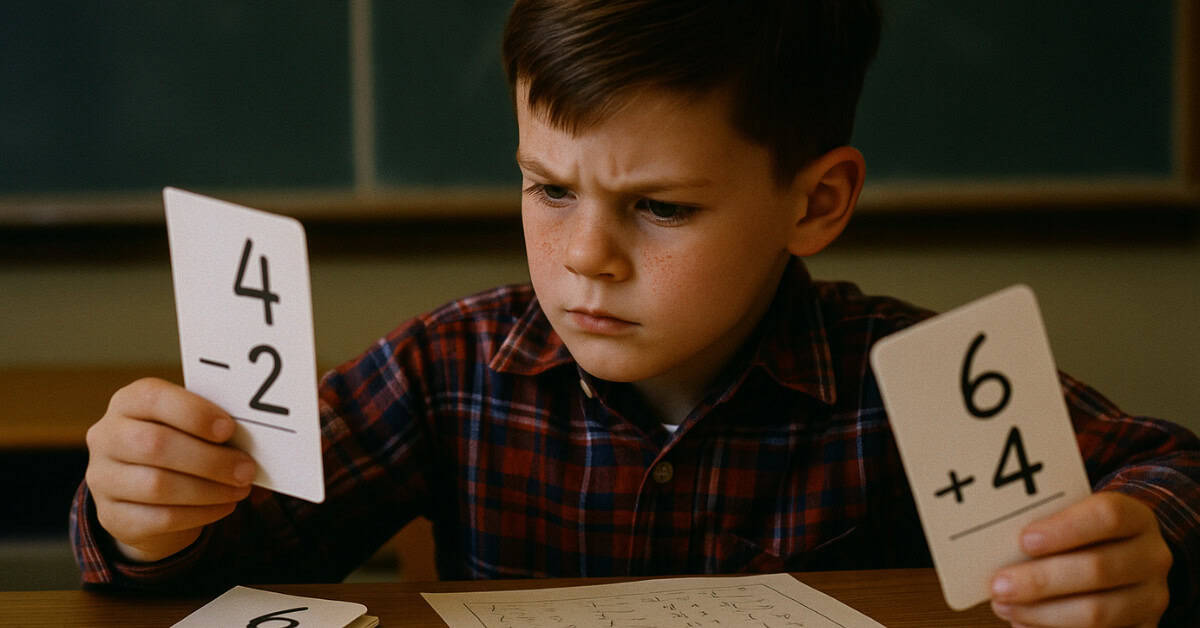
These flash cards were essential for memorizing times tables. Daily drills and speed tests using these cards built mathematical foundations. The satisfaction of mastering a new number set was a notable achievement.
11. Pink Pearl Erasers

These large pink erasers were more effective than pencil-top versions. They could last an entire school year if you didn’t lose them. The distinctive pink rubber smell and eraser shavings were part of every writing session.
12. Dictionary Stand

Every classroom had a large dictionary on a special stand. Looking up words meant physical page-turning and alphabetical order skills. The wooden stand’s tilted surface made consulting the massive book easier.
13. Rubber Cement

This adhesive was essential for art projects and report covers. The brush-in-cap bottle design was unique, and rolling dried cement off your fingers was oddly satisfying. The distinct smell and yellow tint made it instantly recognizable.
14. Assignment Notebooks

Before digital calendars, these paper planners kept students organized. Different colored pens helped categorize assignments by subject. Teacher signatures often required for parent communication created accountability.