The 1970s marked a revolutionary period in television history, when shows dared to tackle controversial subjects and challenge social norms. These groundbreaking series didn’t just entertain – they sparked meaningful conversations about war, racism, gender roles, and social justice. Let’s look back at some shows that changed the television landscape forever and helped shape our national dialogue.
Table of Contents
- 1 1. All in the Family (1971-1979)
- 2 2. M*A*S*H (1972-1983)
- 3 3. The Mary Tyler Moore Show (1970-1977)
- 4 4. Good Times (1974-1979)
- 5 5. The Jeffersons (1975-1985)
- 6 6. Maude (1972-1978)
- 7 7. Police Story (1973-1977)
- 8 8. Soap (1977-1981)
- 9 9. Roots (1977)
- 10 10. Three’s Company (1977-1984)
- 11 11. The Carol Burnett Show (1967-1978)
- 12 12. Barney Miller (1975-1982)
1. All in the Family (1971-1979)

Norman Lear’s groundbreaking sitcom confronted racism, homosexuality, women’s rights, and other controversial topics head-on through the character of Archie Bunker. The show proved that television could address serious social issues while still making audiences laugh. Its influence on television and popular culture cannot be overstated.
Save for later
Want to come back to this story? Save it with your email so it is easy to find again.
2. M*A*S*H (1972-1983)

Set during the Korean War but clearly commenting on Vietnam, M*A*S*H balanced comedy with powerful anti-war messages. The show demonstrated that television could be both entertaining and deeply meaningful. Its finale remains one of the most-watched television events in history.
3. The Mary Tyler Moore Show (1970-1977)
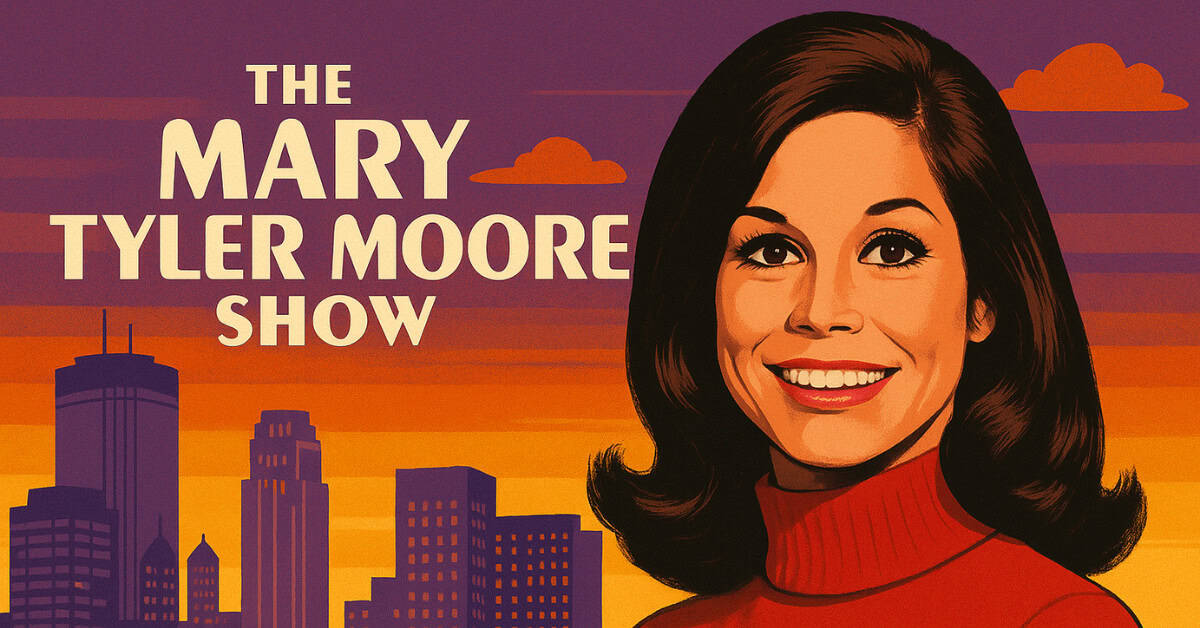
This series revolutionized the portrayal of working women on television. Mary Richards was single, career-focused, and didn’t need a man to define her life. The show tackled issues like equal pay, workplace sexism, and women’s independence with wit and grace.
4. Good Times (1974-1979)
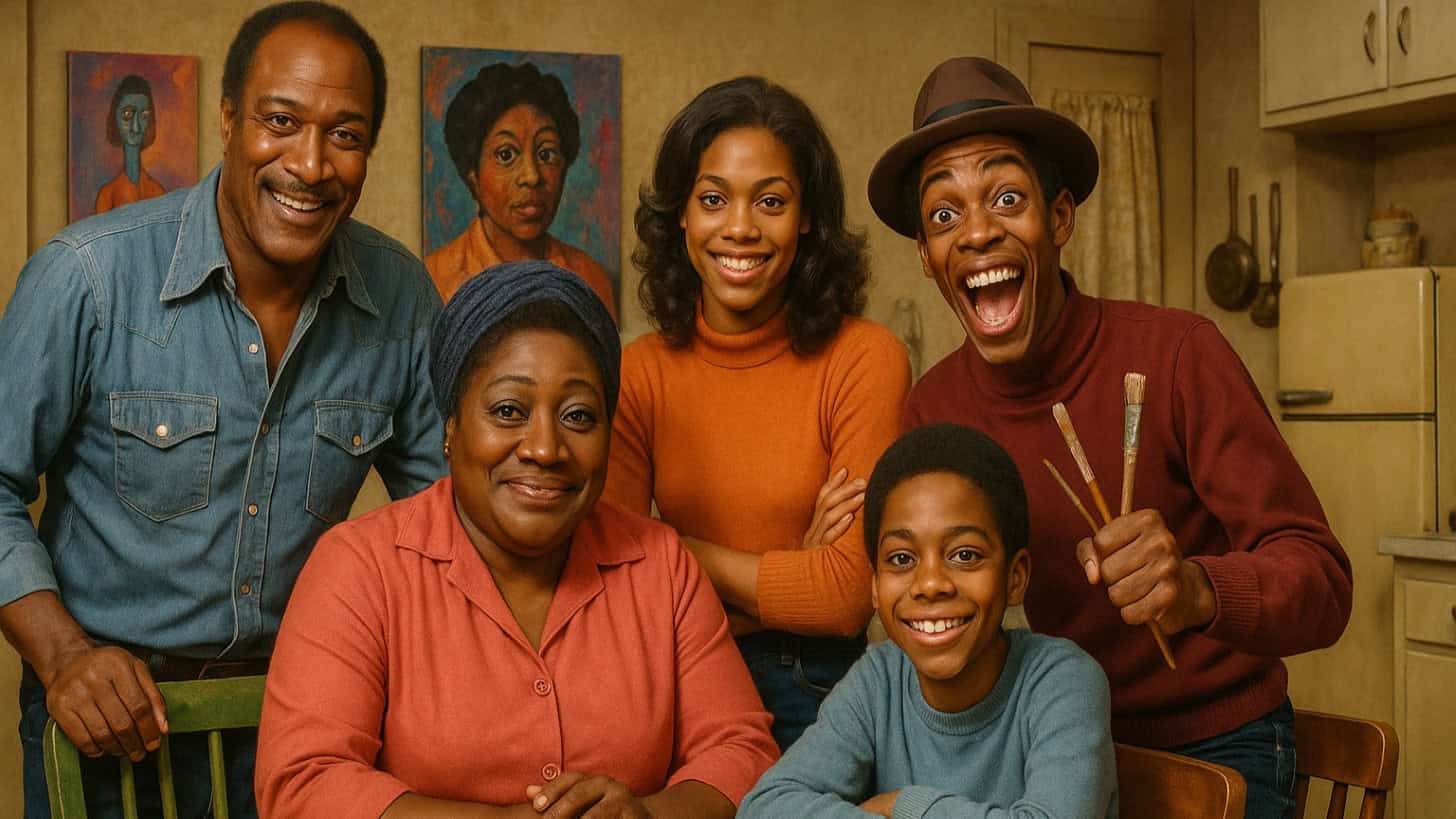
The first sitcom featuring an African American two-parent family, Good Times addressed inner-city poverty, racism, and social inequality. While maintaining humor, the show didn’t shy away from serious issues like unemployment, gang violence, and discrimination. It proved that television could tackle difficult subjects while celebrating family strength.
5. The Jeffersons (1975-1985)

This groundbreaking series showed an affluent African American family “moving on up” to success. The show addressed racial prejudice, class discrimination, and interracial marriage. George Jefferson’s character challenged stereotypes while the show maintained its sharp wit and social commentary.
6. Maude (1972-1978)
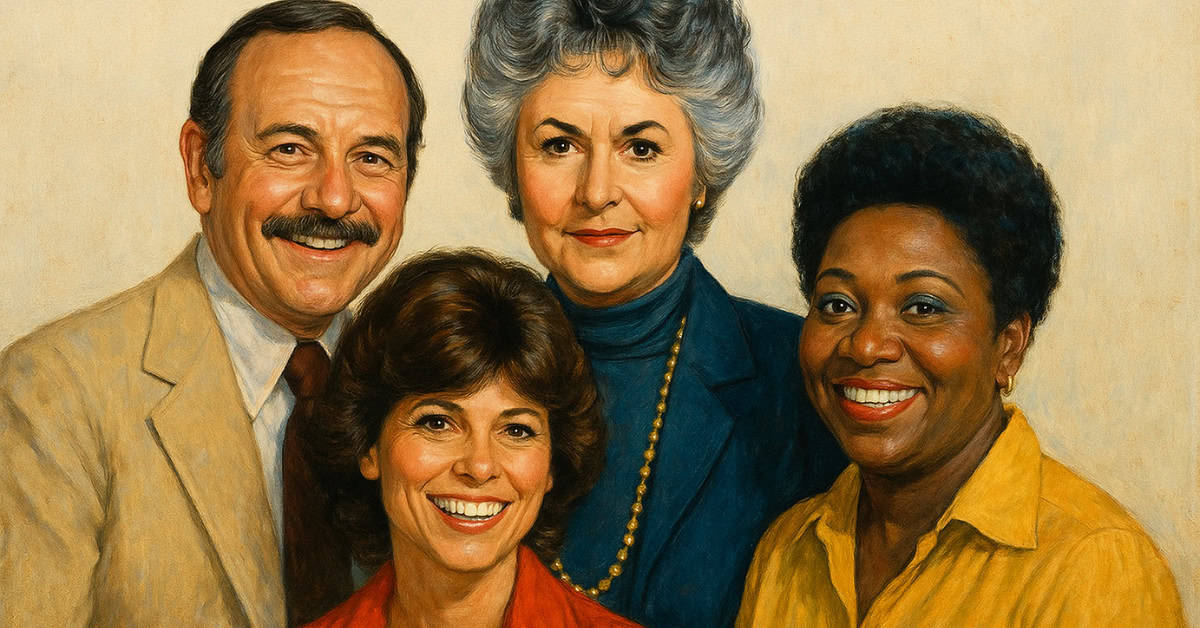
Bea Arthur’s outspoken feminist character tackled controversial issues including abortion, mental health, and alcoholism. The show pushed boundaries with its frank discussions of women’s rights and social issues. Maude’s unapologetic liberalism and strength made her a revolutionary character for television.
7. Police Story (1973-1977)
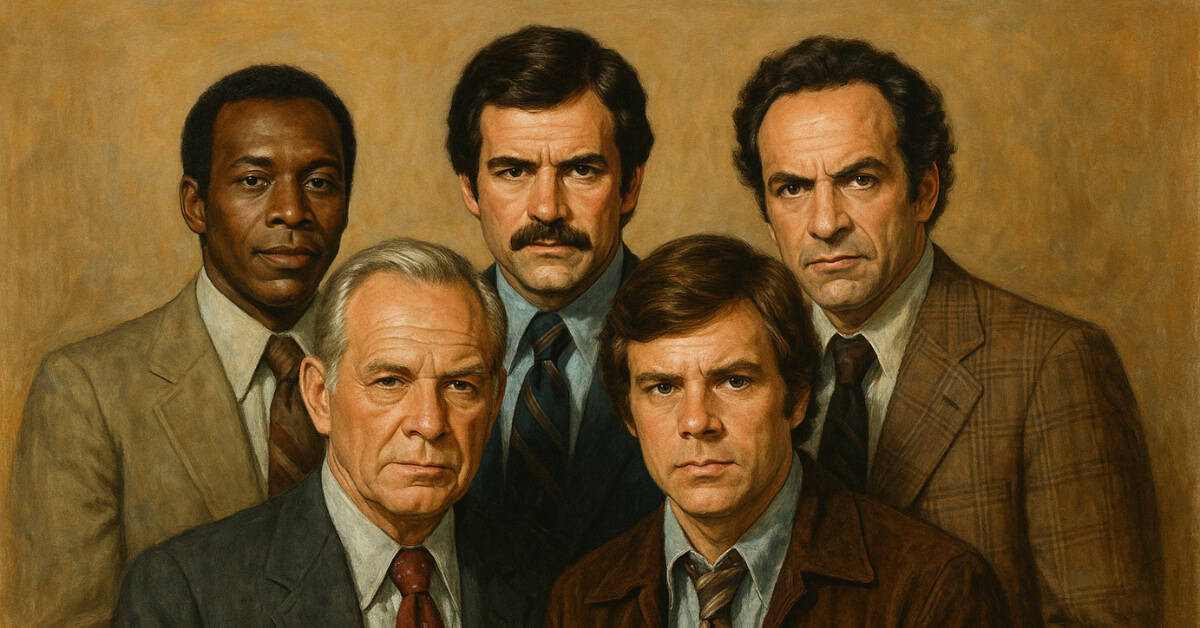
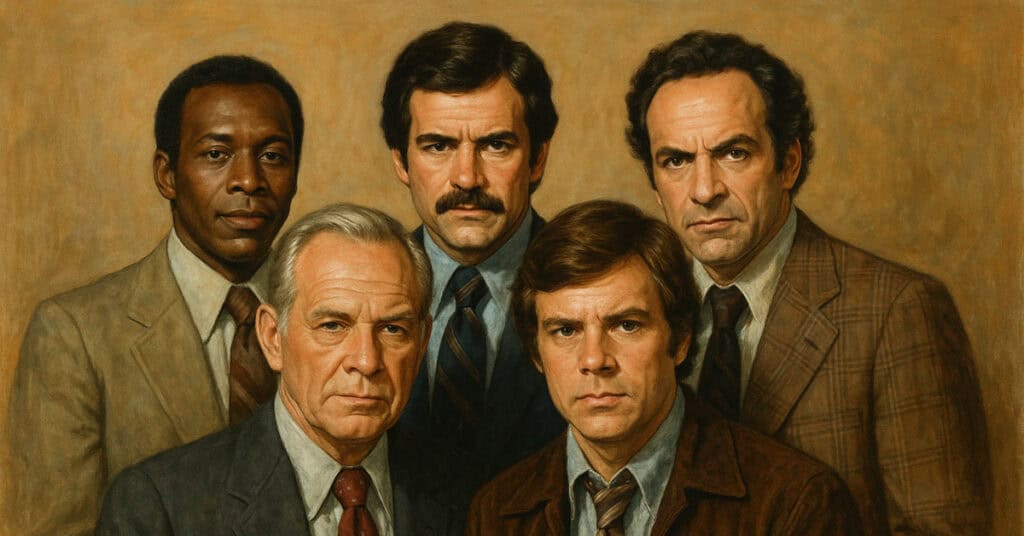
This realistic police drama showed law enforcement in a new light, addressing corruption, moral ambiguity, and the psychological toll of police work. The show’s gritty realism and complex portrayal of officers influenced decades of police dramas that followed.
8. Soap (1977-1981)
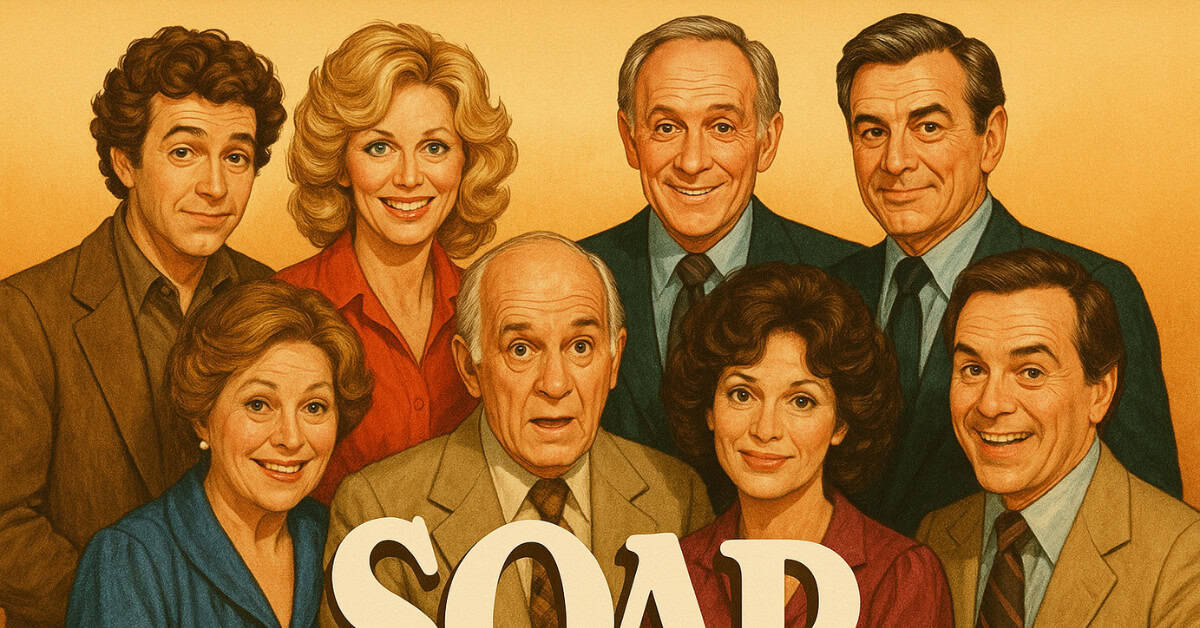
This controversial series pushed boundaries with its treatment of sexuality, including one of television’s first gay characters. The show’s satirical take on soap operas allowed it to address taboo subjects with humor. Its bold storytelling paved the way for more inclusive television.
9. Roots (1977)
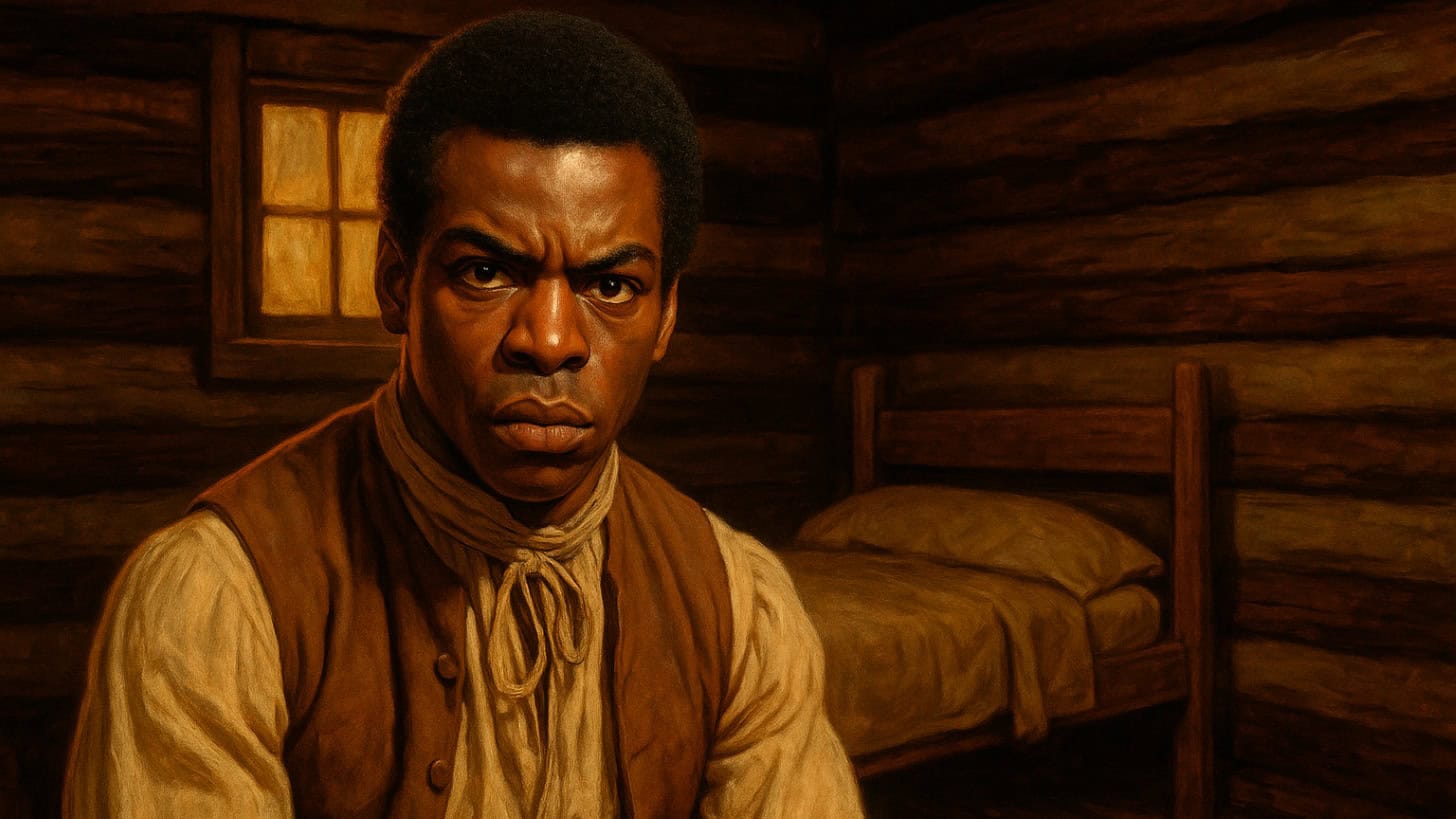
This groundbreaking miniseries forced America to confront its history of slavery. With unprecedented frankness and emotional depth, Roots changed how television approached historical subjects and racial issues. Its massive viewership proved audiences would embrace challenging, important storytelling.
10. Three’s Company (1977-1984)
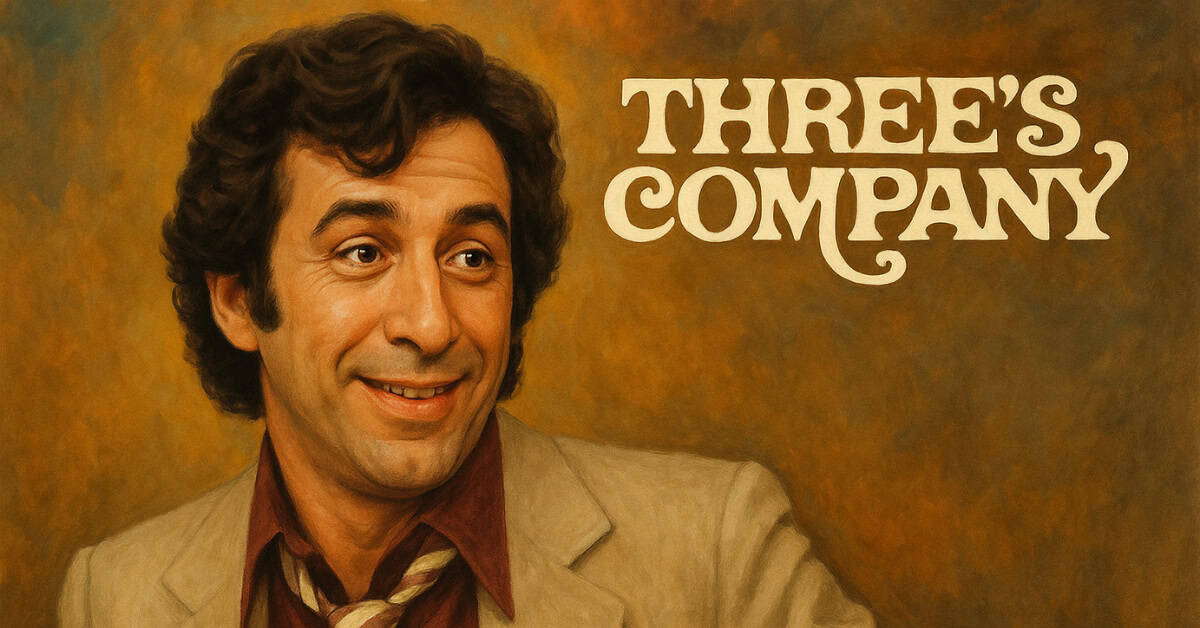
While seemingly light-hearted, this sitcom challenged social norms about living arrangements and gender roles. The show’s premise of platonic male-female cohabitation was controversial for its time. It addressed sexual liberation and changing social mores through comedy.
11. The Carol Burnett Show (1967-1978)
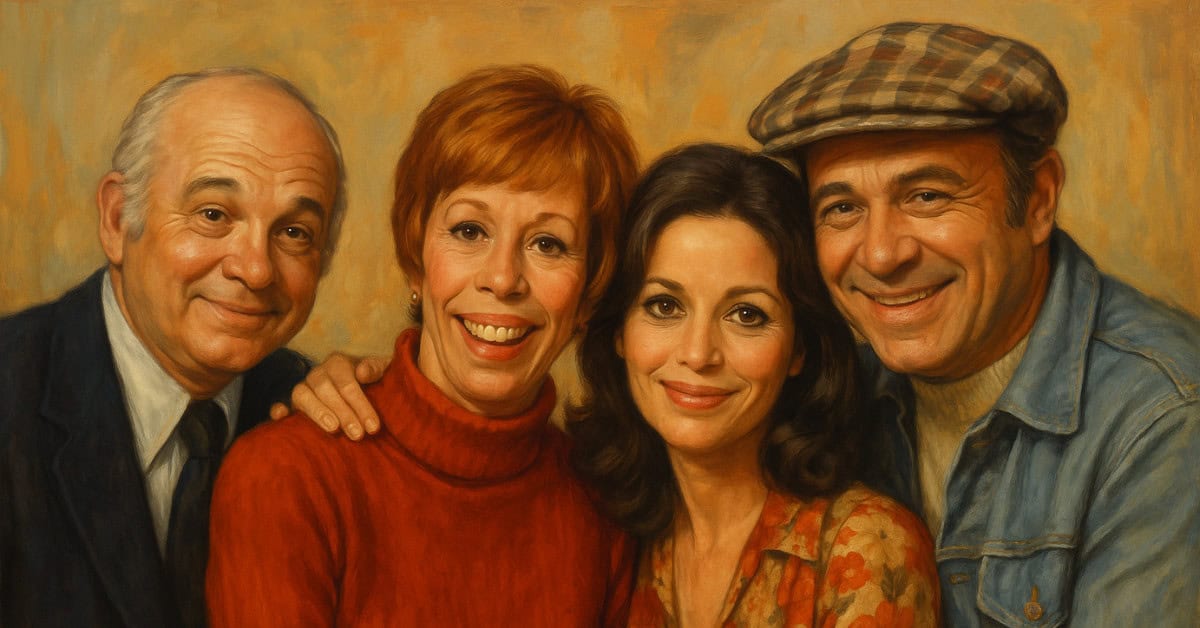
Carol Burnett broke ground as a woman heading her own variety show, proving female comedians could carry prime time. Her show tackled contemporary issues through satire while featuring groundbreaking physical comedy. The series demonstrated that women could be both funny and powerful.
12. Barney Miller (1975-1982)
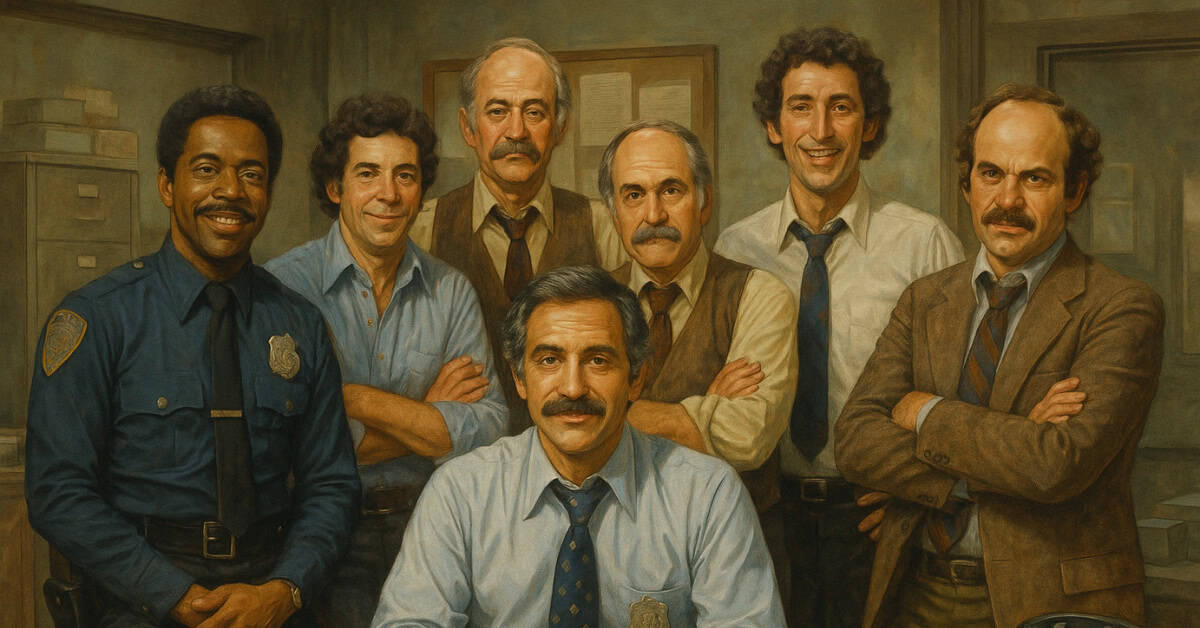
This police sitcom addressed serious social issues while maintaining its humor. The show dealt with topics like racial profiling, gay rights, and police corruption with remarkable sensitivity. Its diverse cast and thoughtful treatment of contemporary issues set new standards for workplace comedy.