Growing up with the freedom to explore and learn through experience gave us unique opportunities that today’s more protected children might never know. Before helicopter parenting became the norm, we developed independence, judgment, and resilience through daily adventures and challenges. Here’s a look at some experiences that shaped those of us who grew up with minimal supervision.
Table of Contents
- 1 1. Neighborhood Exploration
- 2 2. Creek Adventures
- 3 3. Independent Problem Solving
- 4 4. Building Secret Hideouts
- 5 5. Unsupervised Swimming
- 6 6. Food Foraging
- 7 7. Distance Navigation
- 8 8. Group Conflict Resolution
- 9 9. Weather Reading
- 10 10. Risk Assessment
- 11 11. Emergency Response
- 12 12. Natural Time Management
1. Neighborhood Exploration
We knew every shortcut, vacant lot, and interesting spot within miles of home. This wasn’t just wandering – it was mapping our world, understanding our community, and developing spatial awareness that GPS can’t replace. We created mental maps that included both physical landmarks and social territories.
Save for later
Want to come back to this story? Save it with your email so it is easy to find again.
2. Creek Adventures

Local waterways were our summer playgrounds. We built dams, caught crawfish, and learned about ecosystems through direct experience. These weren’t supervised nature walks – they were real explorations that taught us about water safety, local wildlife, and basic engineering through trial and error.
3. Independent Problem Solving
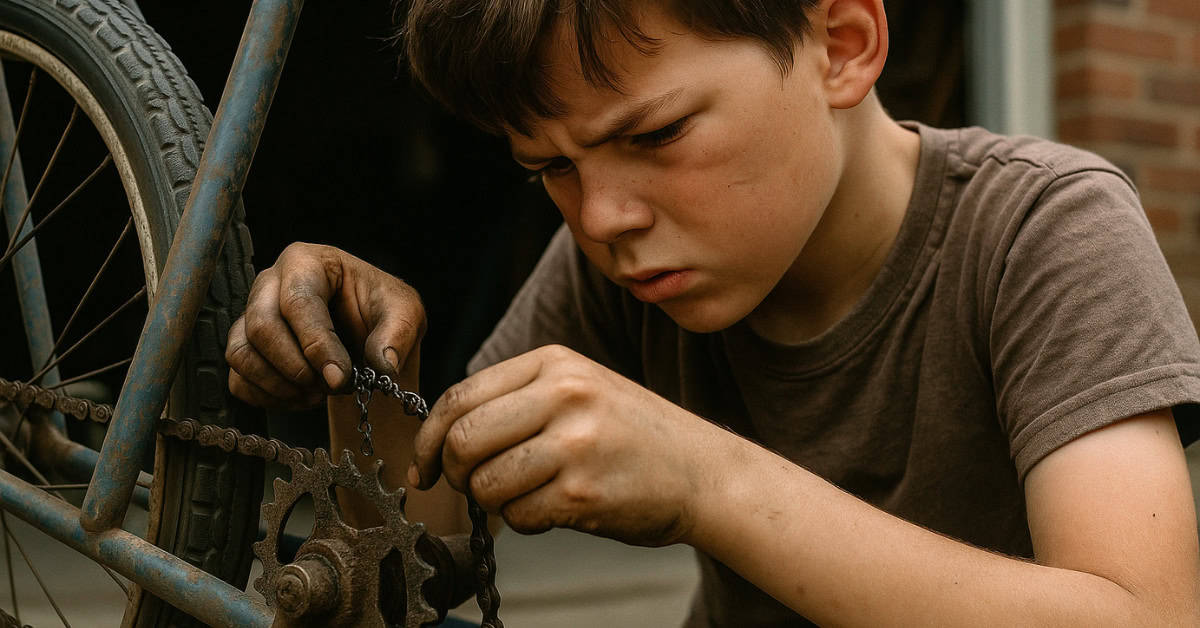
When things went wrong – a flat bike tire, a broken toy, or a social conflict – we had to figure it out ourselves. No cell phones to call for help meant developing real problem-solving skills and resourcefulness. Each challenge was a lesson in self-reliance.
4. Building Secret Hideouts
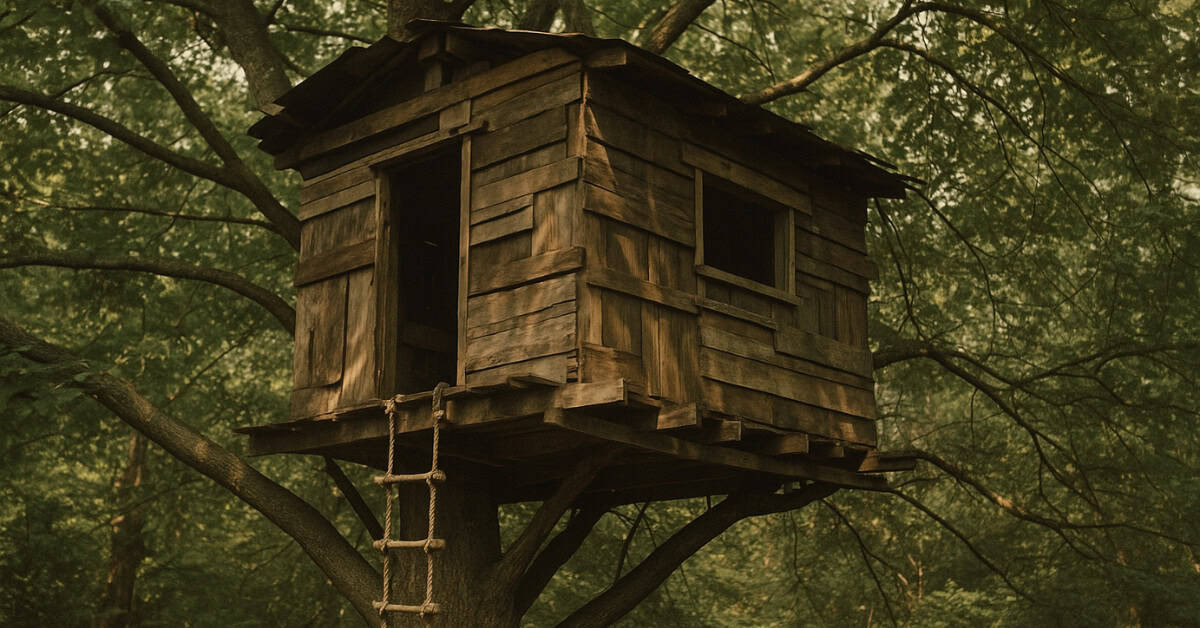
We constructed elaborate forts and hideouts using found materials. These weren’t just play spaces – they were exercises in engineering, teamwork, and territory management. Each hideout had its own rules, membership requirements, and complex social dynamics.
5. Unsupervised Swimming

Swimming holes and local pools were our summer havens. We learned water safety through experience, watching out for each other without lifeguards hovering nearby. Understanding currents, depth, and our own limits came through practical experience.
6. Food Foraging
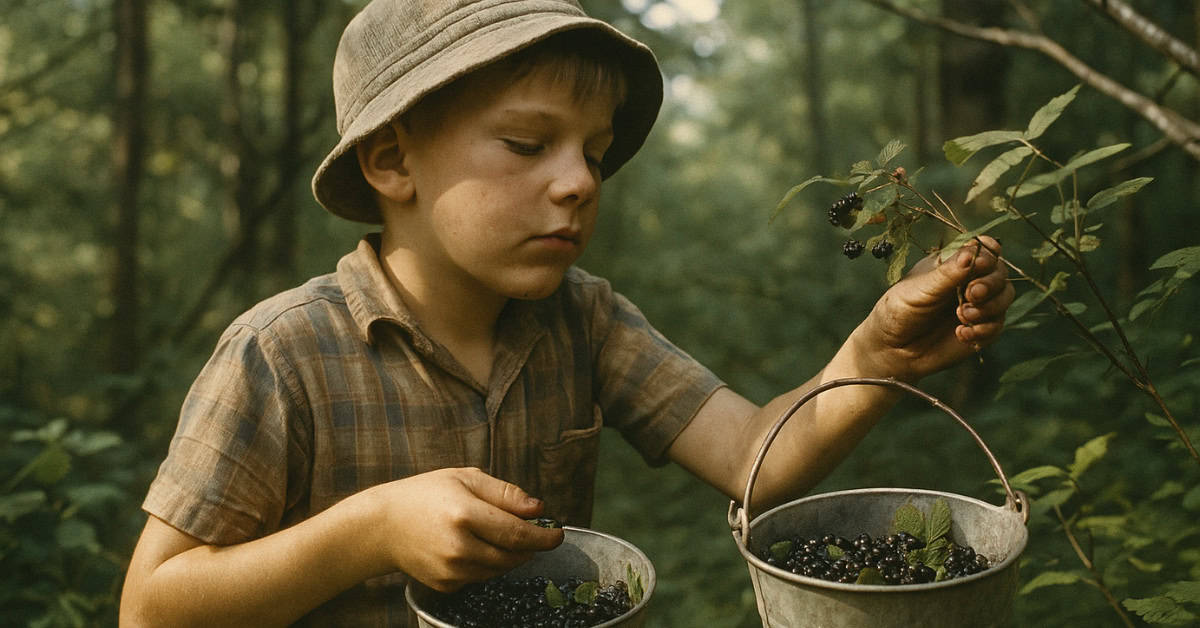
We knew which berries were safe to eat, where fruit trees grew, and when to harvest wild edibles. This wasn’t just snacking – it was developing practical knowledge of local plants and seasonal changes. Each discovery was a lesson in natural history.
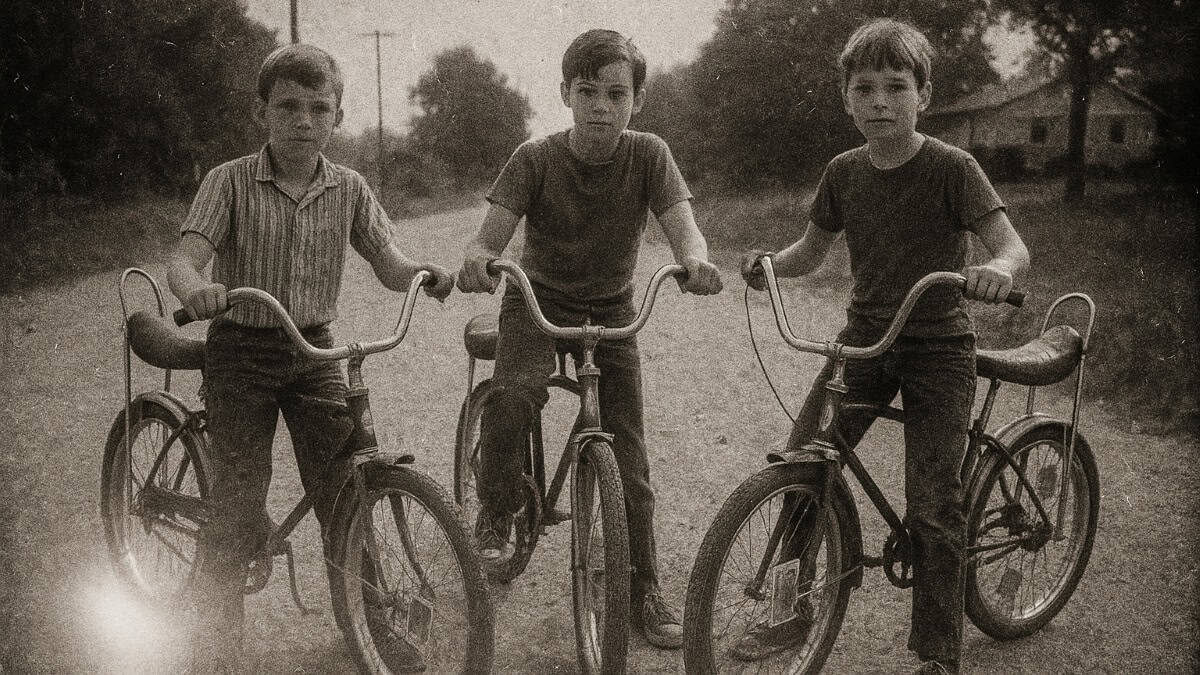
We could navigate miles from home without phones or GPS. Understanding directions, reading landmarks, and knowing alternate routes were essential skills. Each journey was an exercise in spatial awareness and decision-making.
8. Group Conflict Resolution

Without adults mediating every conflict, we developed our own systems of justice and conflict resolution. These experiences built negotiation skills and understanding of group dynamics that no structured activity could teach.
9. Weather Reading

We learned to read weather signs and understand natural patterns. Cloud formations, wind direction, and animal behavior were our weather forecasts. This connection to nature developed observation skills that weather apps can’t replace.
10. Risk Assessment

Through activities like tree climbing and creek crossing, we developed natural risk assessment abilities. These weren’t reckless actions but calculated decisions based on our abilities and conditions. Each challenge helped develop judgment and self-awareness.
11. Emergency Response

When accidents happened far from adult supervision, we learned to handle emergencies calmly and effectively. Basic first aid, problem-solving under pressure, and knowing when to seek help were skills developed through real experience.
12. Natural Time Management

Without constant phone checks, we learned to tell time by the sun, plan activities around daylight, and manage our time naturally. Understanding the rhythm of the day and estimating time passage were intuitive skills developed through experience.