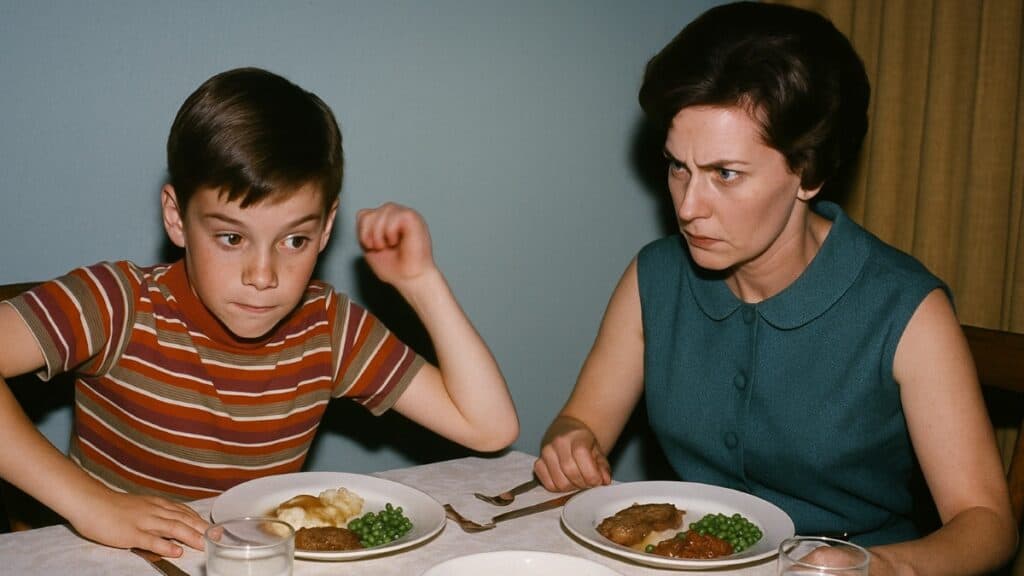
Growing up in the 1960s meant living under a different set of rules than kids today could even imagine. Our parents weren’t trying to be cruel – they were just raising us the way they thought best, influenced by the social norms and expectations of the era. Looking back now, some of these everyday household rules sound more like prison regulations, but hey, we all turned out just fine!
Table of Contents
- 1 1. “No Phone Calls After 8 PM”
- 2 2. “Clean Your Plate – Children Are Starving in Other Countries”
- 3 3. “Children Should Be Seen and Not Heard”
- 4 4. “No TV Until Homework Is Done – And Only One Hour After”
- 5 5. “Go Play Outside Until the Street Lights Come On”
- 6 6. “Wear Your Sunday Best to Church – No Exceptions”
- 7 7. “No Elbows on the Table”
- 8 8. “Don’t Leave Your Room Until It’s Hospital-Corner Clean”
- 9 9. “No Dating Until You’re 16”
- 10 10. “Write a Thank-You Note Within 24 Hours”
- 11 11. “No Snacking Between Meals”
- 12 12. “Home By Curfew – Or Else”
1. “No Phone Calls After 8 PM”
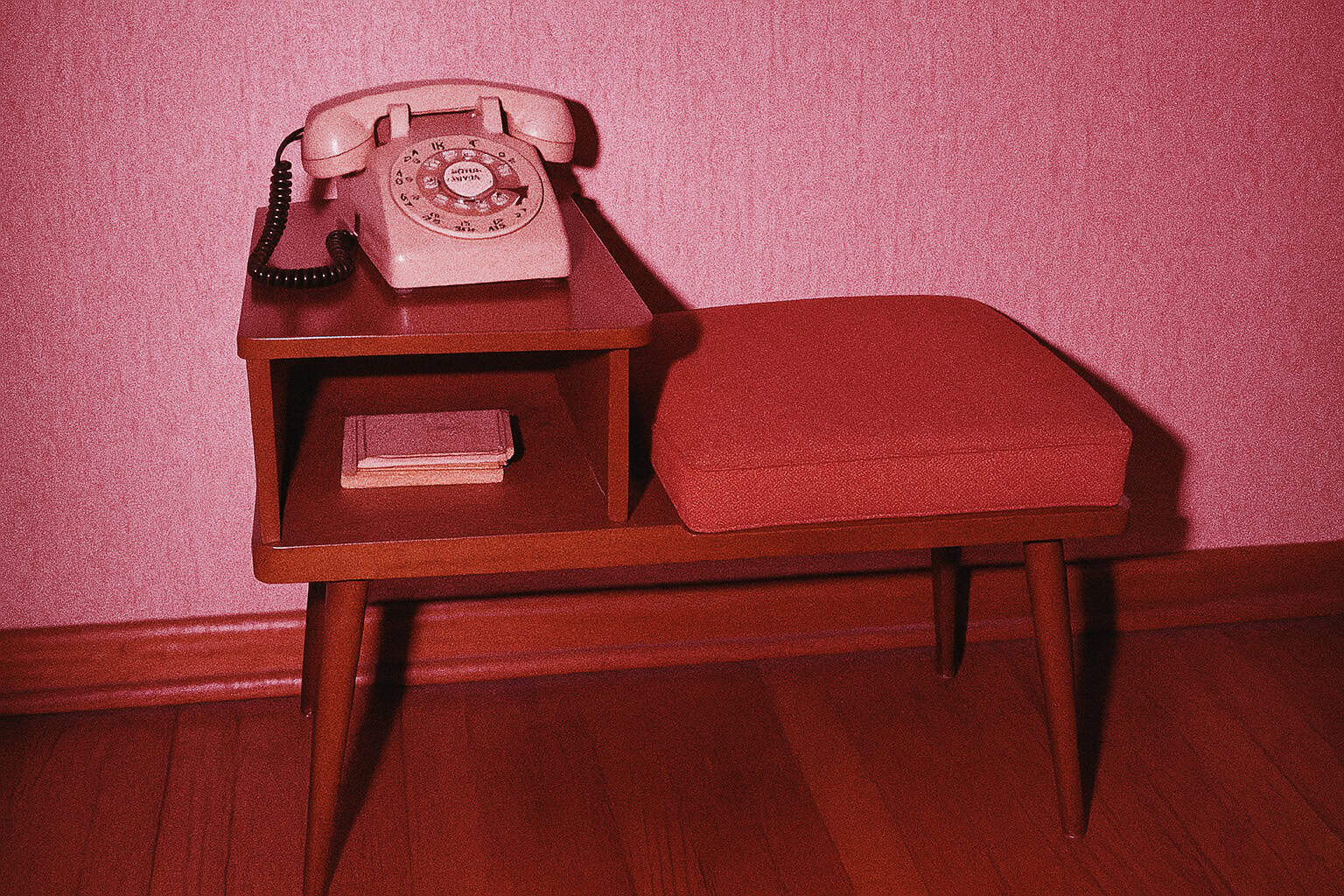
The family phone was treated like a precious commodity, and strict rules governed its use. Evening calls were considered intrusive and impolite, and many parents enforced a firm cutoff time. Long-distance calls were reserved for major holidays or emergencies only, and conversations were expected to be brief and to the point – usually with a parent hovering nearby timing your call.
Save for later
Want to come back to this story? Save it with your email so it is easy to find again.
2. “Clean Your Plate – Children Are Starving in Other Countries”
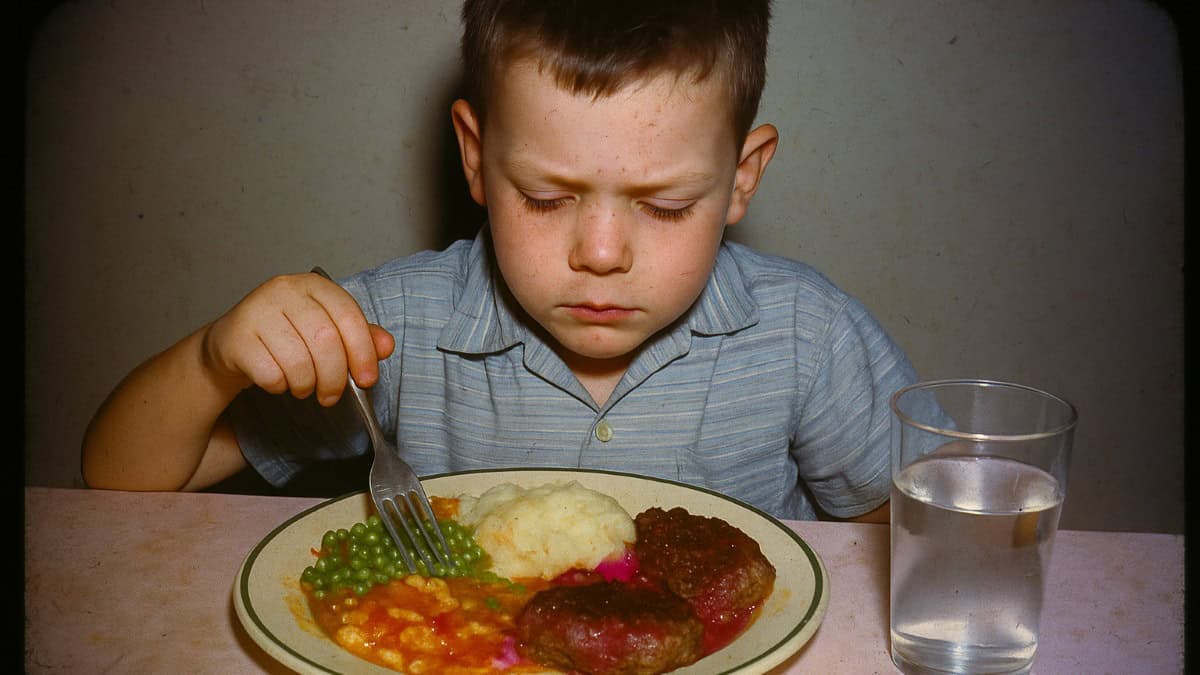
This universal dinner table rule was non-negotiable. Whether you were full, sick, or just didn’t like the food, leaving the table before finishing everything on your plate wasn’t an option. Parents who lived through the Depression or wartime rationing were especially strict about this rule, and the guilt trip about starving children somewhere in the world was a common tactic.
3. “Children Should Be Seen and Not Heard”

When adults were present, especially during visits or family gatherings, children were expected to remain quiet unless directly addressed. Speaking out of turn or interrupting adult conversations was considered highly disrespectful. Many of us spent countless hours sitting silently while the grown-ups talked, desperately waiting to be excused.
4. “No TV Until Homework Is Done – And Only One Hour After”

Television time was strictly regulated in most households. Homework had to be completed and checked by a parent before the TV could be turned on, and even then, viewing time was limited. Many families had just one TV set, and program choices were controlled entirely by parents – no negotiation allowed.
5. “Go Play Outside Until the Street Lights Come On”

Being inside during daylight hours was often forbidden unless you were sick or it was raining. Parents would literally lock their kids out of the house, expecting them to find ways to entertain themselves outdoors. The street lights coming on was the universal signal that playtime was over – and you’d better be home when they did.
6. “Wear Your Sunday Best to Church – No Exceptions”

Sunday church clothes were sacred and non-negotiable. Girls wore dresses with gloves and hats, boys wore suits or, at a minimum, a dress shirt and tie. These clothes were kept separately and could only be worn to church or special occasions. Showing up in everyday clothes would have been considered deeply disrespectful.
7. “No Elbows on the Table”

Table manners were enforced with military precision. Elbows on the table were considered unforgivably rude, and infractions were often met with a swift rap on the offending elbow. Every meal was treated as a training session for proper etiquette, with constant corrections and reminders about posture, utensil placement, and chewing with your mouth closed.
8. “Don’t Leave Your Room Until It’s Hospital-Corner Clean”

Bedroom cleanliness standards were extremely high. Beds had to be made with precise hospital corners every morning, no exceptions. Toys, books, and clothes had to be perfectly arranged, and many parents conducted daily inspections. Some kids weren’t even allowed to leave their rooms in the morning until everything was spotless.
9. “No Dating Until You’re 16”

Dating rules were strict and standardized across most households. No dating until 16 was common, and even then, dates had to be group activities. Boys had to come to the door to pick up their date, meet the parents, and specify exactly where they were going. Many parents enforced a “three-foot rule” at school dances – couples had to maintain that much distance between them.
10. “Write a Thank-You Note Within 24 Hours”
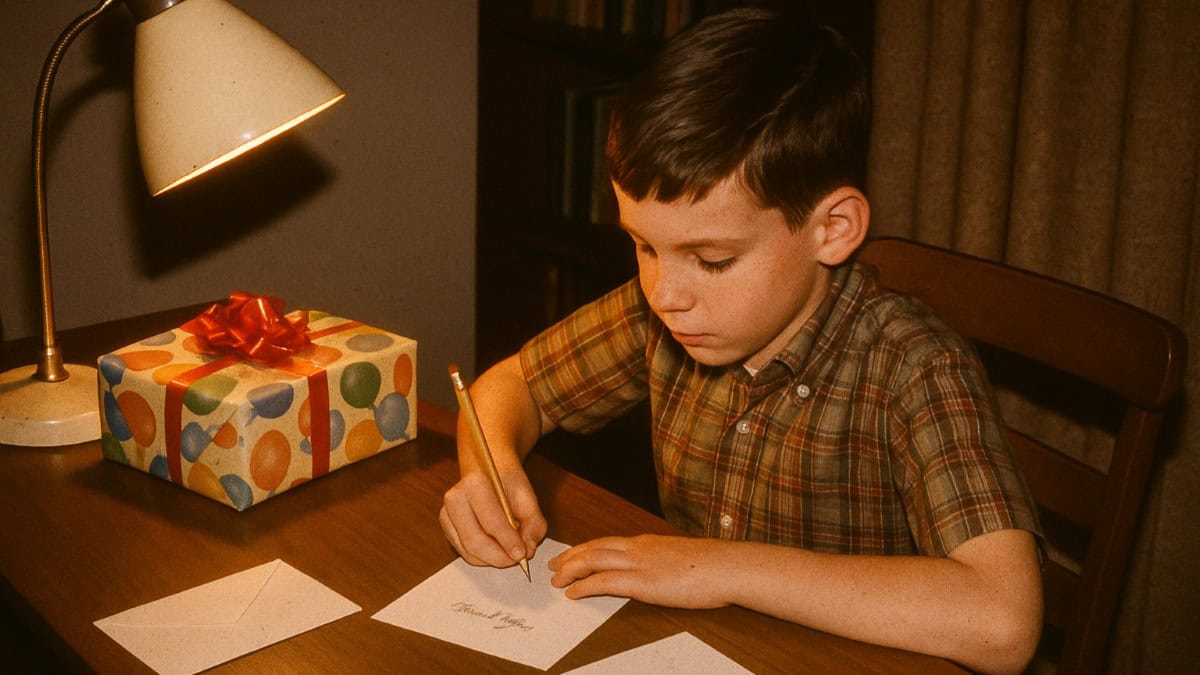
Receiving a gift meant immediate obligation. Thank-you notes had to be written within 24 hours of receiving any gift, no matter how small. These weren’t quick notes either – they had to be properly formatted, well-written, and specific about the gift received. Many kids couldn’t even use their gifts until the thank-you note was written and mailed.
11. “No Snacking Between Meals”

The kitchen was often off-limits between meals. Snacking was considered a sign of poor discipline, and many parents kept the refrigerator and pantry locked or monitored. If you were hungry between meals, you were often told it would “build character” to wait until the next mealtime. The only exception might be a planned after-school snack, served at the exact same time every day.
12. “Home By Curfew – Or Else”

Curfews were absolute and non-negotiable. Being even five minutes late could result in severe consequences, including being grounded for weeks. There were no cell phones to call if you were running late – you had to plan ahead and watch the time carefully. Many teenagers lived in fear of the dreaded “or else” that followed any mention of curfew time.