Growing up in the 1950s and ’60s, we learned essential life skills that seem to be disappearing from today’s childhood experience. Back then, parents and teachers made sure we could handle practical tasks that would serve us well throughout our lives. These weren’t just chores – they were stepping stones to independence and self-reliance that helped shape our generation.
Table of Contents
- 1 1. Basic Car Maintenance
- 2 2. Handwriting and Penmanship
- 3 3. Home Cooking from Scratch
- 4 4. Basic Sewing and Mending
- 5 5. Money Management
- 6 6. Garden Maintenance
- 7 7. Social Etiquette
- 8 8. Basic Home Repairs
- 9 9. Emergency Preparedness
- 10 10. Navigation Skills
- 11 11. Mental Math
- 12 12. Face-to-Face Communication
1. Basic Car Maintenance

Every teenager was expected to know how to change a tire, check oil levels, and perform basic vehicle maintenance. Our fathers would spend weekend afternoons teaching us the inner workings of engines, and this knowledge was considered as essential as having a driver’s license. These skills saved us countless dollars and gave us confidence on the road.
Save for later
Want to come back to this story? Save it with your email so it is easy to find again.
2. Handwriting and Penmanship
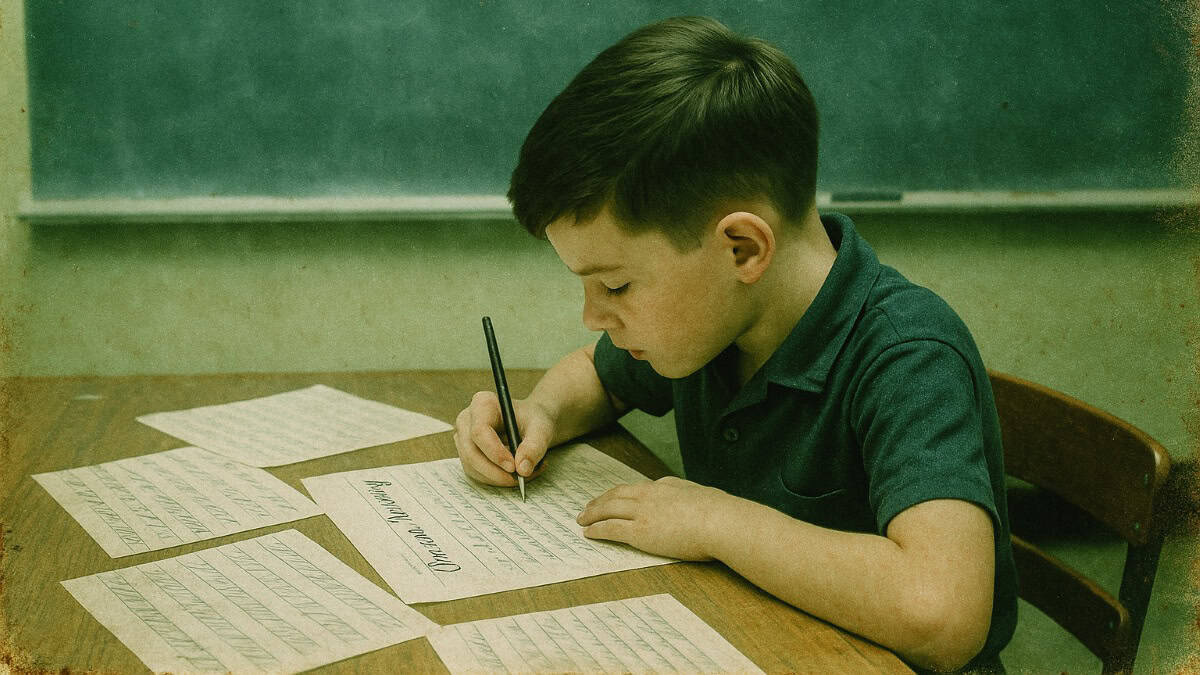
Hours were spent practicing cursive writing and proper penmanship in school. This wasn’t just about making letters look pretty – it was about discipline, attention to detail, and presenting yourself professionally through written communication. Every assignment had to be written in clear, legible handwriting.
3. Home Cooking from Scratch

Both boys and girls learned basic cooking skills at home. We learned how to follow recipes, measure ingredients, and prepare complete meals without relying on processed foods. Sunday dinners were often teaching opportunities where family recipes were passed down through generations.
4. Basic Sewing and Mending

Everyone learned how to sew on buttons, hem pants, and repair simple tears. Home economics classes taught basic machine sewing, and many of us made our own clothes. This skill allowed us to maintain our wardrobes and save money on simple repairs.
5. Money Management

We learned to balance checkbooks, save allowances, and understand basic budgeting from an early age. Many of us had savings accounts by age 12 and knew how to calculate interest. This financial literacy was considered crucial for adult independence.
6. Garden Maintenance
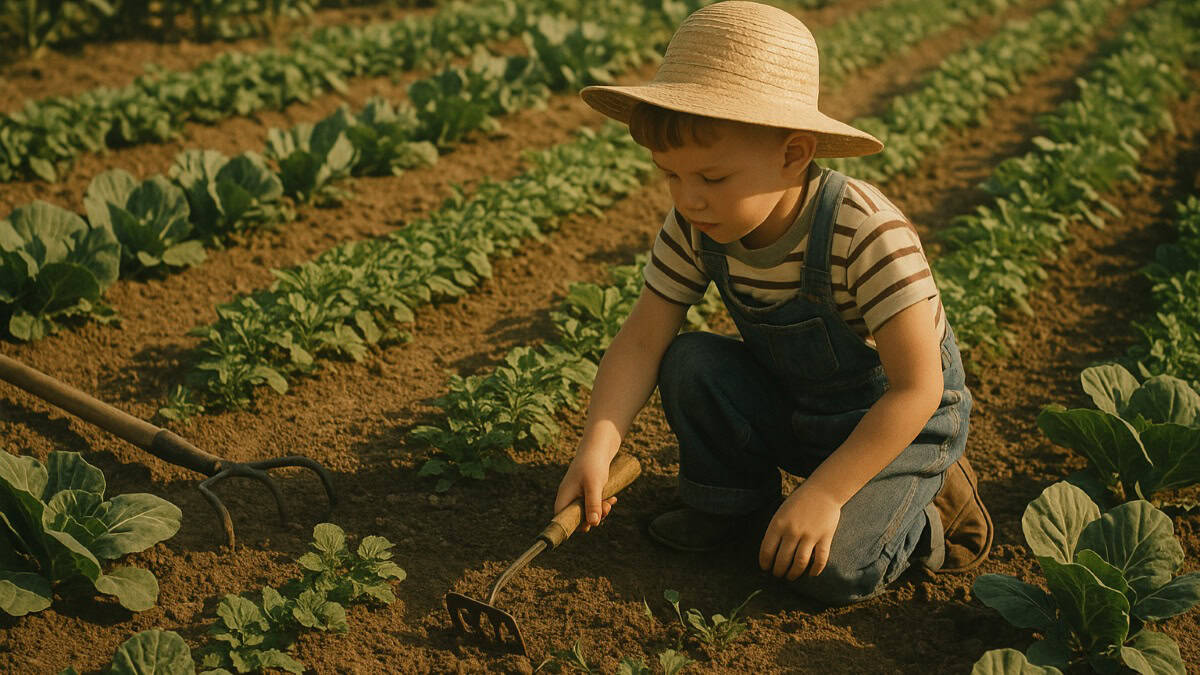
Growing and maintaining a vegetable garden was a common skill taught to children. We learned about planting seasons, soil preparation, and crop maintenance. Many families relied on home gardens for fresh produce, making this knowledge essential for household management.
7. Social Etiquette
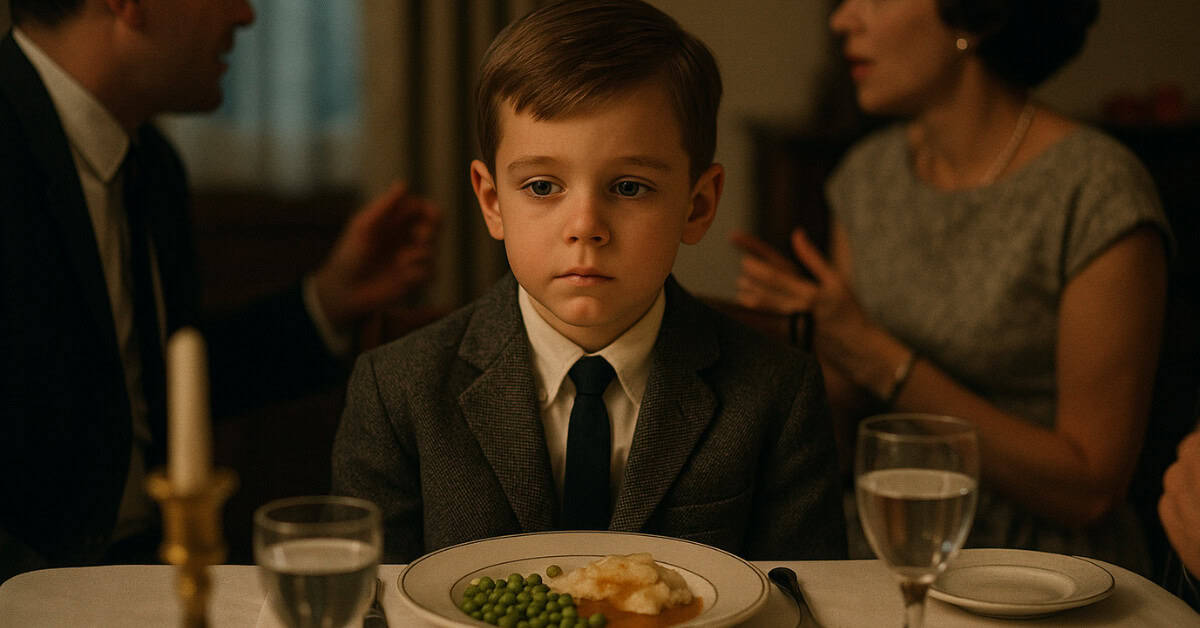
Proper manners, table etiquette, and social graces were taught from an early age. We learned how to write thank-you notes, make proper introductions, and engage in polite conversation. These skills were considered fundamental for success in both personal and professional life.
8. Basic Home Repairs
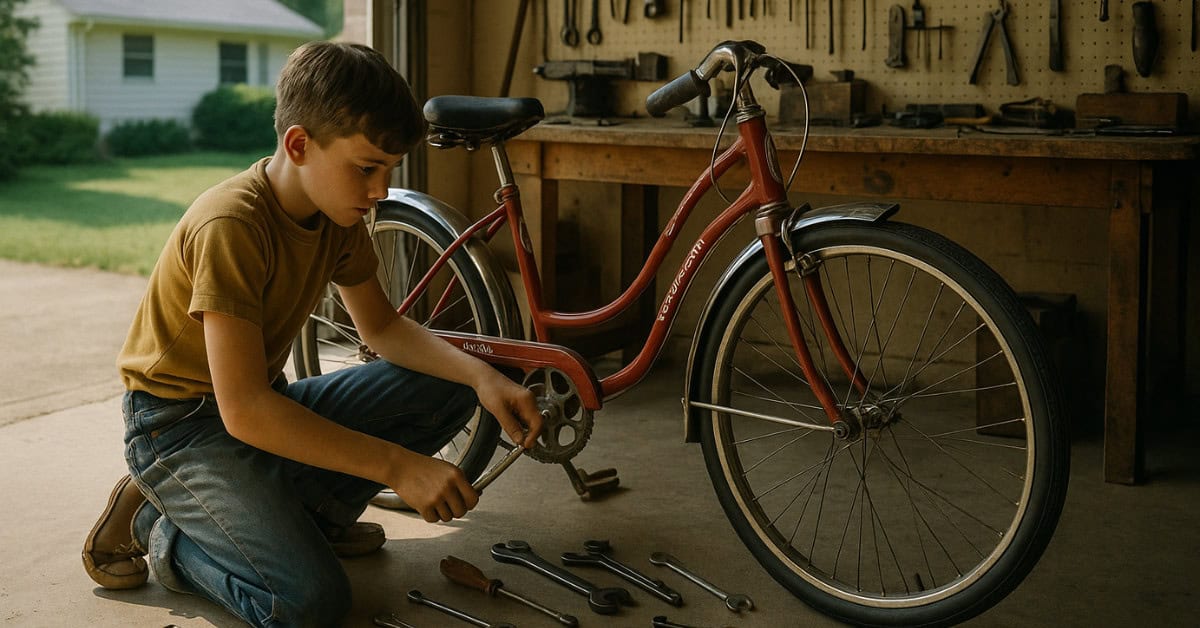
Children were taught how to use basic tools and make simple repairs around the house. From fixing leaky faucets to painting walls, these skills made us self-reliant homeowners. Weekend projects often became family learning experiences.
9. Emergency Preparedness

We learned basic first aid, how to handle emergencies without phones, and what to do during natural disasters. Civil defense drills were common, and many families maintained emergency supplies. This preparation gave us confidence in handling unexpected situations.
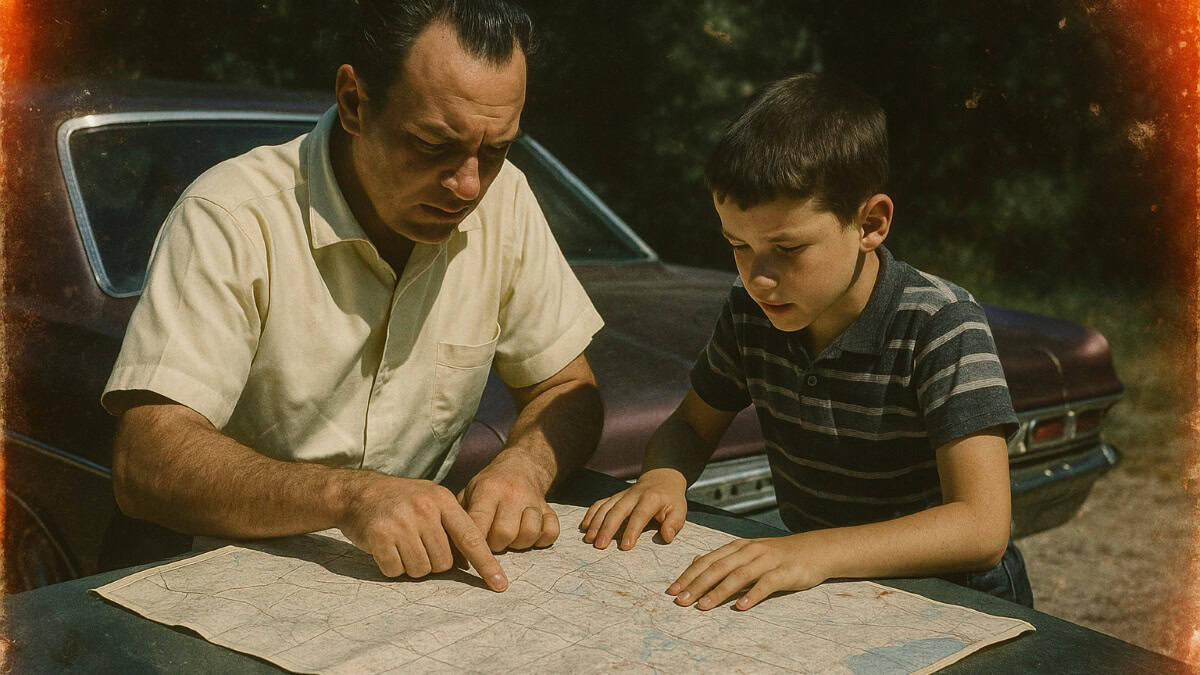
Map reading, using a compass, and understanding basic navigation were essential skills we learned early. Whether through Boy Scouts, Girl Scouts, or family camping trips, knowing how to find your way without technology was considered fundamental knowledge.
11. Mental Math

Calculators weren’t allowed in school – we had to learn to perform calculations in our heads. Making change, estimating costs, and solving everyday math problems without electronic help was expected. This mental agility served us well throughout our lives.
12. Face-to-Face Communication

We learned the art of conversation, how to read body language, and maintain eye contact. Social interactions happened face-to-face, not through screens. This skill built confidence and helped us develop strong interpersonal relationships throughout our lives.