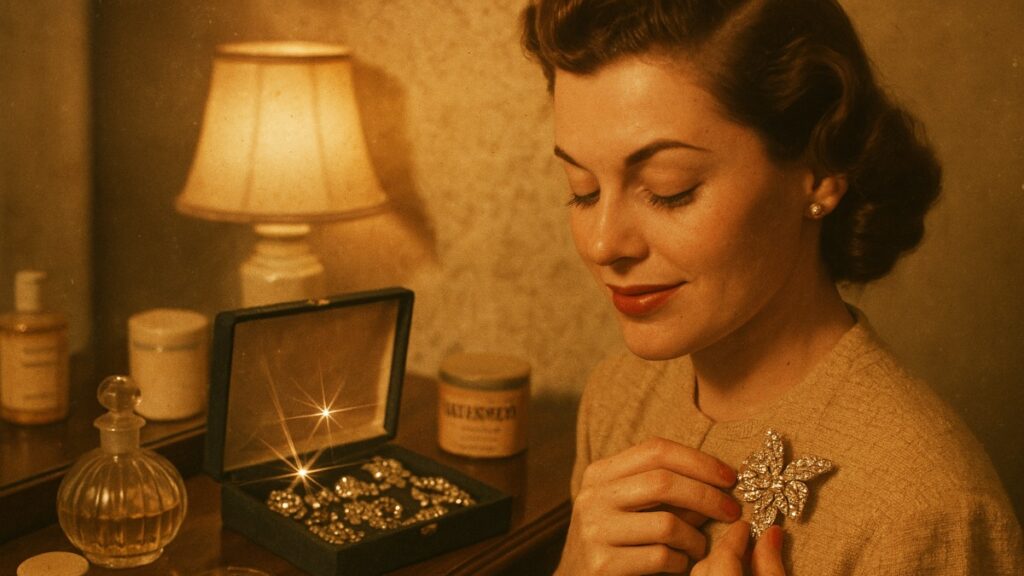
Growing up in the 1950s and ’60s, children were expected to master a specific set of manners that went far beyond just saying “please” and “thank you.” These rules of etiquette were drilled into us by parents, teachers, and other adults who believed proper behavior was essential to becoming a respectable member of society. Looking back, many of these once-standard practices have faded away, though their underlying principles of respect and consideration still hold value.
Table of Contents
- 1 1. Standing When Adults Enter the Room
- 2 2. Proper Telephone Etiquette
- 3 3. Writing Thank-You Notes
- 4 4. Addressing Adults Properly
- 5 5. Table Manners
- 6 6. Not Interrupting Adult Conversations
- 7 7. Proper Introductions
- 8 8. Offering Your Seat
- 9 9. Door Etiquette
- 10 10. Responding When Called
- 11 11. Party Behavior
- 12 12. Grooming Standards
1. Standing When Adults Enter the Room
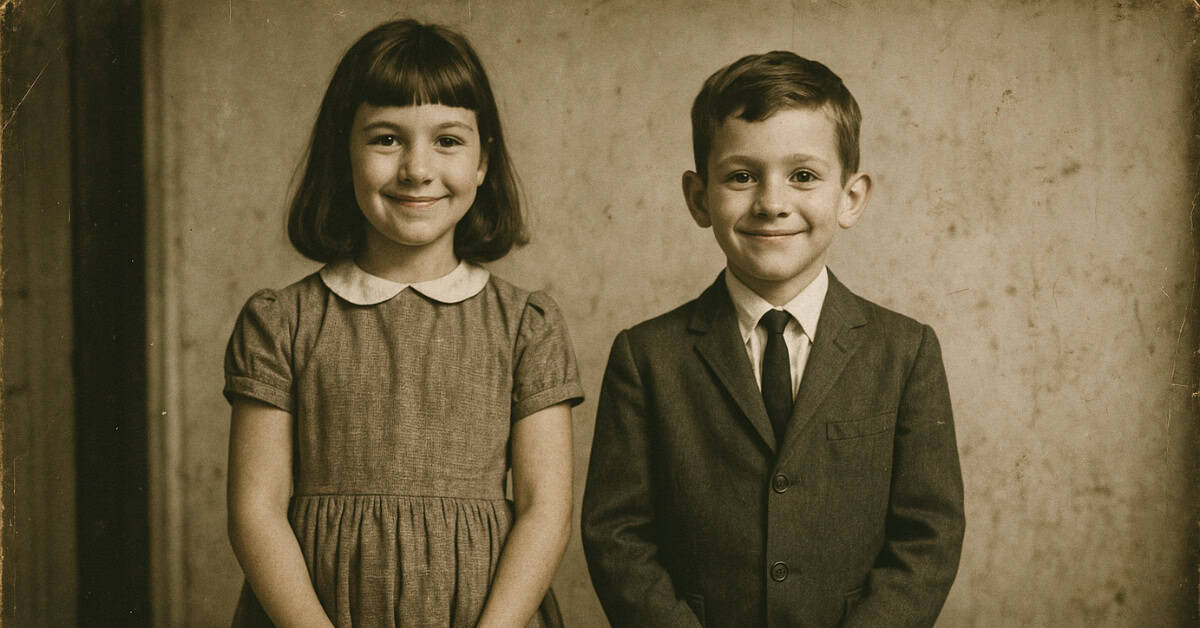
Children were expected to stand whenever adults entered a room, remaining standing until given permission to sit. This show of respect was particularly important when guests visited or during formal occasions. The practice emphasized the recognition of authority and demonstrated good home training.
Save for later
Want to come back to this story? Save it with your email so it is easy to find again.
2. Proper Telephone Etiquette
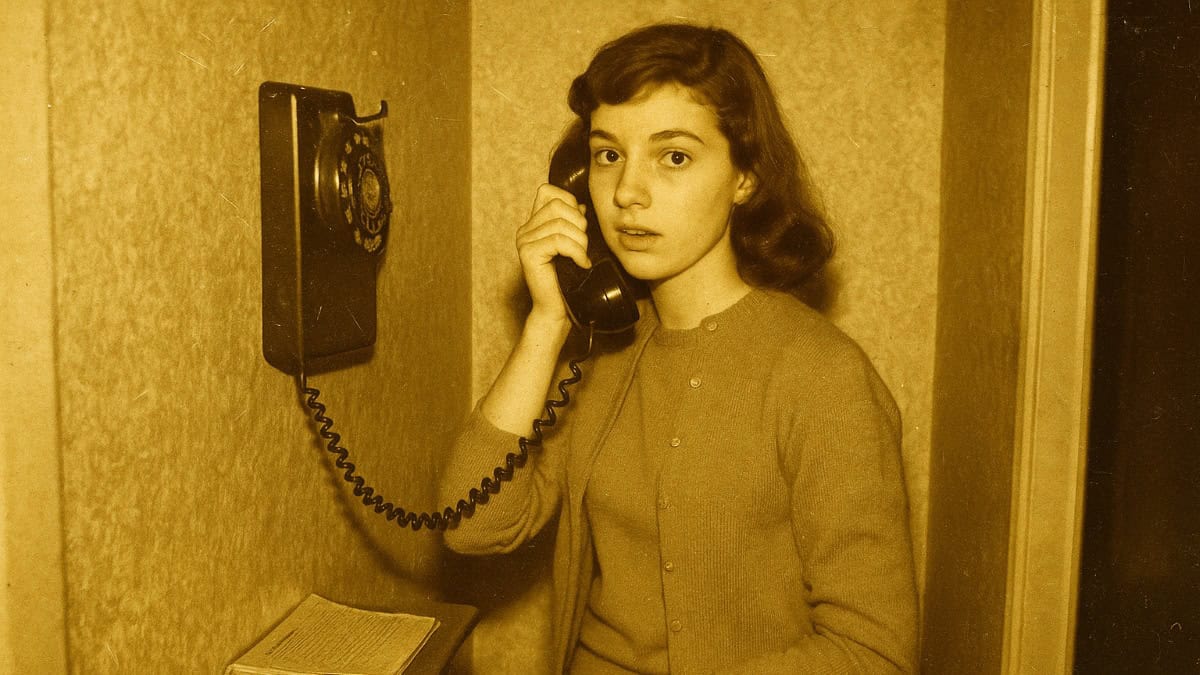
Answering the phone required a specific protocol: clearly stating your name and household, speaking distinctly, and taking detailed messages. Children were taught never to call before 9 AM or after 9 PM, and to limit calls to 10 minutes. These rules reflected the shared nature of household phones.
3. Writing Thank-You Notes
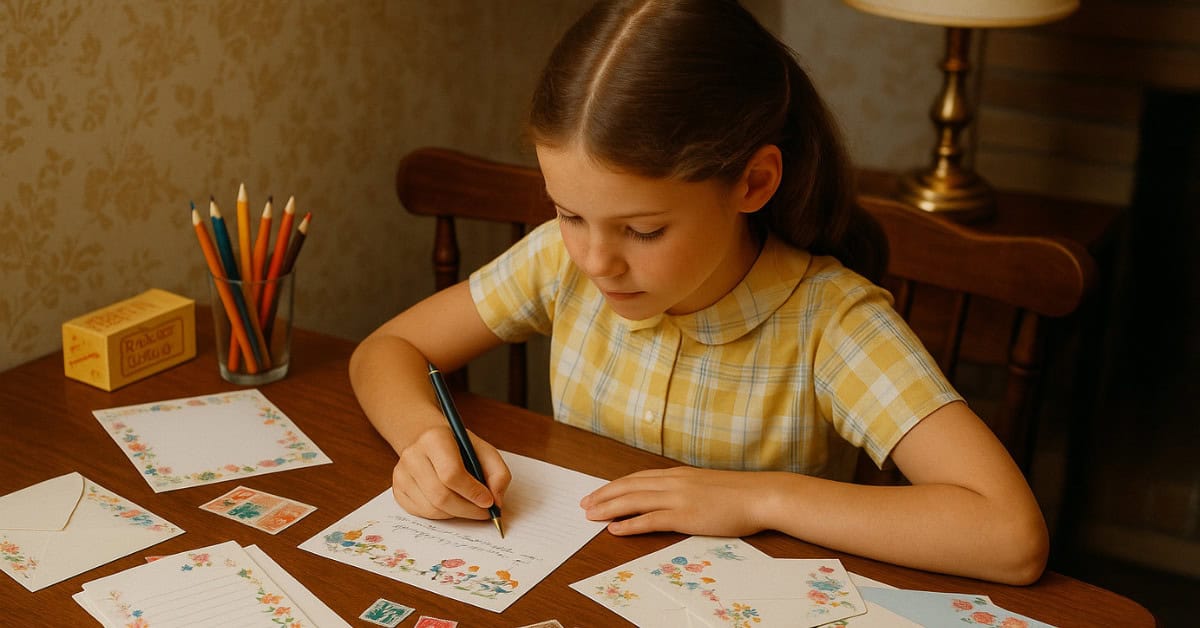
Every gift received required a handwritten thank-you note, typically sent within a week. Children were taught proper letter format, including specific mentions of the gift and its intended use. This practice wasn’t optional – it was considered a fundamental expression of gratitude.
4. Addressing Adults Properly

Adults were always addressed as “Mr.,” “Mrs.,” or “Miss” followed by their last name. Using first names was considered disrespectful, and “Sir” or “Ma’am” were required responses. This formality extended to all adults, not just parents’ friends or teachers.
5. Table Manners
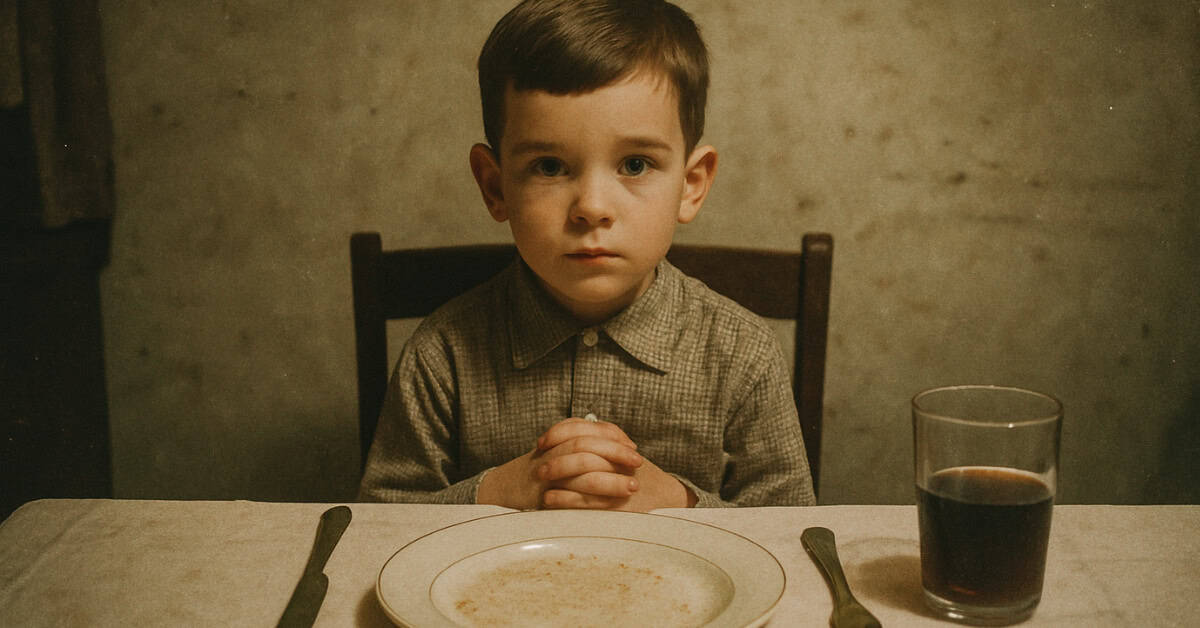
Children weren’t allowed to begin eating until everyone was served and the hostess had started. Elbows off the table, napkin in lap, and asking to be excused were non-negotiable rules. Reaching across the table was strictly forbidden – you had to ask for items to be passed.
6. Not Interrupting Adult Conversations

Children were taught to wait patiently if adults were talking, only interrupting in genuine emergencies. If it was necessary to interrupt, you had to say “Excuse me” and wait to be acknowledged. The art of waiting your turn was considered essential to social grace.
7. Proper Introductions

Children learned the formal art of introducing people, including the correct order based on age and status. Boys were expected to stand when being introduced to girls, and everyone was expected to shake hands and make eye contact while clearly stating their name.
8. Offering Your Seat

Children were expected to offer their seats to adults, especially elderly people or women, on public transportation or in any crowded situation. This wasn’t optional – it was considered a basic demonstration of respect and consideration for others.
9. Door Etiquette
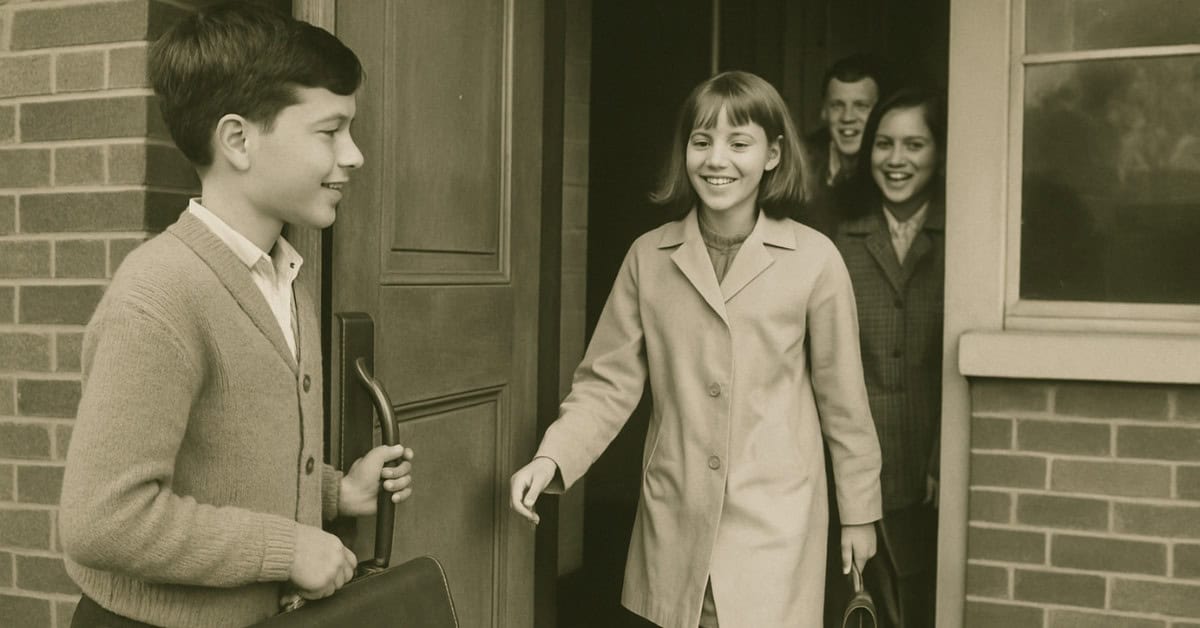
Boys were taught to hold doors open for girls and adults, waiting until everyone had passed through before following. Girls were expected to acknowledge this courtesy with a “thank you.” This practice extended to car doors as well.
10. Responding When Called
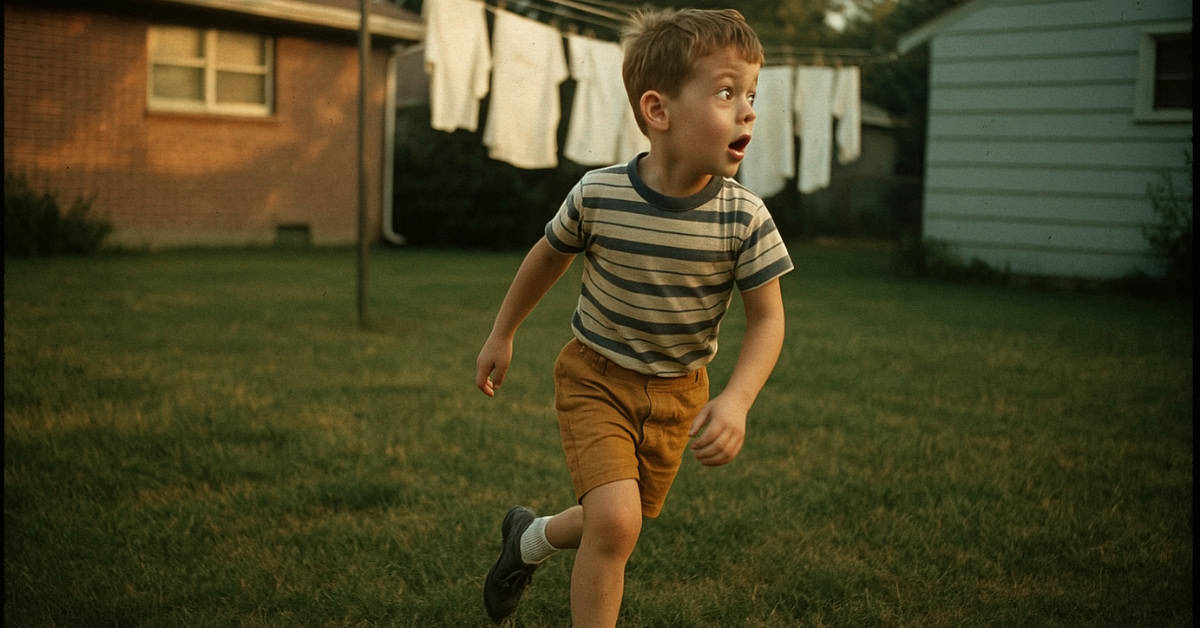
When called by an adult, children were expected to respond immediately with “Coming!” or “Yes, Mother/Father.” Simply yelling “What?” was considered extremely rude. The response had to be respectful and immediate.
11. Party Behavior
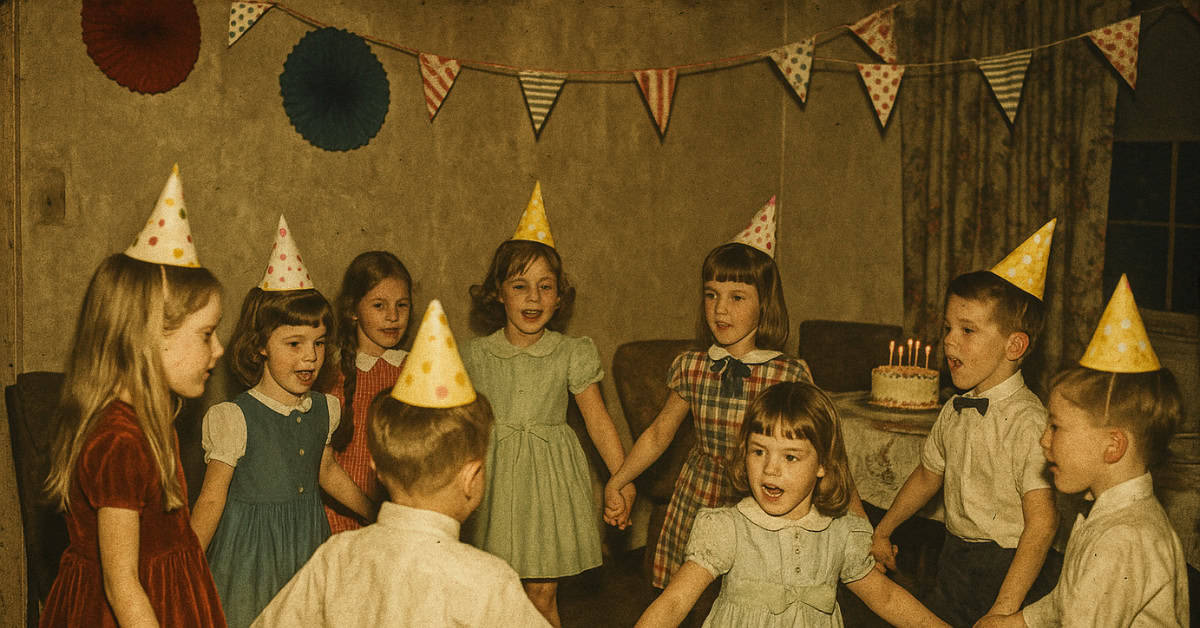
At parties, children were expected to greet the host, participate in all planned activities, and thank the host before leaving. Refusing to join in games or being a poor sport was considered unacceptable. These social occasions were seen as training grounds for adult etiquette.
12. Grooming Standards

Children were expected to maintain proper grooming at all times – clean hands and faces, combed hair, and pressed clothes. Appearing in public looking disheveled was considered a reflection on your family’s standards. Even play clothes had to be neat and clean.