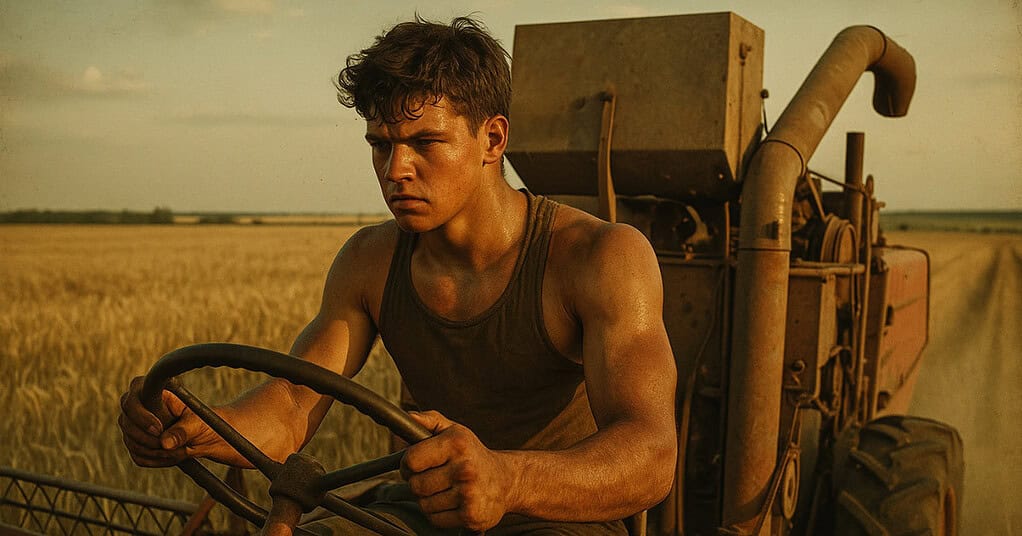
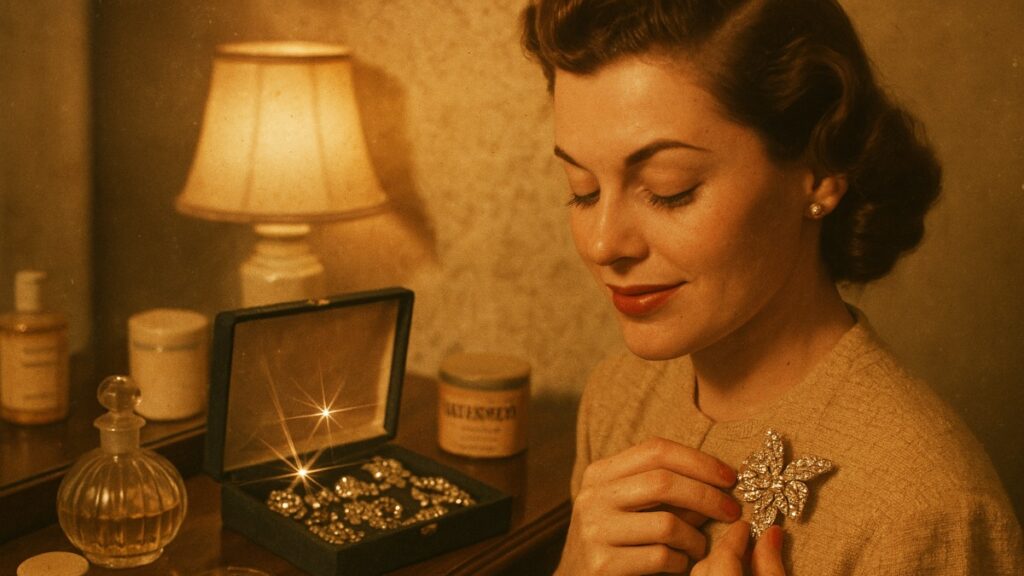
The 1960s were a revolutionary time for fashion, when traditional rules were broken and new styles emerged that would influence decades to come. From London’s Carnaby Street to American college campuses, fashion became a form of self-expression and social statement. Let’s look back at some of the most influential fashion moments that not only defined the decade but continue to inspire designers today.
Table of Contents
- 1 1. Jackie Kennedy’s Pillbox Hat (1961)
- 2 2. Mary Quant’s Miniskirt (1965)
- 3 3. Twiggy’s Mod Look (1966)
- 4 4. The Beatles’ Collarless Suits (1963)
- 5 5. Jean Shrimpton’s Melbourne Derby Dress (1965)
- 6 6. André Courrèges’ Space Age Collection (1964)
- 7 7. Yves Saint Laurent’s Mondrian Collection (1965)
- 8 8. The Tie-Dye Movement (1969)
- 9 9. Paper Dresses (1966)
- 10 10. Go-Go Boots (1965)
- 11 11. The Nehru Jacket (1968)
- 12 12. The Hippie Look (1967)
1. Jackie Kennedy’s Pillbox Hat (1961)

When Jackie Kennedy appeared at her husband’s inauguration wearing a Halston-designed pillbox hat, she created an instant fashion sensation. The clean, geometric shape perfectly complemented her tailored suit and became her signature look. Women across America rushed to copy this sophisticated style, making the pillbox hat a symbol of early ’60s elegance.
Save for later
Want to come back to this story? Save it with your email so it is easy to find again.
2. Mary Quant’s Miniskirt (1965)

The introduction of the miniskirt revolutionized fashion and symbolized women’s liberation. Designer Mary Quant raised hemlines to daring new heights, naming her creation after her favorite car, the Mini. This bold style captured the youthful spirit of London’s Carnaby Street and spread worldwide.
3. Twiggy’s Mod Look (1966)

Twiggy’s pixie haircut, dramatic eye makeup, and androgynous figure defined the mod movement. Her distinctive look, featuring bold geometric patterns and A-line dresses, challenged traditional beauty standards and influenced fashion worldwide. The “Twiggy effect” created a new ideal of youthful, rebellious style.
4. The Beatles’ Collarless Suits (1963)

The Beatles’ Pierre Cardin-inspired collarless suits revolutionized men’s fashion. These sophisticated yet rebellious suits, paired with Cuban-heeled boots, created a look that countless young men imitated. The style represented a break from traditional men’s tailoring and embodied the spirit of the British Invasion.
5. Jean Shrimpton’s Melbourne Derby Dress (1965)

When model Jean Shrimpton wore a mini dress to the Melbourne Cup Carnival, she caused a global sensation. The dress, four inches above the knee and worn without gloves or stockings, scandalized conservative Australia but heralded a new era of fashion freedom.
6. André Courrèges’ Space Age Collection (1964)

Courrèges introduced futuristic fashion with his Space Age collection, featuring white go-go boots, geometric designs, and PVC materials. This revolutionary collection reflected the era’s fascination with space exploration and technological progress, influencing fashion for years to come.
7. Yves Saint Laurent’s Mondrian Collection (1965)
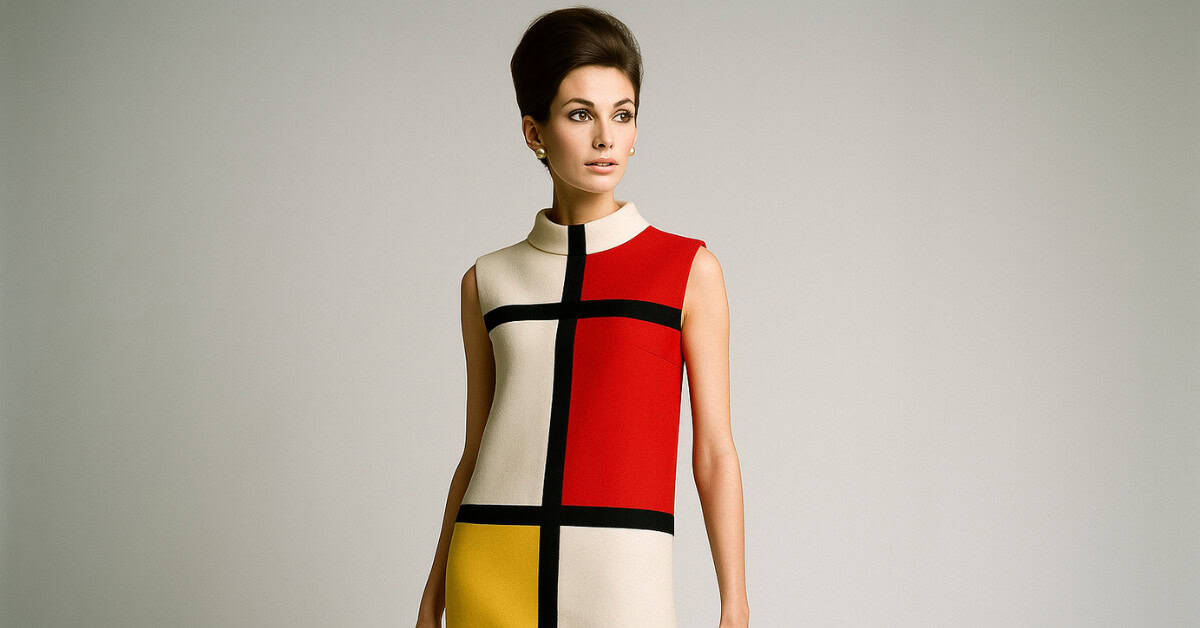
Saint Laurent’s Mondrian-inspired dresses merged art with fashion in an unprecedented way. These color-block shift dresses became instant classics, representing the decade’s embrace of modern art and minimalist design in everyday wear.
8. The Tie-Dye Movement (1969)
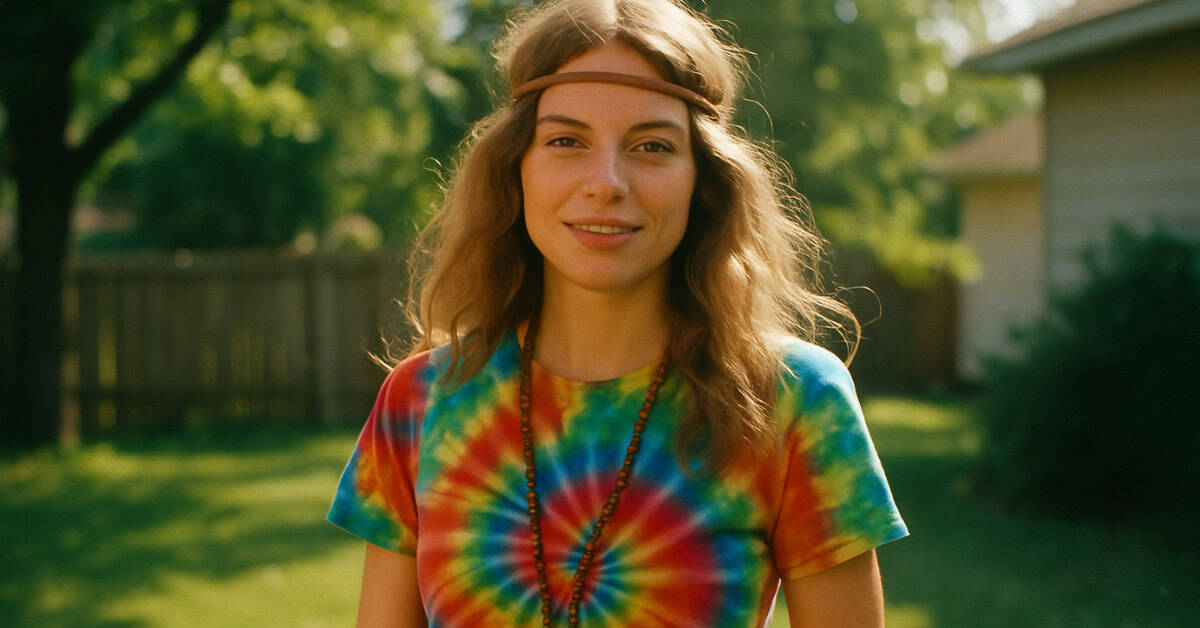
Popularized at Woodstock, tie-dye became a symbol of the counterculture movement. This DIY technique transformed simple garments into psychedelic statements of peace and love. The style represented a rejection of mass-produced fashion and embrace of individual expression.
9. Paper Dresses (1966)

The paper dress phenomenon epitomized the era’s fascination with disposable consumer culture. These inexpensive, printed dresses were meant to be worn a few times and thrown away. They featured bold pop art designs and became collectors’ items.
10. Go-Go Boots (1965)

Nancy Sinatra’s “These Boots Are Made for Walkin'” helped popularize go-go boots as essential ’60s footwear. These white, mid-calf boots became synonymous with the mod movement and represented women’s growing independence and confidence.
11. The Nehru Jacket (1968)

Popularized by the Beatles and other celebrities, the Nehru jacket represented Eastern influence on Western fashion. This mandarin-collared jacket symbolized the growing interest in Indian spirituality and culture, becoming a staple of psychedelic fashion.
12. The Hippie Look (1967)
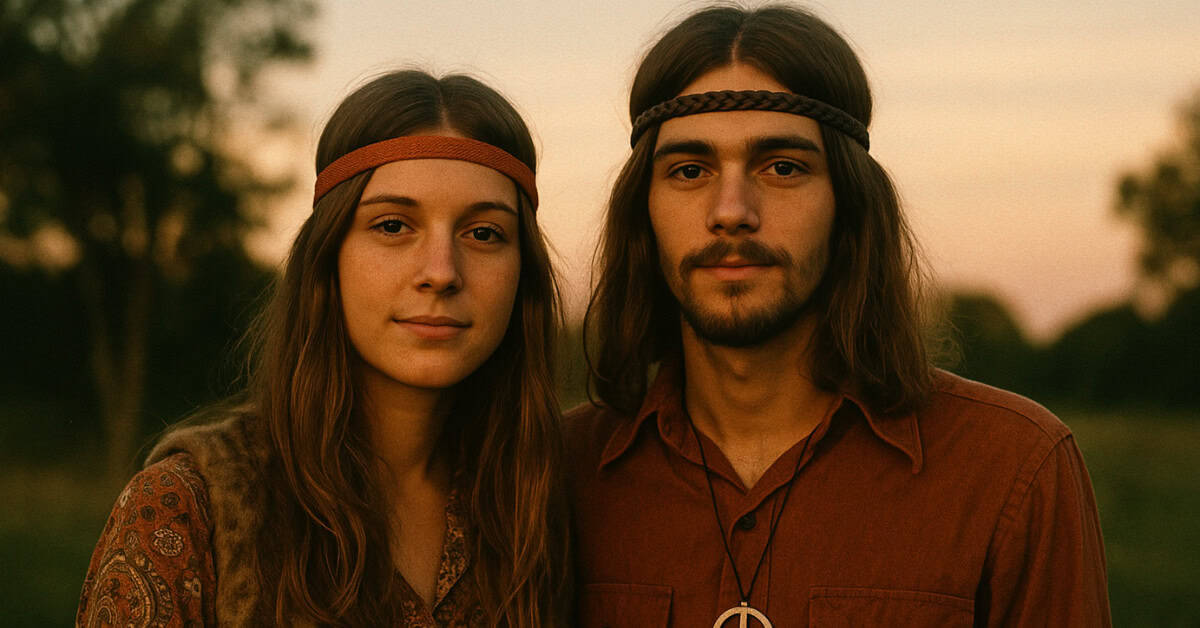
The Summer of Love launched hippie fashion into mainstream consciousness. Bell-bottoms, fringe vests, flowing skirts, and peace symbols became powerful statements against establishment values. This organic, free-spirited style continues to influence fashion today.