The 1970s were a revolutionary time for hairstyles, when both men and women pushed the boundaries of personal expression through their locks. From the influence of disco to the free-spirited hippie movement, these iconic hairstyles helped define an era and kept hairdressers busy mastering new techniques. Let’s revisit some memorable cuts that had everyone heading to the salon with magazine clippings in hand.
Table of Contents
- 1 1. The Farrah Fawcett Flip
- 2 2. The Shag
- 3 3. The Dorothy Hamill Wedge
- 4 4. The Afro
- 5 5. The Pageboy
- 6 6. The Mullet
- 7 7. The Disco Perm
- 8 8. The Long and Straight
- 9 9. The Feathered Bob
- 10 10. The Mod Cut
- 11 11. The Layered Shag
- 12 12. The Bowl Cut
- 13 13. The Pixie Cut
- 14 14. The Centre Part
- 15 15. The Wedge Bob
1. The Farrah Fawcett Flip
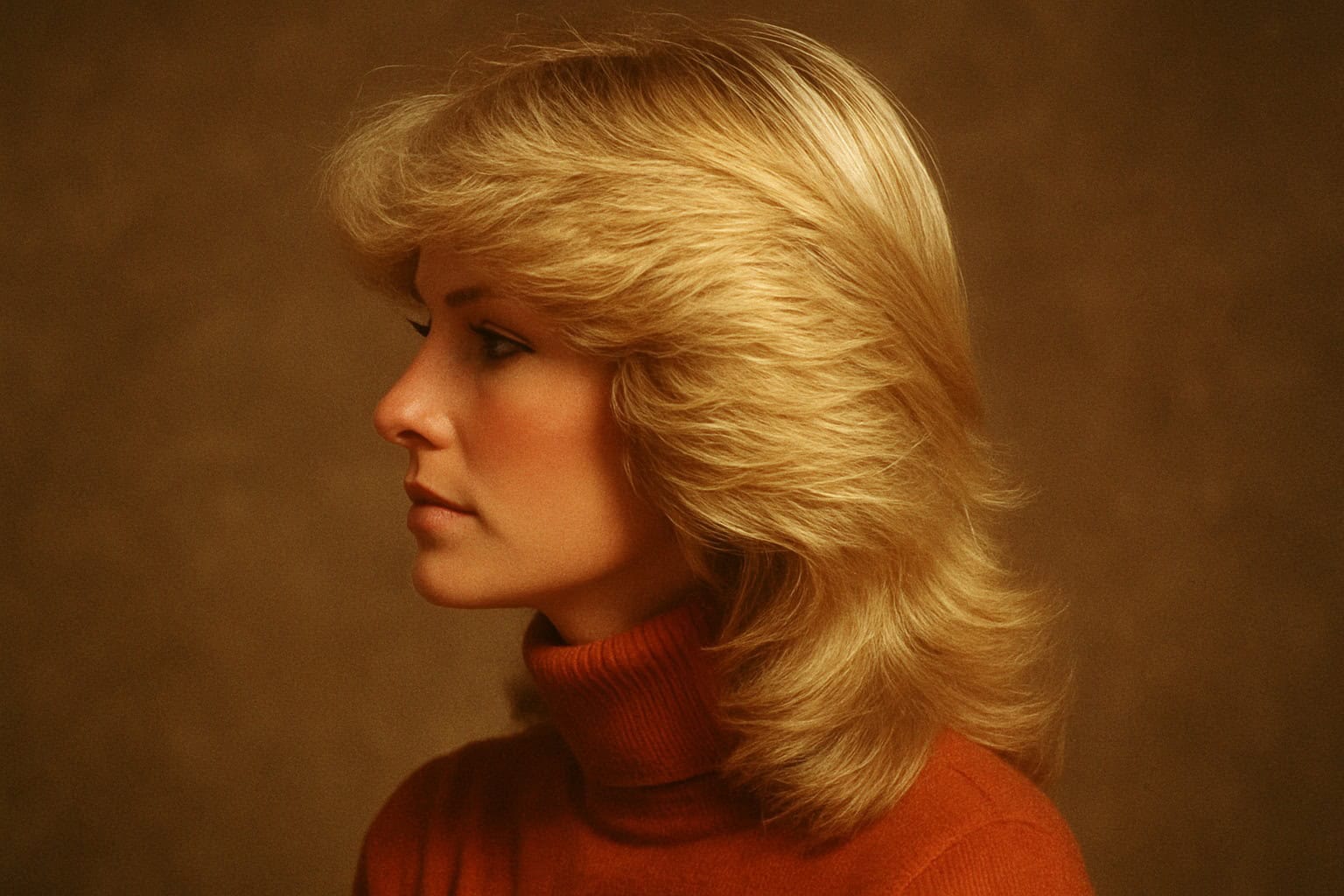
This feathered masterpiece became the most requested hairstyle after Farrah’s iconic 1976 red swimsuit poster. Women spent countless hours with round brushes and blow dryers trying to achieve those perfect waves and wings. The style required regular trims and daily maintenance, but the glamorous results made it worth the effort.
Save for later
Want to come back to this story? Save it with your email so it is easy to find again.
2. The Shag
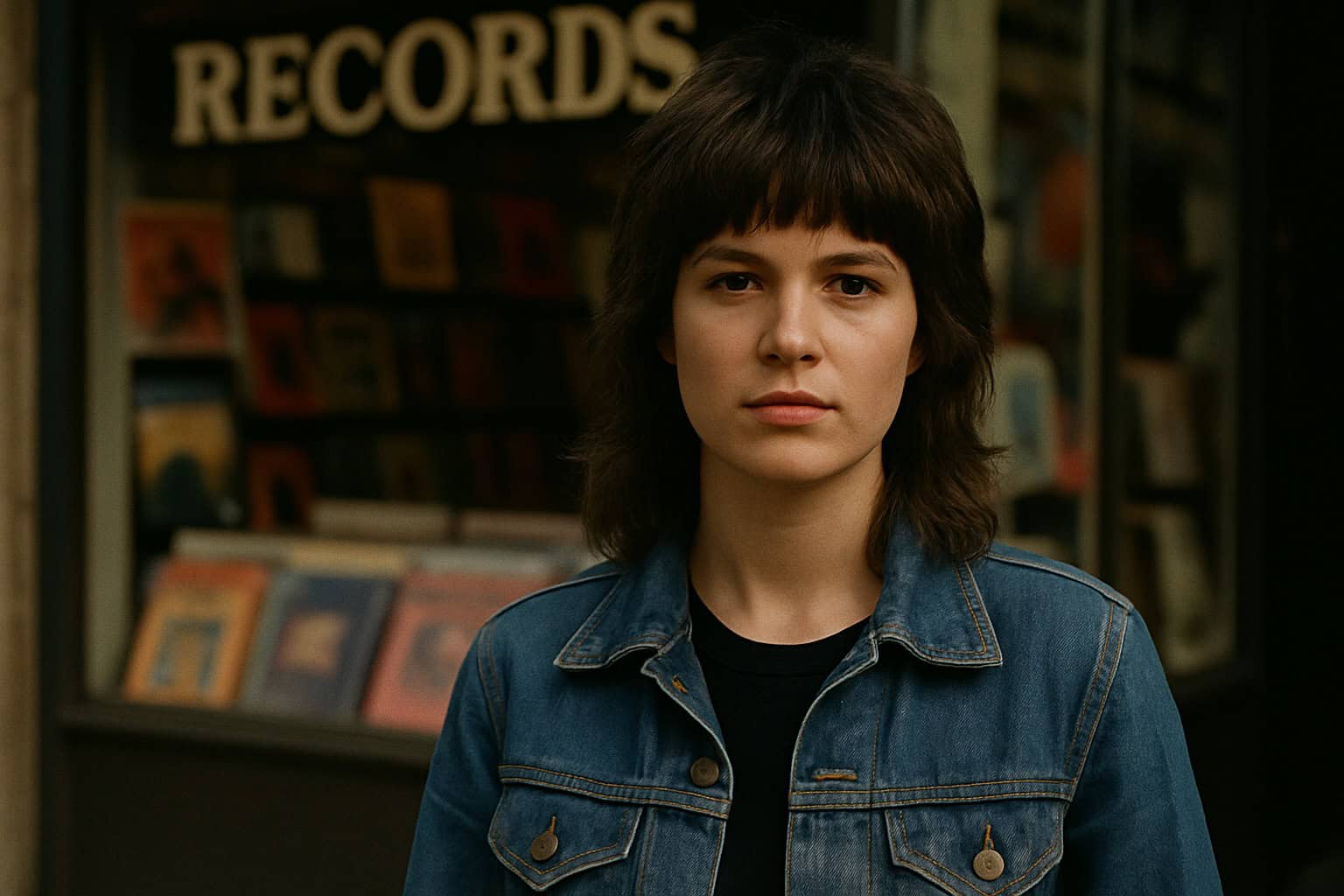
Made famous by Jane Fonda and later adopted by rockers like Rod Stewart, the shag featured choppy layers that created a deliberately messy look. This unisex style worked with both straight and curly hair, making it versatile and popular across all demographics. The layered cut required minimal styling but regular trimming to maintain its shape.
3. The Dorothy Hamill Wedge

After winning gold at the 1976 Olympics, Dorothy Hamill’s short, bouncy wedge cut became a sensation. The precise geometric style required regular salon visits to maintain its sharp angles. Women loved how it moved and swung, mimicking Hamill’s graceful skating performances.
4. The Afro
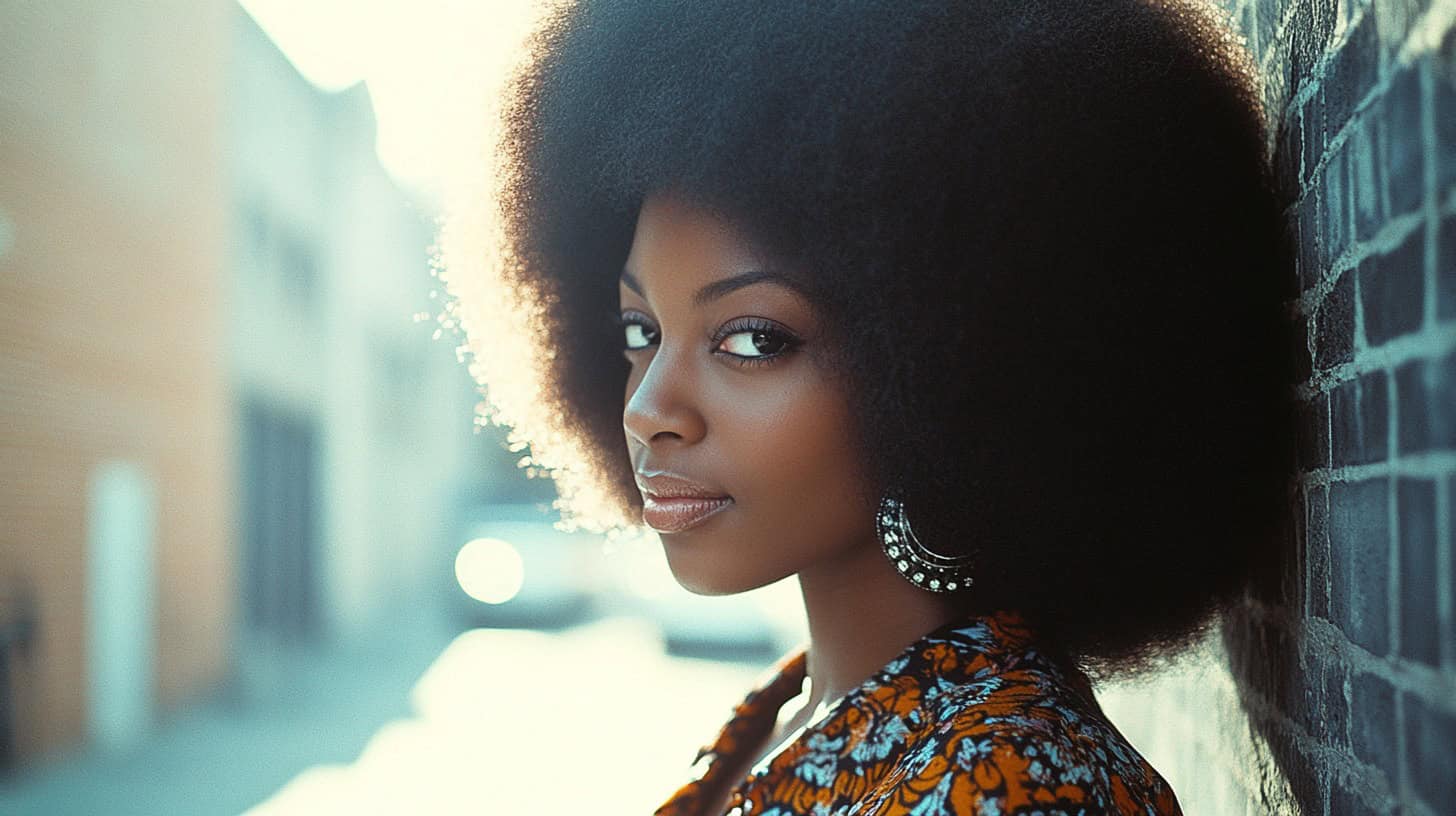
A powerful symbol of Black pride and natural beauty, the Afro reached its peak popularity in the ’70s. Stars like Angela Davis and Michael Jackson helped popularize this style that celebrated natural hair texture. The bigger, the better was the motto, with pick combs becoming essential accessories.
5. The Pageboy
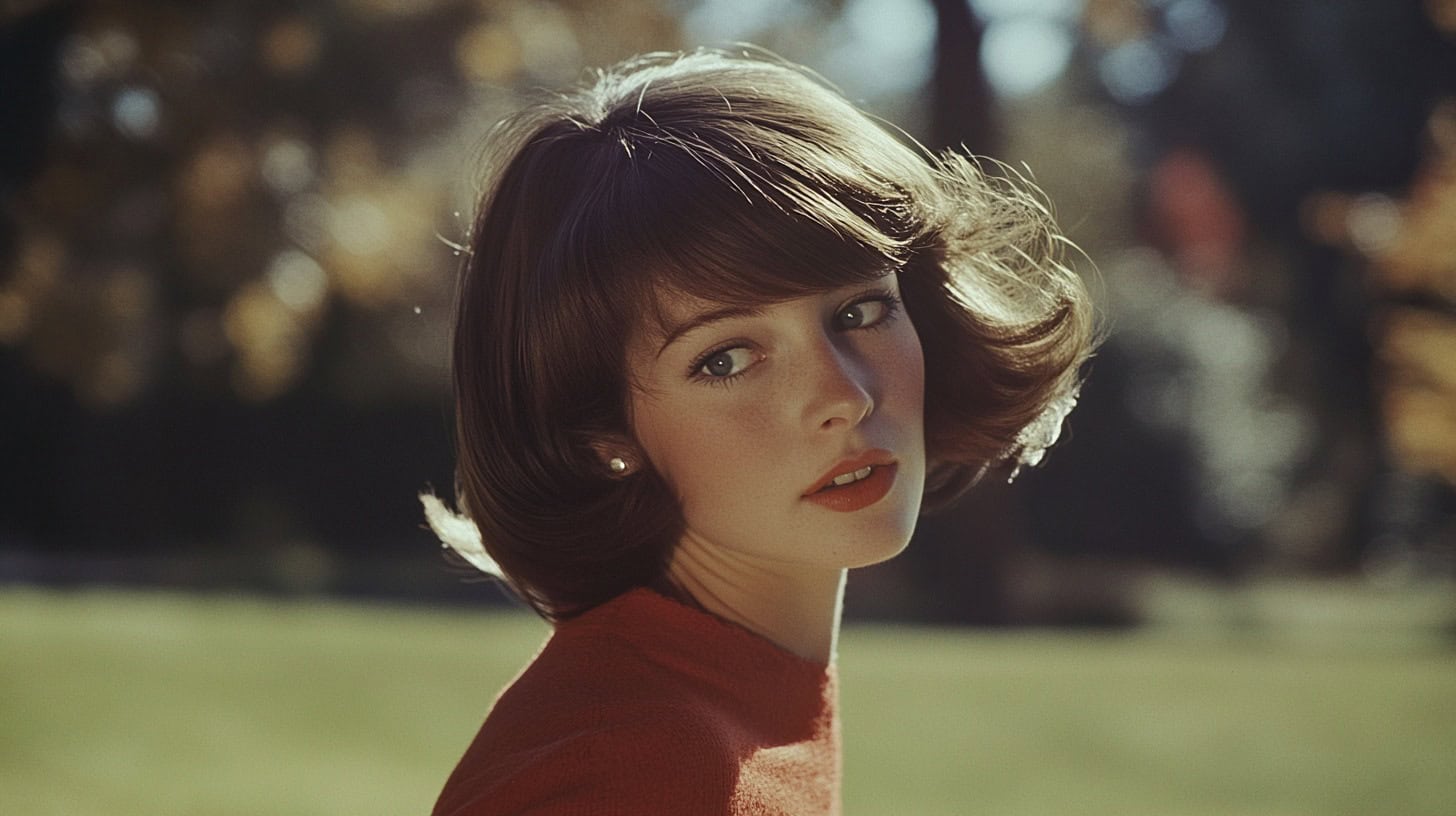
This shoulder-length style with rolled-under ends and often accompanied by bangs became a sophisticated choice. Made popular by celebrities like Mary Tyler Moore, it offered a professional look that worked well in the growing workplace. The style required sleeping in rollers but provided a polished appearance.
6. The Mullet

Beginning its rise in the late ’70s, the “business in front, party in the back” style gained traction through rock musicians. David Bowie’s Ziggy Stardust era helped popularize this distinctive look. The style offered versatility – professional enough for work while maintaining an edge for after-hours.
7. The Disco Perm

Tight, bouncy curls defined the disco era, with both men and women sporting this high-maintenance style. The chemical process could take hours at the salon, but the results lasted for months. Barbra Streisand and Donna Summer made this look iconic on the dance floor.
8. The Long and Straight
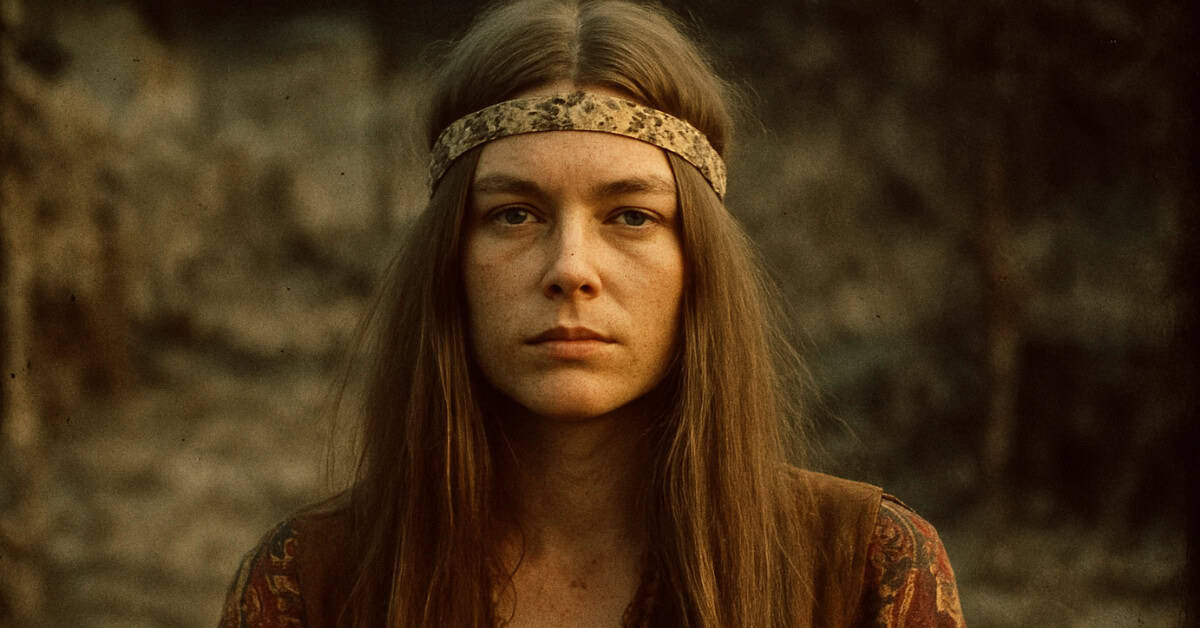
The hippie influence brought ultra-straight, parted-in-the-middle hair to both men and women. Achieving this look often meant ironing hair on an ironing board or using orange juice cans as rollers. Cher’s signature style epitomized this look, influencing a generation to embrace super-straight locks.
9. The Feathered Bob

This sophisticated variation of the classic bob featured feathered layers that framed the face, creating a distinctive look. Popular among working women, it offered a professional look with a fashionable edge. The style required regular maintenance but was more manageable than longer cuts.
10. The Mod Cut

Geometric cuts with sharp angles and precise lines defined the mod look. Often paired with heavy bangs and dramatic eye makeup, these styles required regular salon visits to maintain their architectural precision. Mary Quant helped popularize this bold look that defined the early ’70s.
11. The Layered Shag

A softer version of the classic shag, this cut featured more defined layers that created movement and volume. Popularized by Stevie Nicks and Carly Simon, it became the go-to style for the music scene. The cut worked well with natural texture and required minimal styling.
12. The Bowl Cut

While it may seem amusing now, the precision bowl cut was a legitimate fashion statement in the ’70s. Popular among both children and adults, this perfectly rounded cut gained popularity through music groups like The Monkees. The style required exact cutting to achieve its characteristic, perfect circle shape.
13. The Pixie Cut
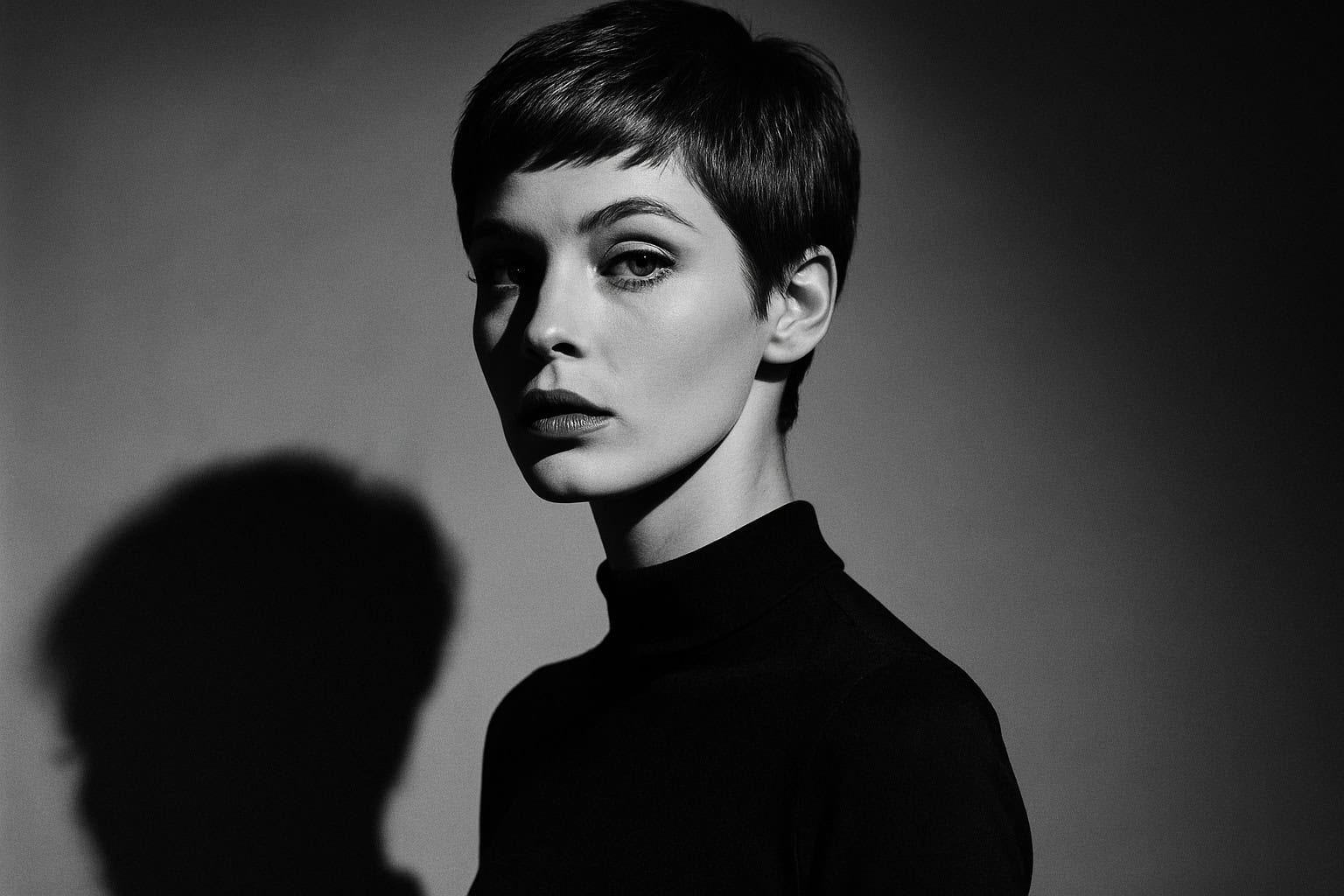
The pixie cut evolved in the ’70s to include more texture and movement than its ’60s predecessor. Made popular by actresses like Liza Minnelli, this short style emphasized facial features and projected confidence. The low-maintenance cut required regular trims to maintain its shape.
14. The Centre Part

The middle part became a defining feature of ’70s hair, worn by both men and women. This statement-making yet straightforward style was often paired with long, straight hair or flowing waves. Popularized by folk singers and hippie culture, it symbolized natural beauty and rejection of artificial styling.
15. The Wedge Bob

A sophisticated variation of the Dorothy Hamill cut, this style featured more length and softer angles. It offered a professional look while maintaining the geometric precision popular in the era. The cut required skilled styling but provided a polished, modern appearance perfect for the working woman.