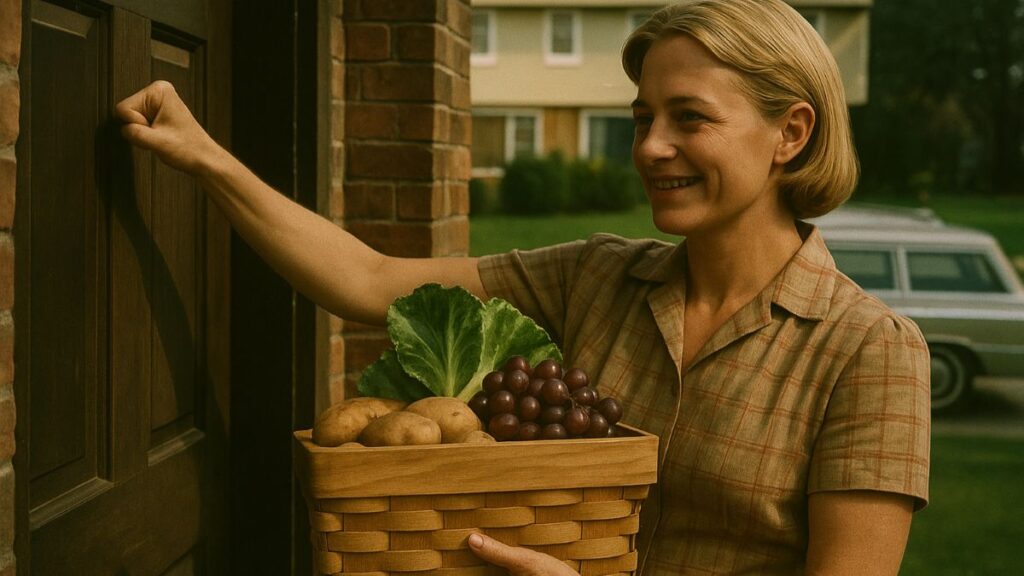
Remember when being a good neighbor wasn’t just a nice idea, but a way of life? Before smartphones and social media took over our daily interactions, communities were held together by unwritten rules and social customs that made life more connected and meaningful. Let’s look back at some of these forgotten social practices that helped create stronger, more caring neighborhoods.
Table of Contents
- 1 1. The Front Porch Culture
- 2 2.Holiday Open Houses
- 3 3. Sunday Best
- 4 4. Borrowing and Lending
- 5 5. Party Line Etiquette
- 6 6. Neighborhood Watch – The Original Version
- 7 7. The Dinner Bell
- 8 8. Community Meal Sharing
- 9 9. The Unscheduled Visit
- 10 10. Tool Sharing
- 11 11. The Block Party
- 12 12. Snow Shoveling Brigade
- 13 13. The Community Bulletin Board
- 14 14. The Welcome Wagon
1. The Front Porch Culture

Evenings meant sitting on the front porch, greeting neighbors as they walked by, and having impromptu conversations that kept everyone connected. This wasn’t just about relaxation – it was our neighborhood’s informal communication network. Problems were solved, news was shared, and communities were strengthened through these casual daily interactions.
Save for later
Want to come back to this story? Save it with your email so it is easy to find again.
2.Holiday Open Houses

During holidays, many homes would host open houses where neighbors could stop by throughout the day. These casual celebrations strengthened community bonds and ensured that no one spent holidays alone. The tradition made holidays truly communal celebrations rather than just private family affairs.
3. Sunday Best
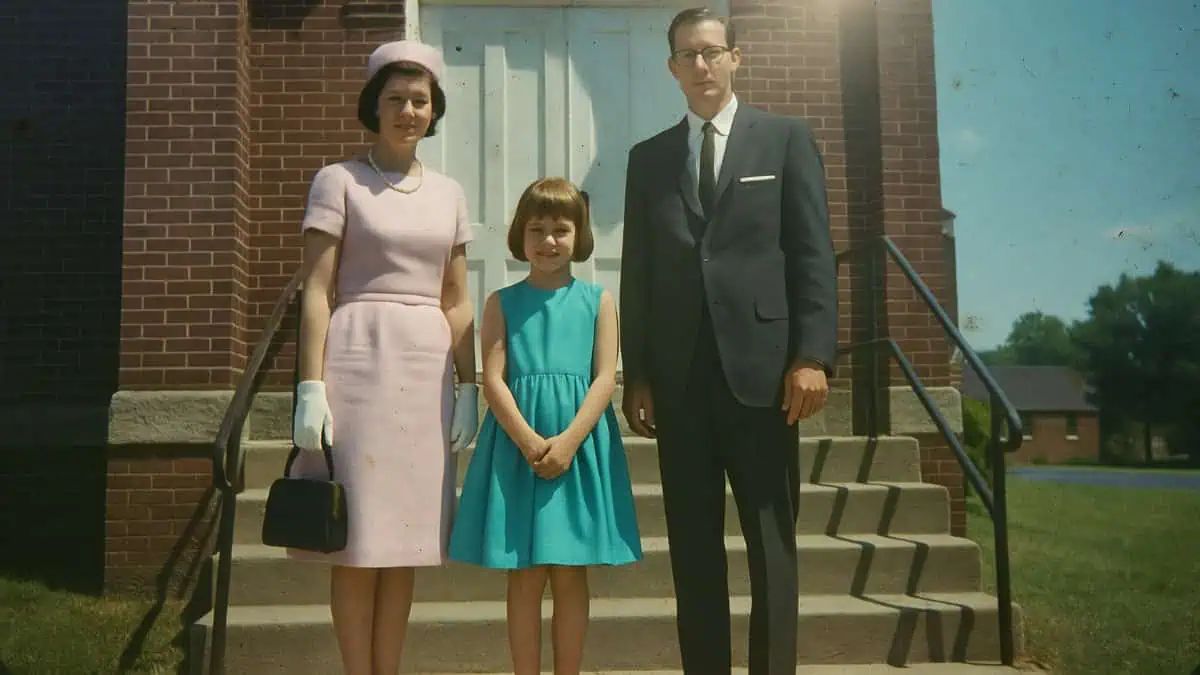
Dressing up for Sunday activities wasn’t about showing off – it was about showing respect for your community and the occasion. Whether attending church or visiting family, putting on your best clothes signaled that you valued these social connections enough to make an effort.
4. Borrowing and Lending

The neighborhood operated on an informal lending system. From cups of sugar to lawn mowers, people freely borrowed and lent items, creating a web of mutual obligation and trust. This practice wasn’t just about convenience – it fostered relationships and taught the value of sharing resources.
5. Party Line Etiquette

Sharing a phone line with neighbors required consideration and cooperation. People learned to keep calls short, respect emergency situations, and avoid eavesdropping. These shared resources taught valuable lessons about community consideration and communication.
6. Neighborhood Watch – The Original Version

Before formal neighborhood watch programs, communities naturally looked out for each other. Neighbors knew whose car belonged where, which kids belonged to which families, and when something seemed out of place. This informal surveillance system kept communities safer through connection rather than suspicion.
7. The Dinner Bell
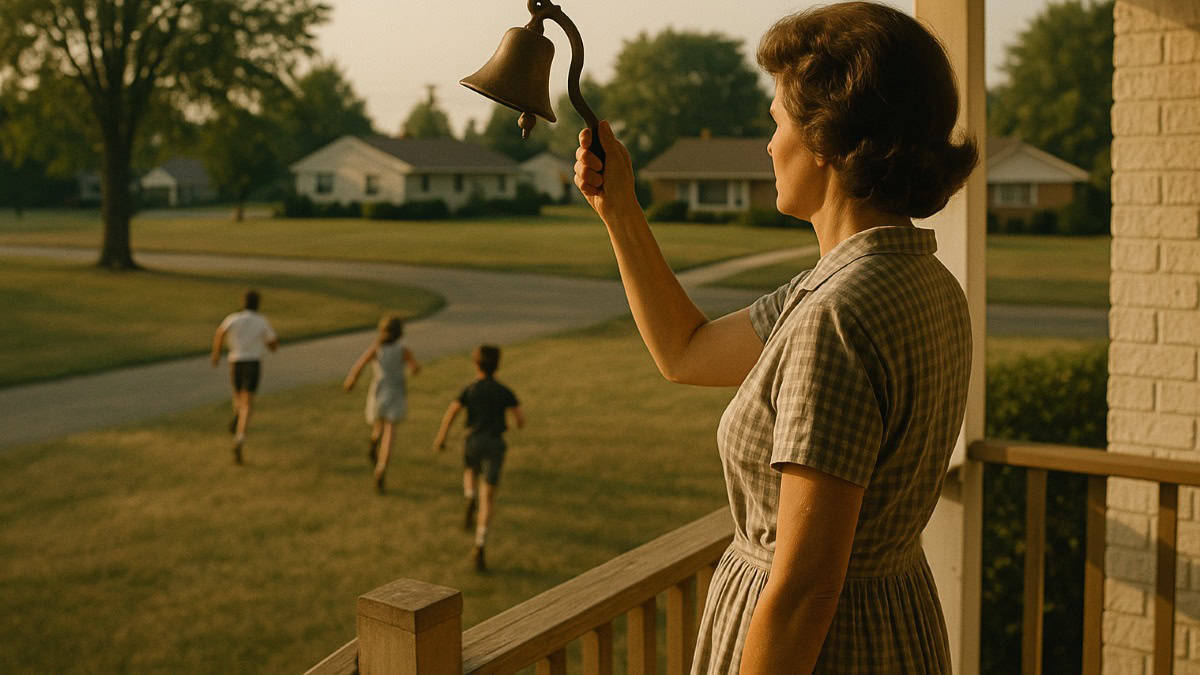
The sound of dinner bells or mothers calling their children home was part of the neighborhood symphony. Everyone knew these calls, and children responded promptly. This system relied on community awareness and mutual respect for family time.
8. Community Meal Sharing
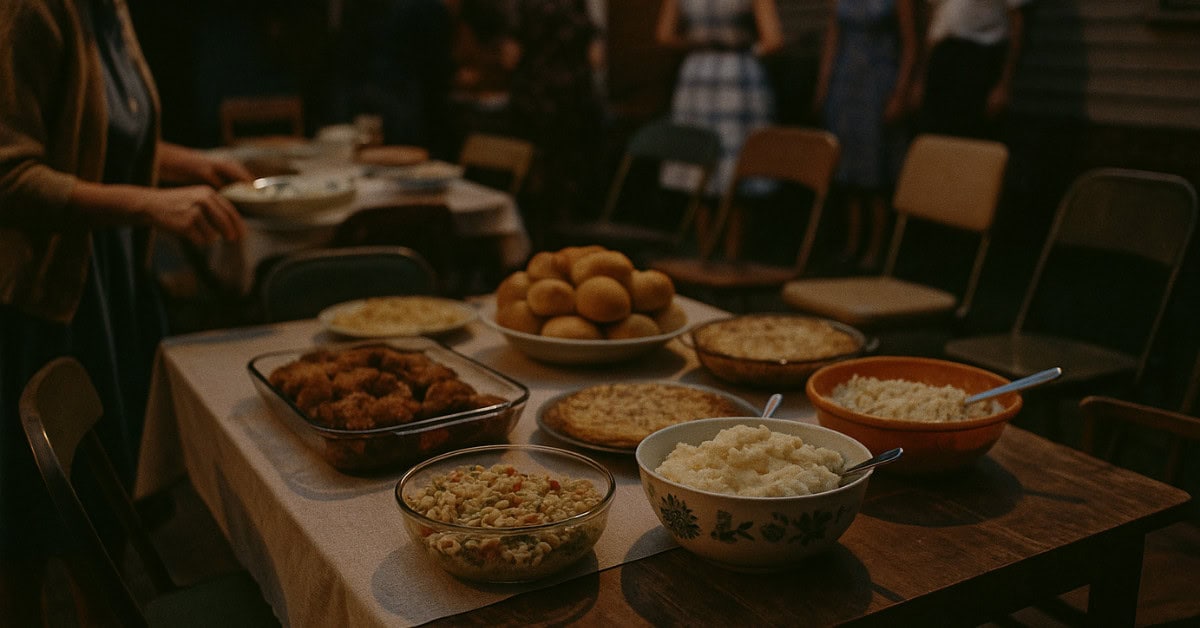
During times of celebration or crisis, neighbors automatically provided meals. New babies, deaths in the family, or illnesses would trigger an organized response of food delivery. This practical support system ensured that no one faced difficult times alone.
9. The Unscheduled Visit

Dropping by unannounced was normal and welcome. Neighbors would stop in for coffee or a chat, creating spontaneous moments of connection. While this might seem intrusive today, it kept communities close-knit and prevented isolation.
10. Tool Sharing

Not every household needed to own every tool. Neighbors freely shared equipment and expertise, often working together on projects. This cooperation saved money and created opportunities for teaching and learning between generations.
11. The Block Party

Regular block parties weren’t just celebrations – they were community-building events. Everyone contributed food, games, and effort to create these gatherings. These parties helped maintain neighborhood unity and gave children a sense of belonging to something larger than their immediate family.
12. Snow Shoveling Brigade

After snowstorms, neighbors would automatically help clear each other’s walks, especially for elderly residents. This unspoken system of mutual aid ensured everyone’s safety and mobility. Young people learned the value of community service through these informal arrangements.
13. The Community Bulletin Board
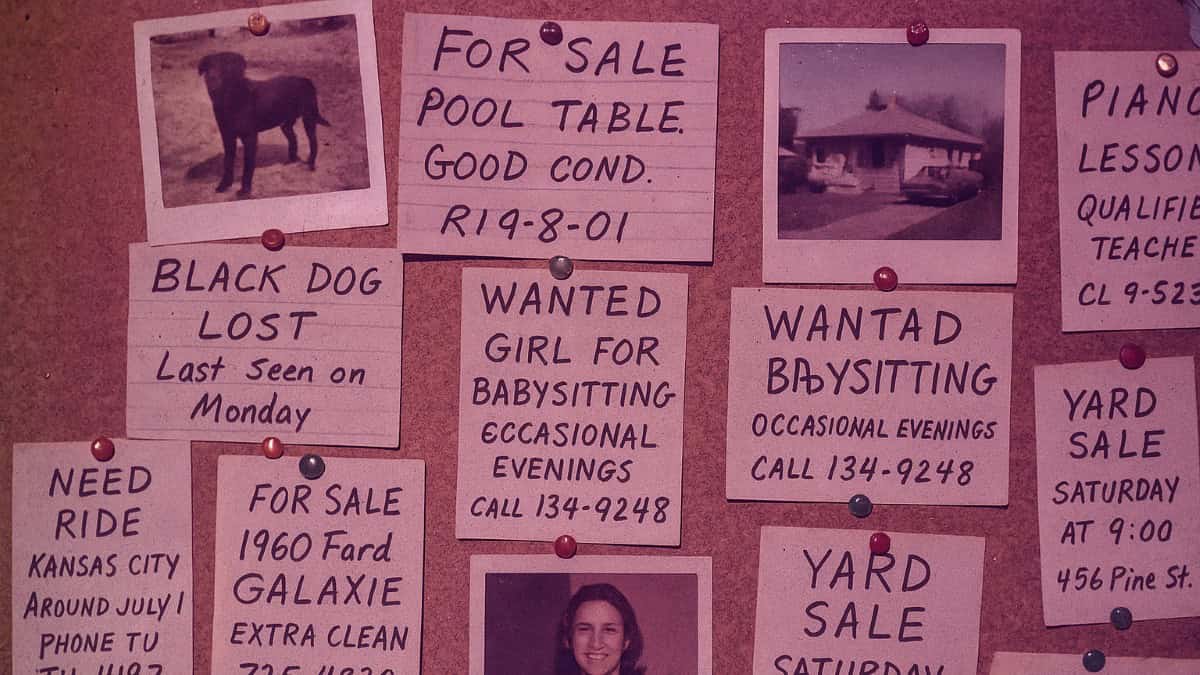
Local stores maintained community bulletin boards where people posted notices about lost pets, local events, and items for sale. These analog social networks kept everyone informed about community needs and opportunities. It was social media before the internet, but with a much more local focus.
14. The Welcome Wagon
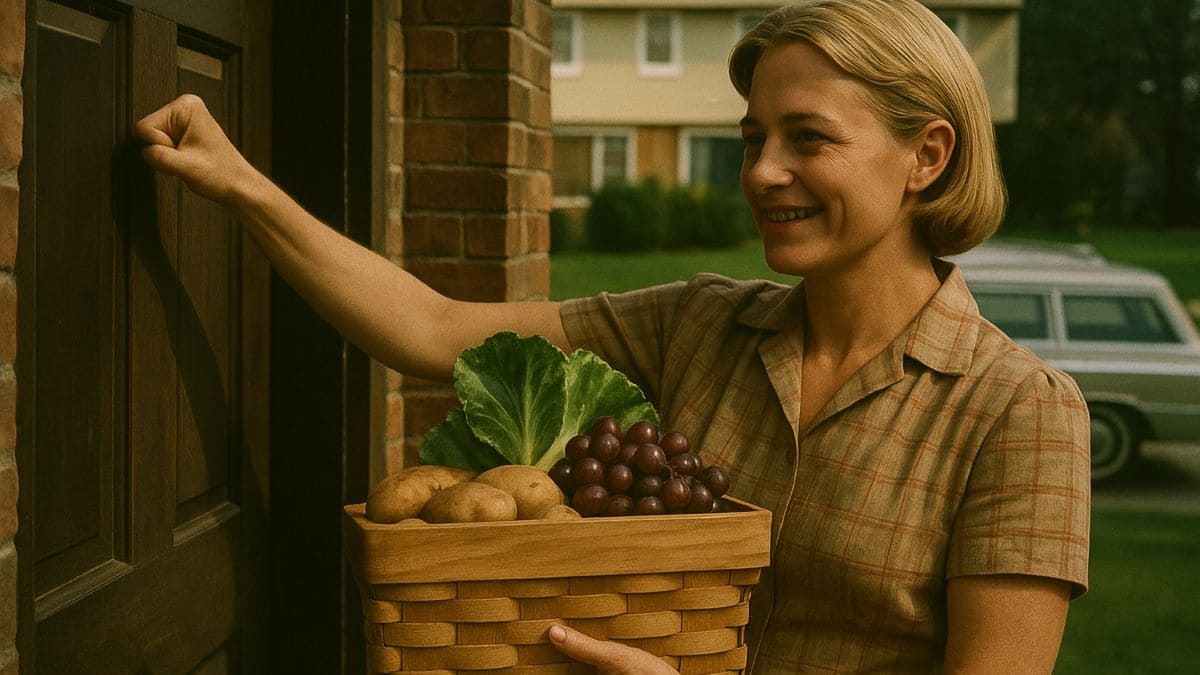
When new families moved in, neighbors would arrive with home-cooked meals and useful information about the area. This wasn’t just being nice – it was about integrating newcomers into the community fabric. These early welcomes often led to decades-long friendships and mutual support systems.