Money habits that were practiced by previous generations have become abnormal in today’s world, filled with credit cards and impulse buys. While money habits may have contained an element of financial literacy, it was often a more elementary, impulse buy countering, and instinctive. With that, let’s examine the money saving habits that our previous generations consistently practiced.
Table of Contents
- 1 1. The Envelope System
- 2 2. Shopping with a List
- 3 3. The Change Jar
- 4 4. Mending and Repairing
- 5 5. The Price Book
- 6 6. Meal Planning
- 7 7. The Emergency Fund
- 8 8. Buying Off-Season
- 9 9. The Grocery Store Schedule
- 10 10. The Gift Closet
- 11 11. Home Entertainment
- 12 12. Trading and Sharing
- 13 13. The Coupon System
- 14 14. Bulk Buying Basics
- 15 15. The “Sleep On It” Rule
1. The Envelope System
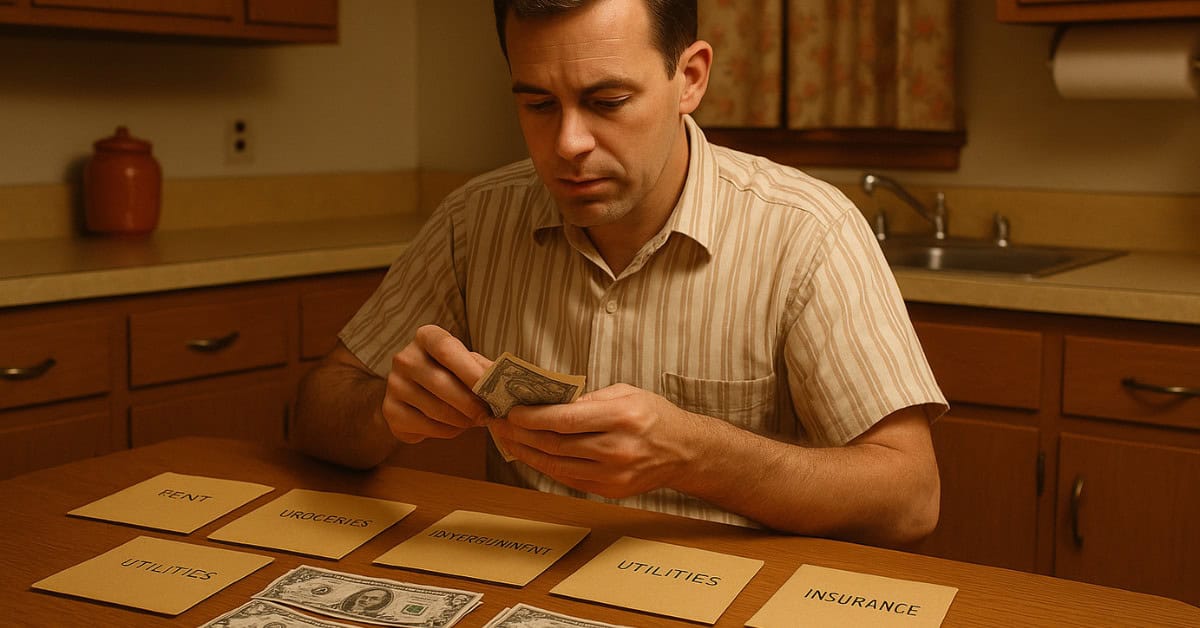
When payday came, the envelope budgeting system was used to divide the money into categorized envelopes. These included, groceries, utilities, savings, etc, and helped to put a physical limitation on budget and spending contracts. If the envelope was empty, there were no exceptions to the rule. This helped to teach the principles of budgeting without needed the complexity of calculators and equations.
Save for later
Want to come back to this story? Save it with your email so it is easy to find again.
2. Shopping with a List
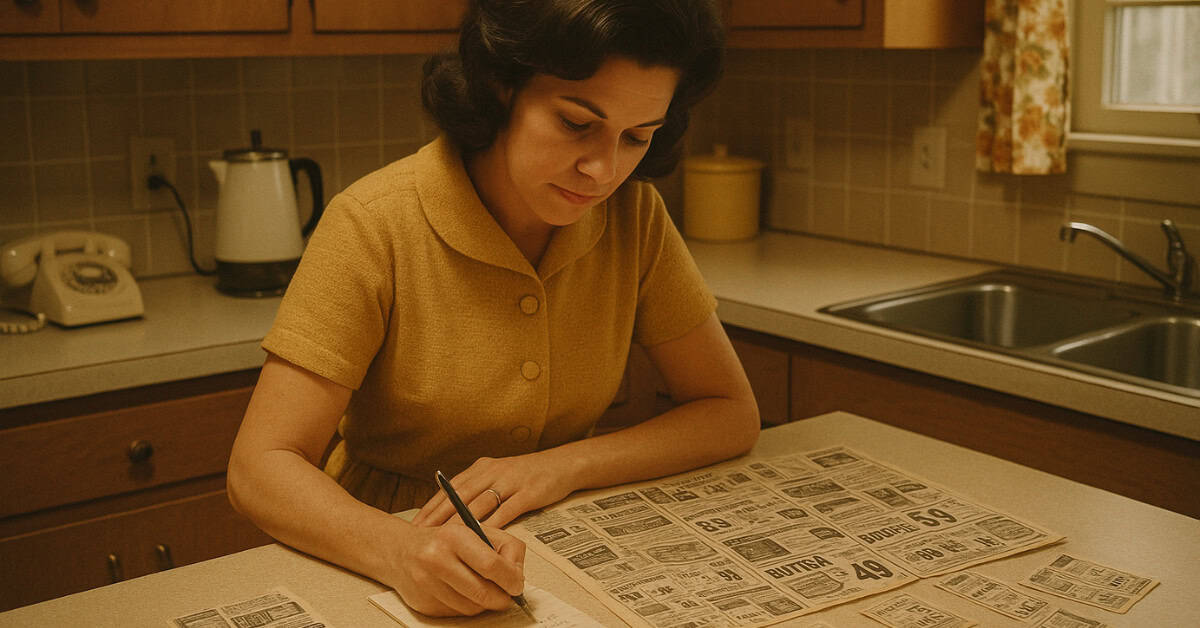
It was an unspoken rule that no shopping was done without a shopping list. To make the list, a meal plan was created, the pantry was examined, and coupons were organized. After this, a list was created, and shopping was done. This saved money, time, and prevented impulse buying and browsing.
3. The Change Jar

Every night, the family ritual was to place loose change into a family designated jar. Surprisingly, this was an extremely effective way to save money for things like family vacations in the summertime or Christmas presents. The ritual taught the family the value of savings.
4. Mending and Repairing

Nothing was thrown away if it could be fixed. From darning socks to patching jeans, basic repair skills extended the life of everything we owned. This “repair first” mentality saved money and taught us to value what we had.
5. The Price Book
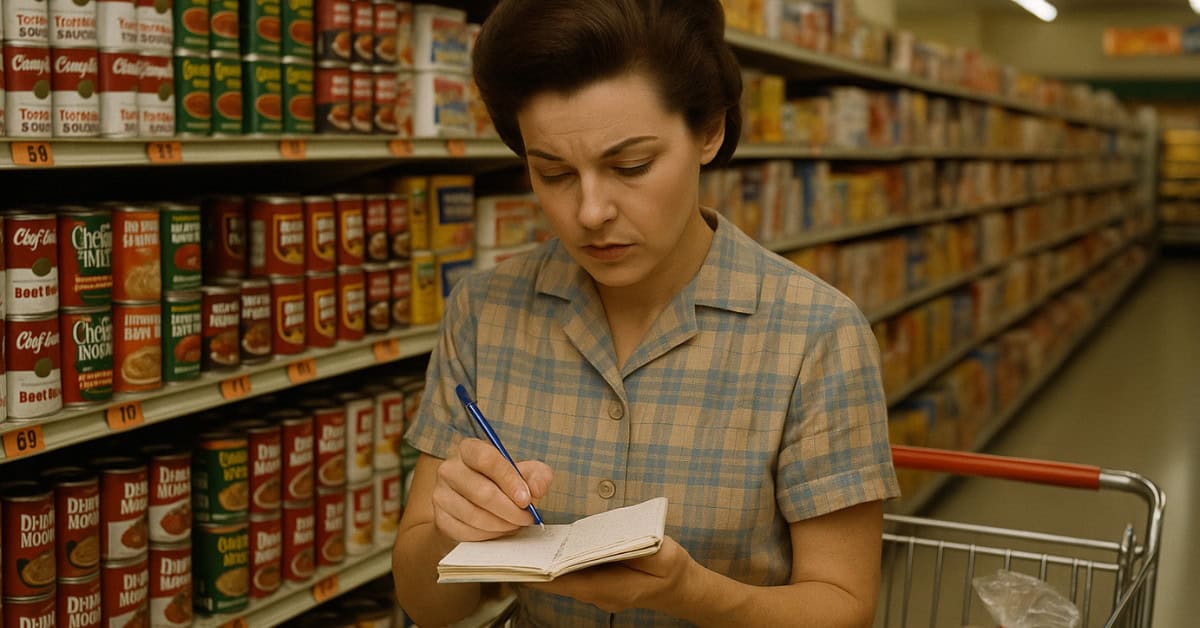
Price books let us keep track of store prices and find price cycles with ease. We would be able to see the regular store prices, identifying if a \”sale\” was real or if they were just trying to sell us things.
6. Meal Planning

Every week my mom would plan the meals around the sales and what was in the pantry. Leftovers would even be used to make the meals the next day. This saved money and cut down the daily stress of deciding what to make.
7. The Emergency Fund

She never touched the emergency fund besides true emergencies. This kept small problems from turning into big problems.
8. Buying Off-Season
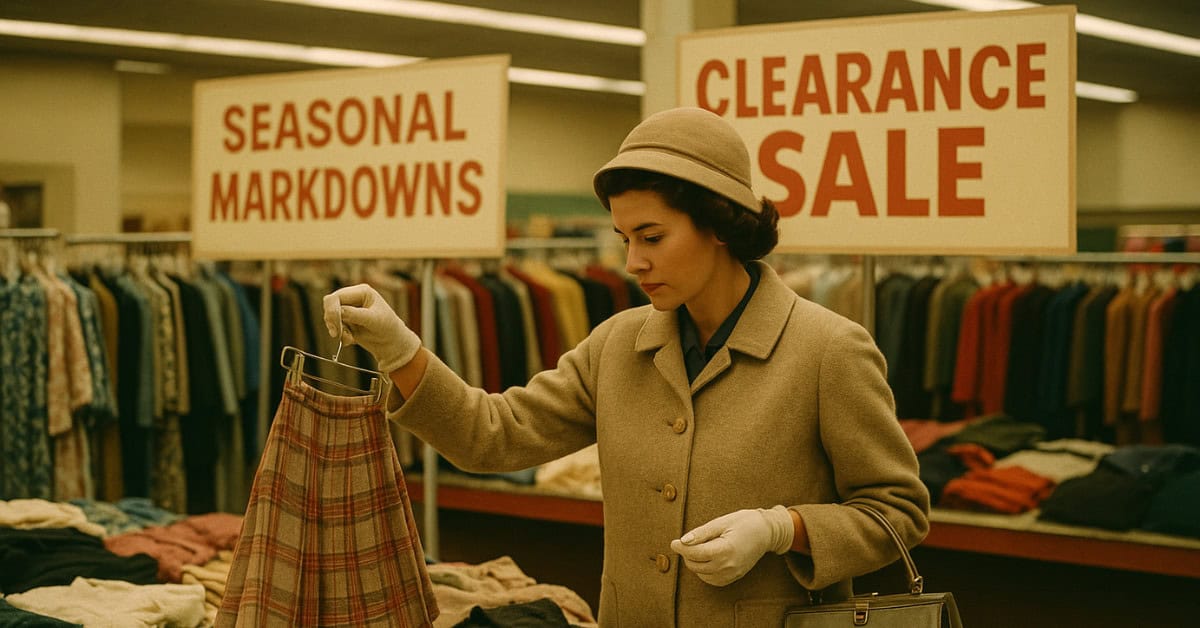
She would buy winter coats in spring and summer clothes in fall. This meant she never paid full price for clothes.
9. The Grocery Store Schedule
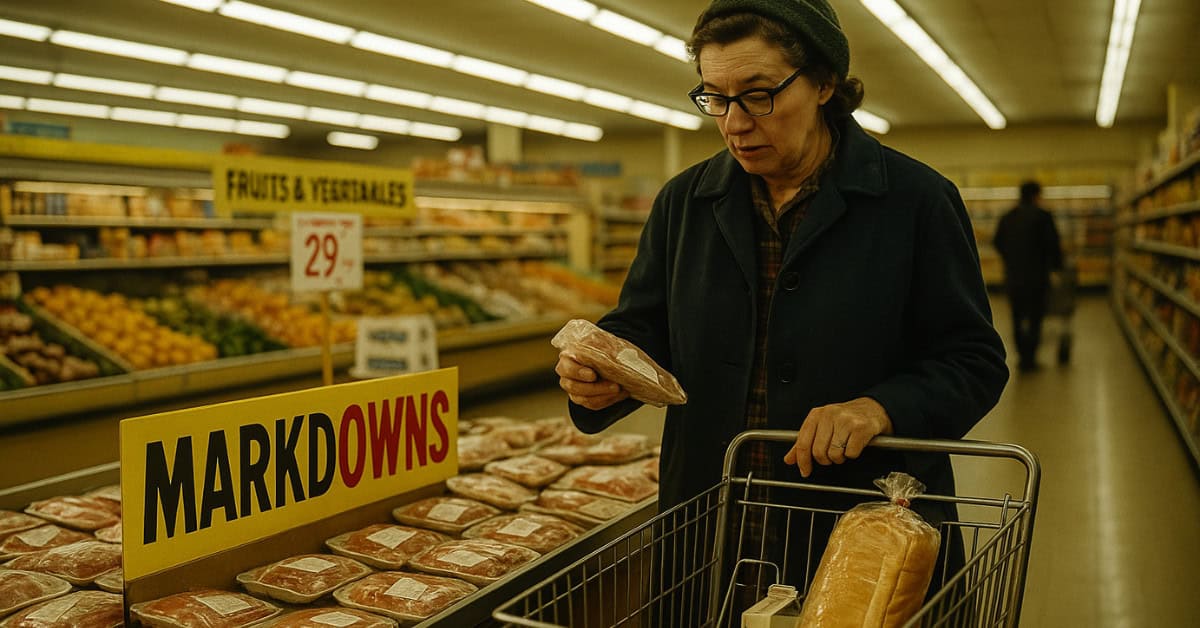
She would shop on days when new sales or markdowns would occur. This way she would be able to buy the meat and produce when it was marked down instead of going an extra time just to get the deal.
10. The Gift Closet
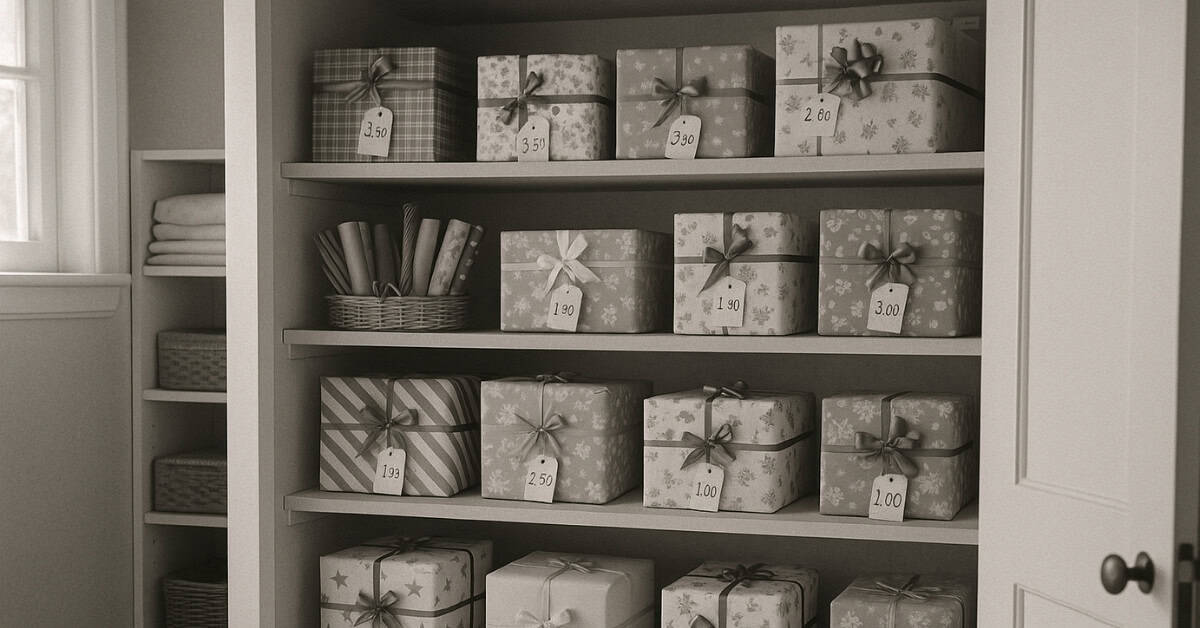
A space was set aside for presents throughout the year to avoid paying a lot for presents last minute.
11. Home Entertainment
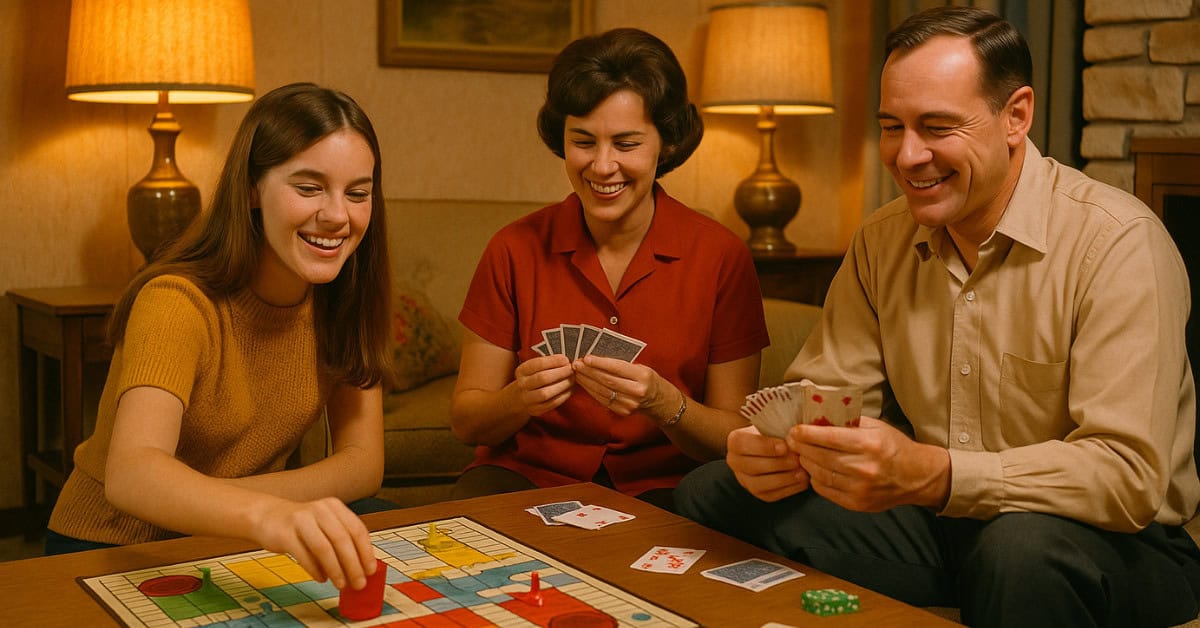
Entertainment was simple. Board games and card games would be played to have fun without spending any. This showed us that we could have fun without spending money.
12. Trading and Sharing

Instead of each individual buying tools, equipment, and skills, neighbors would share these resources. This collective ownership approach mutually benefited everyone and saved money while relationships were formed. This experience demonstrated the importance of cooperation as opposed to individual consumption.
13. The Coupon System

Coupons were sorted by item and expiration dates using a special envelope system. With the proper setup, this methodical approach to savings took almost no time. The result over time was a large accumulation of savings.
14. Bulk Buying Basics
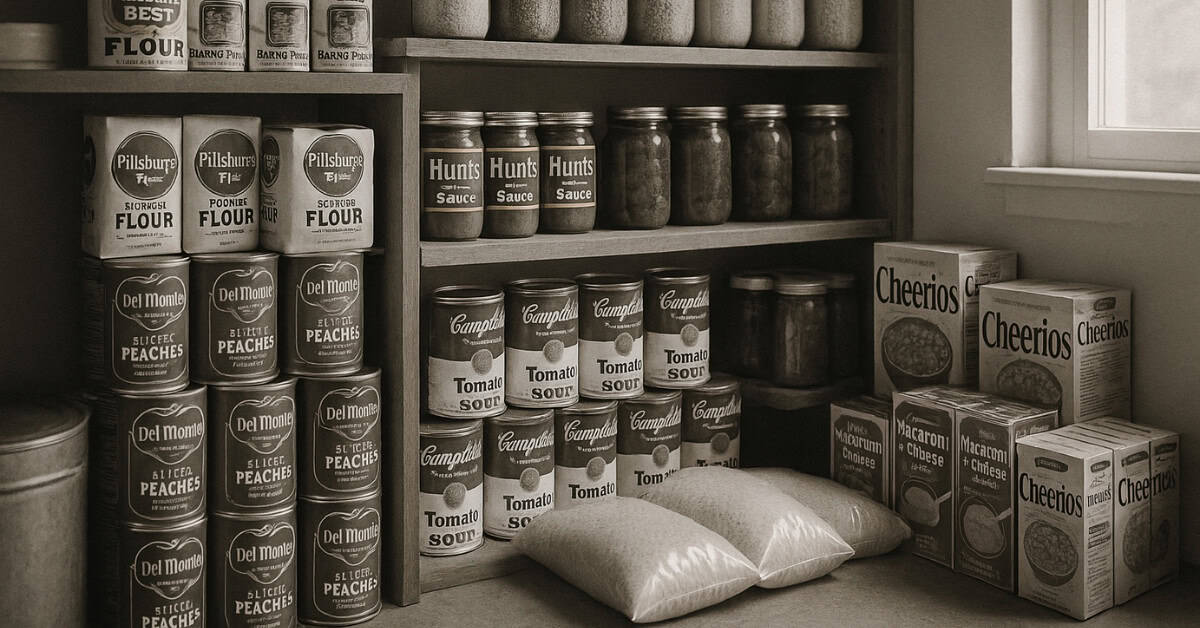
Staple product sales were used to buy products in bulk. Although this strategy required a higher initial investment, the savings on a per-unit basis made it worthwhile. While this strategy required additional storage space, it greatly reduced shopping costs in the long run.
15. The “Sleep On It” Rule

For large purchases, a waiting period was always required. This waiting period prevented impulse buying and ensured the purchases were truly necessary. After a consideration period of one to two days, the desire for an item faded for many people.