Some concerts transcend mere entertainment to become cultural touchstones that define an era. From groundbreaking festival performances to legendary stadium shows, these live performances changed music history forever. Whether you were lucky enough to be there in person or experienced them through recordings, these shows represent moments when music truly made history.
Table of Contents
- 1 1. The Beatles – Rooftop Concert (1969)
- 2 2. Woodstock (1969)
- 3 3. Queen at Live Aid (1985)
- 4 4. Elvis Presley’s ’68 Comeback Special
- 5 5. Bruce Springsteen at No Nukes Concert (1979)
- 6 6. James Brown at the Apollo (1962)
- 7 7. The Band’s Last Waltz (1976)
- 8 8. Monterey Pop Festival (1967)
- 9 9. Johnny Cash at Folsom Prison (1968)
- 10 10. The Who Live at Leeds (1970)
- 11 11. David Bowie’s Final Ziggy Stardust Show (1973)
- 12 12. Pink Floyd at Pompeii (1972)
1. The Beatles – Rooftop Concert (1969)
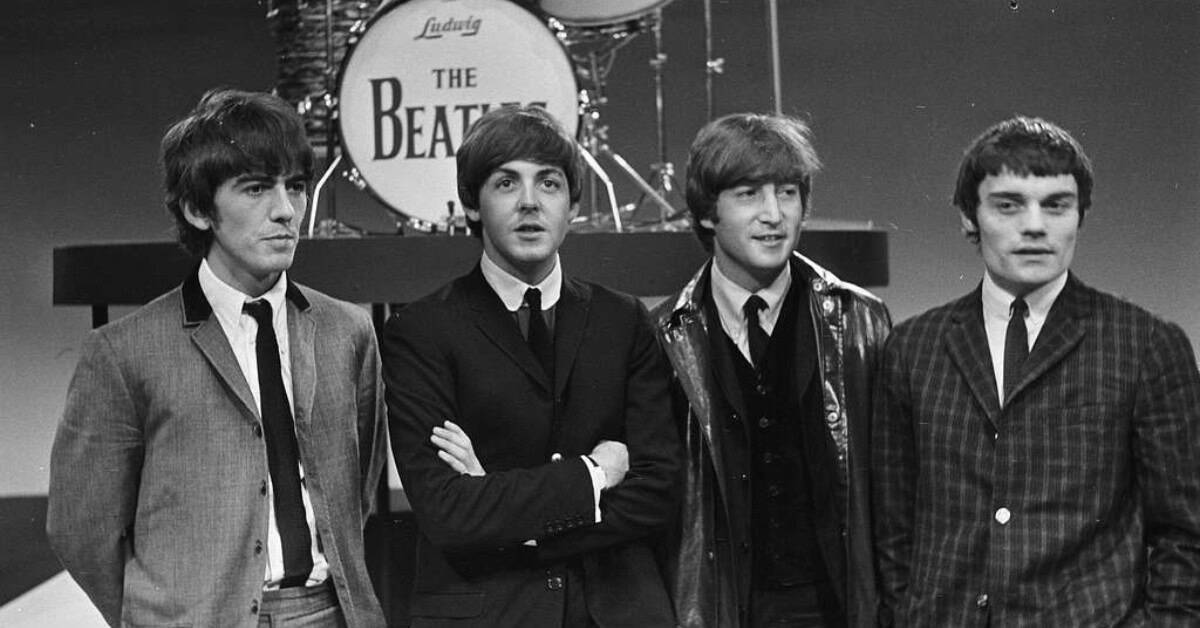
The Beatles’ final public performance on the rooftop of Apple Records became an impromptu street festival in London. For 42 minutes, the band played to a growing crowd below, while police tried to shut it down. The unannounced concert became a symbol of the band’s end and the close of the 1960s era. When John Lennon quipped, “I hope we passed the audition,” nobody knew it would be their last live performance together.
Save for later
Want to come back to this story? Save it with your email so it is easy to find again.
2. Woodstock (1969)
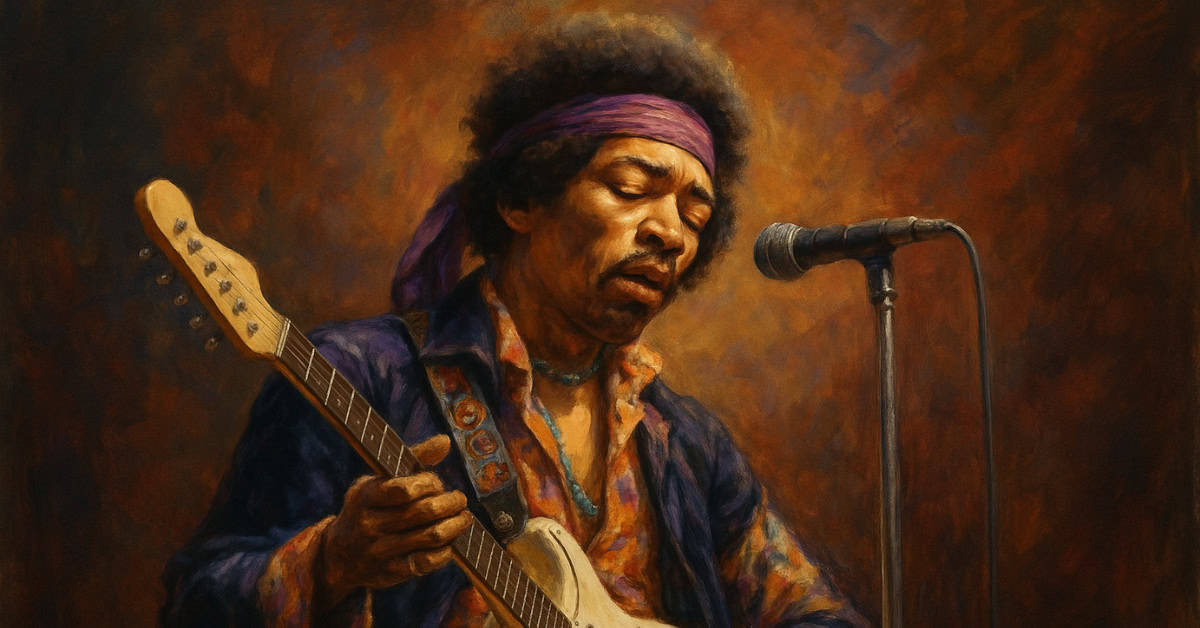
Jimi Hendrix’s Monday morning performance of “The Star-Spangled Banner” became the festival’s defining moment. Playing to a crowd that had dwindled from 400,000 to 30,000, Hendrix delivered a psychedelic interpretation that captured the era’s political turmoil. His distortion-heavy rendition became a powerful anti-war statement and one of rock’s most memorable performances.
3. Queen at Live Aid (1985)
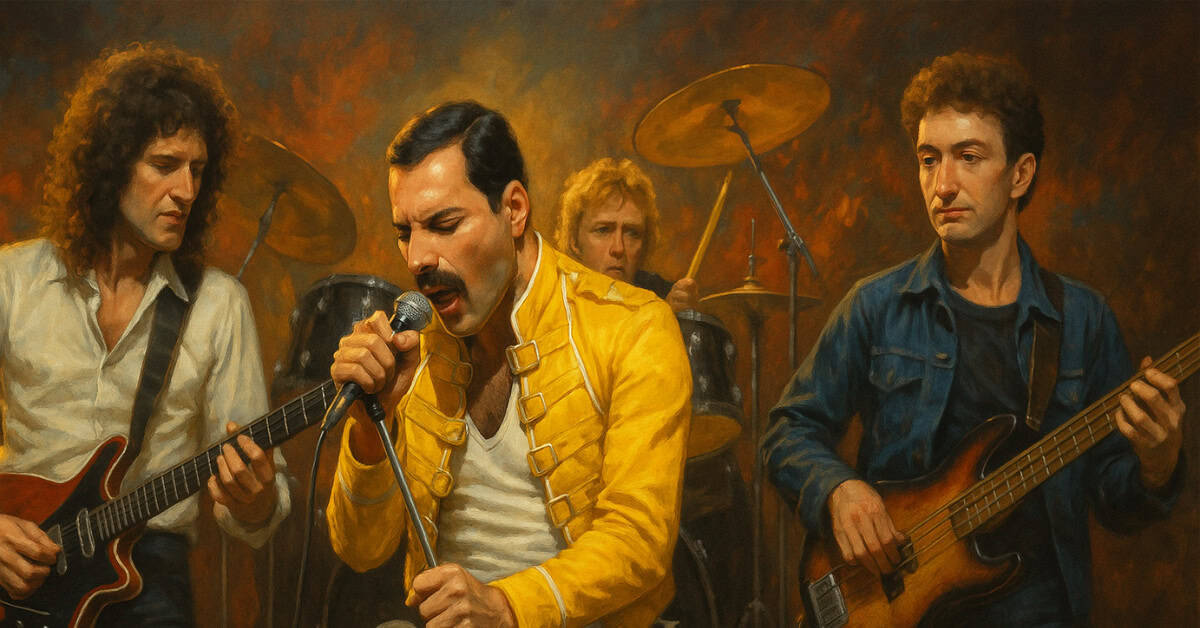
Queen’s 20-minute set at Wembley Stadium is often cited as the greatest live performance in rock history. Freddie Mercury commanded the massive crowd of 72,000 (plus global TV audience) with unmatched charisma. Their seamless medley of hits, culminating in “We Are The Champions,” became the day’s highlight and cemented their legacy.
4. Elvis Presley’s ’68 Comeback Special
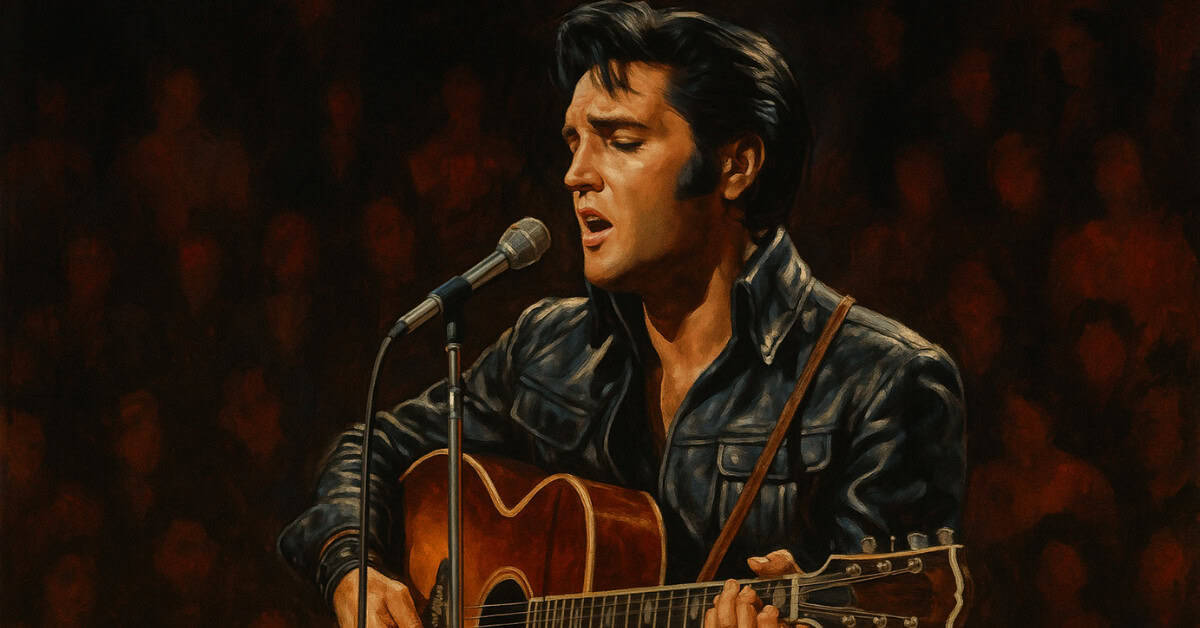
Dressed in black leather, Elvis reclaimed his rock ‘n’ roll crown with this intimate performance. The special, particularly the informal jam session, showed Elvis at his raw best. His rendition of “If I Can Dream” demonstrated his continued relevance in a changing musical landscape. This performance revitalized his career and led to his successful Las Vegas residency.
5. Bruce Springsteen at No Nukes Concert (1979)
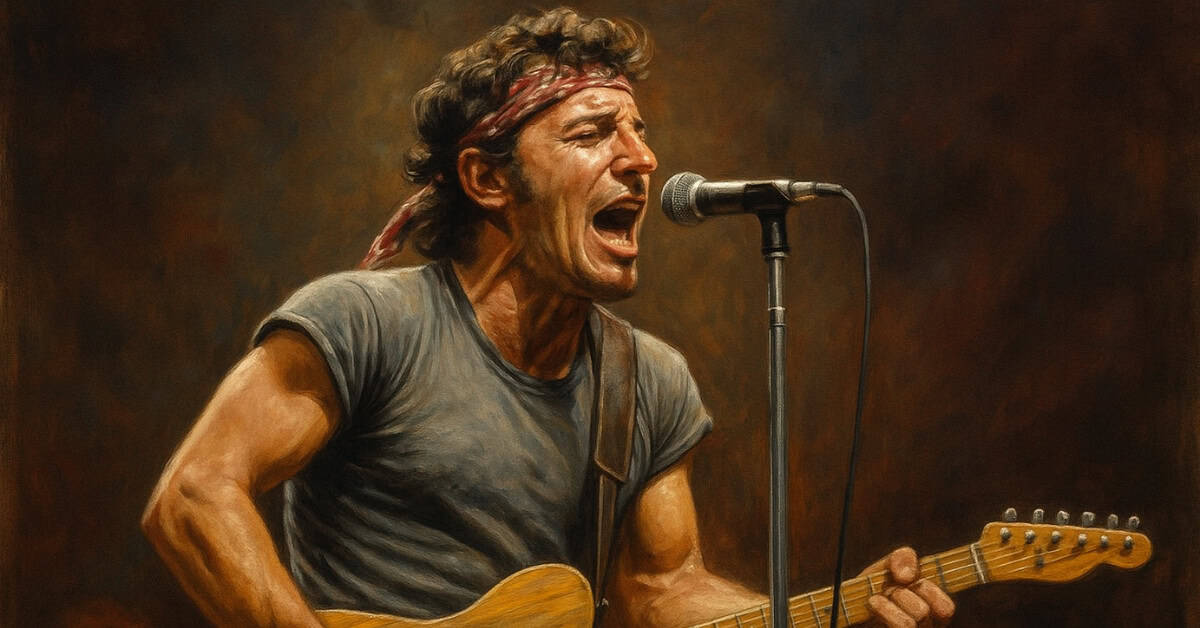
Springsteen’s explosive performance at Madison Square Garden showcased the E Street Band at their peak. His four-song set, including a blistering version of “Thunder Road,” demonstrated why he was called “The Boss.” This concert helped establish his reputation as one of rock’s greatest live performers.
6. James Brown at the Apollo (1962)
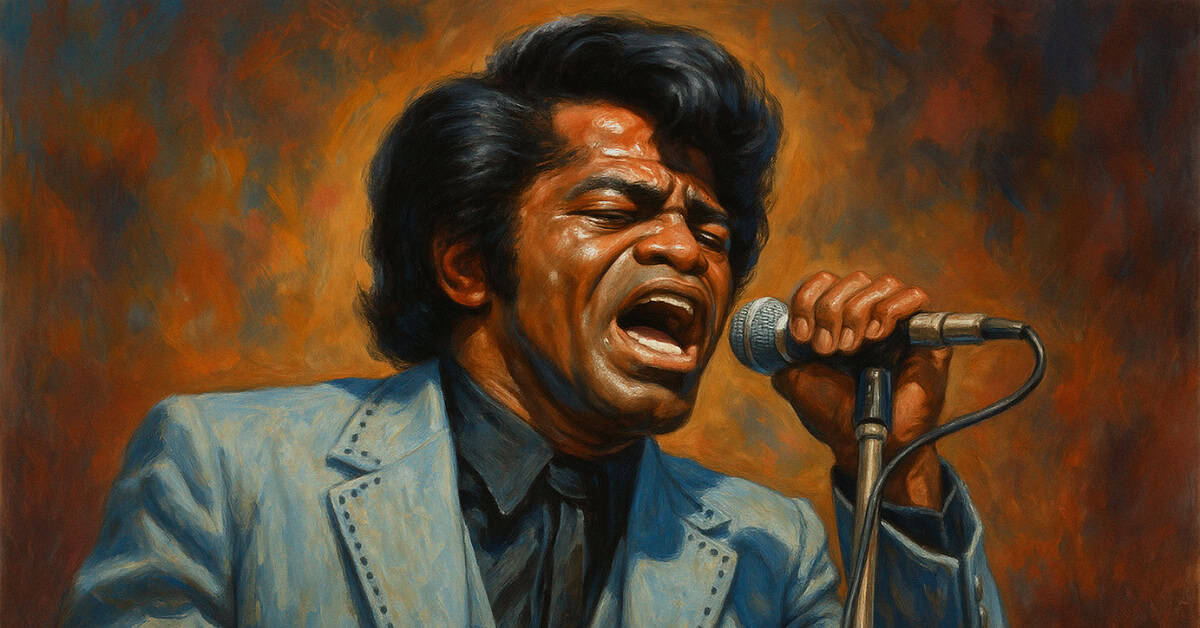
Brown’s legendary performance, recorded for his album “Live at the Apollo,” captured the raw energy and showmanship that made him the “Hardest Working Man in Show Business.” Against his label’s wishes, Brown financed the recording himself, proving his instincts right when it became a massive hit that influenced generations of performers.
7. The Band’s Last Waltz (1976)
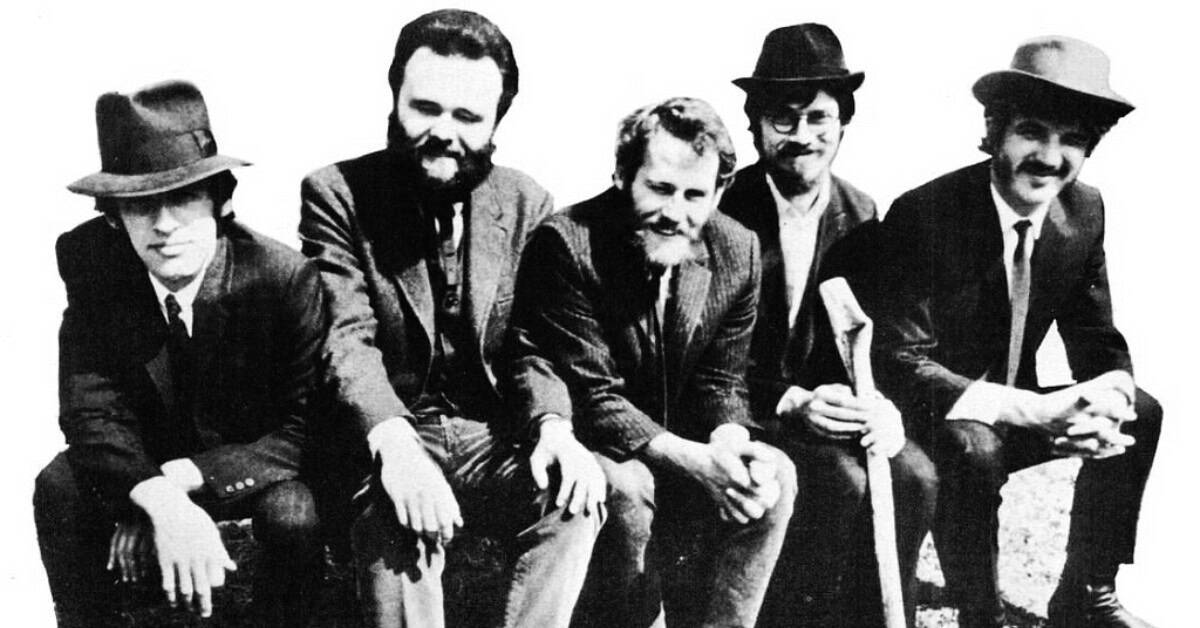
The Band’s farewell concert featured an all-star lineup including Bob Dylan, Neil Young, and Van Morrison. Filmed by Martin Scorsese, this Thanksgiving Day performance at Winterland Ballroom became the standard for both concert films and farewell shows. The gathering of rock royalty created an unforgettable celebration of American music.
8. Monterey Pop Festival (1967)
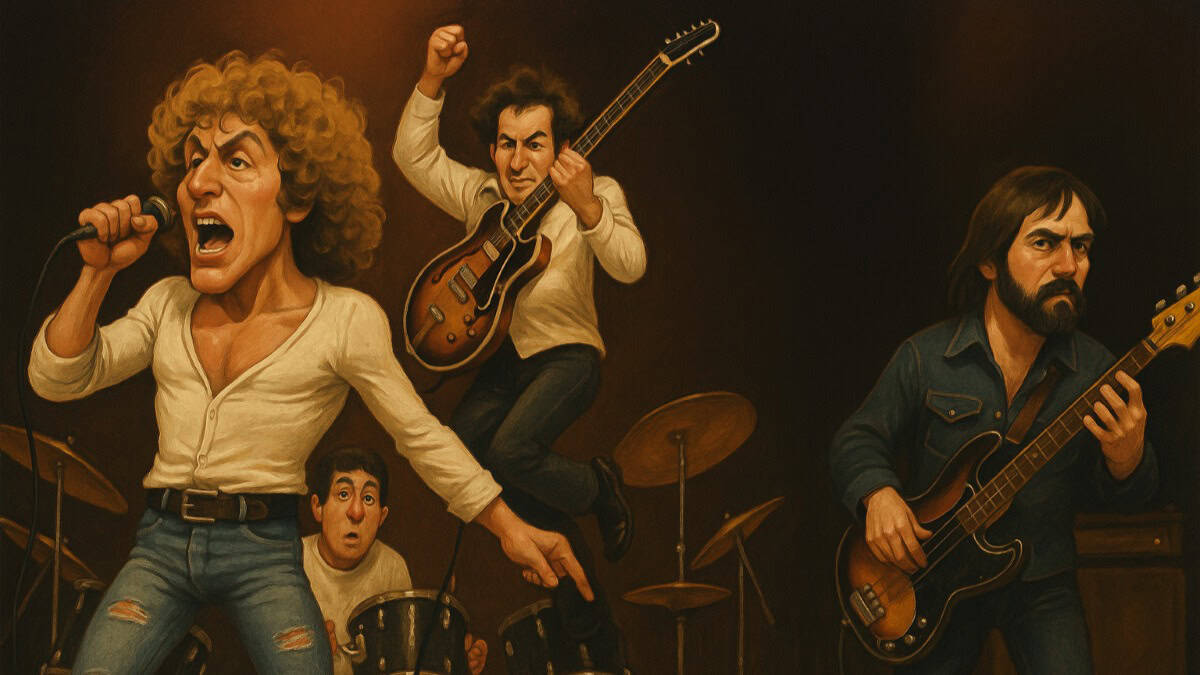
This festival introduced Jimi Hendrix and The Who to American audiences, with both acts delivering legendary performances. Hendrix famously set his guitar on fire, while The Who destroyed their instruments. The festival established the template for rock festivals and captured the Summer of Love’s spirit.
9. Johnny Cash at Folsom Prison (1968)
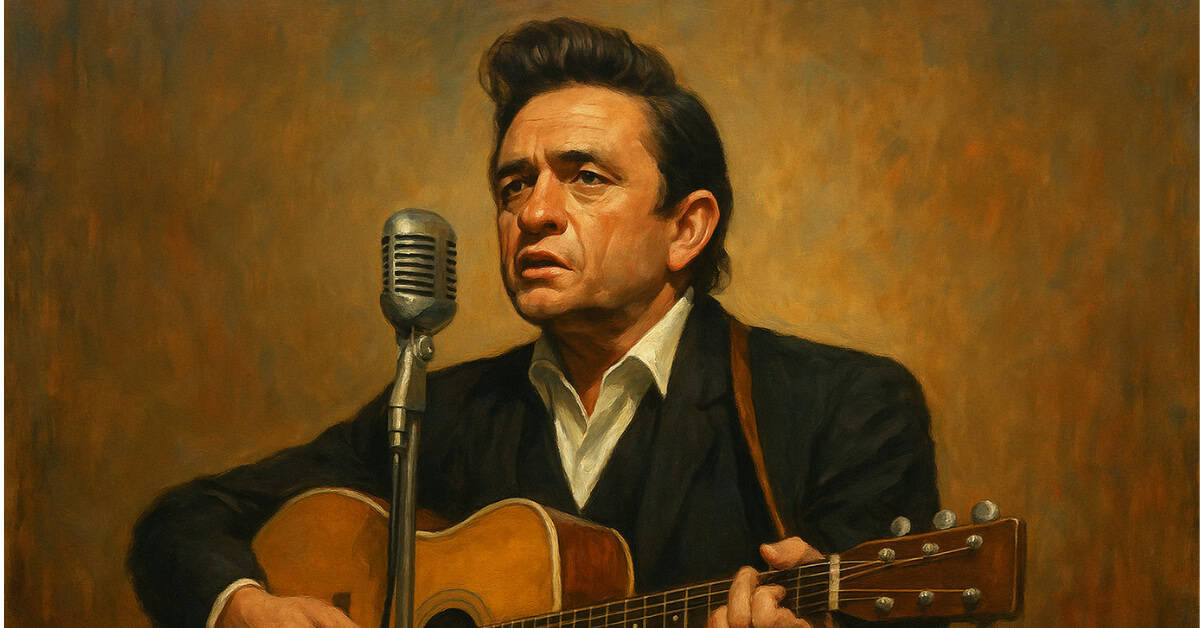
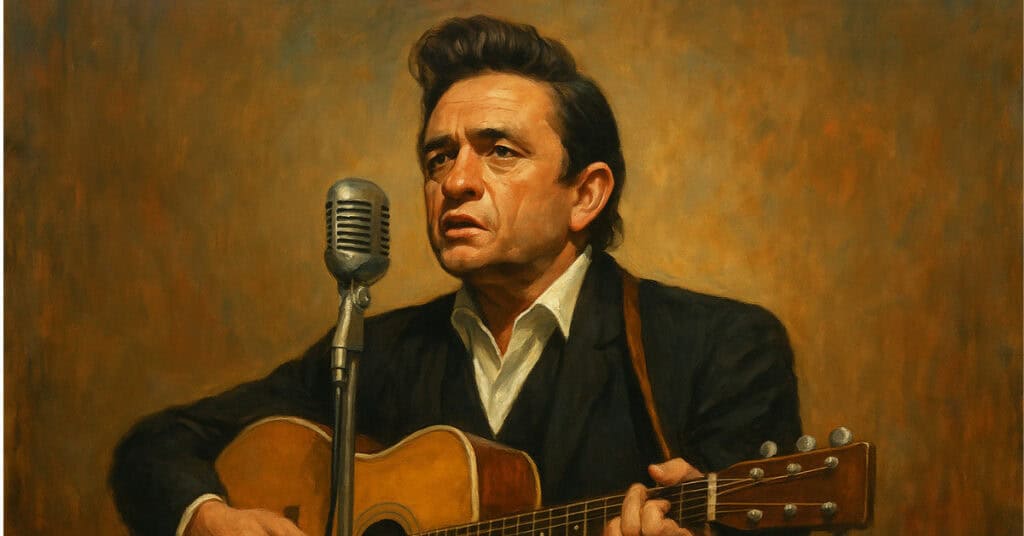
Cash’s performance for Folsom’s inmates became a landmark live album and cemented his outlaw image. His connection with the prisoners was palpable, especially during “Folsom Prison Blues.” The concert revitalized Cash’s career and highlighted his ability to connect with audiences of all backgrounds.
10. The Who Live at Leeds (1970)
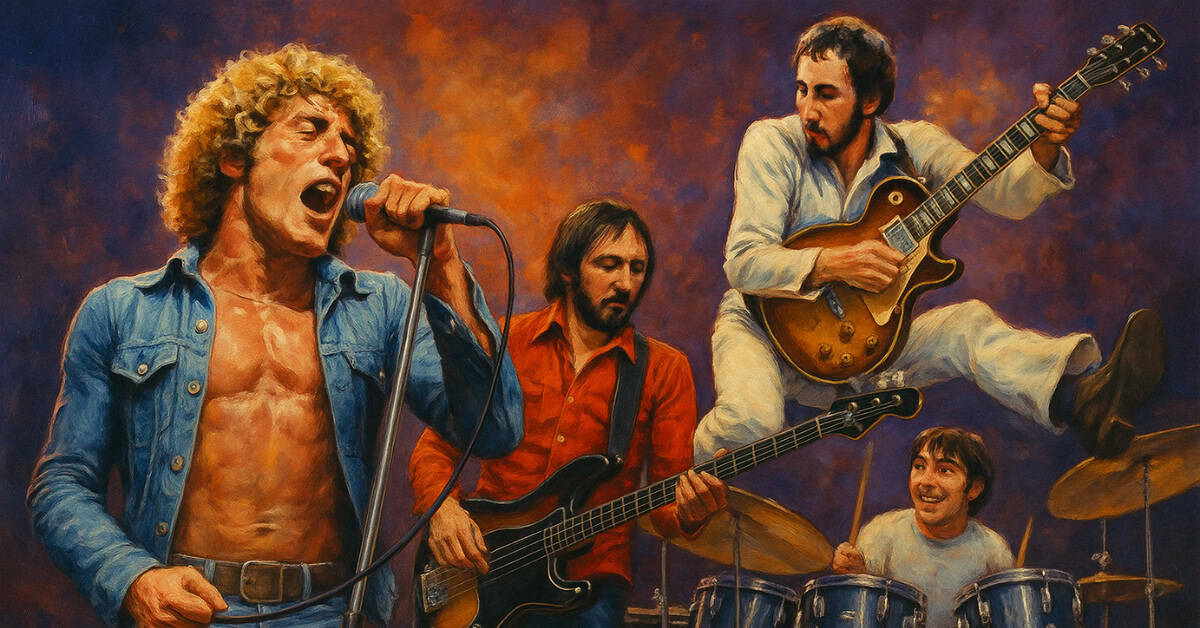
Often called the greatest live rock album ever recorded, this performance captured The Who at their peak. The raw energy and technical brilliance of the band transformed songs like “My Generation” into extended jazz-like improvisations. The show demonstrated why they were considered one of rock’s most powerful live acts.
11. David Bowie’s Final Ziggy Stardust Show (1973)
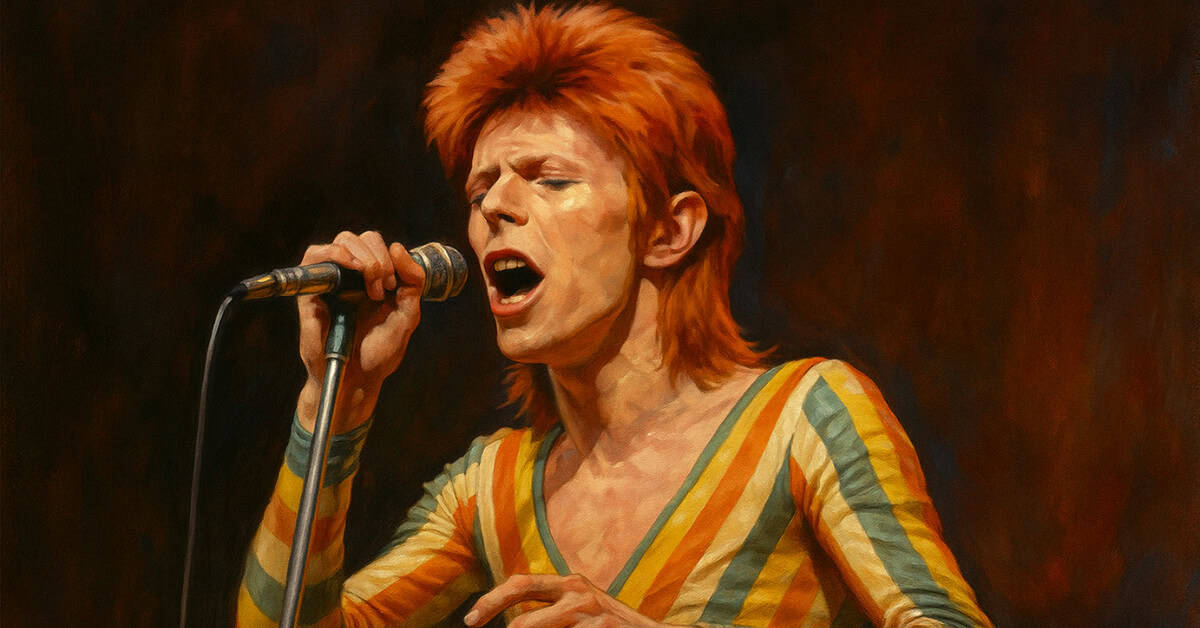
At London’s Hammersmith Odeon, Bowie shocked fans by announcing it was “the last show we’ll ever do.” Nobody knew he meant retiring his Ziggy Stardust persona. The concert became a theatrical masterpiece, marking the end of glam rock’s golden age and demonstrating Bowie’s genius for reinvention.
12. Pink Floyd at Pompeii (1972)
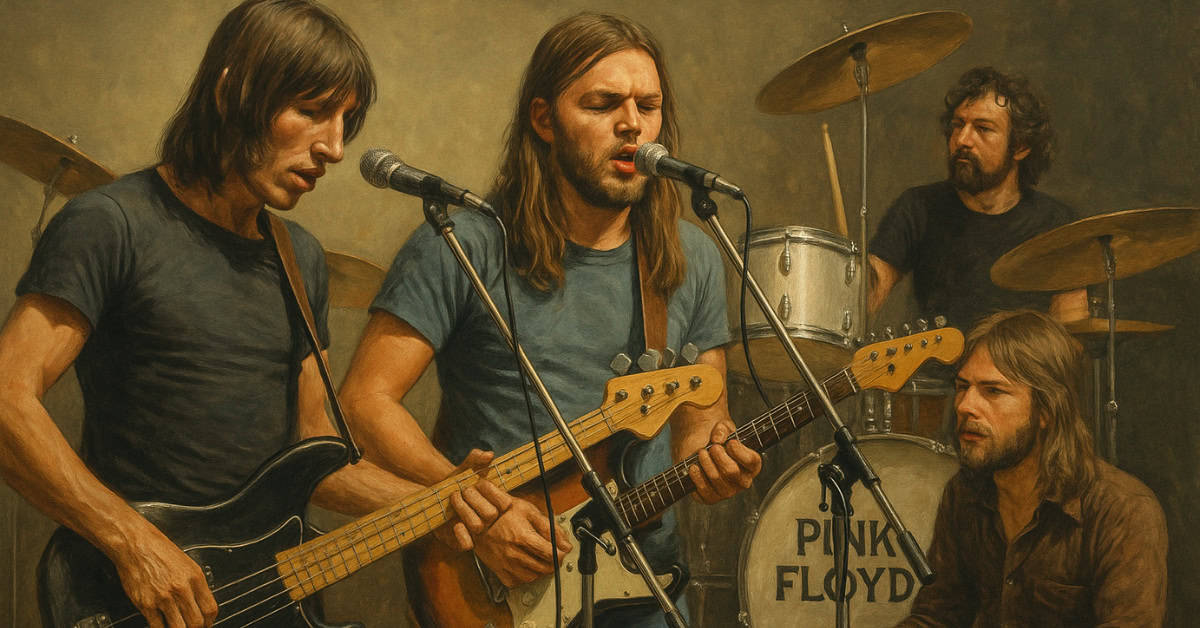
Performing in the ancient Roman amphitheater without an audience, Pink Floyd created a unique concert film that captured their psychedelic majesty. The surreal setting and extended versions of songs like “Echoes” showcased the band’s atmospheric sound. This unconventional performance became a template for artistic concert films.