Back when playground safety was more of a suggestion than a requirement, we had some of the most thrilling (and terrifying) equipment imaginable. Our playgrounds weren’t covered in rubber mulch or rounded plastic – they were concrete, metal, and pure adrenaline. Let’s take a walk down memory lane and look at some playground classics that would give today’s safety inspectors heart palpitations.
Table of Contents
- 1 1. The Giant Metal Slide
- 2 2. The Witch’s Hat
- 3 3. The Spinning Wheel of Doom
- 4 4. The Steel Jungle Gym
- 5 5. The See-Saw Catapult
- 6 6. The Giant Stride
- 7 7. The Metal Monkey Bars
- 8 8. The Rocket Slide
- 9 9. The Swinging Gates
- 10 10. The Chain Bridge
- 11 11. The Metal Wave Slide
- 12 12. The Tire Swing
- 13 13. The Concrete Turtle
- 14 14. The Uneven Bars
- 15 15. The Metal Climbing Poles
1. The Giant Metal Slide
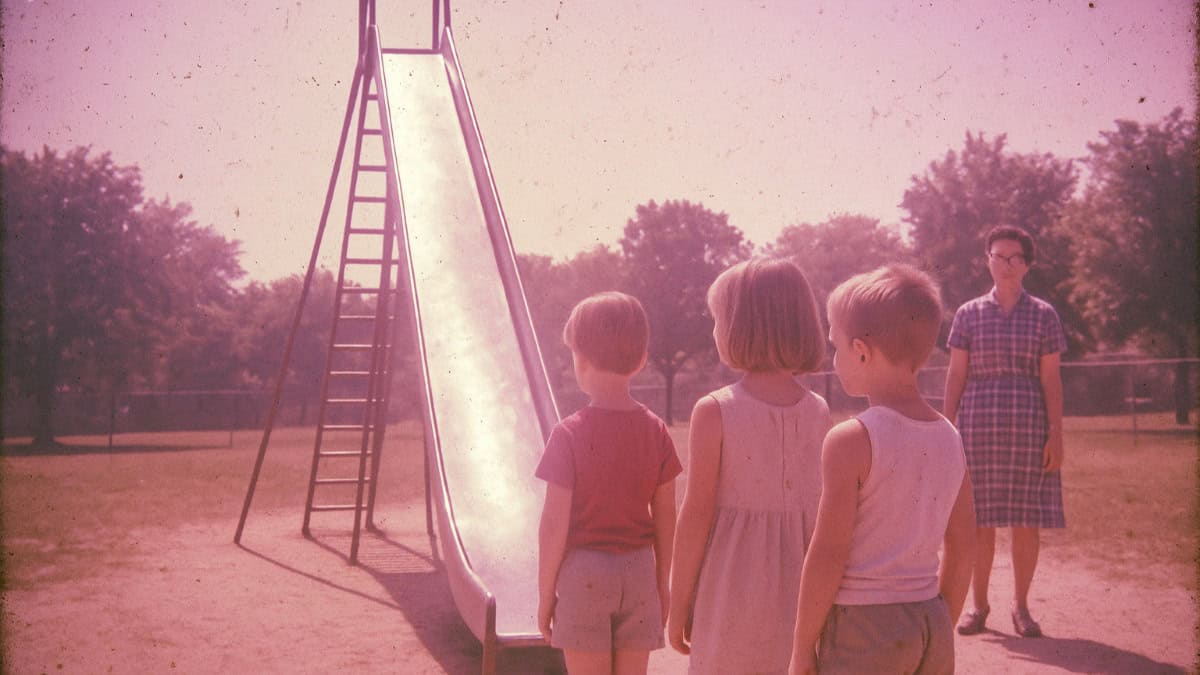
Standing at least 12 feet tall, these stainless steel heat conductors could reach temperatures hot enough to fry an egg in summer. Kids would climb the narrow ladder with no safety cage, then hurtle down a near-vertical drop that ended abruptly over concrete. Some brave souls would even try to surf down standing up.
Save for later
Want to come back to this story? Save it with your email so it is easy to find again.
2. The Witch’s Hat
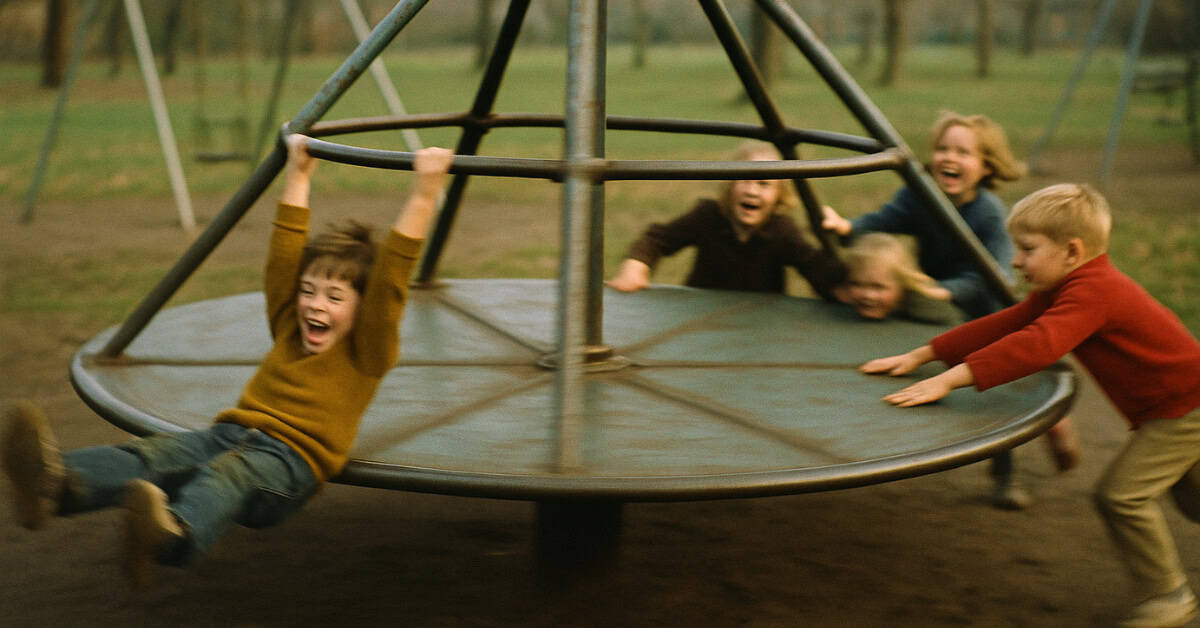
A cone-shaped metal frame that spun around a central pole, the Witch’s Hat was basically a giant spinning weapon. Kids would hang from the edge while others ran around pushing it faster and faster. The goal was to hold on as long as possible while being flung through the air like a human tetherball.
3. The Spinning Wheel of Doom
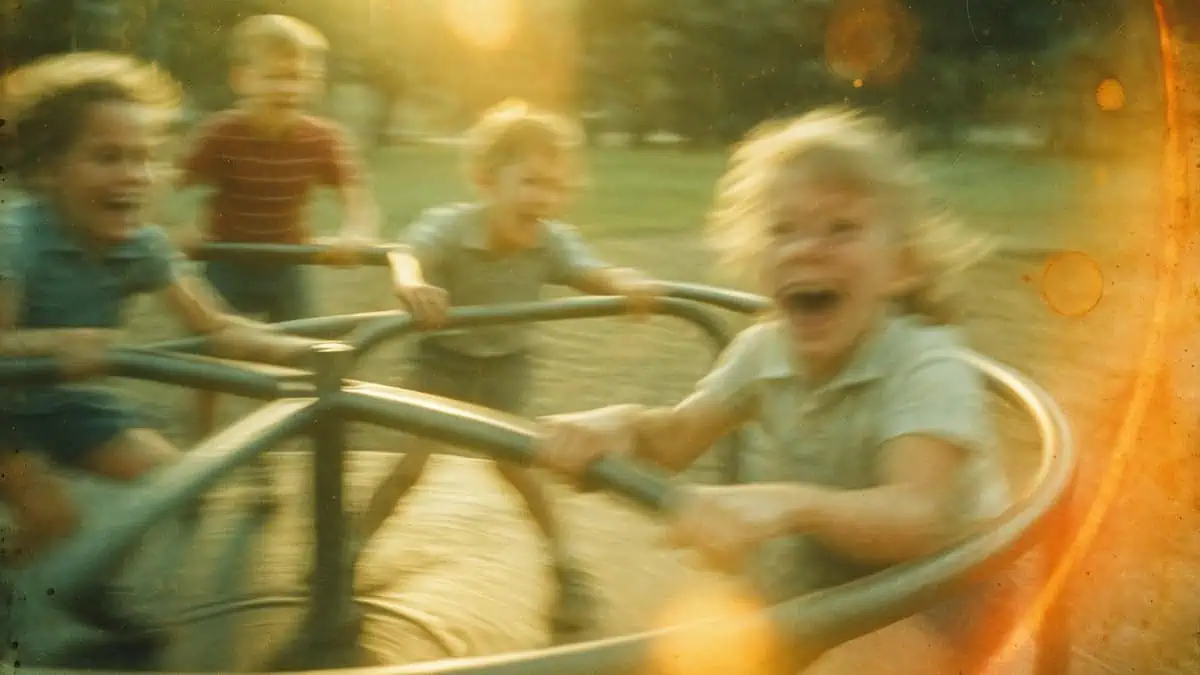
The merry-go-round was a heavy metal disk that spun on ball bearings, powered by kids running alongside until they could jump on. The centrifugal force would send children flying off in all directions onto the gravel surface below. The trick was learning how to roll when you inevitably got thrown off.
4. The Steel Jungle Gym
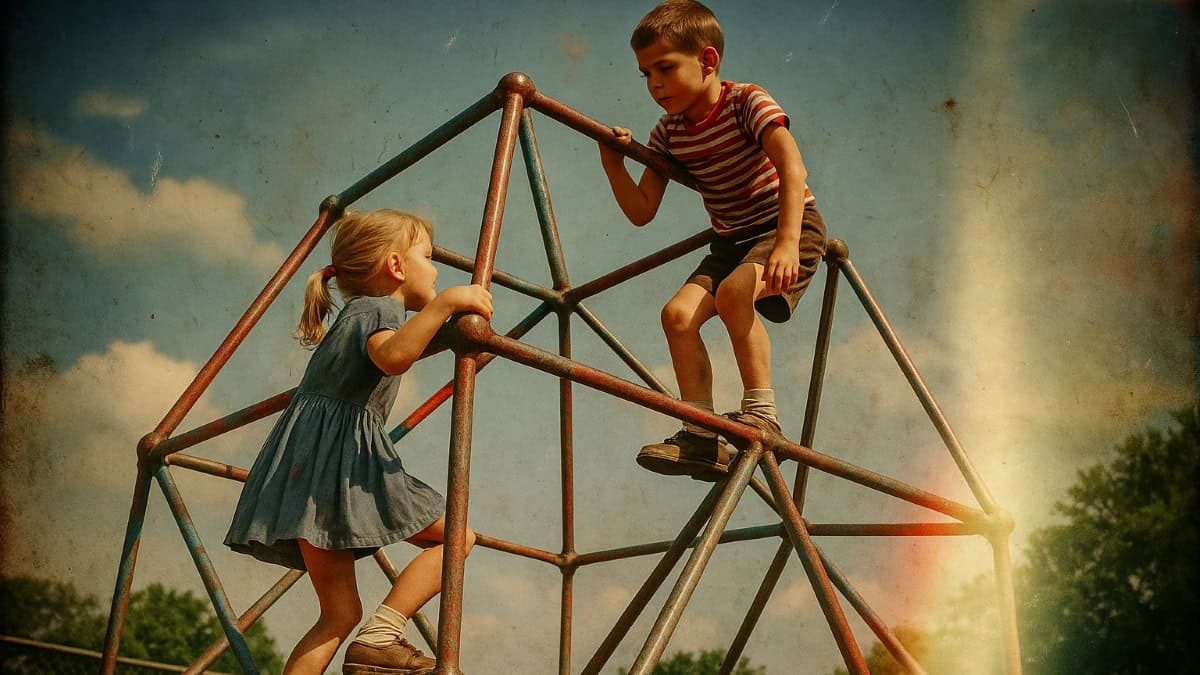
These geodesic domes of steel pipe were perfect for climbing, hanging, and occasional concussions. Kids would scale to the very top, hanging upside down with no safety measures in sight. The metal bars would become scorching hot in summer and freezing cold in winter, but that never stopped us.
5. The See-Saw Catapult
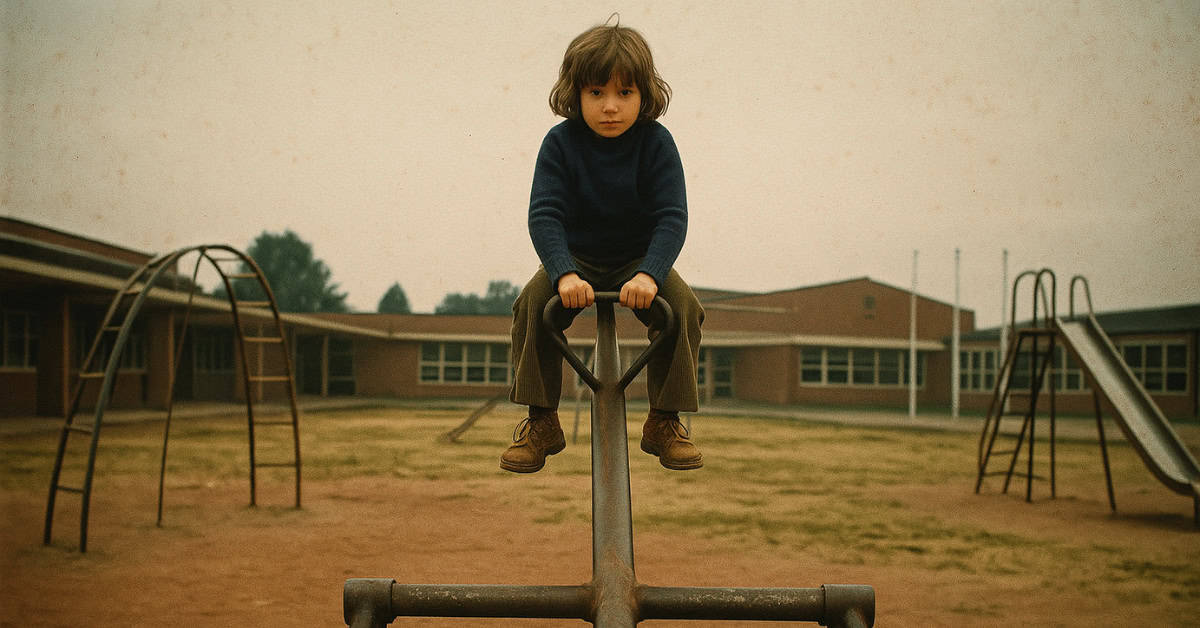
These steel teeter-totters had no shock absorbers or speed limiters. The favorite playground prank was to jump off your end when your partner was at the top, sending them crashing to the ground. The handles were often loose, adding an extra element of excitement to the whole experience.
6. The Giant Stride

A tall pole with hanging chains that kids would grab and run around, eventually lifting off the ground like human maypoles. The momentum could send you flying in huge circles, and the chains would often tangle, creating an impromptu game of playground roulette.
7. The Metal Monkey Bars
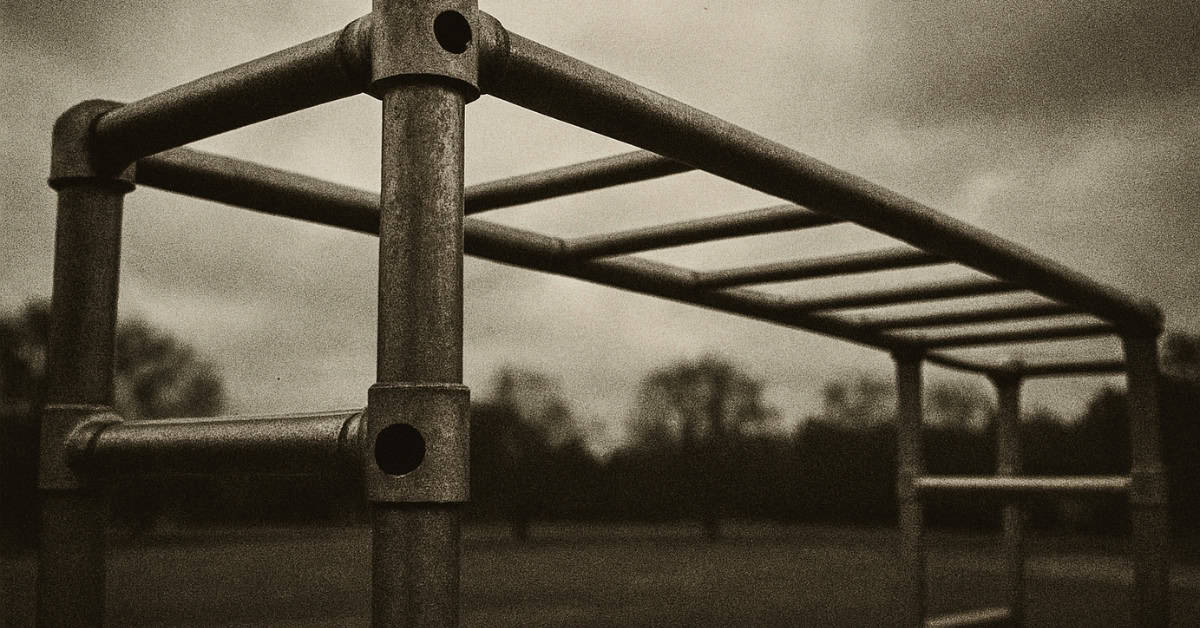
Set over concrete or packed dirt, these rusty bars were a test of upper body strength and tetanus immunity. Kids would perform increasingly dangerous stunts, hanging by their knees or attempting to skip multiple bars at once. The height was perfect for ensuring maximum impact when you fell.
8. The Rocket Slide
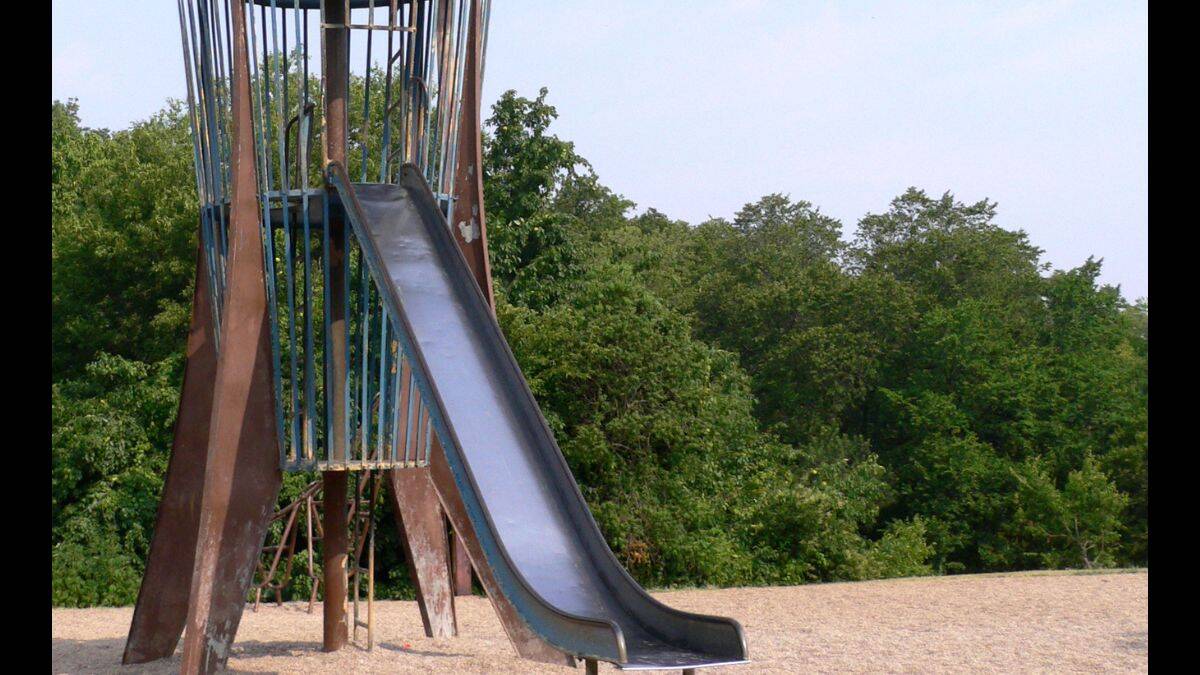
These multi-story metal rockets had multiple levels connected by ladders and small platforms. The slides were steep, the metal was hot, and the height was dizzying. Kids would climb to the nose cone, where there was barely room to stand, then choose which death-defying slide to descend.
9. The Swinging Gates
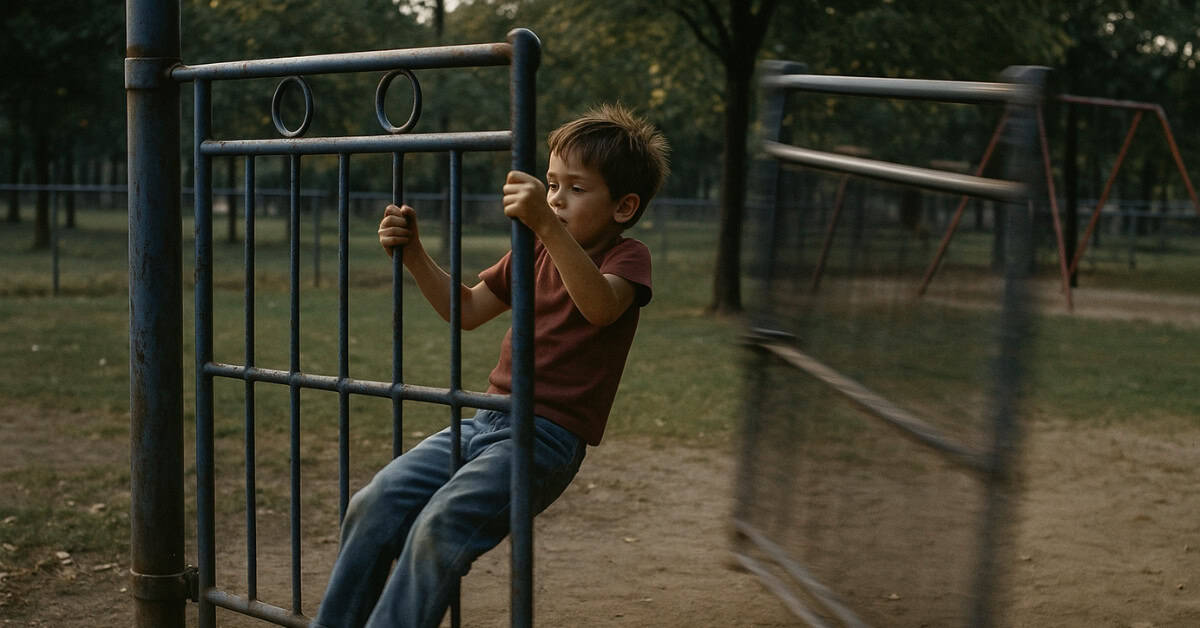
Heavy metal gates that kids would ride back and forth, often while others pushed as hard as they could. These were essentially medieval siege weapons disguised as playground equipment. The pinch points were numerous, and the momentum could send you flying.
10. The Chain Bridge

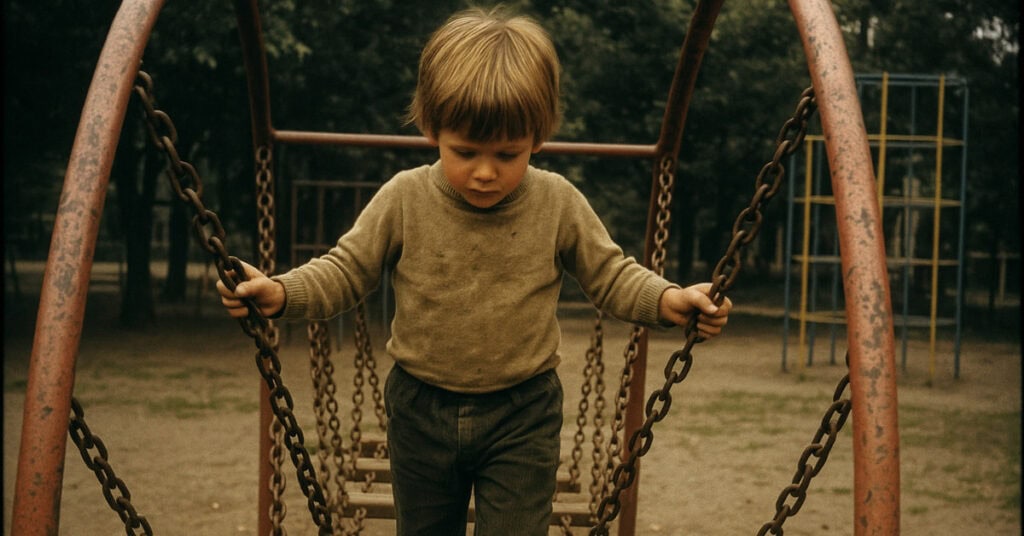
A wobbly bridge made of chains with widely spaced metal slats for steps. Kids would run across while others bounced the bridge, trying to knock them off. The gaps between the steps were perfect for trapping small legs, and the chains would often catch fingers.
11. The Metal Wave Slide
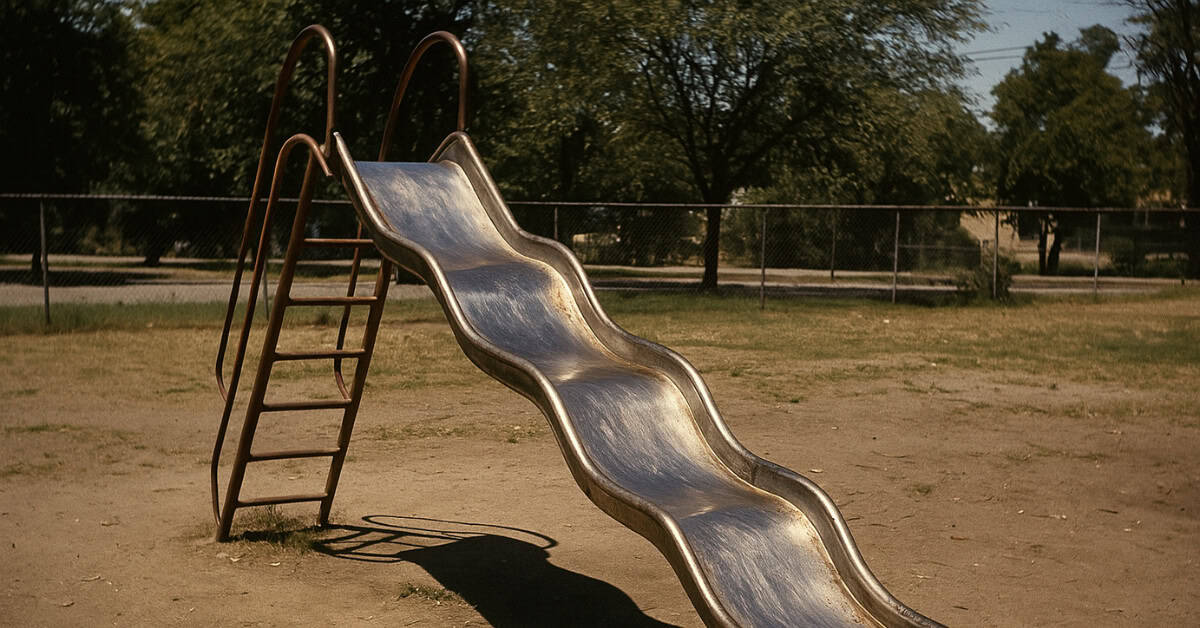
This roller-coaster-like slide had multiple bumps that would send kids airborne on their way down. The metal would get so hot it could burn skin, and the bumps were perfectly spaced to ensure maximum air time. Some kids would pour sand down it to increase speed.
12. The Tire Swing
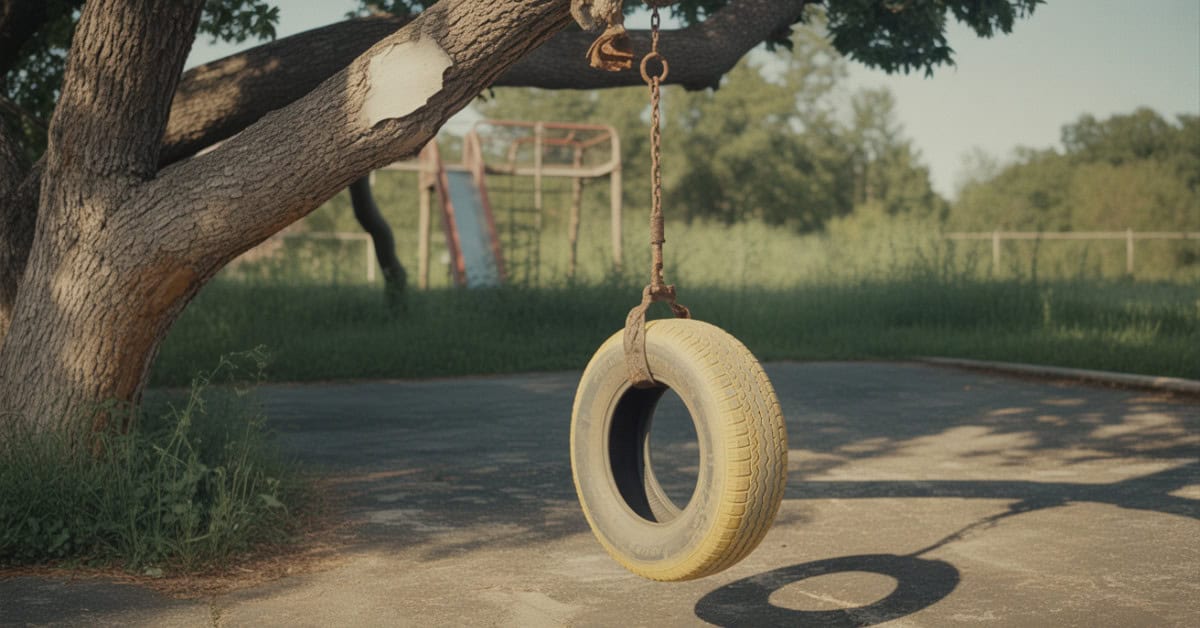
A large truck tire hung from chains that would twist and spin in every direction. Kids would pile on while others spun them until someone got dizzy and fell off. The tire would collect rainwater and bugs, adding an extra element of surprise to each ride.
13. The Concrete Turtle
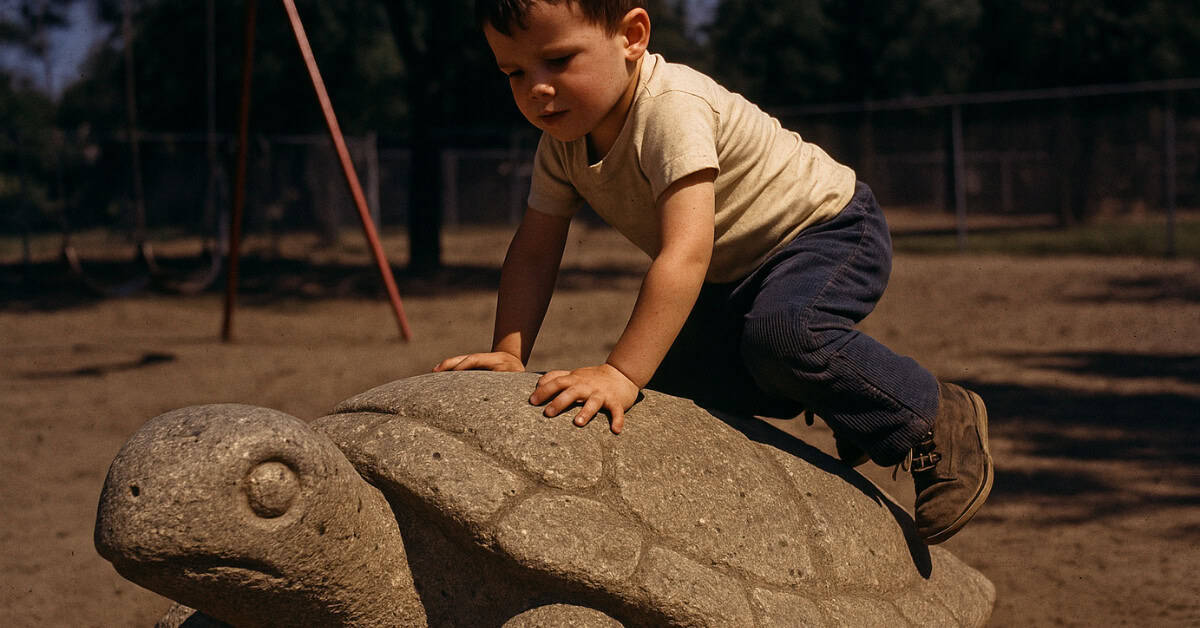
These concrete climbing structures, often shaped like animals, had rough surfaces perfect for scraping knees and elbows. They were low to the ground but surrounded by concrete or asphalt. In summer, they’d get hot enough to fry eggs on.
14. The Uneven Bars

Metal gymnastics bars of varying heights, installed over packed dirt or concrete. Kids would attempt complex gymnastics moves with no training or safety mats. The bars would get slippery when wet and were usually rusty at the joints.
15. The Metal Climbing Poles

Tall metal poles that kids would climb up and slide down, often getting nasty friction burns in the process. These were essentially firefighter poles with no safety features. The poles would get incredibly hot in summer and were usually installed over hard surfaces.