
School discipline in the 1970s operated under a very different set of rules than today’s educational environment. What was once considered normal classroom management would now result in immediate termination and possible legal action. Here’s a look at some common school practices from the 1970s that would be unthinkable in modern education.
Table of Contents
- 1 1. Physical Discipline
- 2 2. Smoking Areas for Teachers
- 3 3. Gender-Specific Classes
- 4 4. Public Grade Announcements
- 5 5. Dress Code Measuring
- 6 6. Unsupervised Detention
- 7 7. Physical Education Without Options
- 8 8. Mandatory Prayer
- 9 9. Chemical Lab Freedom
- 10 10. Playground Freedom
- 11 11. Public Disciplinary Display
- 12 12. Medical Privacy Violations
- 13 13. Collective Punishment
- 14 14. Gendered Dress Codes
- 15 15. Limited Learning Support
1. Physical Discipline

Corporal punishment was not only allowed but expected in many schools. Paddles hung prominently in principals’ offices, and parents often signed permission slips authorizing their use. Some schools even had specific rules about the number of swats allowed for different infractions.
Save for later
Want to come back to this story? Save it with your email so it is easy to find again.
2. Smoking Areas for Teachers
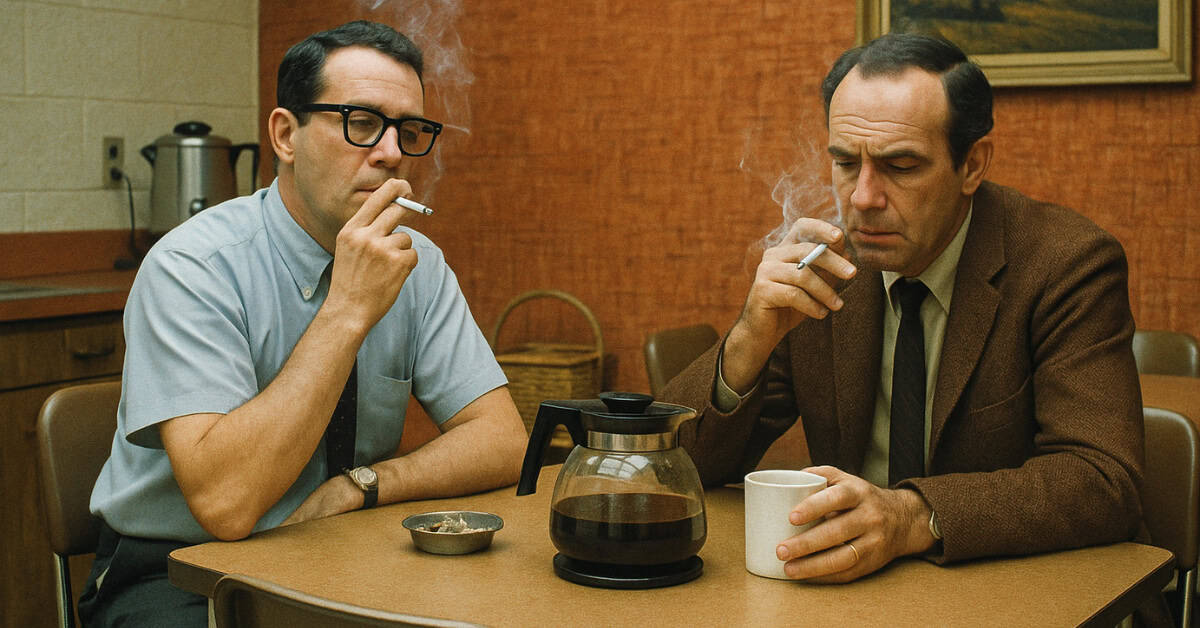
Teachers’ lounges were filled with cigarette smoke during breaks. Some schools even allowed teachers to smoke in their classrooms after students left. The idea of smoking anywhere on school grounds today would cause immediate outrage.
3. Gender-Specific Classes

Girls were required to take home economics while boys took shop class. There was no discussion of personal preference or aptitude. These rigid gender roles were enforced without question, limiting opportunities for both sexes.
4. Public Grade Announcements
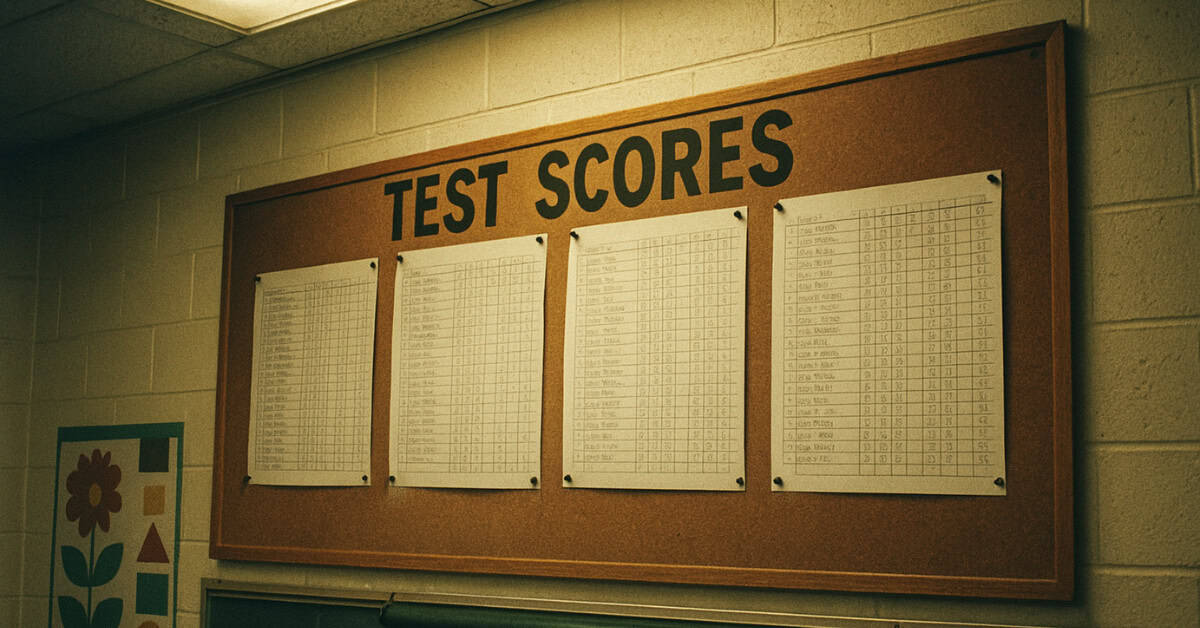
Teachers would read grades aloud to the entire class, often from highest to lowest. This public sharing of academic performance was meant to motivate students but often resulted in embarrassment. Today, such practices would violate privacy laws.
5. Dress Code Measuring
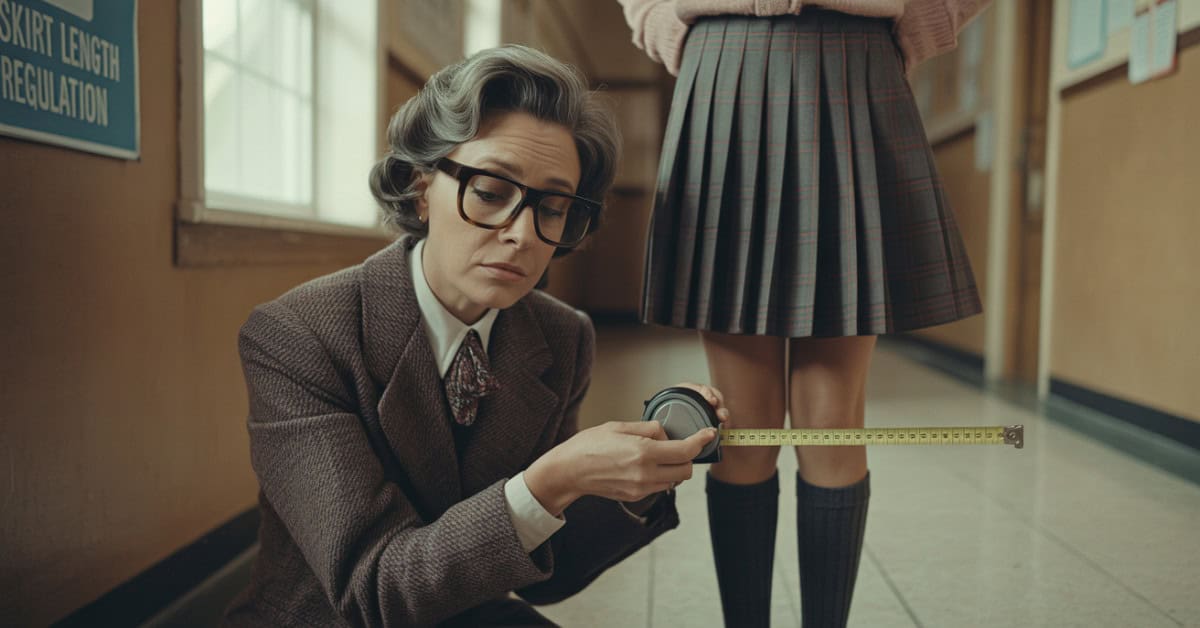
Teachers would measure girls’ skirt lengths with rulers, often making them kneel on the floor. Boys’ hair length was checked to ensure it didn’t touch their collar. These invasive practices would be considered harassment today.
6. Unsupervised Detention

Students were often left alone in classrooms for after-school detention. Teachers might check in occasionally but generally left students unsupervised. Today’s liability concerns would make this practice impossible.
7. Physical Education Without Options

All students had to participate in the same physical activities regardless of ability or health conditions. There were no modifications or alternatives offered. The “no excuses” approach would conflict with modern accessibility requirements.
8. Mandatory Prayer
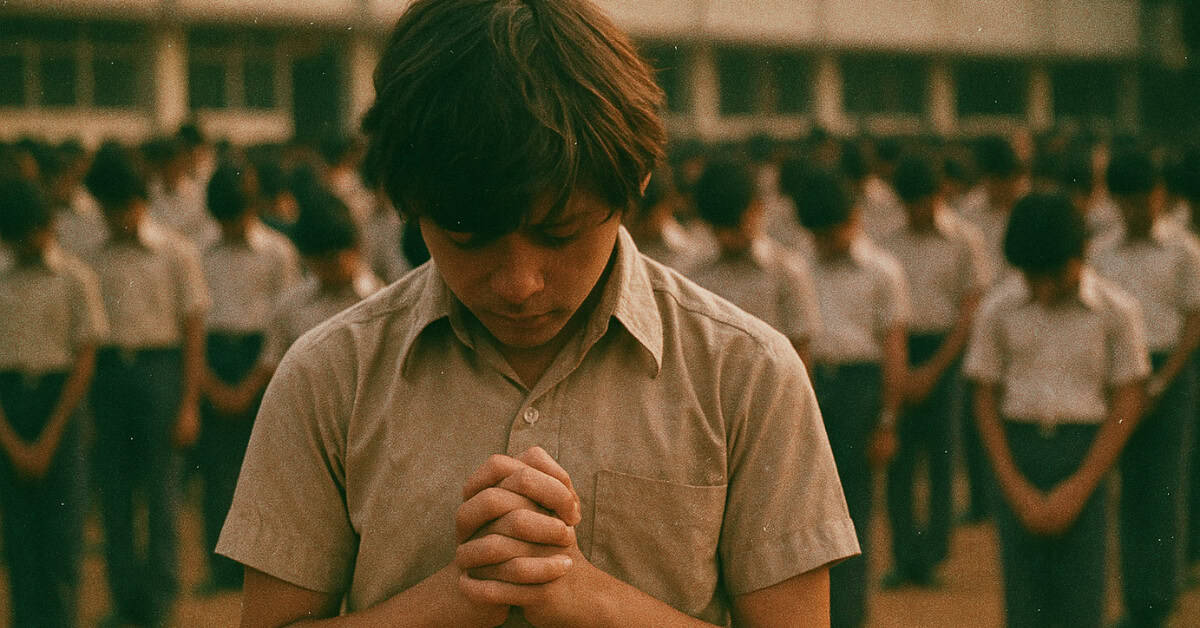
Many schools still conducted morning prayers or Bible readings despite Supreme Court rulings. Students were expected to participate regardless of their religious beliefs. Such practices would face immediate legal challenges today.
9. Chemical Lab Freedom

Students handled dangerous chemicals with minimal safety equipment. Protective gear was often limited to optional safety glasses. Modern safety protocols would prohibit many common 1970s lab experiments.
10. Playground Freedom
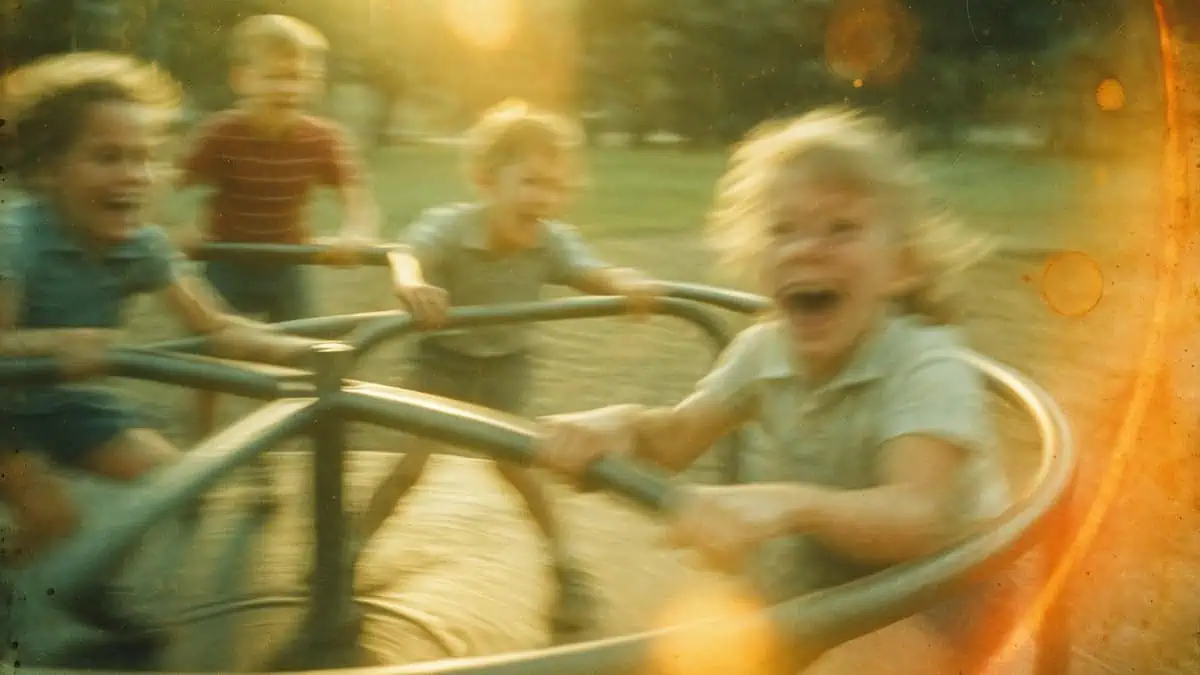
Playgrounds featured metal equipment on concrete surfaces with minimal supervision. Height and impact safety standards didn’t exist. Today’s safety regulations would prohibit most 1970s playground equipment.
11. Public Disciplinary Display
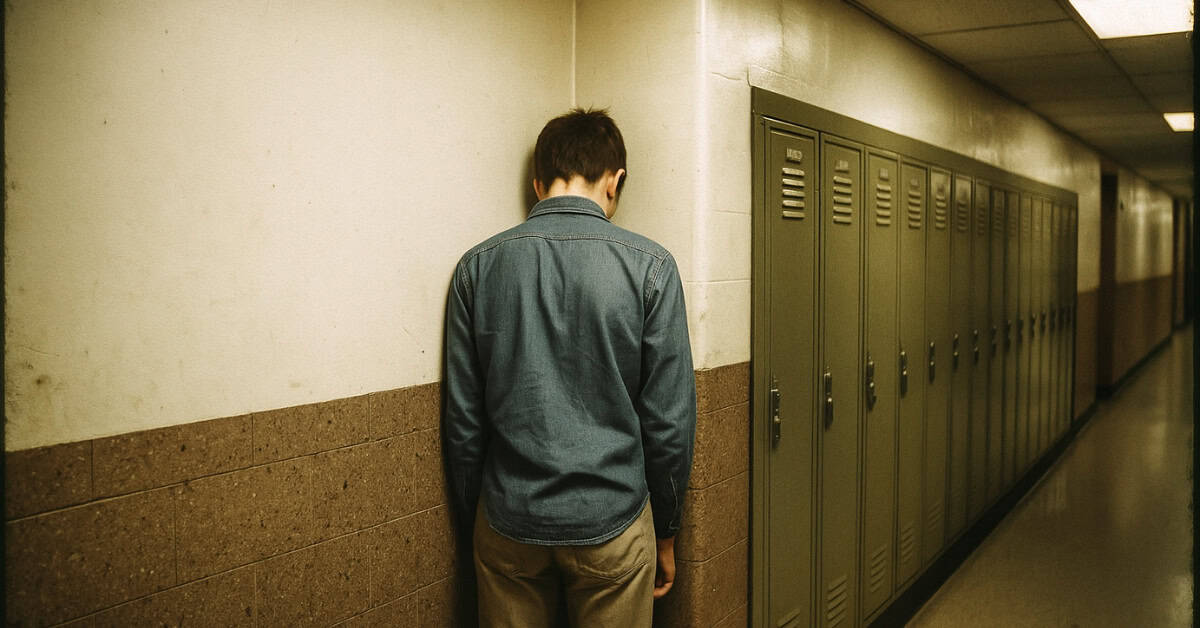
Students were often made to stand in hallways or corners as punishment. This public shaming was considered an effective deterrent. Modern concerns about emotional well-being would prohibit such public humiliation.
12. Medical Privacy Violations
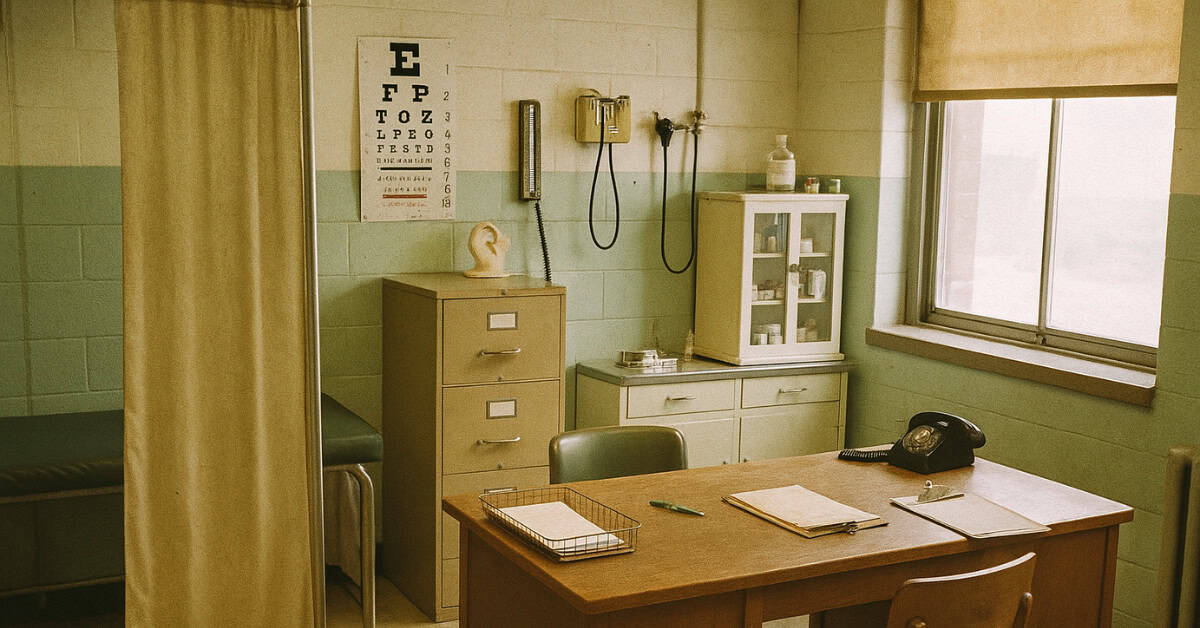
Health conditions were often discussed openly in class. Teachers might announce why a student was absent or needed medication. Today’s privacy laws would strictly prohibit such disclosures.
13. Collective Punishment

Entire classes were punished for one student’s misbehavior. This practice was meant to encourage peer pressure but often resulted in bullying. Modern educational philosophy rejects such group accountability.
14. Gendered Dress Codes

Girls were prohibited from wearing pants until the mid-70s in many schools. Boys faced strict haircut regulations. These gender-specific restrictions would face legal challenges today.
15. Limited Learning Support
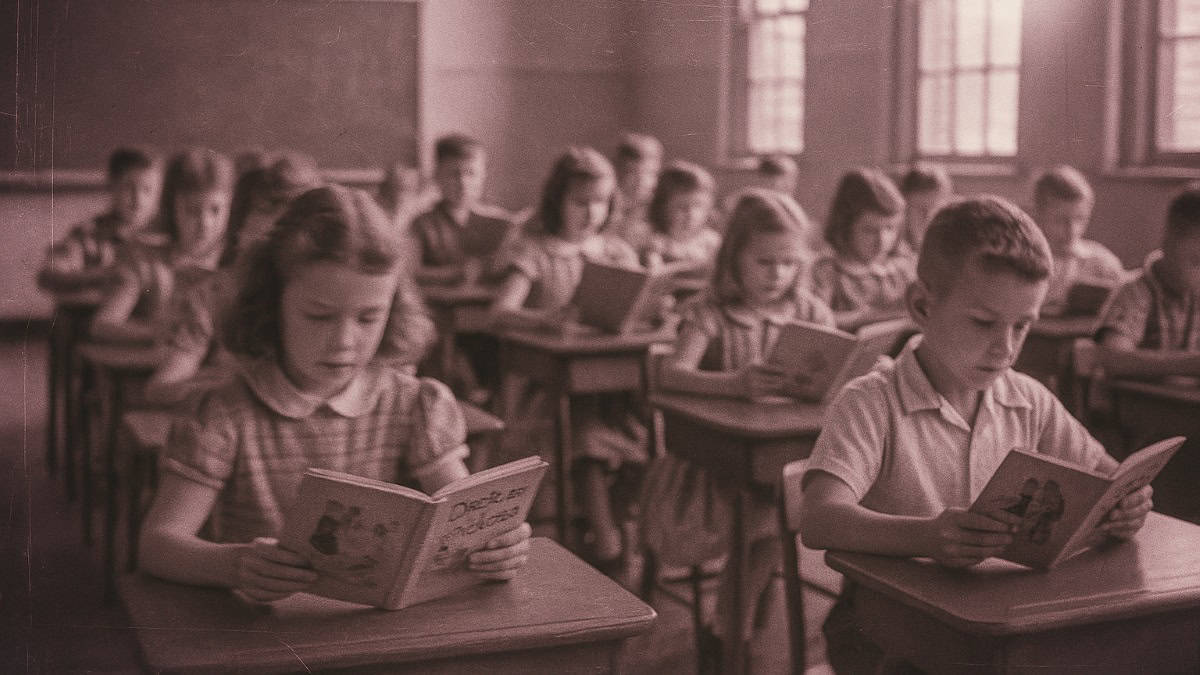
Students with learning difficulties were often labeled “slow” and given no special assistance. The concept of learning disabilities was barely recognized. Modern educational requirements mandate comprehensive support services.