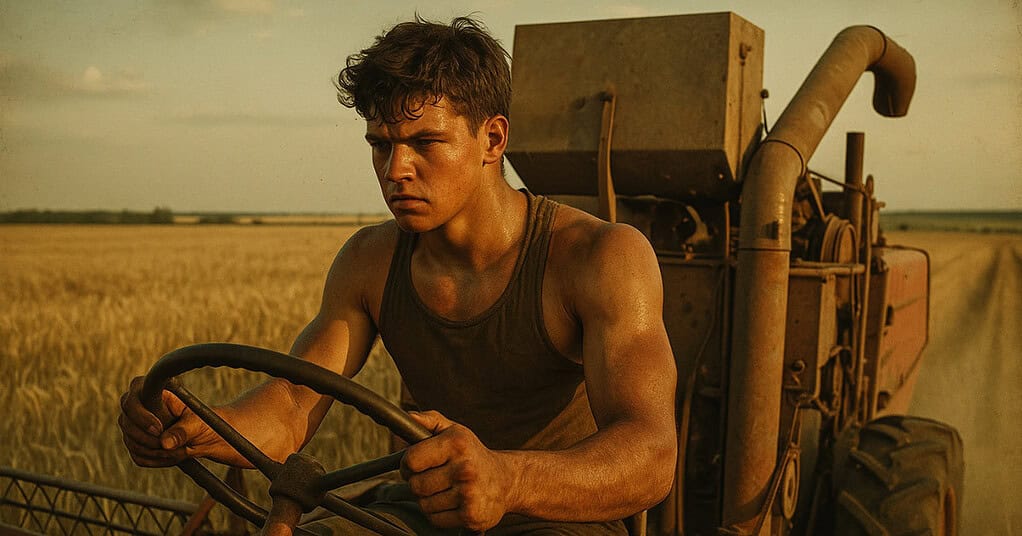
Growing up in the 1970s required mastering a unique set of skills that would baffle many of today’s young people. From analog technology to manual processes, we developed abilities that smartphones and automation have largely made obsolete. Here’s a look at essential skills that every 70s kid had to master but would leave most modern kids completely puzzled.
Table of Contents
- 1 1. Recording Songs from the Radio
- 2 2. Mastering the Rotary Phone
- 3 3. Mental Math for Making Change
- 4 4. TV Antenna Adjustment
- 5 5. Manual Typewriter Operation
- 6 6. Map Reading and Navigation
- 7 7. 8-Track Tape Expertise
- 8 8. Darkroom Photography
- 9 9. Cursive Writing
- 10 10. Manual Car Windows
- 11 11. Library Card Catalog Navigation
- 12 12. Bike Chain Repairs
- 13 13. Manual Channel Changing
- 14 14. Pay Phone Operation
1. Recording Songs from the Radio

The art of timing the record button perfectly to catch songs on the radio required incredible patience and skill. We learned to predict DJ patterns, developed lightning-fast reflexes, and mastered the technique of cutting off commercials. Creating the perfect mixtape was a time-consuming labor of love that taught us timing and patience.
Save for later
Want to come back to this story? Save it with your email so it is easy to find again.
2. Mastering the Rotary Phone
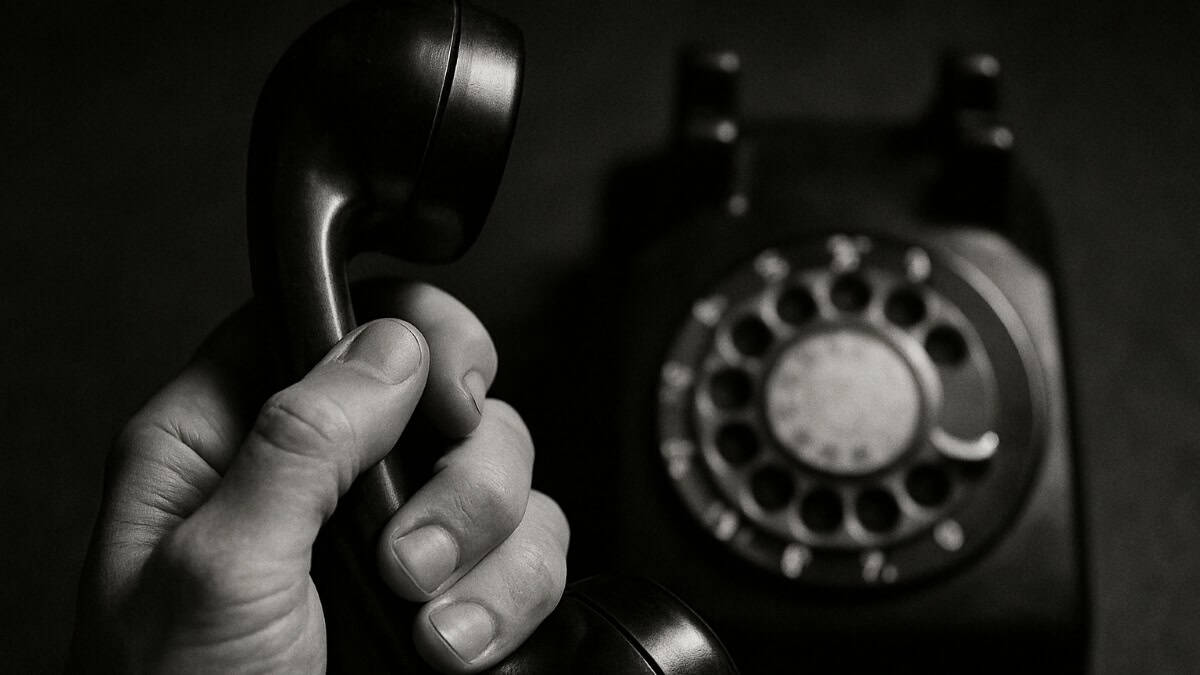
Dialing a rotary phone quickly was a genuine skill, especially in the dark. We memorized the finger patterns for important numbers and developed the muscle memory to dial rapidly. The satisfying click-click-click of the dial returning became the rhythm of our social lives.
3. Mental Math for Making Change

Before digital registers, we calculated change instantly in our heads. This wasn’t just about basic math – it was about understanding money and developing quick mental arithmetic skills. Running a lemonade stand or helping at the family store taught real-world mathematics.
4. TV Antenna Adjustment

The fine art of adjusting rabbit ears for optimal reception was part science, part magic. We became experts at finding the sweet spot for each channel, often serving as human antenna stands during crucial moments of favorite shows. Aluminum foil origami skills were a bonus.
5. Manual Typewriter Operation

Using a manual typewriter required real physical strength and precision. We learned proper finger placement, developed consistent typing force, and mastered the art of changing ribbons. One mistake meant starting over or clever use of correction fluid – no delete key in sight.
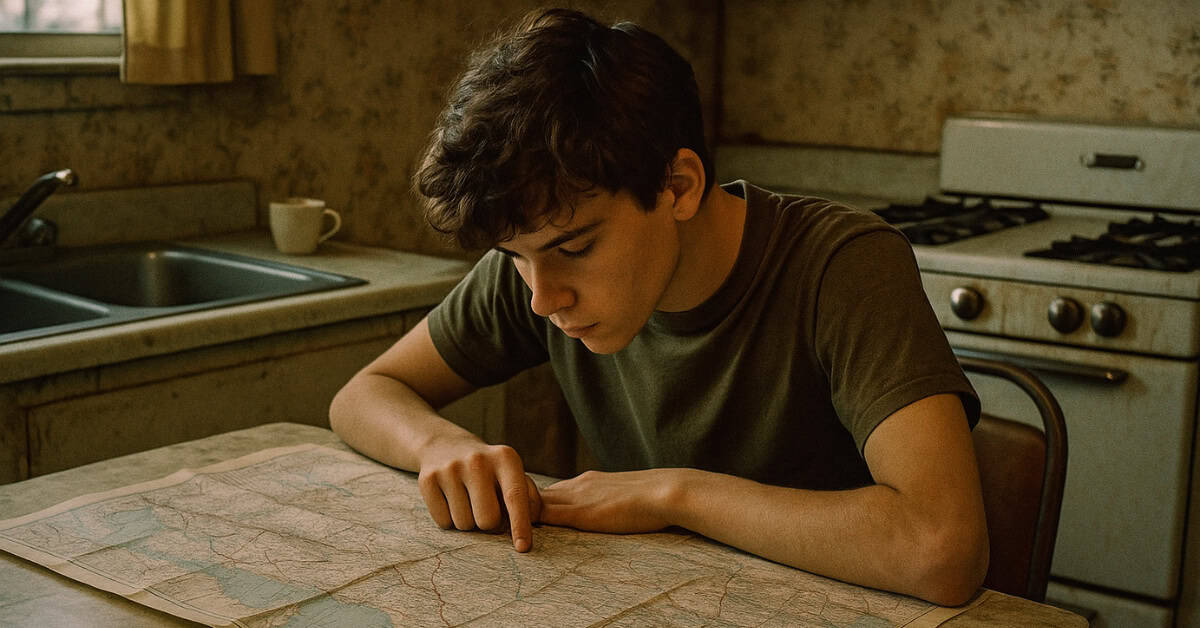
Before GPS, we navigated using paper maps and actual orienteering skills. Understanding map legends, calculating distances, and planning routes were essential life skills. Getting lost meant real problem-solving, not just waiting for recalculation.
7. 8-Track Tape Expertise

Managing 8-track tapes required special skills – knowing when to flip tracks, dealing with tape tangles, and the artful tap-and-wiggle to fix sound quality. We became experts at timing song changes and predicting when that dreaded click-and-switch would interrupt our favorite lyrics.
8. Darkroom Photography

Understanding film development was both science and art. We learned about chemical processes, timing, and the delicate handling of negatives. The magic of watching images appear in the developer solution was something no instant digital photo could match.
9. Cursive Writing

Mastering cursive wasn’t optional – it was essential for everything from homework to letter writing. We developed personal handwriting styles and could read even the most elaborate signatures. This wasn’t just writing – it was an expression of personality and education.
10. Manual Car Windows
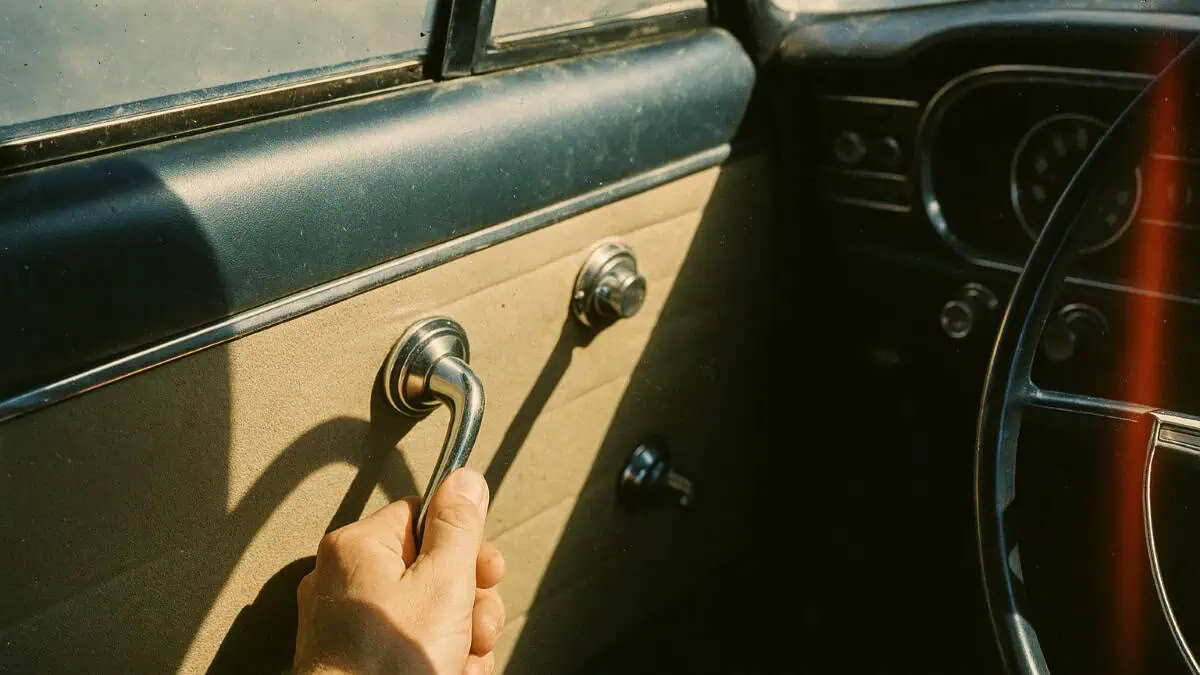
The arm strength required to roll car windows up and down was real. We mastered the quick-roll technique for sudden rain and the partial-down sweet spot for perfect ventilation. This wasn’t just window operation – it was a full upper body workout.
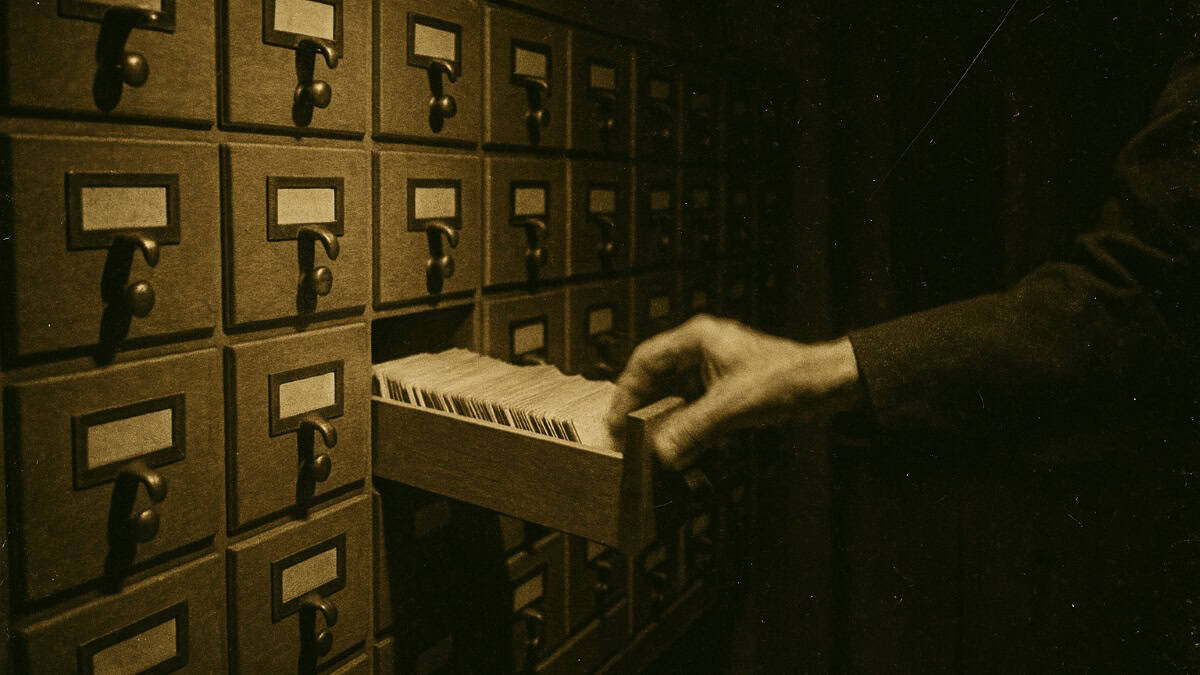
Finding books meant understanding the Dewey Decimal System and mastering card catalog searches. We learned to cross-reference subjects, authors, and titles through physical card systems. Research required real detective work and organizational skills.
12. Bike Chain Repairs

Every kid knew how to fix a slipped chain and perform basic bike maintenance. We understood the mechanics of our bikes and could handle most repairs with basic tools. This wasn’t just about fixing things – it was about independence and self-reliance.
13. Manual Channel Changing

Being the family’s designated channel changer required quick reflexes and good memory. We knew every channel’s location and could fine-tune the dial for perfect reception. This physical interaction with the TV made us appreciate each channel change.
14. Pay Phone Operation
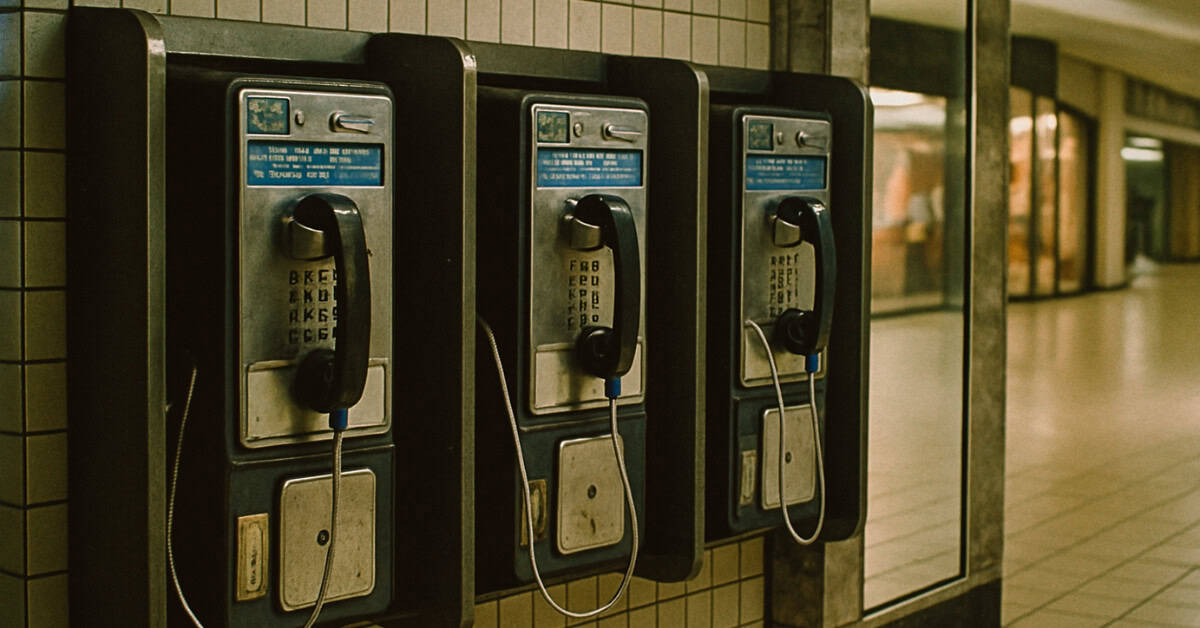
Using a pay phone required carrying correct change, knowing area codes, and mastering the timing of operator assistance. We learned to speak quickly during collect calls and always carried emergency dimes. This wasn’t just communication – it was strategic planning.