Before the era of digital payments and credit cards, loose change wasn’t just something that jingled in your pocket, but an essential part of daily life. From phone calls to newspaper stands, those nickels, dimes, and quarters were our gateway to convenience and entertainment. Here’s a look back at how we used our spare change in ways that would mystify today’s kids.
Table of Contents
1. Payphone Calls
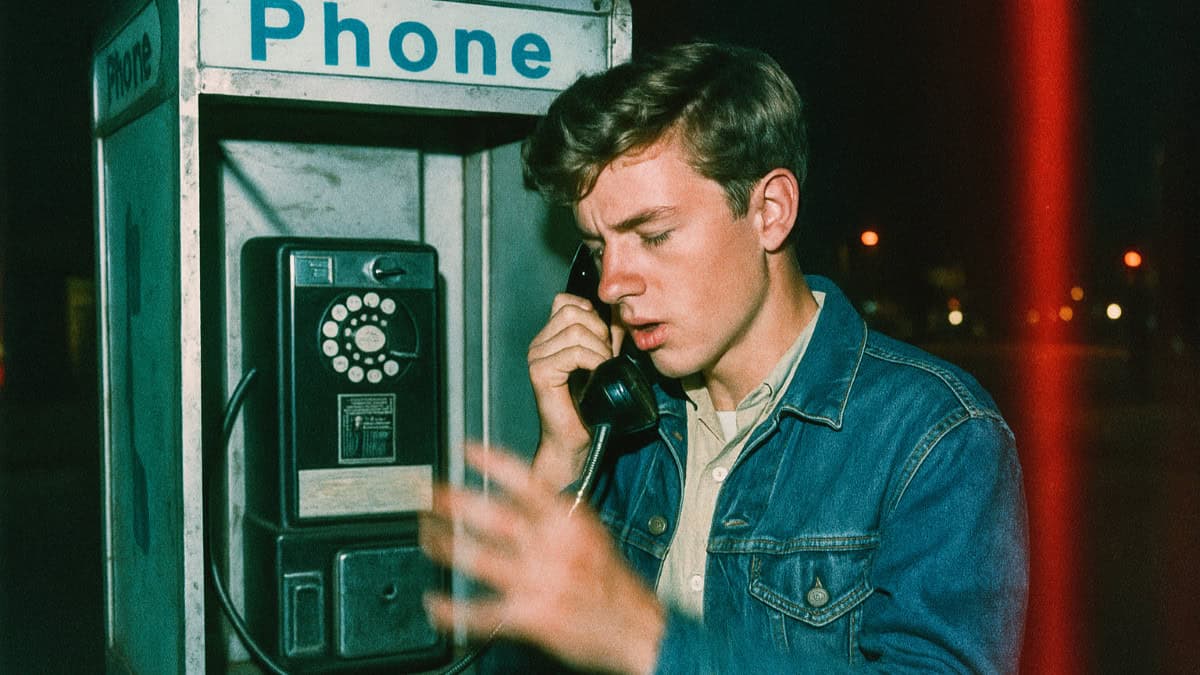
A quarter was your lifeline to the world. We’d keep a mental map of every payphone in town, just in case we needed to call home. The sound of those coins dropping through the mechanism was like a ritual, and everyone knew the frustration of having your call cut off mid-sentence because you ran out of time. Some of us even mastered the art of the collect call “It’s-me-come-pick-me-up” speed message.
Save for later
Want to come back to this story? Save it with your email so it is easy to find again.
2. Newspaper Stands

Those metal boxes on street corners were our daily news feed. You’d drop in your coins, pull the door open, and grab your paper. Sometimes the mechanism would stick, and you’d have to master the art of the gentle-but-firm door wiggle. The honor system mostly worked – one paper per payment – though we all knew that guy who’d try to sneak a peek at the headlines through the cloudy plastic window.
3. Penny Loafers

We actually put pennies in our penny loafers – it wasn’t just a name! It was partly fashion, partly practicality (emergency phone call money), and partly tradition. The shinier the penny, the better. Some of us would even polish them regularly or pick special years, like birth years or lucky numbers, to place in our shoes.
4. Piggy Bank Savings
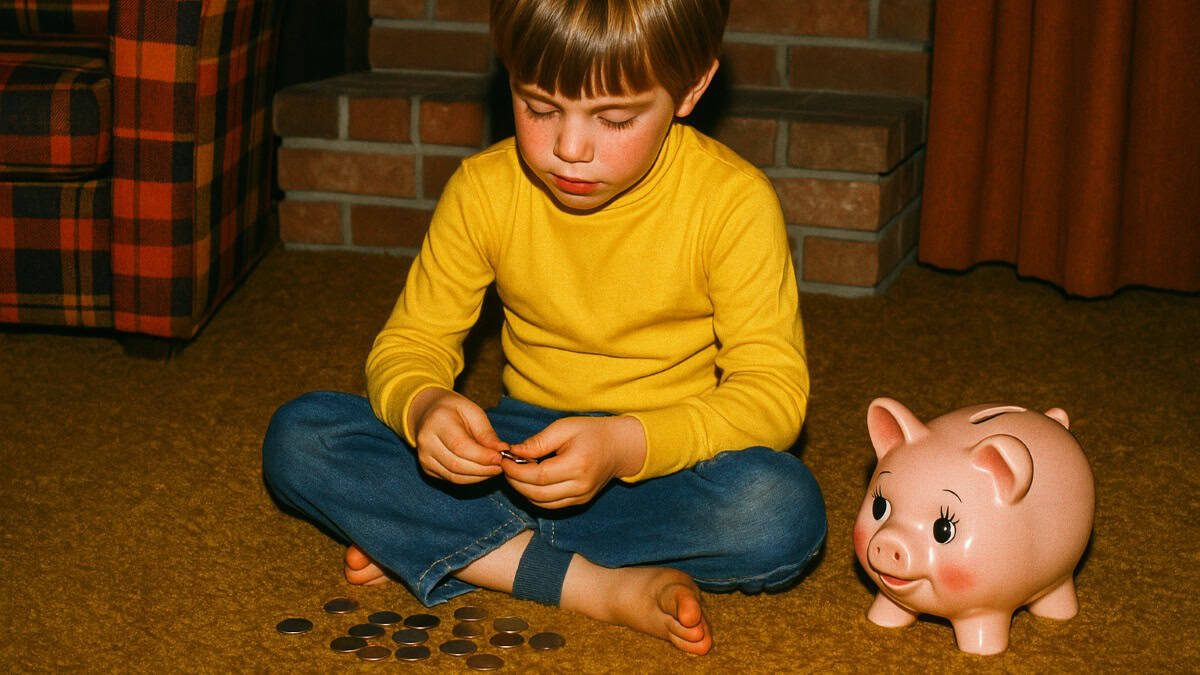
Before direct deposit and digital allowances, we’d save our coins in actual piggy banks. The satisfying clink of each deposit and the growing weight of the bank were tangible measures of wealth. Breaking open a full piggy bank was like Christmas morning, followed by hours of sorting and creating neat coin rolls for the bank.
5. Gumball Machines

Every store exit was an adventure with those colorful gumball machines standing guard. A penny or nickel could get you a gumball, a temporary tattoo, or a plastic ring. The real thrill was in the mechanical action – the satisfying turn of the knob, the rolling sound of your prize making its way down the spiral. It was simple entertainment that made running errands with Mom bearable.
6. Coin-Operated TV Sets
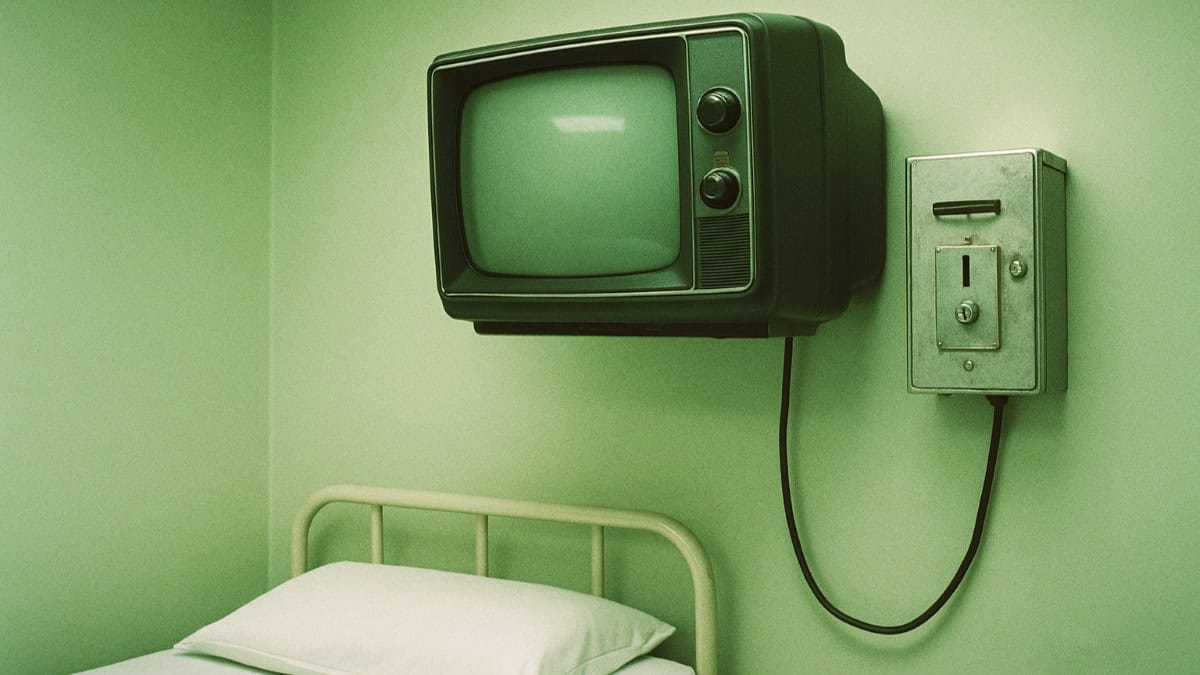
Hospital rooms and motels often had TVs that required quarters to operate. You’d feed coins into a box attached to the TV or bed, buying an hour or two of entertainment. Nothing was worse than getting invested in a show only to have the screen go dark mid-episode. It made channel surfing a calculated risk – you had to make those quarters count.
7. Coin-Operated Vibrating Beds

The infamous “Magic Fingers” in motel rooms was the height of luxury for road-weary travelers. Drop in a quarter, and the whole bed would vibrate for 15 minutes. Kids thought it was the most hilarious thing ever, while parents claimed it helped with backaches from long drives. It was a uniquely American innovation that seems bizarre by today’s standards.
8. Parking Meters

The dashboard coin holder was essential equipment for anyone parking downtown. You’d keep a stash of quarters ready, knowing exactly how many minutes each coin would buy. The anxiety of watching a meter run low while standing in line somewhere was universal. Some folks even carried around those little plastic coin dispensers on their key chains.
9. Penny Candy Stores
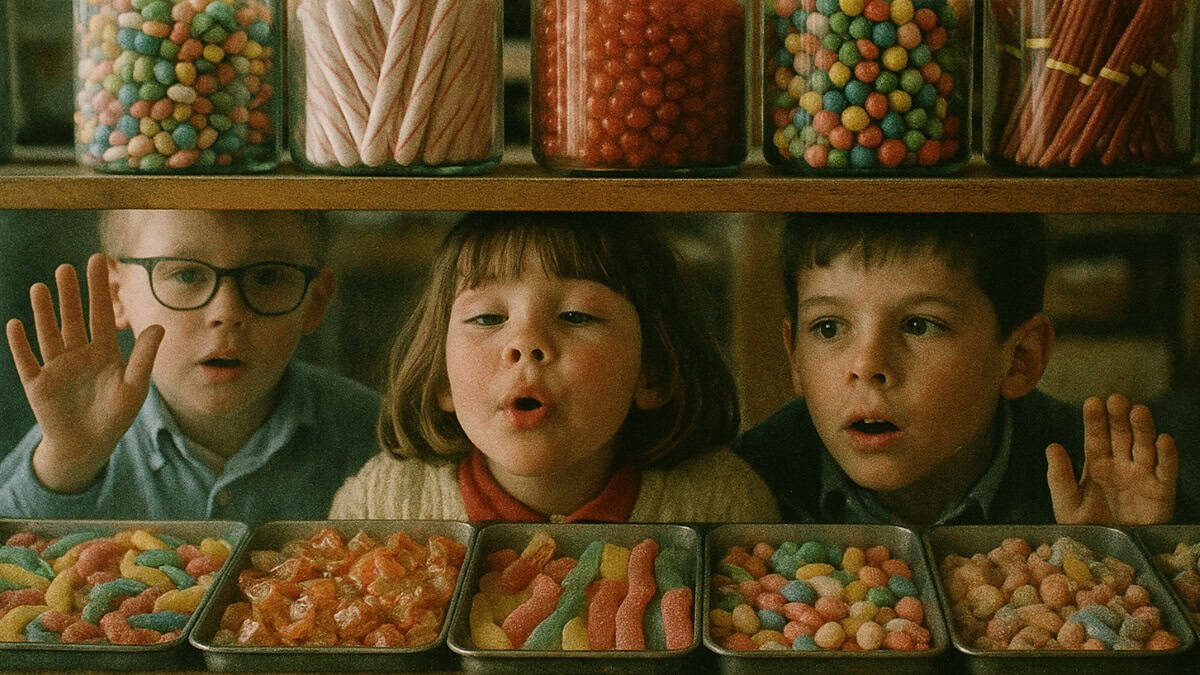
A dollar’s worth of pennies could buy you a feast at the corner store. We’d spend what felt like hours choosing between Mary Janes, Tootsie Rolls, or Bit-O-Honey. The shopkeeper would patiently count out each piece into a small paper bag. It was a math lesson and a treat all in one, figuring out how to get the most candy for your coins.
10. Grocery Store Pony Rides
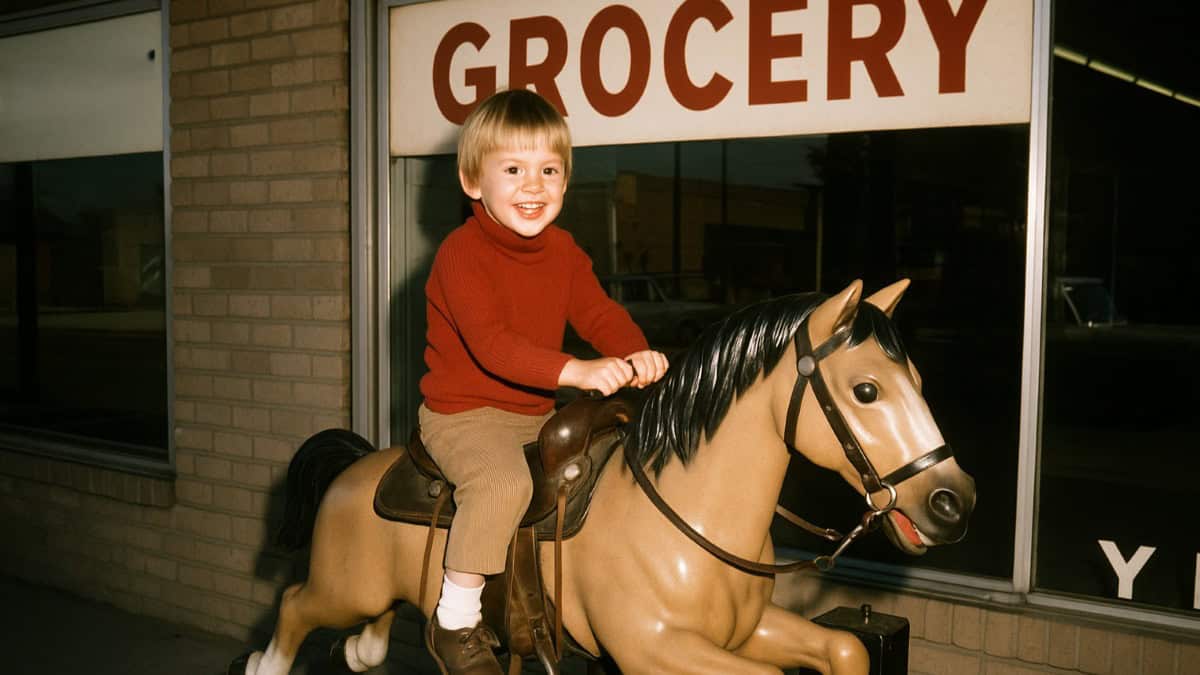
Those mechanical horses outside the grocery store were the highlight of any shopping trip for kids. A penny or nickel would buy a few minutes of gentle rocking, complete with worn-out Western sound effects. Parents used them as bribes for good behavior during shopping, and they were worth every cent for a few minutes of peace while loading groceries into the car.
11. Coin Collecting Folders

Many of us started our coin collecting journey with those blue Whitman folders, carefully checking every penny’s date to fill in the empty slots. It was a treasure hunt that made handling change exciting. Finding a wheat penny in your change was like striking gold, and we’d spend hours examining coins under desk lamps, dreaming of finding that rare 1909 S-VDB.
12. Toll Booth Baskets

Before E-ZPass, paying tolls was an art form. You’d perfect your coin-tossing technique to hit those metal baskets just right, listening for the satisfying clang of success. The real pros could nail it without even coming to a complete stop. Having exact change ready was a point of pride, and nothing was more embarrassing than missing the basket and having to pick up scattered coins while other drivers waited.