Before smartphones and social media dominated our children’s lives, kids had to get creative with their free time. These activities weren’t just games – they were social interactions that built lasting friendships and life skills. Let’s remember some of these classic childhood activities that seem to be disappearing in our digital world.
Table of Contents
- 1 1. Building Tree Forts
- 2 2. Playing Kick the Can
- 3 3. Trading Baseball Cards
- 4 4. Making Prank Phone Calls
- 5 5. Creating Neighborhood Newspapers
- 6 6. Playing Marathon Board Games
- 7 7. Building Model Cars Together
- 8 8. Organizing Backyard Carnivals
- 9 9. Making Mix Tapes
- 10 10. Bicycle Repair Clubs
- 11 11. Creating Puppet Shows
- 12 12. Explorer Clubs
1. Building Tree Forts
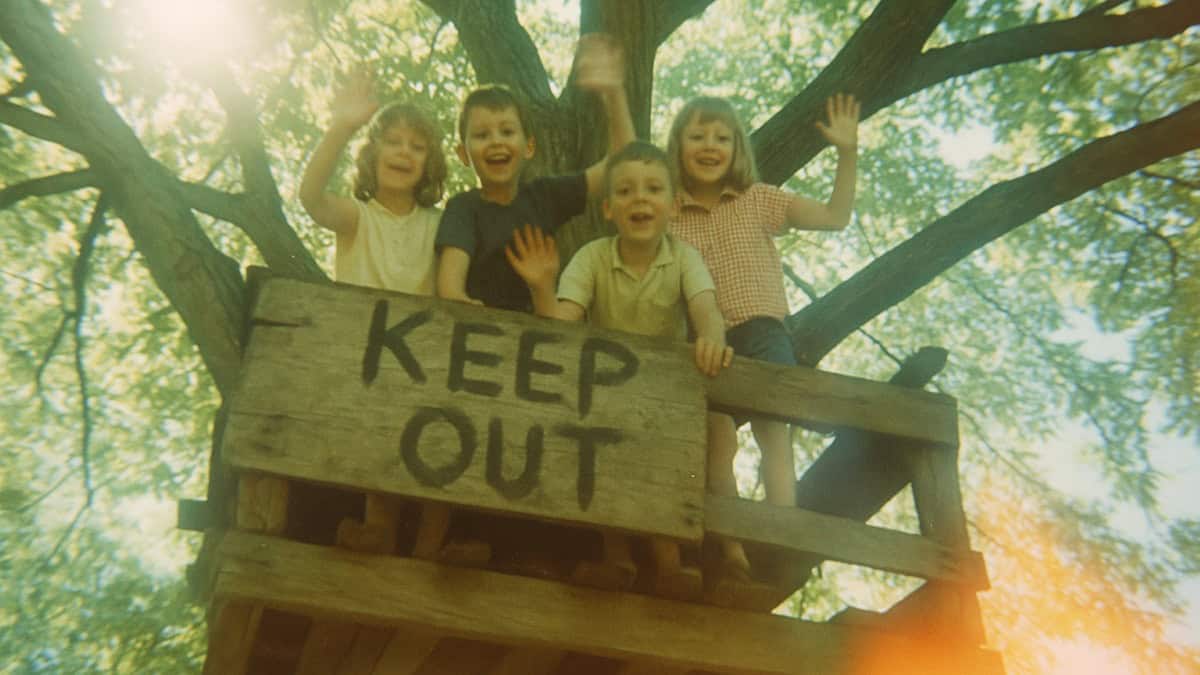
Armed with scrap lumber, borrowed tools, and endless imagination, kids would spend entire summers constructing elaborate hideouts in the trees. These weren’t just buildings – they were headquarters for countless adventures. Every nail hammered and board placed was a lesson in teamwork and problem-solving.
Save for later
Want to come back to this story? Save it with your email so it is easy to find again.
2. Playing Kick the Can

This simple game combined hide-and-seek with strategy and athletic skill. All you needed was an empty can and enough kids to make teams. Games would often last until the streetlights came on, with complex rules and traditions passed down through generations of neighborhood kids.
3. Trading Baseball Cards

Long before digital collectibles, kids would gather to trade physical cards, debating player stats and team loyalties. These trading sessions were lessons in negotiation and value assessment. The cards themselves carried stories and memories of great plays and favorite players.
4. Making Prank Phone Calls

Gathering around a rotary phone to ask if someone’s refrigerator was running was a time-honored tradition. While not always appreciated by adults, these harmless pranks taught kids about timing, humor, and sometimes quick thinking when calls backfired.
5. Creating Neighborhood Newspapers

Armed with typewriters or hand-written pages, kids would create their own newspapers covering neighborhood events, pet news, and local gossip. These amateur publications fostered creativity, writing skills, and community awareness. Some even included hand-drawn comics and weather forecasts.
6. Playing Marathon Board Games

Monopoly games that lasted entire weekends, Risk battles that spanned sleepovers – these weren’t just games, they were events. Without digital distractions, kids would fully immerse themselves in these epic gaming sessions, learning patience, strategy, and how to be both gracious winners and losers.
7. Building Model Cars Together

Groups of friends would pool their allowances to buy model kits, then spend hours assembling them together. These sessions combined creativity, patience, and mechanical understanding. The smell of model glue and paint marked countless basement workshops.
8. Organizing Backyard Carnivals

Kids would transform their backyards into fairgrounds, complete with homemade games, snack stands, and ticket booths. These events taught entrepreneurship, creativity, and event planning. The whole neighborhood would turn out to support these ambitious productions.
9. Making Mix Tapes

Creating the perfect mix tape was an art form that required patience, timing, and musical knowledge. Friends would spend hours carefully selecting and recording songs, creating custom covers, and sharing their musical discoveries. Each tape was a personal statement and a labor of love.
10. Bicycle Repair Clubs
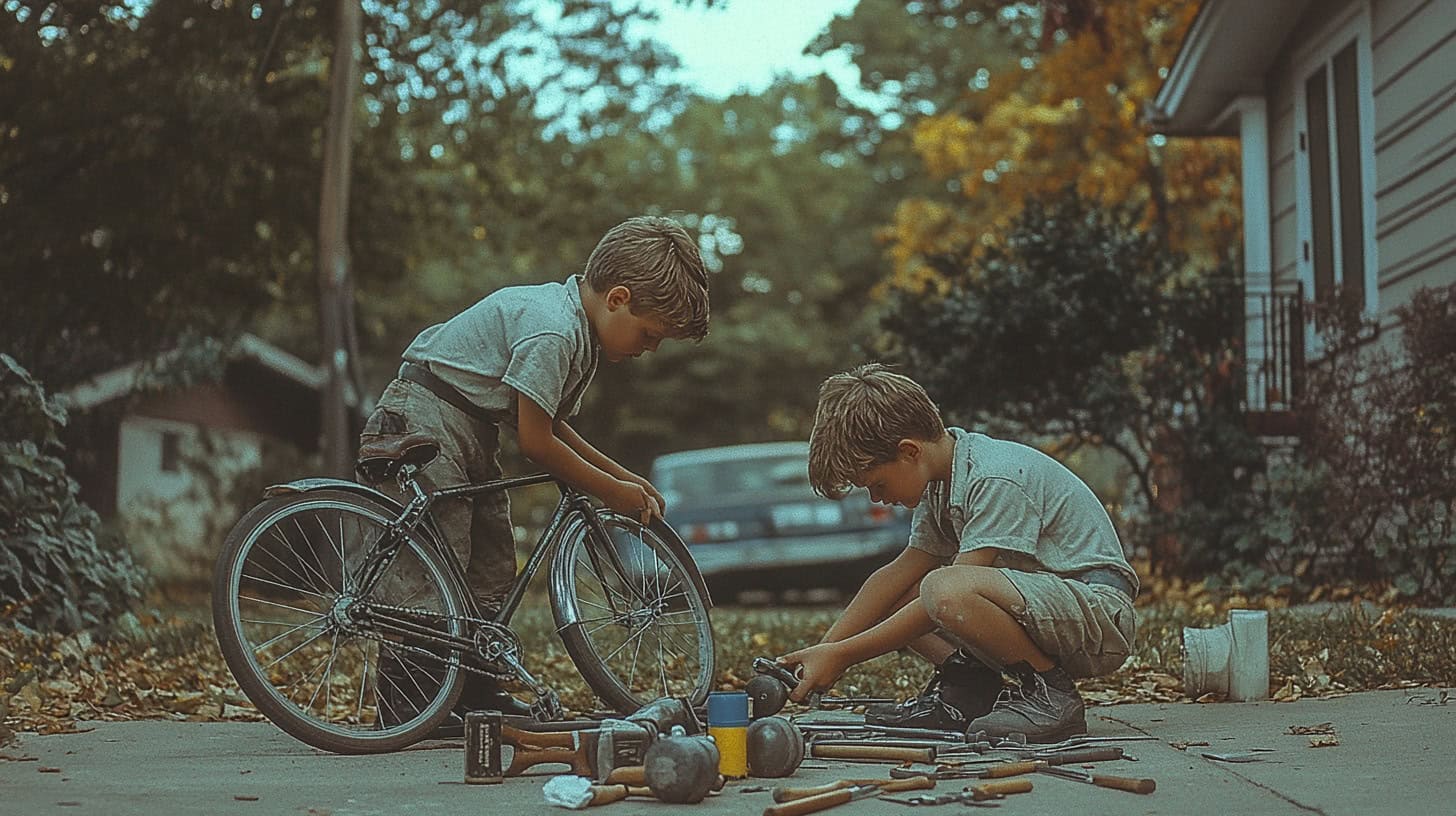
Kids would gather in driveways to repair and customize their bikes. Knowledge was shared, tools were borrowed, and every repair was a group project. These informal workshops taught mechanical skills and the value of helping others.
11. Creating Puppet Shows
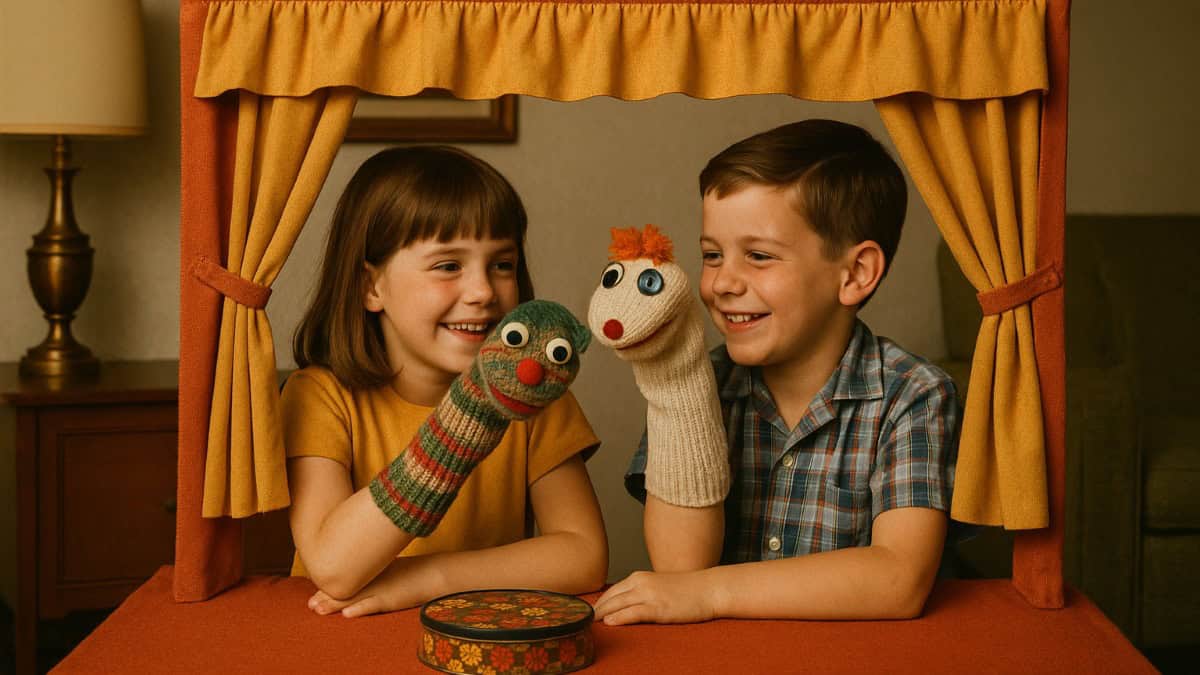
Using old socks, paper bags, and endless imagination, kids would create elaborate puppet shows for neighborhood audiences. These productions involved writing scripts, making sets, and coordinating performances. Every show was a lesson in storytelling and teamwork.
12. Explorer Clubs

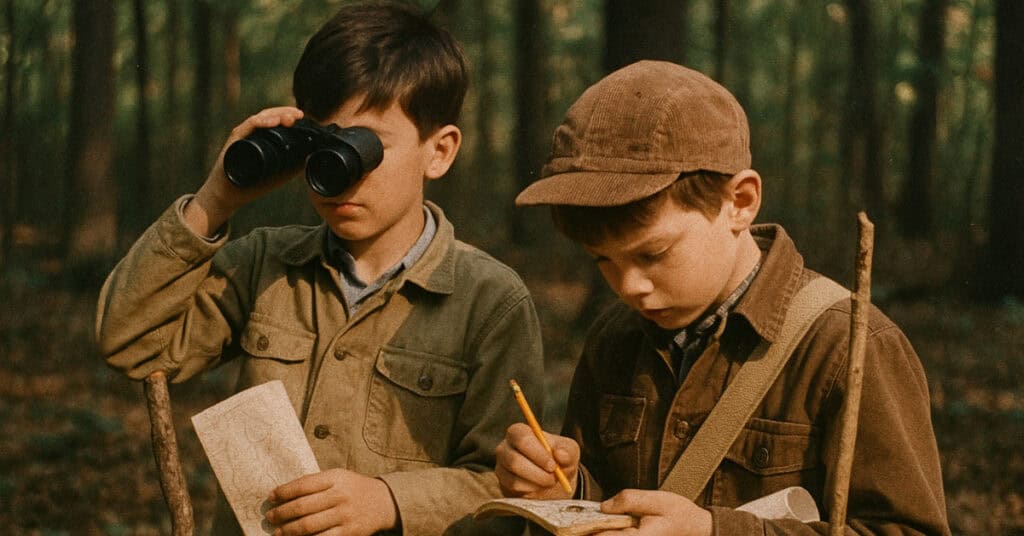
Groups of young adventurers would map their neighborhoods, create secret codes, and explore every corner of their known world. These expeditions fostered independence, observation skills, and a sense of discovery that no virtual adventure can replicate.