Before cable TV took over our living rooms, watching television was a completely different experience for those of us who grew up with just a handful of channels and rabbit ear antennas. Entertainment required creativity, patience, and sometimes a bit of aluminum foil. Let’s take a nostalgic trip back to those simpler times when TV watching was both an art and an adventure.
Table of Contents
- 1 1. The Ritual of Adjusting the Antenna
- 2 2. The TV Guide Was Sacred
- 3 3. Saturday Morning Cartoons Were an Event
- 4 4. The Nightly News Was Family Time
- 5 5. UHF Channels Were a Mystery
- 6 6. The Test Pattern at Night
- 7 7. Weather Reports Were an Adventure
- 8 8. The Vertical Hold Drama
- 9 9. After School Specials
- 10 10. The Channel-Changing Workout
- 11 11. Local Commercial Charm
- 12 12. The Static Snow Storm
- 13 13. Movie of the Week
- 14 14. The Daytime TV Hierarchy
- 15 15. The Battle for Prime Time
1. The Ritual of Adjusting the Antenna

The delicate art of adjusting rabbit ears was a family affair. Someone would have to stand by the TV, moving the antenna in tiny increments while others shouted “Better!” or “Worse!” from the couch. The sweet spot usually meant holding an uncomfortable position, and heaven forbid someone walked through the room and disturbed the signal. Aluminum foil-wrapped antenna tips were our version of high-tech signal boosting.
Save for later
Want to come back to this story? Save it with your email so it is easy to find again.
2. The TV Guide Was Sacred
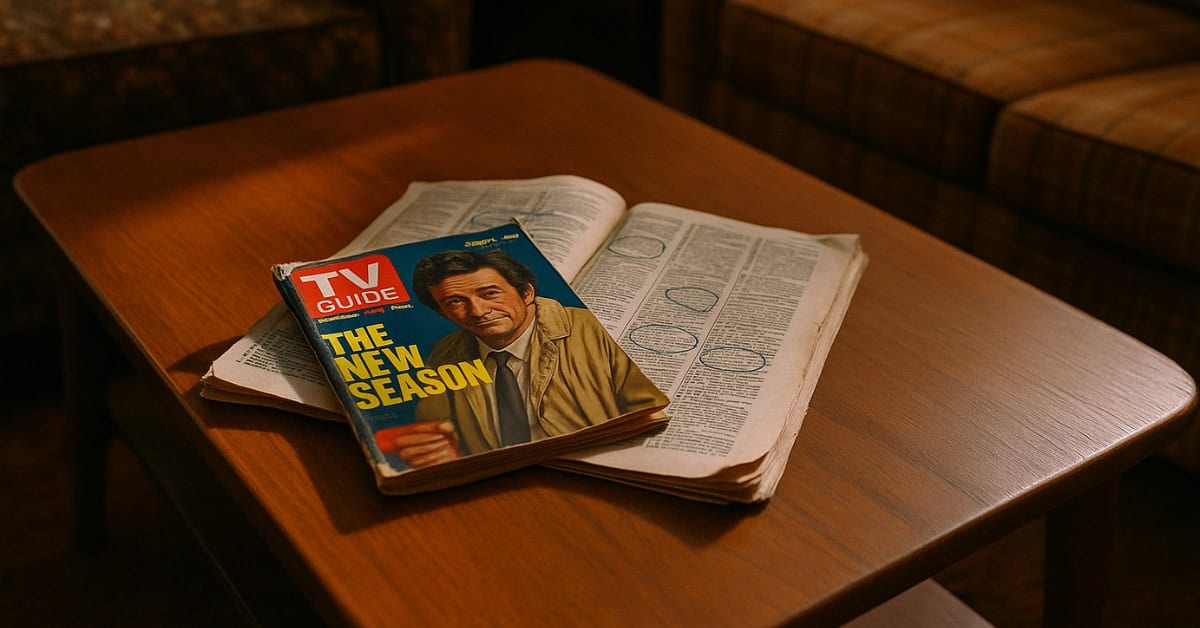
That weekly TV Guide was our entertainment bible. We’d circle our must-watch shows and plan our entire week around them. Missing an episode meant waiting months for a rerun, so the TV schedule was treated with the same importance as a doctor’s appointment. The magazine itself was never to leave its designated spot near the television.
3. Saturday Morning Cartoons Were an Event

Saturday mornings were sacred. We’d wake up early, grab our cereal, and plant ourselves in front of the TV for the only time of the week dedicated to kids’ programming. From 6 AM until noon, it was a marathon of cartoons that required strategic bathroom breaks and careful snack planning to avoid missing anything.
4. The Nightly News Was Family Time
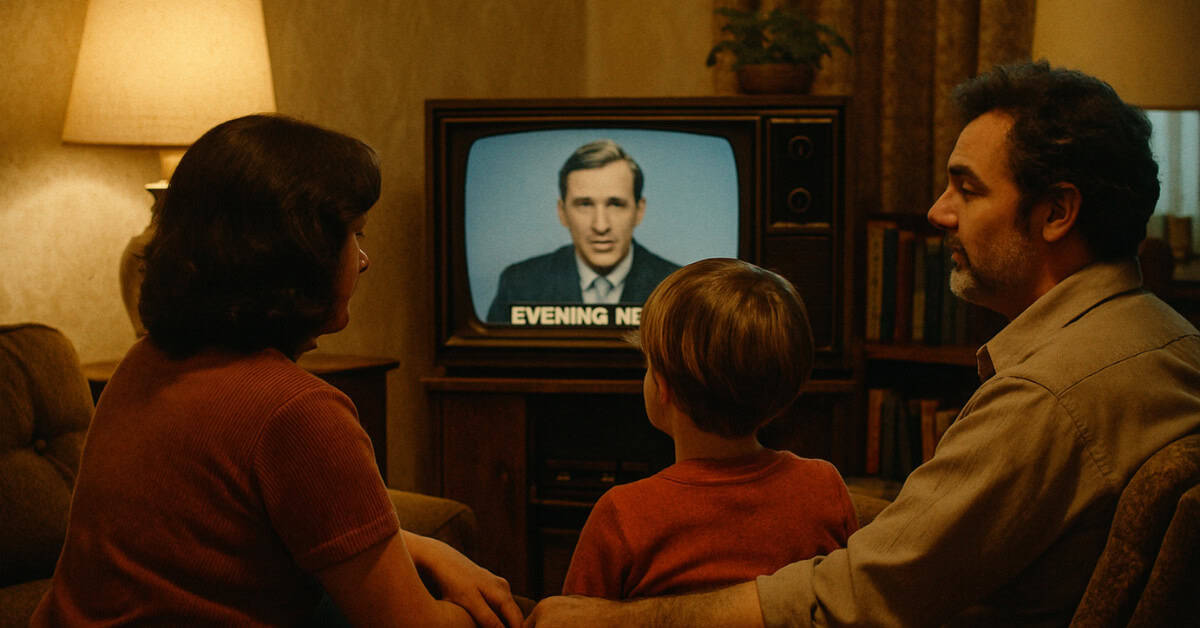
The 6 o’clock news was non-negotiable family time. We’d gather around the TV to watch Walter Cronkite or other local anchors deliver the day’s news. Dad would command silence during important stories, and this was often when family discussions about current events would happen. It was our window to the world beyond our neighborhood.
5. UHF Channels Were a Mystery
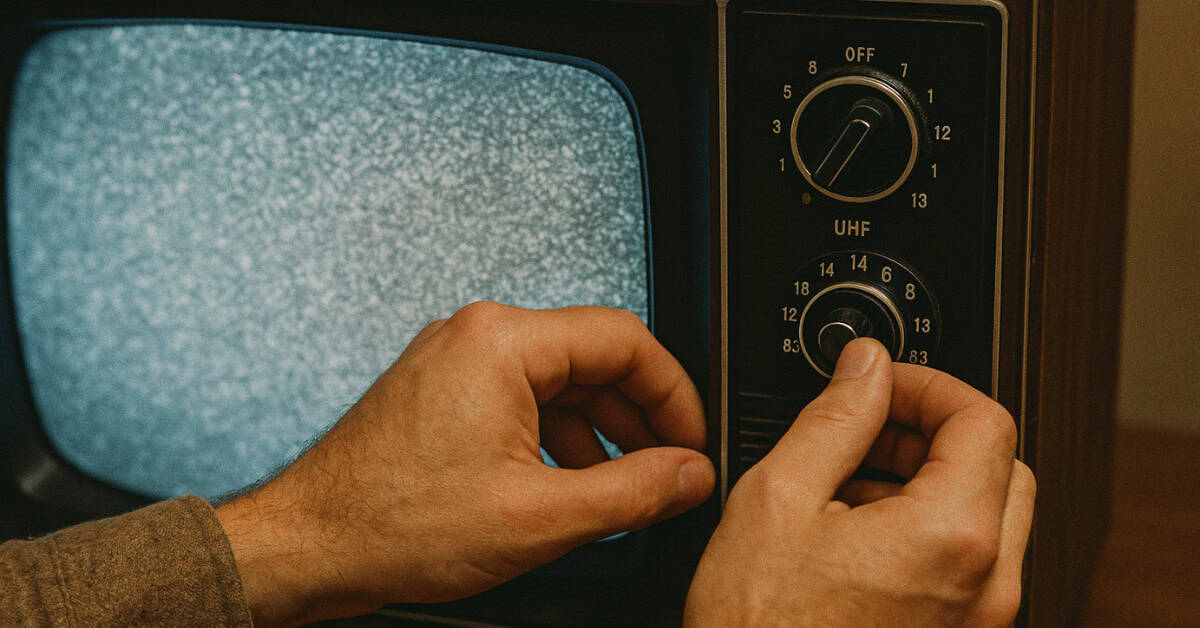
The UHF dial was like a treasure hunt. You’d slowly turn it, hoping to find something watchable through the static. These mysterious channels offered oddball programming, old movies, and local content that felt like discovering a secret world. Sometimes you’d find a gem, only to lose the signal an hour later.
6. The Test Pattern at Night
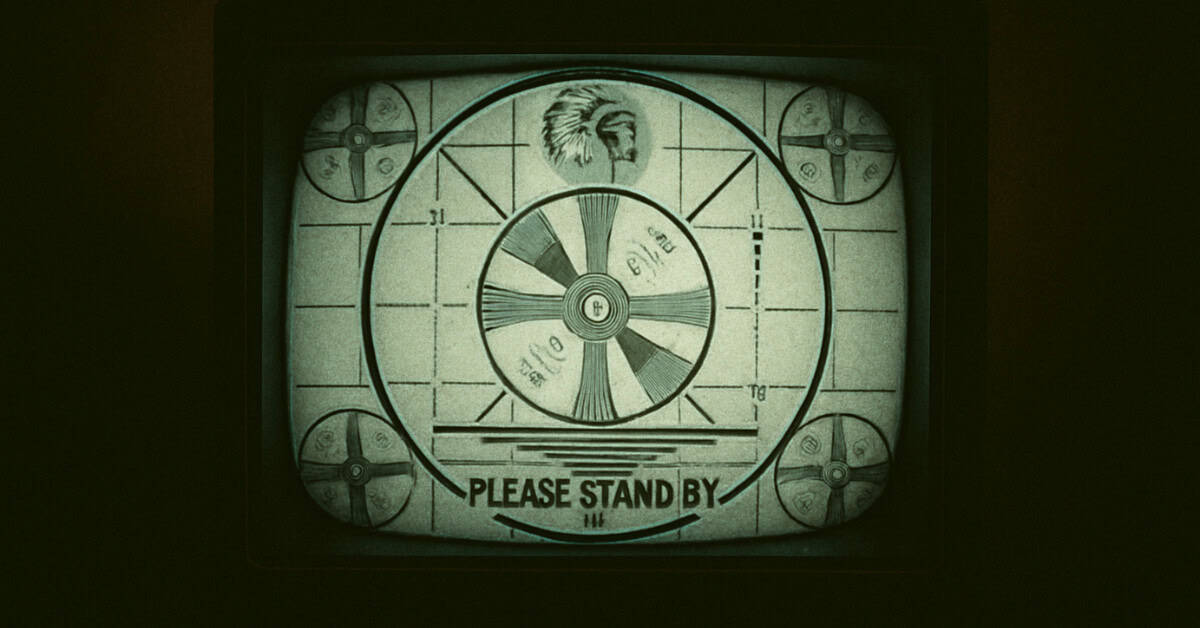
Stations actually went off the air at night, replaced by the iconic test pattern and tone. Late-night viewing wasn’t an option unless you wanted to watch that hypnotic Indian head test pattern until dawn. The national anthem would play before shutdown, and again when broadcasting resumed in the morning.
7. Weather Reports Were an Adventure
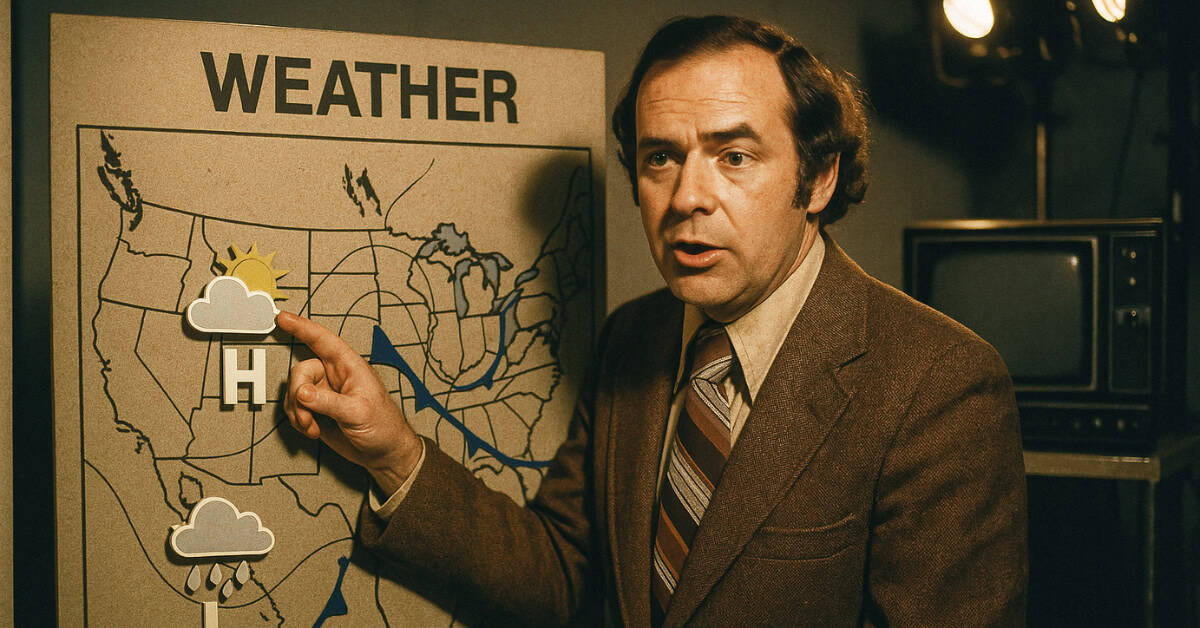
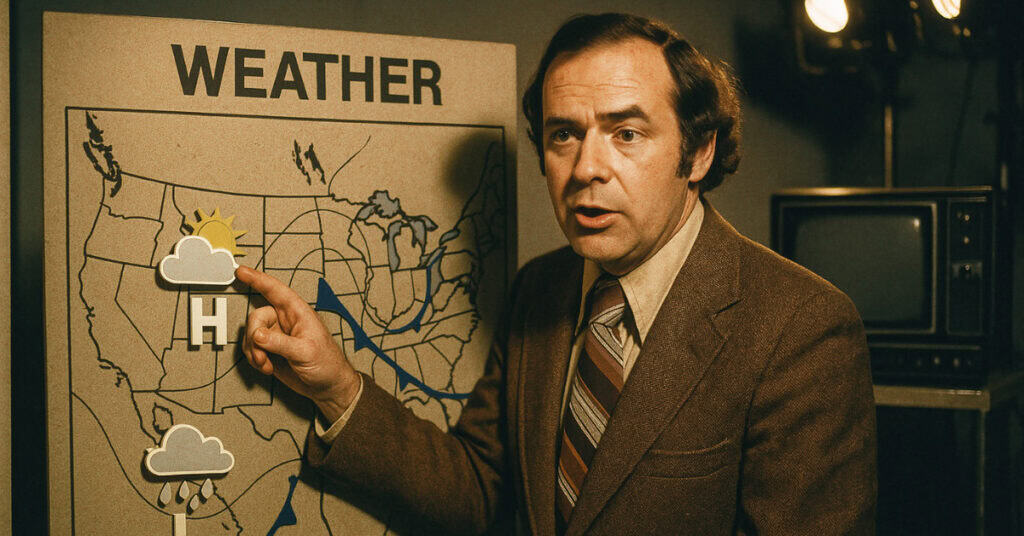
Local weather reports featured hand-drawn maps and magnetic symbols. The weatherman would physically move clouds and sun symbols across the board, sometimes knocking them off accidentally. During storms, the station might interrupt programming with a scrolling text alert, accompanied by that memorable emergency broadcast tone.
8. The Vertical Hold Drama
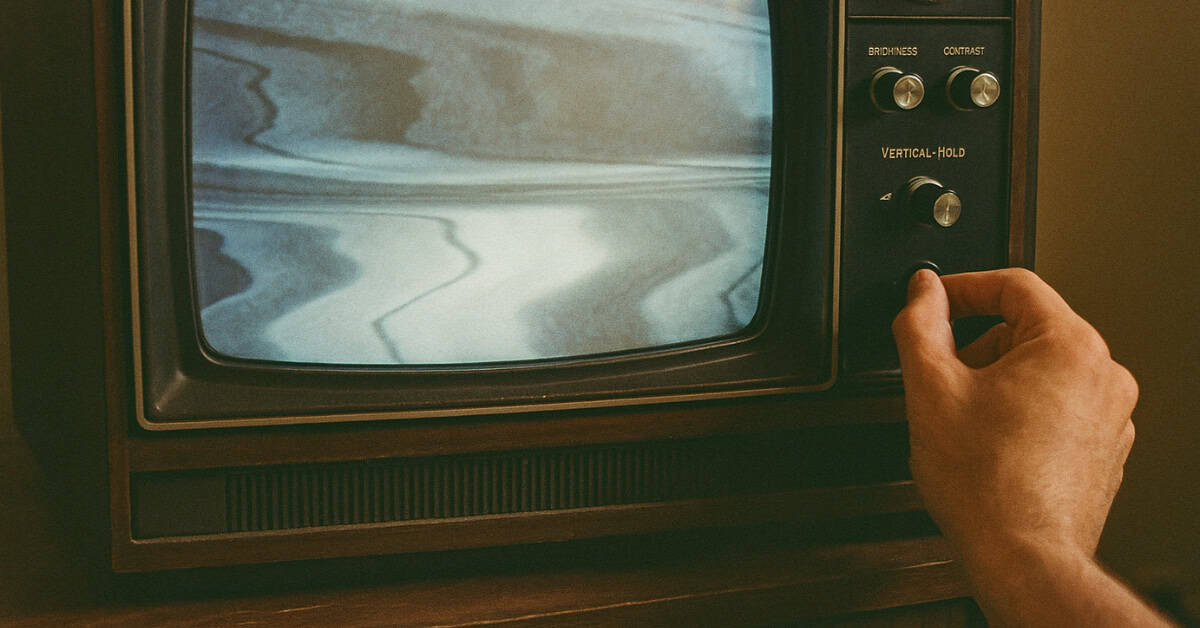
The vertical hold knob was both savior and nemesis. When the picture started rolling, someone had to carefully adjust it to stabilize the image. This delicate operation could take several minutes of fine-tuning, usually during the most crucial moment of your favorite show.
9. After School Specials

These dramatic educational programs were our version of streaming content. They tackled serious issues like bullying, drug use, and family problems, often with heavy-handed morality tales. While sometimes cheesy, they were must-watch TV since they’d be the talk of school the next day.
10. The Channel-Changing Workout

With no remote control, changing channels meant physically walking to the TV and turning the dial with a satisfying ‘chunk’ sound. The youngest kid was usually designated as the human remote control. Channel surfing wasn’t a thing – you picked your show and committed to it.
11. Local Commercial Charm
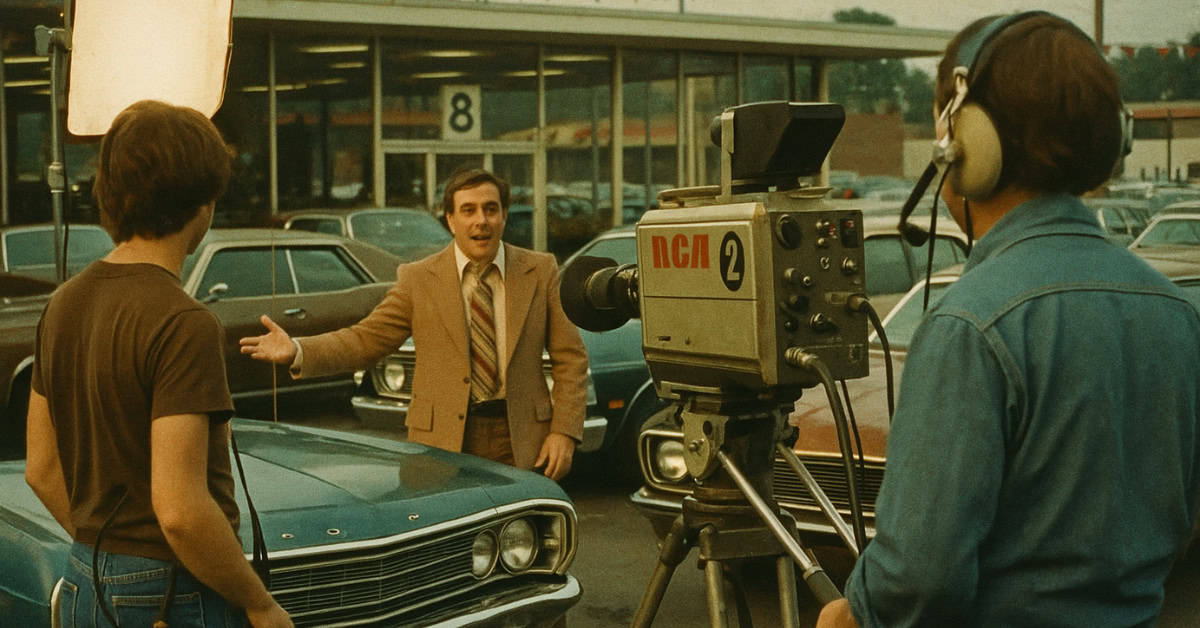
Local TV commercials were gloriously low-budget affairs featuring car dealership owners, furniture store proprietors, and appliance salesmen doing their own stunts. These homegrown celebrities would often film all their commercials for the month in one day, just changing shirts between takes. Everyone knew Crazy Eddie, Mad Man Maddox, or whatever colorful character dominated your local airwaves.
12. The Static Snow Storm
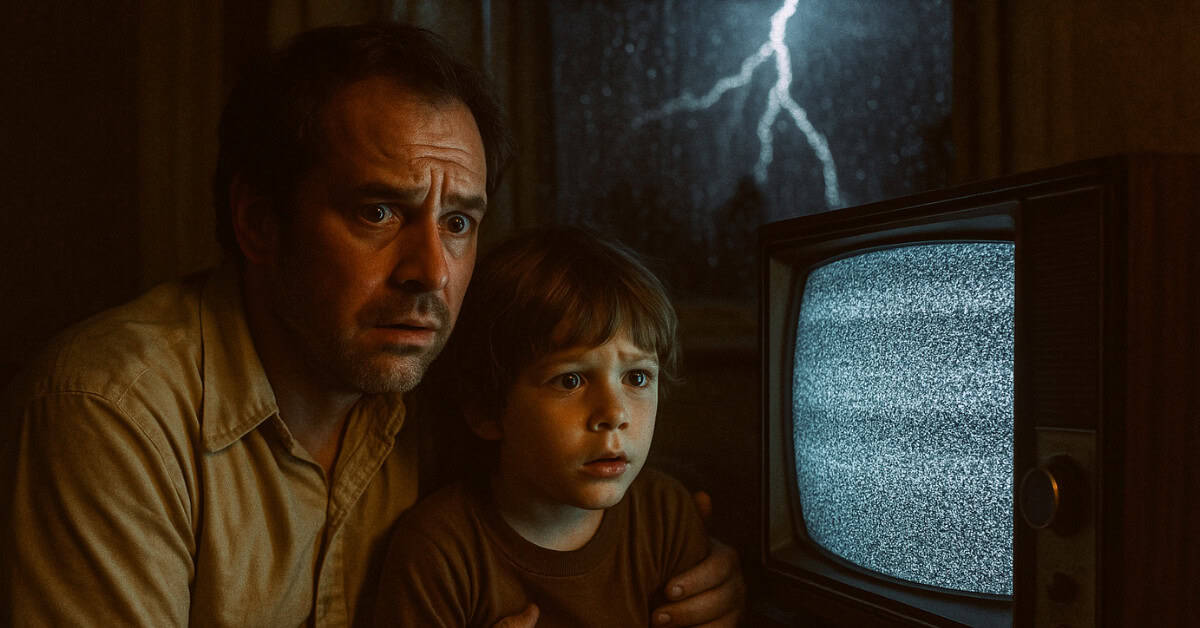
Bad weather meant watching your favorite show through a blizzard of static. During thunderstorms, you’d often see lightning strikes create spectacular interference patterns across the screen. Some of us became experts at deciphering dialogue through the noise, like television archaeologists piecing together fragments of our favorite shows.
13. Movie of the Week

The network Movie of the Week was a major event that brought families together. These made-for-TV films ranged from suspenseful thrillers to heartwarming dramas, often starring television actors in unusual roles. We’d plan our entire evening around these special presentations, complete with TV dinners and lengthy commercial breaks that allowed for snack refills and bathroom visits.
14. The Daytime TV Hierarchy
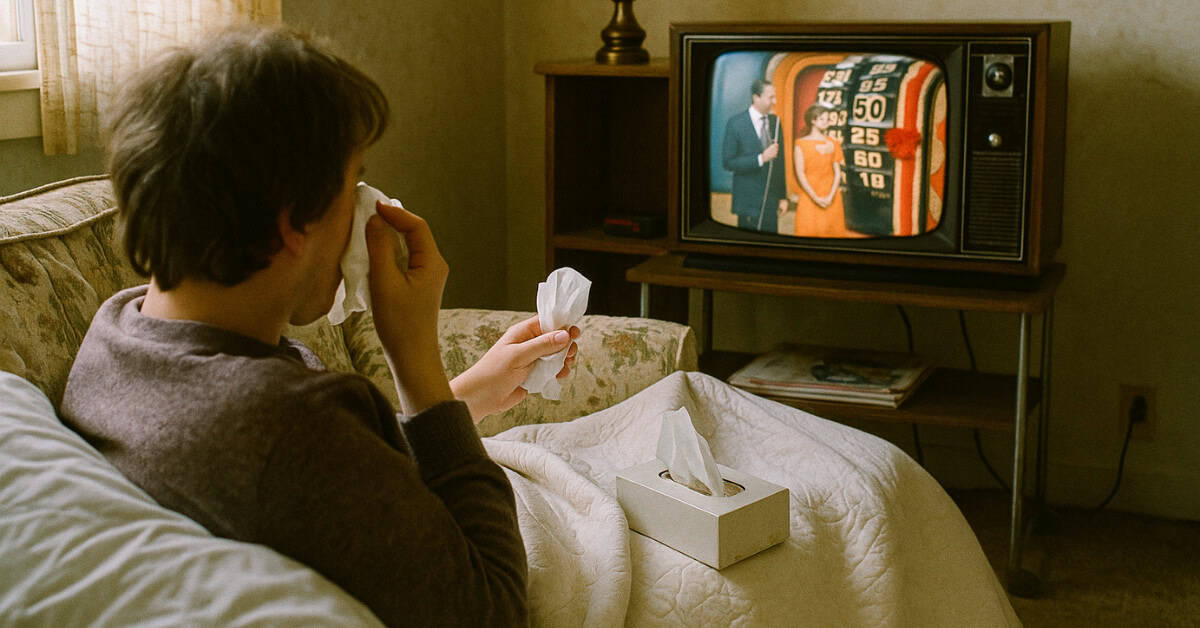
Daytime television followed a strict schedule that became the backdrop of sick days and summer vacations. Game shows dominated the morning, followed by soap operas in the afternoon. If you were homesick, you knew exactly what would be on at any given hour, and the shows’ theme songs became as familiar as nursery rhymes.
15. The Battle for Prime Time
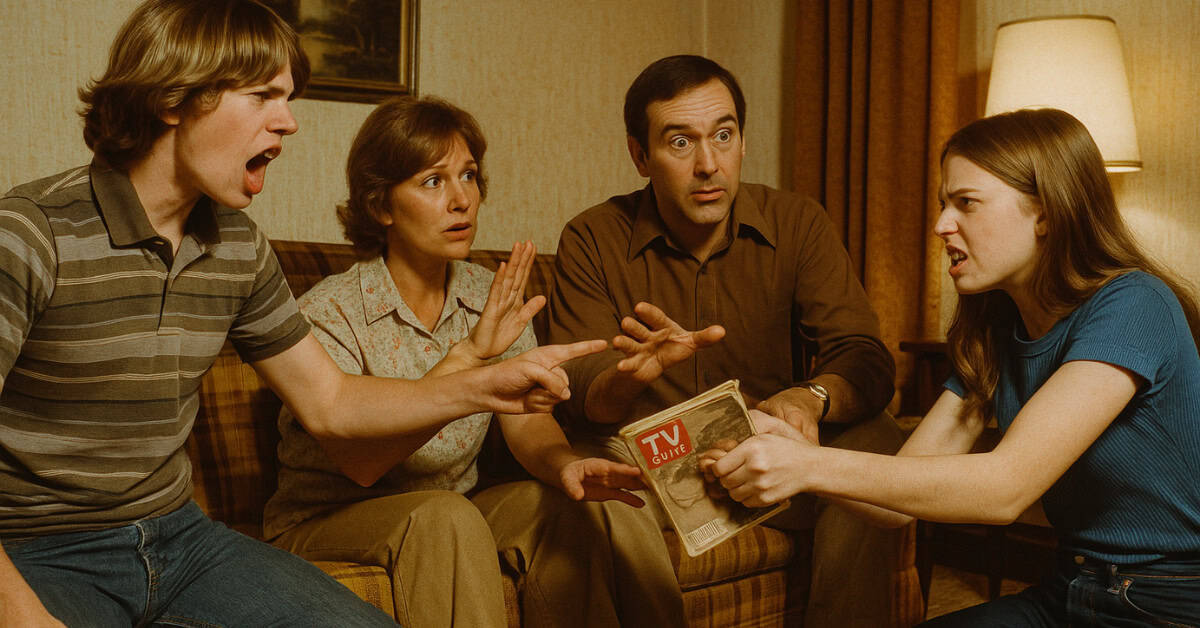
With only three major networks, prime time viewing often led to family negotiations that would make the United Nations proud. If shows conflicted, someone had to sacrifice their favorite program for the greater good. These discussions taught us the fine arts of compromise, persuasion, and the occasional dramatic plea for parental intervention.