Growing up with parents who trusted us to make decisions and learn from our mistakes gave us abilities that might seem almost supernatural today. Without constant supervision and intervention, we developed skills and confidence that shaped us into capable, independent adults. Here’s a look at things we could handle that might surprise today’s helicopter parents.
Table of Contents
- 1 1. Navigate Entire Cities Alone
- 2 2. Handle Real Tools and Equipment
- 3 3. Resolve Conflicts Independently
- 4 4. Manage Our Own Time
- 5 5. Run Small Businesses
- 6 6. Cook Real Meals
- 7 7. Handle Emergency Situations
- 8 8. Organize Group Activities
- 9 9. Make Travel Arrangements
- 10 10. Manage Money
- 11 11. Fix Things
- 12 12. Make Important Decisions

By age 12, most of us could navigate public transportation, find our way around downtown, and get ourselves where we needed to go. We understood maps, bus schedules, and how to ask for directions when needed. This independence built confidence and spatial awareness that lasted a lifetime.
Save for later
Want to come back to this story? Save it with your email so it is easy to find again.
2. Handle Real Tools and Equipment

We operated power tools, lawn mowers, and household equipment from a young age. Learning proper tool use and safety through experience taught us responsibility and practical skills. The occasional minor injury was considered a learning experience rather than a tragedy.
3. Resolve Conflicts Independently
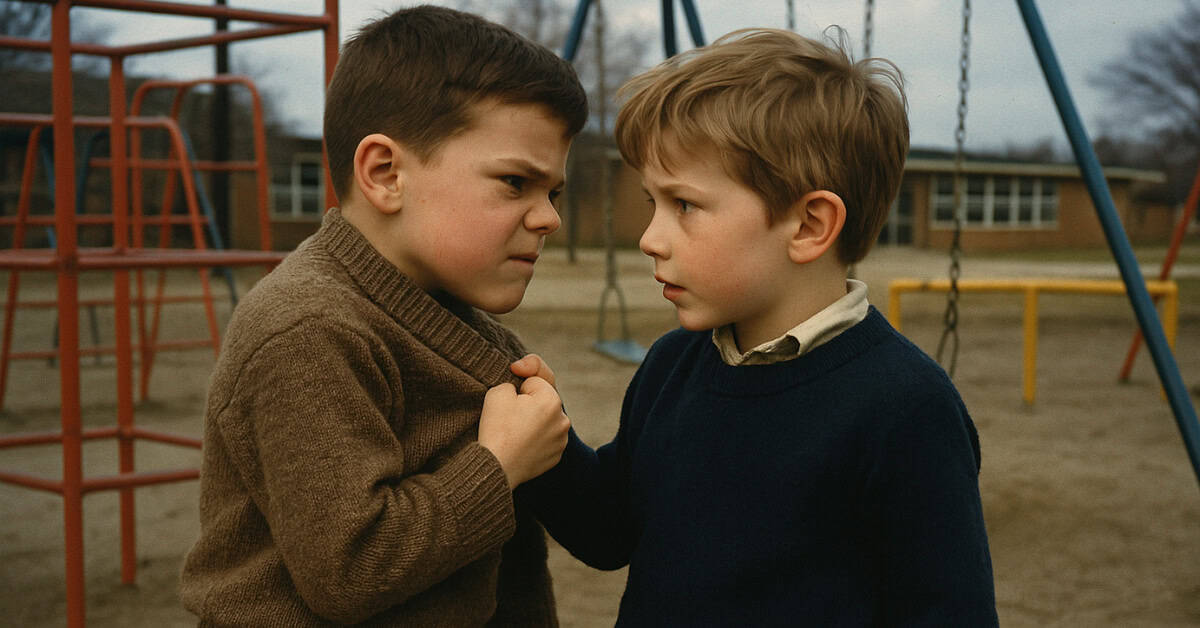
Whether it was playground disputes or neighborhood disagreements, we learned to handle conflicts without adult intervention. This developed crucial social skills and emotional intelligence that served us well throughout life.
4. Manage Our Own Time

We balanced homework, chores, and play without detailed schedules or reminders. Missing deadlines or being late had natural consequences that taught us time management. The only schedule we needed was knowing when to be home for dinner.
5. Run Small Businesses

From paper routes to lawn mowing services, we learned entrepreneurship hands-on. We handled money, managed customer relationships, and dealt with business problems independently. These experiences taught real-world economics better than any textbook.
6. Cook Real Meals

Many of us could prepare full meals by age 10 or 11. We used stoves, ovens, and sharp knives safely, understanding basic kitchen safety through practice rather than constant warnings. Cooking became a natural skill rather than a supervised activity.
7. Handle Emergency Situations

We knew what to do in emergencies – from basic first aid to handling household problems. Experience taught us to stay calm and think clearly in difficult situations. We could assess risks and make decisions without waiting for adult guidance.
8. Organize Group Activities
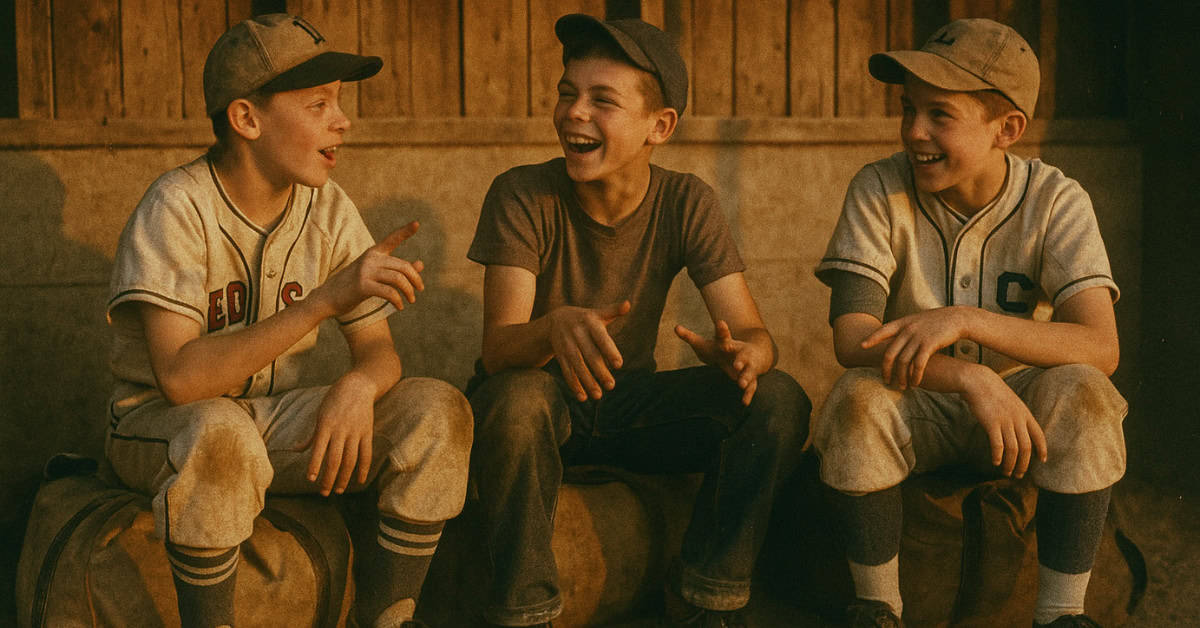
We could organize neighborhood games, plan activities, and manage large groups of kids without adult supervision. These experiences developed leadership skills and group dynamics understanding naturally.
9. Make Travel Arrangements

Whether it was planning a bike route to a friend’s house or figuring out bus schedules, we could arrange our own transportation. We understood timetables, maps, and how to get ourselves where we needed to go safely.
10. Manage Money

We learned financial responsibility through managing our own money – from allowances to paper route earnings. Making spending decisions and facing the consequences taught us valuable lessons about budgeting and saving.
11. Fix Things

Basic repairs were part of life – from fixing bikes to mending toys. We learned to be resourceful and handle mechanical problems through trial and error. This developed practical problem-solving skills that lasted a lifetime.
12. Make Important Decisions

We were trusted to make significant decisions about our activities, friendships, and daily lives. This responsibility helped develop judgment and decision-making skills at an early age. Learning from our choices, both good and bad, built confidence and wisdom.