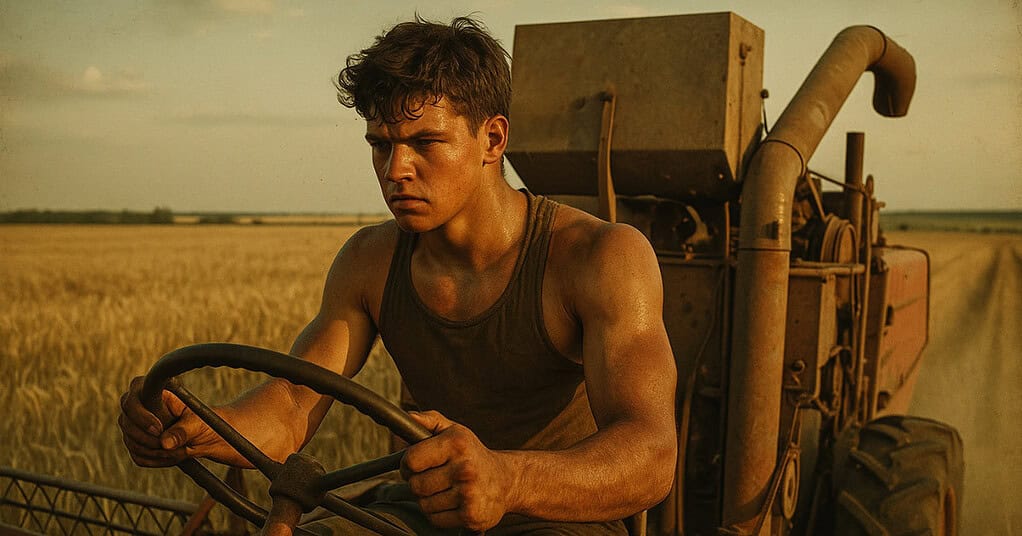
Growing up in the 1960s and early 70s meant experiencing childhood freedoms and responsibilities that would astonish many of today’s parents. From handling dangerous tools to navigating the world without constant supervision, our everyday activities developed independence and capability at a young age. Here’s a look at common childhood experiences that would amaze – and possibly terrify – modern parents.
Table of Contents
- 1 1. Running the Neighborhood Until Dark
- 2 2. Babysitting at Age Ten
- 3 3. Building Dangerous Backyard Projects
- 4 4. Running Errands Around Town
- 5 5. Making Our Own Entertainment
- 6 6. Handling Real Tools
- 7 7. Cooking Full Meals
- 8 8. Exploring Abandoned Places
- 9 9. Managing Money Young
- 10 10. First Aid Self-Management
- 11 11. Operating Farm Equipment
- 12 12. Long-Distance Bike Adventures
1. Running the Neighborhood Until Dark

Our only rule was “be home when the streetlights come on.” We’d spend entire days exploring neighborhoods, building forts, and creating adventures without adult supervision. Parents had no way to contact us, no GPS tracking, and complete trust in our ability to handle ourselves. This freedom taught us independence, time management, and street smarts.
Save for later
Want to come back to this story? Save it with your email so it is easy to find again.
2. Babysitting at Age Ten

By age ten or eleven, we were trusted to watch younger siblings and neighborhood kids. No certification required – just common sense and responsibility. We handled emergencies, prepared meals, and managed multiple children without constant parent check-ins or emergency contacts lists.
3. Building Dangerous Backyard Projects
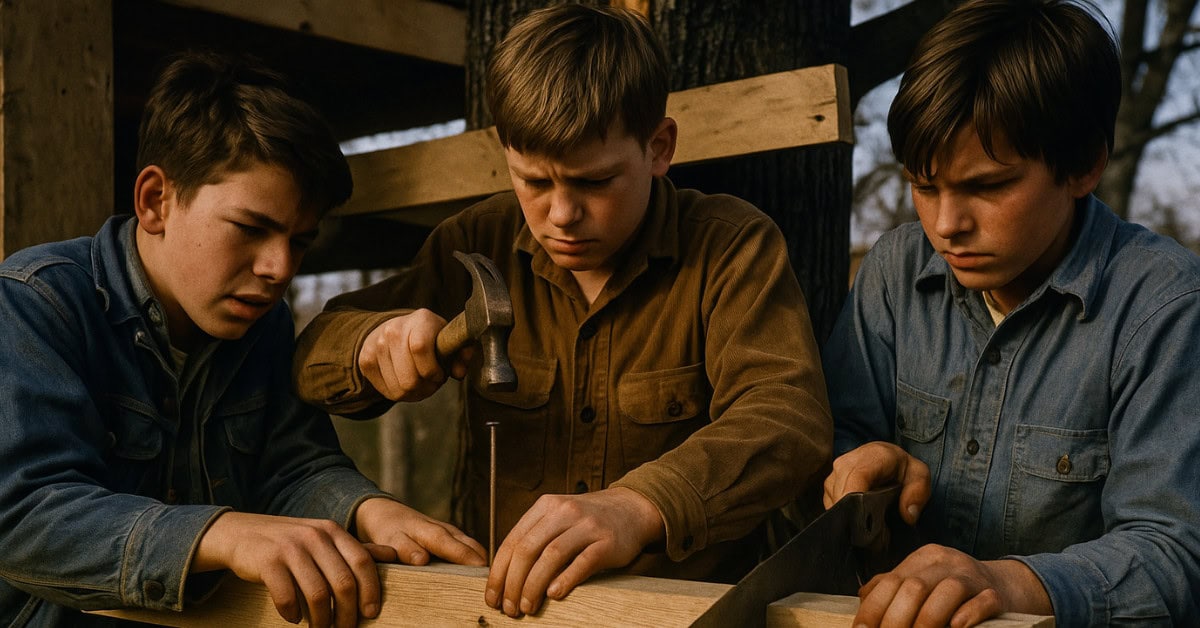
We constructed tree houses, go-karts, and bike ramps using found materials and basic tools. No safety inspections, building permits, or adult supervision required. These projects taught us engineering principles, tool safety, and problem-solving through trial and error – sometimes painful error.
4. Running Errands Around Town
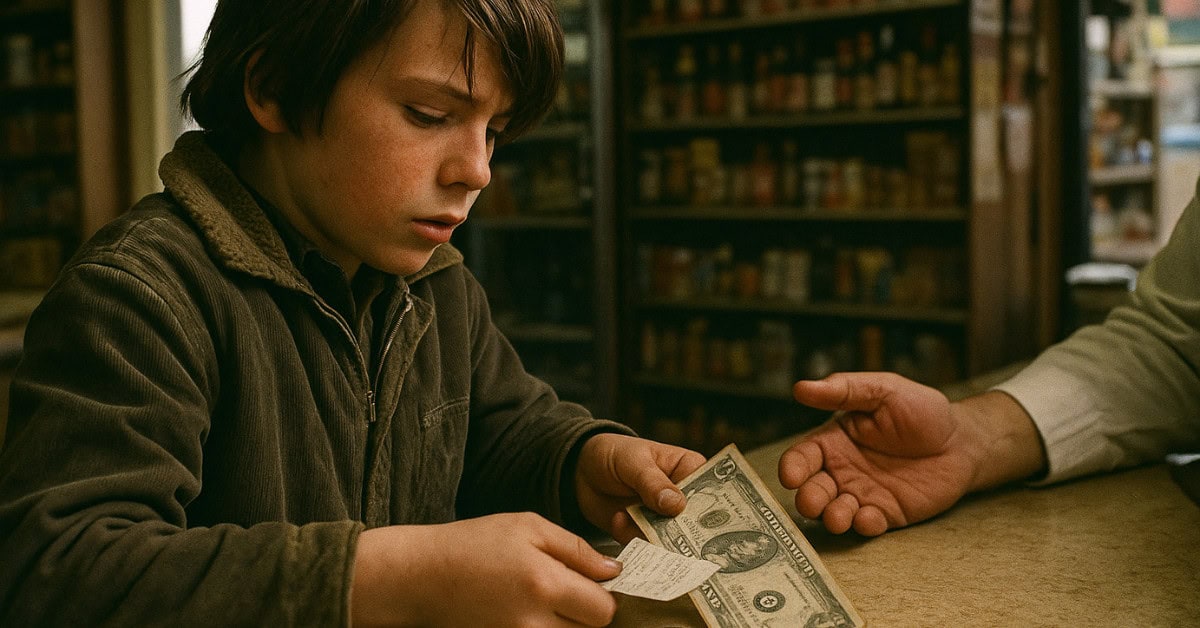
Parents would send us to the store with a note and cash to buy groceries, medicine, or even cigarettes. We’d handle money, interact with shopkeepers, and navigate town independently. This responsibility taught us basic economics, social skills, and trustworthiness at a young age.
5. Making Our Own Entertainment

Without screens or organized activities, we created our own fun. Cardboard boxes became spaceships, empty lots transformed into baseball fields, and stick collections turned into armies. This unstructured play developed creativity, problem-solving skills, and the ability to entertain ourselves without constant stimulation.
6. Handling Real Tools

We used power tools, sharp implements, and dangerous equipment from a young age. After basic safety instruction, we were trusted to handle these tools responsibly. This early exposure taught us respect for dangerous objects and confidence in our abilities to handle them safely.
7. Cooking Full Meals
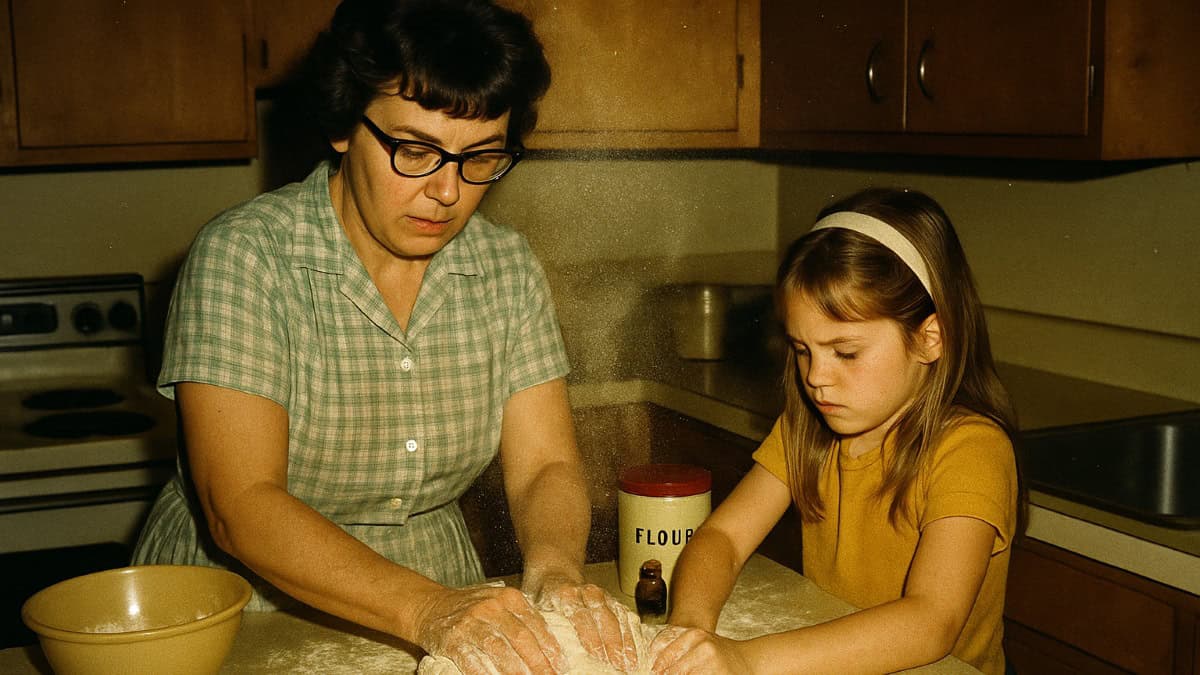
By age twelve, many of us could prepare complete meals using the stove and oven. We learned kitchen safety, recipe following, and meal planning through hands-on experience. This independence in the kitchen developed practical skills and confidence in our abilities.
8. Exploring Abandoned Places
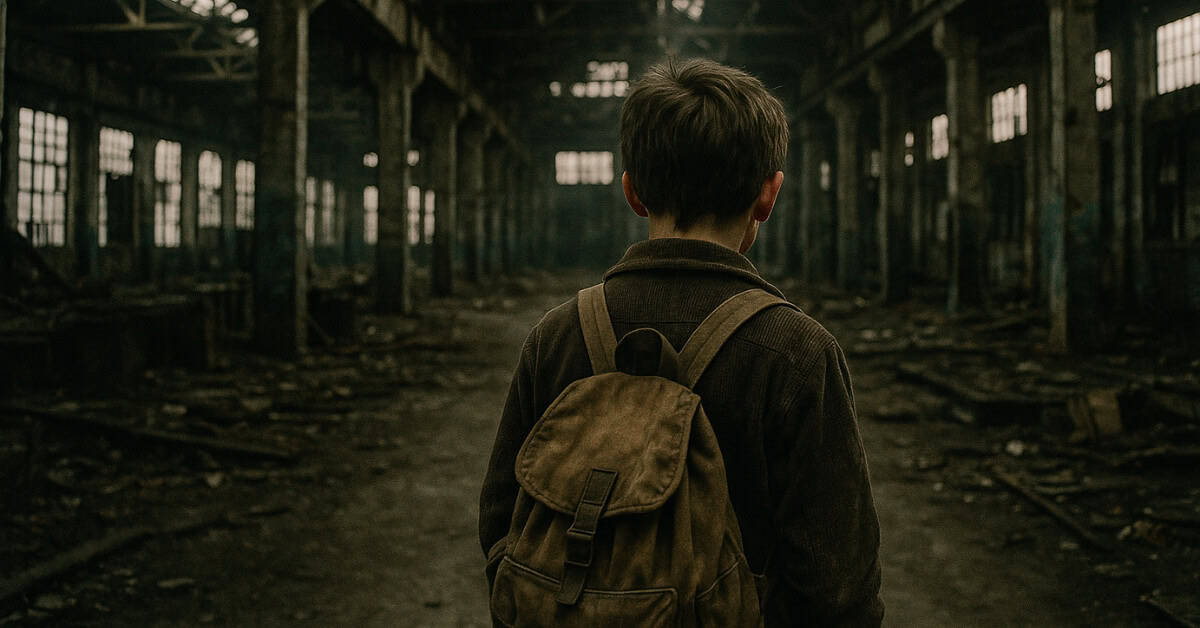
Old buildings, construction sites, and vacant lots were our adventure playgrounds. We explored these places without fear, learning to assess risks and navigate uncertain environments. These unauthorized expeditions taught us caution, judgment, and risk assessment.
9. Managing Money Young

Paper routes, odd jobs, and allowances taught us money management early. We learned to budget, save, and make financial decisions independently. This early financial responsibility developed practical math skills and understanding of value.
10. First Aid Self-Management

Minor injuries were handled without adult intervention. We cleaned our own cuts, bandaged scrapes, and knew when something actually required medical attention. This self-reliance taught us basic medical care and developed good judgment about injury severity.
11. Operating Farm Equipment
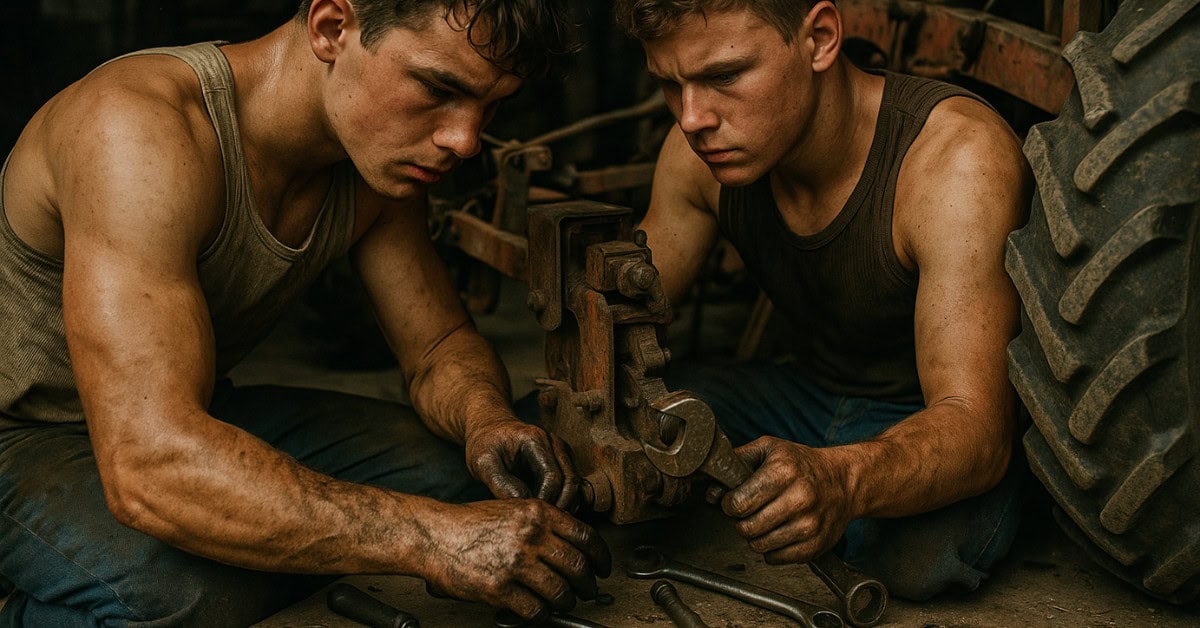
Many of us learned to drive tractors and operate farm machinery before we could drive cars. This early responsibility required focus, mechanical understanding, and maturity. Working with dangerous equipment taught us respect for power and the importance of concentration.
12. Long-Distance Bike Adventures
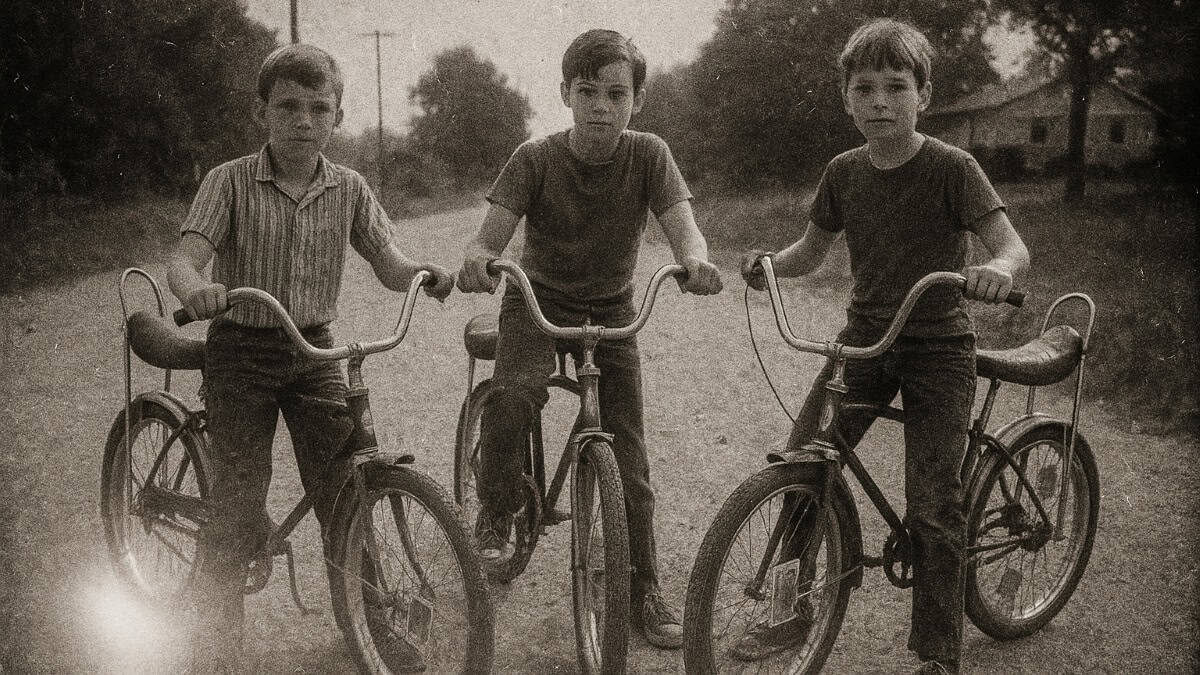
We’d take day-long bike trips without cell phones or GPS. Armed with basic knowledge of the area and maybe a candy bar, we’d explore for miles. These adventures taught us navigation skills, self-reliance, and the confidence to handle unexpected situations.