Remember when TV families made everything look so easy? Back in the ’60s and ’70s, these picture-perfect clans solved all their problems in 30 minutes, lived in impossibly beautiful homes on single incomes, and never seemed to have real-world troubles. While we loved these shows (and still do), let’s take a nostalgic look at some of television’s most unrealistic families that somehow captured our hearts despite – or maybe because of – their departure from reality.
Table of Contents
- 1 1. The Brady Bunch (1969-1974)
- 2 2. The Partridge Family (1970-1974)
- 3 3. The Munsters (1964-1966)
- 4 4. The Addams Family (1964-1966)
- 5 5. The Waltons (1972-1981)
- 6 6. Bewitched (1964-1972)
- 7 7. My Three Sons (1960-1972)
- 8 8. Family Affair (1966-1971)
- 9 9. The Beverly Hillbillies (1962-1971)
- 10 10. The Flying Nun (1967-1970)
- 11 11. I Dream of Jeannie (1965-1970)
- 12 12. The Courtship of Eddie’s Father (1969-1972)
1. The Brady Bunch (1969-1974)
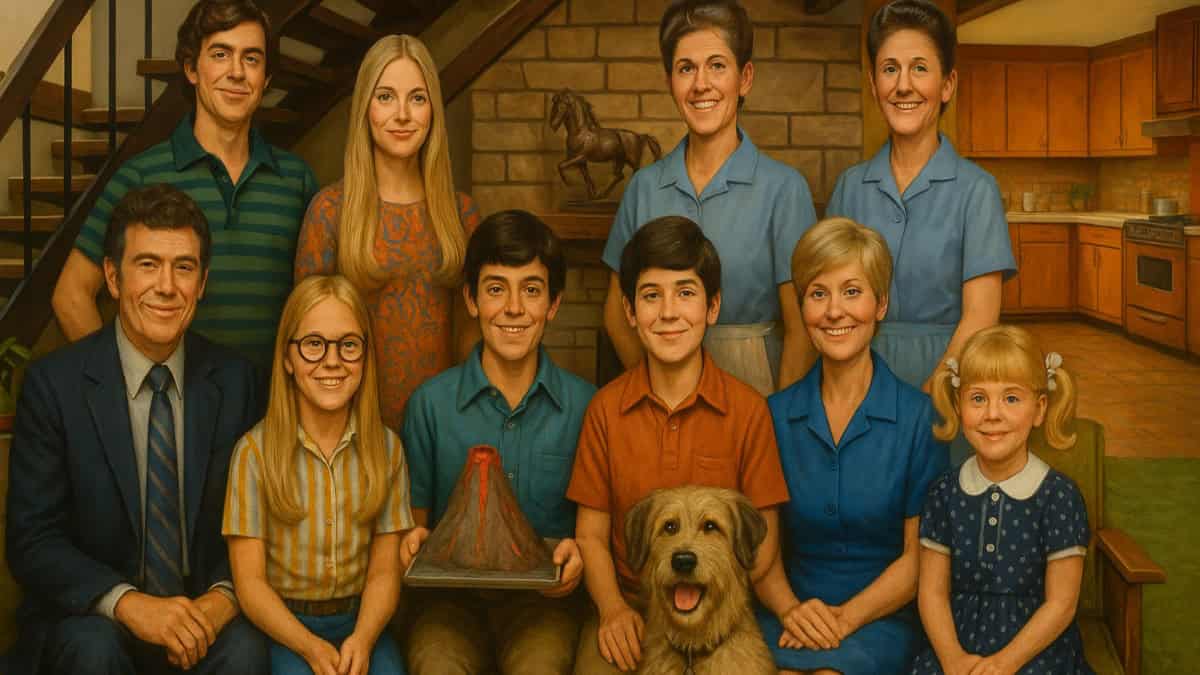
A blended family with six kids sharing one bathroom, yet nobody ever fought over mirror time? And how did Alice afford to live on a housekeeper’s salary while wearing a fresh uniform daily? The Brady house became an iconic symbol of ’70s architecture, but let’s be honest – no real architect dad could afford that place on a single income while supporting eight dependents.
Save for later
Want to come back to this story? Save it with your email so it is easy to find again.
2. The Partridge Family (1970-1974)
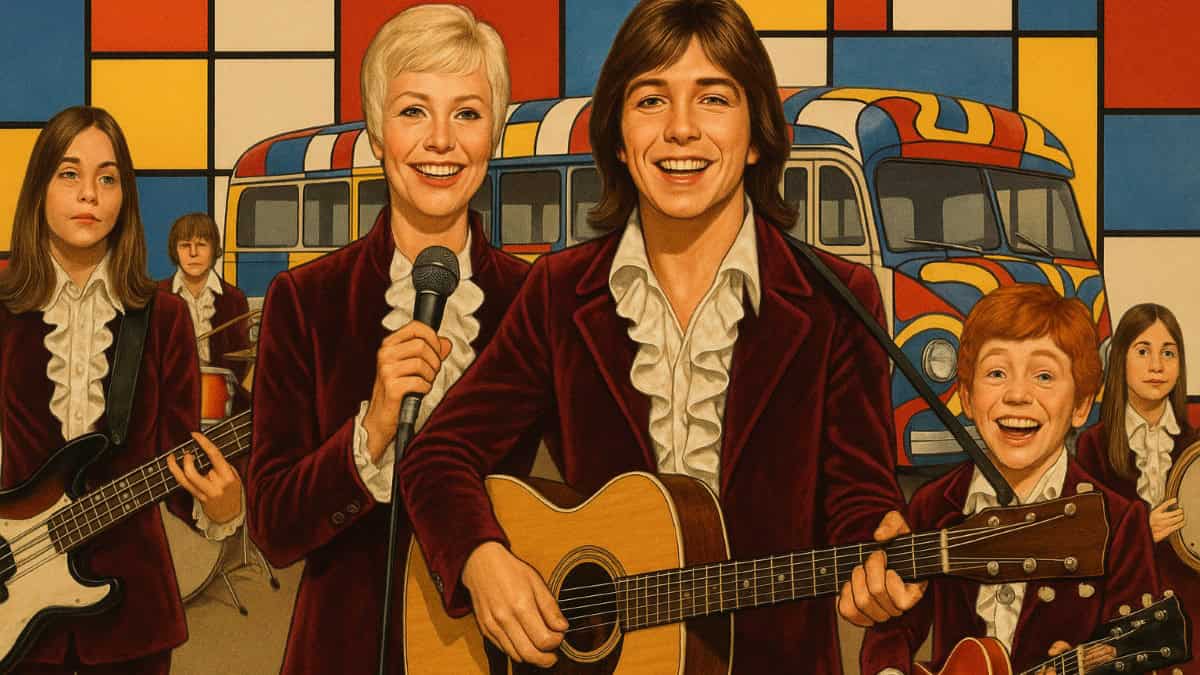
A widowed mother forms a successful pop band with her five kids, tours the country in a painted bus, and still maintains perfect hair and makeup? The show never addressed the reality of schooling on the road or the complexities of child labor laws. Those harmonies were incredible though, even if most of the cast weren’t actually singing.
3. The Munsters (1964-1966)
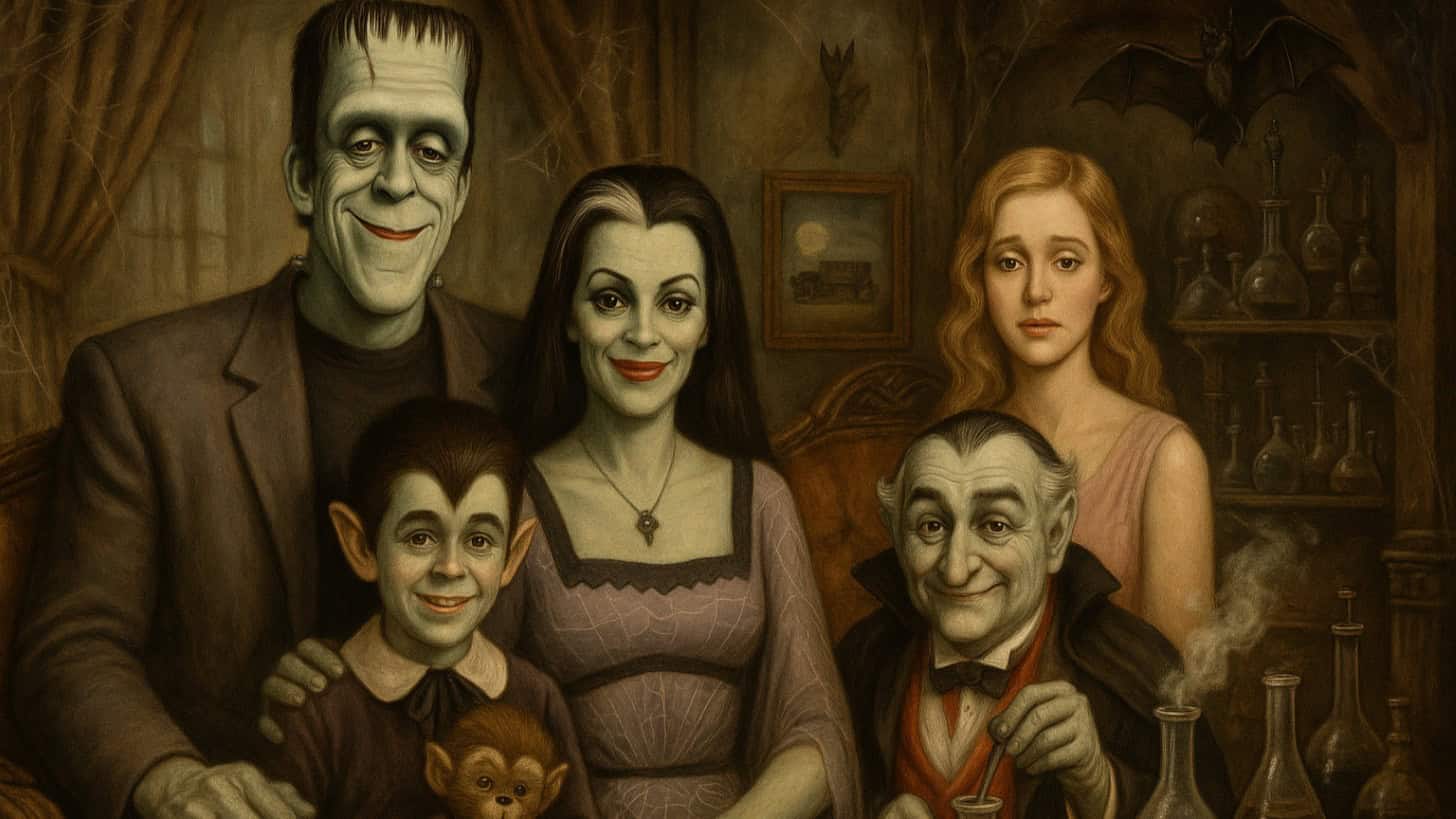
A family of monsters living in suburban bliss, completely oblivious to their uniqueness? Herman held down a steady job at a funeral parlor despite being, well, obviously Frankenstein’s monster. The show cleverly inverted reality by making the conventionally beautiful Marilyn the family oddball, but the neighbors’ lack of reaction to a family of monsters next door stretched credibility.
4. The Addams Family (1964-1966)
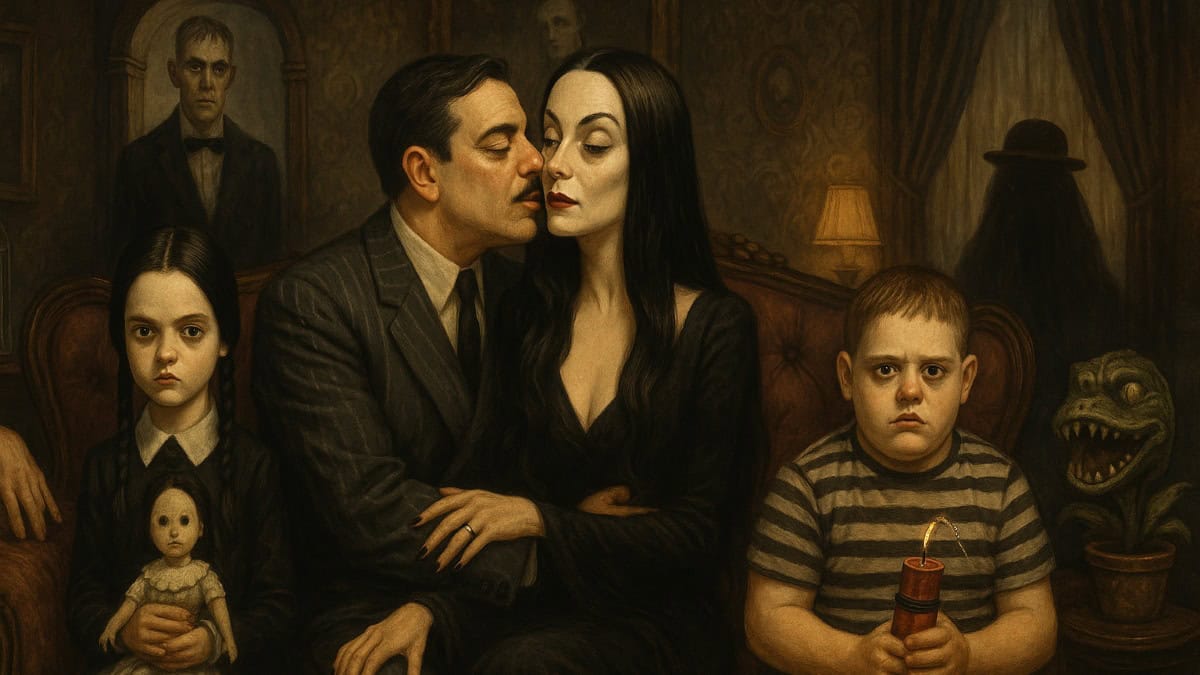
Speaking of supernatural families, the Addamses lived in a massive Victorian mansion filled with torture devices and man-eating plants, yet no one ever called Child Protective Services? Gomez somehow maintained their wealthy lifestyle despite spending most of his time playing with trains and fencing. At least their passionate marriage gave us relationship goals!
5. The Waltons (1972-1981)
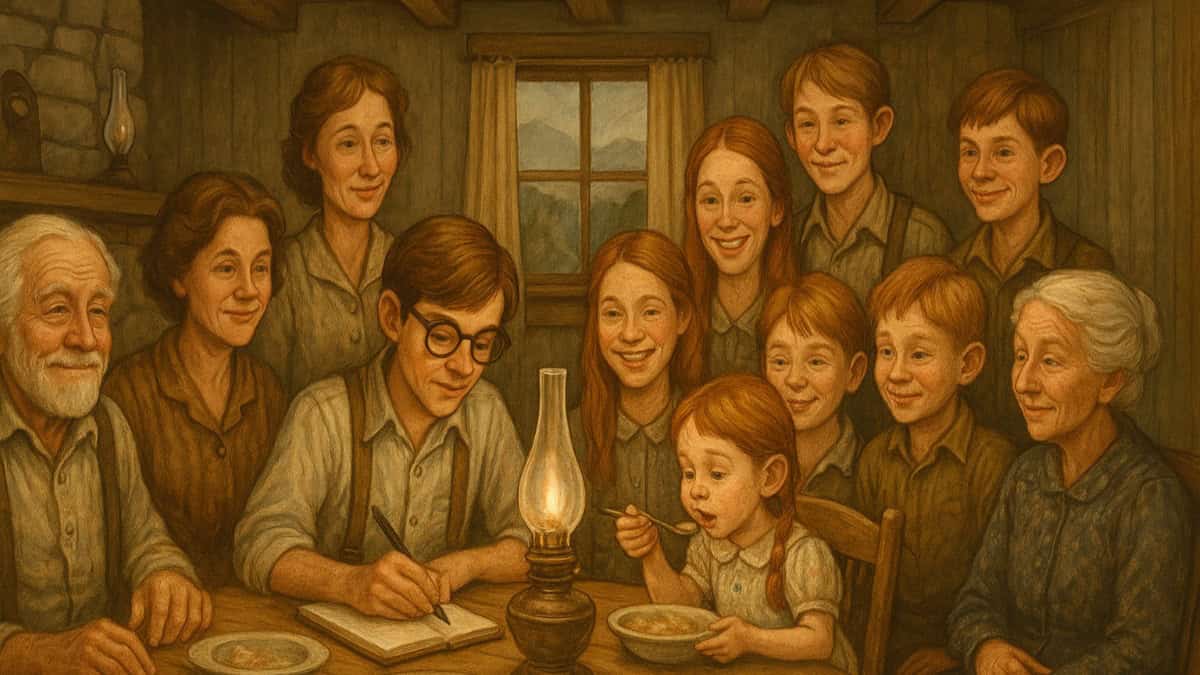
While meant to depict Depression-era hardship, this large family never seemed to face real hunger or privation. Everyone was unfailingly noble and good-hearted, with problems that wrapped up neatly by bedtime. Those famous “Goodnight” sequences became a national catchphrase, but real Depression-era families rarely had such peaceful endings to their days.
6. Bewitched (1964-1972)
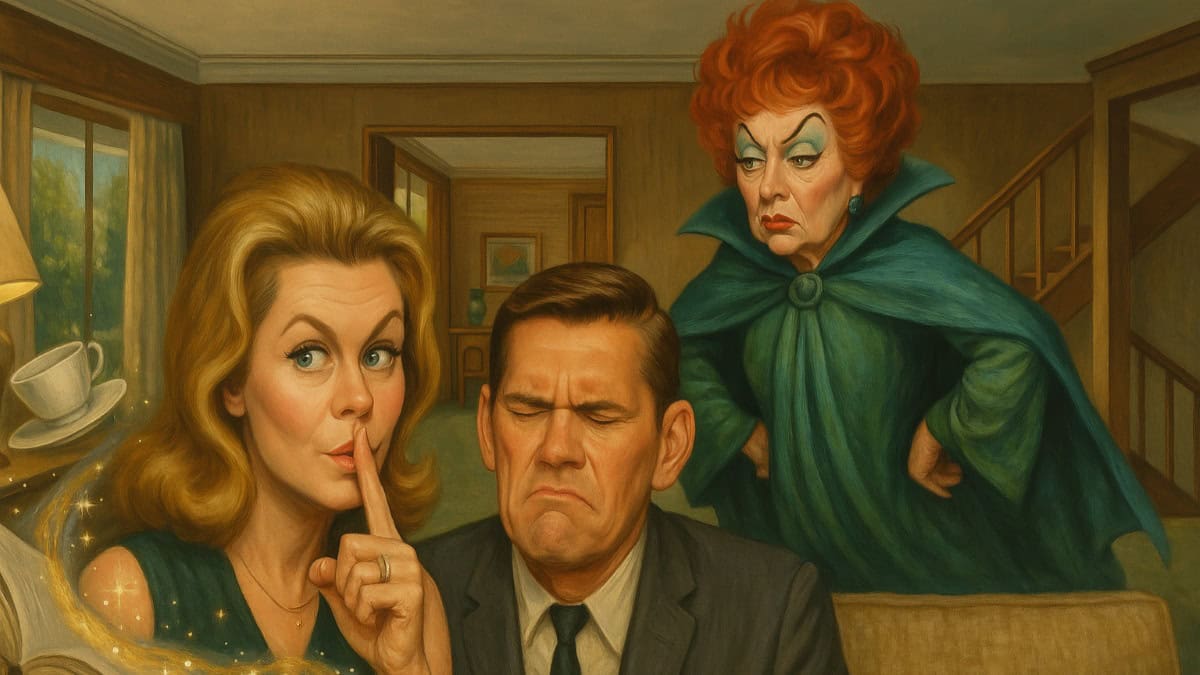
A powerful witch chooses to live as a suburban housewife, rarely using her powers because her husband’s ego can’t handle it? Samantha could have solved every problem with a twitch of her nose, but instead played along with mortal life. And how did Darrin keep his advertising job while constantly antagonizing his biggest client, Larry Tate?
7. My Three Sons (1960-1972)
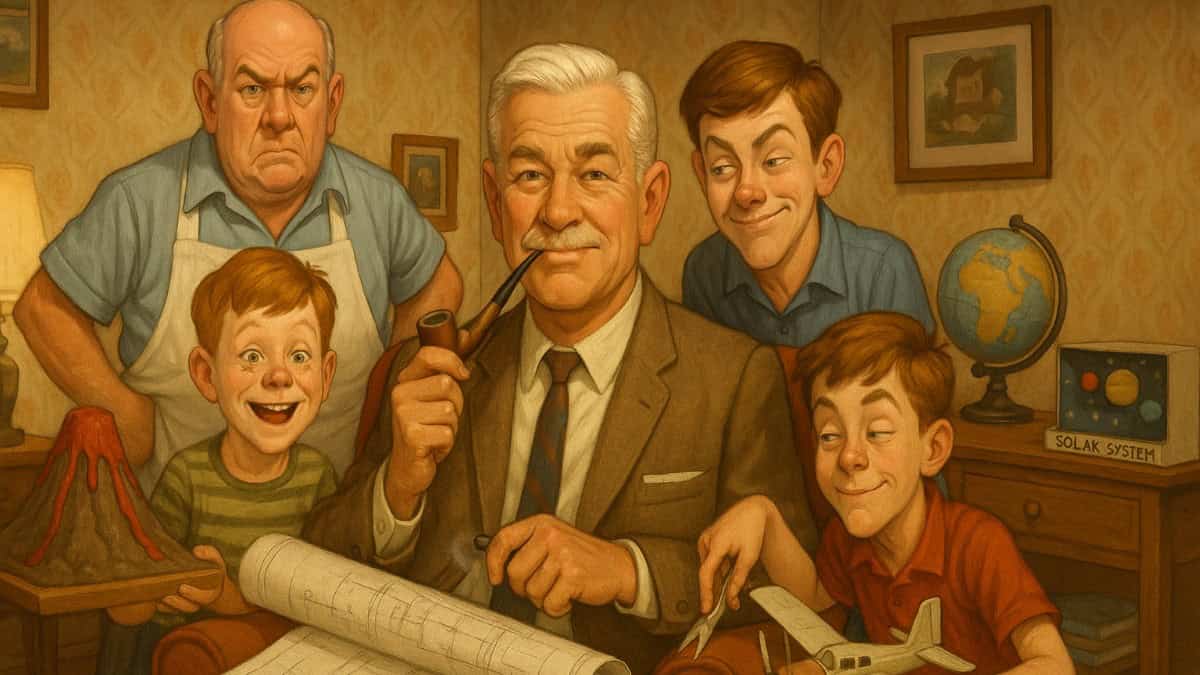
A widowed aeronautical engineer raises three boys with only an elderly grandfather (later replaced by an uncle) for help? Steve Douglas managed to balance a demanding career with single parenthood while maintaining perfect composure. The house was always spotless despite being filled with active boys, and dinner was somehow always on the table.
8. Family Affair (1966-1971)
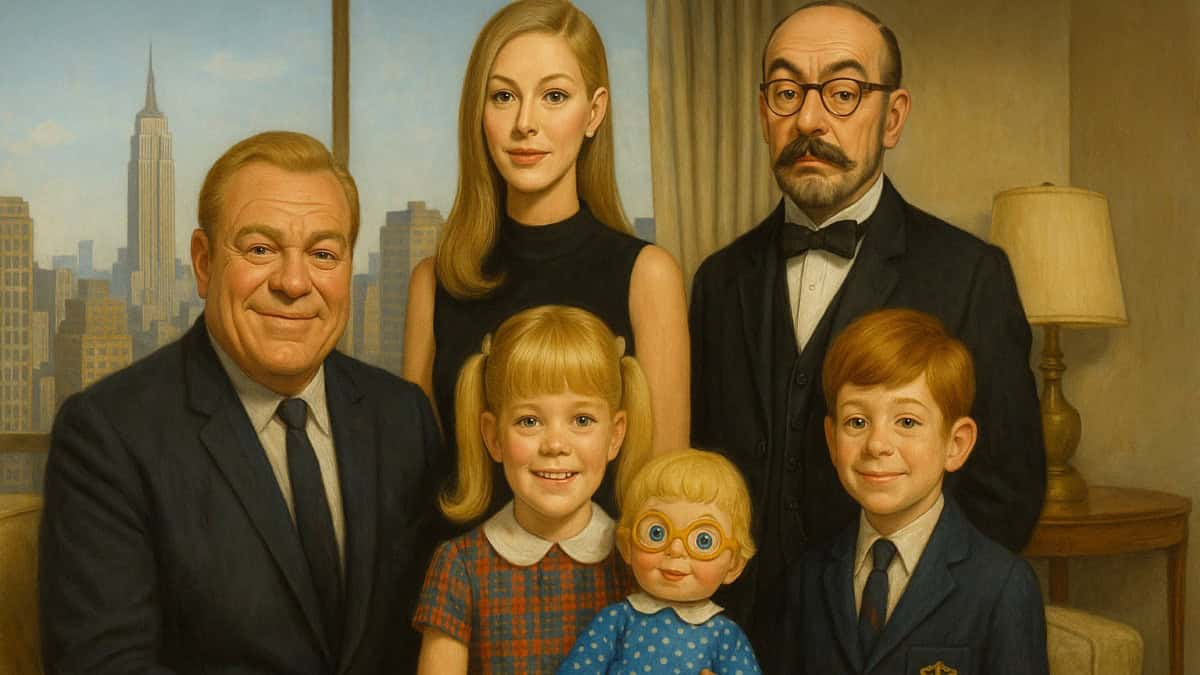
A bachelor engineer suddenly becomes guardian to his orphaned nieces and nephew, with only his British butler for support? The kids adjusted to New York high-rise living with minimal trauma, while Uncle Bill somehow managed his international engineering career around parent-teacher conferences. At least Mr. French’s occasional exasperation felt real!
9. The Beverly Hillbillies (1962-1971)
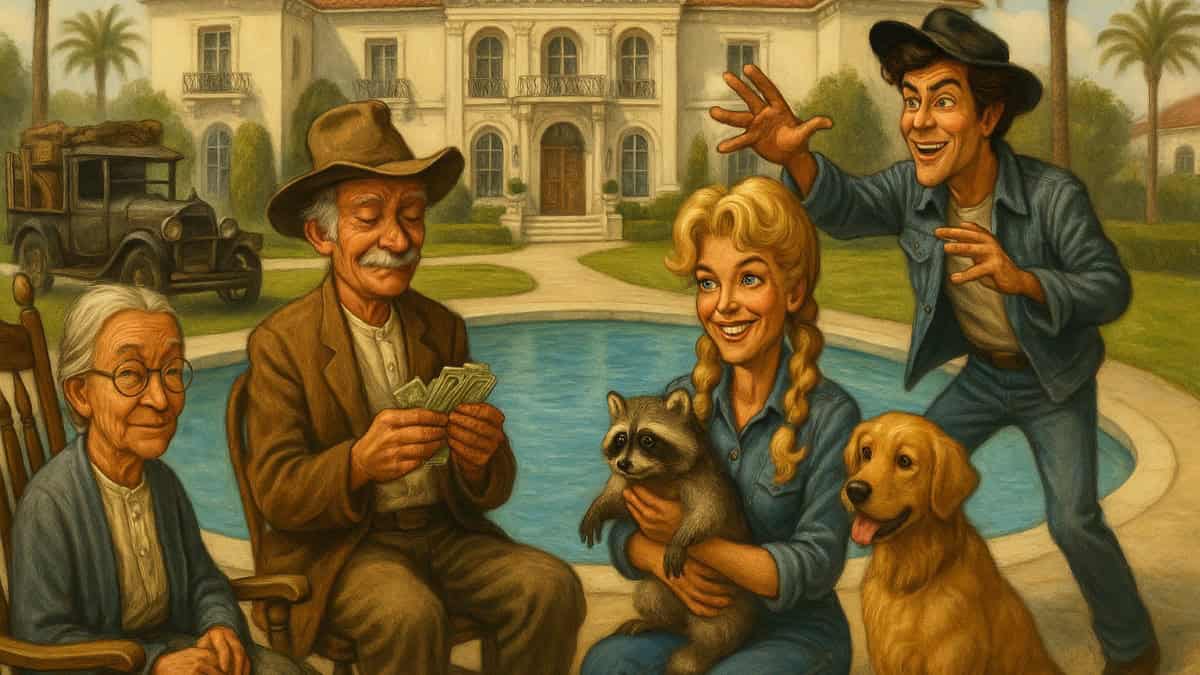
A family of mountaineers strikes oil and moves to Beverly Hills while maintaining their backwoods lifestyle in a mansion? The show played fast and loose with both hillbilly and wealthy stereotypes. Granny’s moonshine and medicine show antics would have had social services knocking, while their financial advisor Mr. Drysdale would have been fired for his antics.
10. The Flying Nun (1967-1970)
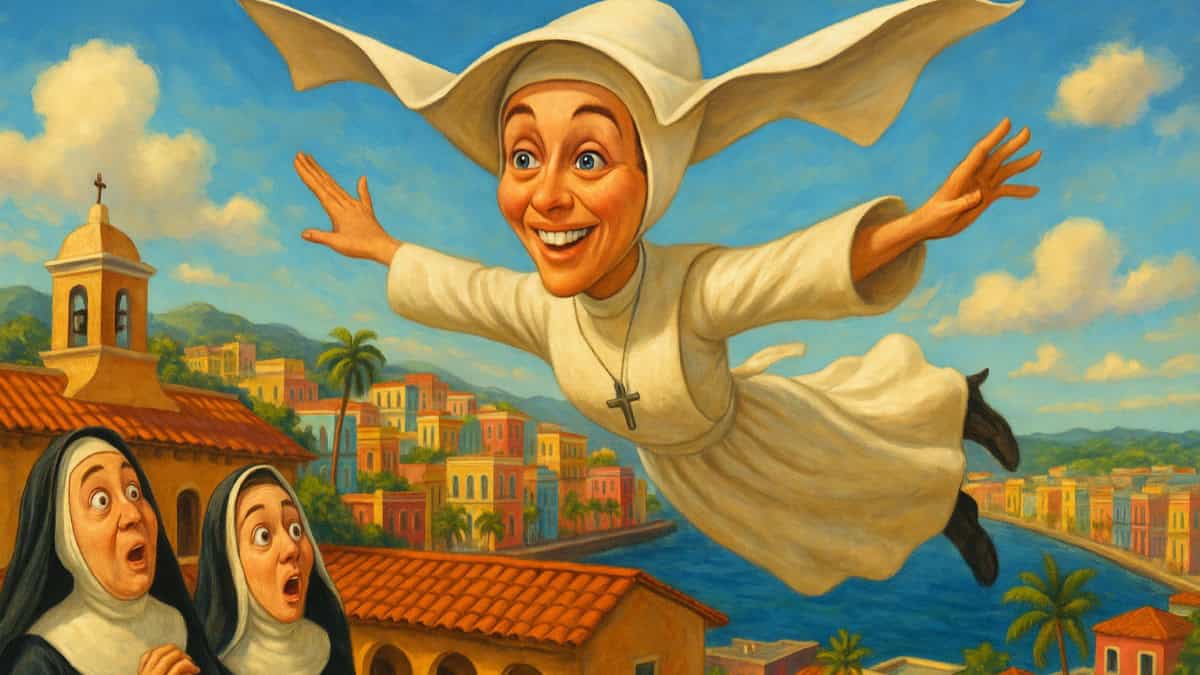
While not strictly a family show, this convent family stretched credibility to new heights. A 90-pound nun whose cornette allowed her to fly in Puerto Rico’s trade winds? Sister Bertrille’s aeronautical adventures would have had the Vatican investigating, yet the local community barely blinked at their flying nun.
11. I Dream of Jeannie (1965-1970)
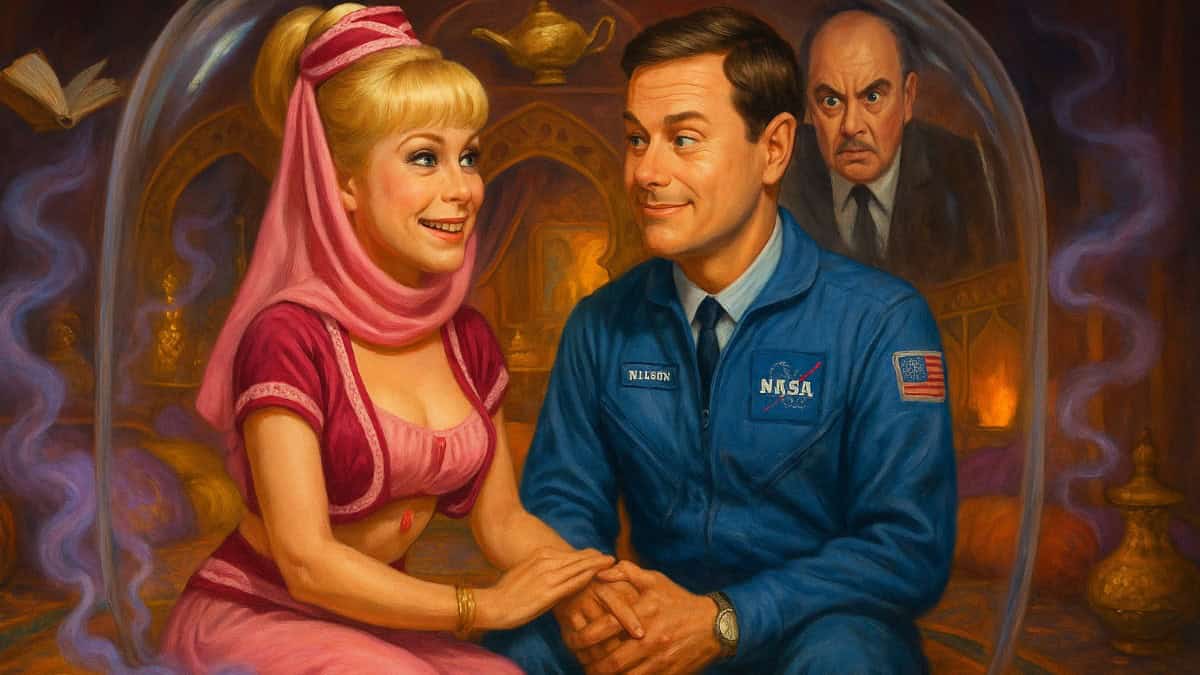
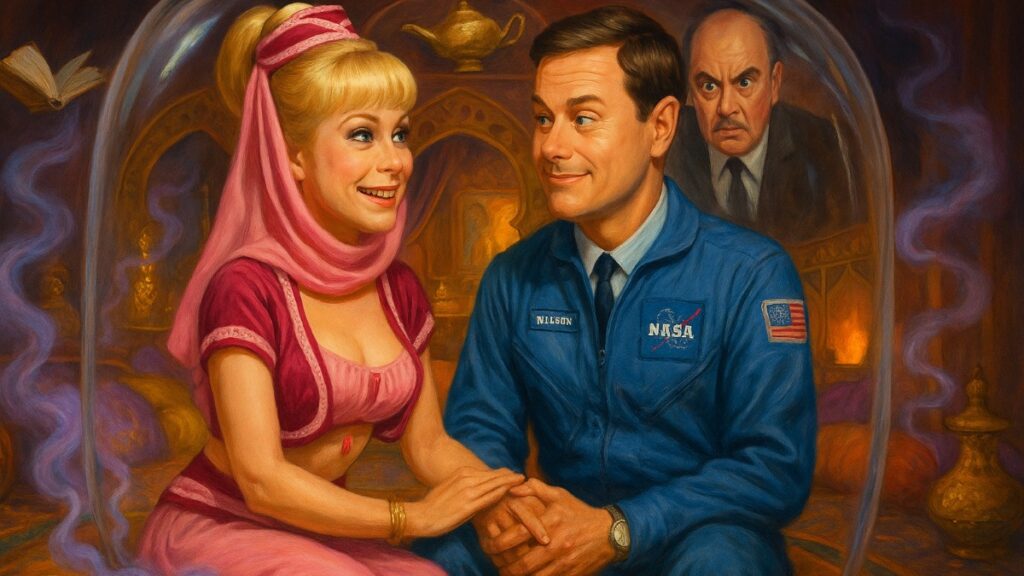
An astronaut finds a genie who becomes his secret wife, yet NASA never noticed anything unusual? Major Nelson maintained his security clearance despite unexplainable events constantly occurring around him. The show never addressed the problematic power dynamics of literally owning your romantic partner, even if she did have magical powers.
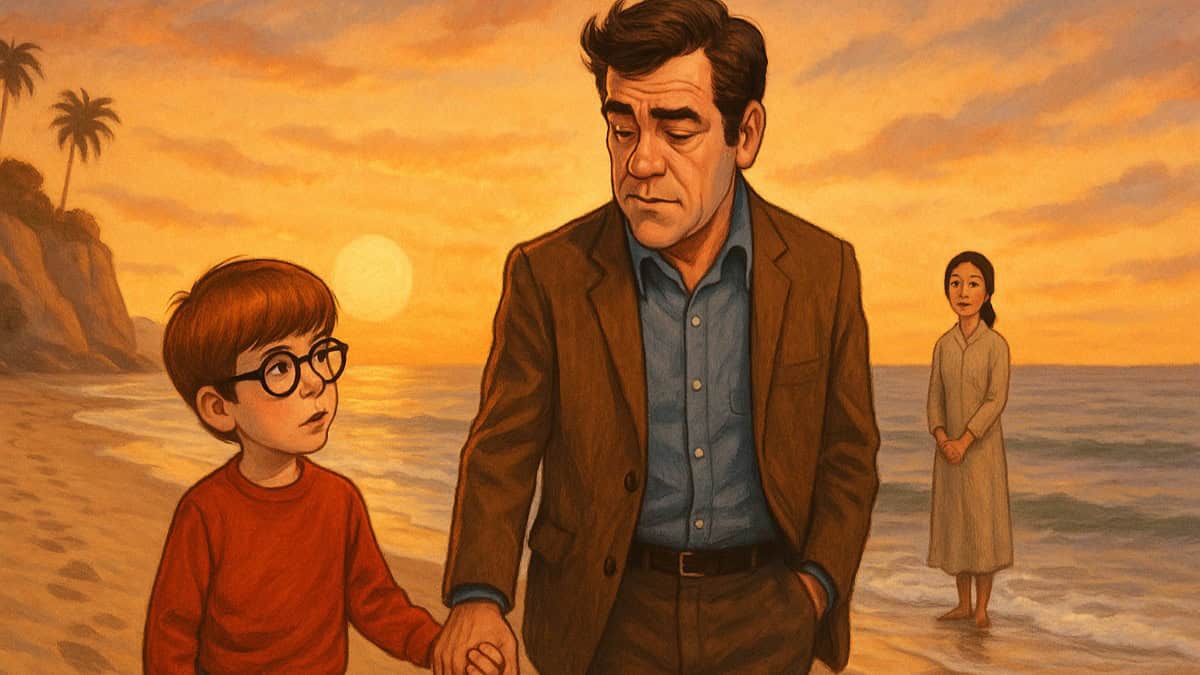
12. The Courtship of Eddie’s Father (1969-1972)
Another single-parent scenario where magazine publisher Tom Corbett raises his young son with the help of their wise housekeeper, Mrs. Livingston. While more thoughtful than many shows of its era, it still portrayed single parenthood as a charming adventure rather than the challenging juggling act it really was. At least the father-son conversations felt genuinely sweet.