The 1980s were a wild time for television, with shows that pushed boundaries in ways that would never fly today. It was a time when we could turn on the tube without worrying about political correctness or social media backlash. Let’s take a nostalgic look at some series that, for better or worse, were products of their time—shows that would probably never make it past the pilot stage in today’s more conscientious entertainment landscape.
Table of Contents
- 1 1. Married… with Children (1987-1997)
- 2 2. Small Wonder (1985-1989)
- 3 3. Three’s Company (1977-1984)
- 4 4. The Dukes of Hazzard (1979-1985)
- 5 5. Perfect Strangers (1986-1993)
- 6 6. Webster (1983-1989)
- 7 7. Love Boat (1977-1986)
- 8 8. Diff’rent Strokes (1978-1986)
- 9 9. Gimme a Break! (1981-1987)
- 10 10. Out of This World (1987-1991)
- 11 11. ALF (1986-1990)
- 12 12. Silver Spoons (1982-1987)
1. Married… with Children (1987-1997)

This sitcom’s bread and butter was politically incorrect humor, fat-shaming jokes, and sexist stereotypes. While groundbreaking for its time in challenging the perfect family sitcom formula, its treatment of women, body-shaming humor, and casual misogyny would face immediate cancellation today. The show’s entire premise relied on jokes that would be considered offensive by modern standards.
Save for later
Want to come back to this story? Save it with your email so it is easy to find again.
2. Small Wonder (1985-1989)
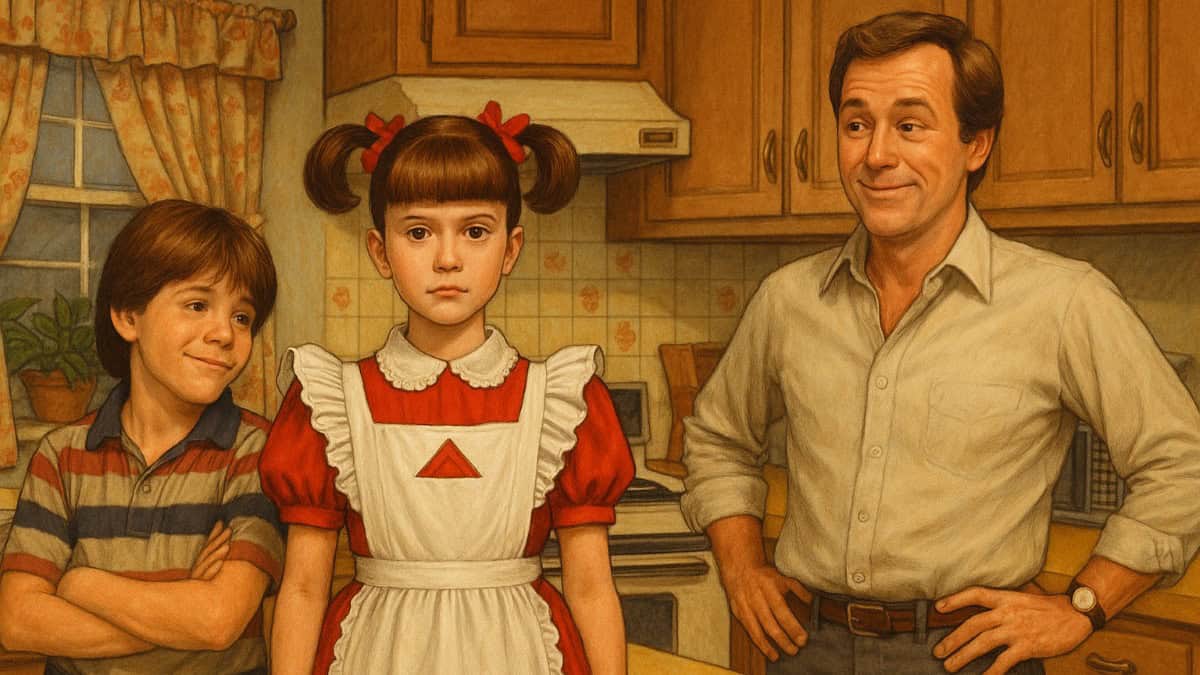
A show about a family passing off a robot girl as their daughter, complete with uncomfortable implications about child labor and servitude. The series often placed V.I.C.I., the robot child, in situations that would be considered inappropriate or exploitative by today’s standards. The whole concept of a “servant robot” in a child’s form would raise serious ethical questions today.
3. Three’s Company (1977-1984)
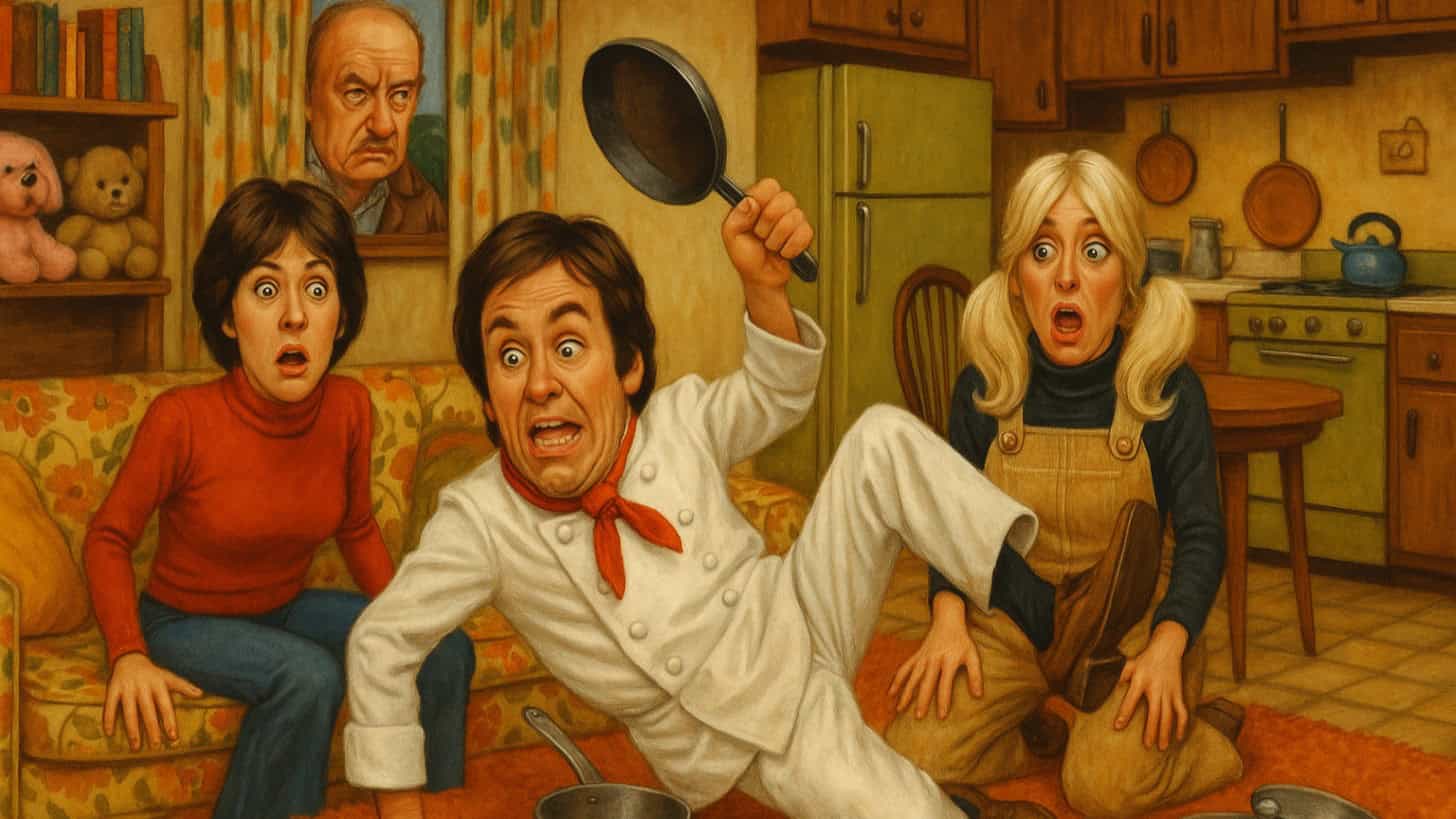
While technically starting in the late ’70s, this show ran well into the ’80s with plots heavily relying on homophobic humor and sexual misunderstandings. The entire premise—a man pretending to be gay to live with two women—would be considered problematic today. The show’s treatment of LGBT themes and constant sexual innuendos would face serious criticism in modern times.
4. The Dukes of Hazzard (1979-1985)
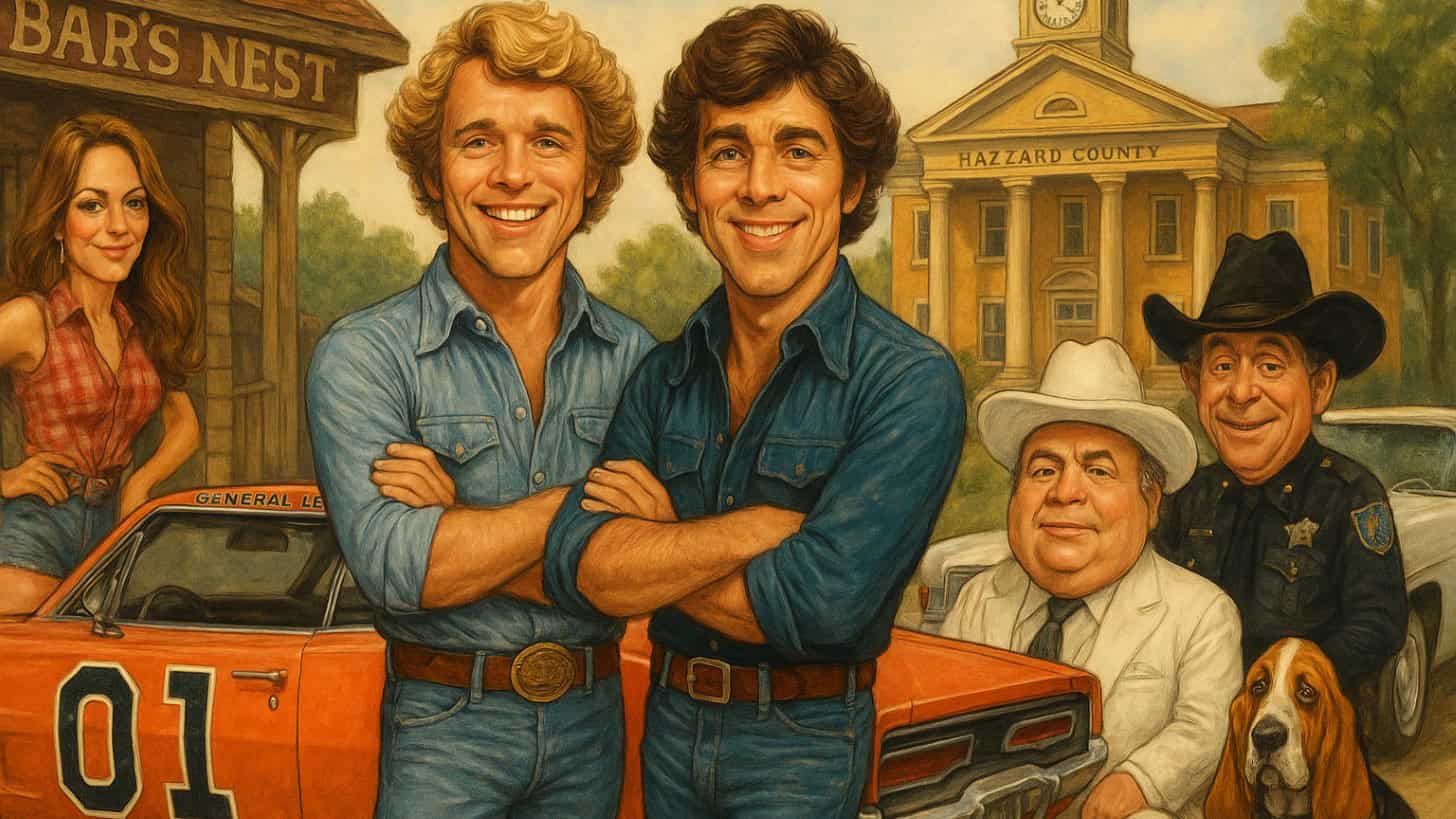
With its Confederate flag-adorned General Lee car and stereotypical Southern characterizations, this show would face immediate backlash today. The casual use of Confederate imagery, combined with the often sexist portrayal of Daisy Duke and stereotypical depictions of Southern culture, would make this show impossible to produce in modern times.
5. Perfect Strangers (1986-1993)

The show’s premise centered around poking fun at a foreign character’s cultural misunderstandings and accent. Balki’s exaggerated Mediterranean stereotypes and the show’s constant jokes about his “backward” homeland would be considered xenophobic by today’s standards. The fish-out-of-water comedy relied heavily on cultural stereotypes that wouldn’t be acceptable now.
6. Webster (1983-1989)

While groundbreaking for its time in featuring an interracial family, the show often sidestepped serious discussions about race and adoption. The “magical Negro child” trope and the oversimplification of transracial adoption would face much more scrutiny today. The show’s handling of complex social issues would be considered too superficial by modern standards.
7. Love Boat (1977-1986)
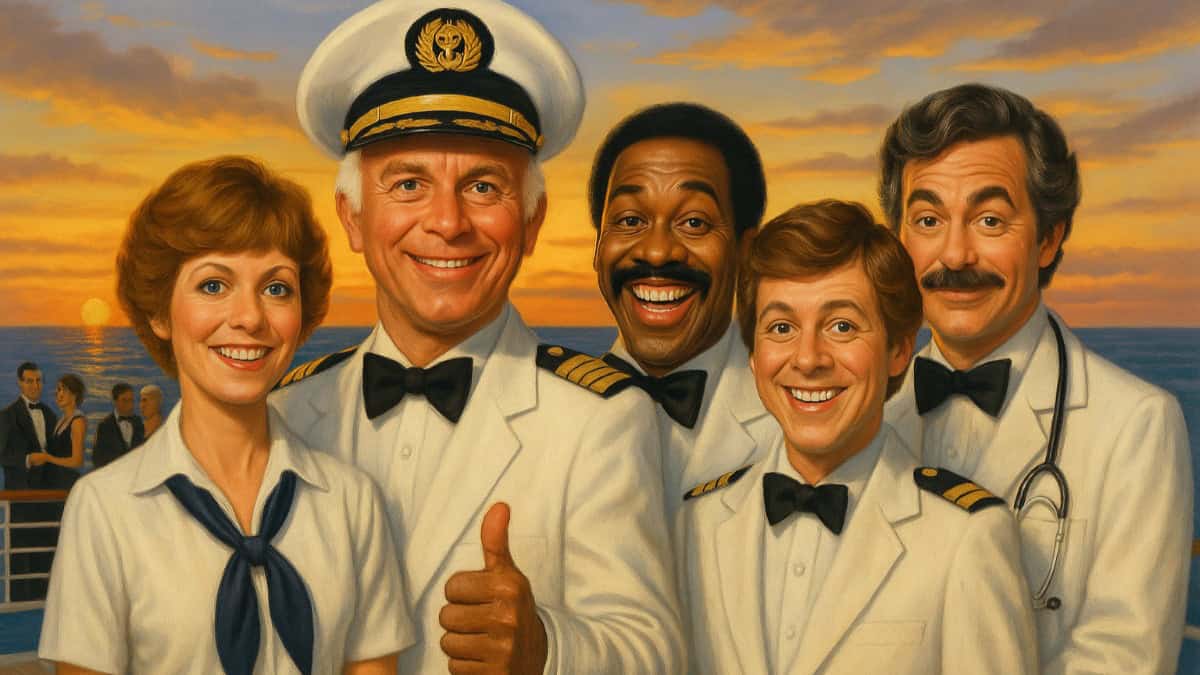
This show’s casual treatment of sexual harassment, workplace relationships, and consent would raise red flags today. The constant romantic pursuits by crew members of passengers, plus the show’s stereotypical depictions of foreign ports and cultures, would be problematic by current standards. The power dynamics between crew and passengers would face particular scrutiny.
8. Diff’rent Strokes (1978-1986)

Despite its good intentions, the show often relied on racial stereotypes and oversimplified solutions to complex social issues. The “white savior” narrative and the way it handled serious topics like racism and poverty would be considered problematic today. The catchphrases and characterizations would face significant criticism in a modern context.
9. Gimme a Break! (1981-1987)
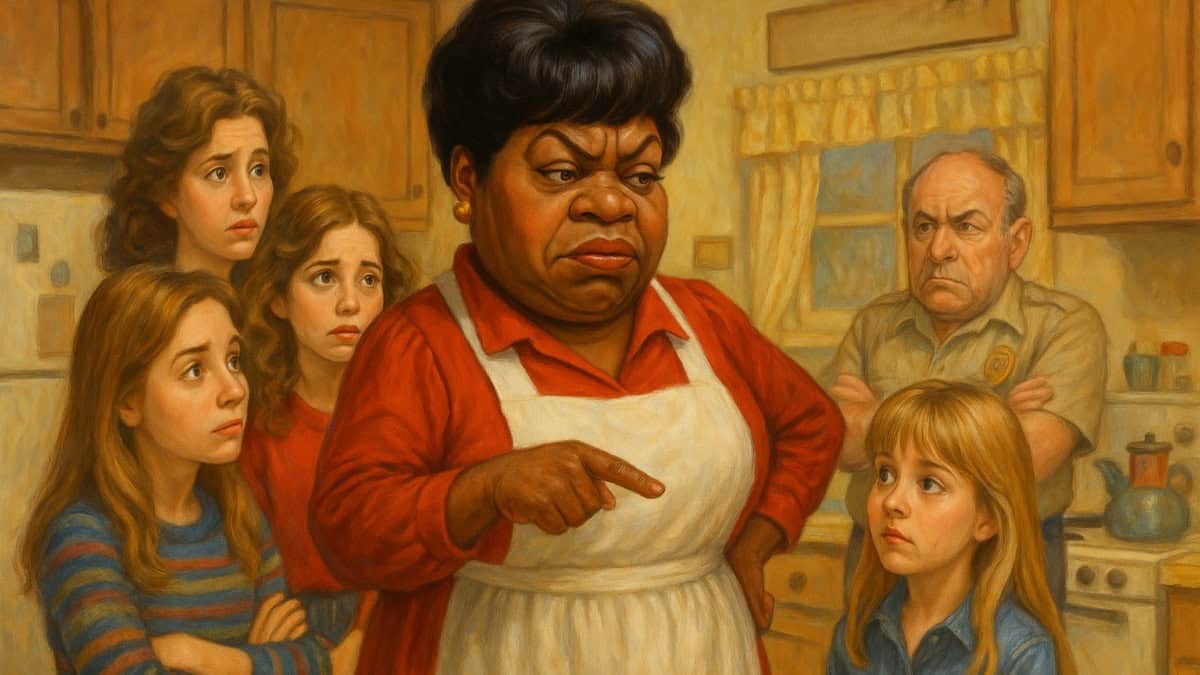
Another show that, while progressive for its time, relied heavily on racial stereotypes and the “mammy” trope. The premise of a Black housekeeper raising white children would face intense scrutiny today, despite Nell Carter’s fantastic performance. The show’s handling of race relations would be considered oversimplified by modern standards.
10. Out of This World (1987-1991)
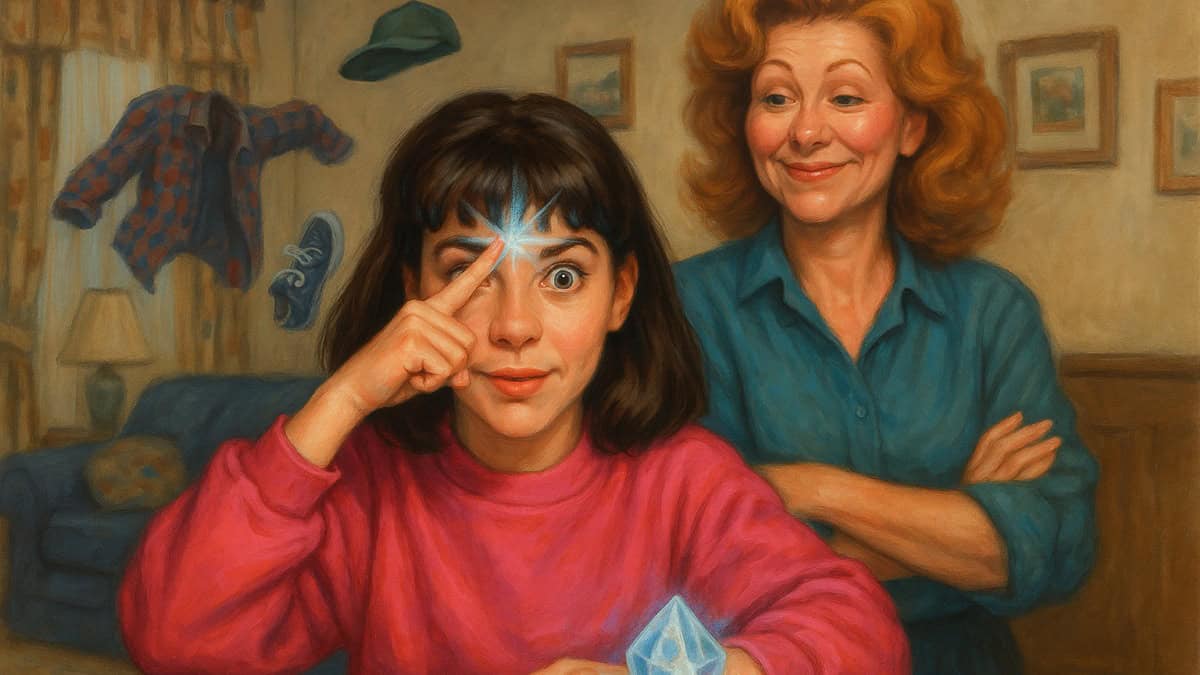
A show about a teenage girl with alien powers might seem innocent, but its treatment of gender roles and family dynamics would raise eyebrows today. The absent father being literally from another planet, and the show’s handling of teenage issues through supernatural solutions, would be considered too simplistic for modern audiences.
11. ALF (1986-1990)
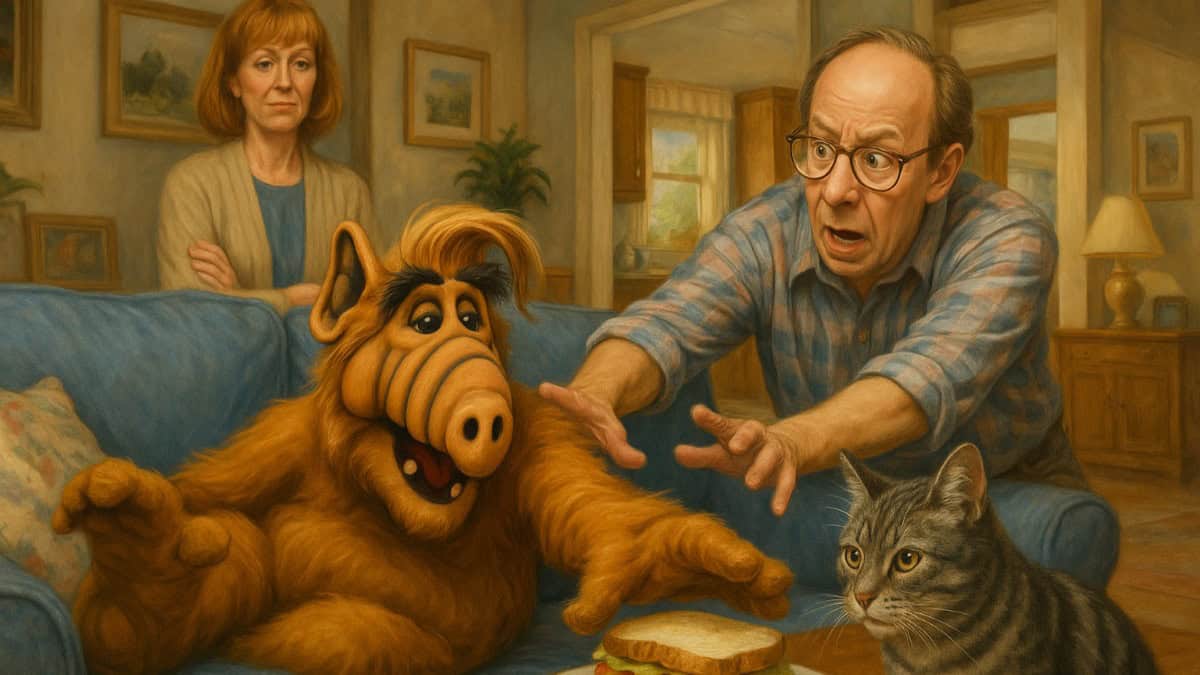
While beloved by many, ALF’s constant jokes about eating cats and his often mean-spirited humor would face criticism today. The show’s casual treatment of animal cruelty (even in jest) and ALF’s sometimes inappropriate comments would likely not pass modern standards. Behind-the-scenes treatment of the puppet work would also raise concerns today.
12. Silver Spoons (1982-1987)

This show is about a wealthy father and his son living in a mansion full of toys, glorifying extreme wealth and privilege in ways that would seem tone-deaf today. The show’s casual treatment of wealth inequality and its sometimes superficial handling of serious issues would face criticism in our more socially conscious times.