School rules in the 1960s reflected a different era of education and social expectations. What seemed perfectly reasonable then might shock today’s parents and students. From dress codes to discipline policies, these regulations shaped our school experience in ways that modern educators would find puzzling, if not outright concerning. Let’s look back at some school rules that made perfect sense at the time but seem bizarre by today’s standards.
Table of Contents
- 1 1. Left-Handed Writing Restrictions
- 2 2. Girls Required to Wear Skirts in Winter
- 3 3. Smoking Areas for Students
- 4 4. Mandatory Shower After Gym
- 5 5. Ruler-Measured Skirt Lengths
- 6 6. Paddling as Punishment
- 7 7. Boys’ Hair Length Checks
- 8 8. Girls Banned from Wearing Pants
- 9 9. Segregated Entrances
- 10 10. No Makeup Policy
- 11 11. Duck and Cover Drills
- 12 12. Mandatory Prayer Time
- 13 13. Gender-Separated Classes
- 14 14. Posture Classes for Girls
- 15 15. Handwriting Grade Penalties
- 16 16. Milk Monitor Duty
- 17 17. Standing When Adults Enter
1. Left-Handed Writing Restrictions
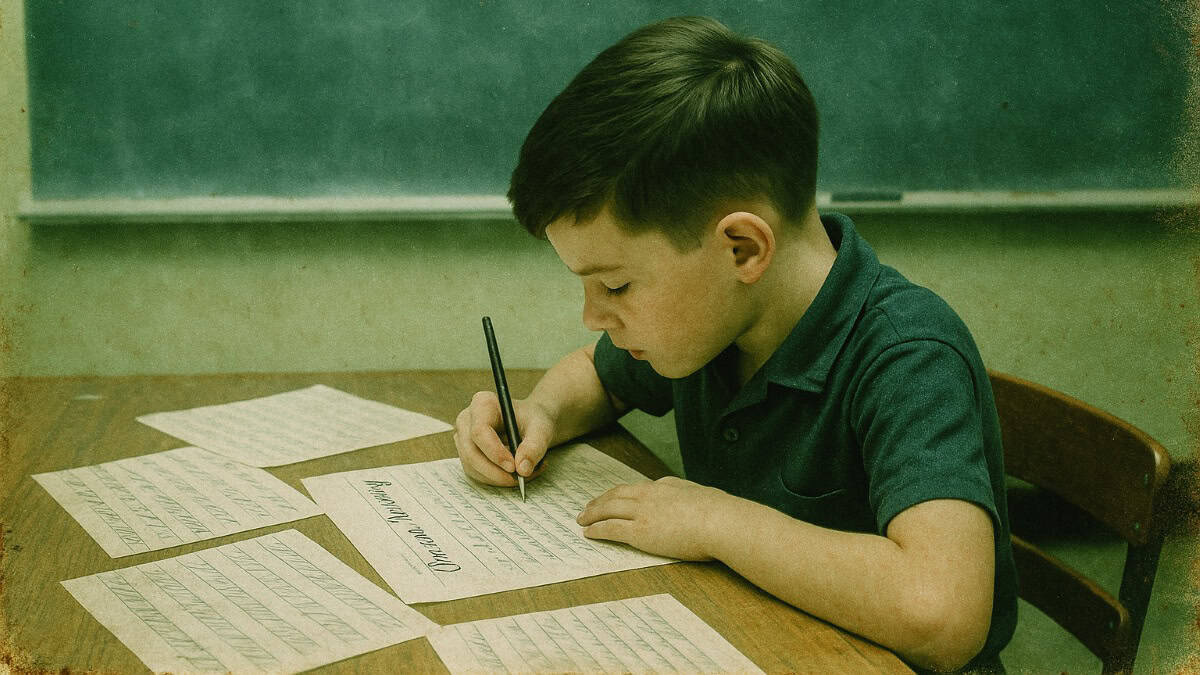
Teachers actively discouraged or prohibited left-handed writing, often tying the left hand down or using rulers to enforce right-handed penmanship. This practice was considered helpful for students’ future success, as left-handedness was viewed as a correctable habit rather than a natural trait.
Save for later
Want to come back to this story? Save it with your email so it is easy to find again.
2. Girls Required to Wear Skirts in Winter

Even in freezing temperatures, girls had to wear skirts or dresses to school. Snow pants or warm leggings were allowed for the walk to school but had to be removed immediately upon arrival. This rule remained steadfast despite obvious discomfort and impracticality.
3. Smoking Areas for Students

Many high schools had designated smoking areas where students could legally smoke during breaks. Parent permission slips were often required, and these areas were usually supervised by teachers who might join the students for a cigarette between classes.
4. Mandatory Shower After Gym
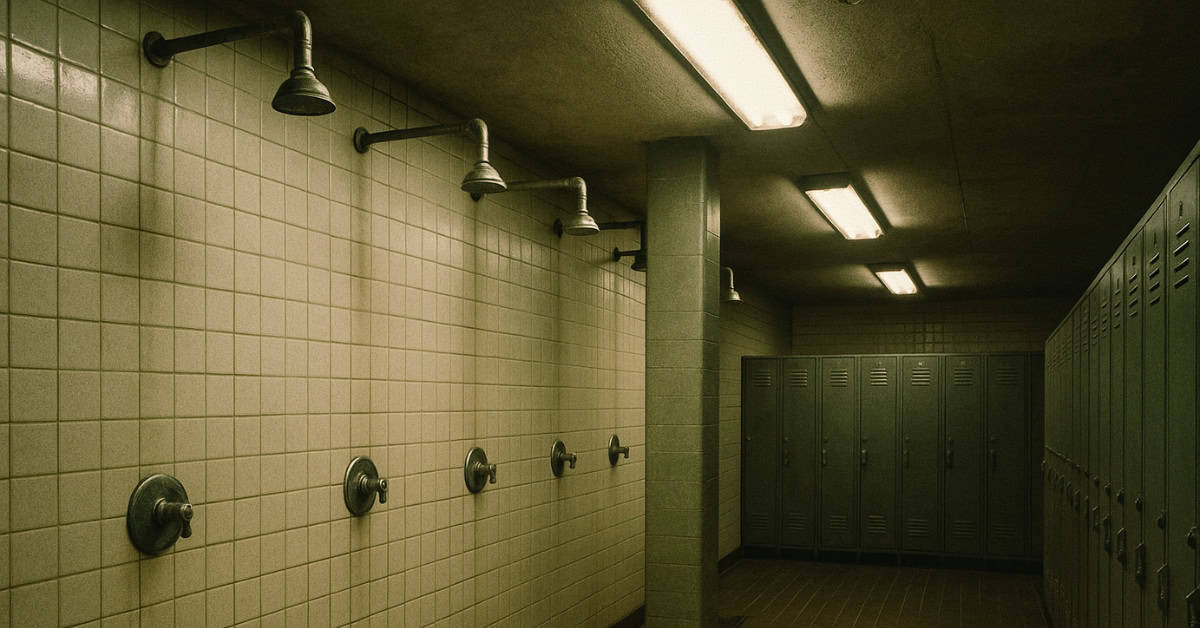
Group showers after physical education were mandatory, with teachers taking attendance to ensure compliance. No exceptions were made for modesty or personal preference. Students who refused could receive failing grades or detention, as hygiene was considered part of the curriculum.
5. Ruler-Measured Skirt Lengths
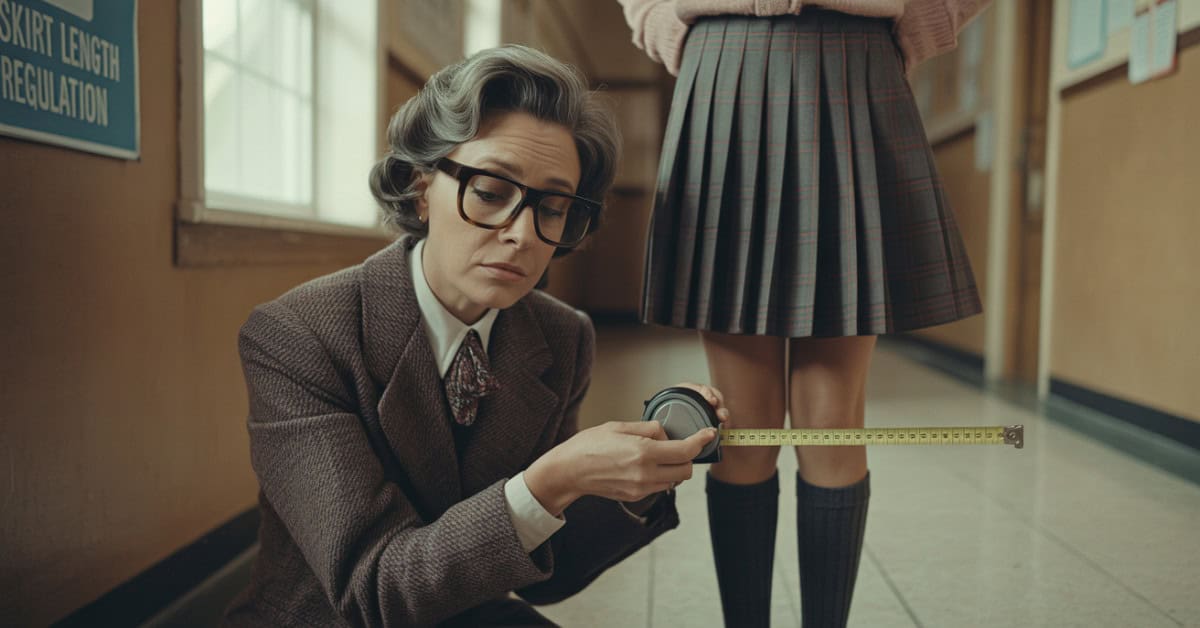
Girls had to kneel while teachers measured their skirt lengths with rulers. The rule was strict: skirts had to touch the floor when kneeling. Those found in violation were sent home to change or given safety pins to lower their hems.
6. Paddling as Punishment

Corporal punishment was not only allowed but expected. Principals kept paddles in their offices, and parental permission wasn’t always required. Some schools even had specific rules about paddle size and the number of swats allowed.
7. Boys’ Hair Length Checks
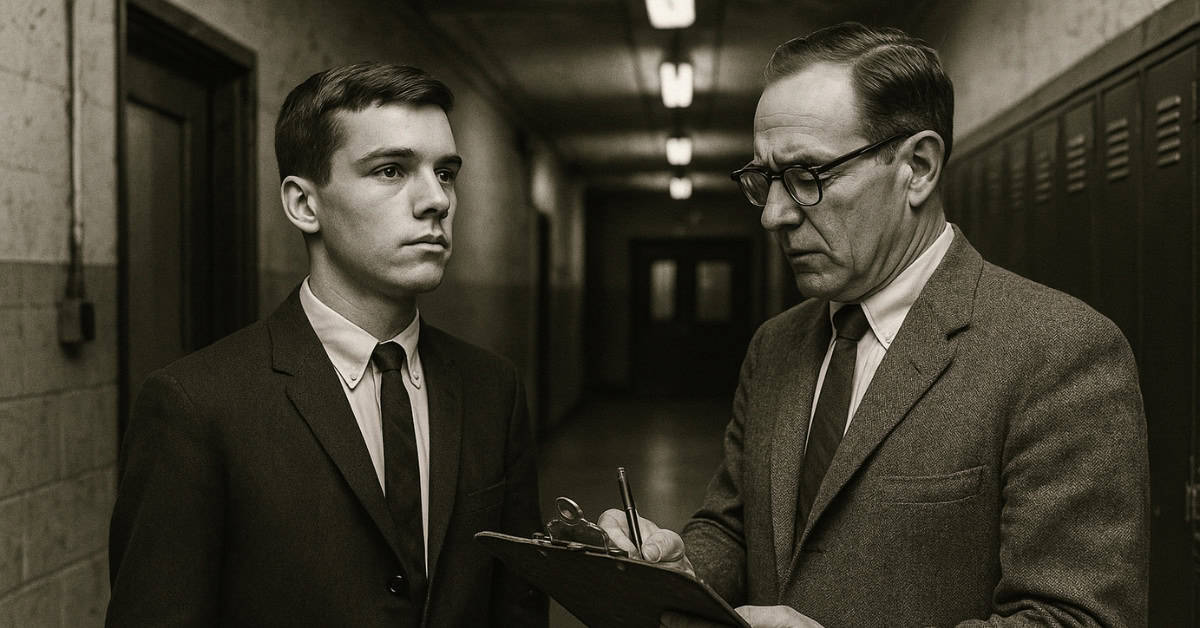
Hair couldn’t touch shirt collars or ears. Administrators kept rulers and scissors handy for measuring and emergency trims. Boys with long hair were sent home until they got proper haircuts, as Beatles-style locks were considered disruptive.
8. Girls Banned from Wearing Pants
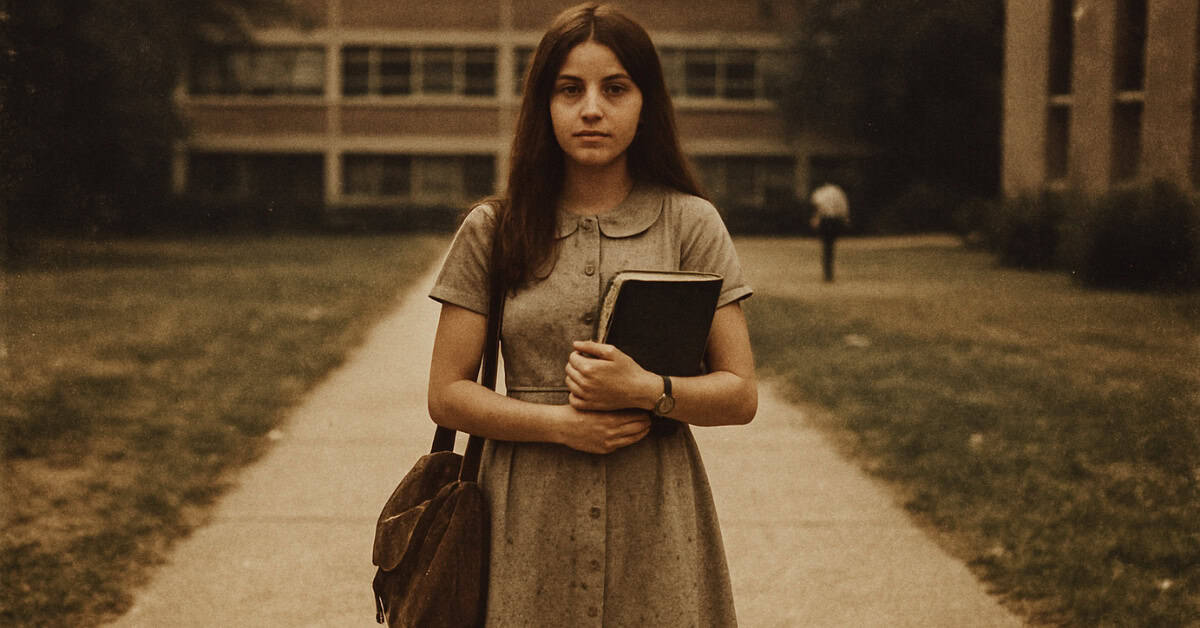
Pants were strictly forbidden for girls, regardless of weather or activity. Even for field trips or outdoor events, dresses were mandatory. The only exception might be underdress pants for warmth, which had to be removed upon entering the building.
9. Segregated Entrances

Many schools had separate entrances for boys and girls, with strict enforcement. Using the wrong entrance could result in detention. These gender-separated spaces extended to separate stairs and hallways in some buildings.
10. No Makeup Policy

Girls caught wearing any makeup, including clear nail polish, were sent to wash their faces immediately. Teachers kept cold cream and tissues ready for enforcement. Multiple violations could result in suspension.
11. Duck and Cover Drills
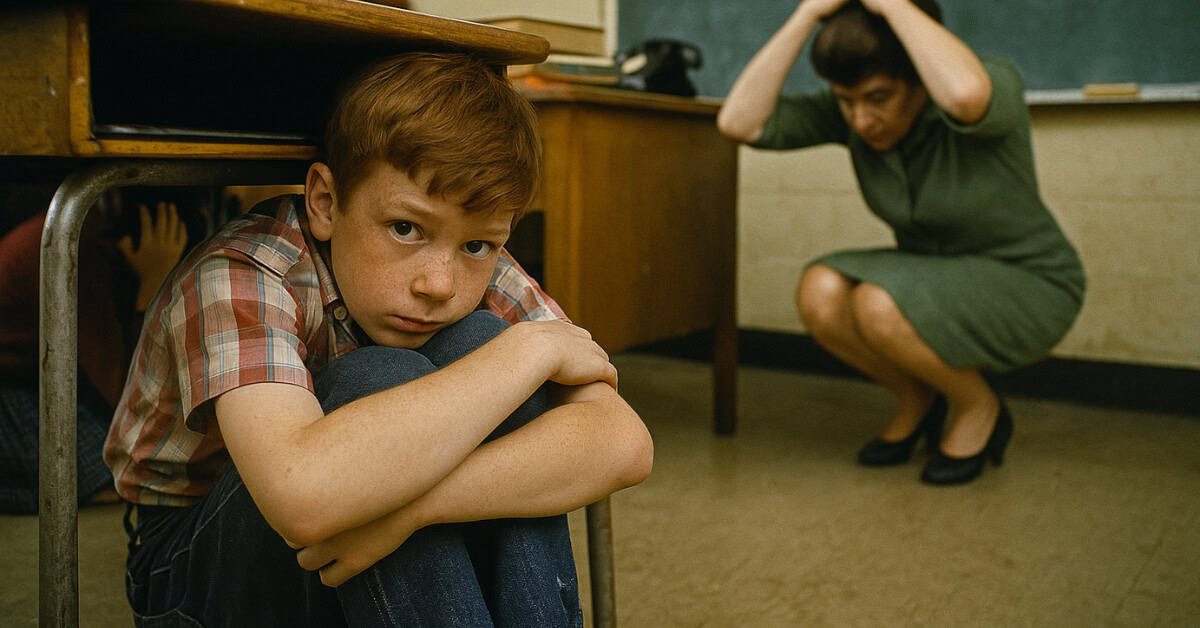
Regular atomic bomb drills required students to hide under desks or in hallways. These were conducted with complete seriousness, and students were graded on their participation and speed. The idea that a wooden desk could protect from nuclear fallout seemed perfectly logical then.
12. Mandatory Prayer Time

Many public schools started each day with Bible readings and prayer. Students were expected to participate regardless of their religious beliefs. Those who didn’t participate could face disciplinary action or social ostracism.
13. Gender-Separated Classes
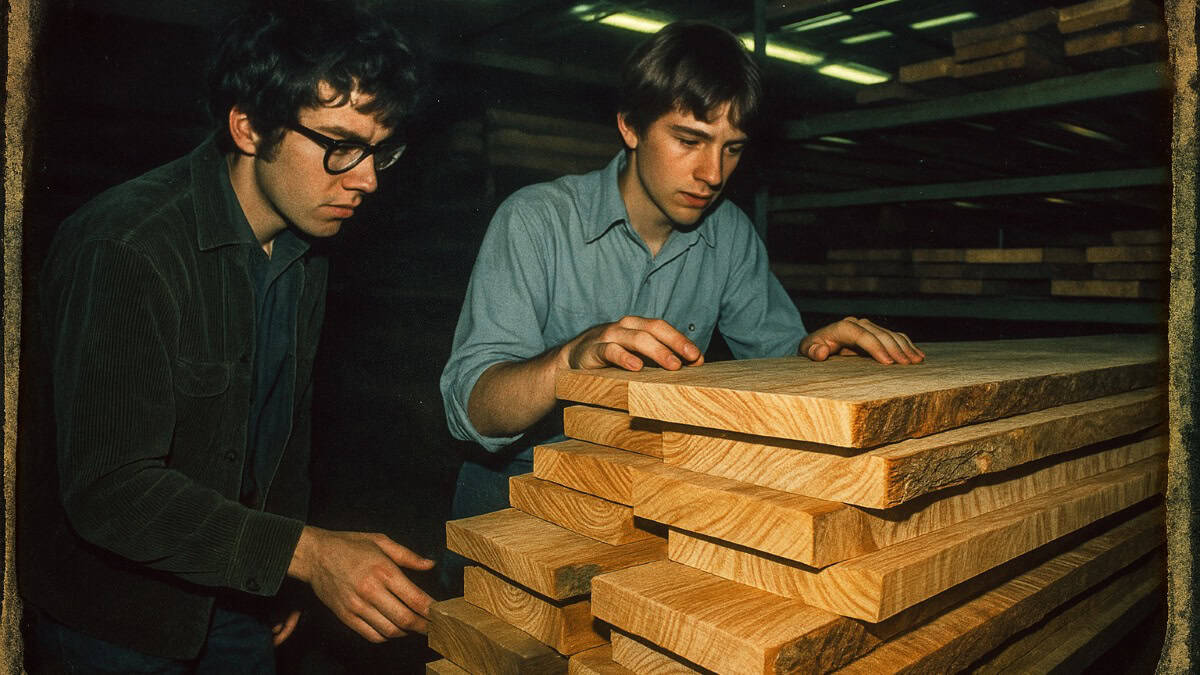
Certain classes were strictly gender-segregated. Girls took home economics while boys took shop class, with no exceptions allowed. The idea of a boy learning to cook or a girl learning woodworking was considered inappropriate.
14. Posture Classes for Girls
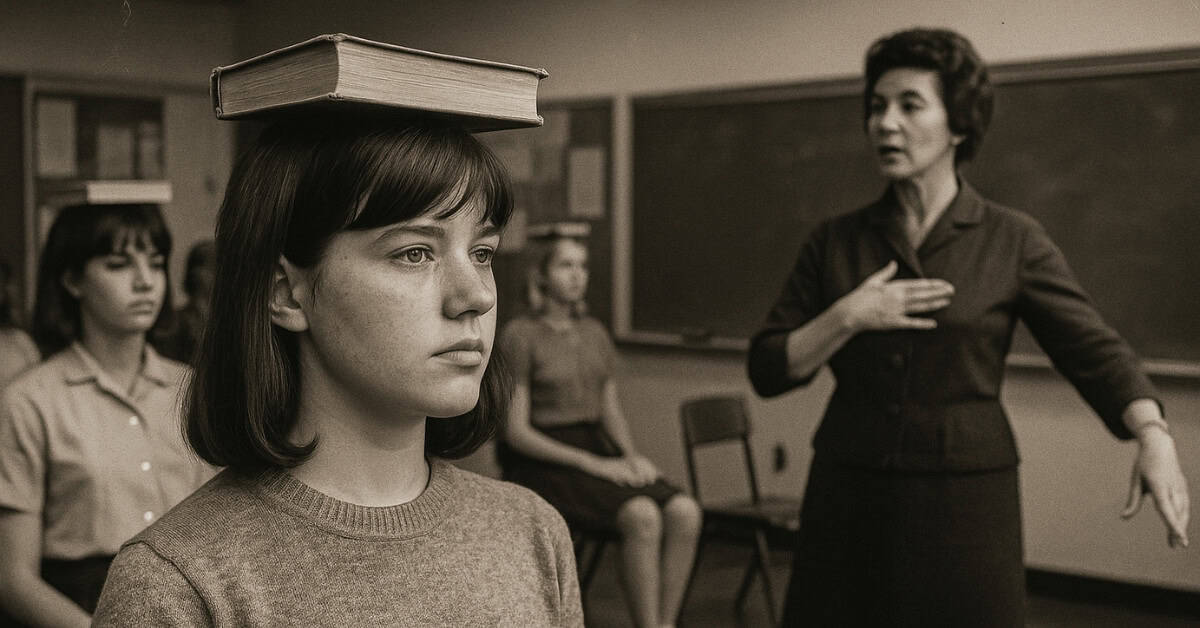
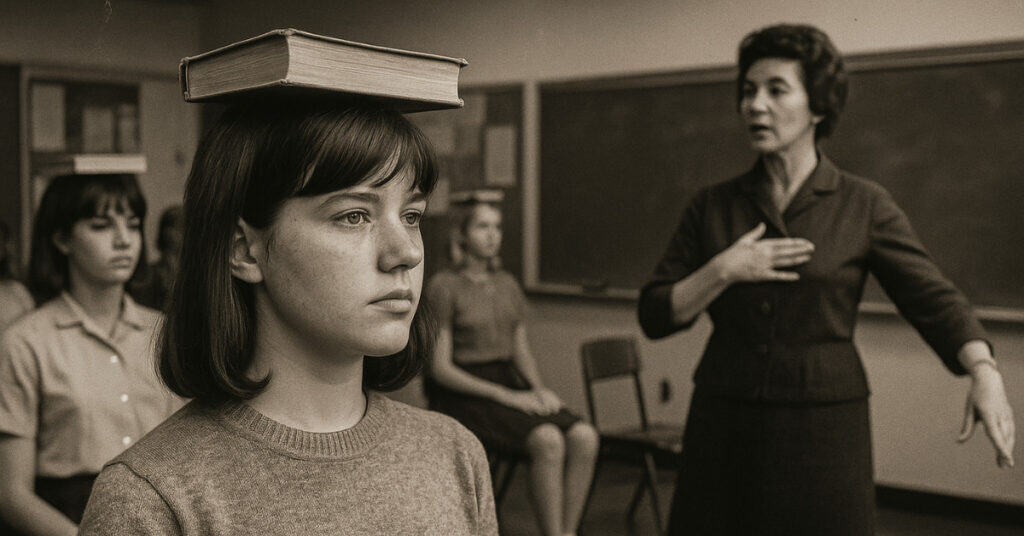
Girls were required to take special classes in posture and deportment. They practiced walking with books on their heads and sitting properly. These classes were graded subjects, considered essential for future social success.
15. Handwriting Grade Penalties
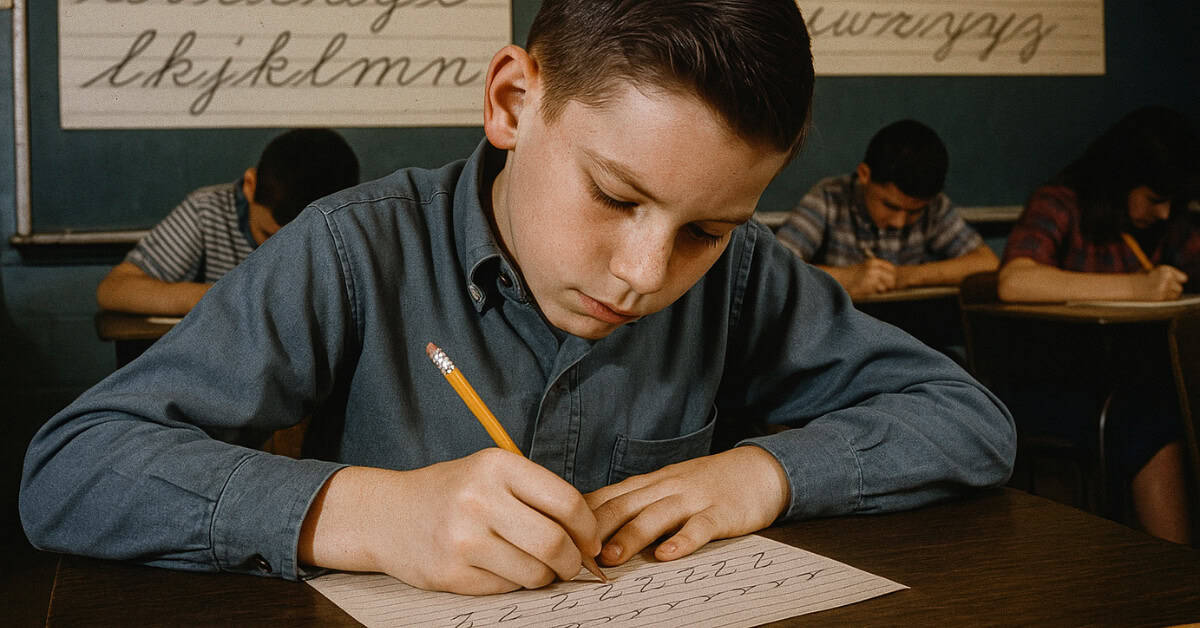
Poor penmanship could result in failing grades, regardless of content. Students could be required to rewrite entire assignments if their handwriting wasn’t up to standard. Some schools wouldn’t accept typed assignments, considering handwriting essential to character development.
16. Milk Monitor Duty

Students were assigned mandatory milk monitor duties, responsible for distributing and collecting milk bottles during lunch. Refusing this duty could result in detention. The position was considered an honor, despite involving heavy lifting and dealing with spoiled milk.
17. Standing When Adults Enter

Students had to stand whenever an adult entered the classroom. This rule was strictly enforced, and failure to stand quickly enough could result in punishment. The practice continued multiple times throughout the day, even if the same adult entered repeatedly.