Before our homes were filled with digital gadgets and modern conveniences, our grandparents relied on a variety of clever tools and devices that have largely disappeared from today’s households. These items were essential for daily life, passed down through generations, and often worked better than their modern counterparts. Let’s take a look at some of these forgotten household staples that our grandparents couldn’t live without.
Table of Contents
1. Carpet Beater

This wicker or metal tool was essential for deep-cleaning rugs before vacuum cleaners became common. Carpets would be hung on a clothesline, and the beater was used to literally beat the dust out of them. The distinctive whacking sound was a regular part of spring cleaning, and many swore it cleaned better than any modern vacuum.
Save for later
Want to come back to this story? Save it with your email so it is easy to find again.
2. Button Hook

When button-up boots and gloves were everyday wear, this simple tool was indispensable. The long, hooked implement helped pull buttons through their holes quickly and easily. Every dresser had one, often ornately decorated with ivory or mother-of-pearl handles, and passed down through generations as a practical family heirloom.
3. Darning Egg
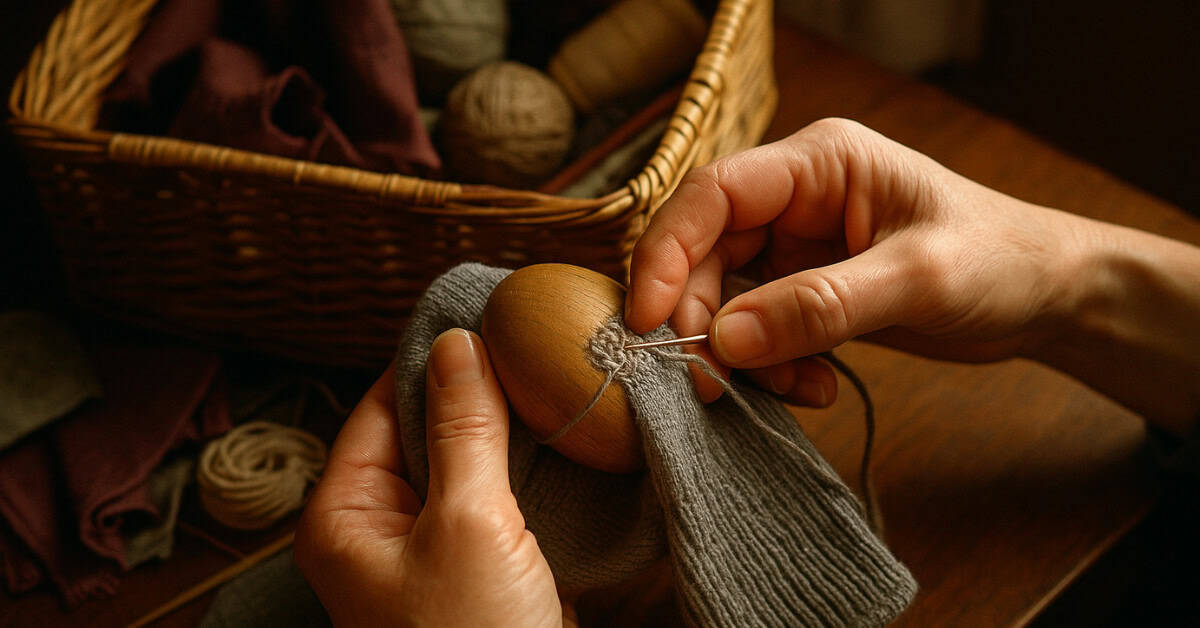
Before the throwaway culture, this wooden egg-shaped tool was essential for mending socks. Placed inside the sock, it provided a firm surface for darning holes and worn spots. Many were beautifully crafted from hardwood or ceramic, and some even had built-in needle storage in the handle.
4. Ice Pick

Before electric refrigerators, every kitchen had an ice pick for breaking up blocks of ice delivered by the iceman. These sharp tools were used daily to chip off appropriately-sized pieces for iceboxes and drinks. They often had wooden handles and came with a protective sheath for storage.
5. Soap Saver

This mesh bag or wire cage collects small soap pieces that would otherwise be wasted. When enough fragments accumulated, they created a new bar of soap. Nothing was wasted in the grandmother’s house, and these devices were considered essential for the household economy.
6. Oil Lamp Trimmer

These specialized scissors were used to trim lamp wicks for optimal burning. They often included a small prong for adjusting the wick height and cleaning the chimney. Even after electricity became common, many rural homes kept these tools for emergency lighting.
7. Butter Paddle

These wooden paddles were used to shape homemade butter and remove excess buttermilk. Often carved from a single piece of wood, they featured ridged surfaces that helped create the familiar butter pat design. Many families had their own distinctive patterns carved into their paddles.
8. Rug Stretcher

When wall-to-wall carpeting became popular, this tool was essential for proper installation. It gripped the carpet with rows of teeth and allowed it to be stretched taut before tacking. Professional installers still use modern versions, but these old tools were common in household tool collections.
9. Sock Dryer

These wooden or aluminum frames were designed to dry socks without stretching or shrinking them. They came in adult and children’s sizes and could hold multiple pairs. Many had clips or pins to keep socks in place during drying.
10. Sad Iron Collection

Before electric irons, households needed multiple sad irons – so called because of their weight. While one was being used, others would be heating on the stove. Each iron came with a detachable handle that could be moved from iron to iron as needed.
11. Spice Grater

These specialized graters were designed for whole spices like nutmeg and cinnamon. Often made of tin or steel with multiple grating surfaces, they produced fresher, more flavorful spices than pre-ground versions. Many had small compartments to store whole spices.
12. Button Box
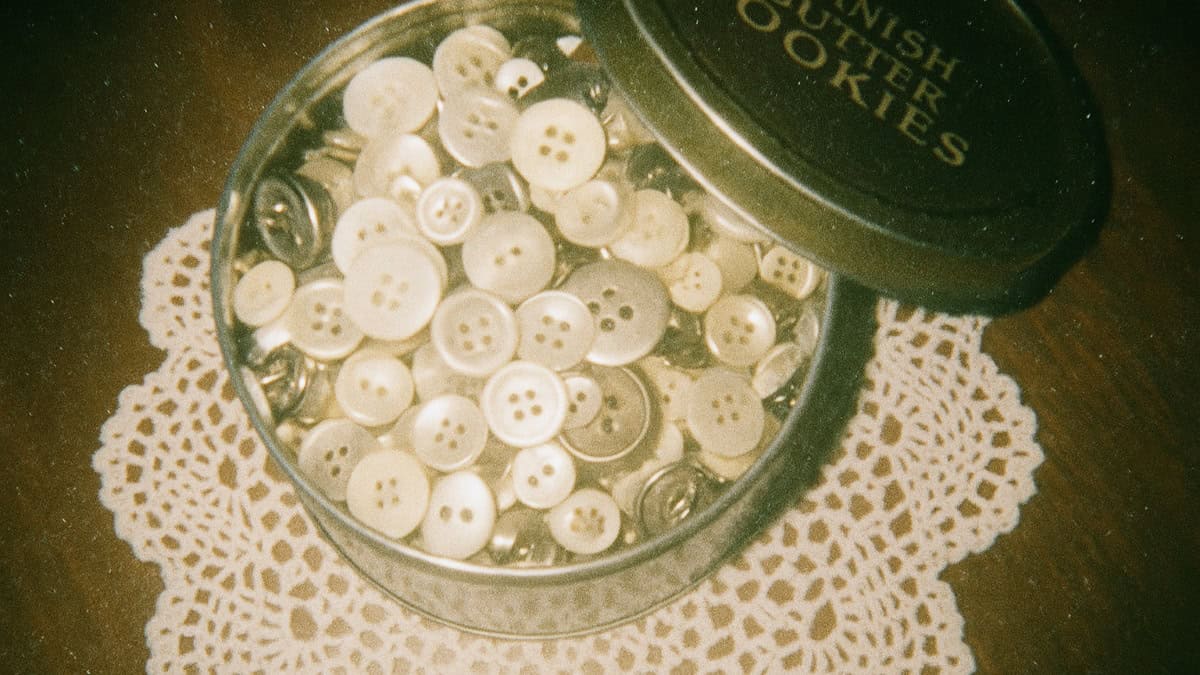
Every household had a collection of spare buttons saved from old garments. These were stored in special boxes, often sorted by color or size. The button box was essential for repairs and often contained buttons from several generations of clothing.
13. Curtain Stretcher

These adjustable frames were used to dry lace curtains to their original size and shape. Made of wood with rows of pins around the edges, they could be adjusted to various sizes. Proper curtain care was considered essential for maintaining a respectable home.