Before the era of robot vacuums and app-controlled appliances, household chores required significant physical effort and time. Children were expected to contribute to home maintenance in ways that might surprise today’s youth. These tasks weren’t just about keeping the house clean – they taught responsibility, work ethic, and practical skills that many modern conveniences have made obsolete.
Table of Contents
- 1 1. Hanging Laundry on the Line
- 2 2. Sifting Coal Ashes
- 3 3. Beating Rugs
- 4 4. Polishing Silver
- 5 5. Waxing Floors
- 6 6. Ironing Everything
- 7 7. Darning Socks
- 8 8. Churning Butter
- 9 9. Emptying Chamber Pots
- 10 10. Blackening the Stove
- 11 11. Making Soap
- 12 12. Plucking Chickens
- 13 13. Trimming Lamp Wicks
- 14 14. Carding Wool
- 15 15. Filling Coal Scuttles
1. Hanging Laundry on the Line
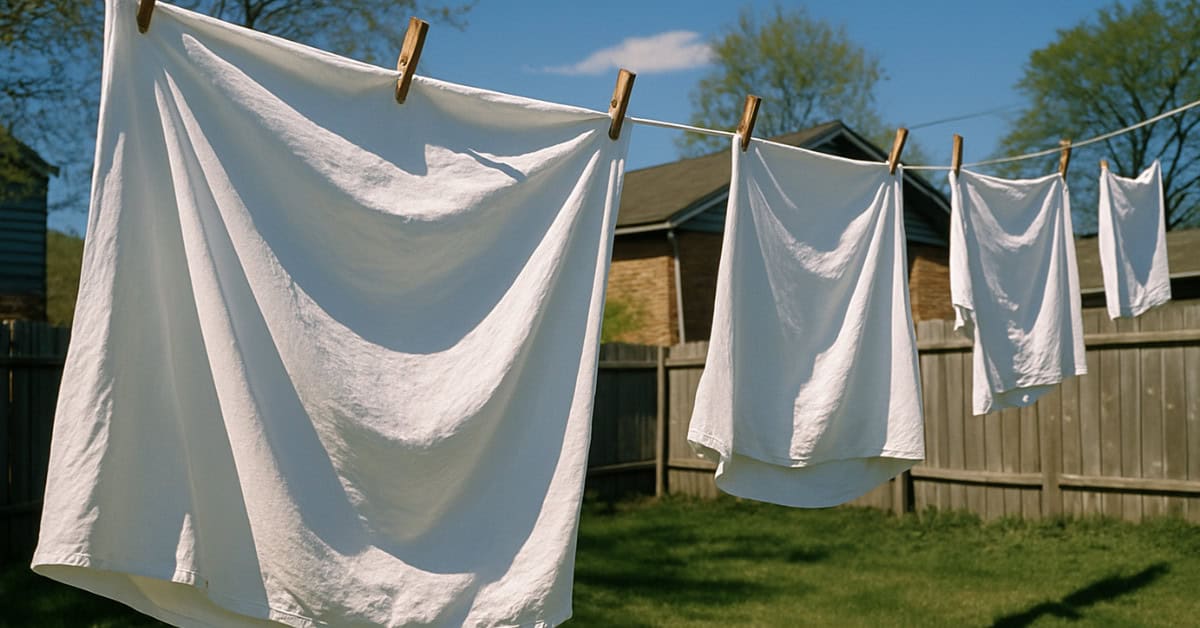
Every Monday meant pinning wet laundry to outdoor lines, regardless of the weather. The process required learning the proper way to hang each item to prevent wrinkles and ensure quick drying. Rushing outside to rescue nearly dry clothes from sudden rain showers was a common occurrence.
Save for later
Want to come back to this story? Save it with your email so it is easy to find again.
2. Sifting Coal Ashes

For homes with coal furnaces, daily ash sifting was essential to recover unburned pieces. This dirty job meant carefully separating usable coal from ashes in the basement. The recovered pieces helped stretch the family’s heating budget, making this dusty task a necessary evil.
3. Beating Rugs
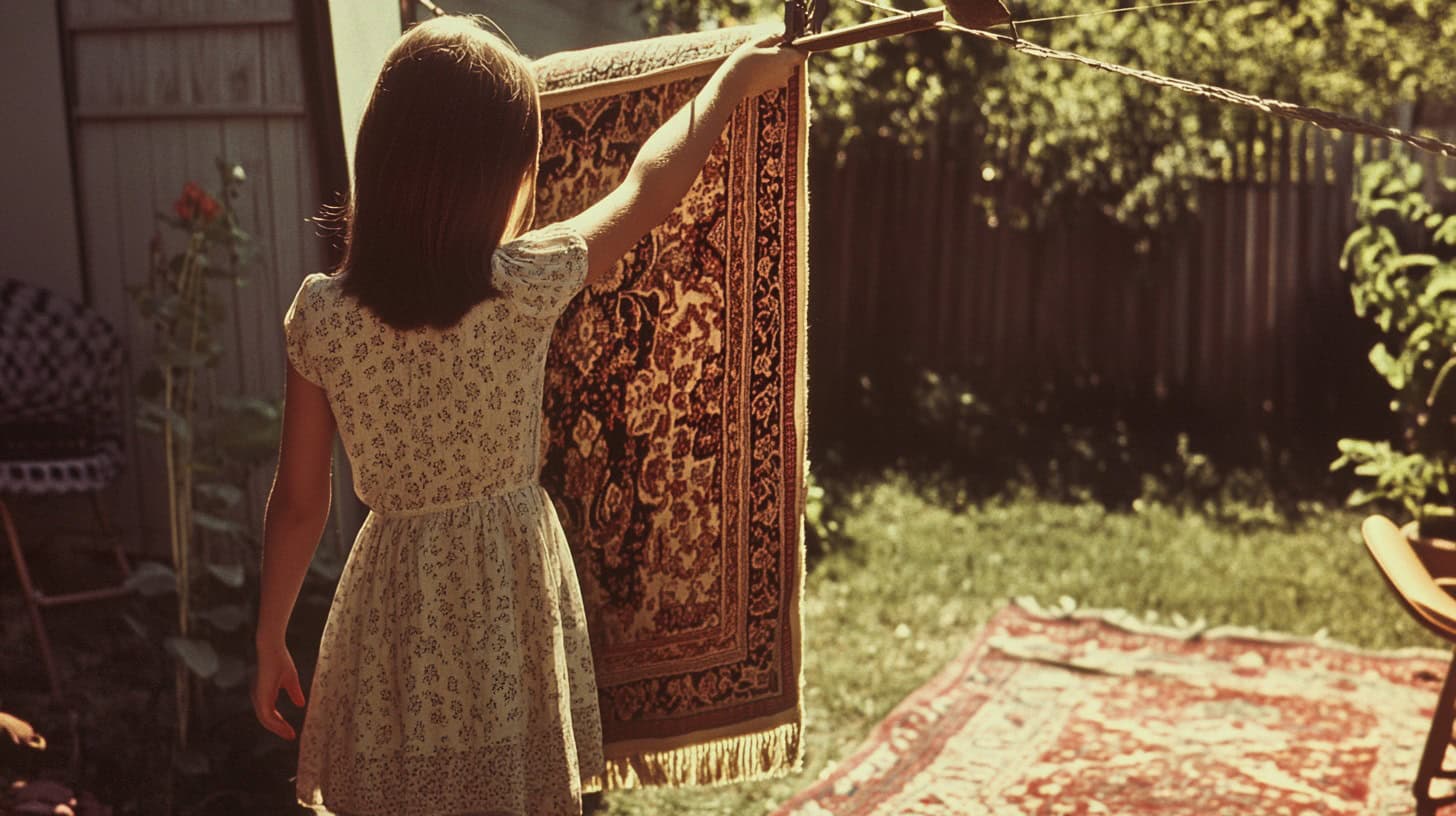
Spring cleaning meant hauling heavy rugs outside and beating them with special carpet beaters. This exhausting task required strength and endurance as clouds of dust billowed with each whack. The satisfaction of seeing a truly clean rug made the sore arms worthwhile.
4. Polishing Silver
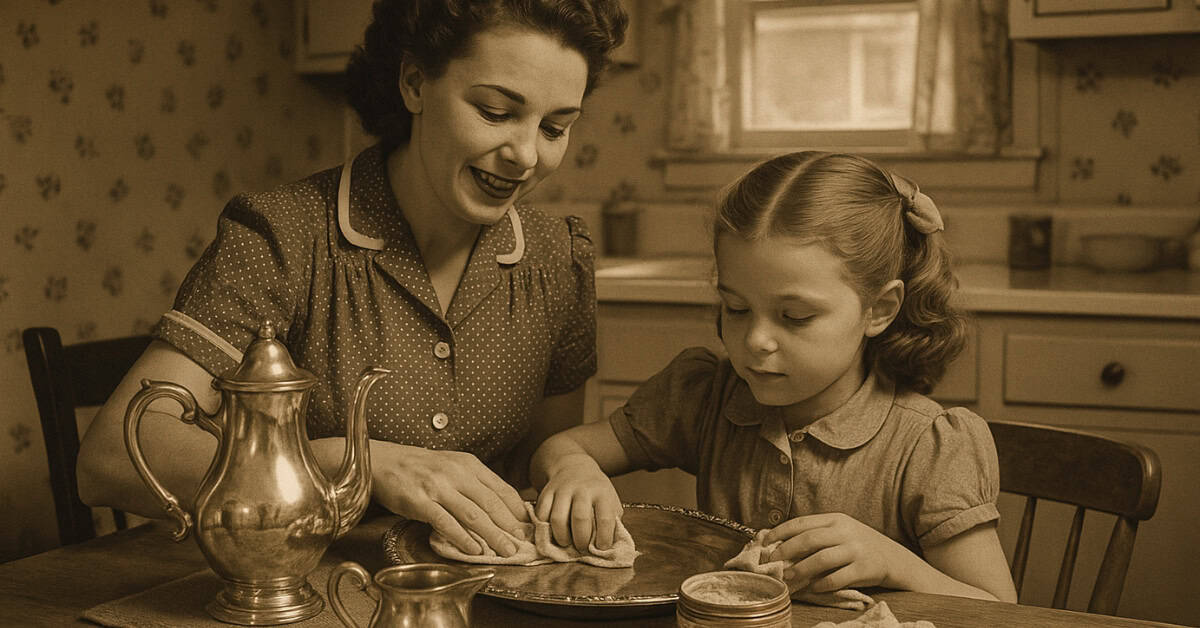
Regular silver polishing kept family heirlooms gleaming. This tedious task required careful attention to every fork, spoon, and serving piece. The pungent smell of silver polish and blackened rags was a sign of a job well done.
5. Waxing Floors

Wooden floors required regular waxing to maintain their shine. The process involved hands-and-knees scrubbing, followed by careful application of paste wax. The final buffing created a mirror-like finish that needed constant protection from scuff marks.
6. Ironing Everything

Before permanent press fabrics, ironing was a daily task—everything from sheets to handkerchiefs required pressing. Learning the correct temperature for different fabrics and mastering the art of perfect creases was essential. Tuesday was typically “ironing day” in most households.
7. Darning Socks
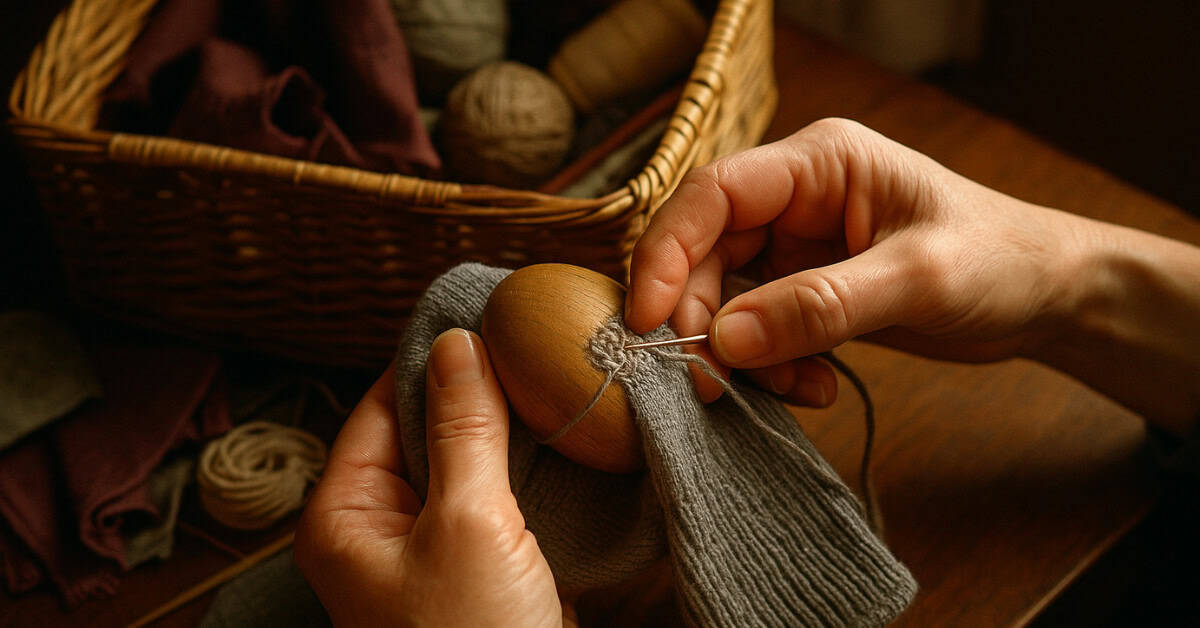
Holes in socks weren’t an excuse to buy new ones. Every household had a darning egg and thread for repairing worn spots. This meticulous task required patience and skill to weave the threads into a comfortable patch that wouldn’t irritate the foot.
8. Churning Butter
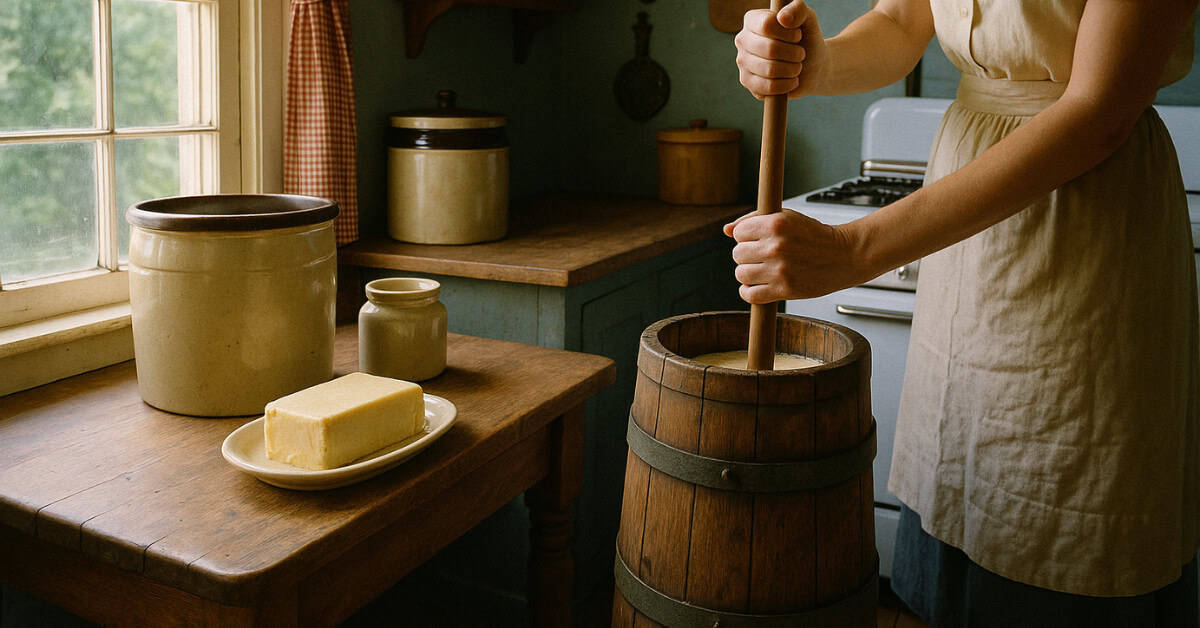
In many rural households, turning cream into butter was a weekly chore. Operating the butter churn could take hours of rhythmic work. Success required maintaining the right temperature and recognizing when the butter had properly formed.
9. Emptying Chamber Pots
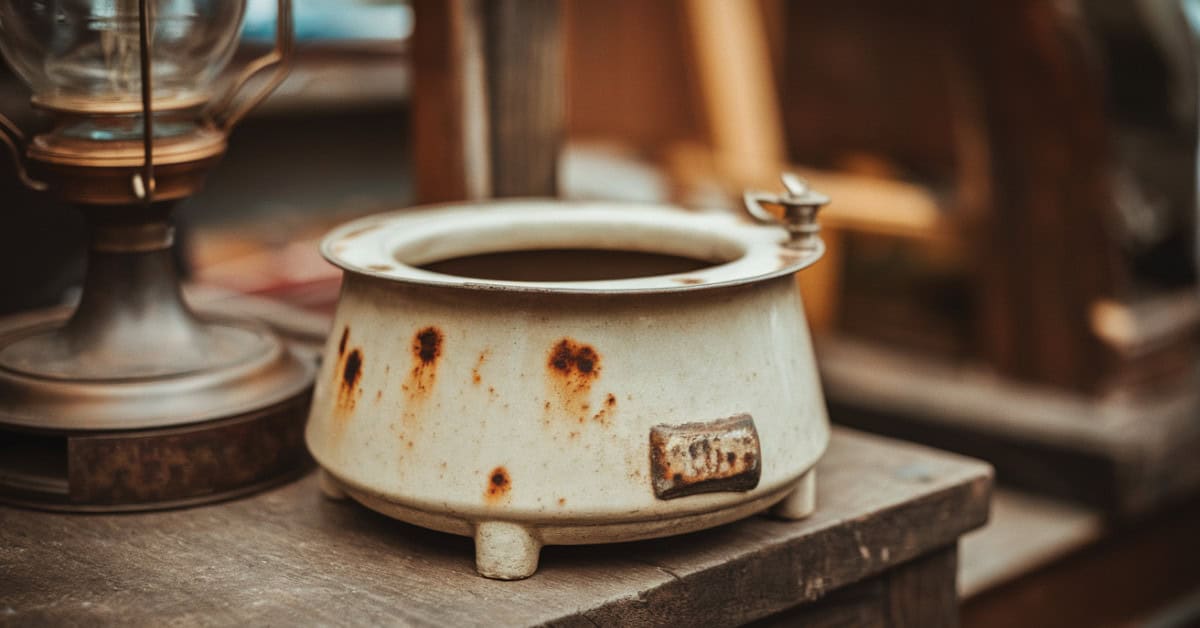
For homes without indoor plumbing, this unpleasant morning task was unavoidable. Children were often assigned this chore as their contribution to household maintenance. The task required careful handling to avoid spills and proper cleaning afterward.
10. Blackening the Stove
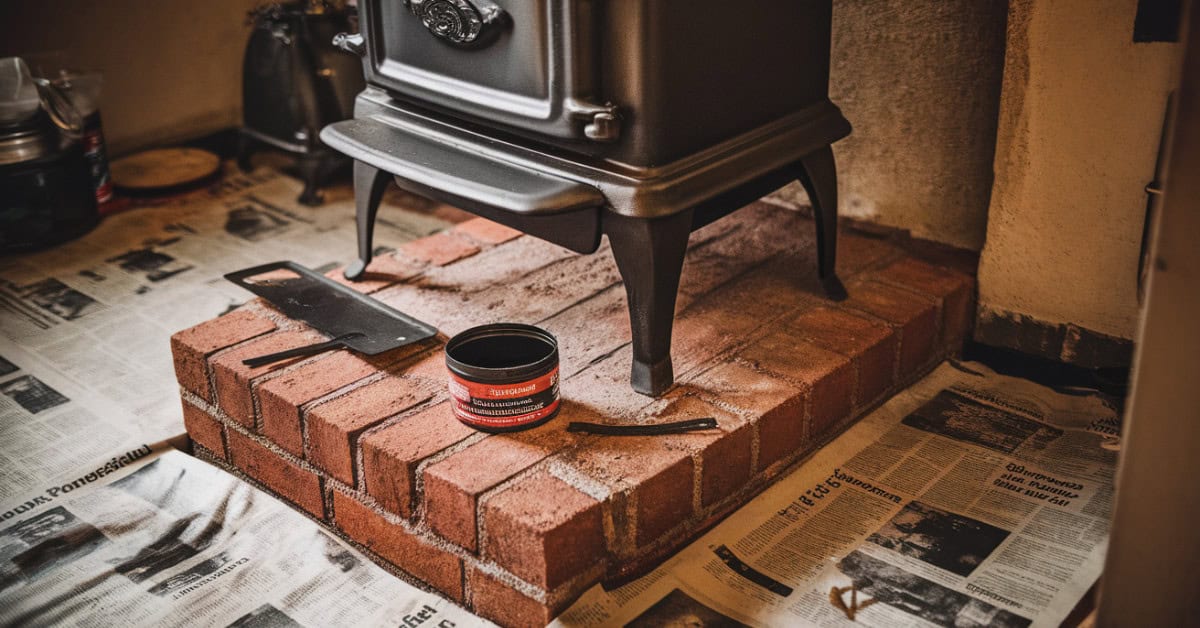
Wood and coal stoves required regular polishing with stove black to prevent rust. This messy job left hands stained but kept the stove looking presentable. The shine of a well-blackened stove was a point of pride in many kitchens.
11. Making Soap
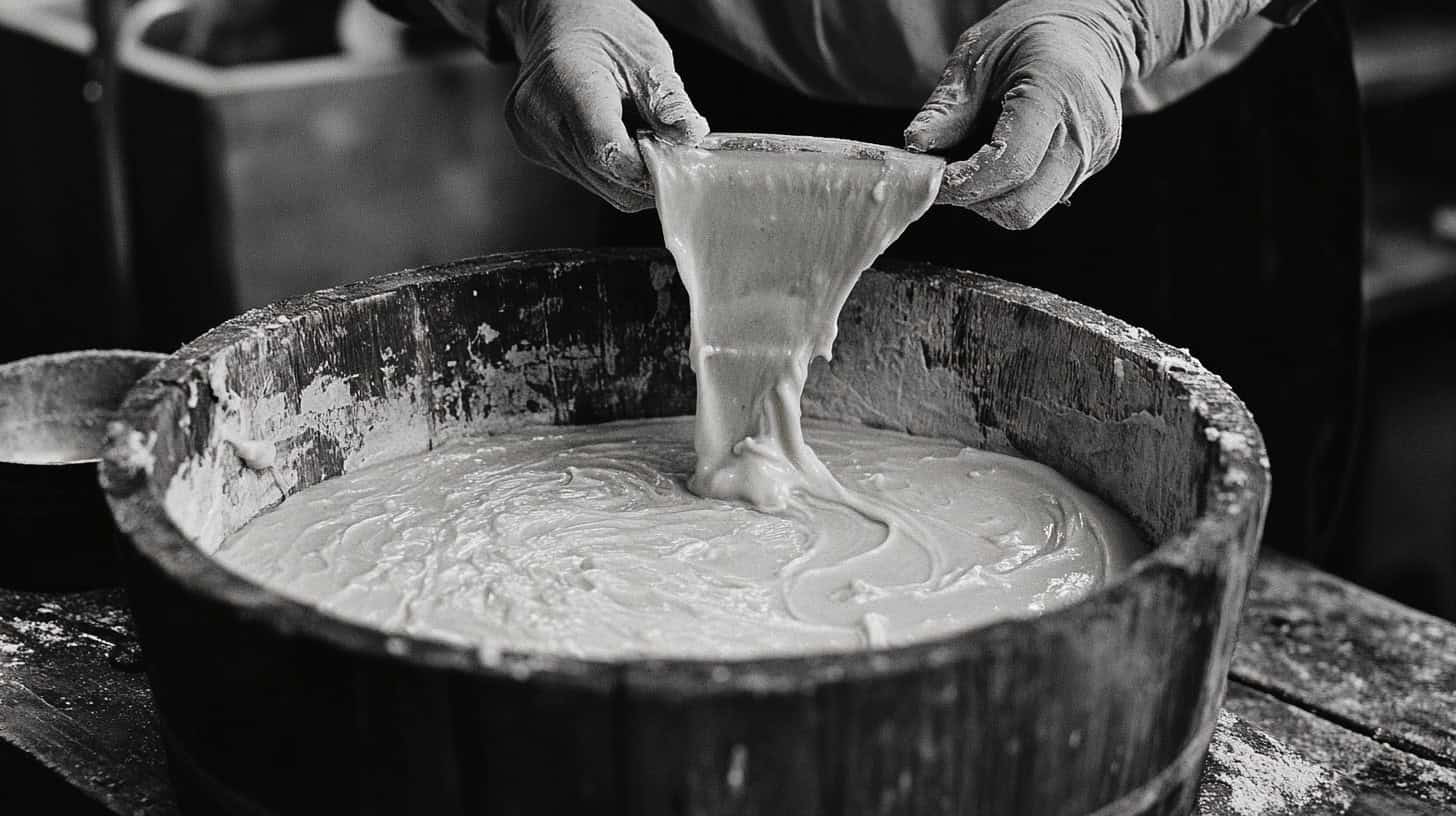
Turning saved cooking grease into soap was a necessary skill. The process required careful measuring of lye and constant stirring. Children helped by collecting ashes for lye and preparing molds for the finished soap.
12. Plucking Chickens
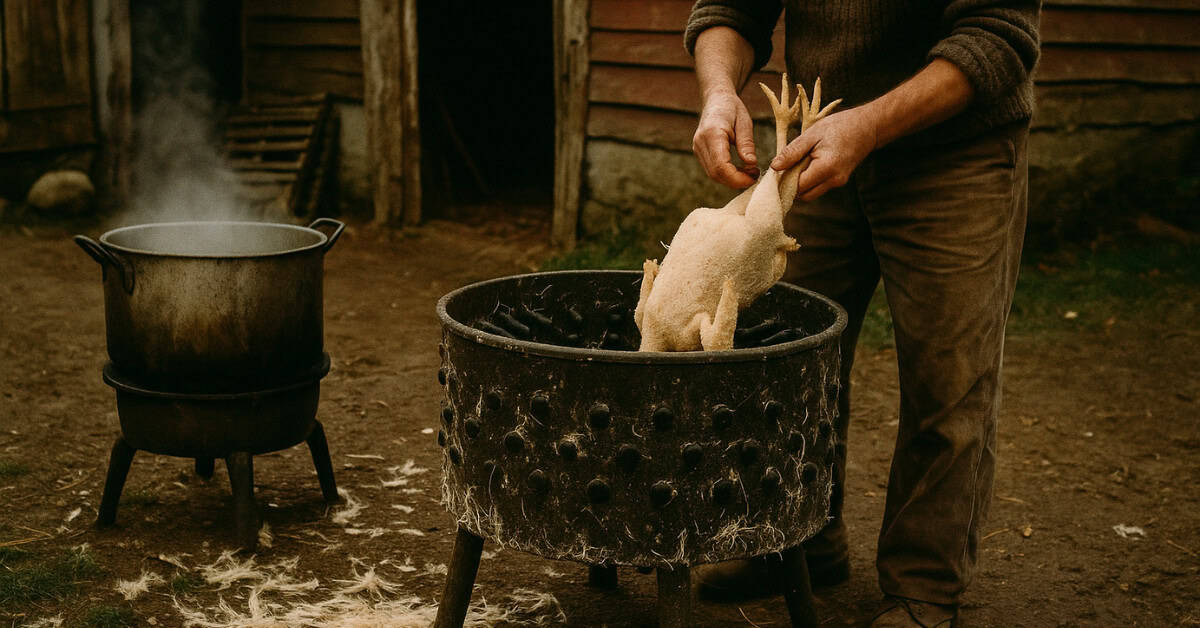
For families raising their own chickens, processing the birds was a regular task. Everyone participated in plucking feathers and preparing the chickens for cooking. This hands-on experience with food preparation was considered essential learning.
13. Trimming Lamp Wicks
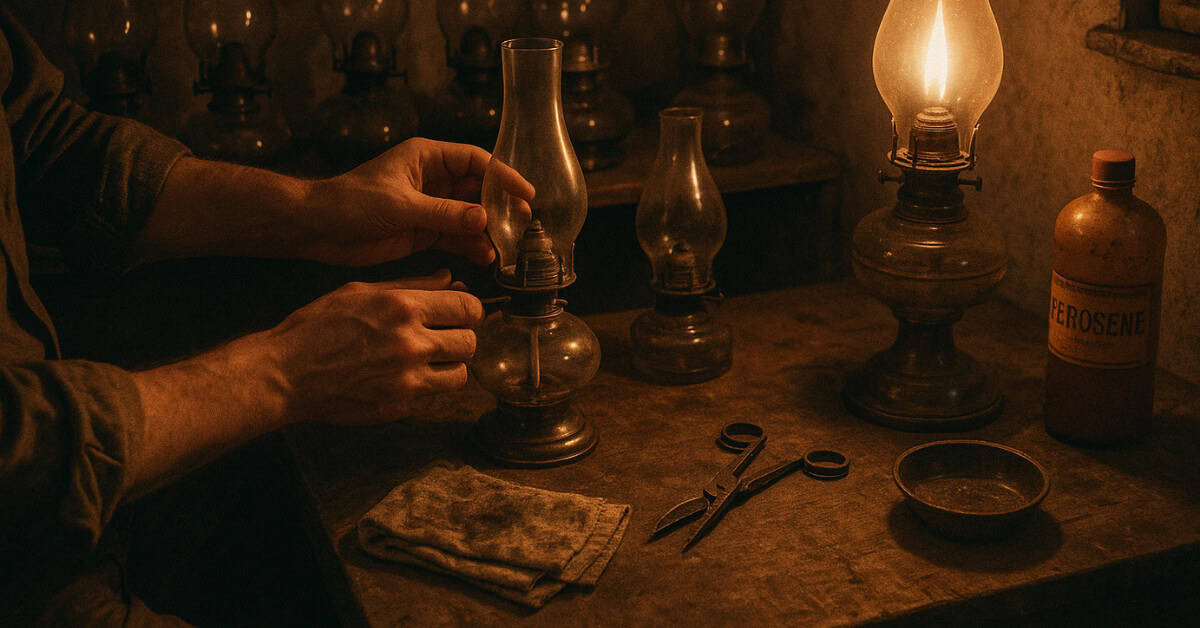
Oil lamps required daily maintenance to ensure proper lighting. Wicks needed careful trimming to prevent smoking, and glass chimneys needed regular cleaning. This delicate task was often assigned to older children who could be trusted with the fragile glass.
14. Carding Wool
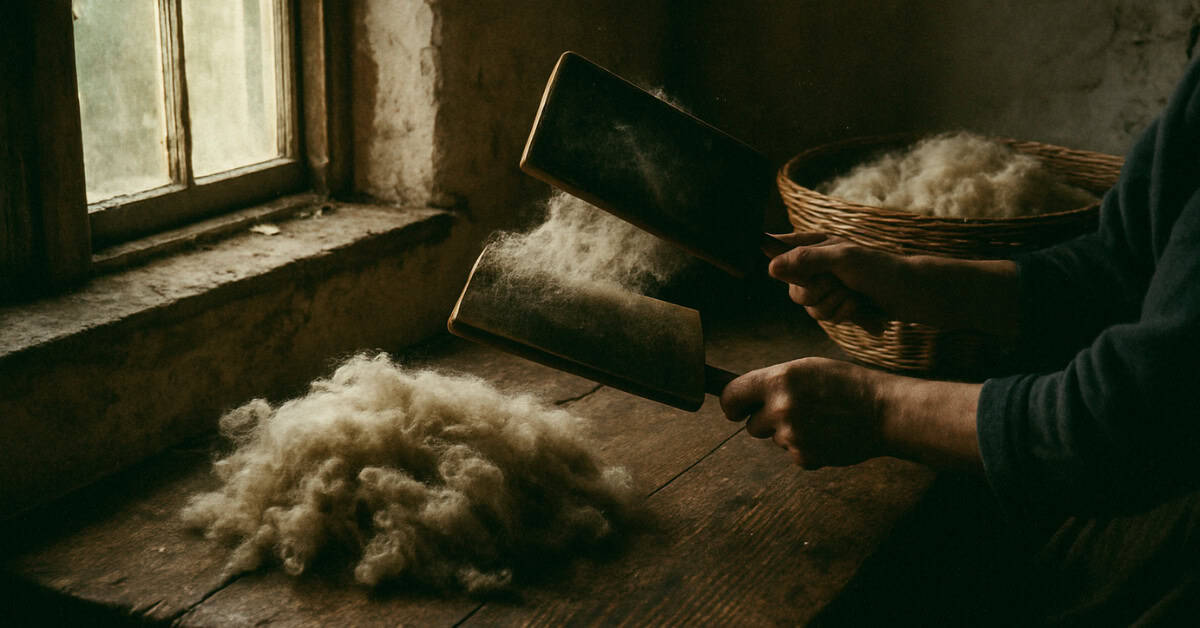
Before wool could be spun into yarn, it needed to be carded to align the fibers. This repetitive task was often assigned to children while adults worked on other textile preparations. The rhythmic motion required practice to achieve consistent results.
15. Filling Coal Scuttles

Keeping coal scuttles filled for each room’s stove or fireplace was a daily necessity. This heavy work meant multiple trips to the coal bin, often in cold basements. The coal had to be carried carefully to avoid spills on clean floors.