Remember when we didn’t need Google to tell us how to do everything? Back in our day, we learned essential skills by watching our parents, working with our hands, and figuring things out through good old-fashioned trial and error. Let’s take a walk down memory lane and revisit some of the practical skills that seem to be disappearing in today’s digital age.
Table of Contents
- 1 1. Reading a Paper Map
- 2 2. Writing in Cursive
- 3 3. Basic Car Maintenance
- 4 4. Balancing a Checkbook
- 5 5. Darning Socks and Basic Mending
- 6 6. Using a Rotary Phone
- 7 7. Making Meals from Scratch
- 8 8. Mental Math and Making Change
- 9 9. Handwriting Letters
- 10 10. Basic Home Repairs
- 11 11. Growing and Preserving Food
- 12 12. Using a Library Card Catalog
- 13 13. Entertaining Ourselves Without Screens
- 14 14. Reading an Analog Clock
- 15 15. Memorizing Phone Numbers
1. Reading a Paper Map

Before GPS and smartphones, we actually had to plan our routes using paper maps. We learned to understand topographical features, calculate distances using the scale, and navigate by landmarks and compass directions. This skill wasn’t just about getting from point A to point B – it taught us spatial awareness and problem-solving that today’s turn-by-turn directions can’t match.
Save for later
Want to come back to this story? Save it with your email so it is easy to find again.
2. Writing in Cursive

Remember spending hours practicing those loops and swirls until they were perfect? Cursive writing wasn’t just about making pretty letters – it was about developing fine motor skills and creating a personal signature style. Now, with keyboards and touchscreens everywhere, many young folks can barely read grandma’s handwritten recipes, let alone write in cursive themselves.
3. Basic Car Maintenance
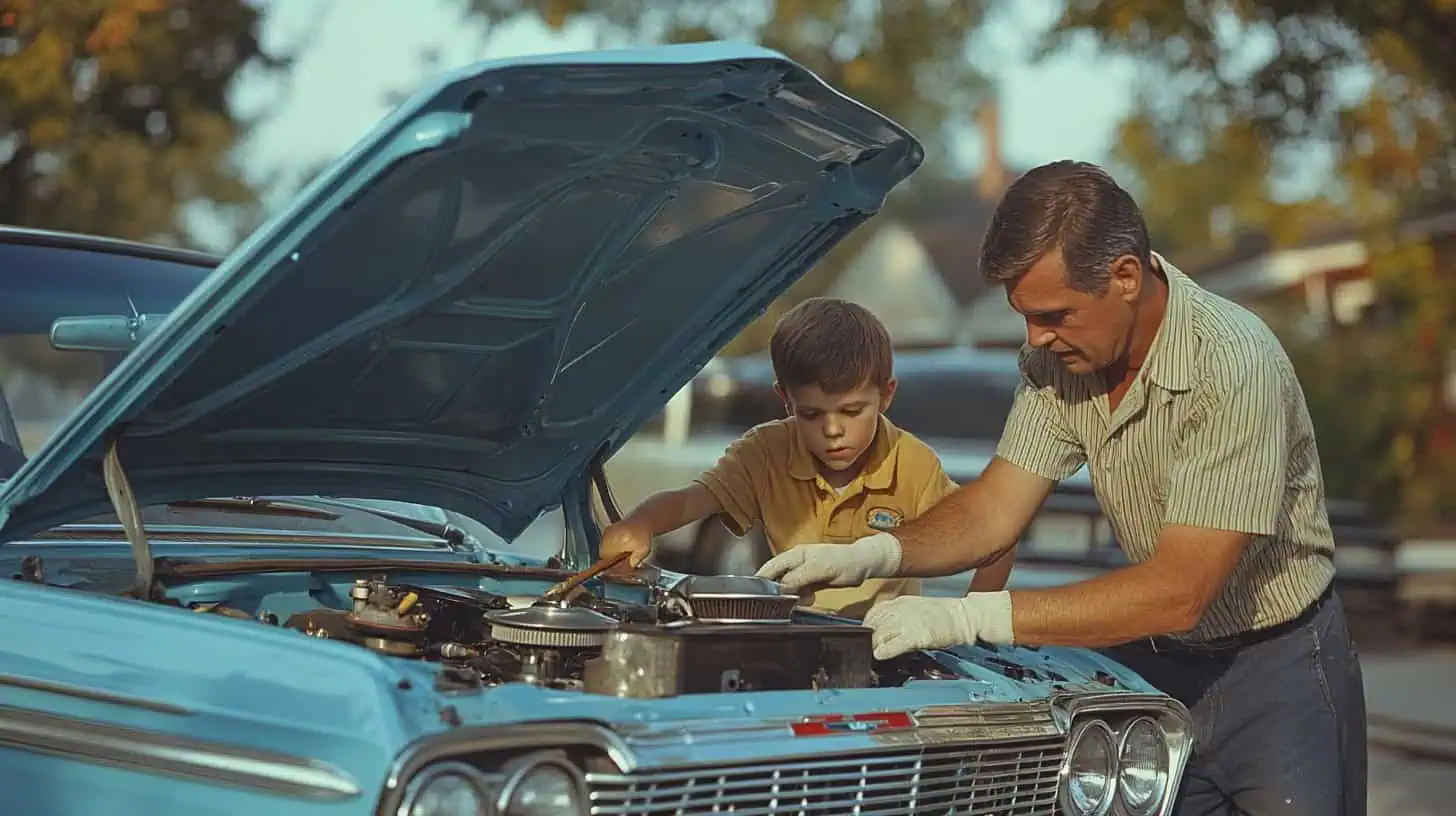
Back in our day, changing your own oil, replacing spark plugs, and fixing a flat tire were basic life skills every driver needed. We could identify engine sounds, check fluid levels, and perform routine maintenance without relying on computerized diagnostics. Today’s cars might be more complex, but understanding basic mechanics still saves money and provides independence.
4. Balancing a Checkbook
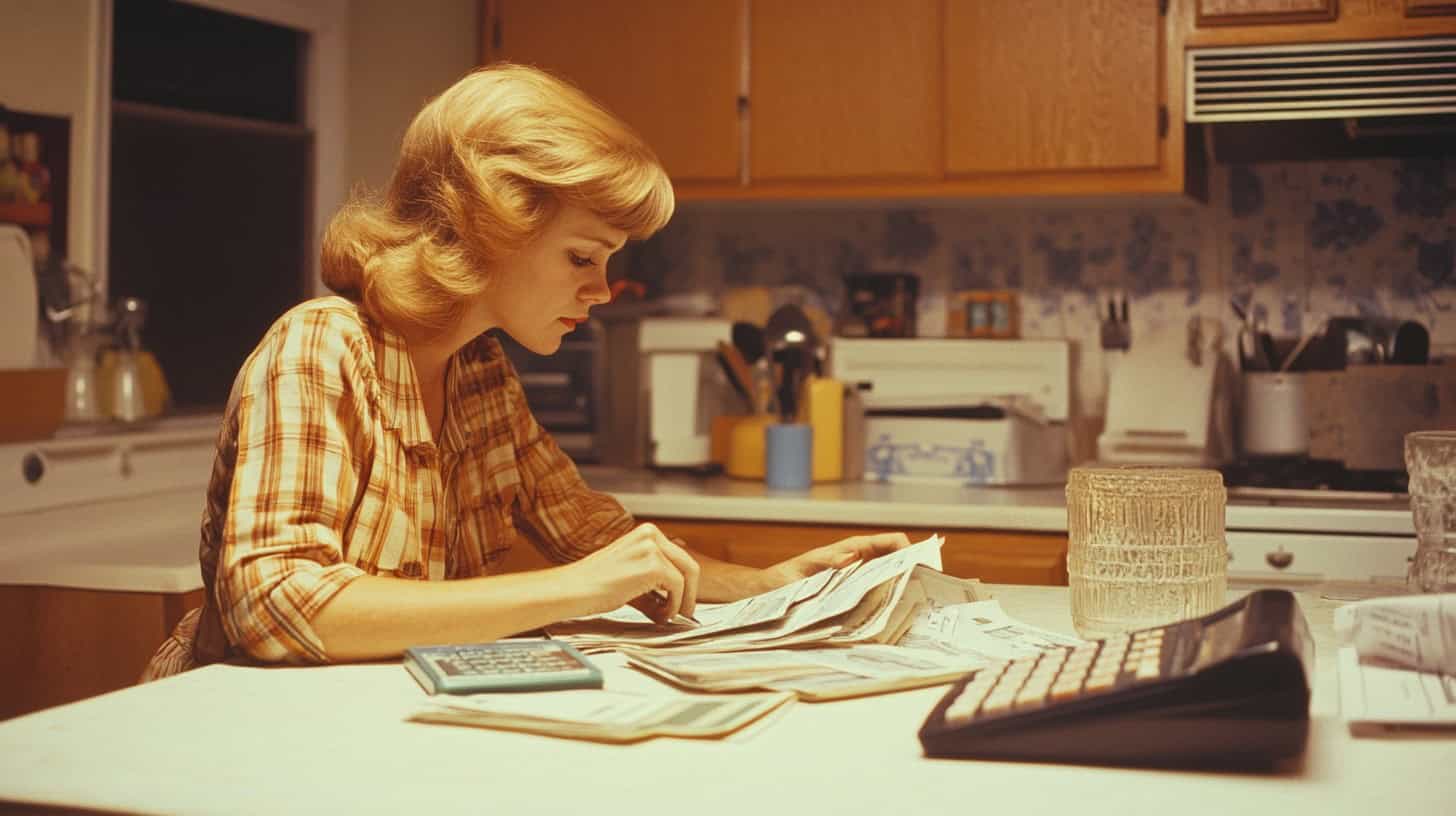
Before digital banking and smartphone apps, we kept meticulous records of every penny spent in our checkbook registers. This wasn’t just about tracking expenses – it taught us real financial literacy and the importance of living within our means. The satisfaction of reconciling your balance to the penny is something that today’s automatic notifications simply cannot replace.
5. Darning Socks and Basic Mending
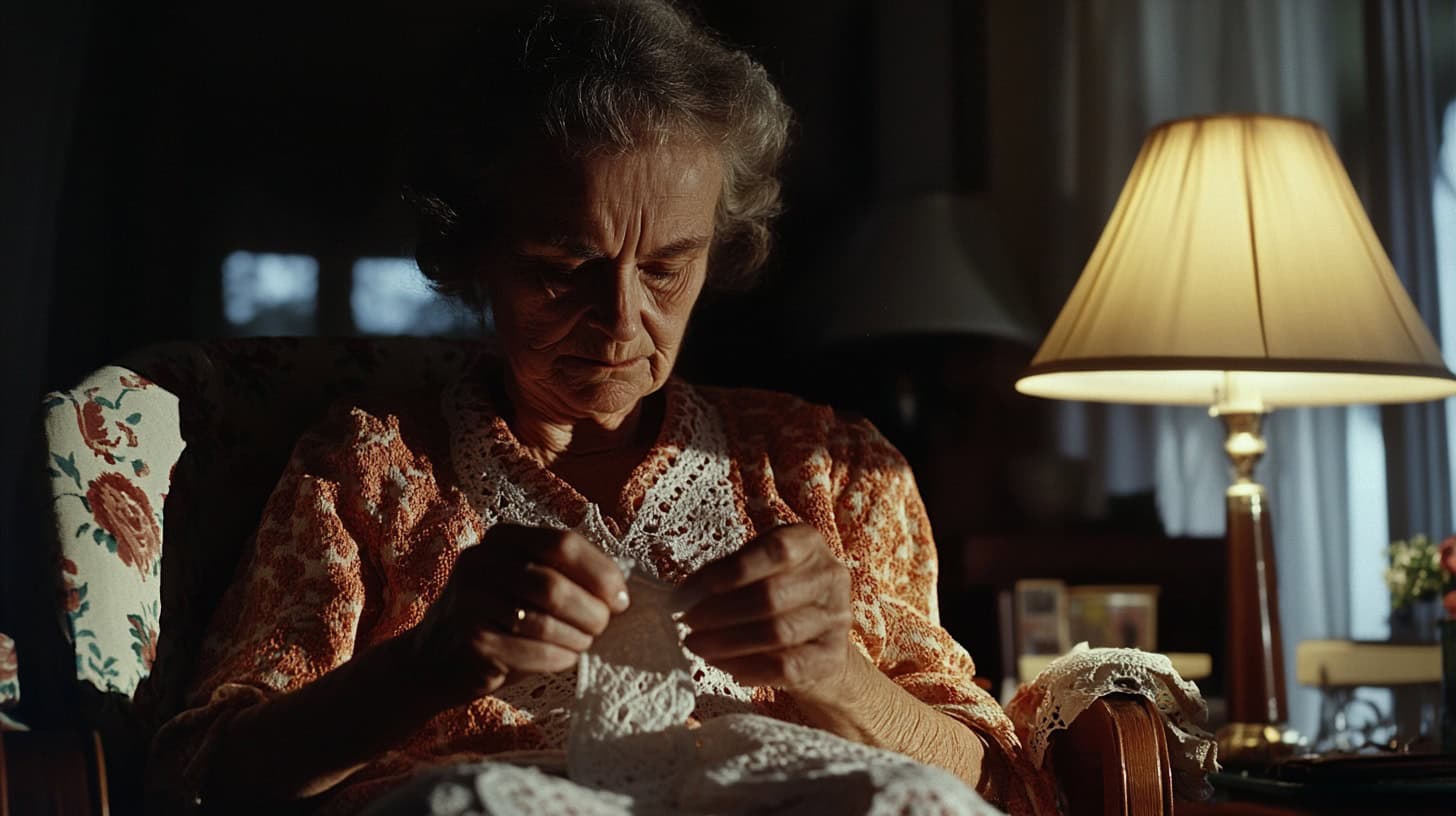
In our day, clothes weren’t disposable – we knew how to repair them. From patching jeans to darning socks, these skills saved money and taught us the value of maintaining what we owned. We could sew on buttons, fix fallen hems, and extend the life of our garments with just a needle, thread, and some patience.
6. Using a Rotary Phone
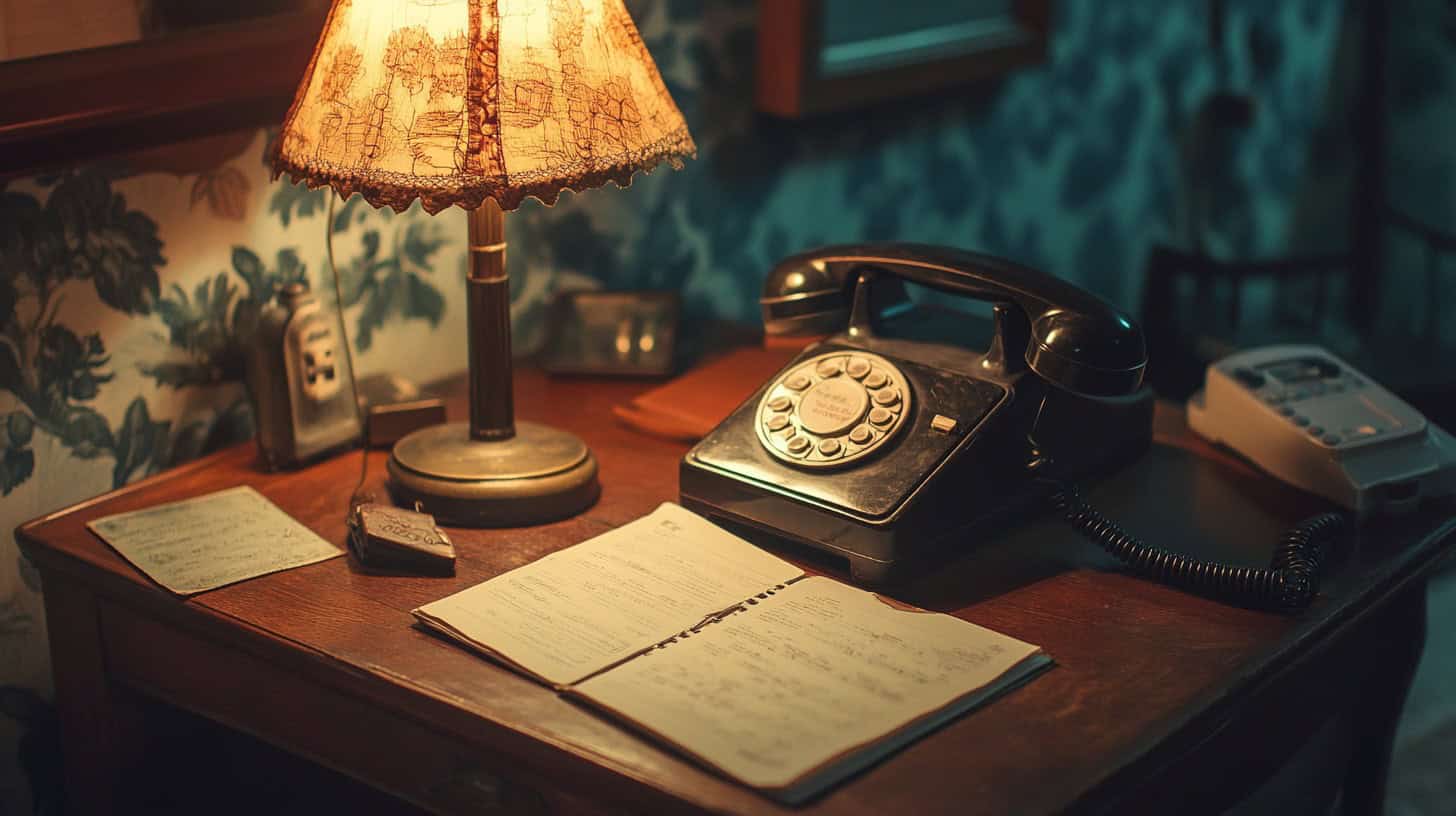
We memorized important phone numbers and developed the patience to wait for that dial to spin back before entering the next digit. There was something satisfying about that mechanical process, and it taught us the value of personal connection. Plus, we learned to appreciate the art of actual conversation since we couldn’t text or send emojis.
7. Making Meals from Scratch
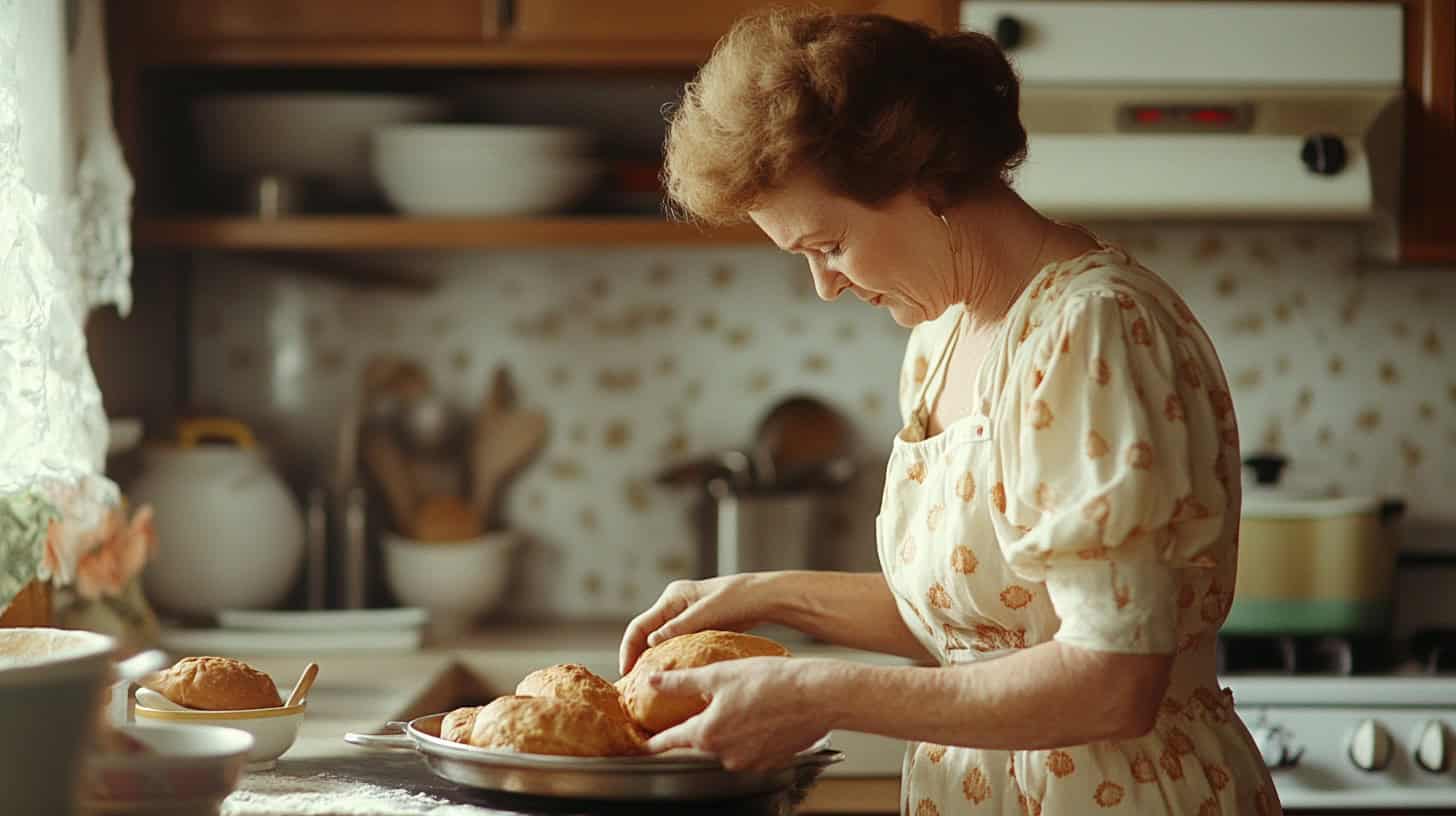
Before microwaves and meal delivery services, we learned to cook without relying on pre-packaged ingredients. We understood cooking temperatures, measuring techniques, and how to substitute ingredients when needed. These skills weren’t just about feeding ourselves – they were about nurturing family traditions and creating memories around the dinner table.
8. Mental Math and Making Change

Before calculators and digital registers, we could quickly figure out complex calculations in our heads and make change without relying on technology. This wasn’t just about math – it was about developing critical thinking skills and confidence in our abilities. Today’s cashiers often seem lost if their register doesn’t tell them the exact change to give.
9. Handwriting Letters

We took pride in crafting thoughtful, well-written letters to friends and family. This wasn’t just communication – it was an art form that required thought, planning, and personal touch. The excitement of receiving a handwritten letter in the mailbox is something that email and text messages just can’t replicate.
10. Basic Home Repairs

From fixing leaky faucets to patching walls, we knew how to handle basic home maintenance tasks. We understood the importance of having a well-stocked toolbox and the satisfaction of solving problems ourselves. These skills saved money and gave us a sense of pride in maintaining our homes.
11. Growing and Preserving Food

Many of us learned to plant gardens, can vegetables, and preserve fruits for the winter months. We understood crop timing, food safety, and storage techniques that kept our pantries stocked year-round. This connection to our food source taught us patience, planning, and appreciation for nature’s cycles.
12. Using a Library Card Catalog

Before digital searches, we mastered the Dewey Decimal System and could navigate rows of card catalogs to find exactly what we needed. This wasn’t just about finding books – it taught us organizational skills and the value of methodical research. A quick Google search can’t match the satisfaction of discovering a book through careful searching.
13. Entertaining Ourselves Without Screens

We created our own fun with imagination, simple toys, and outdoor games. Whether it was building forts, playing stickball, or creating elaborate make-believe scenarios, we learned to be resourceful and creative. These skills developed our problem-solving abilities and social connections in ways that digital entertainment can’t match.
14. Reading an Analog Clock

We could tell time at a glance on any clock face, understanding the relationship between hours and minutes. This skill wasn’t just about knowing the time – it helped us understand fractions, spatial relationships, and the concept of time passing. Today’s digital displays have made this fundamental skill increasingly rare.
15. Memorizing Phone Numbers
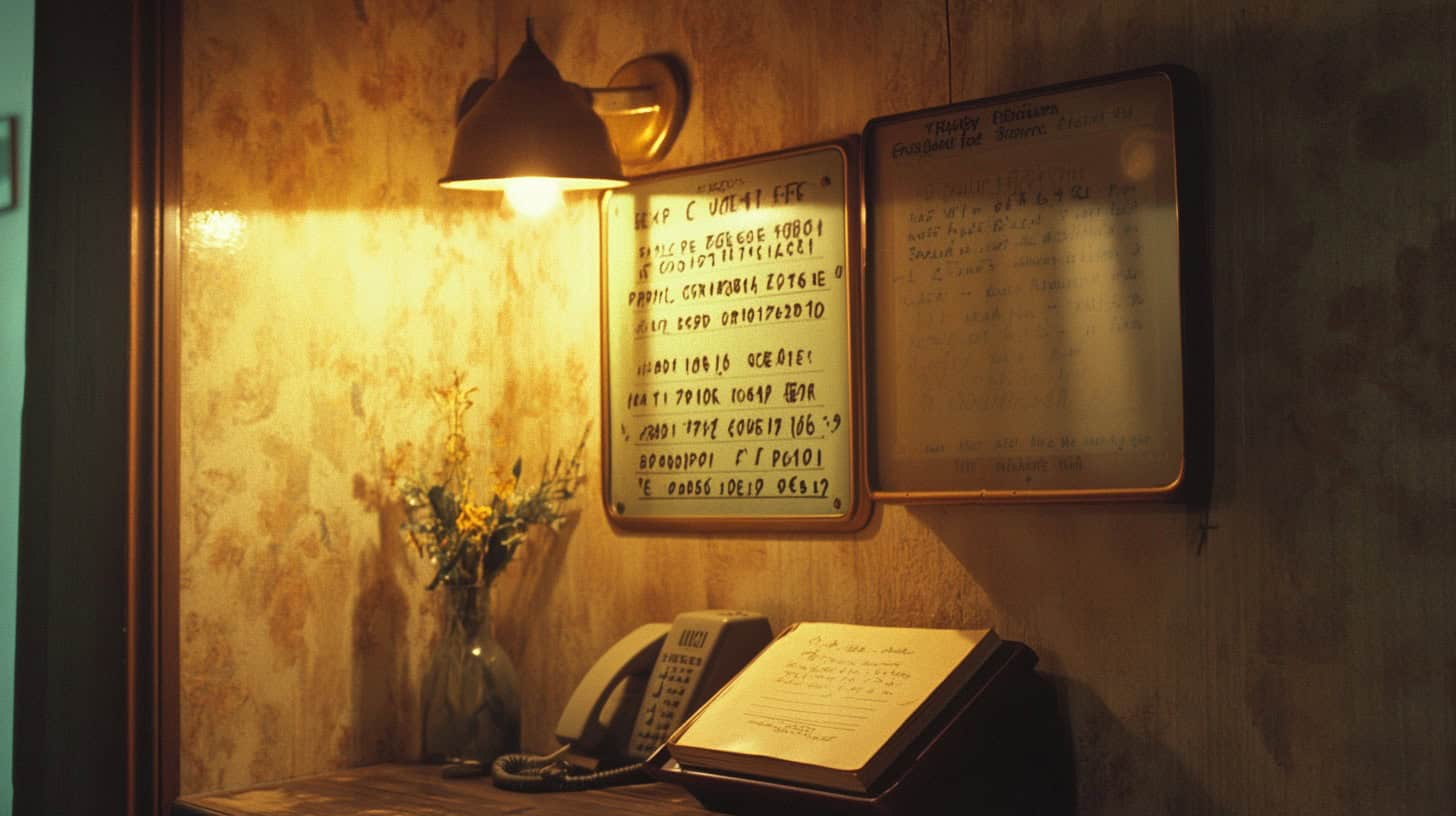
Before contact lists and speed dial, we kept dozens of important phone numbers memorized. This wasn’t just about remembering numbers – it exercised our memory and ensured we could always reach loved ones in emergencies. The mental exercise of memorization helped keep our minds sharp.