Growing up in the 1950s and ’60s, certain life lessons were passed down that shaped our generation. While times have changed dramatically, many of these fundamental teachings remain surprisingly relevant today. Some of these old-fashioned principles might be exactly what we need in our fast-paced, digital world. Let’s explore some timeless wisdom that still holds.
Table of Contents
- 1 1. Save for a Rainy Day
- 2 2. Your Word Is Your Bond
- 3 3. Know Your Neighbors
- 4 4. Fix It Before Replacing It
- 5 5. Write Thank-You Notes
- 6 6. Learn to Entertain Yourself
- 7 7. Share What You Have
- 8 8. Keep Your Word
- 9 9. Work First, Play Later
- 10 10. Learn Basic Life Skills
- 11 11. Make Do or Do Without
- 12 12. Listen More Than You Speak
- 13 13. Leave Things Better Than You Found Them
1. Save for a Rainy Day

Before credit cards became commonplace, we learned to save money before making purchases. The practice of putting aside a portion of every paycheck, no matter how small, was ingrained early. This habit of living within our means and preparing for unexpected expenses remains crucial in today’s uncertain economy.
Save for later
Want to come back to this story? Save it with your email so it is easy to find again.
2. Your Word Is Your Bond

A handshake was as binding as any written contract. We were taught that our reputation was built on keeping promises and following through on commitments. In today’s world of casual commitments and easy cancellations, this principle of personal integrity is more important than ever.
3. Know Your Neighbors
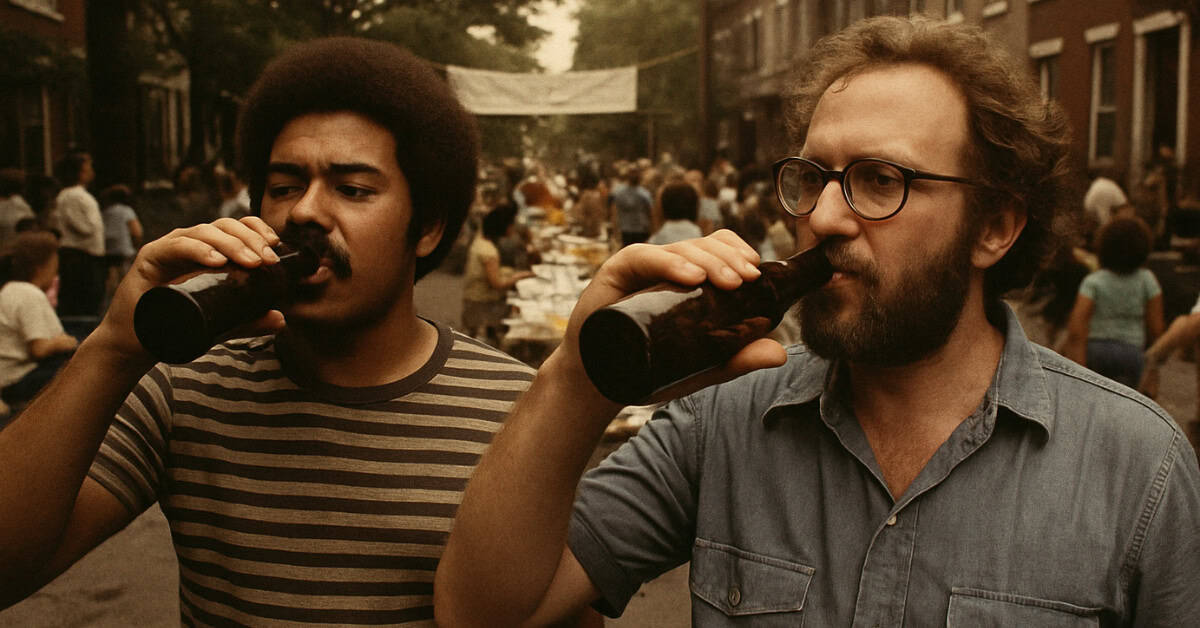
Building strong neighborhood connections was essential to community life. Neighbors watched out for each other’s children, shared tools, and helped during emergencies. This sense of community remains valuable, providing support networks and security in an increasingly isolated world.
4. Fix It Before Replacing It
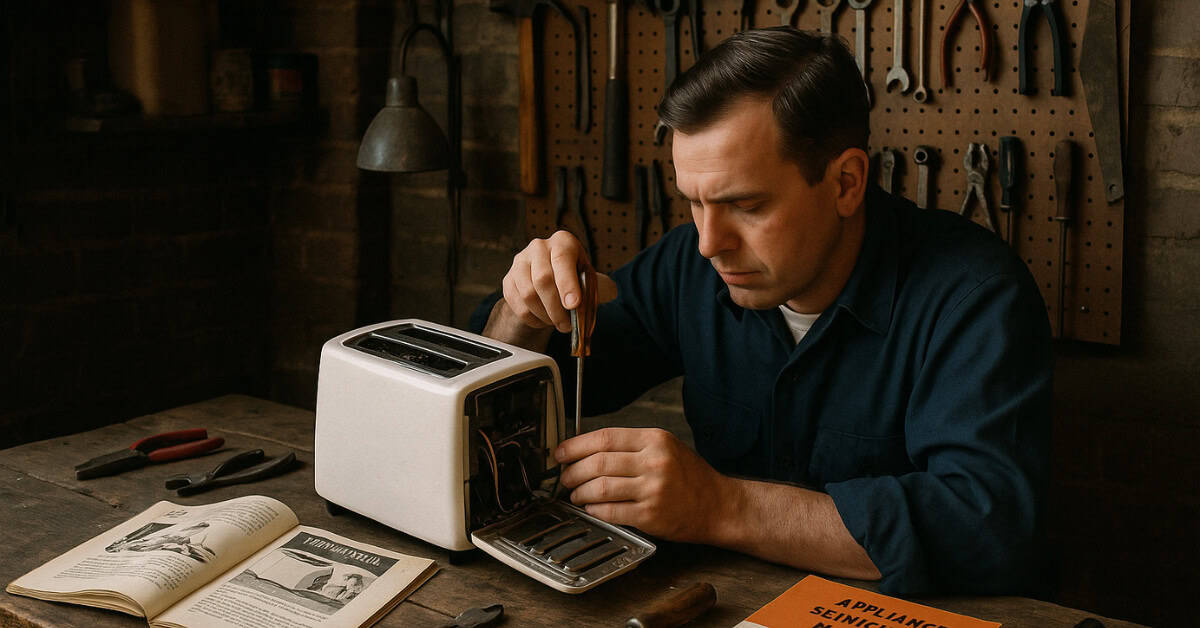
The art of repair was valued over replacement. From darning socks to fixing appliances, we learned basic maintenance skills. This mindset not only saves money but also reduces waste and environmental impact – increasingly important in today’s throwaway culture.
5. Write Thank-You Notes
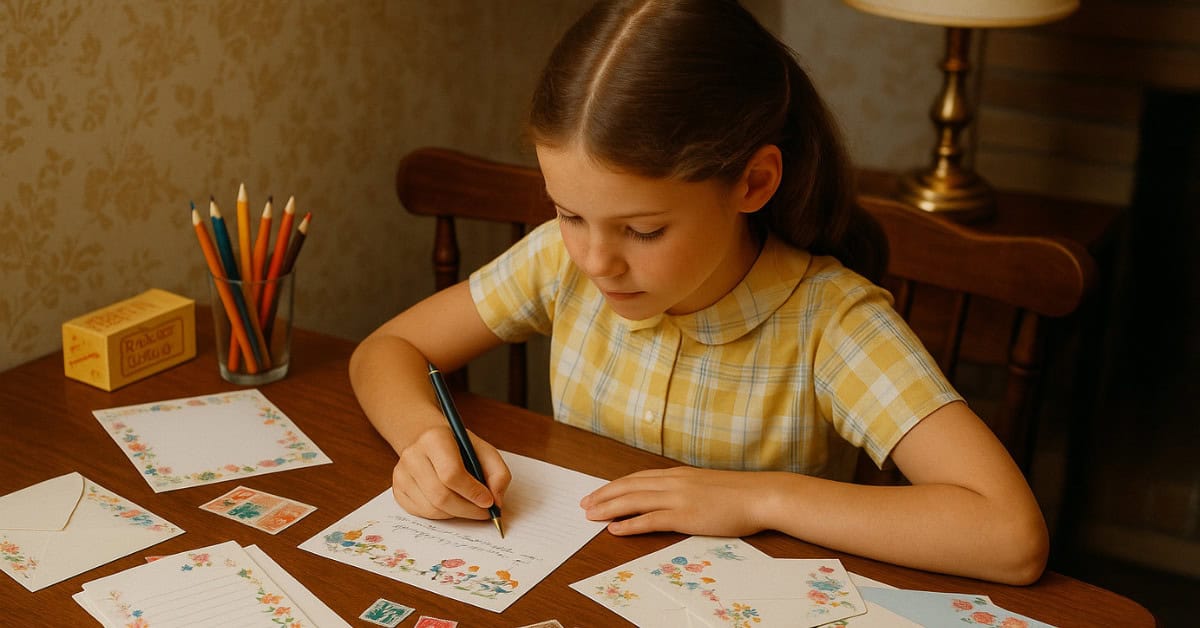
Expressing gratitude through handwritten notes was non-negotiable. This practice taught us to appreciate others’ kindness and maintain meaningful connections. In our age of quick texts and emails, a thoughtful handwritten note still stands out and strengthens relationships.
6. Learn to Entertain Yourself

Without constant digital entertainment, we developed creativity and self-reliance in amusing ourselves. Reading, crafting, and imaginative play built important cognitive skills. This ability to be content without external stimulation remains valuable for mental health and personal growth.
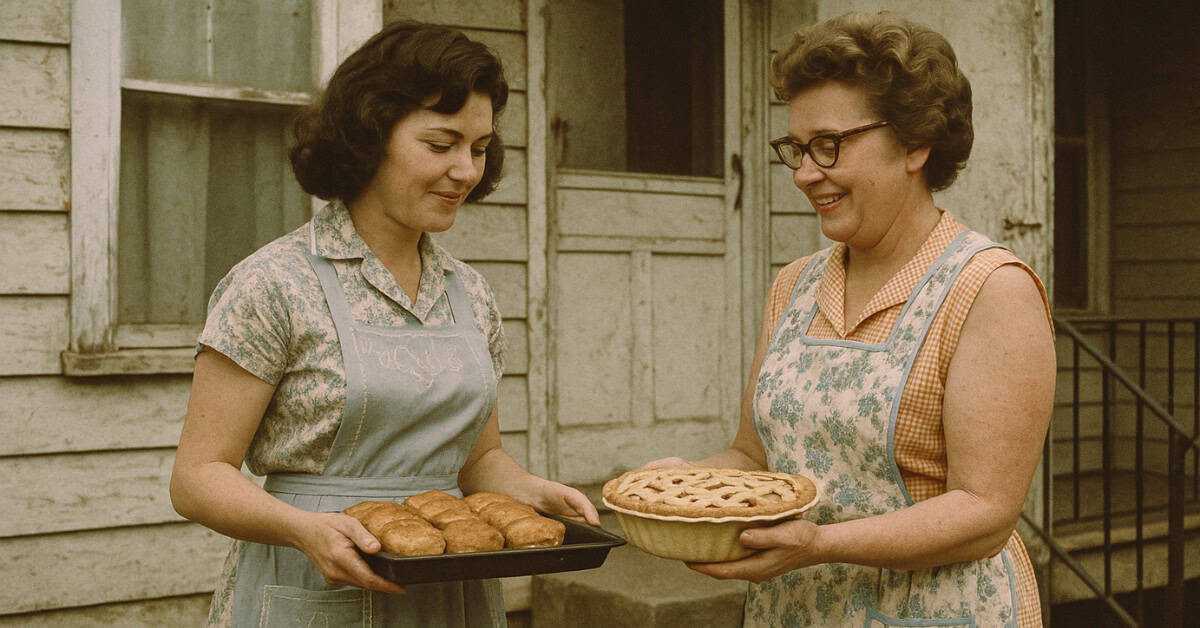
Generosity was a core value, especially during tough times. Whether it was extra garden produce or helping with chores, sharing strengthened community bonds. This spirit of giving remains essential for building strong social connections and support networks.
8. Keep Your Word

Promises weren’t made lightly, and following through was expected. This lesson in reliability and trustworthiness built strong character and relationships. In today’s world of easy commitments and casual cancellations, this principle remains crucial.
9. Work First, Play Later

Completing responsibilities before enjoying leisure time was a fundamental rule. This discipline in prioritizing duties over entertainment builds strong work ethics and time management skills. The principle remains valuable in our distraction-filled world.
10. Learn Basic Life Skills
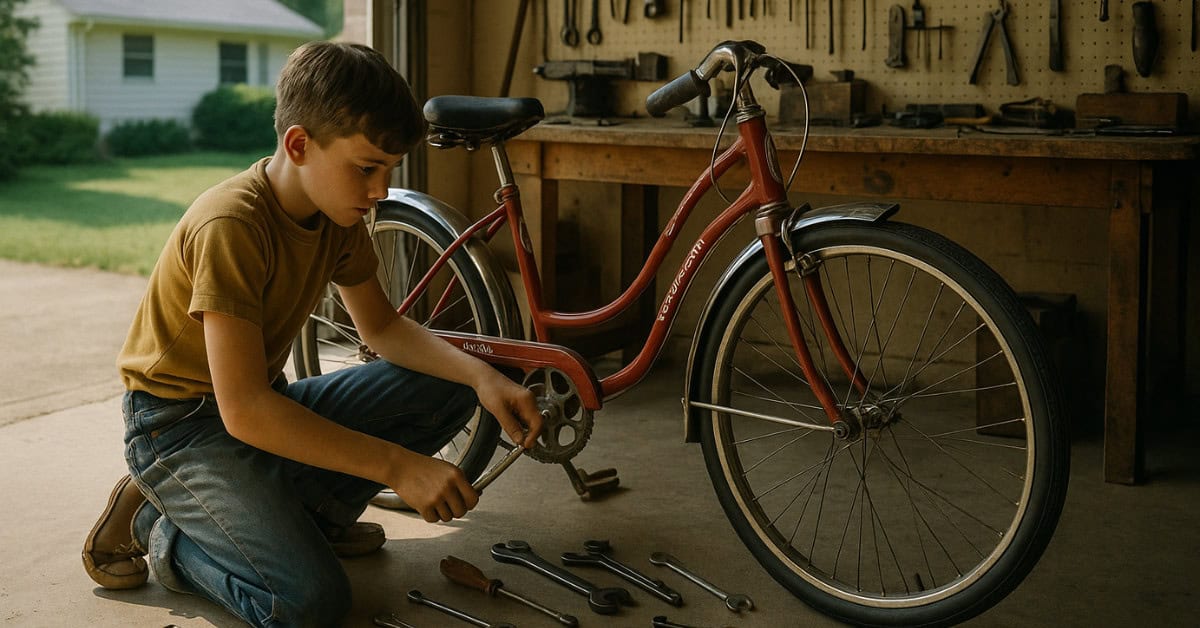
Everyone learned essential skills like cooking, basic repairs, and financial management. Being self-reliant in basic life tasks provided independence and confidence. These practical abilities remain valuable, saving money and building self-sufficiency.
11. Make Do or Do Without

Learning to be resourceful with what you had rather than buying new was essential. This mindset of creative problem-solving and contentment with less builds resilience and reduces waste. It’s particularly relevant in today’s environmental context.
12. Listen More Than You Speak

The art of listening and learning from others was highly valued. This skill builds understanding, empathy, and wisdom. In today’s world of constant self-expression and social media, active listening becomes even more important.
13. Leave Things Better Than You Found Them
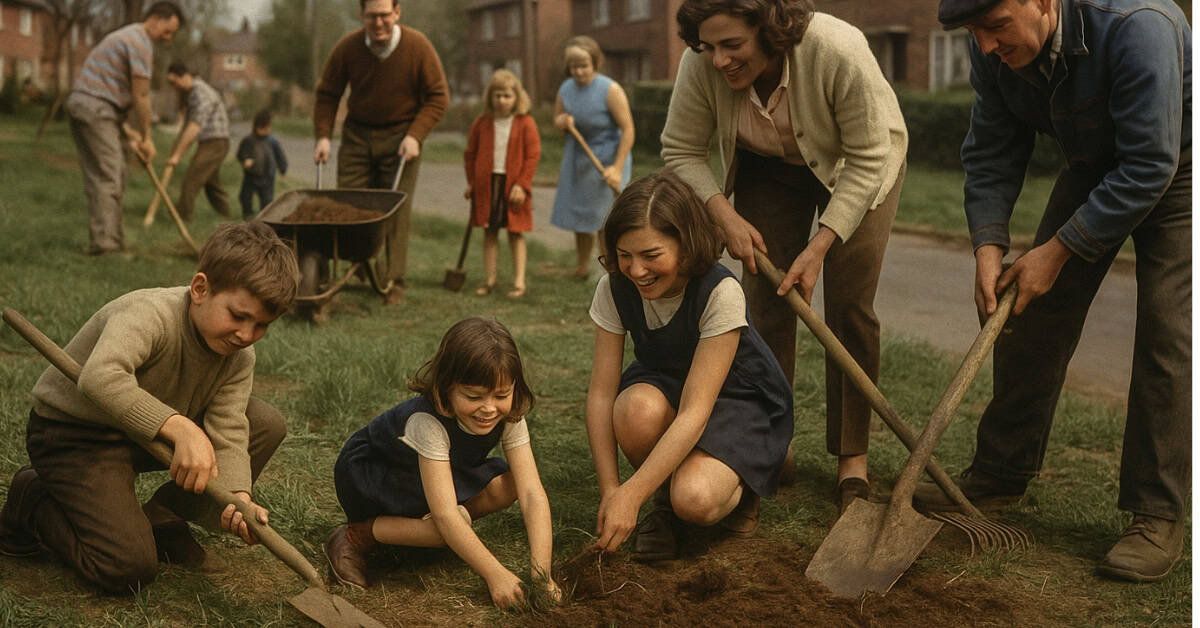
Whether it was a borrowed item or a public space, we were taught to improve rather than just maintain. This principle of stewardship and responsibility extends to environmental consciousness and community improvement today.