Growing up in the 1960s meant learning essential household skills that many young folks today have never even heard of. From darning socks to operating a rotary phone, these were the must-know tasks that every teenager mastered. Join me as we take a nostalgic journey through the practical skills that were simply part of daily life back then.
Table of Contents
- 1 1. Darning Socks and Basic Mending
- 2 2. Operating a Wringer Washing Machine
- 3 3. Making Coffee Without a Machine
- 4 4. Ironing Without Steam Settings
- 5 5. Writing in Cursive
- 6 6. Using a Rotary Phone
- 7 7. Making Meals from Scratch
- 8 8. Setting a Proper Table
- 9 9. Basic Car Maintenance
- 10 10. Reading a Map
- 11 11. Banking Without ATMs
- 12 12. Operating a Slide Rule
- 13 13. Home Hair Care
- 14 14. Using a Manual Typewriter
- 15 15. Garden Planning and Maintenance
1. Darning Socks and Basic Mending

Back in our day, throwing away a sock with a hole was practically unheard of. Every household had a darning egg and colorful thread for mending. We learned to weave the thread back and forth, creating a neat patch that could extend the life of our socks for months. This skill wasn’t just about saving money – it was about resourcefulness and taking pride in maintaining our belongings.
Save for later
Want to come back to this story? Save it with your email so it is easy to find again.
2. Operating a Wringer Washing Machine
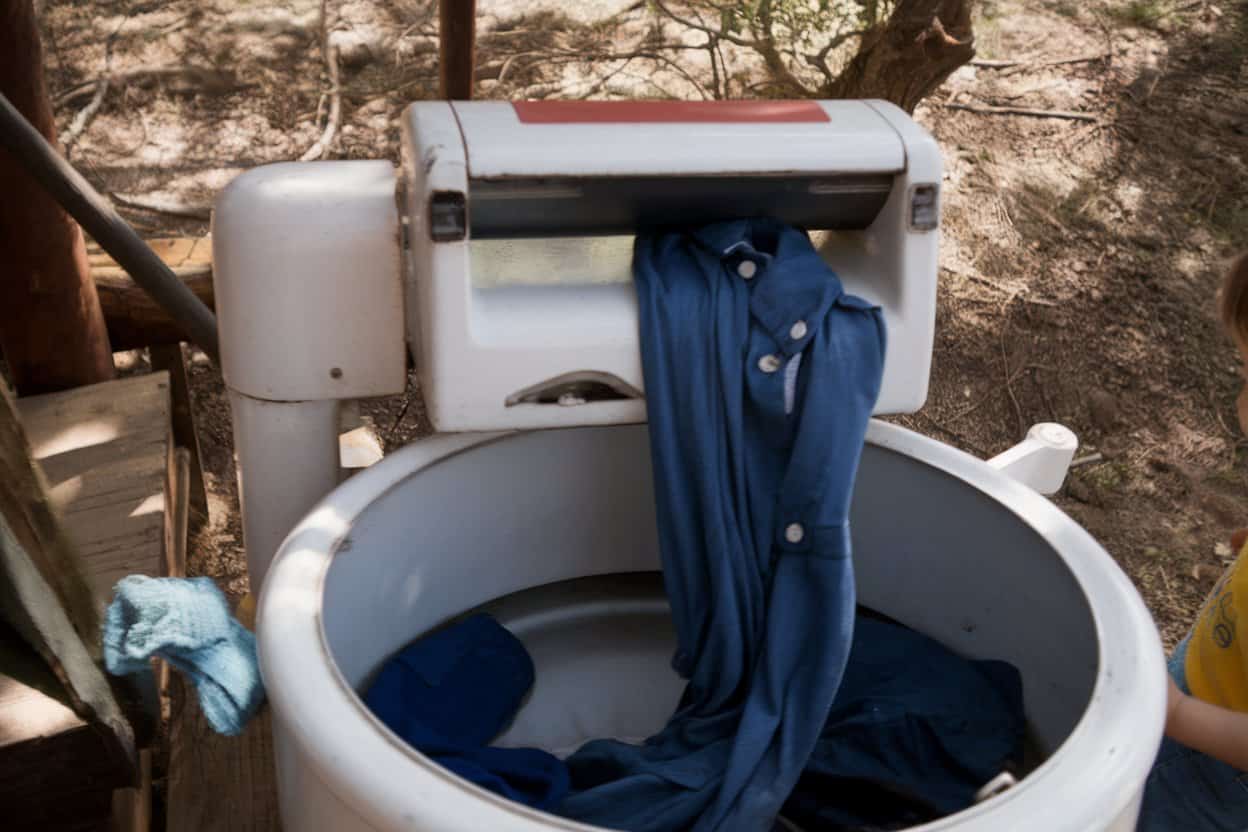
Before automatic washers became commonplace, we had to master the art of using a wringer washer. This meant carefully feeding clothes through the rollers without getting your fingers caught, knowing exactly how much soap to use, and timing the wash cycles perfectly. It was a workout, but nothing beat the satisfaction of hanging those clean clothes on the line to dry in the fresh air.
3. Making Coffee Without a Machine
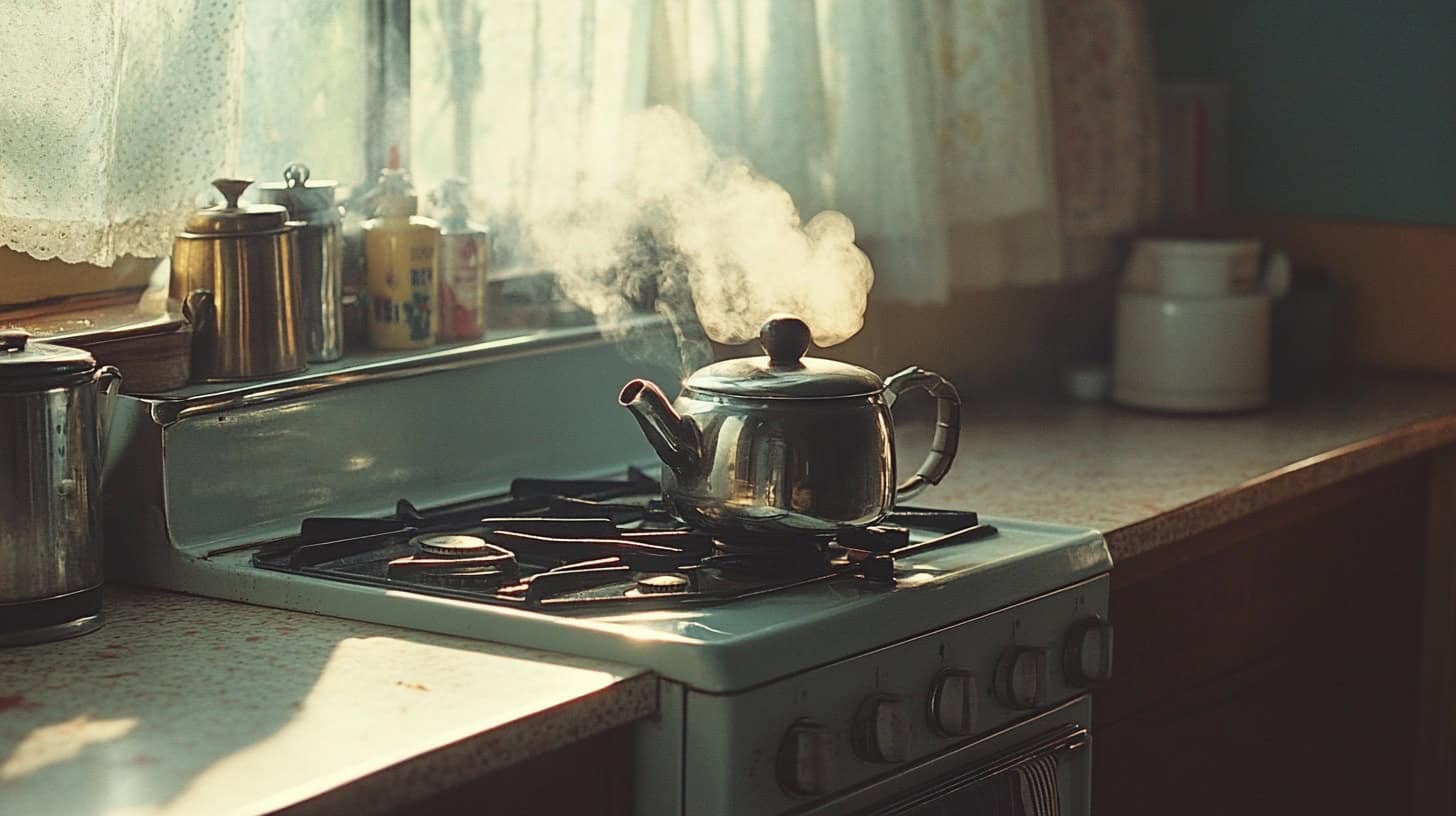
Forget those fancy push-button coffee makers – we learned to brew the perfect cup using a stovetop percolator. The trick was listening for the right “perking” sound and knowing exactly when to remove it from the heat. Some families even mastered the art of cowboy coffee, using nothing but a pot, ground coffee, and a bit of cold water to settle the grounds.
4. Ironing Without Steam Settings

Ironing was an art form that required real skill. We learned to sprinkle clothes with water using old soda bottles with special cork sprinkler tops, roll them up, and let them “season” before ironing. Every fabric required different temperature settings, and you had to master the technique of lifting and pressing without creating unwanted creases.
5. Writing in Cursive

Penmanship was serious business in the ’60s. We spent countless hours perfecting our cursive writing, making sure each letter flowed perfectly into the next. This wasn’t just about looking pretty – it was essential for everything from writing thank-you notes to filling out job applications. The Palmer Method was our bible, and neat handwriting was a point of pride.
6. Using a Rotary Phone

Today’s kids would be lost trying to dial a rotary phone, but we mastered the art of quick dialing. We memorized important numbers and learned the patience of waiting for the dial to return before entering the next digit. Party lines added another layer of complexity – we had to learn our ring pattern and practice proper phone etiquette.
7. Making Meals from Scratch

Before microwaves and instant meals, we learned to cook everything from scratch. This meant mastering techniques like making a roux, rolling out pie crust, and knowing exactly when bread dough had risen enough. Family recipes were passed down like precious heirlooms, and cooking skills were considered essential life lessons.
8. Setting a Proper Table

Setting a proper table was a skill every teenager had to master. We learned the correct placement for every piece of silverware, the proper folding of napkins, and the importance of water glasses positioned just so. Sunday dinners and holiday meals were opportunities to showcase these skills, and many families had their own special traditions.
9. Basic Car Maintenance
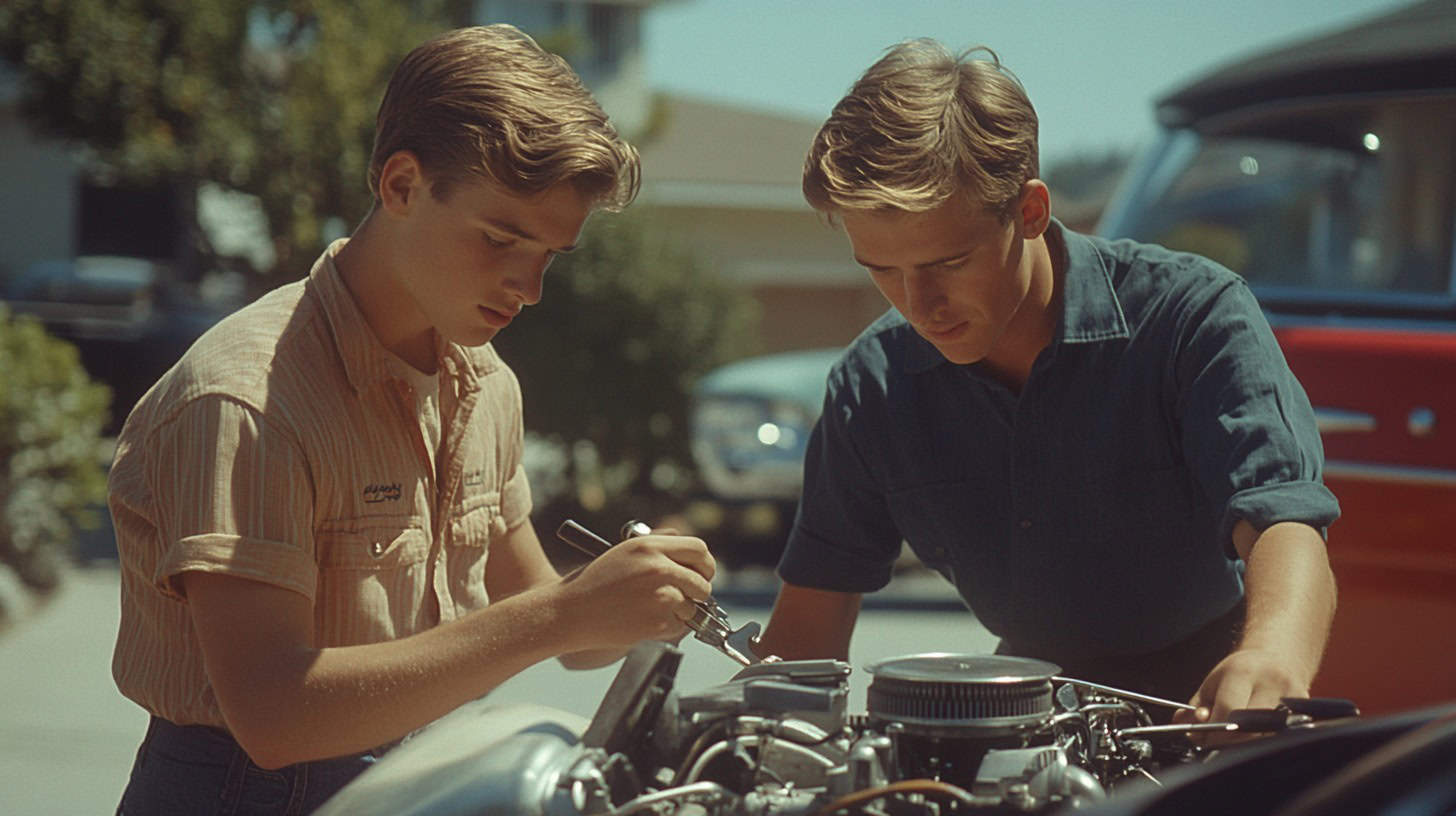
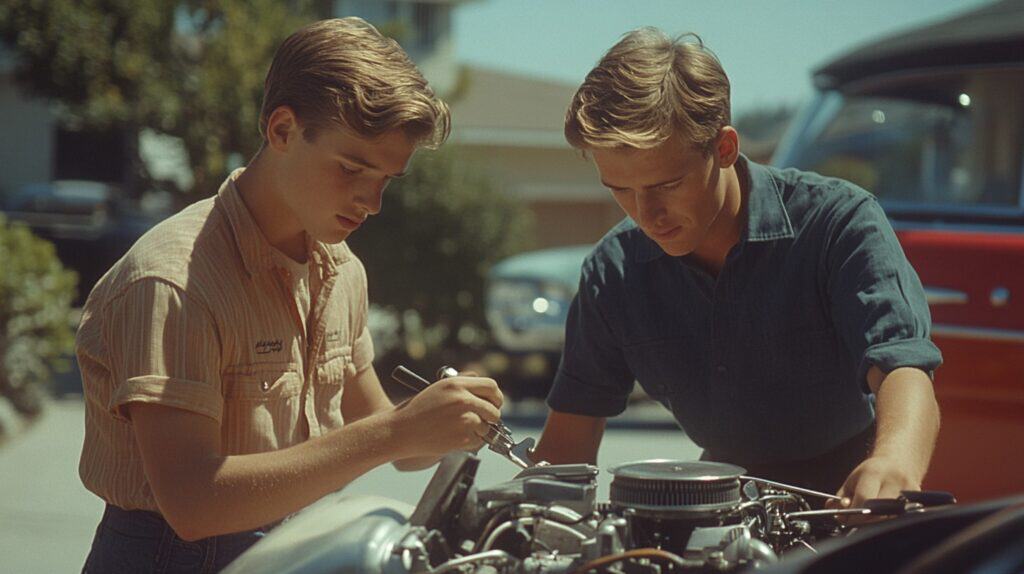
Most of us learned basic car maintenance as teenagers. Changing a tire, checking the oil, and adjusting the carburetor were essential skills. Cars were simpler then, and doing your own maintenance wasn’t just common – it was expected. Many of us spent weekends helping dad work on the family car, learning valuable lessons along the way.
10. Reading a Map

Long before GPS and smartphones, we had to master the art of map reading. Every glove compartment held a well-worn road atlas, and we learned to navigate by highway numbers and landmarks. Planning a road trip meant studying the route in advance and knowing how to find alternate paths when needed.
11. Banking Without ATMs

Before ATMs and online banking, we learned to manage money the old-fashioned way. Balancing a checkbook was a crucial skill, and we kept meticulous records of every deposit and withdrawal. Friday afternoons meant rushing to the bank before closing time, and we all knew how to properly fill out a deposit slip and endorse a check.
12. Operating a Slide Rule
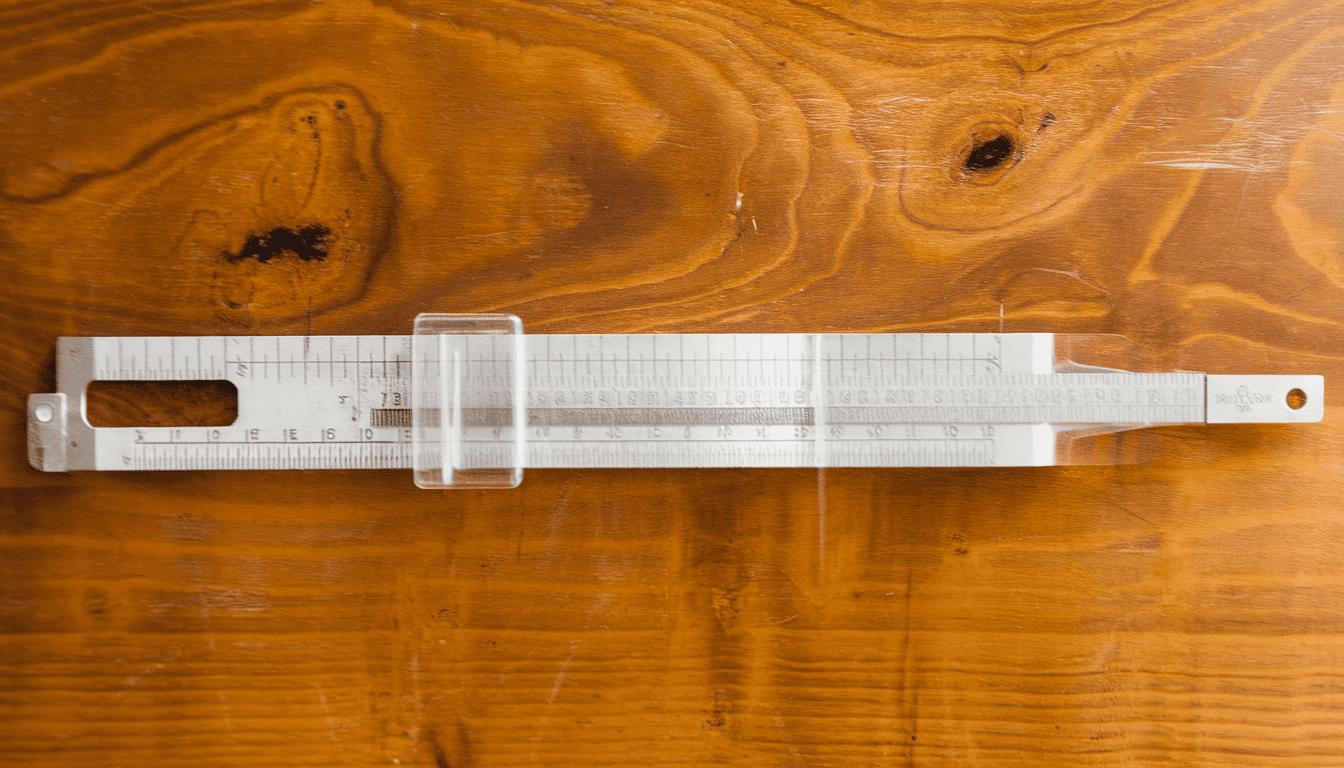
Long before calculators became affordable, every student learned to use a slide rule. These mathematical marvels helped us solve complex calculations, and knowing how to use one was essential for science and math classes. The precision required to line up the numbers correctly took practice, but once mastered, it became second nature.
13. Home Hair Care

Weekly hair maintenance was a serious affair in the ’60s. Girls learned to set their hair on plastic rollers or empty juice cans for maximum volume, and everyone knew how to trim their own bangs. Home permanents were common, and the distinct smell of Toni solution filled many a bathroom on Saturday afternoons.
14. Using a Manual Typewriter
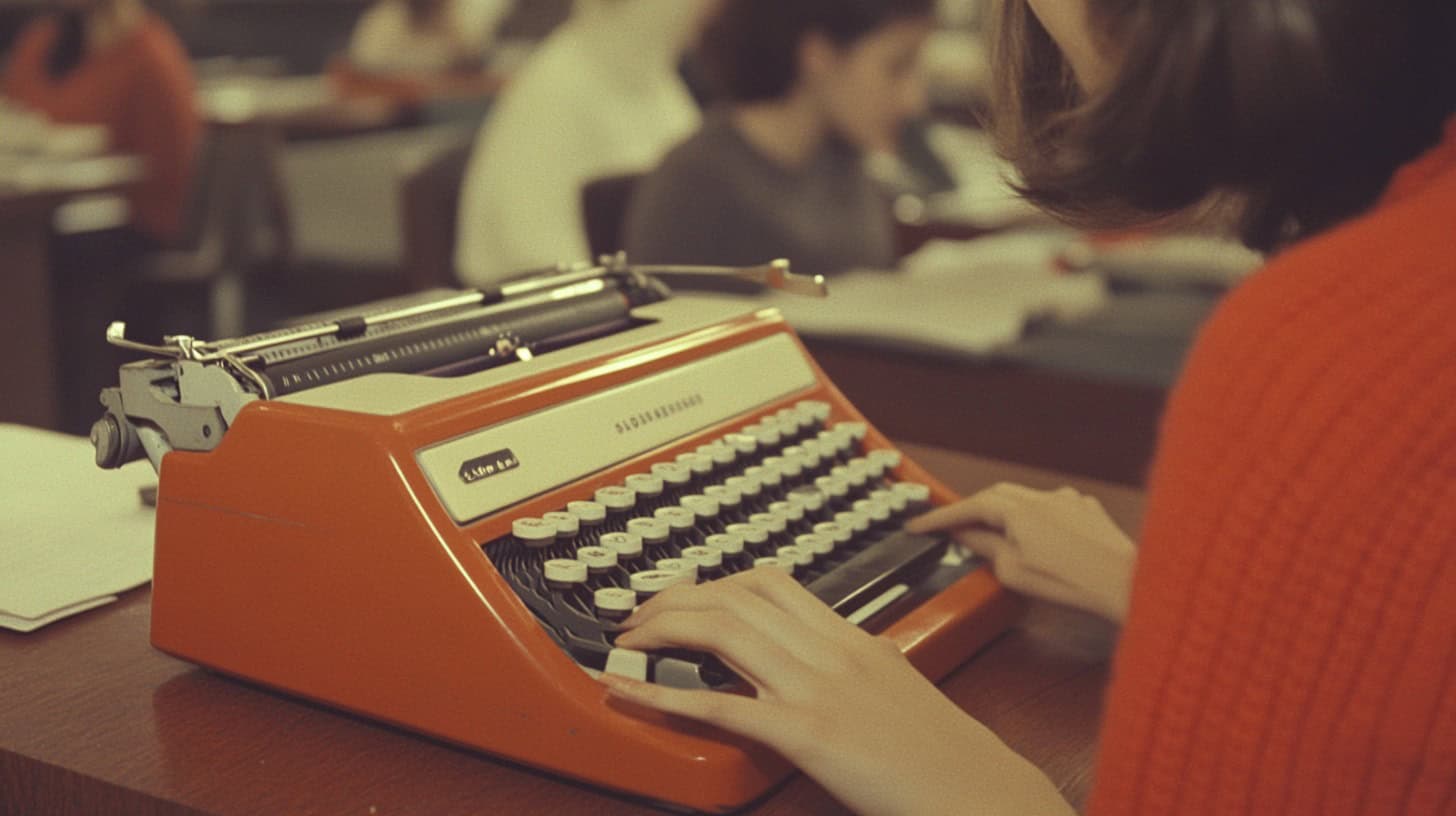
Typing class was a rite of passage, and mastering the manual typewriter was essential for academic and professional success. We learned to change ribbons, fix jammed keys, and type without looking at our hands. The satisfying clack of keys and the ping of the carriage return bell created a rhythm that’s forever etched in our memories.
15. Garden Planning and Maintenance

Many families maintained vegetable gardens, and teenagers were expected to help with planting, weeding, and harvesting. We learned to read almanacs, understand planting zones, and preserve the harvest through canning and freezing. These skills connected us to our food sources and taught valuable lessons about patience and responsibility.