Before helicopter parenting and endless safety regulations became the norm, kids of the ’60s and ’70s enjoyed a kind of freedom that today’s children might never experience. We roamed our neighborhoods freely, invented our own games, and learned life lessons through trial and error – sometimes literally. Here’s a nostalgic look back at what childhood was like before parents and society became hyper-focused on safety and supervision.
Table of Contents
- 1 1. Riding in the Back of Pickup Trucks
- 2 2. Walking to School Alone
- 3 3. Building Tree Houses Without Permits
- 4 4. Playing Outside Until Dark
- 5 5. Drinking from Garden Hoses
- 6 6. Lawn Darts and Metal Playgrounds
- 7 7. Bike Riding Without Helmets
- 8 8. Sledding Down Any Hill We Could Find
- 9 9. Making Our Own Fun
- 10 10. Wandering Through Construction Sites
- 11 11. Running Neighborhood Errands
- 12 12. Solving Our Own Conflicts
- 13 13. Summer-Long Adventures
1. Riding in the Back of Pickup Trucks
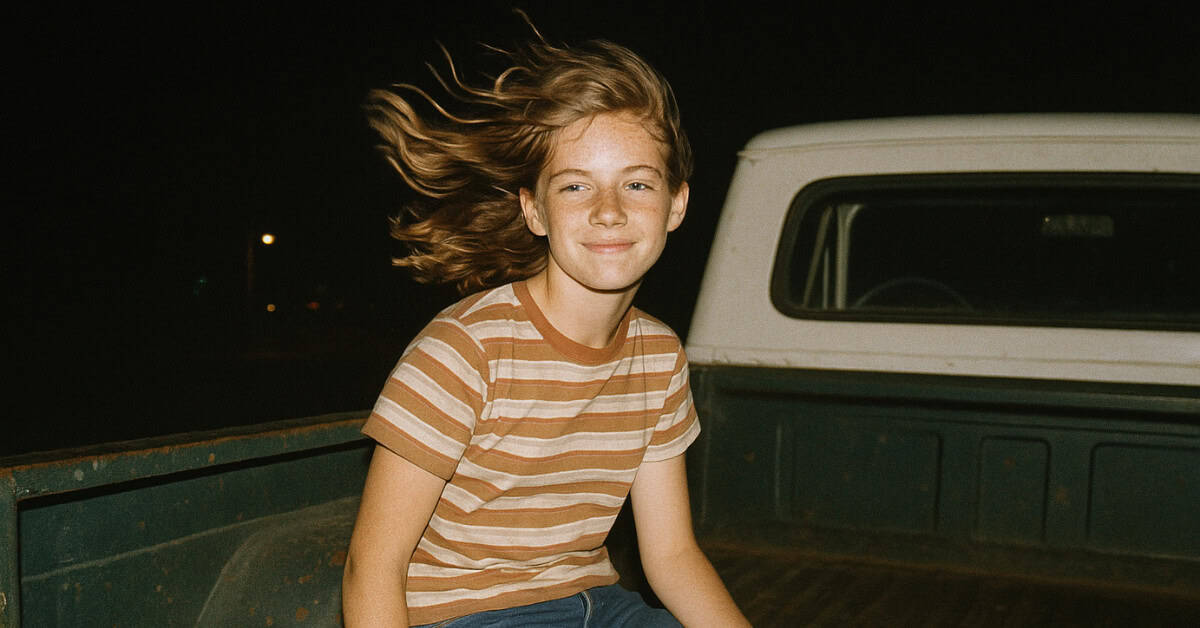
Nothing beat the thrill of riding in the back of dad’s pickup truck, wind whipping through our hair as we headed to the lake or hardware store. We’d sit on wheel wells, lean against the cab, or just stretch out and watch the clouds go by. Sure, we had to hold on tight around corners, but that was part of the adventure. These days, you’d probably get arrested for letting kids ride this way.
Save for later
Want to come back to this story? Save it with your email so it is easy to find again.
2. Walking to School Alone
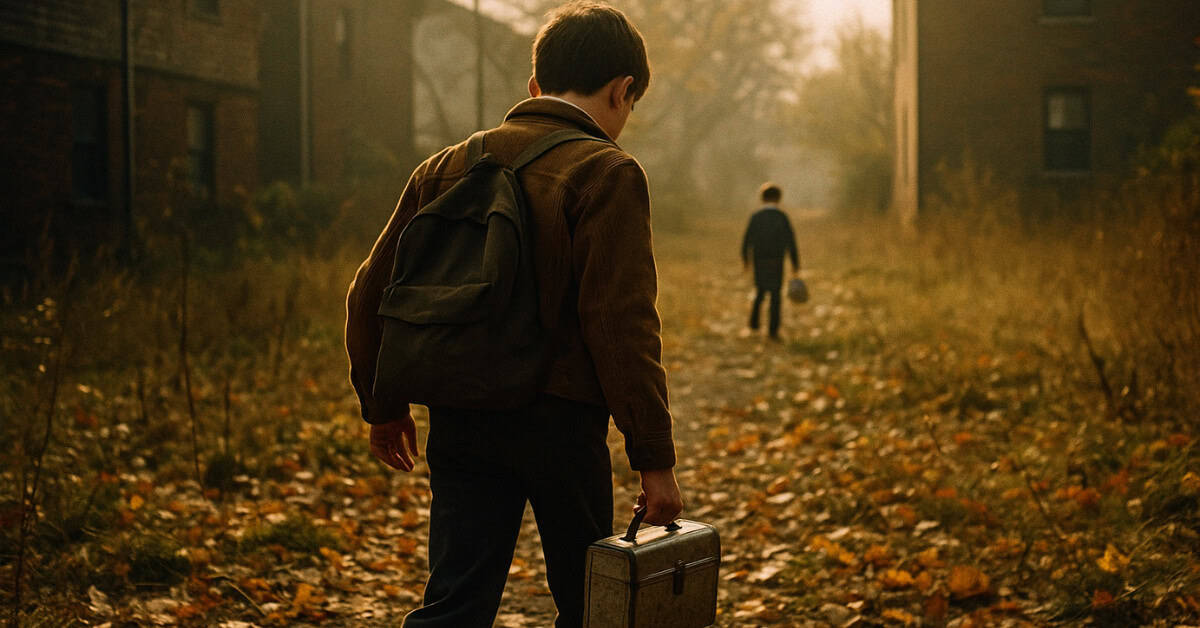
From first grade on, we’d walk to school in groups or alone, rain or shine. We knew every shortcut through neighbors’ yards, every friendly dog along the route, and exactly how long we could dawdle before being late. Parents didn’t track us with smartphones or worry about strangers – they just expected us to show up at school and come home when the bell rang.
3. Building Tree Houses Without Permits

Armed with salvaged wood, rusty nails, and determination, we constructed elaborate treehouses without blueprints or adult supervision. These architectural masterpieces might not have met modern safety codes, but they taught us about engineering, teamwork, and risk assessment. The occasional splinter or fall was just part of the learning experience.
4. Playing Outside Until Dark
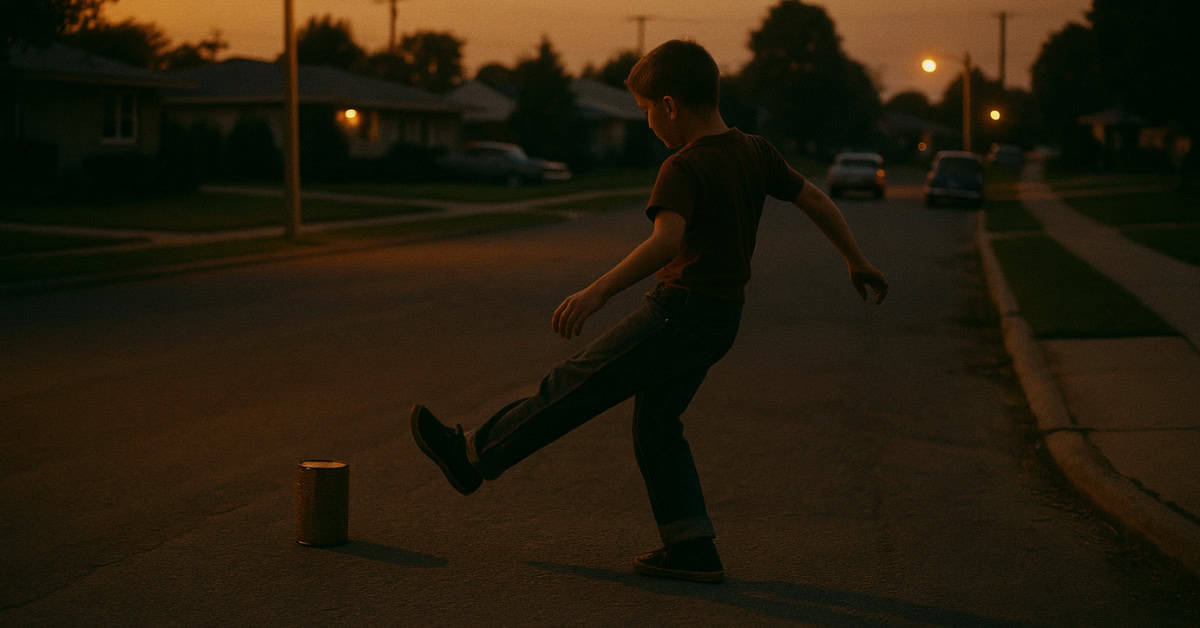
The universal rule was simple: be home when the street lights came on. We’d spend entire days exploring neighborhoods, playing pickup games, and inventing adventures, completely unsupervised. Parents didn’t worry about our whereabouts because they knew we’d show up when hunger or darkness called us home.
5. Drinking from Garden Hoses

Nobody carried water bottles back then – we just drank from the nearest garden hose when thirsty. The water was usually scalding hot at first, tasted like rubber, and probably contained enough minerals to qualify as a multivitamin. But we survived, and somehow it always tasted better than tap water during those hot summer days.
6. Lawn Darts and Metal Playgrounds
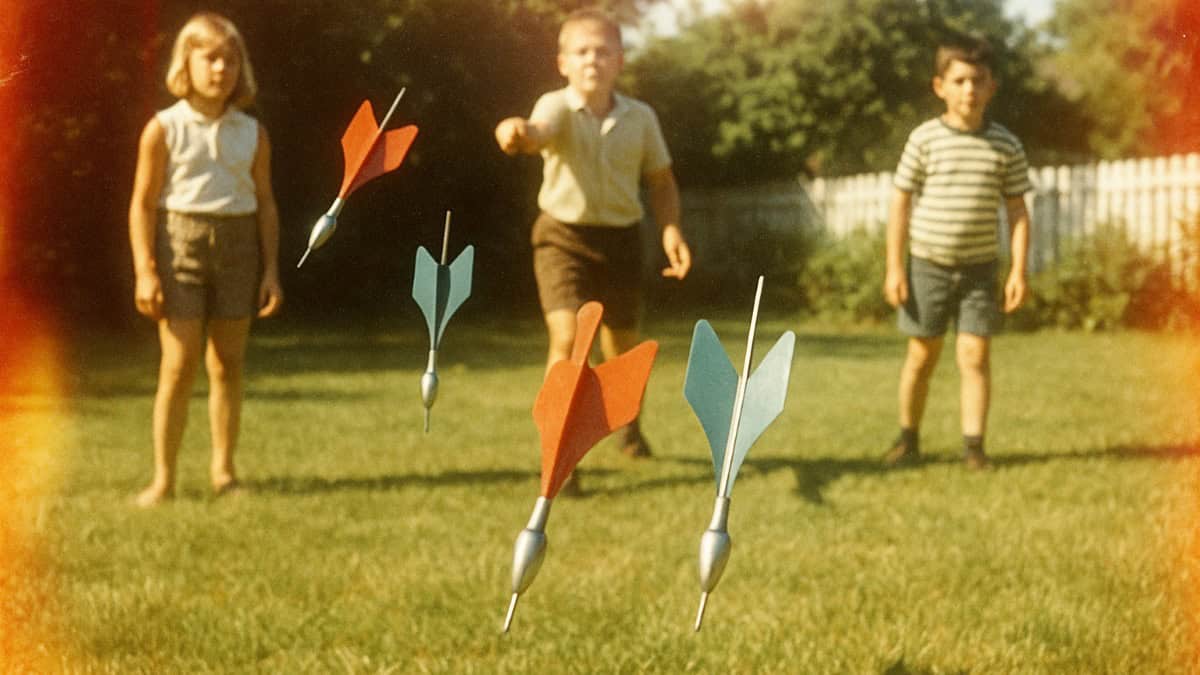
We played with actual metal darts weighted to stick in the ground, and our playgrounds were made of steel and concrete. The slides would burn your legs on hot summer days, and the merry-go-rounds could achieve speeds that would make NASA engineers nervous. Yet somehow, we learned to navigate these hazards and developed pretty good reflexes in the process.
7. Bike Riding Without Helmets
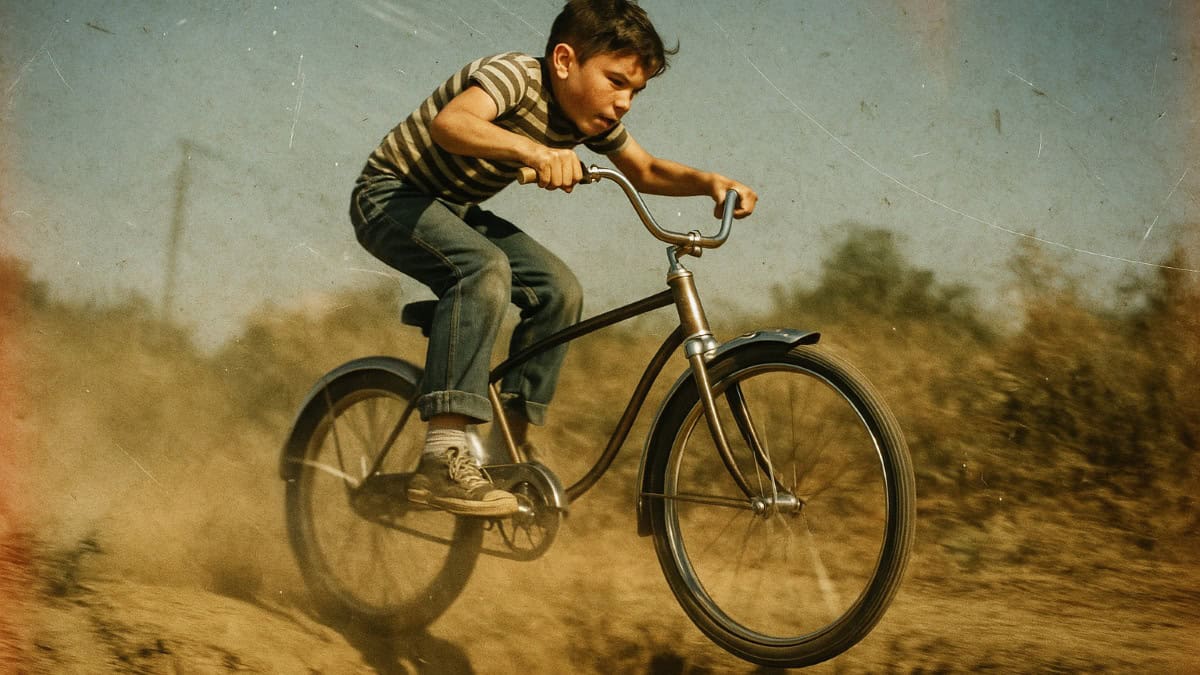
Our bikes were our freedom machines, and we rode them everywhere without a helmet in sight. We’d build ramps out of plywood and bricks, perform death-defying stunts, and cruise the neighborhood with our hands off the handlebars. The occasional scrape or bruise was a badge of honor, not a cause for concern.
8. Sledding Down Any Hill We Could Find

Winter meant finding the steepest, most dangerous hill in town and sledding down it on whatever would slide. Cafeteria trays, cardboard boxes, or actual sleds – it didn’t matter as long as it was fast. We’d spend hours climbing up just for those few seconds of pure adrenaline on the way down, dodging trees and rocks along the way.
9. Making Our Own Fun

Without organized activities or electronic entertainment, we had to get creative. A cardboard box could become a spaceship, a blanket over a clothesline transformed into a secret fort, and a simple stick could be anything from a sword to a magic wand. We developed imagination and problem-solving skills because we had to make our own entertainment.
10. Wandering Through Construction Sites
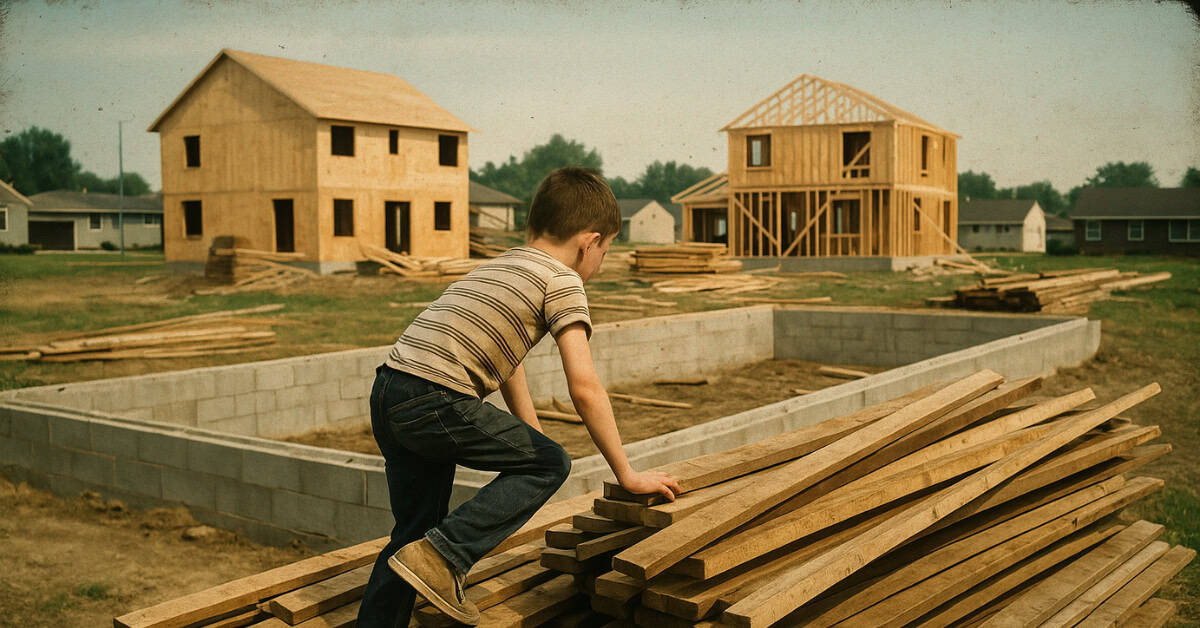
Every new house being built was an adventure playground waiting to be explored. We’d climb through half-finished structures, collect wood scraps for our projects, and play in giant dirt piles. No one worried about liability issues or trespassing – it was just part of being a kid in the neighborhood.
11. Running Neighborhood Errands
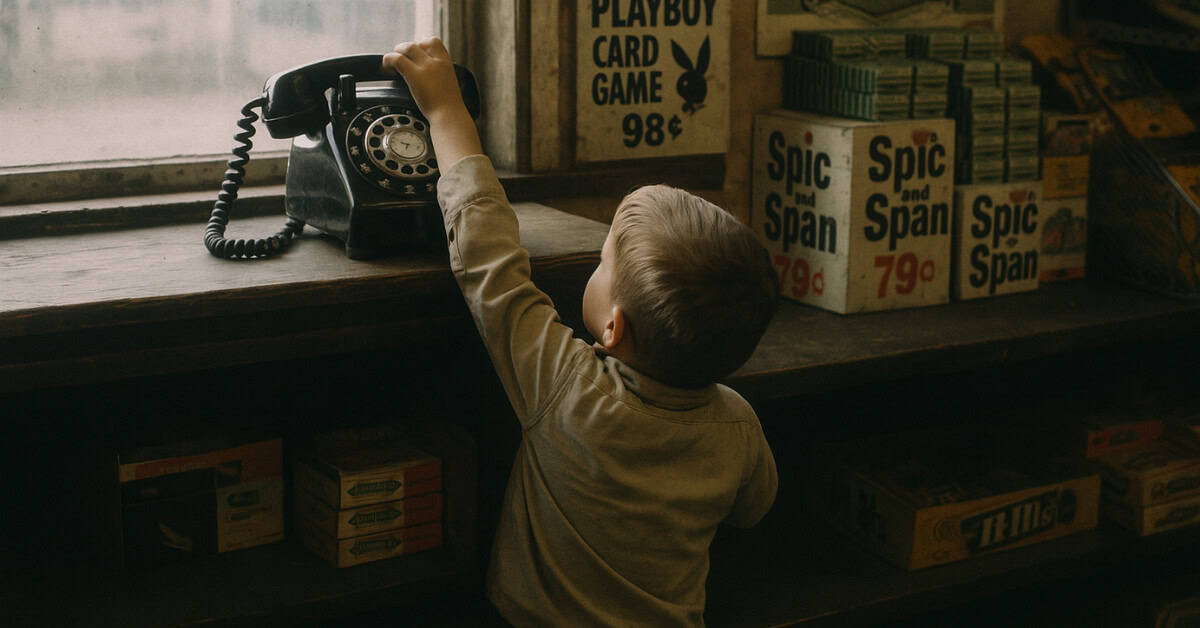
Parents would regularly send us to the store with a note and some cash to pick up milk, bread, or cigarettes. We’d handle money, make decisions, and interact with adults on our own. These simple errands taught us responsibility and independence at a young age, something today’s kids rarely experience.
12. Solving Our Own Conflicts

When disagreements arose, we had to figure things out ourselves. There were no parents mediating every dispute or organizing structured playdates. We learned negotiation skills, developed conflict resolution abilities, and understood the importance of compromise – or sometimes just how to dodge a punch.
13. Summer-Long Adventures
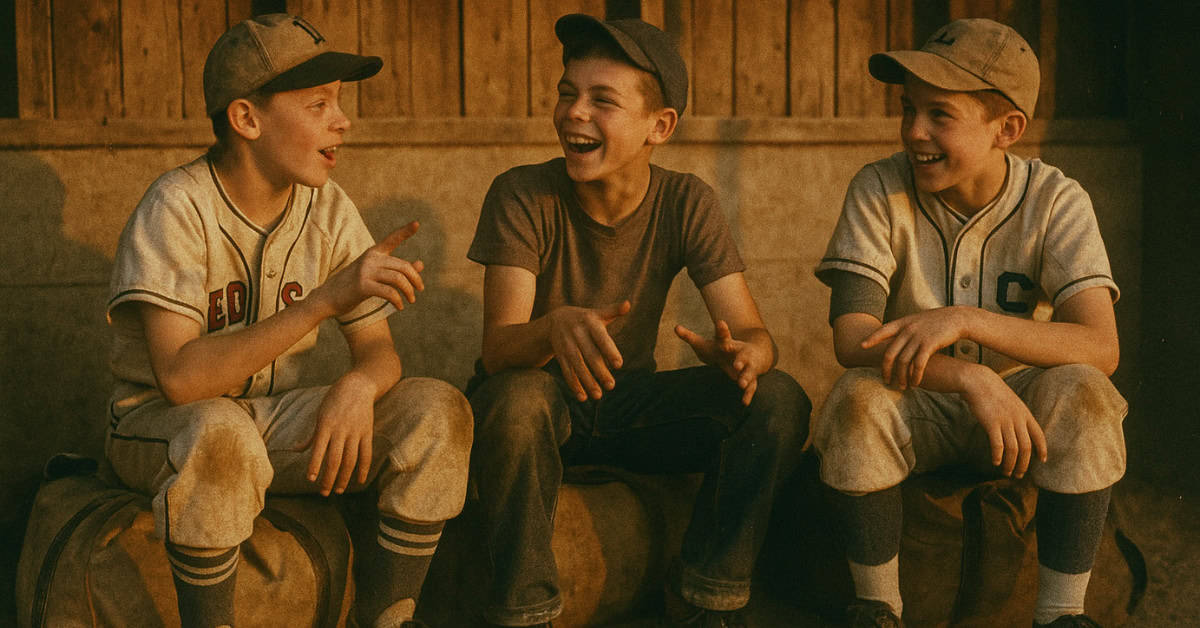
Summer meant unlimited freedom from dawn to dusk. We’d leave after breakfast and return for dinner, spending the entire day exploring, playing, and having adventures. No summer camps, no scheduled activities – just pure, unstructured time to discover the world and ourselves. Those endless summer days shaped who we became as adults.