If you grew up in the 1950s or 1960s, you probably remember the fascinating world of party-line telephones. These shared telephone lines were both a blessing and a curse, creating unique social dynamics in neighborhoods across America. From eavesdropping neighbors to secret codes, here’s a trip down memory lane that will bring back familiar memories for anyone who lived through the party-line era.
Table of Contents
- 1 1. The Distinctive Ring Pattern for Your House
- 2 2. The Art of Eavesdropping
- 3 3. The “Emergency Call” Protocol
- 4 4. The Endless Wait for a Free Line
- 5 5. The Phone Manners Revolution
- 6 6. The Coded Conversations
- 7 7. The Kitchen Wall Phone
- 8 8. The “Someone’s Coming” Warning System
- 9 9. The Monthly Phone Bill Drama
- 10 10. The Neighborhood News Network
- 11 11. The “Dead Giveaway” Heavy Breathing
- 12 12. The “Time’s Up” Reminder
- 13 13. The Private Line Status Symbol
1. The Distinctive Ring Pattern for Your House
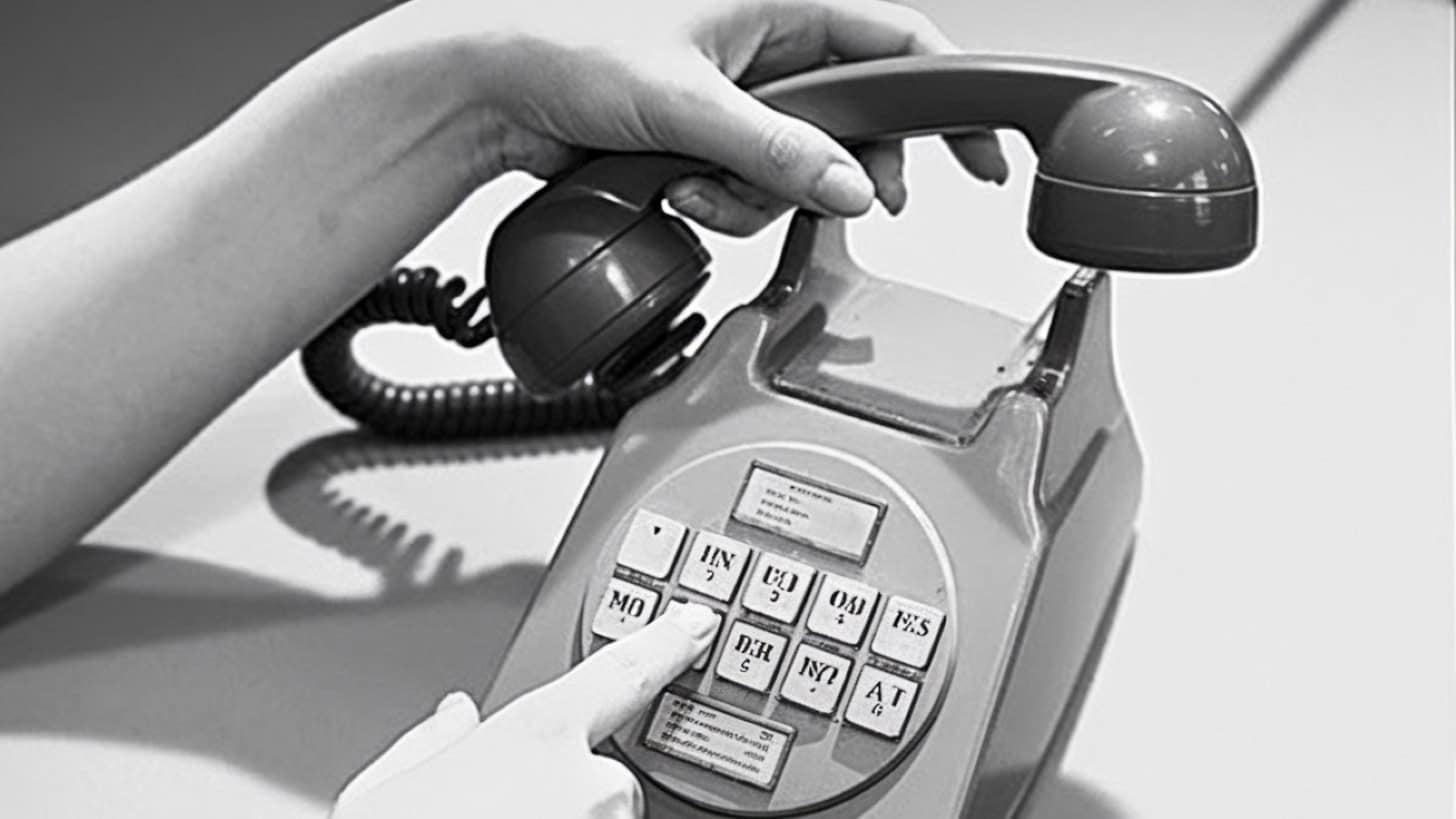
Every family on the party line had their unique ring pattern – maybe two short rings for the Johnsons, or one long and one short for the Smiths. You became so attuned to your pattern that you could be in the deepest sleep and still recognize your ring instantly. It was like having a secret code that everyone in the family memorized, and heaven help any youngster who answered the phone when it wasn’t their family’s ring pattern.
Save for later
Want to come back to this story? Save it with your email so it is easy to find again.
2. The Art of Eavesdropping
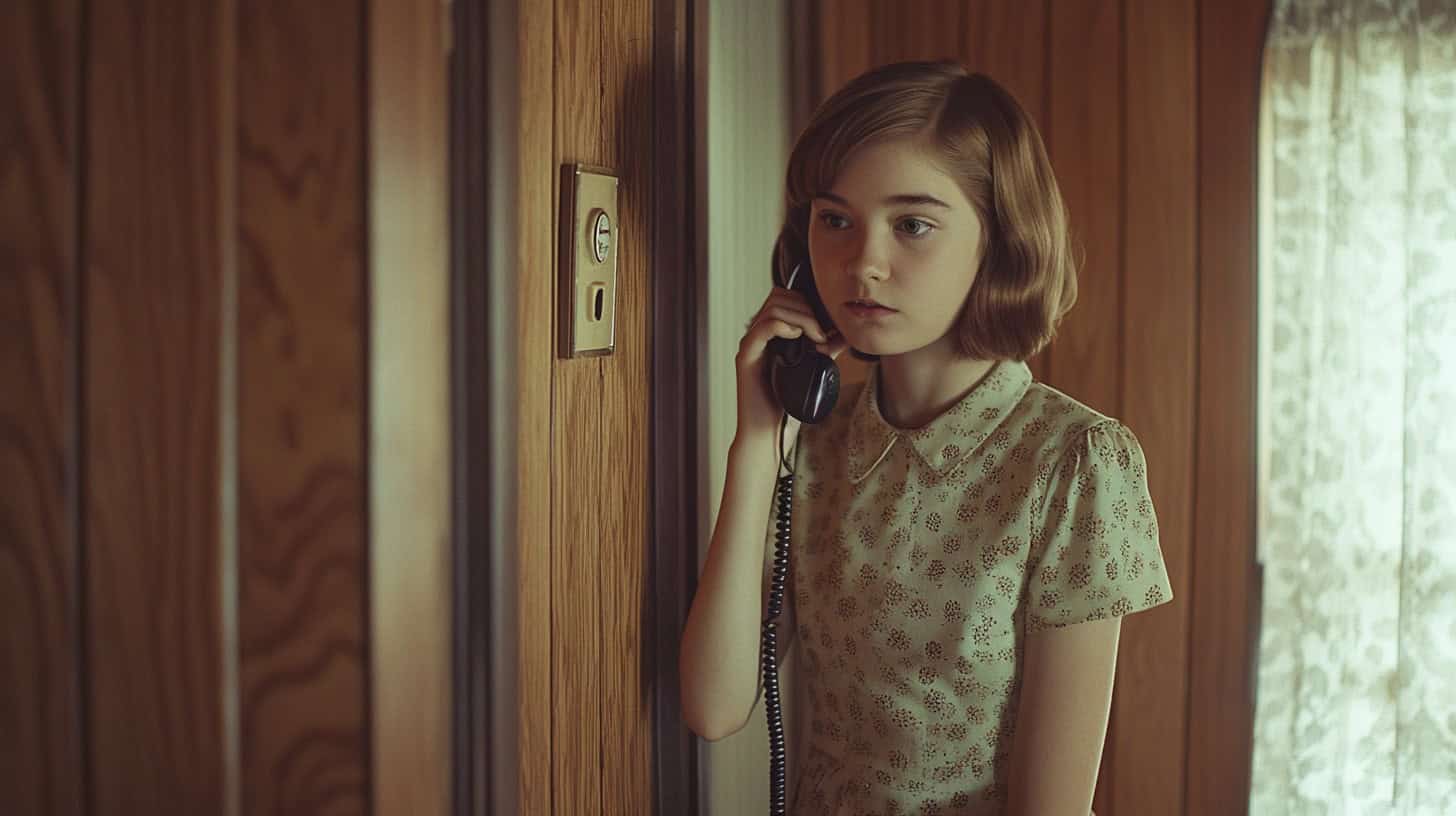
Let’s be honest – everyone listened in on their neighbors’ conversations at least once. You’d quietly pick up the receiver, careful not to breathe too loudly, and get the latest neighborhood gossip firsthand. The telltale click of someone else picking up the line would send guilty parties scrambling to hang up before they were caught. It was the original social network, complete with its own version of privacy concerns.
3. The “Emergency Call” Protocol
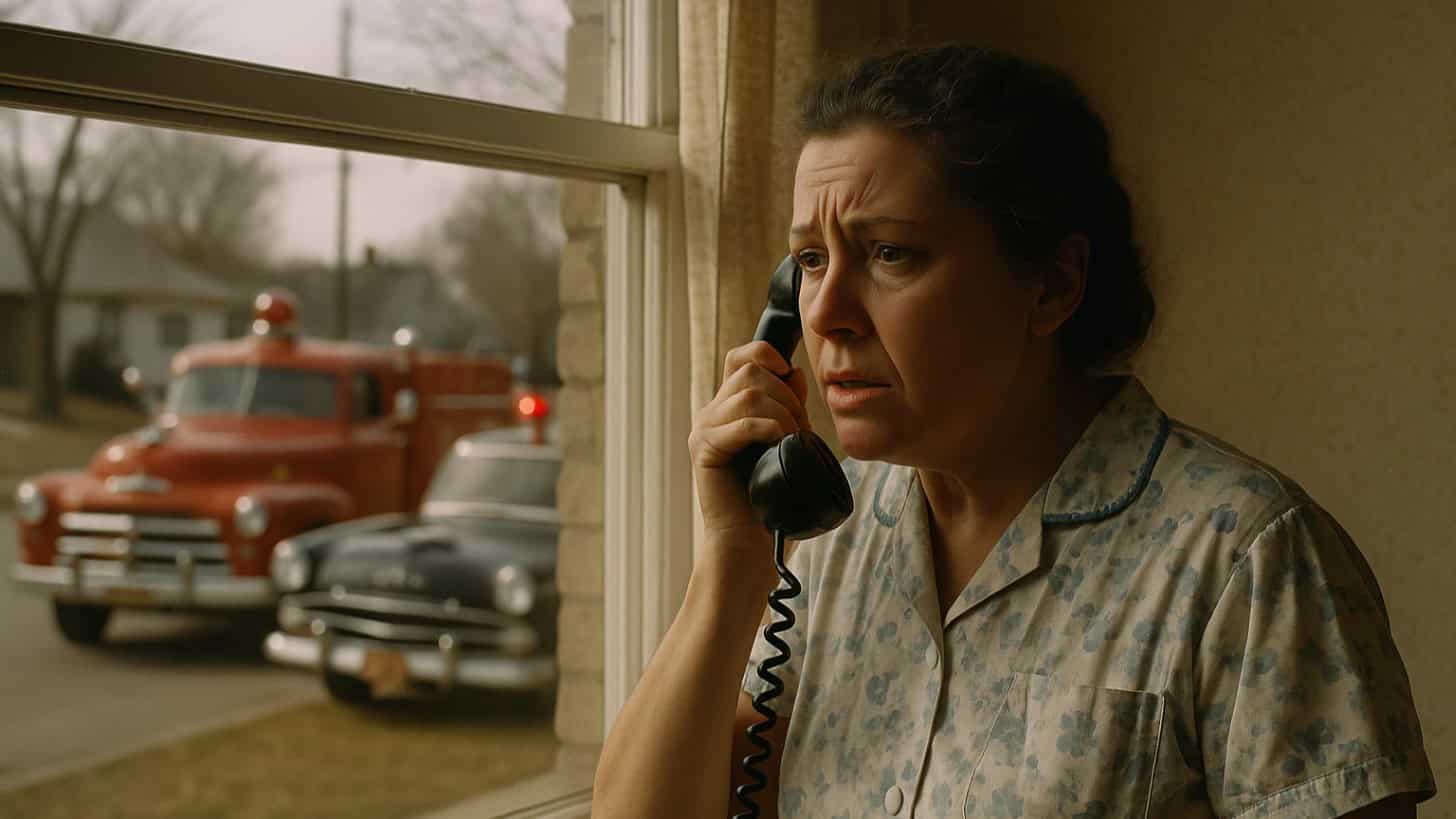
When someone needed to make an emergency call, there was an unwritten rule that you’d politely but firmly interrupt any conversation happening on the line. “Emergency, please release the line” was a phrase that would immediately clear the party line for urgent use. It was a system built on trust and community courtesy, and remarkably, it usually worked quite well.
4. The Endless Wait for a Free Line

Remember picking up the phone to make a call, only to hear Mrs. Henderson deep in conversation about her prize-winning tomatoes? You’d have to wait patiently for her to finish, sometimes for what felt like hours. The frustration of having an urgent call to make while someone else monopolized the line was a universal experience that tested everyone’s patience.
5. The Phone Manners Revolution
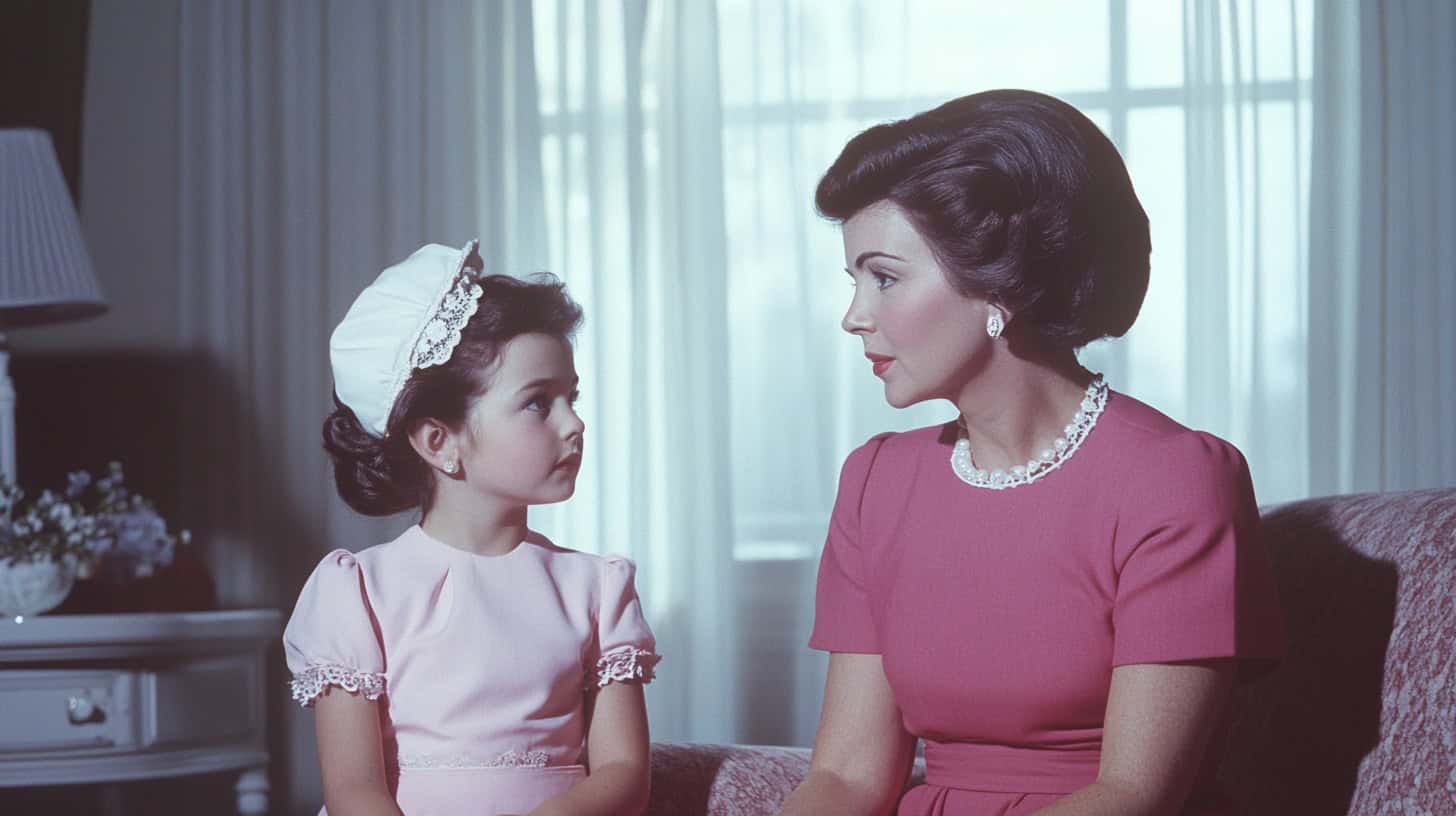
Party lines taught an entire generation proper telephone etiquette. You learned to keep conversations brief, speak quietly about personal matters, and always check if someone needed to use the line for an emergency. These lessons in telephone courtesy have become deeply ingrained habits that many of us still carry to this day.
6. The Coded Conversations
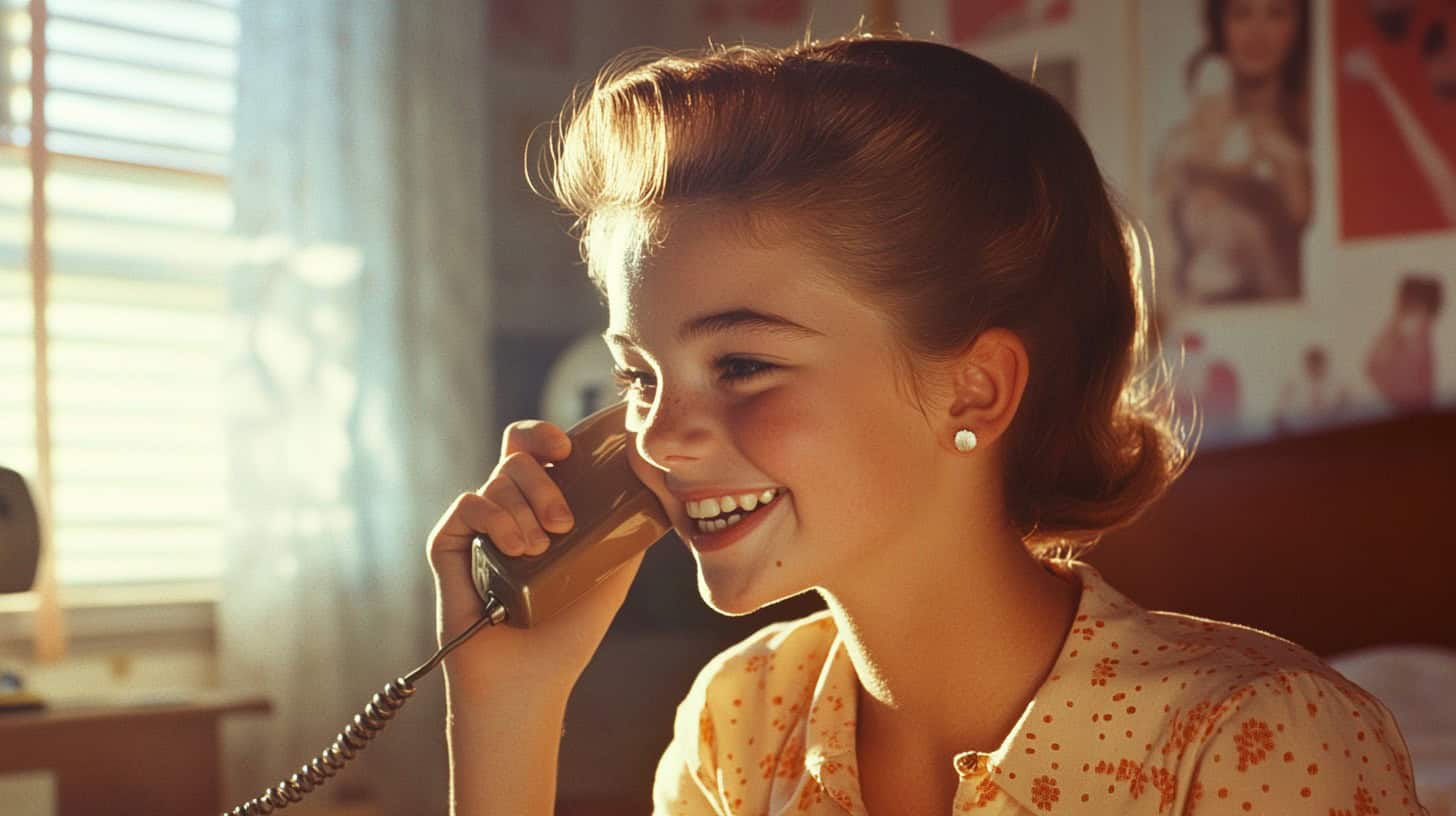
Teenagers developed their own secret languages to communicate on party lines without nosy neighbors understanding their conversations. Words and phrases took on double meanings, and elaborate codes emerged to discuss sensitive topics like dates and crushes. It was like having an early version of text speak, decades before cell phones existed.
7. The Kitchen Wall Phone
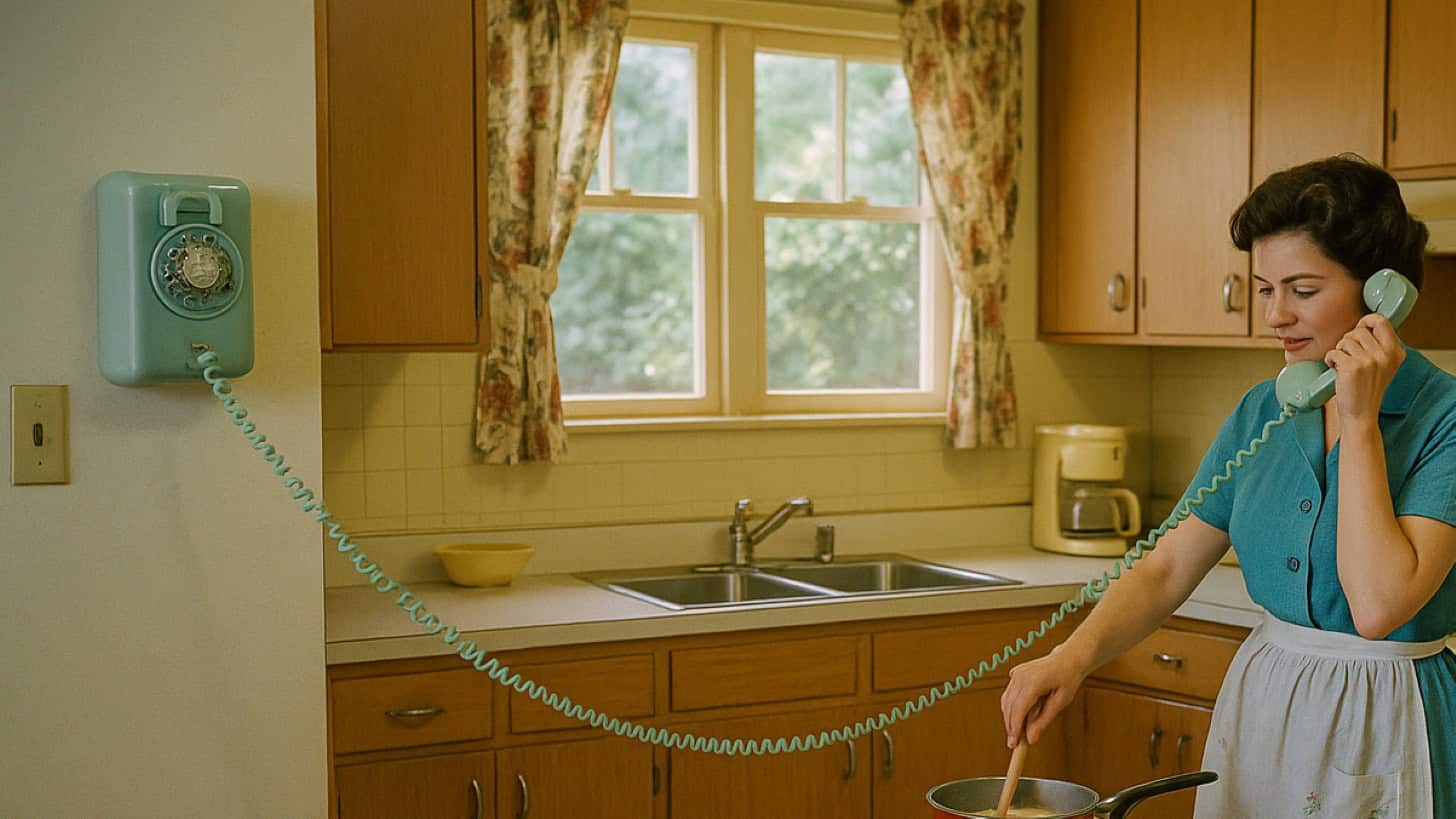
That rotary phone mounted on the kitchen wall, with its impossibly long cord that stretched across the room, was the center of family communication. Everyone would gather around during important calls, and the cord would get hopelessly tangled as you paced back and forth during conversations. The longer the cord, the more prestigious the phone setup was considered.
8. The “Someone’s Coming” Warning System
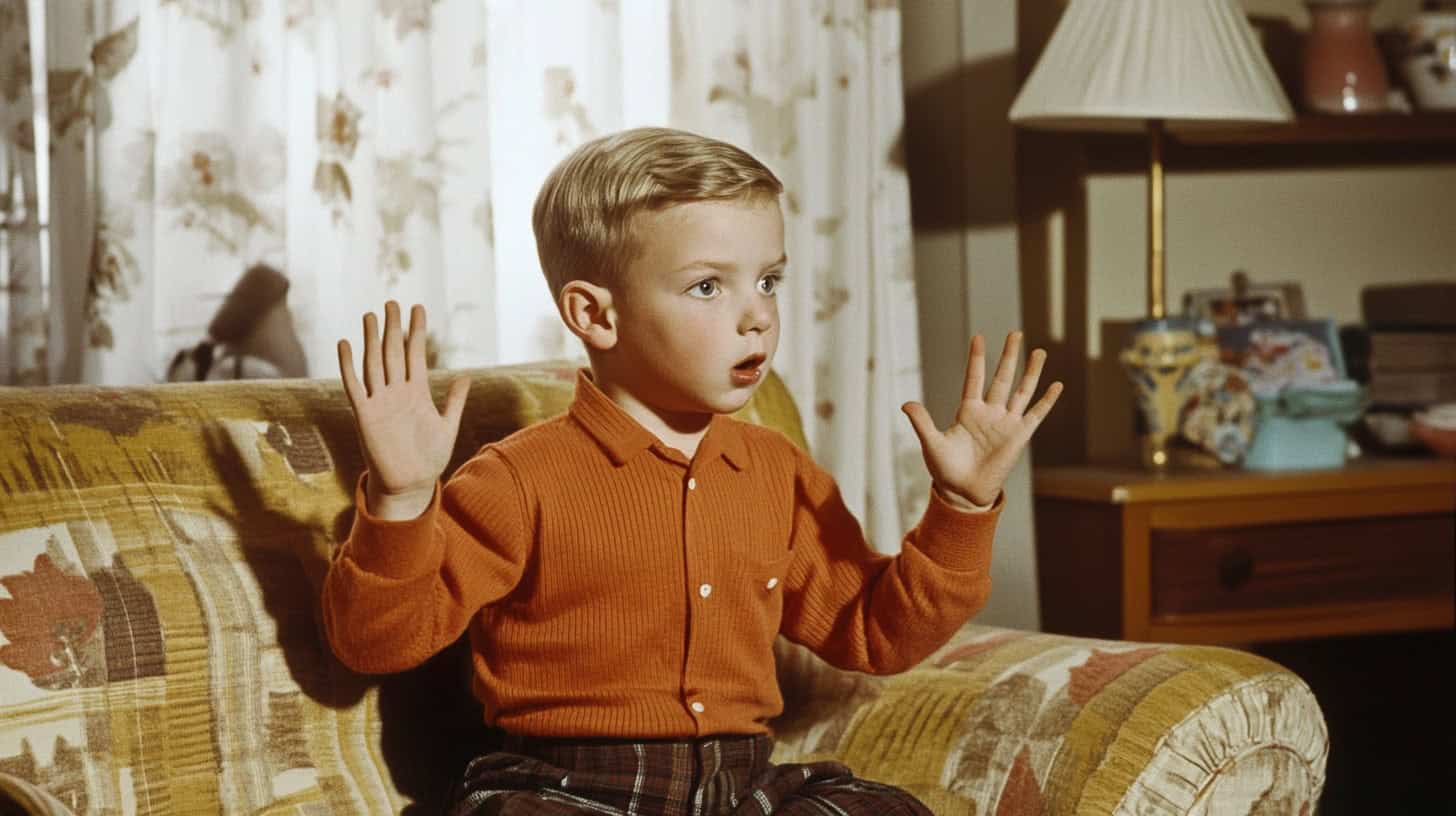
Siblings developed elaborate warning systems to alert each other when parents were approaching during phone calls. A subtle cough, a code word, or a quick tap on the receiver meant “wrap it up fast!” This cooperation between siblings was one of the rare instances where we worked together instead of arguing.
9. The Monthly Phone Bill Drama
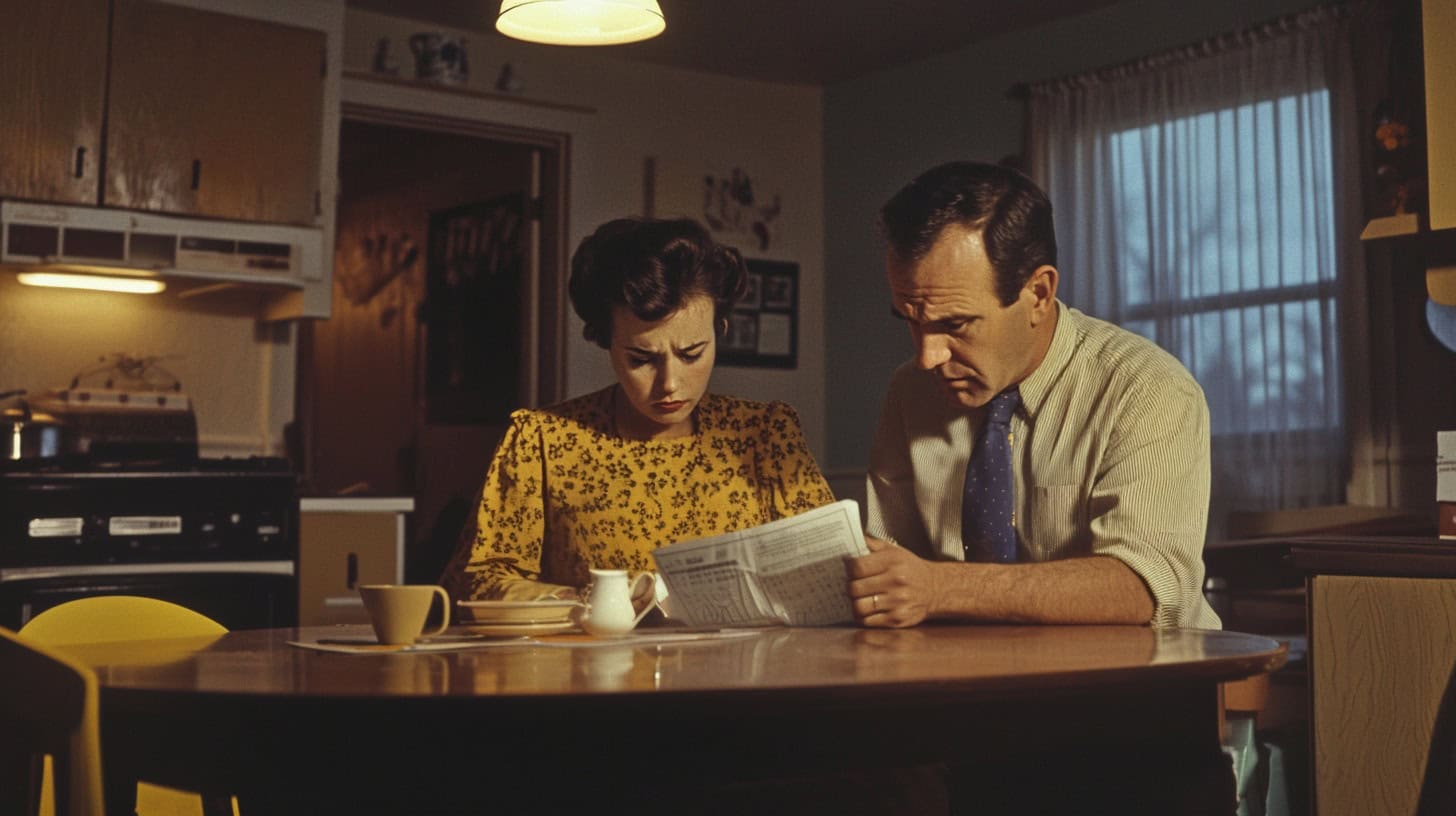
Party lines were cheaper than private lines, but long-distance calls could still break the bank. The monthly ritual of opening the phone bill often led to family discussions about who had made which calls and why that conversation with Aunt Martha in Detroit couldn’t have waited until Sunday’s reduced rates. It was a lesson in household economics that no one could escape.
10. The Neighborhood News Network
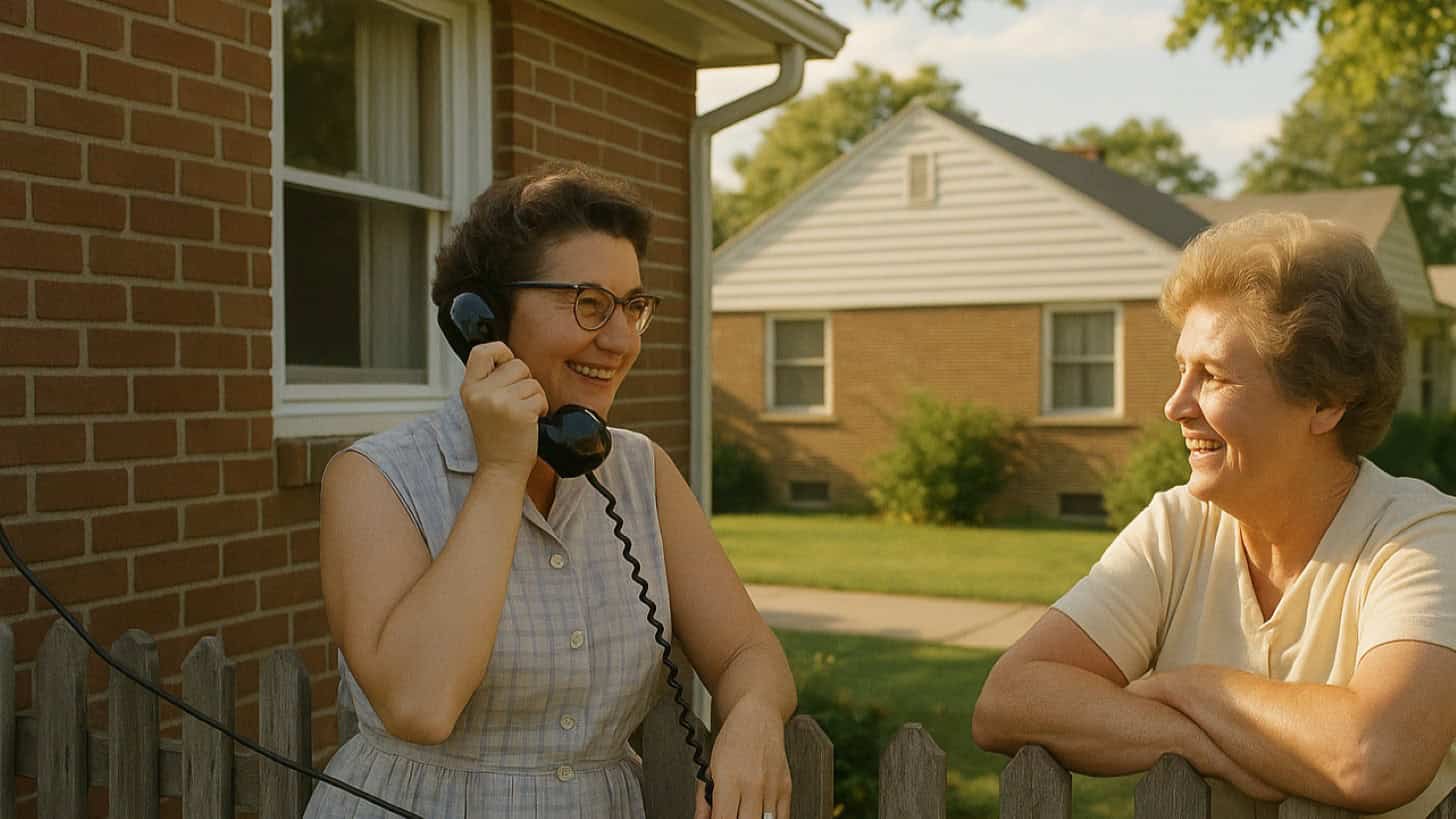
Party lines served as the neighborhood’s unofficial news network. Whether it was a new baby, an engagement, or someone moving in or out of the neighborhood, news traveled faster on the party line than any newspaper could deliver it. It created a sense of community that’s hard to replicate in today’s digital age.
11. The “Dead Giveaway” Heavy Breathing
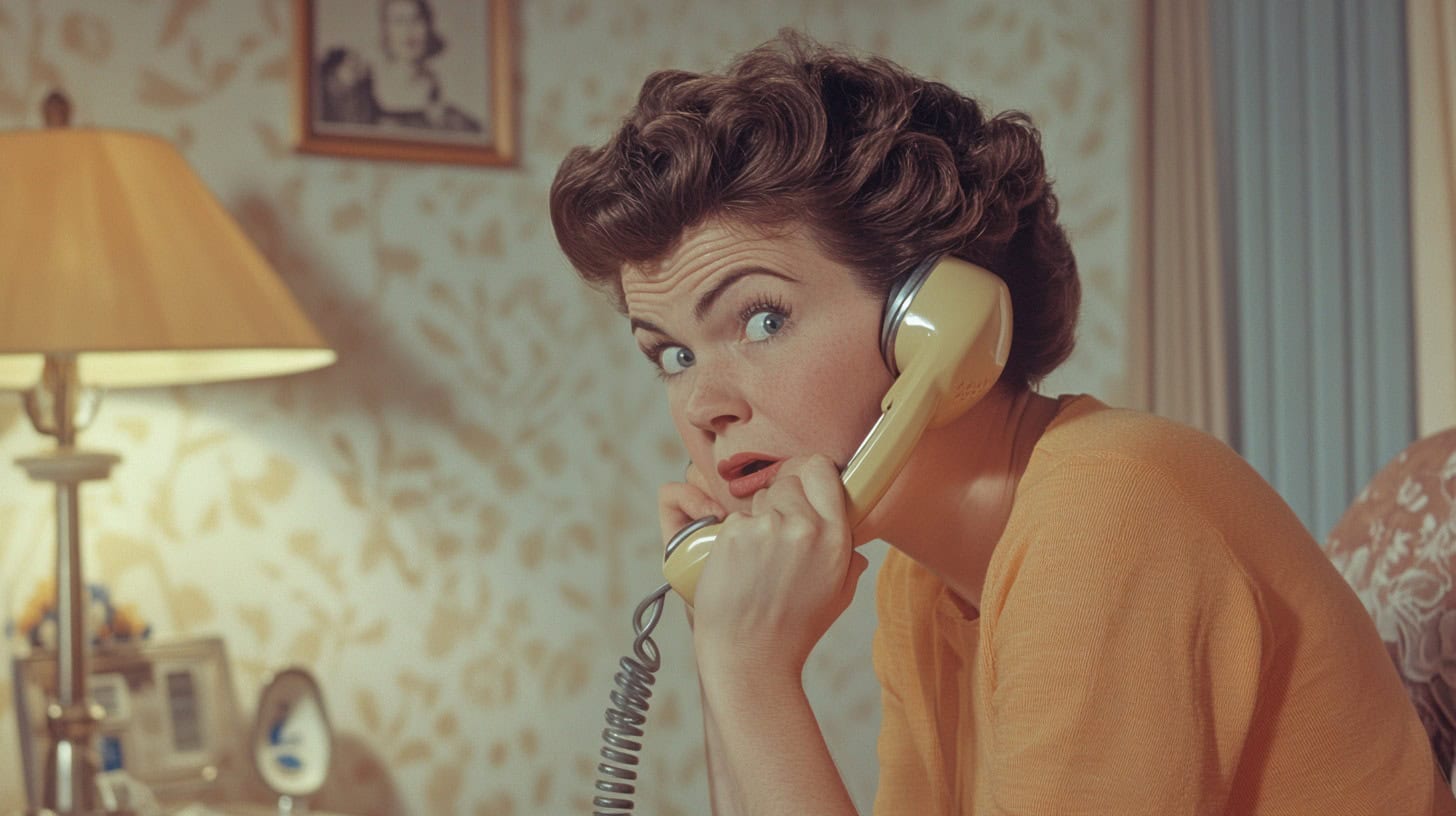
No matter how quiet you tried to be while eavesdropping, breathing always gave you away. The sudden silence followed by a muffled breath was the telltale sign that someone was listening in. You’d hear the speaker pause mid-sentence and say, “Is someone else on the line?” followed by the distinctive click of a hastily replaced receiver. It was the party line version of being caught with your hand in the cookie jar.
12. The “Time’s Up” Reminder

When someone had been talking too long, neighbors would pick up and put down the phone repeatedly, creating a clicking sound that served as a not-so-subtle hint to wrap it up. Some folks would even cough or clear their throat into the receiver. It was passive-aggressive communication at its finest, and everyone understood exactly what those sounds meant.
13. The Private Line Status Symbol
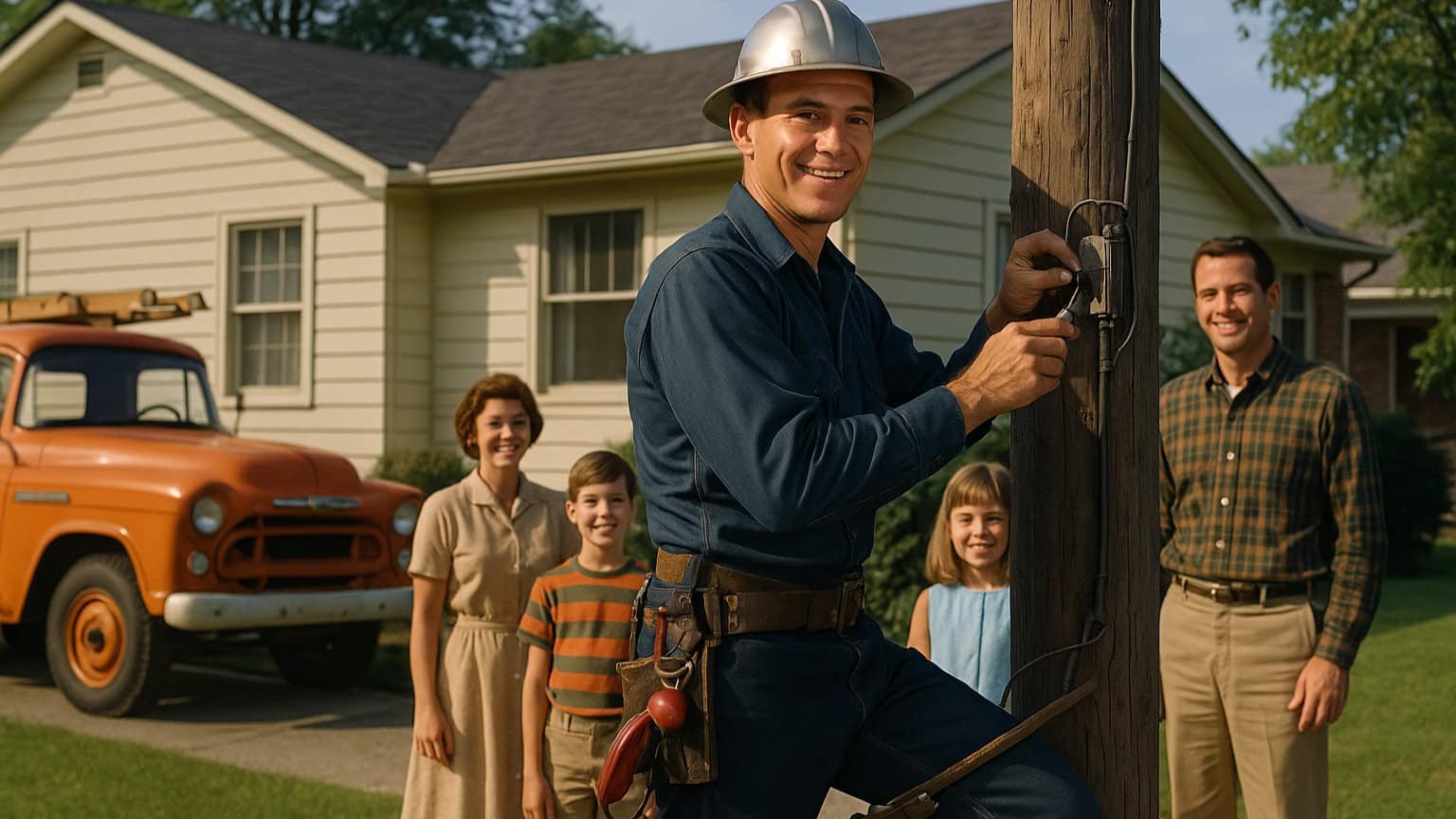
Getting your private line was like winning the lottery – it meant your family had “made it.” The day the telephone company came to install a private line was a cause for celebration, and families would proudly announce their new phone number to friends and relatives. It was the 1960s equivalent of being the first family on the block to get color TV or air conditioning.