Growing up before safety became society’s primary concern gave us experiences that would shock today’s parents. While some might call it dangerous, these everyday activities taught us valuable lessons about risk assessment, personal responsibility, and resilience. Here’s a look back at some common childhood experiences that have largely disappeared in our safety-conscious world.
Table of Contents
- 1 1. Metal Playground Equipment
- 2 2. Riding in Car Cargo Areas
- 3 3. Unsupervised Tool Use
- 4 4. Chemistry Sets with Real Chemicals
- 5 5. Lawn Darts
- 6 6. Bike Riding Without Helmets
- 7 7. Fireworks Handling
- 8 8. Tree House Construction
- 9 9. BB Gun Operation
- 10 10. Unsupervised Swimming
- 11 11. Shop Class with Real Machinery
- 12 12. Hitchhiking
- 13 13. Exploration of Abandoned Places
1. Metal Playground Equipment

Towering metal slides that burned in summer, sky-high monkey bars over concrete, and merry-go-rounds that could launch you into orbit were standard playground features. These weren’t just play structures – they were lessons in physics, risk assessment, and personal limits that left lasting impressions (sometimes literally).
Save for later
Want to come back to this story? Save it with your email so it is easy to find again.
2. Riding in Car Cargo Areas

Station wagon “way backs” and pickup truck beds were our favorite riding spots. No seatbelts, just hanging on and enjoying the wind. Long trips meant making beds in the cargo area, turning transportation into an adventure.
3. Unsupervised Tool Use
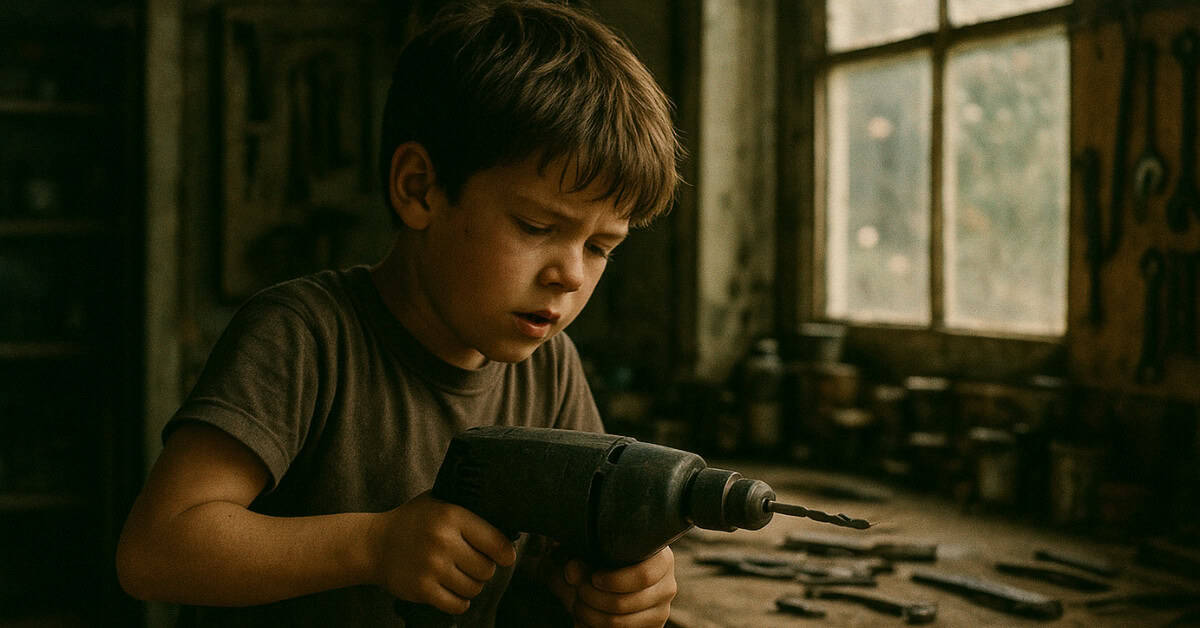
Power tools, sharp implements, and dangerous equipment were part of everyday life. We learned proper use through experience rather than endless warnings. Minor injuries were considered learning opportunities rather than disasters.
4. Chemistry Sets with Real Chemicals

Our chemistry sets contained actual chemicals that could explode, burn, or create noxious fumes. These weren’t watered-down versions – they were real science kits that taught us genuine chemistry through hands-on experimentation.
5. Lawn Darts
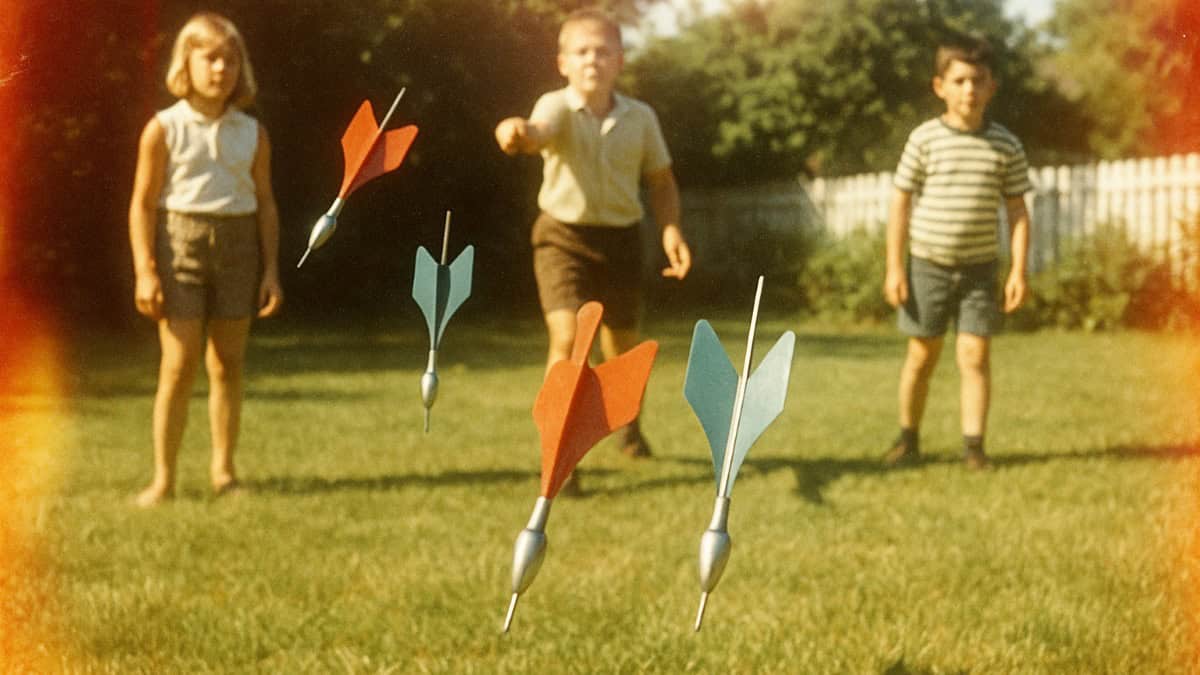
Metal spikes thrown through the air for fun – what could go wrong? These backyard missiles taught quick reflexes and spatial awareness. The element of danger made the game more exciting and focused our attention.
6. Bike Riding Without Helmets
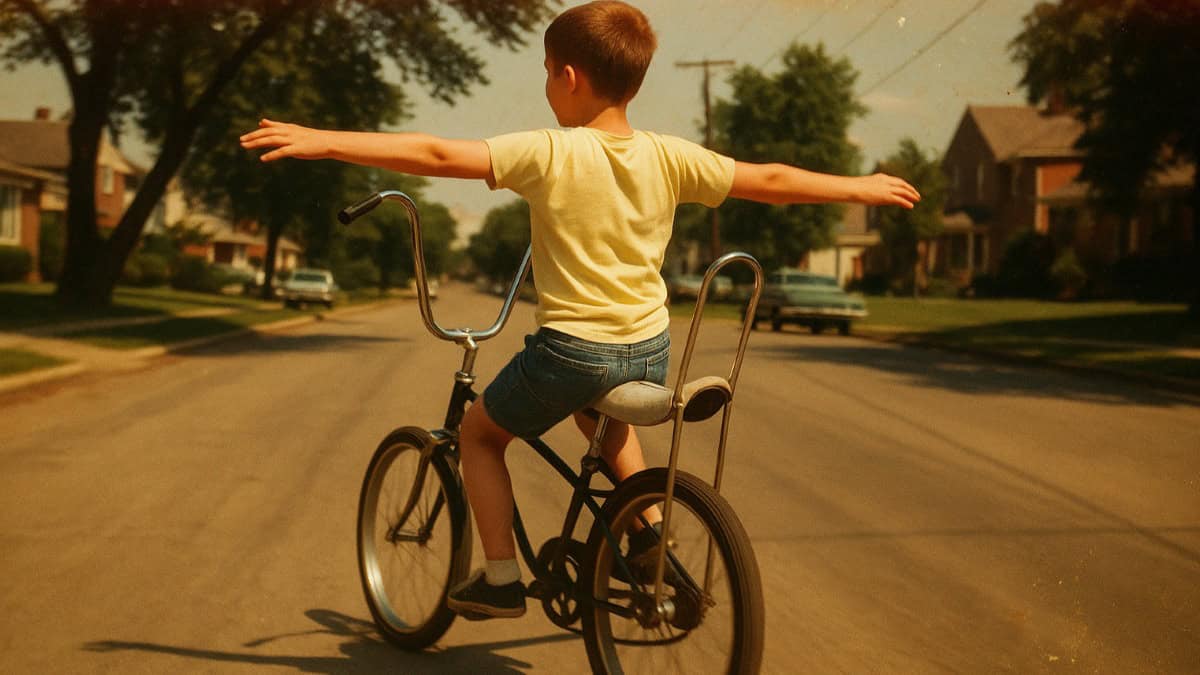
Helmets were unheard of – we rode bikes everywhere, built ramps for jumps, and learned our limits through experience. The occasional scrape or spill taught valuable lessons about physics and personal capability.
7. Fireworks Handling

We handled everything from sparklers to cherry bombs. Understanding fuse timing and safe distances wasn’t taught – it was learned through direct experience. Respect for explosives came naturally after a few close calls.
8. Tree House Construction

We built towering structures in trees without permits, inspections, or safety harnesses. These engineering projects taught structural integrity through trial and error. If it could hold your weight, it was considered safe enough.
9. BB Gun Operation

Many kids had BB guns and learned firearm safety through practical experience. The responsibility of handling a potentially dangerous weapon taught important lessons about consequences and judgment.
10. Unsupervised Swimming
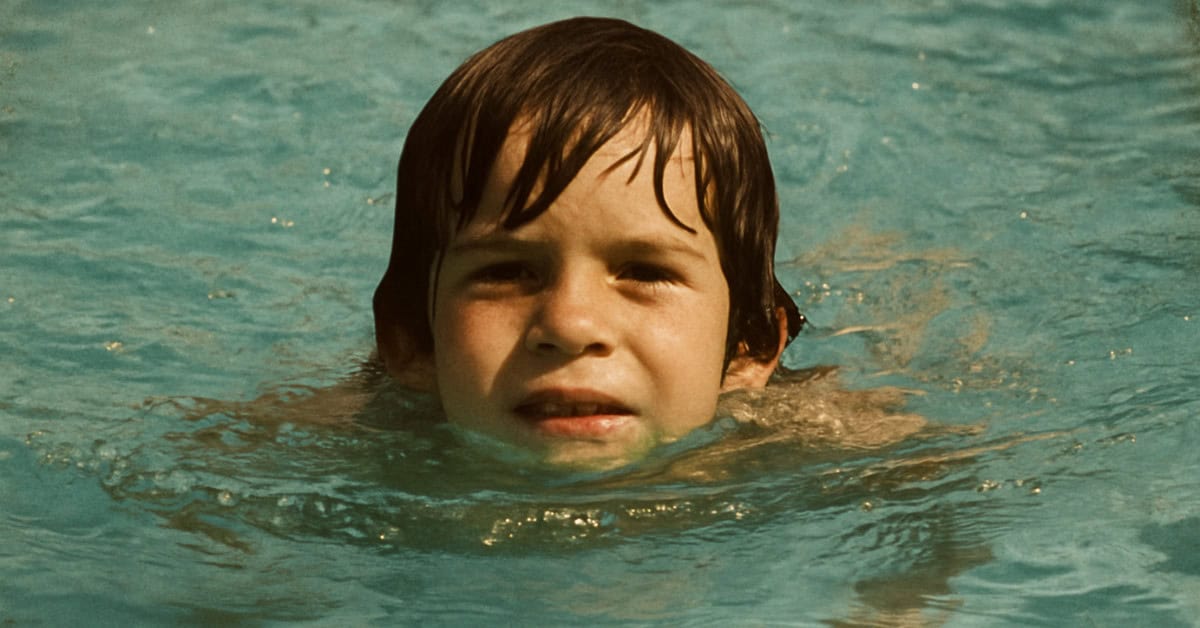
Swimming in creeks, ponds, and lakes without lifeguards was normal. We learned water safety through experience and watching out for each other. Natural water hazards taught real swimming skills.
11. Shop Class with Real Machinery
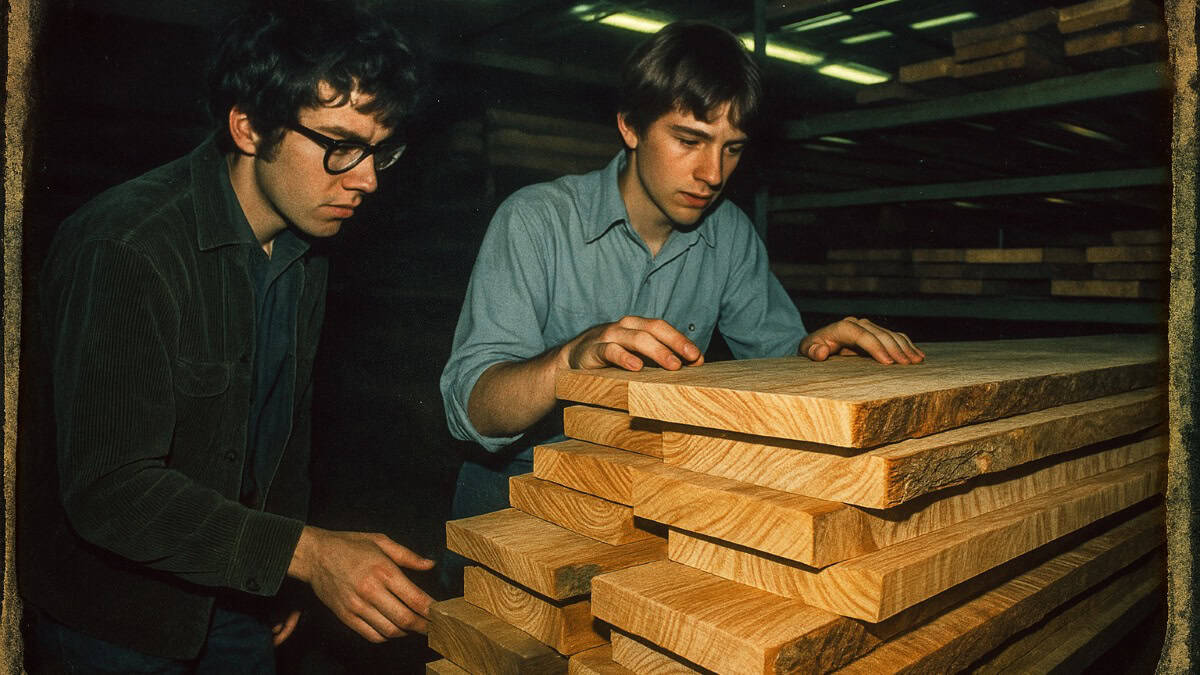
School shop classes used real industrial equipment. Table saws, lathes, and welding equipment weren’t simplified versions – they were the same machines used in industry. This gave us practical experience with serious tools.
12. Hitchhiking
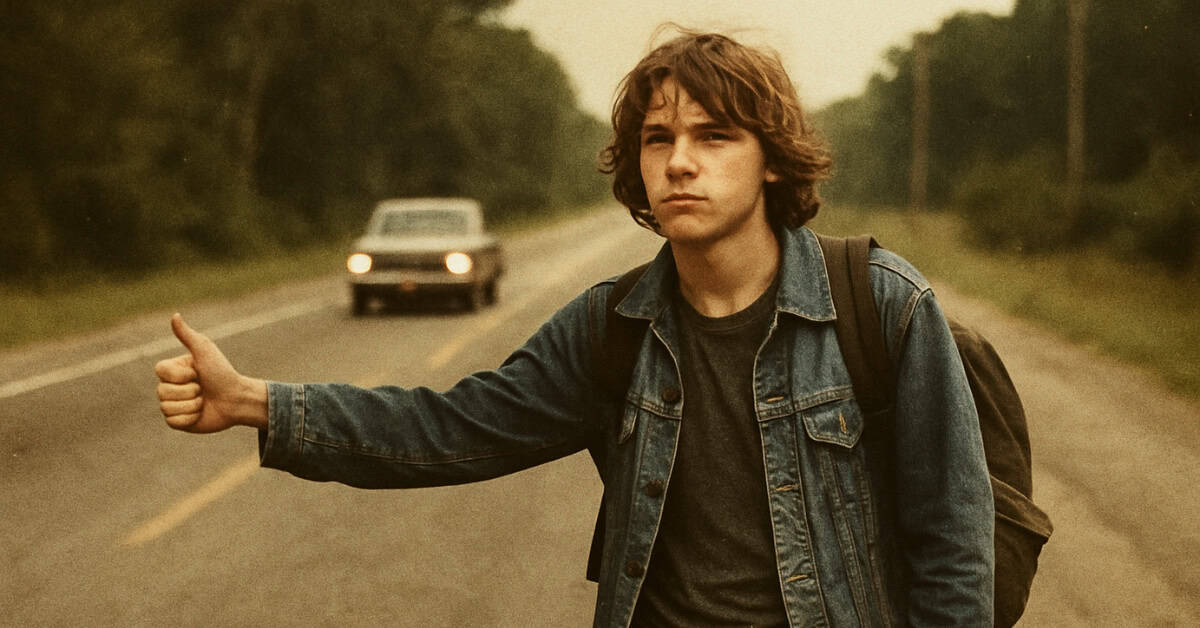
Hitching rides was a common way to get around, especially in rural areas. This required developing judgment about who to trust and how to handle yourself in uncertain situations. It was practical transportation that taught street smarts.
13. Exploration of Abandoned Places
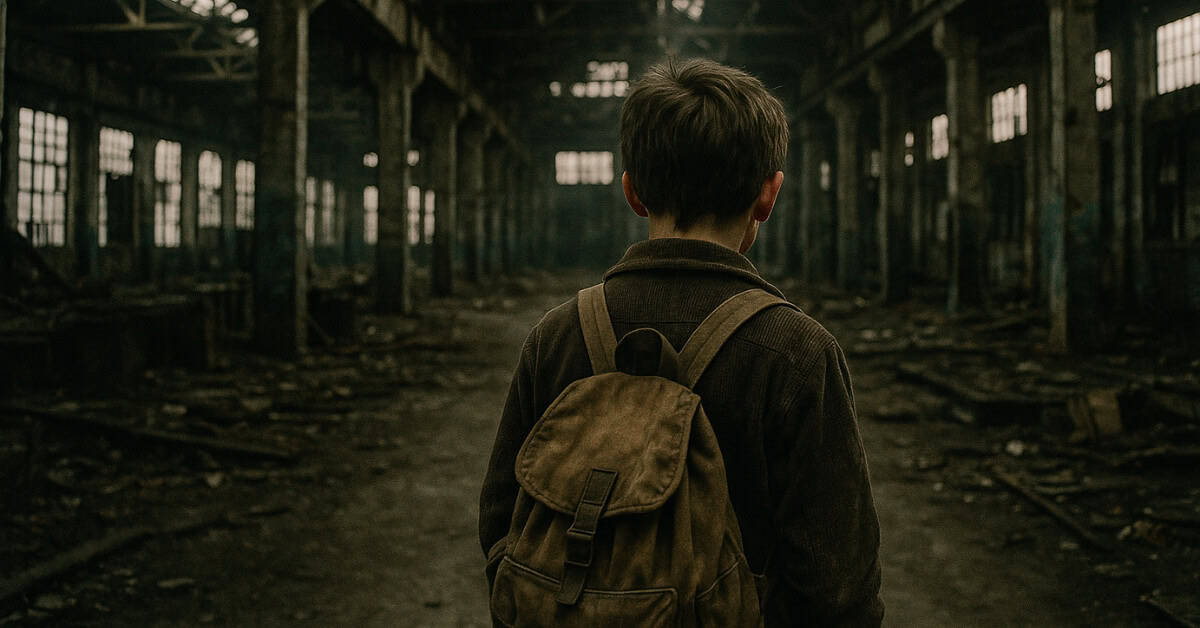
Old buildings, construction sites, and abandoned places were our adventure playgrounds. We learned to assess structural stability and handle unexpected situations through real exploration rather than guided tours.