Growing up in the 1960s and early 70s, walking to school wasn’t just transportation – it was a daily adventure that built character and independence. While we might joke about walking “uphill both ways,” those journeys to and from school taught us valuable life lessons and created lasting memories. Here’s a look at experiences that only kids who made that daily trek will truly understand.
Table of Contents
- 1 1. The Shortcut Calculations
- 2 2. Weather Warriors
- 3 3. The Buddy System
- 4 4. Dog Territory Mapping
- 5 5. The Heavy Load Strategy
- 6 6. The Seasonal Landmarks
- 7 7. The Crossing Guard Relationship
- 8 8. The Secret Rest Stops
- 9 9. The Morning Rush Timing
- 10 10. The Neighborhood Watch
- 11 11. The Seasonal Wardrobe Planning
- 12 12. The After-School Dawdle
- 13 13. The Storytelling Skills
1. The Shortcut Calculations
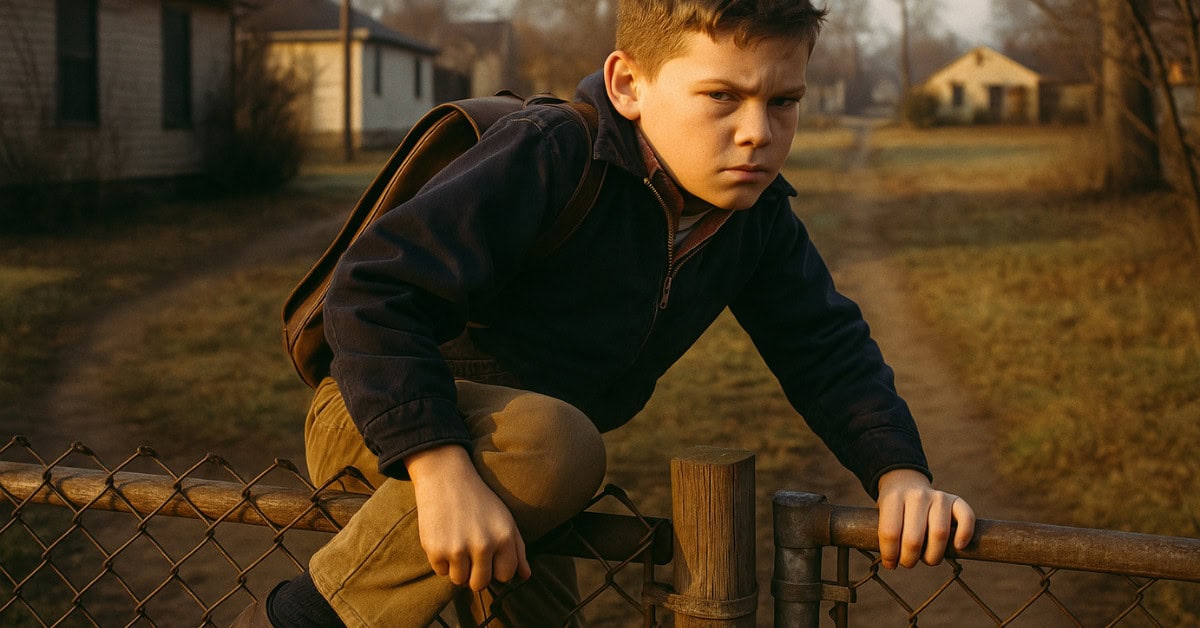
We became expert navigators, knowing every possible route to school and exactly how many minutes each would take. Cutting through yards, hopping fences, and finding hidden paths was an art form. These weren’t just shortcuts – they were carefully calculated time-savers that could mean the difference between making the bell or facing detention.
Save for later
Want to come back to this story? Save it with your email so it is easy to find again.
2. Weather Warriors
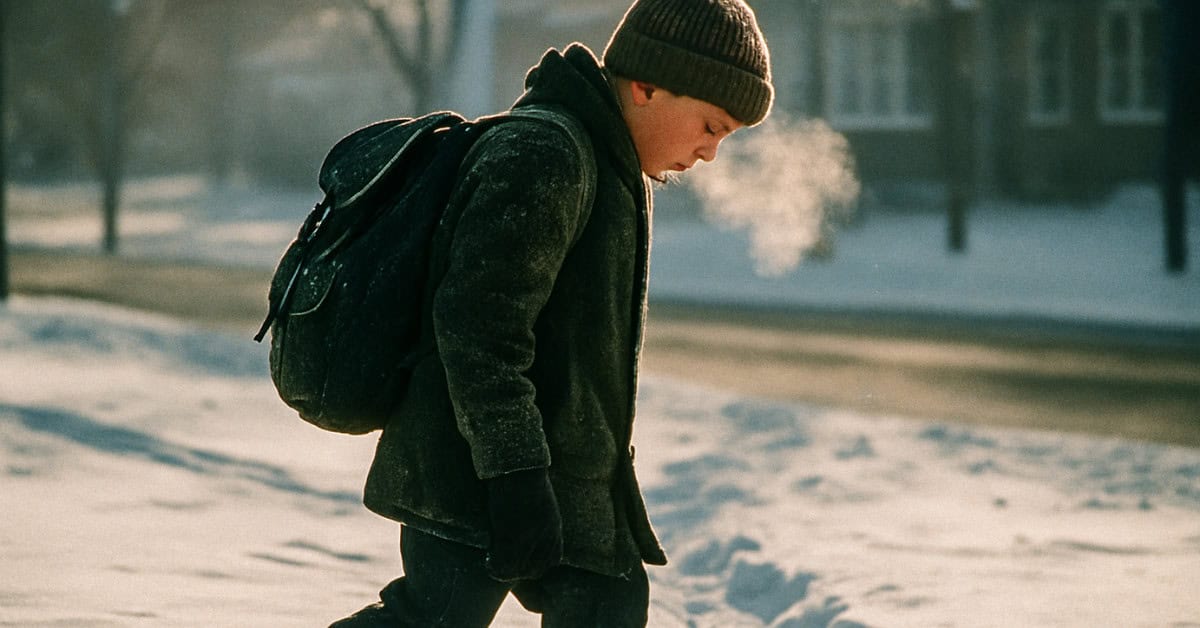
Rain, snow, or shine, we made the trek. Each season required different strategies – newspaper in boots for rain, extra-early starts for snow, and strategic shade-hopping during heat waves. We learned to read weather signs and plan accordingly, developing resilience that would last a lifetime.
3. The Buddy System
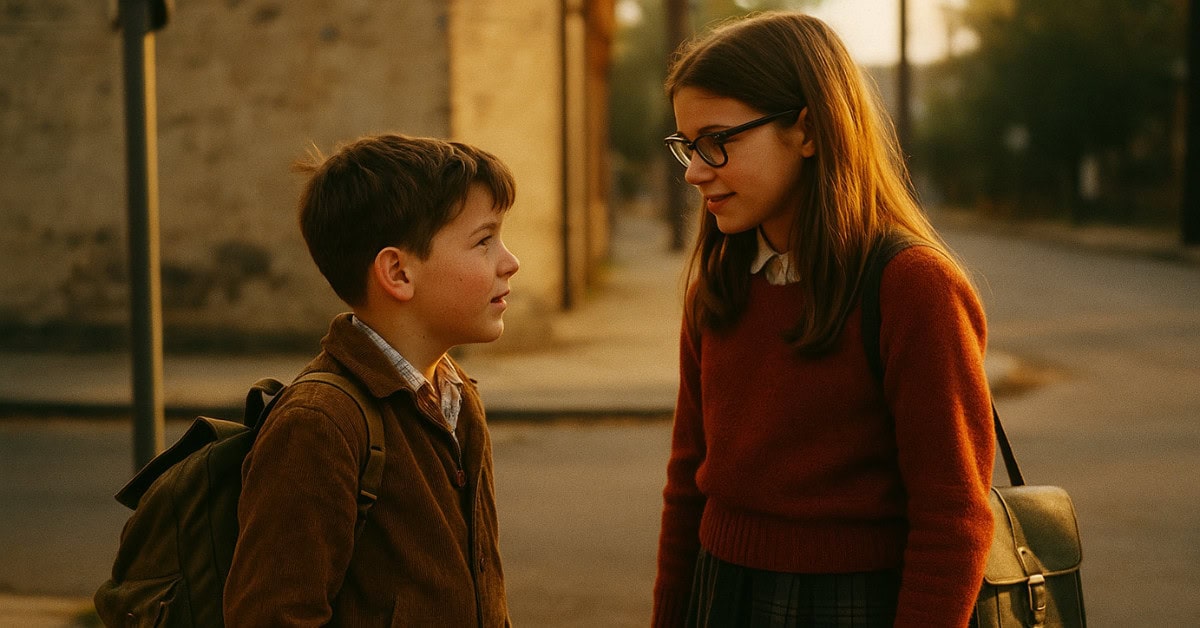
Walking routes became social networks, with precise meeting points and waiting times understood by all. We knew exactly how long to wait at each corner for friends, and the unwritten rules about when to leave someone behind. These walking groups formed bonds that often lasted through school years.
4. Dog Territory Mapping
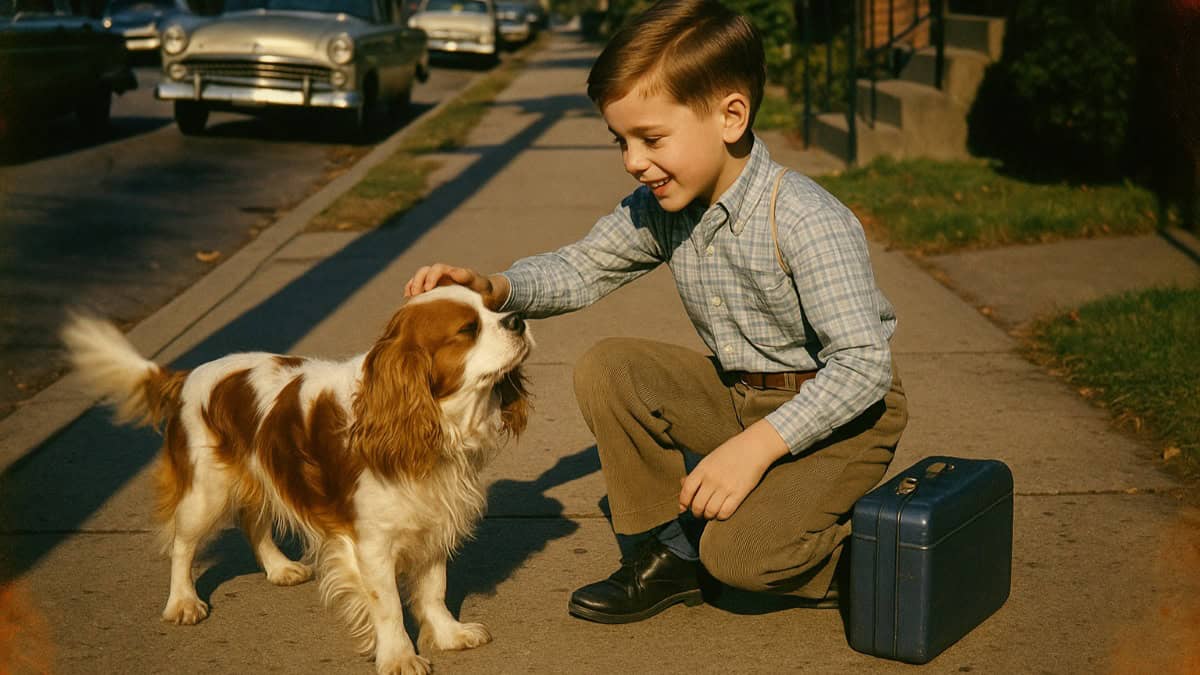
Every neighborhood dog’s territory was carefully mapped in our minds. We knew which were friendly, which to avoid, and exactly when each would be in their yard. This knowledge was passed down to younger siblings like precious survival information.
5. The Heavy Load Strategy
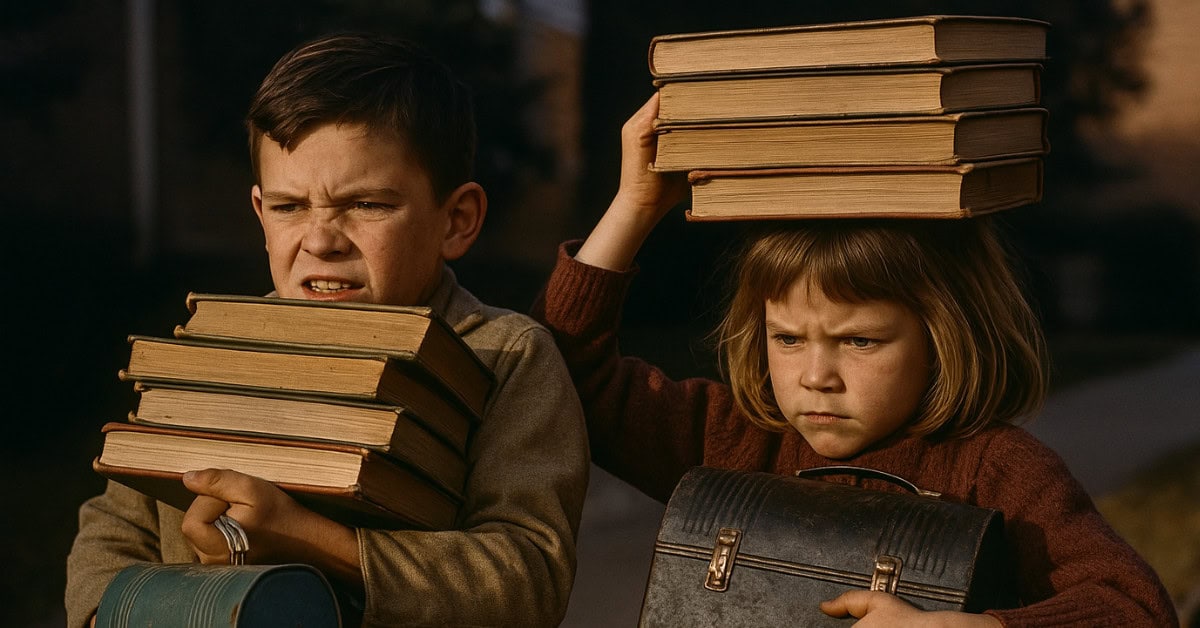
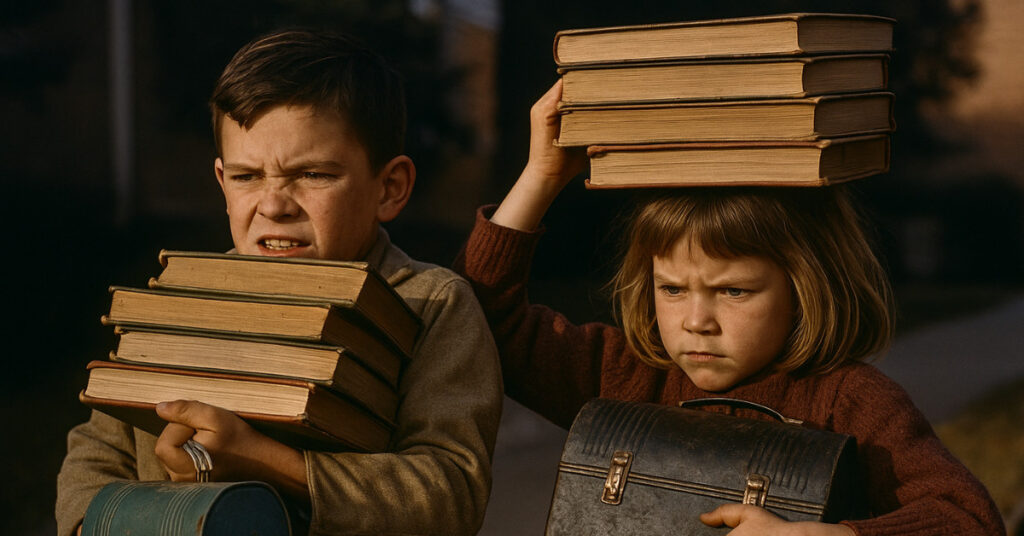
Before backpacks were common, we developed creative ways to carry books, lunch, and projects. The hip-carry, the stack-switch, and the two-arm cradle were all mastered techniques. We learned early about weight distribution and the importance of planning ahead.
6. The Seasonal Landmarks
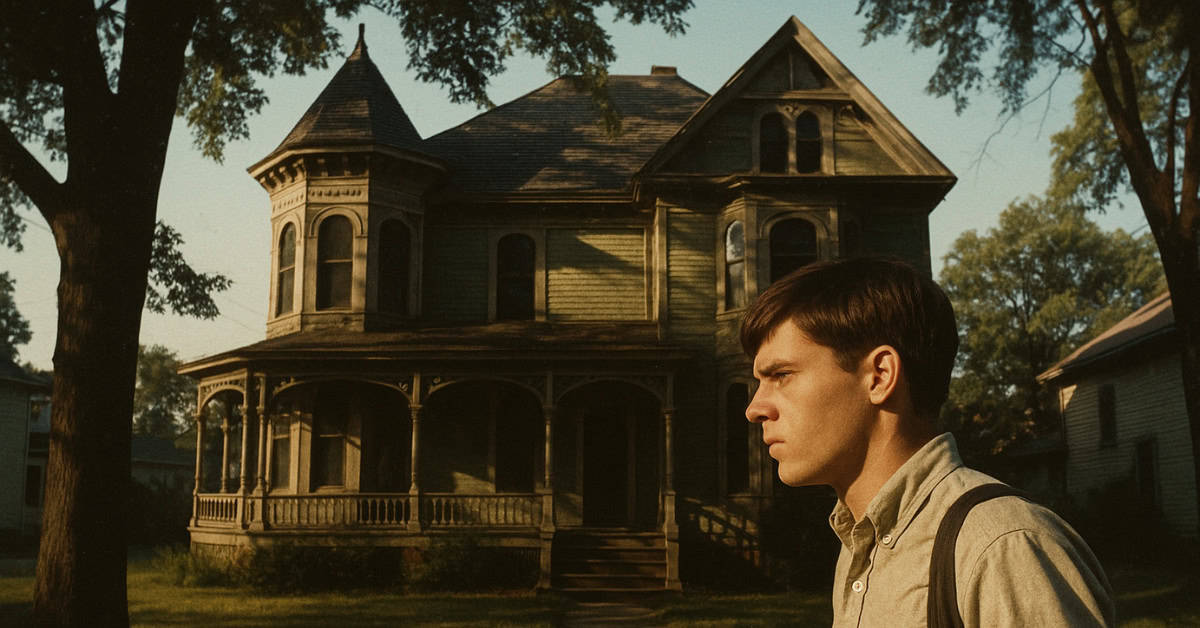
We marked time by changes along our route – the first spring flowers, summer’s ripening berries, fall’s changing leaves, and winter’s first snow. These weren’t just scenic changes; they were milestones in our daily journey that connected us to the rhythm of seasons.
7. The Crossing Guard Relationship
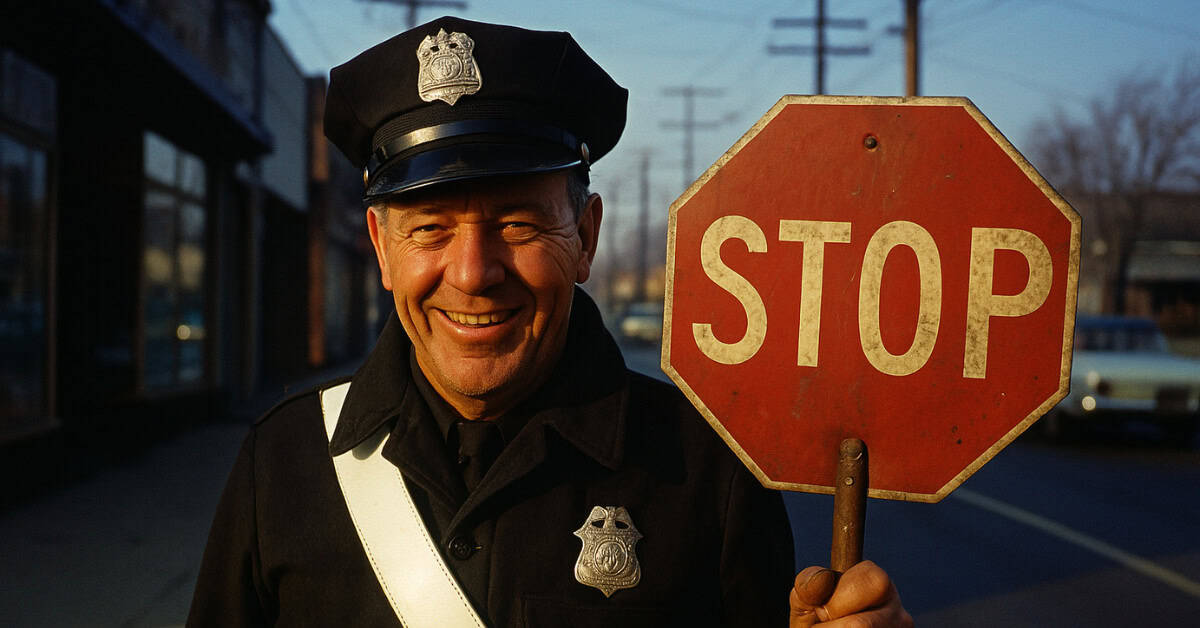
Our crossing guards were like extended family, knowing each child by name and keeping track of our daily progress. They knew who was usually late, who needed extra encouragement, and when someone was missing. These relationships added a layer of community safety to our independence.
8. The Secret Rest Stops

Every regular walker had their favorite spots to catch their breath – a particular wall, a friendly neighbor’s porch, or a shady tree. These weren’t just rest stops; they were social gathering points where neighborhood news was exchanged and friendships were strengthened.
9. The Morning Rush Timing

We became experts at calculating exactly how many minutes we could sleep in and still make it to school on time. Every morning was a precise calculation of walking speed versus distance, with different equations for weather conditions and book load.
10. The Neighborhood Watch

Certain neighbors watched out for walking kids, offering shelter in sudden storms or help with dropped books. We knew which houses were “safe zones” and which neighbors would report our mischief to our parents before we even got home.
11. The Seasonal Wardrobe Planning

Dressing for the walk required strategic planning – layers that could be added or removed, shoes that could handle multiple terrains, and clothes that could survive both the journey and the school day. We became expert meteorologists out of necessity.
12. The After-School Dawdle

The walk home was always longer, filled with stops to explore, collect treasures, or hang out with friends. These afternoon adventures were where we processed our school day and built lasting friendships. Time seemed to stretch differently on the way home.
13. The Storytelling Skills
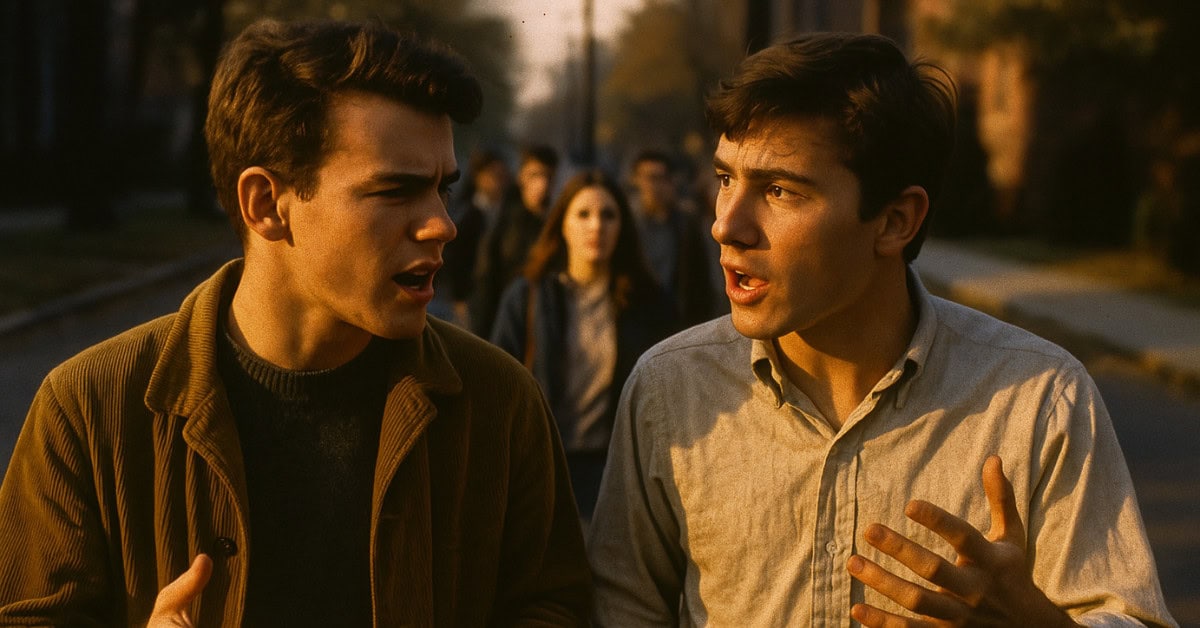
Walking time was talking time, where we developed our storytelling abilities. Every unusual event or minor incident became an epic tale by the time we reached our destination. These daily conversations helped develop our social skills and creativity.