Ah, the good ol’ days! A time when life seemed simpler and instructions were often deemed unnecessary. We relied on common sense and intuition to navigate our world. Here’s a nostalgic trip down memory lane with a list of things we never needed instructions for. Enjoy the journey and see how many of these resonate with you!
Table of Contents
Riding a Bike

Learning to ride a bike was a rite of passage. With scraped knees and a few tumbles, kids were soon gliding down the street, no instructions needed. It was all about balance, perseverance, and a little bit of daring. The freedom of two wheels opened up a whole new world of adventure.
Save for later
Want to come back to this story? Save it with your email so it is easy to find again.
Reading a Map

Before GPS, we unfolded paper maps and charted our course. It was a skill passed down from parents, and somehow we always found our way. Intersections, compass directions, and a little guesswork made road trips an adventure. It was about the journey, not just the destination.
Playing Outside

We didn’t need instructions for playing outside. From dawn till dusk, imagination ruled. Tag, hide and seek, and makeshift obstacle courses were staples. The neighborhood was our playground, and creativity was the only guide we needed. Unstructured play built friendships and fueled dreams.
Dialing a Rotary Phone
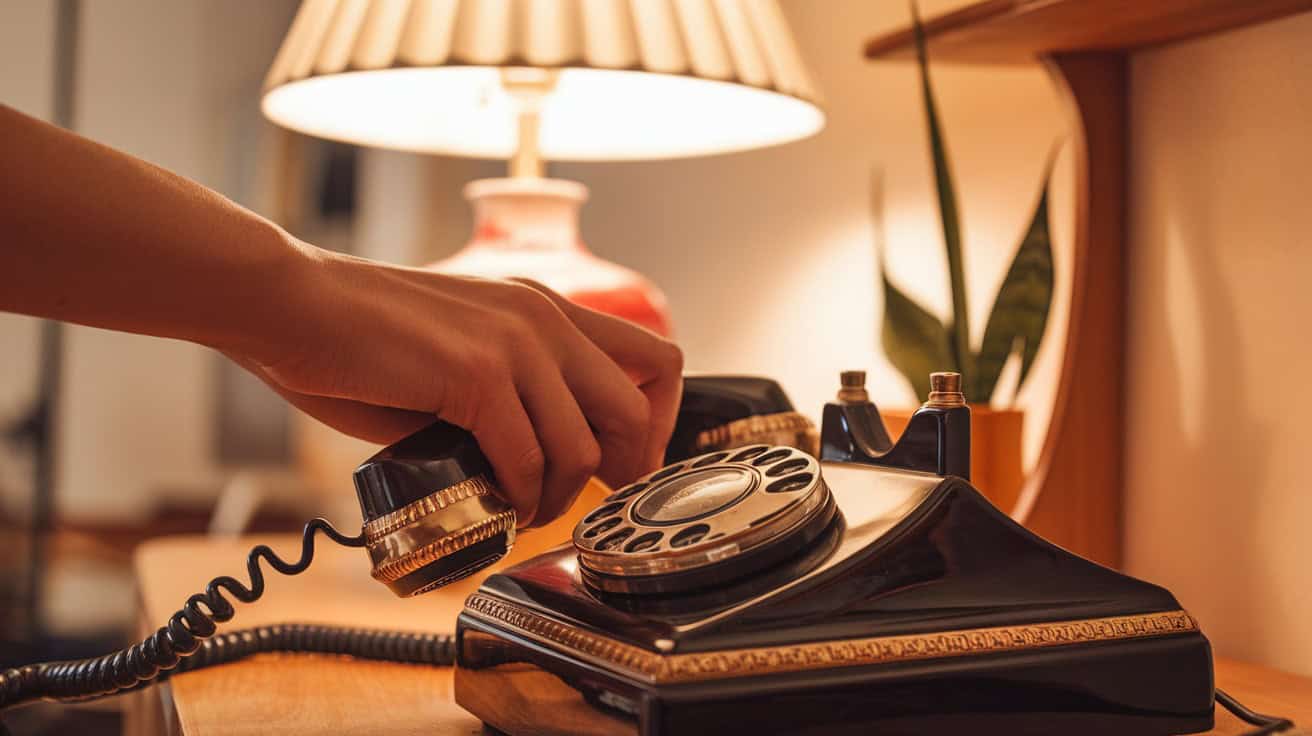
Rotary phones were the norm, and dialing was straightforward. Insert your finger in the numbered hole, turn the dial, and wait for the click. It was a tactile experience, where patience was key, especially when dialing long numbers. No need for speed dials or digital displays.
Using a Typewriter

The satisfying clack of keys and the ding of the carriage return made typing a deliberate art. There was no backspace; mistakes required correction tape. Each letter was a commitment, and the rhythm of typing was both meditative and productive, fostering focus like no digital keyboard could.
Making a Sandwich

Building a sandwich was a personal craft, no instructions required. Bread, a spread, and choices of fillings were layered to preference. It was a culinary canvas, allowing for creativity and taste customization. The result was a simple, satisfying meal, perfect for any time of day.
Tying a Knot

From shoelaces to camping gear, knot-tying was a fundamental skill. Taught by necessity, it was a lesson in dexterity and logic. Whether securing a load or preparing for an outdoor adventure, knots were crucial, and their mastery came naturally with practice and need.
Jumping Rope

Jumping rope was both a solo and group activity that required no manual. All it took was rhythm and endurance. From double dutch to solo spins, it combined physical exercise with social interaction, fostering community and health without a single written instruction.
Telling Time on an Analog Clock

Reading an analog clock was a skill learned early on. With its two hands and numbered face, it taught us the passage of time. The gentle ticking was a constant companion, and knowing the time was as natural as breathing, a skill that transcended generations.
Using a Public Payphone

Payphones were ubiquitous, and using them was second nature. Drop in a coin, dial the number, and wait for the connection. They were lifelines in an era before mobile phones, offering a voice link to the world, whether for emergencies or simple chats.
Rolling Down a Hill

Rolling down a hill was an exhilarating childhood pastime. Gravity did all the work, and our bodies became part of the earth’s natural rhythm. No instruction was needed to enjoy the simple thrill of grass-stained clothes and dizzy laughter.
Skipping Stones

Finding a flat stone and giving it a perfect flick across the water’s surface was a simple joy. The aim was for the stone to skip as many times as possible. It was a game of finesse and physics, rewarding patience and practice with the magical sight of multiple skips.
Whistling

Whistling was a spontaneous expression of happiness or concentration. Whether imitating birds or performing the latest tune, it required no formal training. Just puckered lips and a bit of air created melodies that were as unique as the whistler’s personality.