As modern homes become increasingly minimalist and tech-focused, many design experts are looking back to the charm and character of vintage home features. These architectural and decorative elements from yesteryear didn’t just look good – they served practical purposes and created spaces that felt truly lived-in. Here’s a look at some classic home details that designers say are due for a comeback.
Table of Contents
1. Built-in Phone Nooks

Those charming little alcoves in hallways or kitchens were more than just a spot for the family phone – they were command centers for household communication. Complete with a small shelf for note-taking and a phone book cubby underneath, these practical nooks kept cords tidy and created a dedicated space for important calls. Modern versions could easily accommodate charging stations and organization for today’s devices.
Save for later
Want to come back to this story? Save it with your email so it is easy to find again.
2. Dutch Doors

Split horizontally into two independent sections, Dutch doors offered the perfect blend of openness and security. The top half could be opened to let in fresh air and connect with neighbors, while the bottom remained closed to keep children and pets safely inside. These versatile doors were especially popular in kitchens, creating natural ventilation while keeping cooking aromas at bay.
3. Breakfast Nooks

Built-in breakfast nooks with bench seating and a cozy table created the perfect spot for casual family meals and morning coffee. These space-saving designs often featured hidden storage under the benches and were positioned near windows to capture natural light. Unlike today’s massive kitchen islands, these intimate spaces encouraged face-to-face conversation and comfortable lingering.
4. Transom Windows

These horizontal windows above doors weren’t just decorative – they were essential for air circulation in the days before air conditioning. Often featuring beautiful stained glass or intricate designs, transom windows allowed hot air to flow between rooms while maintaining privacy. Modern homes could benefit from their natural ventilation and added architectural interest.
5. Butler’s Pantries

Located between the kitchen and dining room, butler’s pantries served as staging areas for formal dining and additional storage space. With built-in cabinets, countertops, and often a sink, these rooms were perfect for prep work and storing special occasion dishes. Today’s entertainers are rediscovering their value as beverage stations and buffet prep areas.
6. Picture Rails

These subtle moldings mounted near the ceiling allowed homeowners to hang artwork without damaging walls. Using adjustable hooks and wires, pictures could be rearranged easily without leaving holes. Design experts appreciate how picture rails preserve wall integrity while adding a sophisticated architectural detail that frames the room.
7. Sleeping Porches

Popular in the early 20th century, screened sleeping porches provided a cool retreat during hot summer nights before air conditioning. These breezy spaces often featured comfortable daybeds and rocking chairs, perfect for afternoon naps or reading. Modern homeowners are reviving them as multi-season rooms and natural alternatives to artificial cooling.
8. Laundry Chutes
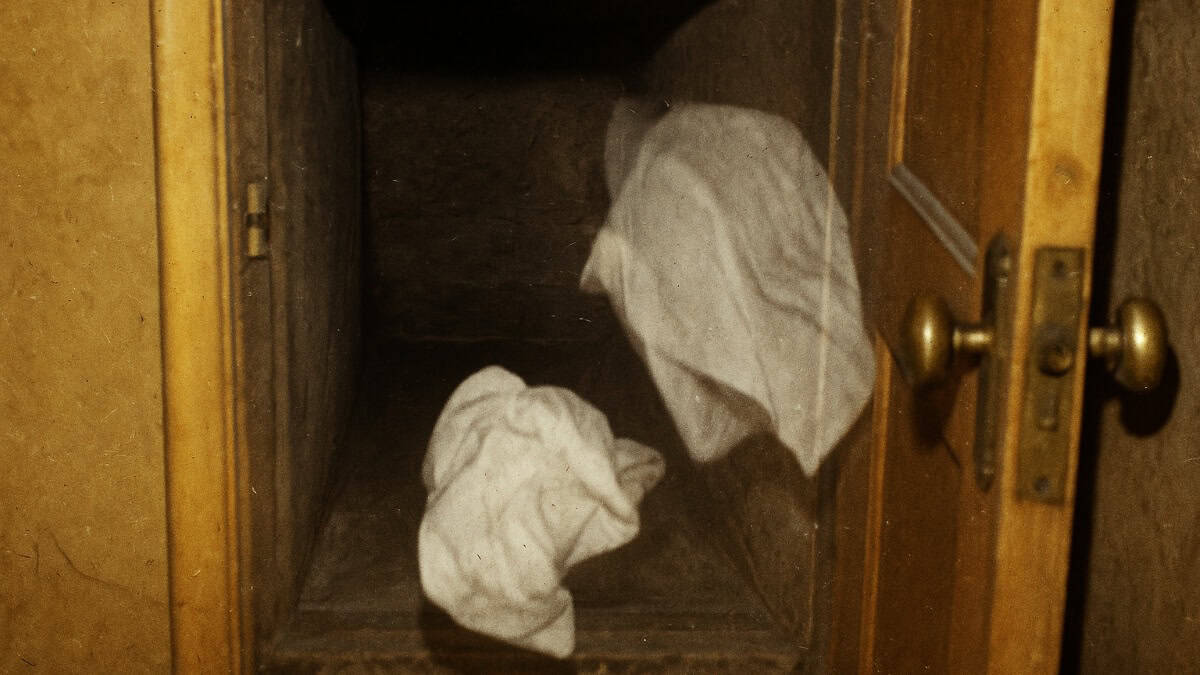
These vertical passages made collecting laundry from upper floors effortless, with dirty clothes sliding directly to basement laundry rooms. Built into walls between studs, laundry chutes were space-efficient and practical. Today’s multi-story homes could benefit from this simple but ingenious feature that saves time and effort.
9. Built-in Ironing Boards

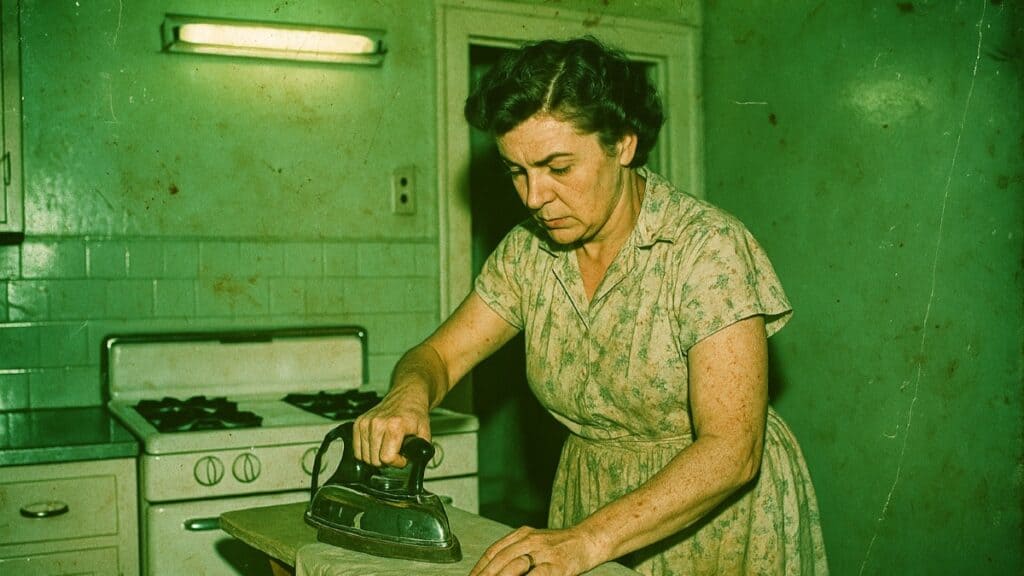
Cleverly concealed in wall cabinets, these fold-out ironing boards were always ready when needed but never in the way. The cabinets often included electrical outlets and small shelves for storing pressing supplies. This space-saving solution is particularly appealing for today’s smaller homes and apartments.
10. Milk Doors

These small, insulated doors allowed milkmen to deliver fresh dairy products directly to a home’s cold storage area without disturbing residents. Modern versions could serve as secure package delivery boxes, solving the growing problem of porch pirates while maintaining the home’s architectural character.
11. Dumbwaiters

These mini elevators transported food, dishes, and other items between floors without the need for stairs. Particularly useful in larger homes, dumbwaiters made household tasks more efficient and prevented accidents from carrying heavy loads up and down stairs. Today’s multi-level homes could benefit from this practical feature, especially for aging-in-place considerations.
12. Root Cellars

Before refrigeration, these underground rooms provided natural cooling for storing vegetables, fruits, and preserved foods. With consistent temperatures and humidity levels, root cellars kept produce fresh through the winter months. As interest in sustainable living grows, these traditional storage solutions are gaining new appreciation among homeowners and food enthusiasts.
13. Pocket Doors

These space-saving sliding doors disappeared into wall cavities when opened, offering flexibility in room arrangements without the swing space needed for traditional doors. Often featuring elaborate hardware and decorative glass panels, pocket doors added architectural interest while maximizing usable floor space. Modern homes, especially those with open-concept layouts, could benefit from their versatility and charm.