
Looking back at our childhood in the 1960s, it’s incredible how different things were. While today’s parents might cringe at what we got up to, those experiences shaped us into who we are. Growing up in an era before helicopter parenting and endless safety regulations taught us valuable lessons about independence, responsibility, and resilience. Let’s walk down memory lane and explore how our upbringing made us tougher.
Table of Contents
- 1 1. Walking or Biking Everywhere
- 2 2. Playing Outside Until Dark
- 3 3. Handling Neighborhood Disputes
- 4 4. Taking Physical Risks
- 5 5. Limited Entertainment Options
- 6 6. Working Early
- 7 7. Dealing with Boredom
- 8 8. Family Dinner Time
- 9 9. Less Adult Intervention
- 10 10. Learning from Mistakes
- 11 11. Surviving Without Air Conditioning
- 12 12. Making Do with Less
- 13 13. Real Social Interaction
1. Walking or Biking Everywhere

We were expected to get to school, rain or shine, from age six or seven. Most of us did not have parent chauffeurs or school buses—we walked or biked everywhere, often a mile or more each way. This independence taught us time management, responsibility, and how to navigate our world safely. We learned to be self-reliant from an early age.
Save for later
Want to come back to this story? Save it with your email so it is easy to find again.
2. Playing Outside Until Dark

The only rule was “be home when the streetlights come on.” We spent entire days exploring neighborhoods, building forts, and creating our own entertainment. This freedom taught us problem-solving skills, creativity, and how to handle ourselves in various situations. Through unstructured play, we learned to be resourceful and independent.
3. Handling Neighborhood Disputes
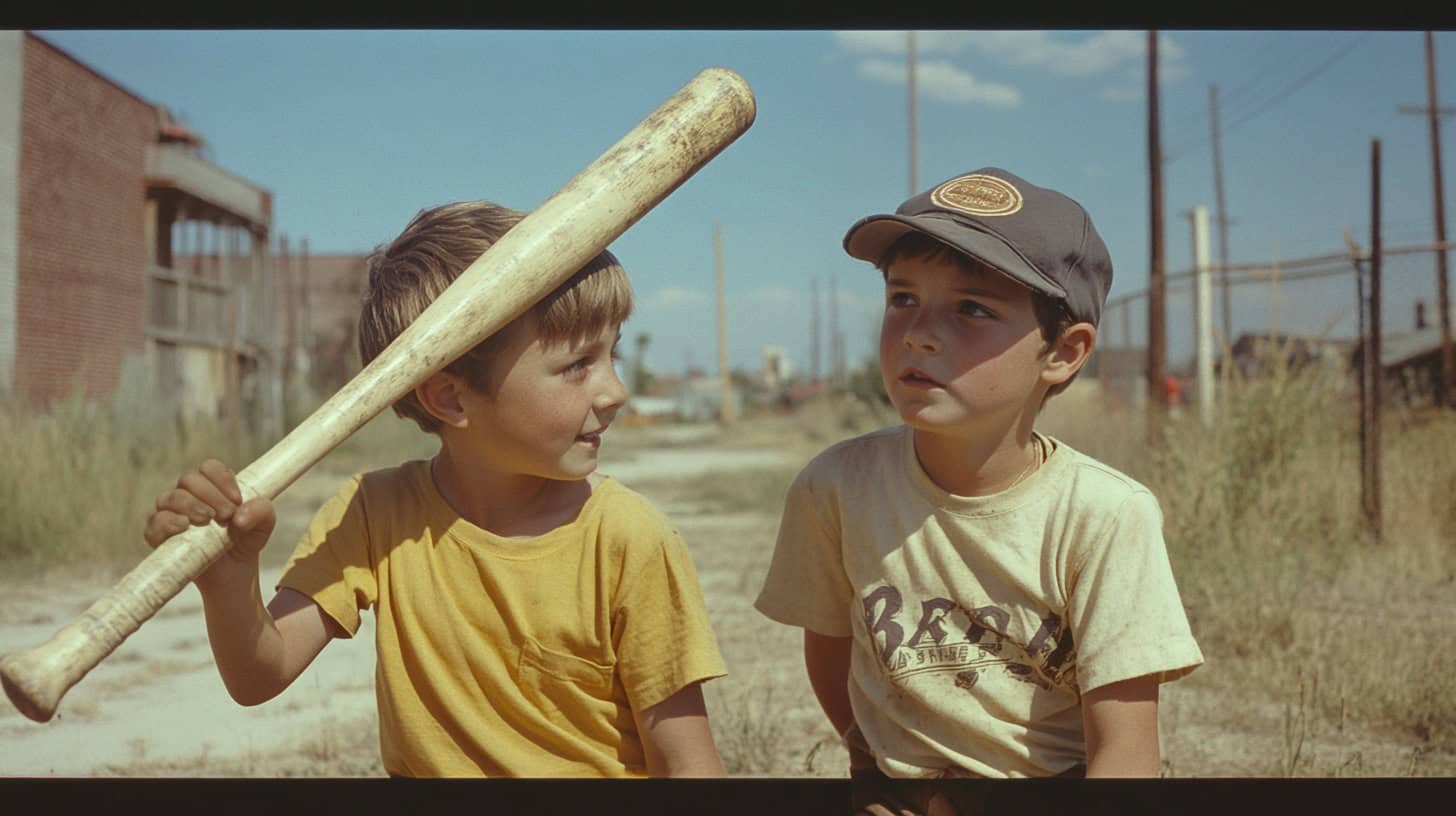
Parents didn’t intervene in every little squabble – we had to work things out ourselves. Whether it was arguing over game rules or settling disputes about borrowed toys, we learned valuable negotiation skills. This taught us conflict resolution and how to stand up for ourselves while being fair to others.
4. Taking Physical Risks

We climbed trees, rode bikes without helmets, and built rickety ramps for our skateboards. While some of these activities might make modern parents nervous, they taught us risk assessment and physical confidence. We learned our limits through trial and error, developing physical and mental toughness.
5. Limited Entertainment Options

With just a few TV channels and no digital devices, we had to create our own entertainment. This limitation fostered creativity and resourcefulness. We became experts at making something out of nothing, whether it was turning a cardboard box into a spaceship or creating elaborate games with just a stick and a ball.
6. Working Early

Many of us started earning money young through paper routes, mowing lawns, or babysitting. These early jobs taught us responsibility, money management, and work ethic. We learned the value of a dollar and the satisfaction of earning our own money before we were teenagers.
7. Dealing with Boredom

Without constant entertainment at our fingertips, we learned to handle boredom constructively. This developed our inner resources and imagination. We became comfortable with quiet time and learned to entertain ourselves, skills that would prove valuable throughout life.
8. Family Dinner Time

Dinner was at a set time, and everyone was expected to be there. There were no phones or TV—just conversation and sometimes uncomfortable discussions about our day. This ritual taught us communication skills, family values, and how to handle social situations.
9. Less Adult Intervention

Parents weren’t involved in every aspect of our lives. We organized our games, settled our disputes, and figured out solutions to our problems. This independence helped us develop problem-solving skills and self-confidence to serve us well in adulthood.
10. Learning from Mistakes

When we messed up, we faced the consequences. Parents and teachers didn’t rush to fix our problems or protect us from every failure. These experiences taught us responsibility for our actions and how to learn from our mistakes.
11. Surviving Without Air Conditioning

Many homes didn’t have air conditioning, so we learned to cope with discomfort. We found creative ways to stay cool, from playing in sprinklers to sitting in front of fans. This taught us adaptability and how to handle physical discomfort without complaint.
12. Making Do with Less

We didn’t have endless toys or the latest gadgets. Hand-me-downs were normal, and we learned to appreciate what we had. This fostered creativity in making our own fun and taught us the value of resourcefulness and gratitude.
13. Real Social Interaction

Without smartphones or social media, we learned to interact face-to-face. Through direct interaction, we developed real social skills, learning to read body language, handle confrontations, and build genuine friendships. These experiences helped us develop strong interpersonal skills that would last a lifetime.