Before smartphones took over our lives, staying connected required creativity, patience, and sometimes a dash of luck. Those of us who grew up in simpler times remember when communication was more of an art than a convenience. Let’s take a nostalgic journey back to when keeping in touch meant more than just tapping a screen.
Table of Contents
- 1 1. Writing Letters
- 2 2. Party Line Phone Calls
- 3 3. Passing Notes in School
- 4 4. CB Radio Conversations
- 5 5. Leaving Notes on Windshields
- 6 6. Message Boards at Local Hangouts
- 7 7. Collect Calls Home
- 8 8. Pagers and Beeper Codes
- 9 9. Ham Radio Networks
- 10 10. Phone Trees
- 11 11. Walkie Talkies
- 12 12. Telegram Services
- 13 13. Personal Ads
1. Writing Letters

Letter writing was an art form that required thought, proper penmanship, and patience. We’d spend hours crafting the perfect message on our finest stationery, complete with proper heading, greeting, and closing. The excitement of receiving a letter in return was worth the wait, and many of us still have boxes of cherished correspondence tucked away in our attics.
Save for later
Want to come back to this story? Save it with your email so it is easy to find again.
2. Party Line Phone Calls

Sharing a phone line with neighbors meant developing a complex system of etiquette and timing. Each household had its own ring pattern, and we learned to be patient when Mrs. Johnson down the street was talking to her sister. Emergency calls took priority, and everyone knew to keep conversations reasonably short when others were waiting to use the line.
3. Passing Notes in School

The art of note-folding was as important as the message itself. We developed elaborate origami-like techniques to fold notes into triangles, footballs, and other shapes. Getting caught by the teacher meant public humiliation, but that never stopped us from perfecting our stealth delivery methods between classes.
4. CB Radio Conversations
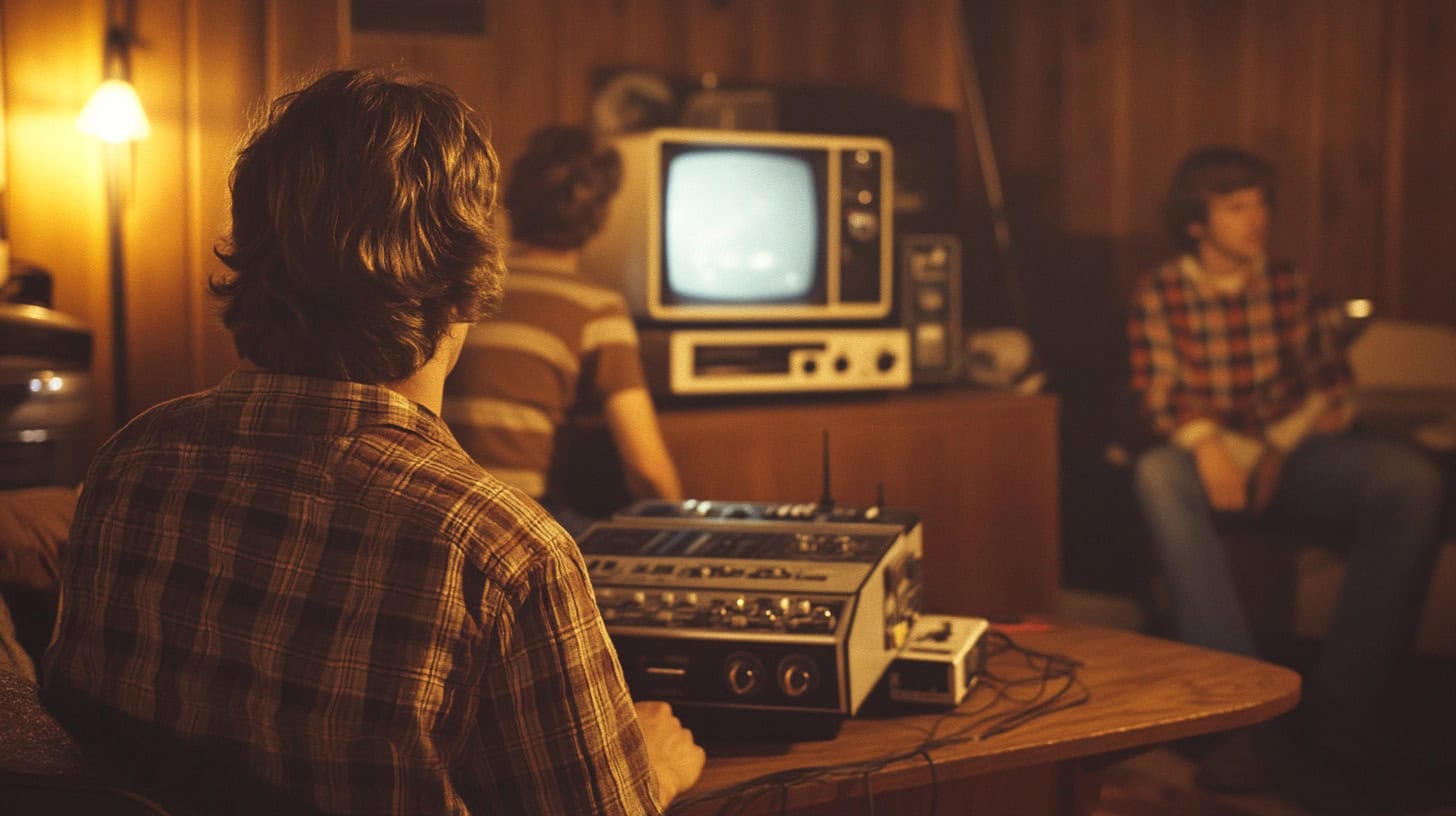
During the CB radio craze of the 1970s, everyone had their own “handle” and knew the lingo. “10-4, good buddy” became part of everyday speech, and we’d spend hours chatting with strangers across town. Some of us even made lifelong friends through those crackling airwaves, never knowing what they actually looked like.
5. Leaving Notes on Windshields
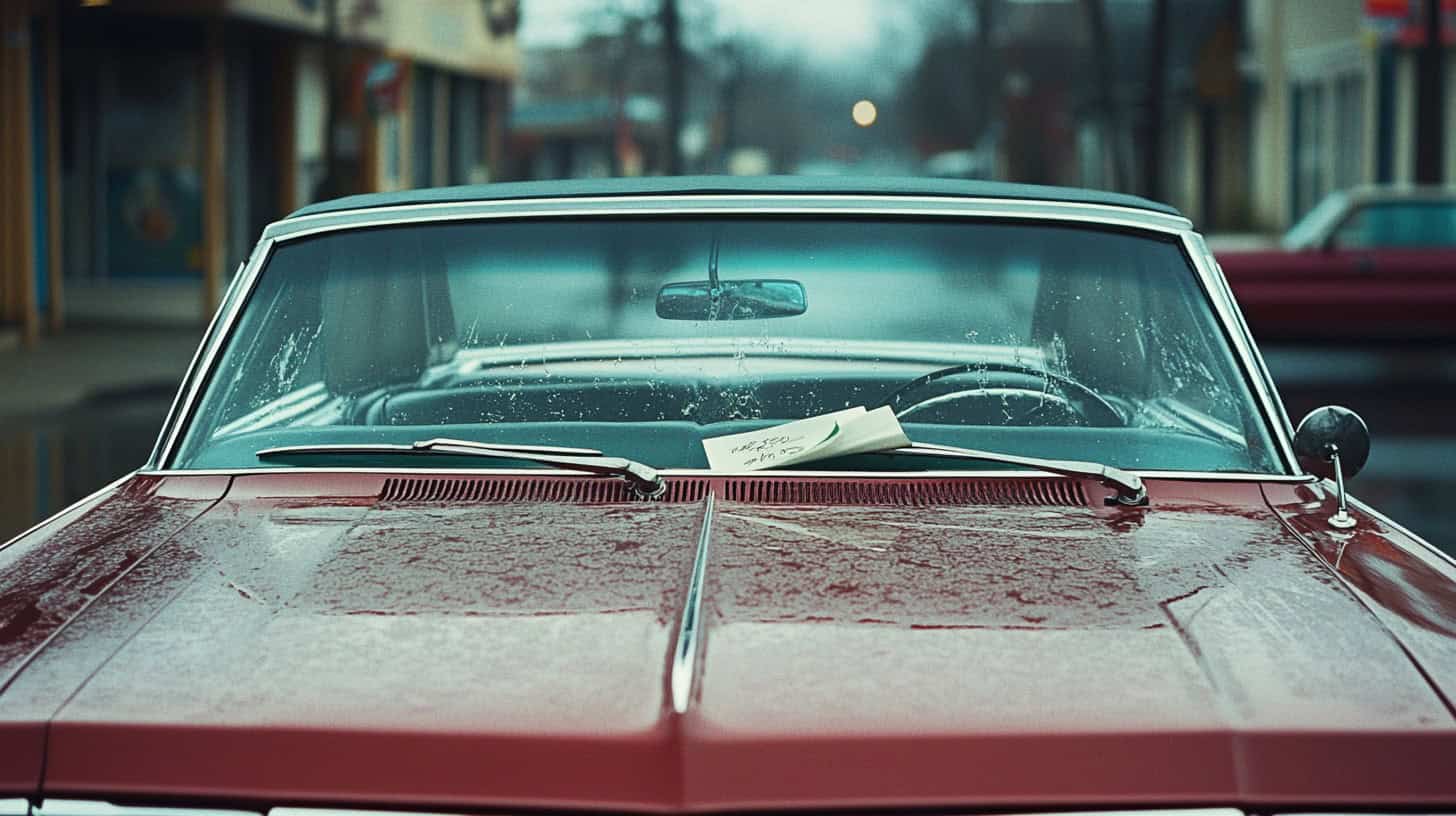
If you spotted a friend’s car downtown but couldn’t find them, leaving a note under the windshield wiper was standard practice. We’d scribble messages on whatever paper we could find, hoping the wind wouldn’t carry our words away before they were discovered. It was like an analog version of today’s text messages.
6. Message Boards at Local Hangouts
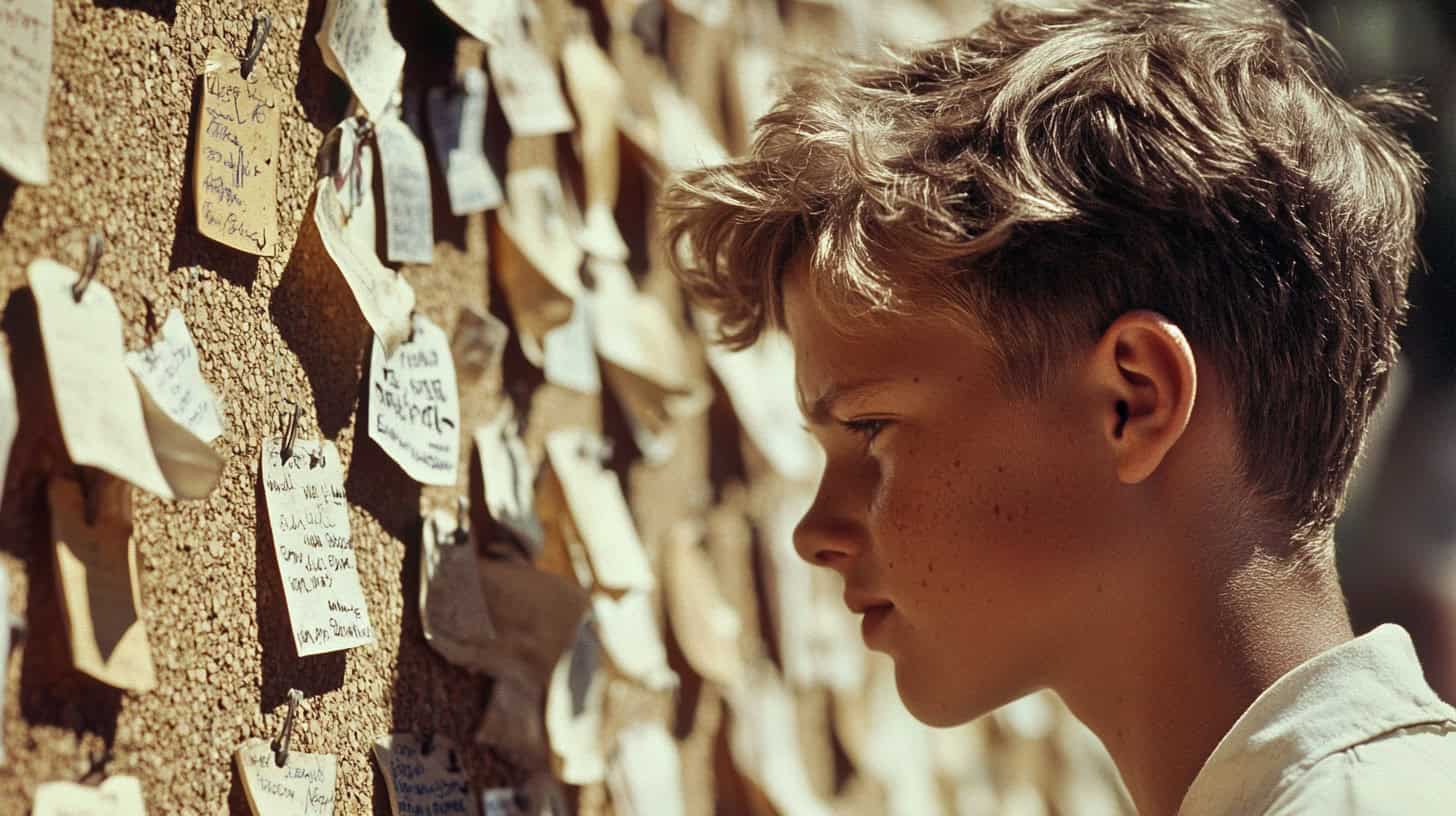
The local diner or coffee shop often had a community bulletin board where people would pin notes, announcements, and messages. These boards were like prehistoric Facebook walls, covered with everything from “Looking for band members” to “Meet us at the lake on Saturday.” Regular customers checked them daily for updates.
7. Collect Calls Home

Making collect calls was an art form, especially for college students calling home. We’d perfect the quick message during the operator’s “name please” prompt: “WeArrivesSafelyCallYouLater!” Parents would decline the charges but get the message, saving everyone money. Operators probably caught on, but most played along with our creative communication system.
8. Pagers and Beeper Codes

In the 1980s and early ’90s, pagers were the height of connectivity. We developed elaborate number codes to communicate different messages – 143 meant “I love you,” 911 was for emergencies. Finding a payphone to call back quickly was always part of the challenge, and we memorized every phone booth location in town.
9. Ham Radio Networks
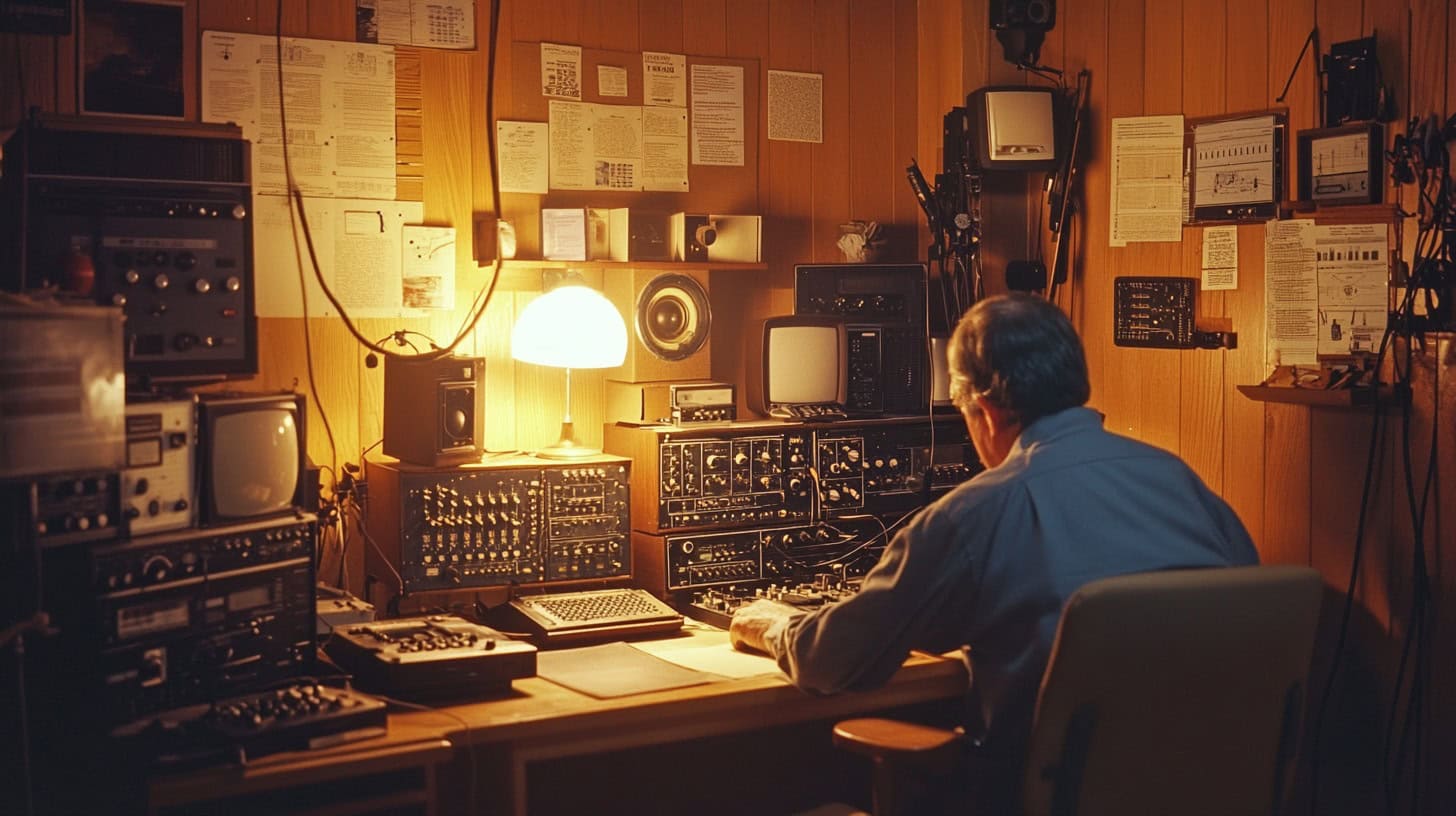
Ham radio operators were the original social network, connecting people across the globe long before the internet existed. Getting your license was a badge of honor, and many of us spent countless hours in basement radio rooms, talking to fellow enthusiasts from Australia to Zimbabwe. During emergencies, these networks were invaluable communication lifelines.
10. Phone Trees

Whether for school closings or church announcements, phone trees were our version of mass communication. Each person was responsible for calling three others, creating a cascade of information. The system worked surprisingly well, though being at the bottom of the tree meant sometimes getting news hours after everyone else.
11. Walkie Talkies

These handheld radios were every kid’s dream, perfect for backyard adventures and coordinating with neighbors. We’d organize elaborate games spanning several blocks, using military-style communication complete with “over” and “roger that.” The limited range just made it more exciting when you managed to reach a friend across the neighborhood.
12. Telegram Services

When news couldn’t wait for regular mail, telegrams were the express lane of communication. Every word would cost money, so people developed a concise writing style that would make Twitter proud. Receiving a telegram always meant important news, and the Western Union delivery person was treated with particular respect.
13. Personal Ads

The newspaper’s personal ads section was our version of online dating. People crafted clever abbreviated messages to find friendship or romance, using creative codes like “SWF seeks SWM” (Single White Female seeks Single White Male). Responding required genuine courage – you had to send a letter to a newspaper box number and wait hopefully for a reply.