In an age of smartphones and instant solutions, many vital skills that our grandparents took for granted have been forgotten. Yet these practical abilities could mean the difference between life and death in emergency situations. From basic navigation to food preservation, here’s a look at essential survival skills that deserve to be remembered and passed down to future generations.
Table of Contents
- 1 1. Reading a Paper Map and Using a Compass
- 2 2. Basic First Aid Without Modern Equipment
- 3 3. Food Preservation Without Electricity
- 4 4. Starting and Maintaining a Fire
- 5 5. Finding and Purifying Water
- 6 6. Basic Tool Repair and Maintenance
- 7 7. Weather Prediction Without Technology
- 8 8. Basic Sewing and Mending
- 9 9. Natural Navigation
- 10 10. Food Foraging
- 11 11. Basic Carpentry
- 12 12. Rope Work and Knot Tying
- 13 13. Animal Husbandry
- 14 14. Natural Remedies
1. Reading a Paper Map and Using a Compass
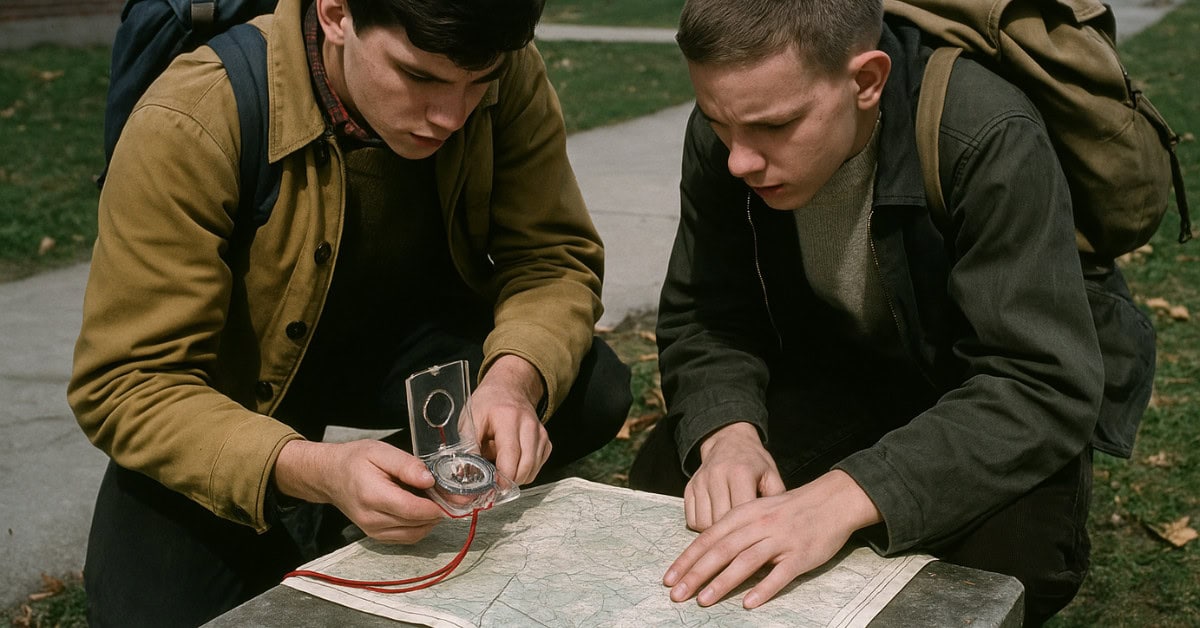
Before GPS, people navigated using maps, compasses, and natural landmarks. This skill could save your life when electronics fail or batteries die. Understanding topographical maps, reading terrain features, and navigating by compass are fundamental skills that work without technology.
Save for later
Want to come back to this story? Save it with your email so it is easy to find again.
2. Basic First Aid Without Modern Equipment

Our grandparents knew how to treat injuries with limited supplies. From making slings from clothing to using natural remedies for pain relief, these skills were essential before modern emergency services. Understanding basic wound care and improvised medical solutions could be crucial in emergencies.
3. Food Preservation Without Electricity
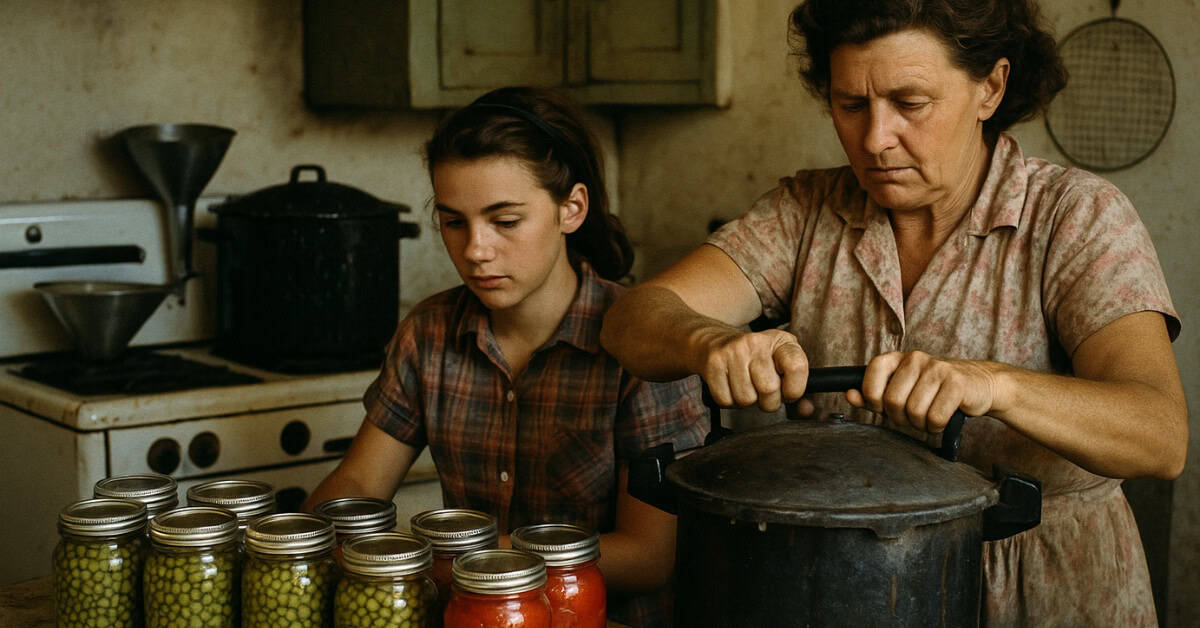
Canning, smoking, and drying food were common practices that didn’t rely on refrigeration. These techniques could sustain families through winters and emergencies. Understanding proper preservation methods prevents food spoilage and ensures survival during power outages.
4. Starting and Maintaining a Fire

Creating fire without matches or lighters was a fundamental skill. Understanding different types of kindling, maintaining a fire in wet conditions, and safely controlling flames could mean survival in emergency situations. This includes knowing which woods burn best and how to keep a fire going overnight.
5. Finding and Purifying Water
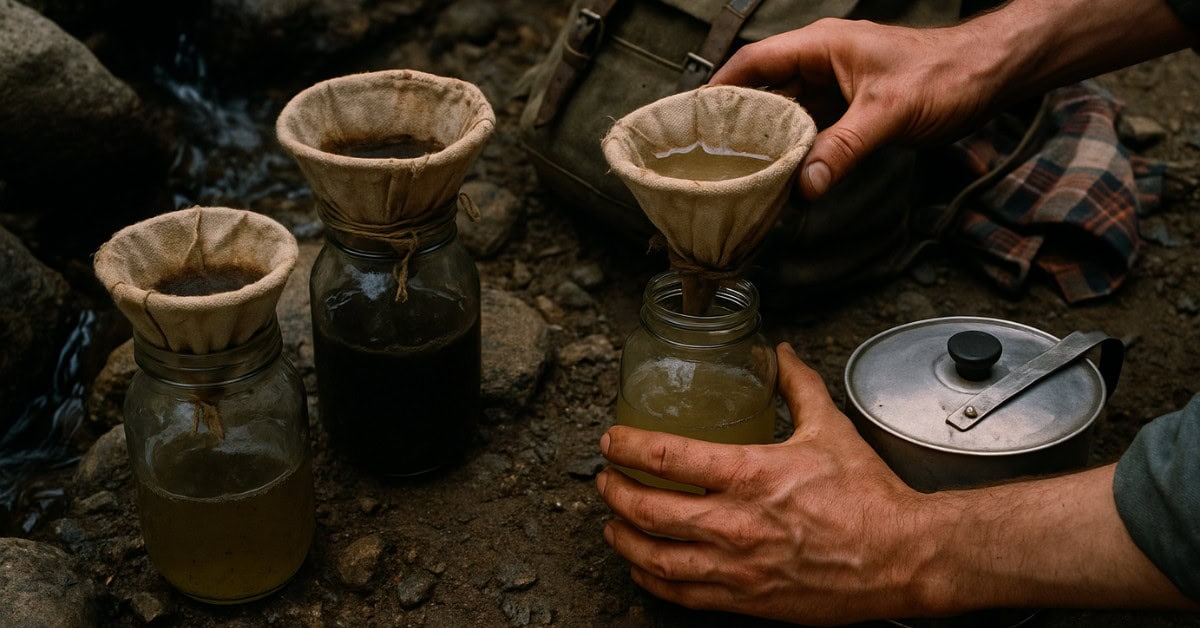
Locating water sources and making them safe to drink was essential knowledge. From identifying safe water sources to basic purification methods like boiling and filtering, these skills remain crucial for survival situations. Understanding natural water indicators in landscapes could save lives.
6. Basic Tool Repair and Maintenance
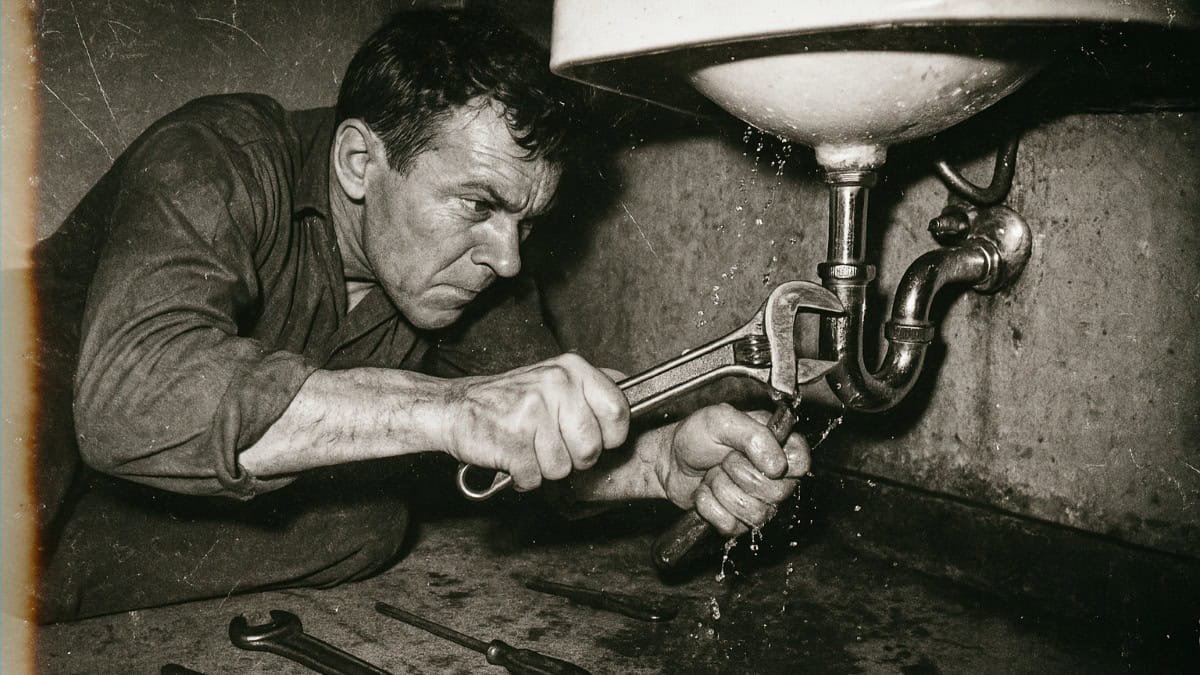
Maintaining and repairing basic tools was common knowledge. From sharpening knives to fixing handles and basic metalworking, these skills kept essential tools functional. Understanding tool care extends their life and ensures reliability when needed most.
7. Weather Prediction Without Technology
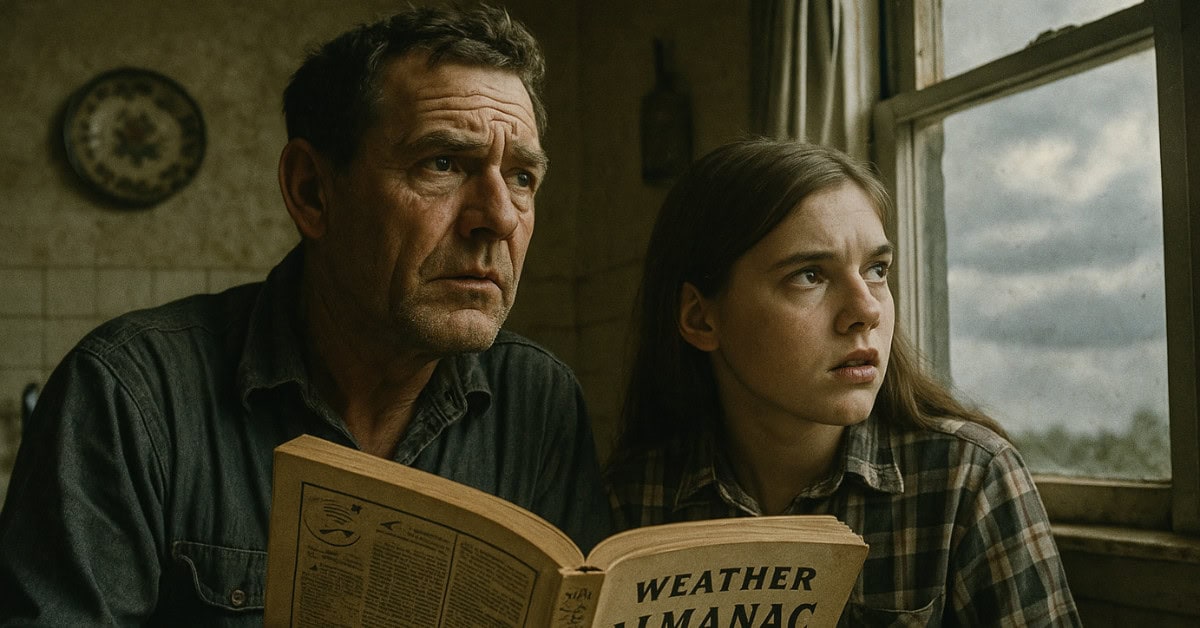
Reading natural signs to predict the weather was a crucial skill. Understanding cloud formations, wind patterns, and animal behavior helped predict dangerous weather conditions. These observation skills remain valuable when modern forecasting isn’t available.
8. Basic Sewing and Mending
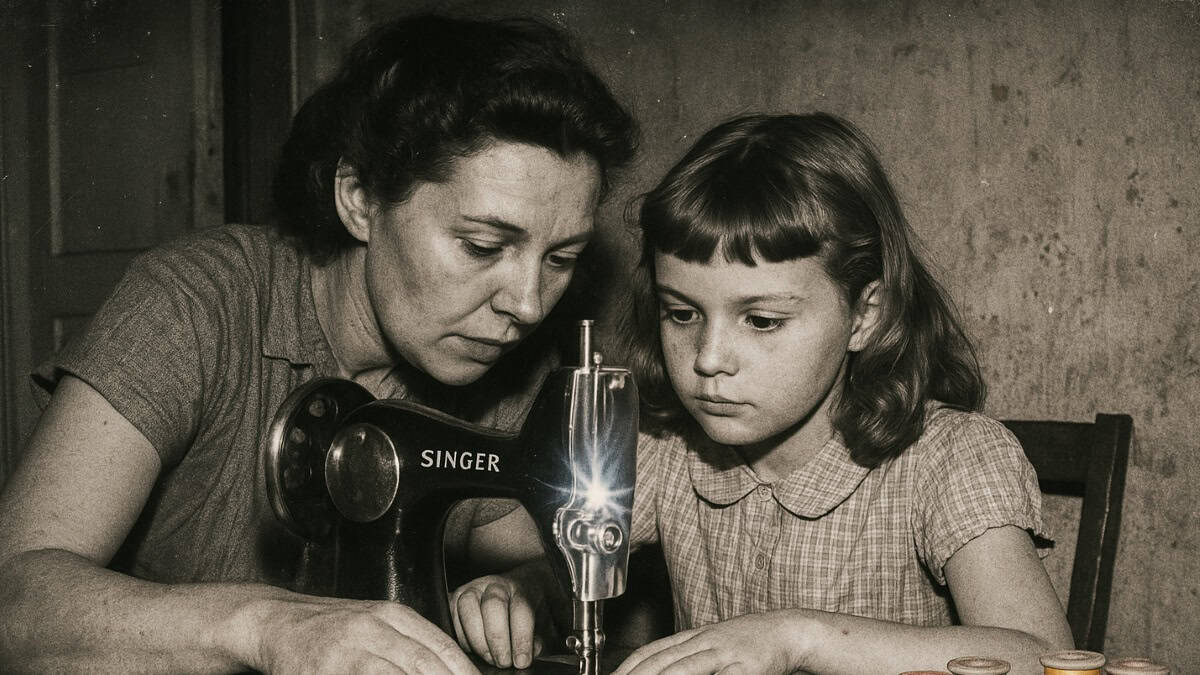
Basic clothing repair could mean the difference between warmth and exposure. From patching holes to replacing buttons, these skills extend clothing life and can be crucial in survival situations. Understanding basic stitches and repairs helps maintain essential gear.

Finding direction using stars, the sun, and natural indicators was common knowledge. Understanding how to navigate by natural signs ensures you can find your way without modern tools. These skills work anywhere and don’t require batteries or signals.
10. Food Foraging
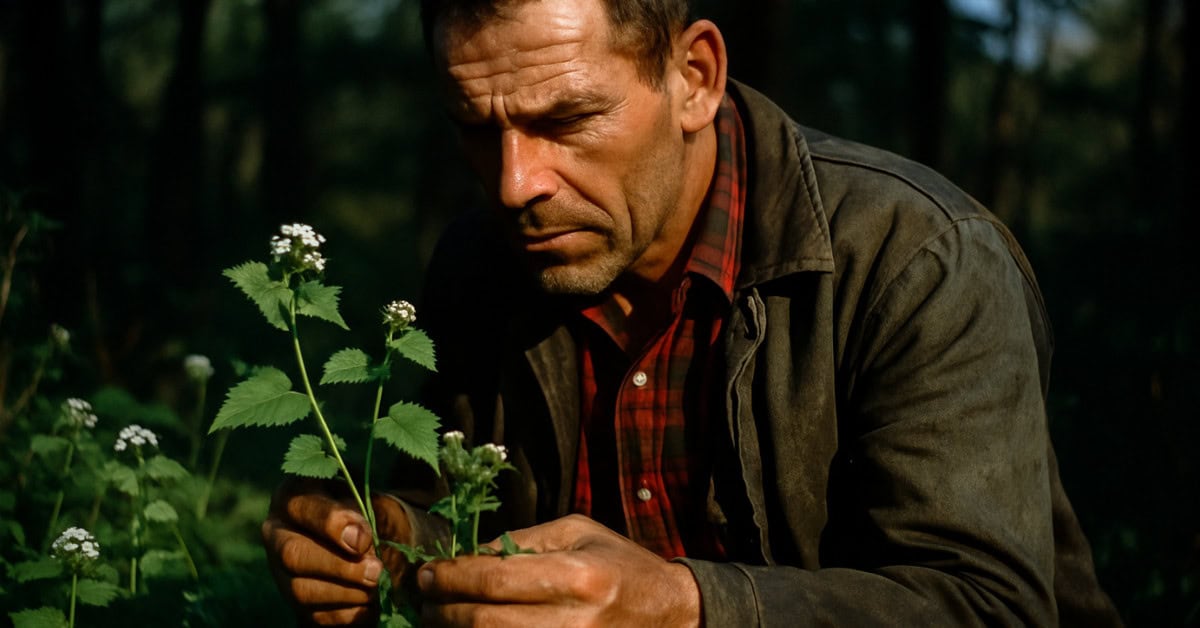
Identifying edible plants and avoiding poisonous ones was essential knowledge. Understanding seasonal availability and proper preparation of wild foods could prevent starvation. This includes knowing which parts of plants are edible and when to harvest them.
11. Basic Carpentry

Building and repairing basic structures was common knowledge. From emergency shelters to basic repairs, these skills ensure safety and comfort. Understanding basic construction principles helps create sturdy, safe structures.
12. Rope Work and Knot Tying

Understanding different knots and their uses was essential knowledge. From securing loads to creating emergency shelters, proper knot tying remains crucial. These skills are fundamental for many survival situations.
13. Animal Husbandry
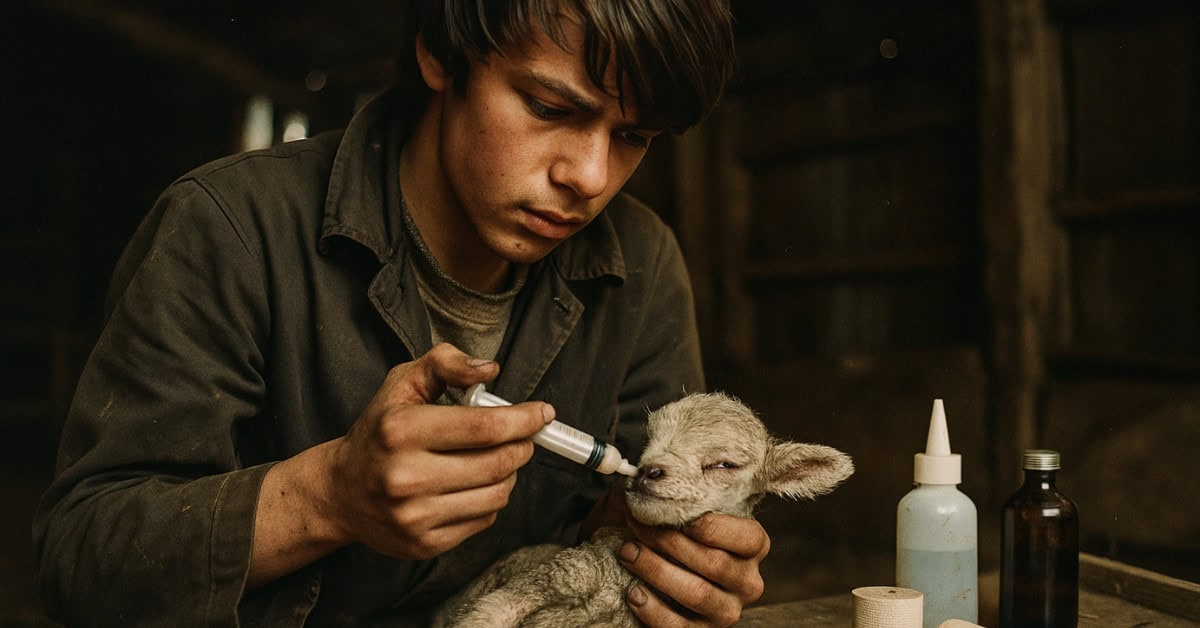
Basic understanding of livestock care and management was common. From feeding to basic medical care, these skills ensure sustainable food sources. Understanding animal behavior and needs remains valuable for self-sufficiency.
14. Natural Remedies

Knowledge of medicinal plants and natural treatments was widespread. Understanding basic herbal remedies and their proper use could provide relief when modern medicine isn’t available. This includes knowing which plants have healing properties and how to prepare them safely.