Oh boy, do I remember the wild diet crazes of the 1970s! It seems like everyone I knew was trying some newfangled way to shed those extra pounds. From drinking nothing but protein shakes to popping sleeping pills (yes, really!), we sure tried some questionable methods back then. Let’s take a nostalgic – and slightly embarrassing – look back at some of the most bizarre diet fads that somehow became all the rage during the disco decade.
Table of Contents
- 1 1. The Last Chance Liquid Protein Diet
- 2 2. The Sleeping Beauty Diet
- 3 3. The Grapefruit Diet
- 4 4. The Cookie Diet
- 5 5. The Scarsdale Diet
- 6 6. The Atkins Revolution
- 7 7. The Sexy Pineapple Diet
- 8 8. The Master Cleanse
- 9 9. The Prolinn Diet
- 10 10. The Drinking Man’s Diet
- 11 11. The Army Diet
- 12 12. The Yogurt Diet
- 13 13. The Egg and Wine Diet
- 14 14. The Cabbage Soup Diet
1. The Last Chance Liquid Protein Diet

This dangerous diet trend hit its peak in 1976, advocating rapid weight loss through liquid protein drinks made from animal by-products. The diet became infamous when it was linked to several deaths due to heart complications. Despite its initial popularity, the serious health risks associated with such extreme calorie restriction highlighted the perils of fad dieting.
Save for later
Want to come back to this story? Save it with your email so it is easy to find again.
2. The Sleeping Beauty Diet

This peculiar diet involved using sedatives to sleep through the day, operating under the motto “you can’t eat while you’re sleeping.” It gained notoriety when it was rumored that celebrities like Elvis Presley might have tried it. Despite its allure, the health risks of prolonged sedative use far outweighed any potential benefits.
3. The Grapefruit Diet

This citrus-based diet gained traction in the 1970s, asserting that grapefruit contained fat-burning enzymes. It required eating grapefruit with every meal, along with a highly restricted diet. While grapefruits are nutritious, the idea of them having special weight-loss powers is largely a myth, and the diet lacked scientific support.
4. The Cookie Diet

Dr. Sanford Siegal’s Cookie Diet emerged in the mid-70s, featuring special low-calorie cookies. Dieters were instructed to eat these cookies instead of meals, supplemented by one regular dinner. While effective for weight loss due to calorie restriction, it wasn’t a sustainable or balanced approach to nutrition.
5. The Scarsdale Diet

Developed by Dr. Herman Tarnower, the Scarsdale Diet was a high-protein, low-carb plan promising rapid weight loss. It involved a strict two-week regimen with limited food options. While popular, its restrictive nature and lack of long-term nutritional balance drew criticism from health professionals.
6. The Atkins Revolution

Dr. Robert Atkins introduced his low-carbohydrate diet in the early 1970s, focusing on high-protein and high-fat foods while eliminating carbs. The diet was groundbreaking but controversial due to its departure from conventional low-fat dietary guidelines. Despite concerns, it laid the groundwork for many modern low-carb diets.
7. The Sexy Pineapple Diet

This diet, popularized by a Danish psychologist, required eating only pineapples for two days each week. The premise was that pineapple contained enzymes to aid weight loss. However, the claims lacked scientific evidence, and the diet’s monotony and nutritional deficiencies made it impractical for sustained health.
8. The Master Cleanse

Also known as the “lemonade diet,” this cleanse involved consuming only a mixture of lemon juice, maple syrup, cayenne pepper, and water for several days. Promoted as a detox method, it became popular in the late 70s. Despite its claims, there is no scientific evidence supporting its detoxifying benefits, and the extreme calorie restriction poses health risks.
9. The Prolinn Diet
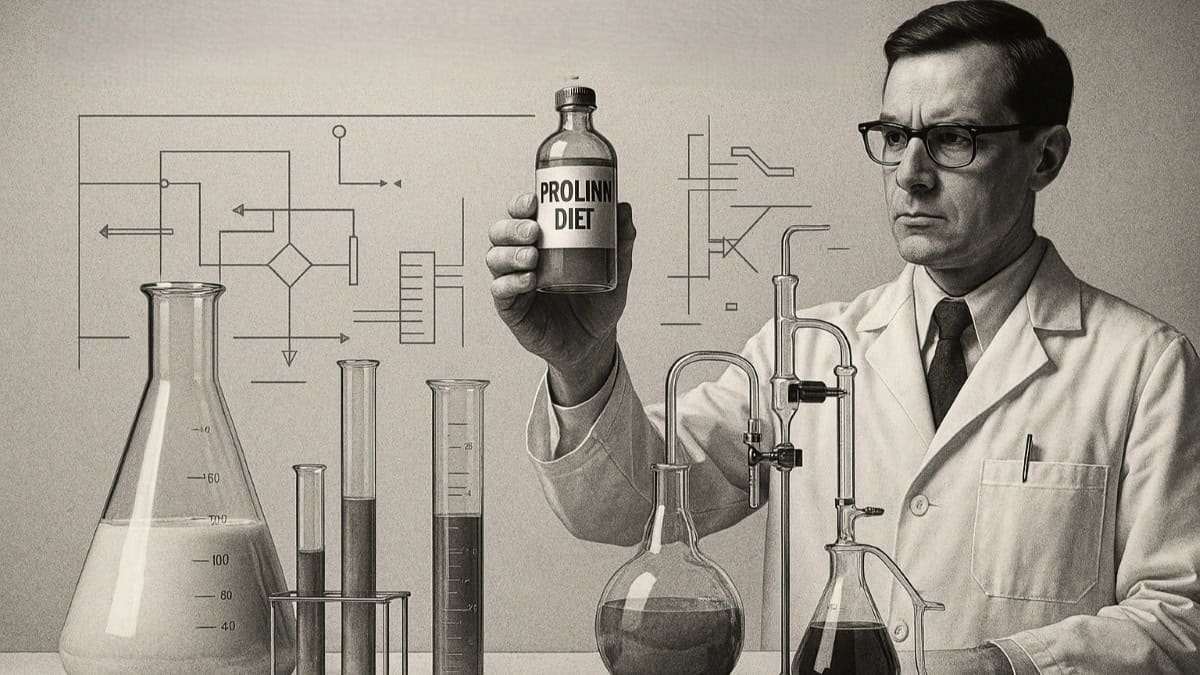
This extreme liquid protein diet, based on collagen-derived supplements, was marketed as a weight-loss solution. Dr. Robert Linn’s book “The Last Chance Diet” popularized it. However, the diet’s severe calorie restriction and lack of essential nutrients led to numerous health issues and even fatalities, highlighting the dangers of such extreme diets.
10. The Drinking Man’s Diet

Originally from the 1960s, this diet resurfaced in the 70s, focusing on low-carb meals paired with alcohol. It allowed dieters to enjoy drinks like martinis while avoiding carbohydrates. Despite its popularity among businessmen, the diet’s health implications, particularly due to excessive alcohol consumption, made it controversial and medically unsound.
11. The Army Diet

This crash diet claimed to mimic the eating habits of the military, though the army had no actual ties to it. The eight-day regimen involved consuming one type of food each day, such as apples, cheese, or chicken. While it promised quick weight loss, it lacked nutritional balance and sustainability.
12. The Yogurt Diet

With the growing popularity of yogurt in the 70s, this diet involved eating yogurt as a primary meal component. Proponents claimed the probiotics and calcium in yogurt could help with weight loss. However, like many single-food diets, it wasn’t a balanced approach to nutrition and lacked scientific support for its weight-loss claims.
13. The Egg and Wine Diet

Published in Vogue in the 1970s, this diet involved consuming eggs and a glass of wine for meals. It promised rapid weight loss but was nutritionally deficient and promoted excessive alcohol consumption. Though it gained brief popularity, it was more a reflection of fad diet culture than a healthy eating plan.
14. The Cabbage Soup Diet

This diet promised weight loss by allowing unlimited consumption of a low-calorie cabbage soup. It was believed to help lose up to 10 pounds in a week, primarily through water loss. While it was popular for its quick results, the lack of essential nutrients and monotony made it unsustainable.