Growing up in the 1960s and early 70s wasn’t just about having fun – it was an unofficial training ground for life’s challenges. Without constant adult supervision or safety nets, we developed resilience, problem-solving skills, and a can-do attitude that would serve us well throughout our lives. Here’s a look back at the experiences that shaped our generation into natural-born survivors.
Table of Contents
- 1 1. Navigating Without GPS or Cell Phones
- 2 2. Fixing Your Own Bike
- 3 3. Surviving Without Air Conditioning
- 4 4. Making Your Own Entertainment
- 5 5. Learning From Natural Consequences
- 6 6. Handling Emergency Situations Solo
- 7 7. Managing Money Without Calculator
- 8 8. Building Things From Scratch
- 9 9. Dealing with Disappointment
- 10 10. Surviving Long Car Trips
- 11 11. Working Through Physical Discomfort
- 12 12. Solving Problems Without Google
- 13 13. Negotiating with Peers
- 14 14. Being Self-Sufficient
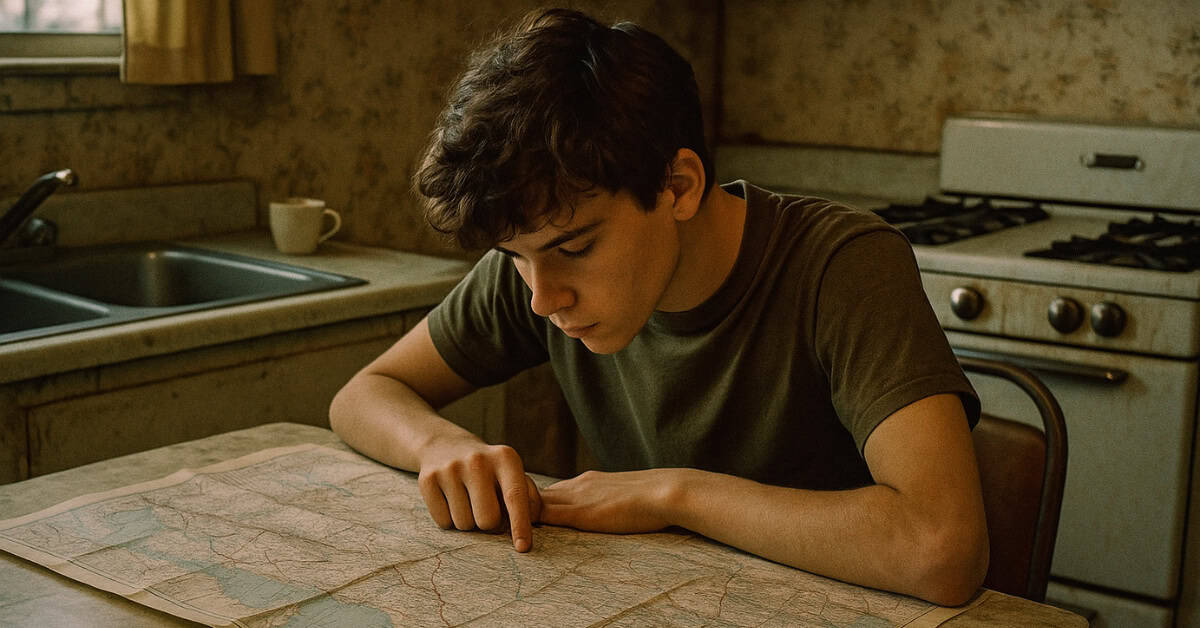
We mastered the art of reading paper maps, memorizing landmarks, and finding our way home from anywhere in the neighborhood. Getting lost meant using your wits, asking for directions, and problem-solving your way back. This developed an innate sense of direction and spatial awareness that no smartphone can match.
Save for later
Want to come back to this story? Save it with your email so it is easy to find again.
2. Fixing Your Own Bike
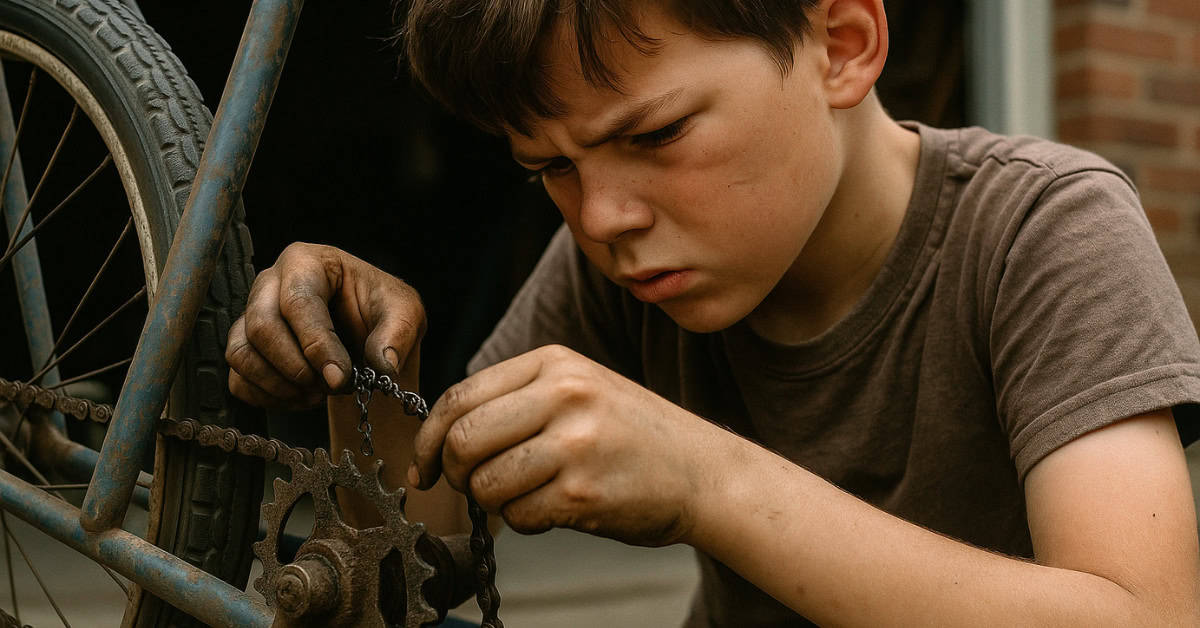
A broken bike chain or flat tire wasn’t a crisis – it was a challenge to overcome. We learned basic mechanics early, keeping our wheels rolling with whatever tools and parts we could scrounge up. This hands-on experience taught us that most problems have solutions if you’re willing to get your hands dirty.
3. Surviving Without Air Conditioning

Summer meant getting creative with staying cool – positioning fans strategically, creating cross-breezes, and knowing which basement corners stayed coolest. We developed heat tolerance and ingenuity that would impress modern survivalists. Those sweltering nights taught us that comfort is often about adaptation rather than perfect conditions.
4. Making Your Own Entertainment

Without endless digital distractions, we became masters of improvisation. A cardboard box could become anything from a fort to a spaceship, and basic household items transformed into props for elaborate adventures. This creativity and resourcefulness would later help us think outside the box in our professional lives.
5. Learning From Natural Consequences

When you climbed too high or rode too fast, you learned from the results. These natural consequences taught us risk assessment and personal responsibility better than any lecture could. We developed an intuitive understanding of our capabilities and limitations through trial and error.
6. Handling Emergency Situations Solo

Whether it was a scraped knee, getting locked out, or dealing with neighborhood bullies, we had to handle situations without immediate adult intervention. This independence fostered quick thinking and self-reliance. We learned to assess situations and make decisions under pressure.
7. Managing Money Without Calculator

Running a lemonade stand or handling paper route collections required real math skills and money management. We calculated change in our heads, tracked expenses, and learned the value of hard work. These early business ventures taught financial literacy through hands-on experience.
8. Building Things From Scratch
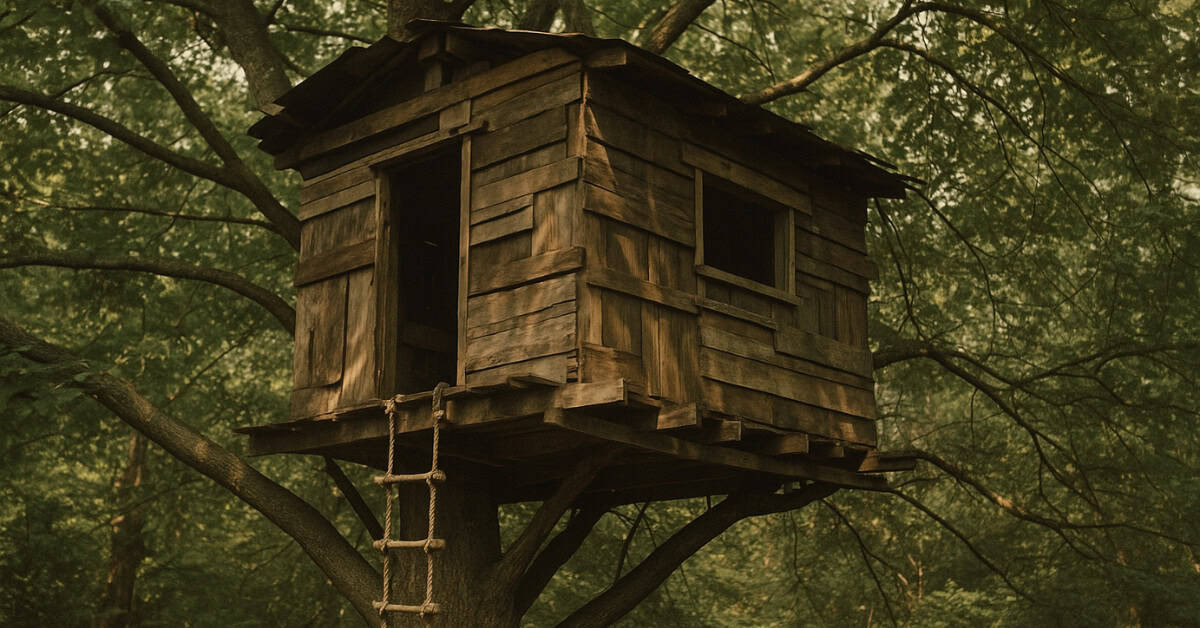
From treehouses to go-karts, we created complex structures with basic tools and salvaged materials. These projects taught engineering principles, problem-solving, and the satisfaction of creating something with our own hands. The skills we developed still serve us in home improvement projects today.
9. Dealing with Disappointment
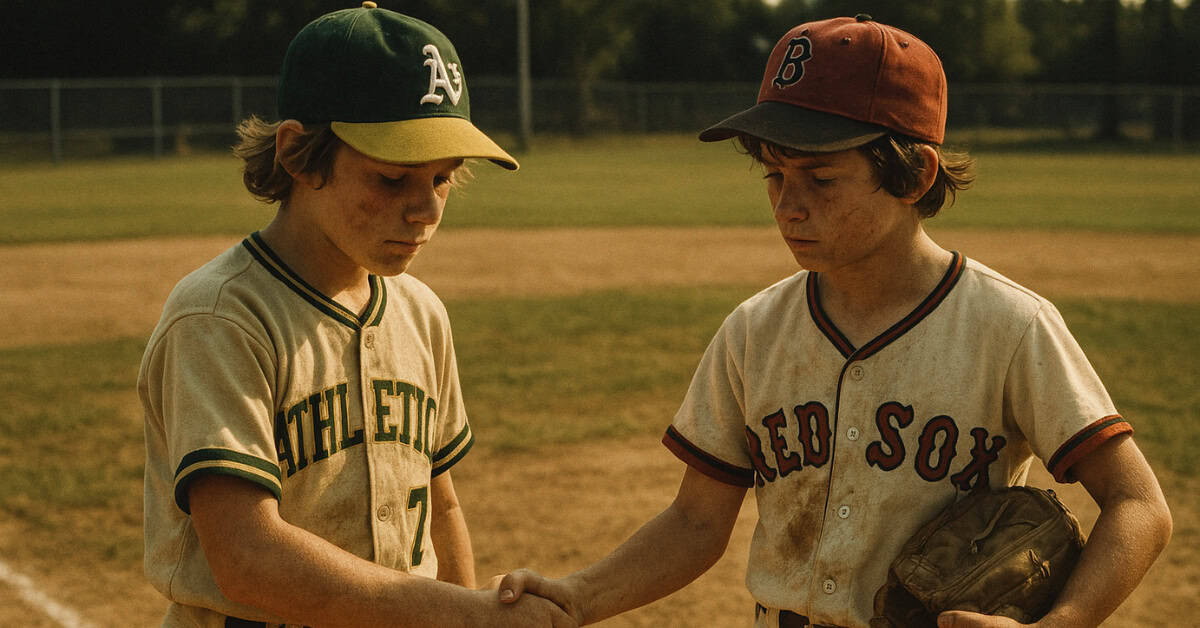
Not everyone got a trophy, and that was okay. We learned to handle losses, setbacks, and disappointments without constant emotional cushioning. This developed emotional resilience and taught us that failure is often the best teacher.
10. Surviving Long Car Trips

Hours in the car without DVD players or tablets meant developing patience and creativity. We played word games, watched the landscape, and learned to entertain ourselves with minimal resources. These experiences built patience and adaptability that would prove valuable in adult life.
11. Working Through Physical Discomfort
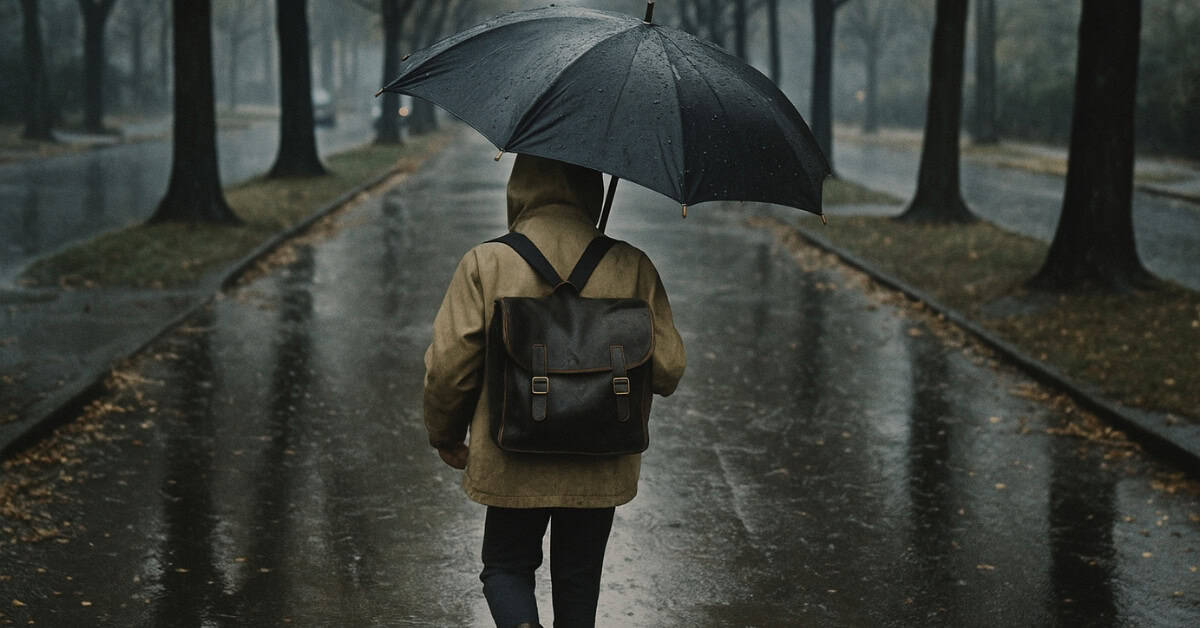
Whether it was long walks to school in any weather or pushing through a summer day’s work, we learned to endure physical challenges. This built mental toughness and showed us that we were capable of much more than we thought. Discomfort wasn’t always a signal to stop – sometimes it was just part of getting things done.
12. Solving Problems Without Google

Finding information meant using libraries, asking experts, or figuring things out through trial and error. This developed research skills, critical thinking, and the ability to evaluate information sources. We learned the value of knowledge and how to think through problems methodically.
13. Negotiating with Peers

Trading baseball cards, settling disputes, or organizing games required direct negotiation skills. Without adults mediating every interaction, we learned to compromise, stand our ground when needed, and find win-win solutions. These early negotiations laid the groundwork for future business and personal relationships.
14. Being Self-Sufficient

From an early age, we learned to take care of ourselves – making meals, doing laundry, or getting ourselves up for school. This independence wasn’t seen as a burden but as a natural part of growing up. The self-reliance we developed became a foundation for adult success.