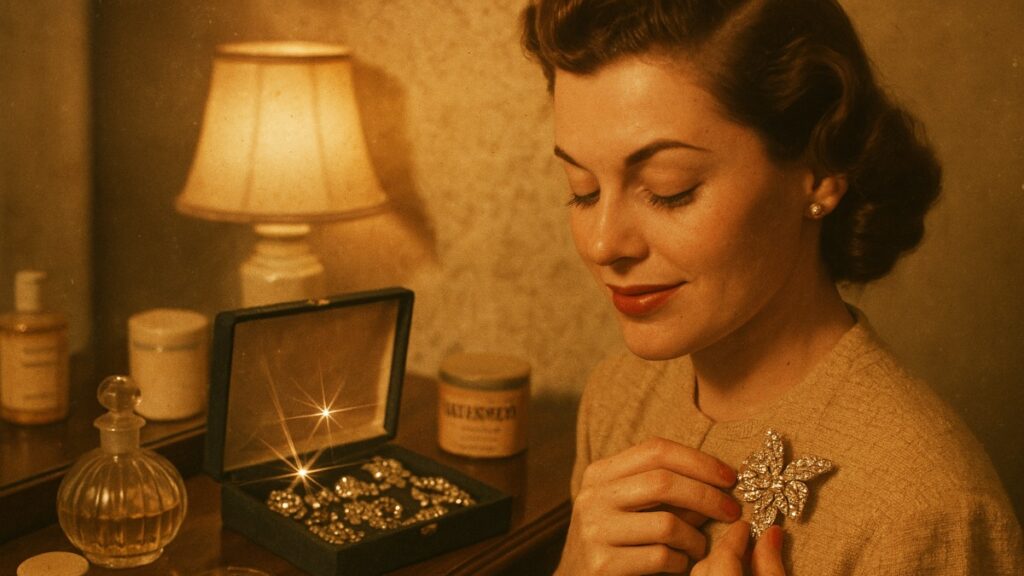
Remember those dinner table rules from back in the day? As someone who grew up in the 1960s, our evening meals were practically a military operation with strict protocols that would make today’s kids run for the hills. From mandatory attendance to the dreaded “clean plate club,” let’s take a stroll down memory lane and revisit some dinner table commandments that would likely spark a revolution among modern youth.
Table of Contents
- 1 1. No Electronics Allowed (Not That We Had Any)
- 2 2. You Eat What’s Served – No Special Orders
- 3 3. The Clean Plate Club Was Mandatory
- 4 4. Dinner Was at 6:00 Sharp – No Exceptions
- 5 5. Elbows Off the Table!
- 6 6. Ask to Be Excused
- 7 7. No Reading Material at the Table
- 8 8. Wait Until Everyone Is Served
- 9 9. No Reaching Across the Table
- 10 10. Children Were Seen and Not Heard
- 11 11. Napkins on Laps – No Exceptions
- 12 12. Sunday Best at Sunday Dinner
- 13 13. Kitchen Closes After Dinner
- 14 14. Everyone Helps Clear the Table
- 15 15. No Complaints About the Food
1. No Electronics Allowed (Not That We Had Any)
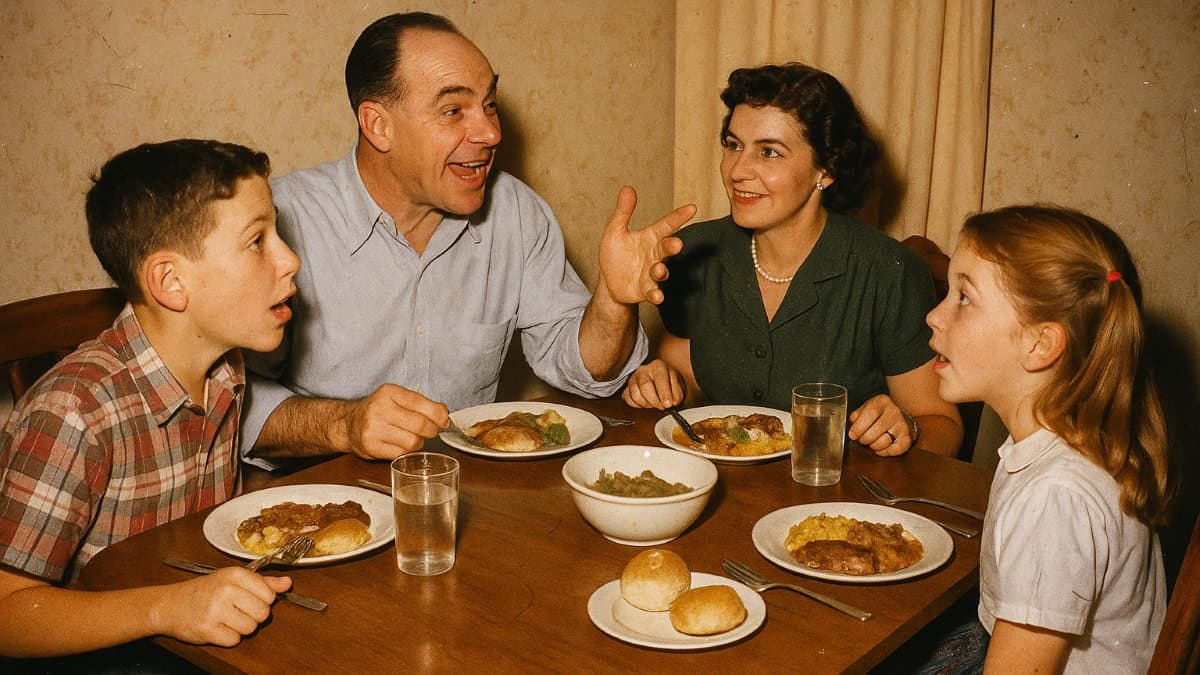
Back in our day, the dinner table was sacred ground where conversation reigned supreme. The only entertainment came from sharing stories about our day or listening to Dad’s work tales. Today’s kids would probably break out in hives if they couldn’t check their phones or tablets during dinner, but we managed just fine with face-to-face interaction and the occasional sibling kick under the table.
Save for later
Want to come back to this story? Save it with your email so it is easy to find again.
2. You Eat What’s Served – No Special Orders
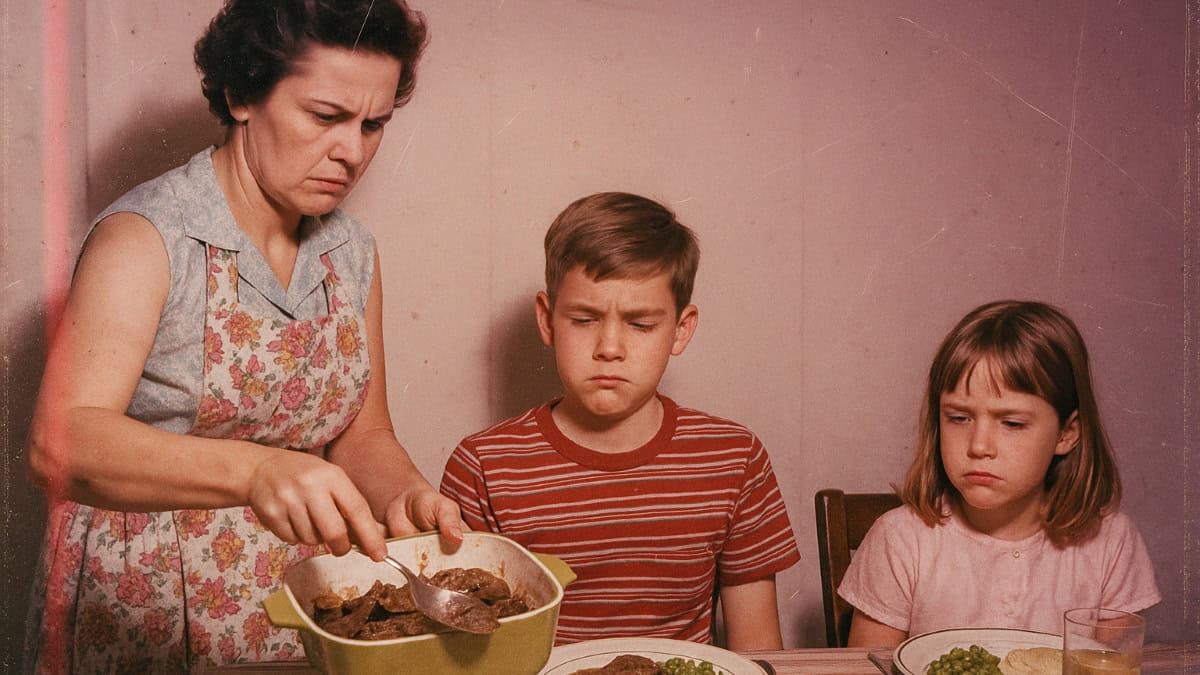
Mom wasn’t running a restaurant, and there was no such thing as being a “picky eater.” If liver and onions were on the menu, you ate liver and onions. The concept of preparing separate meals for different family members would have been considered absurd. The only choice you had was whether to eat it while it was hot or cold.
3. The Clean Plate Club Was Mandatory

Those poor, starving children in other countries were frequently invoked as we sat staring at our Brussels sprouts. Leaving the table before your plate was clean simply wasn’t an option. Today’s parents might worry about portion control and forcing kids to eat, but back then, waste was considered a cardinal sin.
4. Dinner Was at 6:00 Sharp – No Exceptions
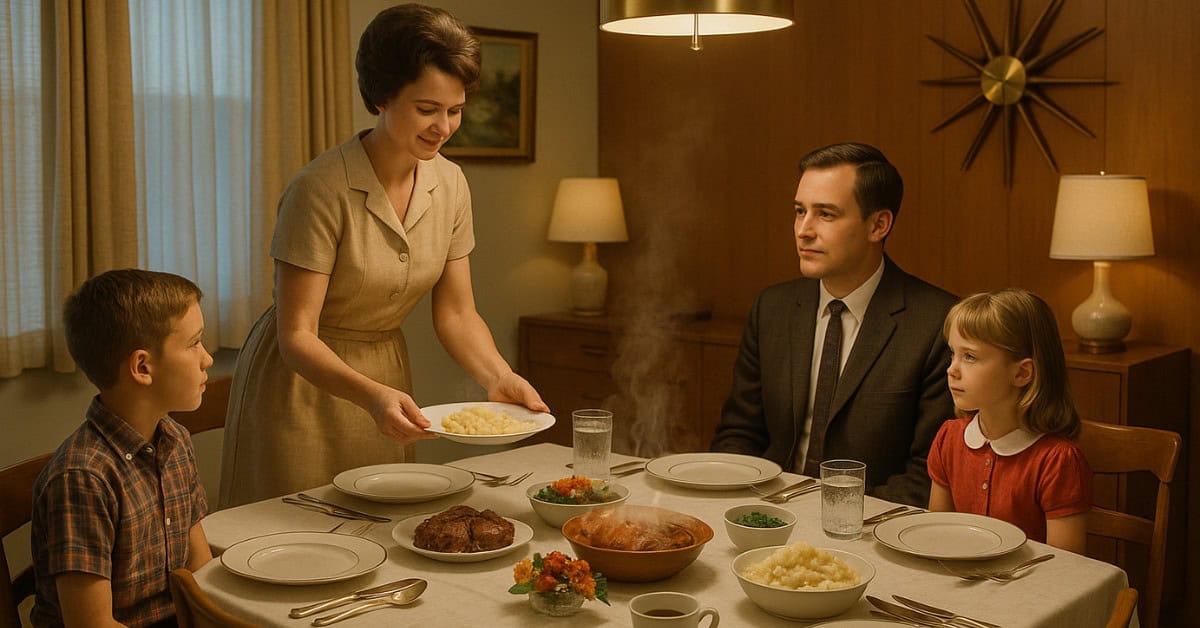
Whether you were in the middle of playing stickball or watching Gunsmoke, when that dinner bell rang, you came running. There was no “flexible dining schedule” or eating in shifts. The family ate together, period. Missing dinner meant going hungry until breakfast, which was enough motivation to make it home on time.
5. Elbows Off the Table!

Proper table posture was non-negotiable. Elbows on the table were considered the height of bad manners, and a quick reminder tap from Mom would straighten you right up. We sat up straight, kept our elbows down, and somehow managed to survive without slouching over our plates like modern-day cave dwellers.
6. Ask to Be Excused
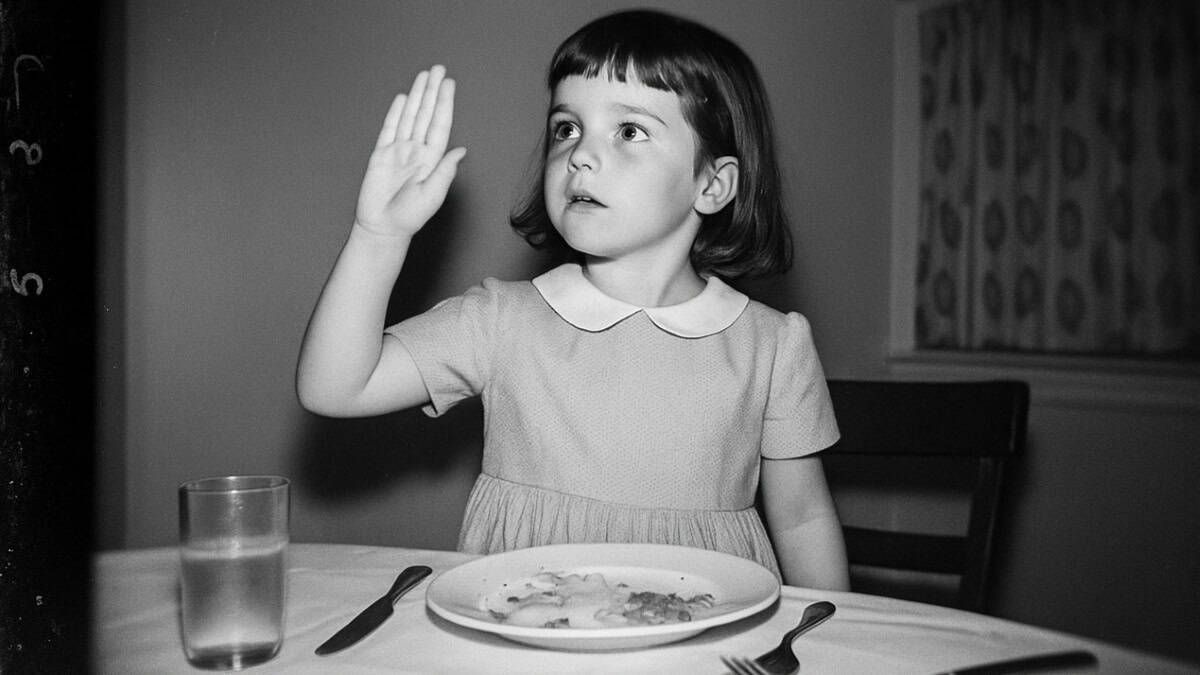
Simply getting up and leaving the table would have been unthinkable. The magic words “May I please be excused?” were required before anyone could leave their seat. This simple act of respect showed that dinner was a formal affair, not just a pit stop between activities.
7. No Reading Material at the Table
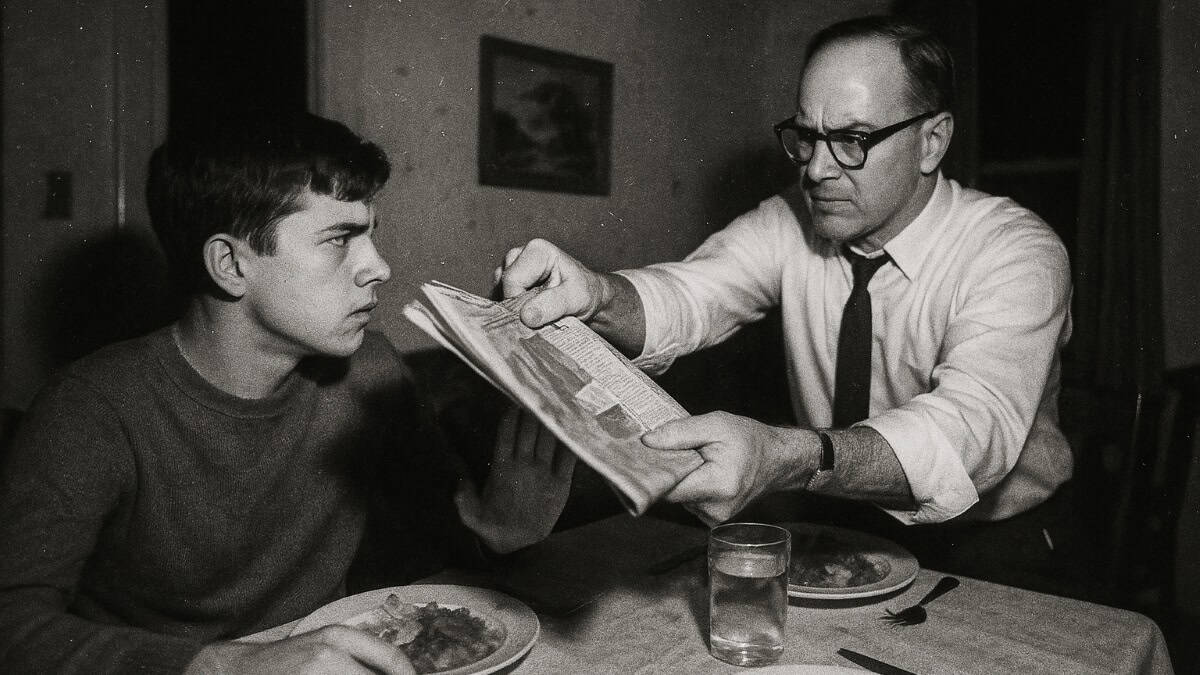
Even the Sunday comics or cereal boxes were forbidden reading material at the dinner table. The focus was on family interaction and conversation, not on the latest adventures of Dick Tracy. Today’s equivalent would be browsing social media, but back then, even a newspaper at the table was considered poor form.
8. Wait Until Everyone Is Served
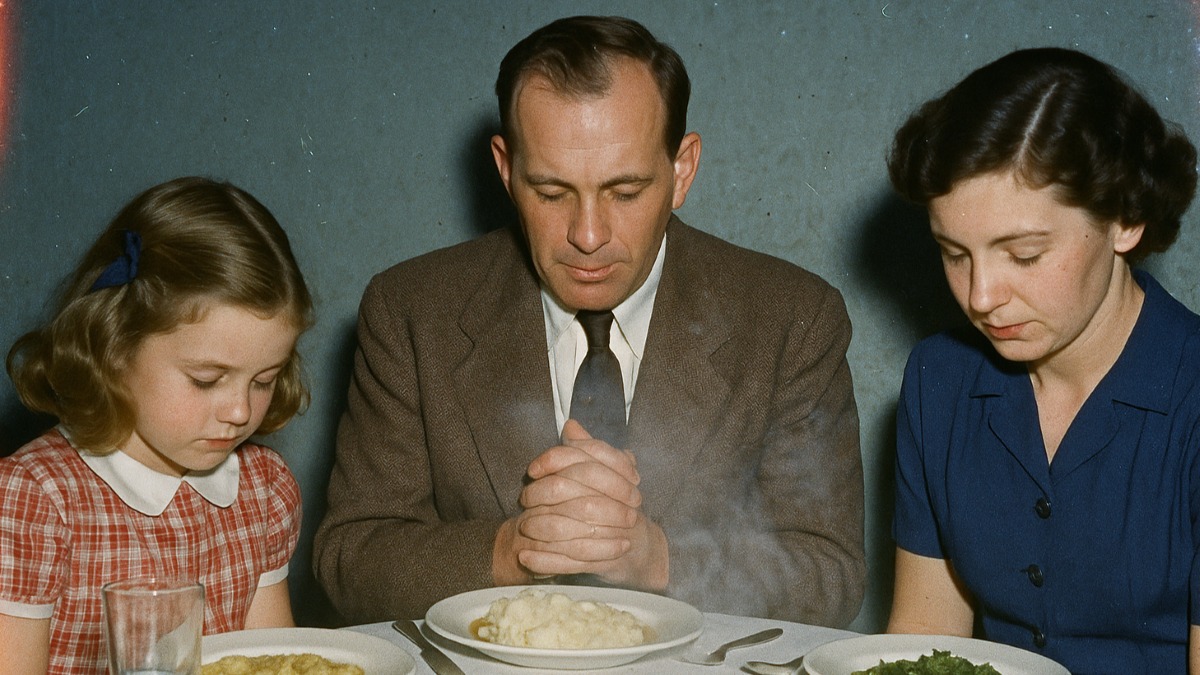
Starting to eat before everyone was served and grace was said would have earned you a stern look from both parents. Patience was a virtue, and we learned it one dinner at a time. The concept of diving in while others were still being served would have been considered the height of rudeness.
9. No Reaching Across the Table

“Please pass the potatoes” was the proper way to get what you wanted at the dinner table. Reaching across someone’s plate or stretching across the table was strictly forbidden. These little exercises in politeness and patience would drive today’s instant-gratification generation crazy.
10. Children Were Seen and Not Heard
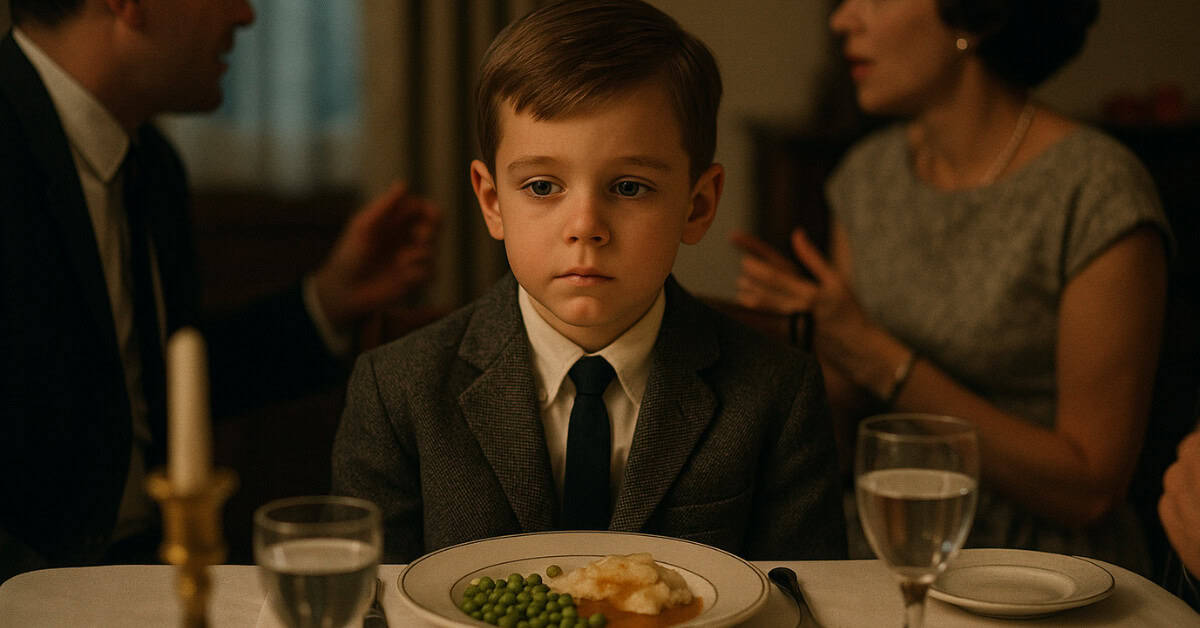
Unless spoken to directly, children were expected to eat quietly and listen to the adults’ conversation. The modern practice of children dominating dinner discussion would have been unthinkable. We learned the art of listening and speaking when appropriate, a skill that seems to be fading in today’s more child-centric households.
11. Napkins on Laps – No Exceptions
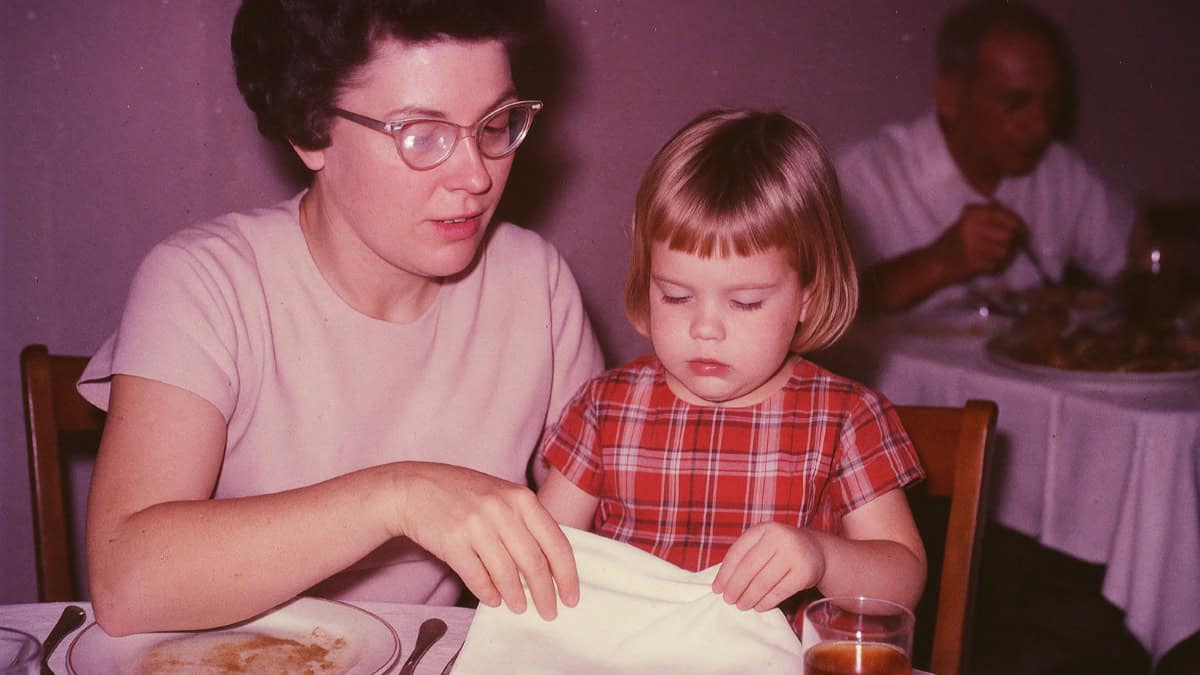
The moment you sat down, that napkin better have found its way to your lap. It wasn’t just a suggestion – it was law. And heaven forbid you used your sleeve to wipe your mouth! These cloth napkins were often pressed and starched, and using them properly was considered a fundamental sign of good breeding.
12. Sunday Best at Sunday Dinner
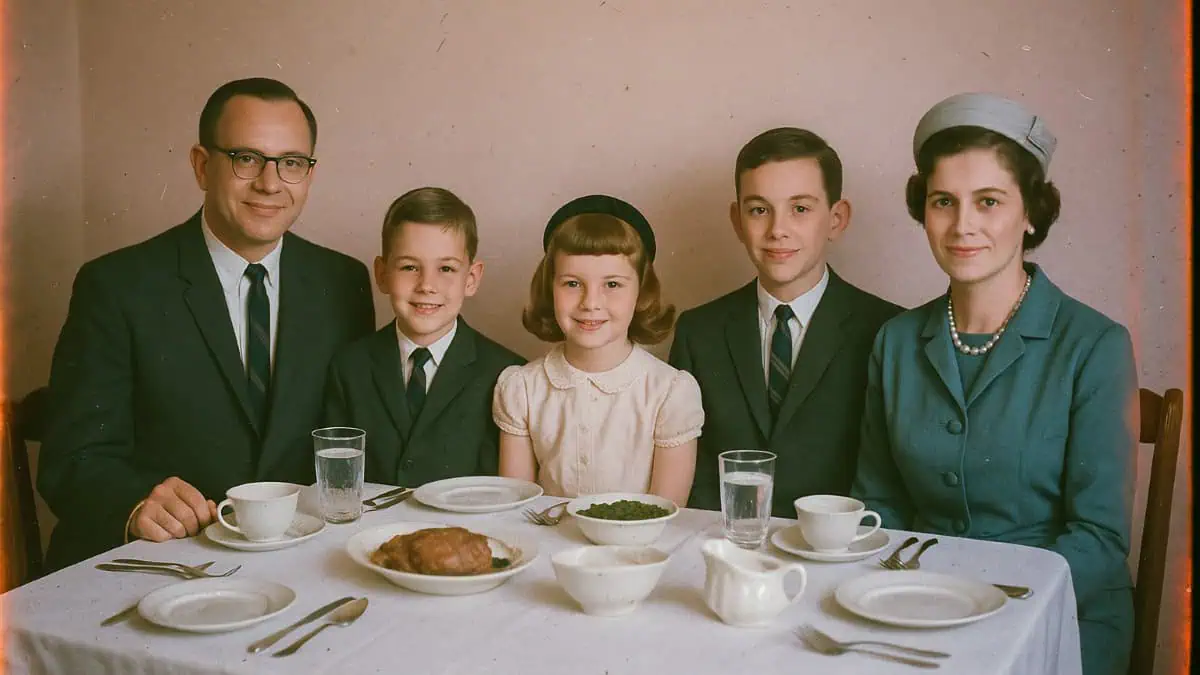
Sunday dinner was a formal affair that required proper attire – no shorts, T-shirts, or casual wear were allowed. Boys wore dress shirts and slacks, girls wore dresses, and everyone looked their best. The idea of showing up to Sunday dinner in sweatpants would have been absolutely scandalous.
13. Kitchen Closes After Dinner
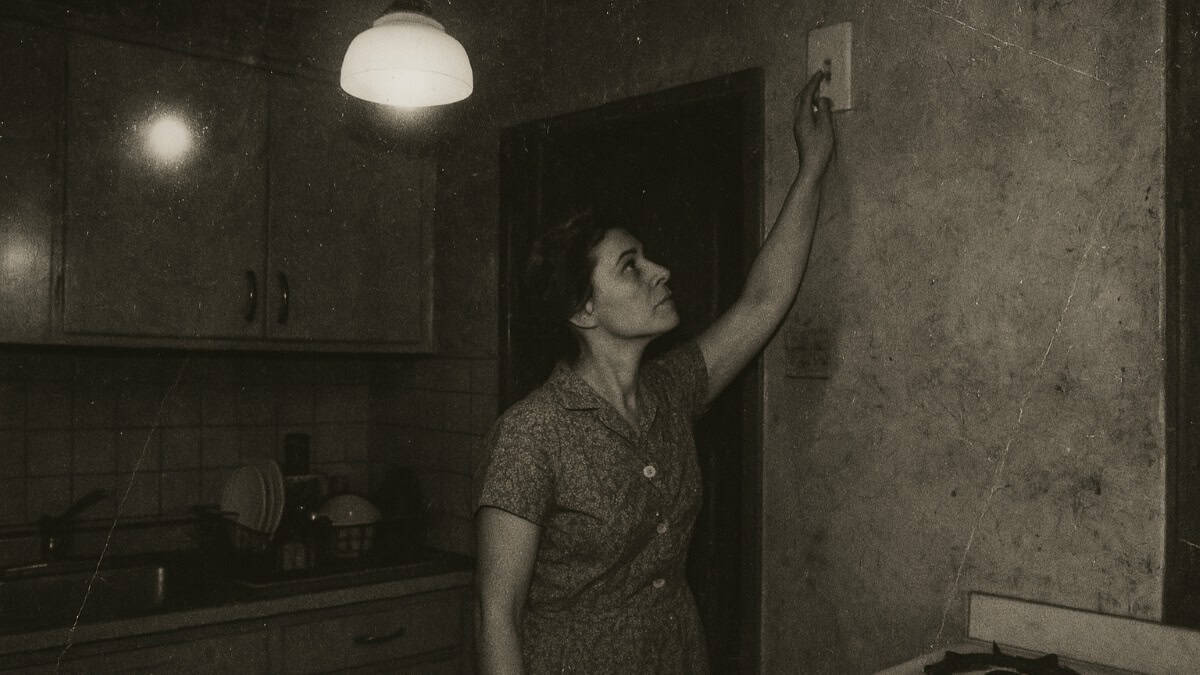
Once dinner was over and dishes were done, the kitchen was closed for business. There was no late-night snacking or midnight refrigerator raids. If you didn’t eat enough at dinner, well, breakfast was only 12 hours away. The modern concept of 24/7 kitchen access would have seemed utterly foreign.
14. Everyone Helps Clear the Table

Clearing the table was a family affair – no one escaped this duty. Each person had their role, whether it was scraping plates, carrying dishes to the kitchen, or helping with washing and drying. The modern habit of leaving dirty dishes for “later” would have earned you a serious talking-to from Mom.
15. No Complaints About the Food
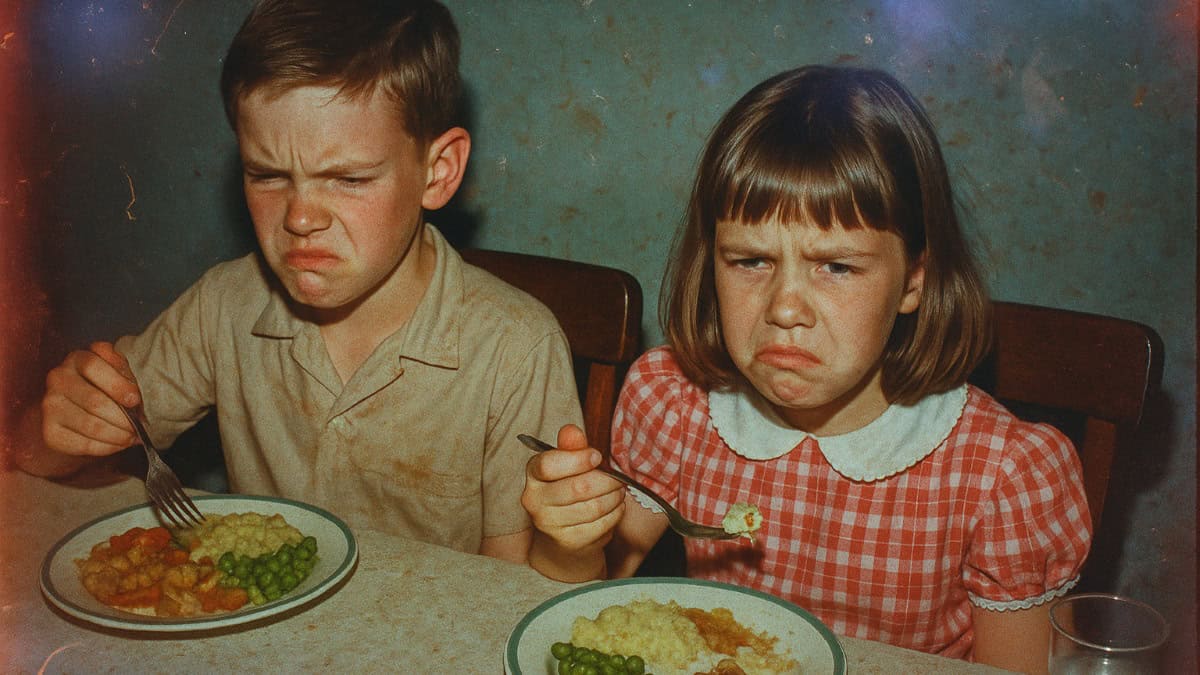
Expressing displeasure about what was served was considered deeply disrespectful to the cook (usually Mom). Even if the meatloaf was dry or the vegetables were overcooked, we smiled and ate it anyway. The modern practice of kids freely critiquing their meals would have been unthinkable in our day.