The medical world of the 1970s was a different universe compared to today’s standards. As someone who spent plenty of time in doctors’ offices back then, both as a patient and visiting my father, who was a general practitioner, I can tell you that medical practices have changed dramatically. Let’s take a nostalgic yet eye-opening look at some common medical practices from the 1970s that would likely result in malpractice lawsuits today.
Table of Contents
- 1 1. Smoking in Hospitals Was Completely Normal
- 2 2. Prescribing Diet Pills Like Candy
- 3 3. X-Rays During Pregnancy Were Commonplace
- 4 4. Minimal Sterilization Protocols
- 5 5. Limited Patient Privacy
- 6 6. Casual Prescription of Antibiotics
- 7 7. Minimal Informed Consent
- 8 8. Mercury Thermometers in Every Home
- 9 9. Casual Approach to Head Injuries
- 10 10. Experimental Treatments Without Oversight
- 11 11. Sedating Children for Air Travel
- 12 12. Lead Exposure in Pediatric Offices
- 13 13. Prescription Medications Without Child-Proof Caps
1. Smoking in Hospitals Was Completely Normal
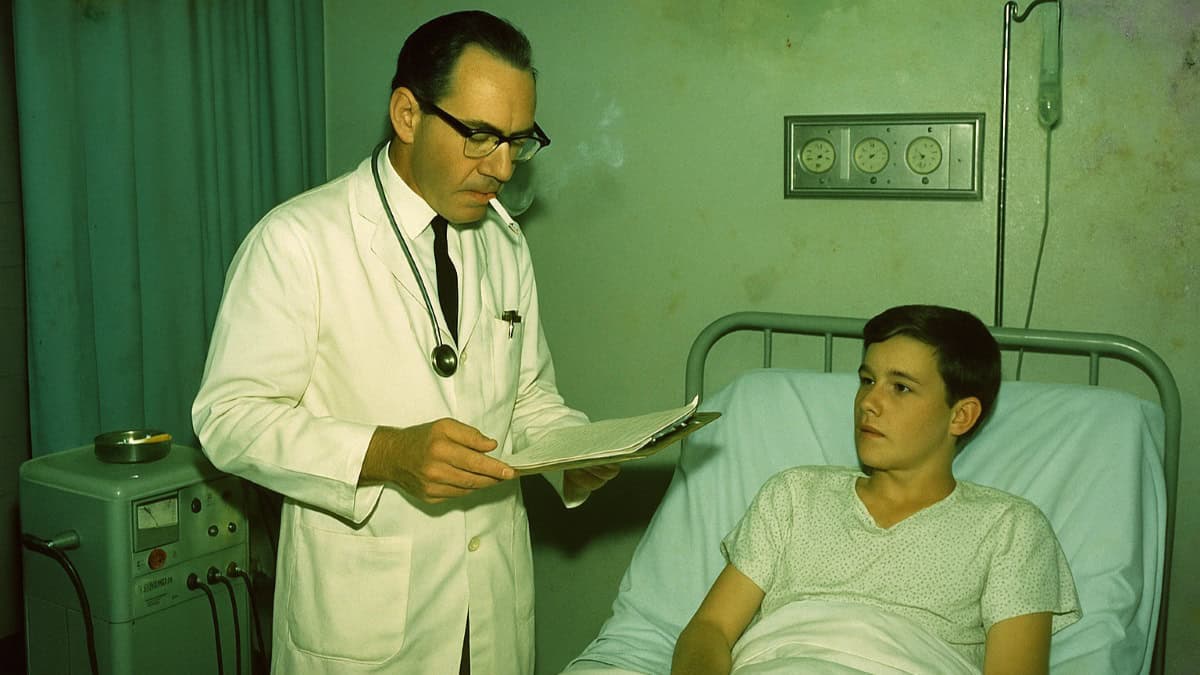
Believe it or not, hospitals had designated smoking areas—even on patient floors—and doctors, nurses, and visitors regularly smoked inside. Ashtrays were common in waiting rooms and even patient rooms. While the health risks of smoking were known, secondhand smoke dangers weren’t widely publicized until the late 1970s and early 1980s, so hospital policies lagged far behind today’s standards.
Save for later
Want to come back to this story? Save it with your email so it is easy to find again.
2. Prescribing Diet Pills Like Candy
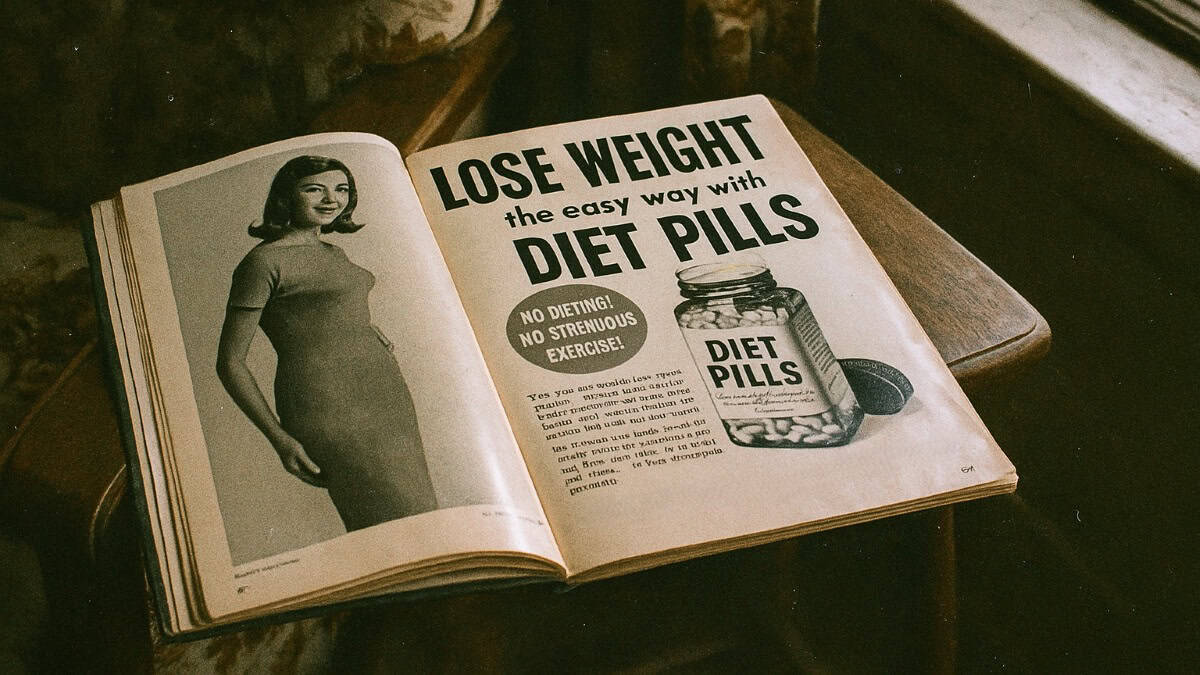
Doctors frequently prescribed amphetamine-based diet pills to patients, especially women seeking weight loss. These pills were habit-forming and could cause serious side effects, but were dispensed liberally until regulations tightened in the late 1970s and 1980s. Many of these medications were later banned or strictly controlled due to their risk of addiction and adverse health outcomes.
3. X-Rays During Pregnancy Were Commonplace

It was not unusual for doctors to use X-rays on pregnant women to estimate fetal size or position, despite potential risks from radiation. Although the dangers had been suspected since the 1950s, caution was not always observed in the 1970s. Safer imaging, like ultrasound, became more common in the late 1970s and 1980s, largely replacing X-rays for these purposes.
4. Minimal Sterilization Protocols

Infection control standards were not as rigorous as they are today. Doctors sometimes moved from patient to patient without washing their hands or changing gloves. Instruments might be disinfected with hot water or wiped down, but full autoclaving and disposable supplies were less common, especially in smaller practices. The push for stricter protocols grew in the 1980s with the rise of HIV/AIDS awareness.
5. Limited Patient Privacy
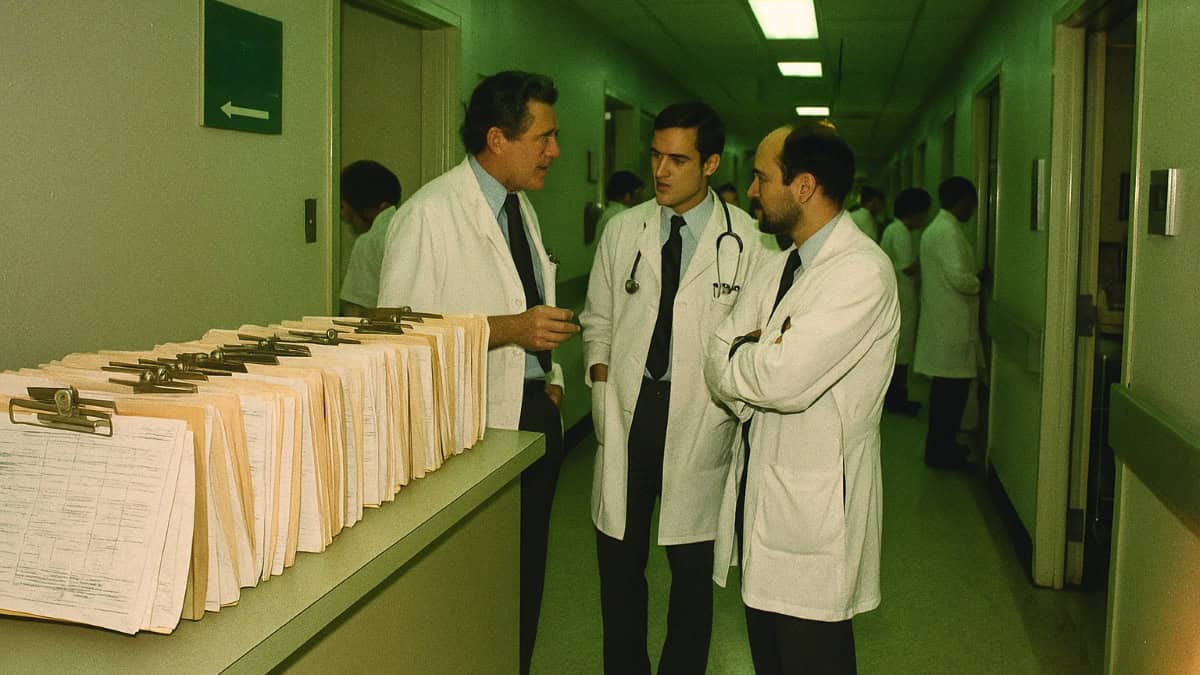
Patient confidentiality was not as strictly observed as it is today. Medical charts might be left unattended at nursing stations, and doctors sometimes discussed patient cases in public areas. Sharing medical information with family members without formal consent was routine. HIPAA and modern privacy laws were still decades away.
6. Casual Prescription of Antibiotics

Antibiotics were prescribed for a wide variety of ailments, including viral infections like colds, for which they are ineffective. The concept of antibiotic resistance was not well known to the public or even to some doctors, leading to overprescribing. This practice contributed to the rise of antibiotic-resistant bacteria, a major health concern today.
7. Minimal Informed Consent
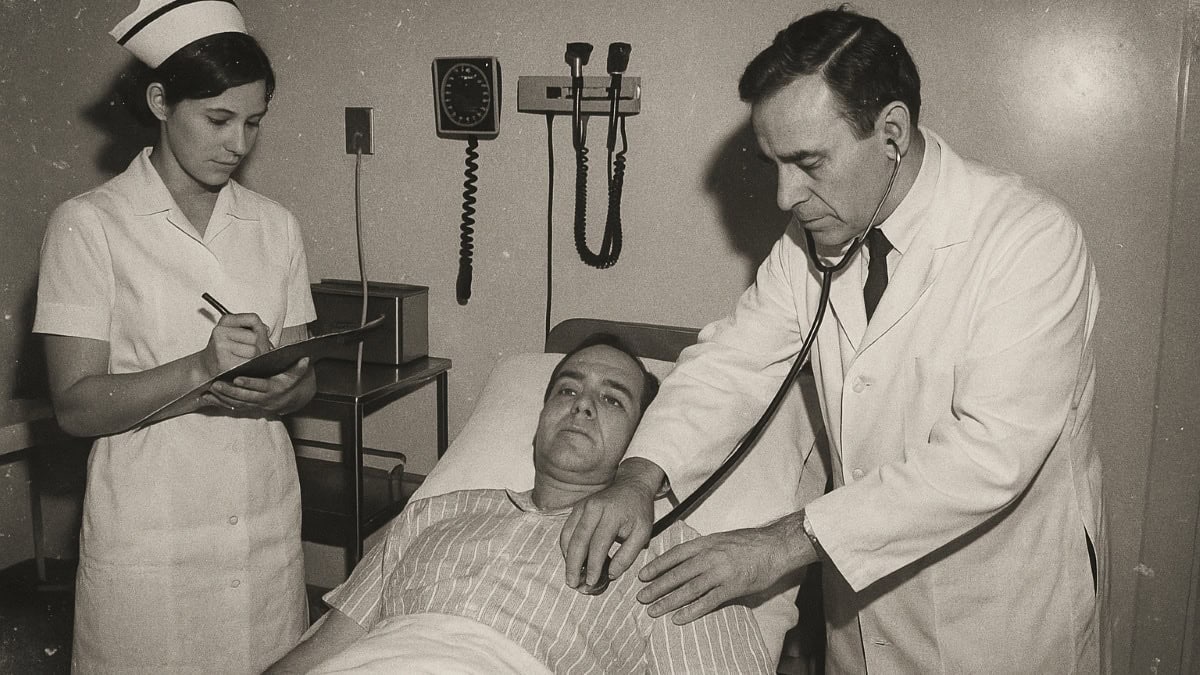
Doctors often made decisions for their patients without fully explaining the risks, benefits, or alternatives. The era’s paternalistic approach meant patients were expected to trust their physician’s judgment rather than participate in their care. While some form of consent was usually obtained, the practice of detailed, documented informed consent was not widespread.
8. Mercury Thermometers in Every Home

Mercury thermometers were ubiquitous in homes and clinics, despite the risk of toxic mercury exposure if broken. The dangers to children and the environment were not widely publicized until later, and many families kept these thermometers well into the 1980s and beyond before safer digital versions became the norm.
9. Casual Approach to Head Injuries

Head injuries, especially in sports, were often shrugged off with advice to “walk it off” or “keep an eye on them.” There was little understanding of the dangers of repeated concussions or traumatic brain injury. Modern concussion protocols and awareness only became standard in the 1990s and 2000s.
10. Experimental Treatments Without Oversight

Doctors sometimes used treatments or drugs that hadn’t yet undergone thorough clinical testing or FDA approval. Institutional Review Boards and formal research ethics were still developing, so some patients received “experimental” care without being fully informed. Today, strict regulations and protocols are in place for patient safety and transparency.
11. Sedating Children for Air Travel
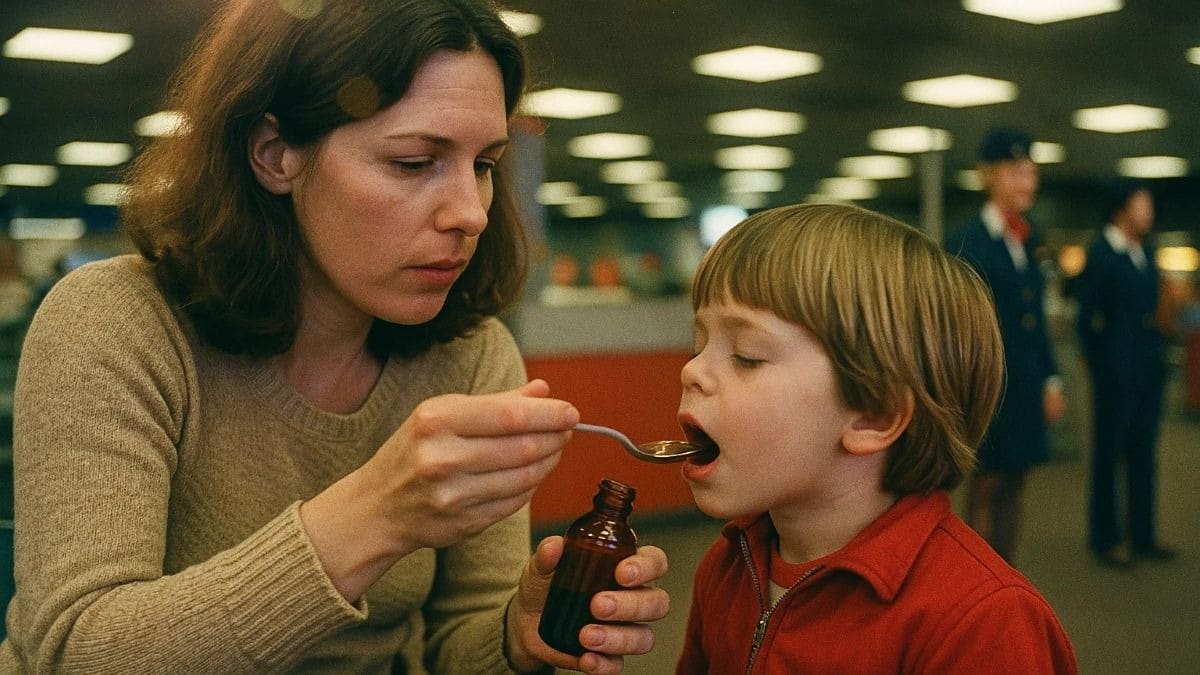
It was common for doctors and parents to use over-the-counter antihistamines like Benadryl (diphenhydramine) or even prescription sedatives to help children sleep on long flights or car trips. The risks of sedating children for travel weren’t as well known, and this practice has since fallen out of favor due to safety concerns and better travel advice for families.
12. Lead Exposure in Pediatric Offices
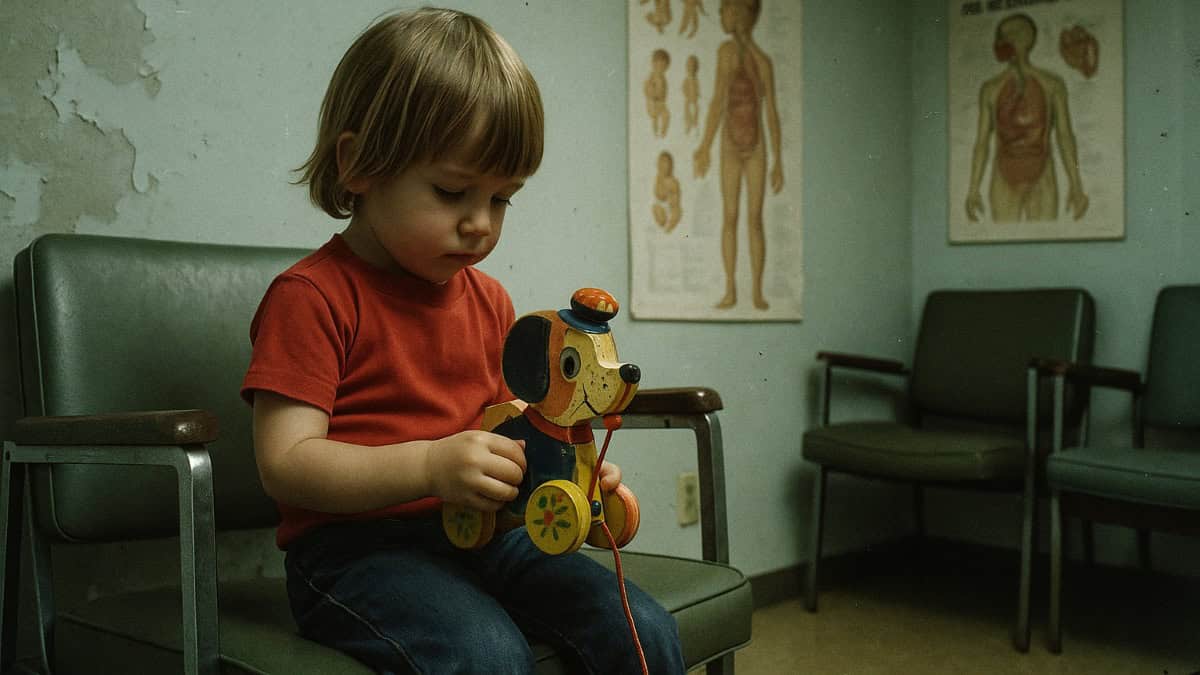
Many doctors’ offices, schools, and older buildings still had lead-based paint or plumbing in the 1970s. The hazards of lead exposure—especially for children—were increasingly recognized through the decade, but removal and regulation lagged. Toys, furniture, and even waiting room decor could harbor lead paint, posing a risk for young patients.
13. Prescription Medications Without Child-Proof Caps

The Poison Prevention Packaging Act was passed in 1970, but it took several years for child-resistant caps to become standard on prescription bottles. Throughout the 1970s, many medications were still dispensed in easy-to-open containers, and child-proof packaging was sometimes optional. Accidental poisonings were more common than they are today.