Boy, did we have it good in the 1970s regarding television! Before cable TV took over and streaming wasn’t even a dream, we had some revolutionary shows that changed how we think about entertainment. Gathering around that console TV in the living room, these programs didn’t just entertain us – they shaped our culture, pushed boundaries, and paved the way for everything that came after. Let me tell you about some groundbreaking shows that had us all glued to our sets back then.
Table of Contents
- 1 1. All in the Family (1971-1979)
- 2 2. M*A*S*H (1972-1983)
- 3 3. The Mary Tyler Moore Show (1970-1977)
- 4 4. Roots (1977)
- 5 5. Saturday Night Live (1975-Present)
- 6 6. Sesame Street (1969-Present)
- 7 7. The Six Million Dollar Man (1974-1978)
- 8 8. Soul Train (1971-2006)
- 9 9. The Carol Burnett Show (1967-1978)
- 10 10. Happy Days (1974-1984)
- 11 11. The Jeffersons (1975-1985)
- 12 12. Charlie’s Angels (1976-1981)
- 13 13. The Rockford Files (1974-1980)
- 14 14. Good Times (1974-1979)
1. All in the Family (1971-1979)
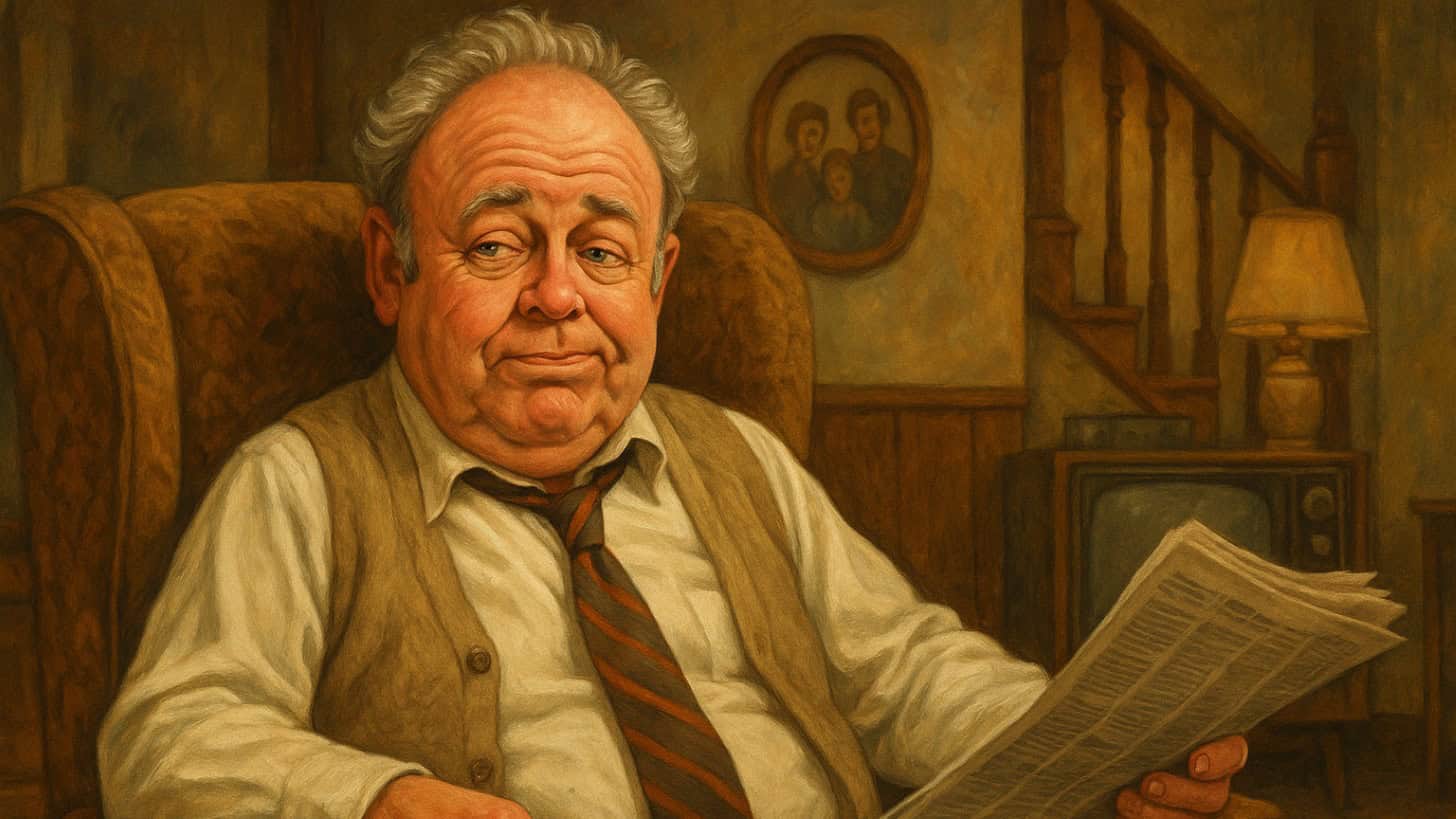
Norman Lear’s masterpiece revolutionized television by tackling subjects no other show dared to touch. Archie Bunker became a household name, bringing controversial topics like racism, homosexuality, women’s rights, and abortion into our living rooms. The show proved that television could be entertaining and thought-provoking, winning four consecutive Emmy Awards for Outstanding Comedy Series and changing how we approached social issues in entertainment forever.
Save for later
Want to come back to this story? Save it with your email so it is easy to find again.
2. M*A*S*H (1972-1983)
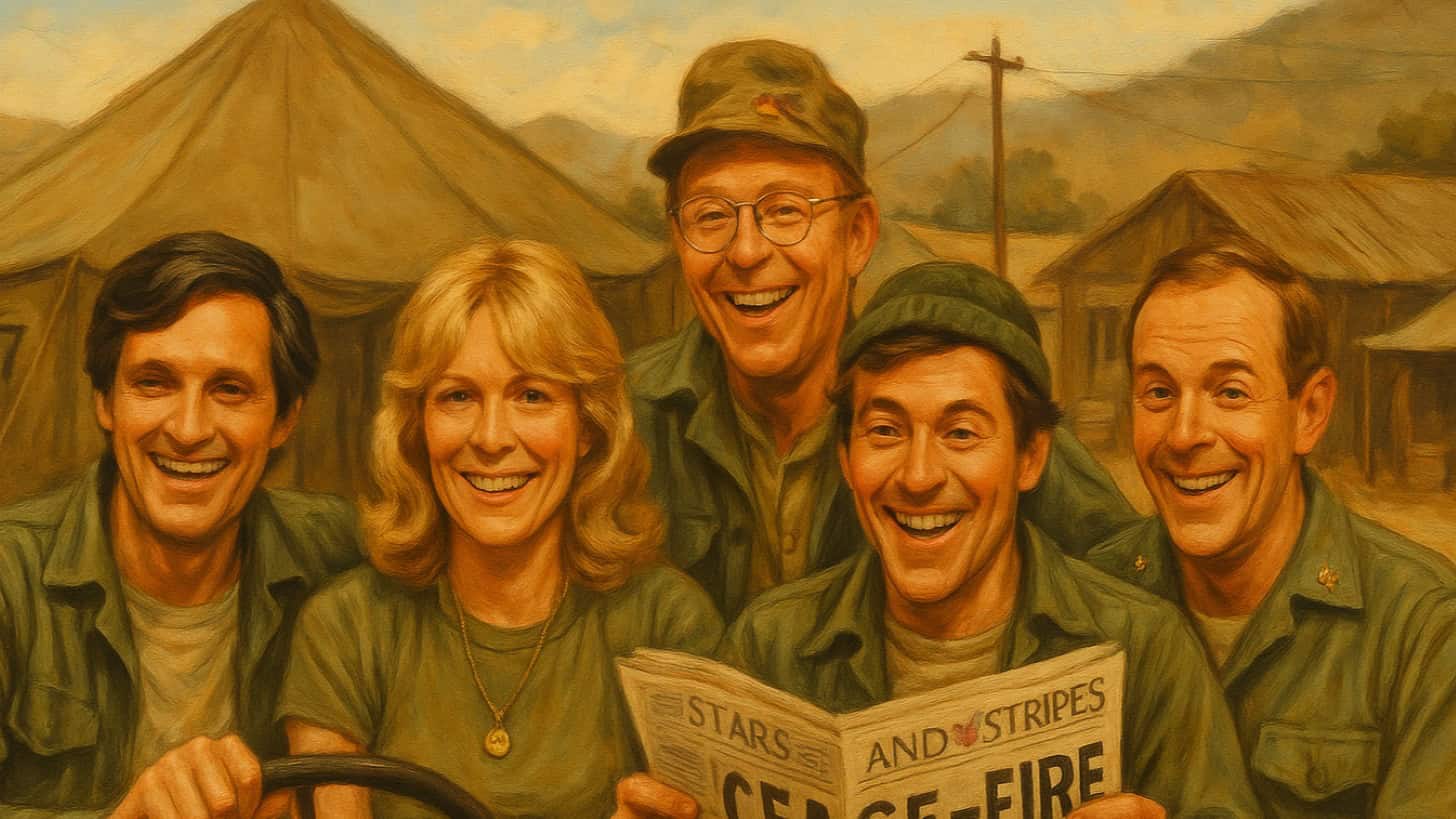
While set in the Korean War, M*A*S*H was a commentary on Vietnam, mixing comedy with powerful anti-war messages. The series showed that television could balance humor with serious drama, creating a new genre of “dramedy.” Its finale remains one of the most-watched television episodes ever, with over 105 million viewers tuning in to say goodbye to Hawkeye and the gang.
3. The Mary Tyler Moore Show (1970-1977)

Mary Richards wasn’t just tossing her hat in the air – she was throwing the ceiling off what women could do on television. This groundbreaking show featured a single, career-focused woman who wasn’t desperate to get married. It tackled workplace sexism, equal pay, and women’s independence while remaining genuinely funny and warm-hearted, influencing countless shows that followed.
4. Roots (1977)
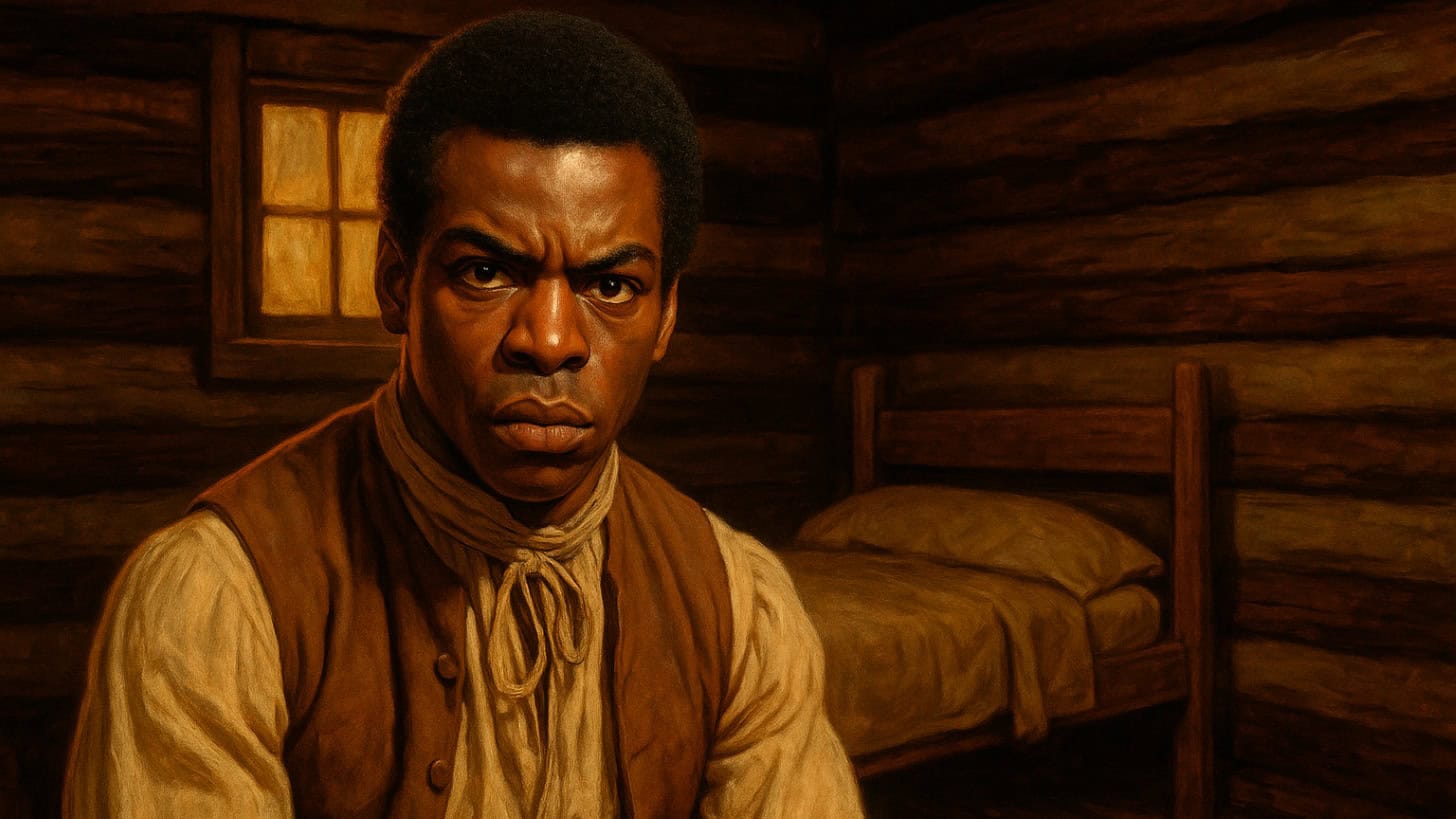
This miniseries changed everything about how we viewed television’s potential. Based on Alex Haley’s novel, it forced America to confront its history of slavery through the story of Kunta Kinte and his descendants. The series drew unprecedented ratings, with the finale watched by 100 million viewers, and proved that television could handle serious historical subjects with depth and integrity.
5. Saturday Night Live (1975-Present)

When SNL debuted, it revolutionized comedy by bringing counterculture humor to mainstream television. The original Not Ready for Prime Time Players – including John Belushi, Dan Aykroyd, and Gilda Radner – created a new form of topical, edgy comedy that spoke directly to younger viewers. The show’s live format and willingness to push boundaries changed comedy forever.
6. Sesame Street (1969-Present)
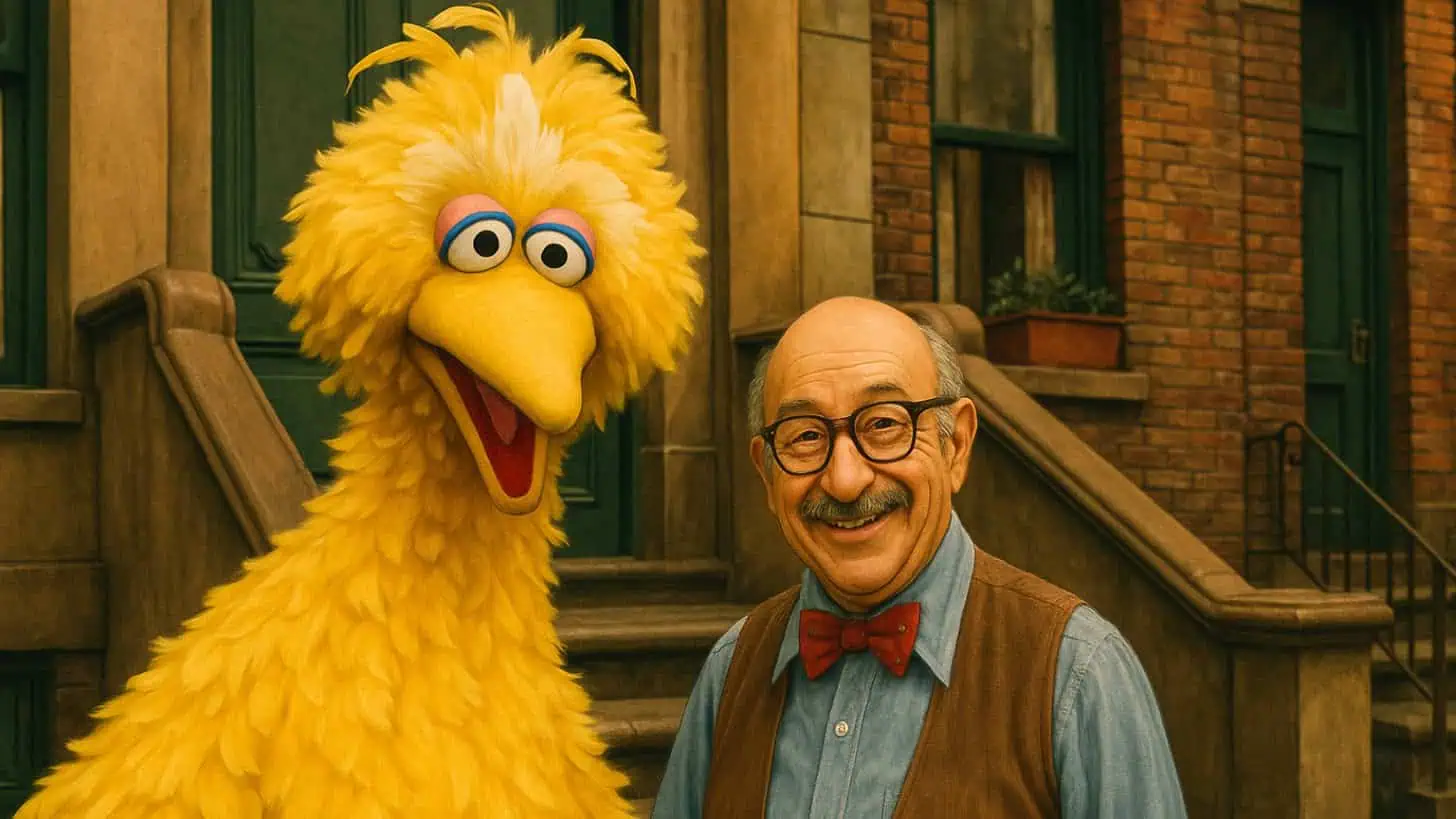
Though it started in 1969, Sesame Street truly found its groove in the 1970s. The show revolutionized children’s television by combining education with entertainment. With its diverse cast and urban setting, the show broke new ground, teaching kids not just their ABCs but also important social lessons. It proved that television could be a powerful educational tool while still being engaging.
7. The Six Million Dollar Man (1974-1978)

Steve Austin’s bionic adventures captured our imagination and pioneered special effects on television. The show’s success proved that science fiction could work on network TV, paving the way for countless subsequent series. Its innovative use of slow-motion and sound effects instantly became a recognizable pop culture element we still reference today.
8. Soul Train (1971-2006)

Don Cornelius created more than just a music show—he created a cultural phenomenon that brought Black music and culture into mainstream American homes. The show revolutionized music television years before MTV, featuring groundbreaking performances and incredible dance lines that influenced pop culture for decades to come.
9. The Carol Burnett Show (1967-1978)
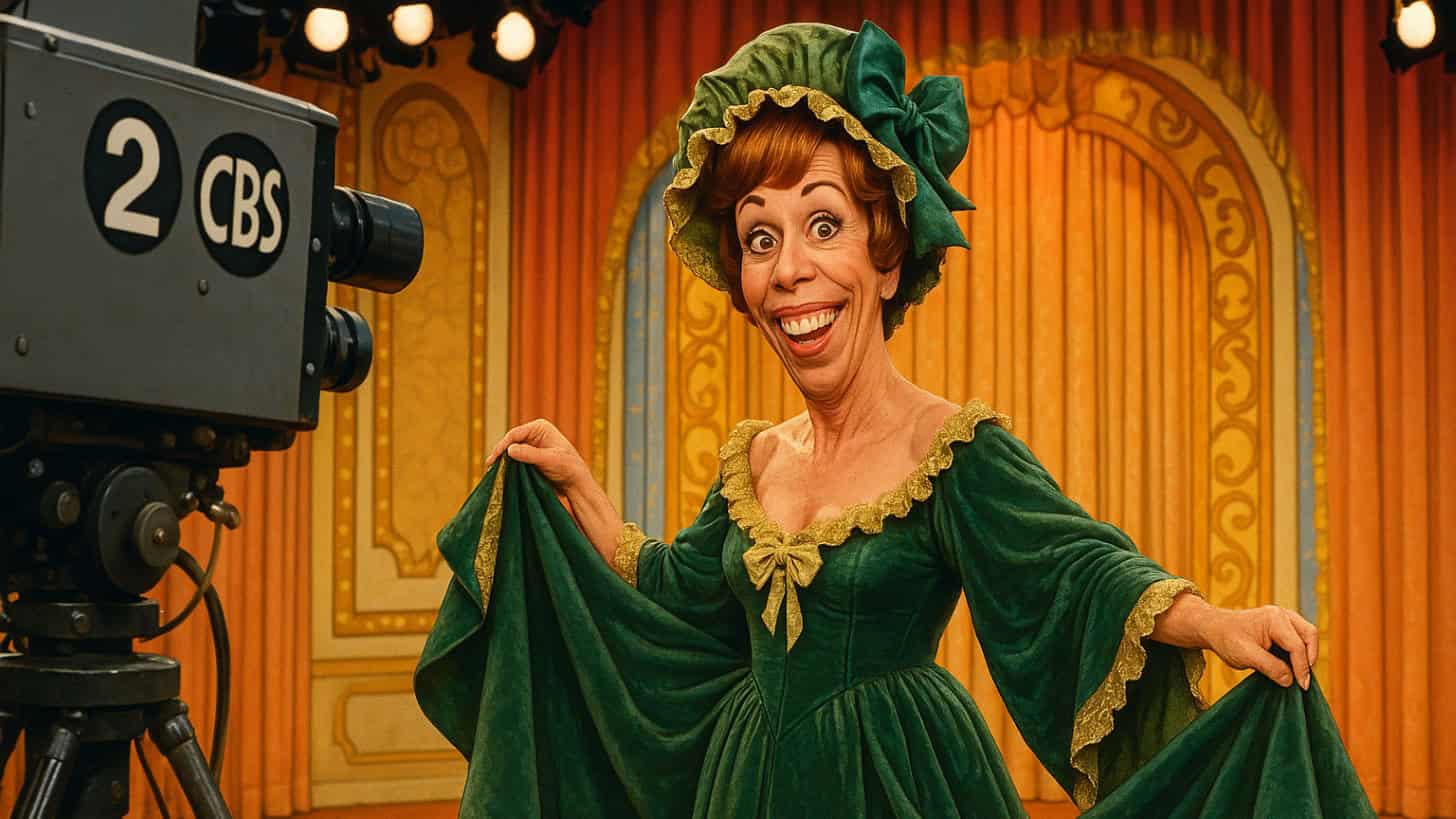
Carol Burnett proved that women could lead variety shows as successfully as men. Her show’s combination of sketch comedy, musical numbers, and guest stars set the standard for variety programming. The show’s ability to consistently break character and include the audience in the fun created a more intimate connection with viewers than ever.
10. Happy Days (1974-1984)

While set in the 1950s, Happy Days defined 1970s television with its nostalgic look at American life. The show created the modern concept of the breakout character with Fonzie, and its success led to numerous spin-offs. It showed how television could use nostalgia to comment on contemporary issues while still providing family entertainment.
11. The Jeffersons (1975-1985)
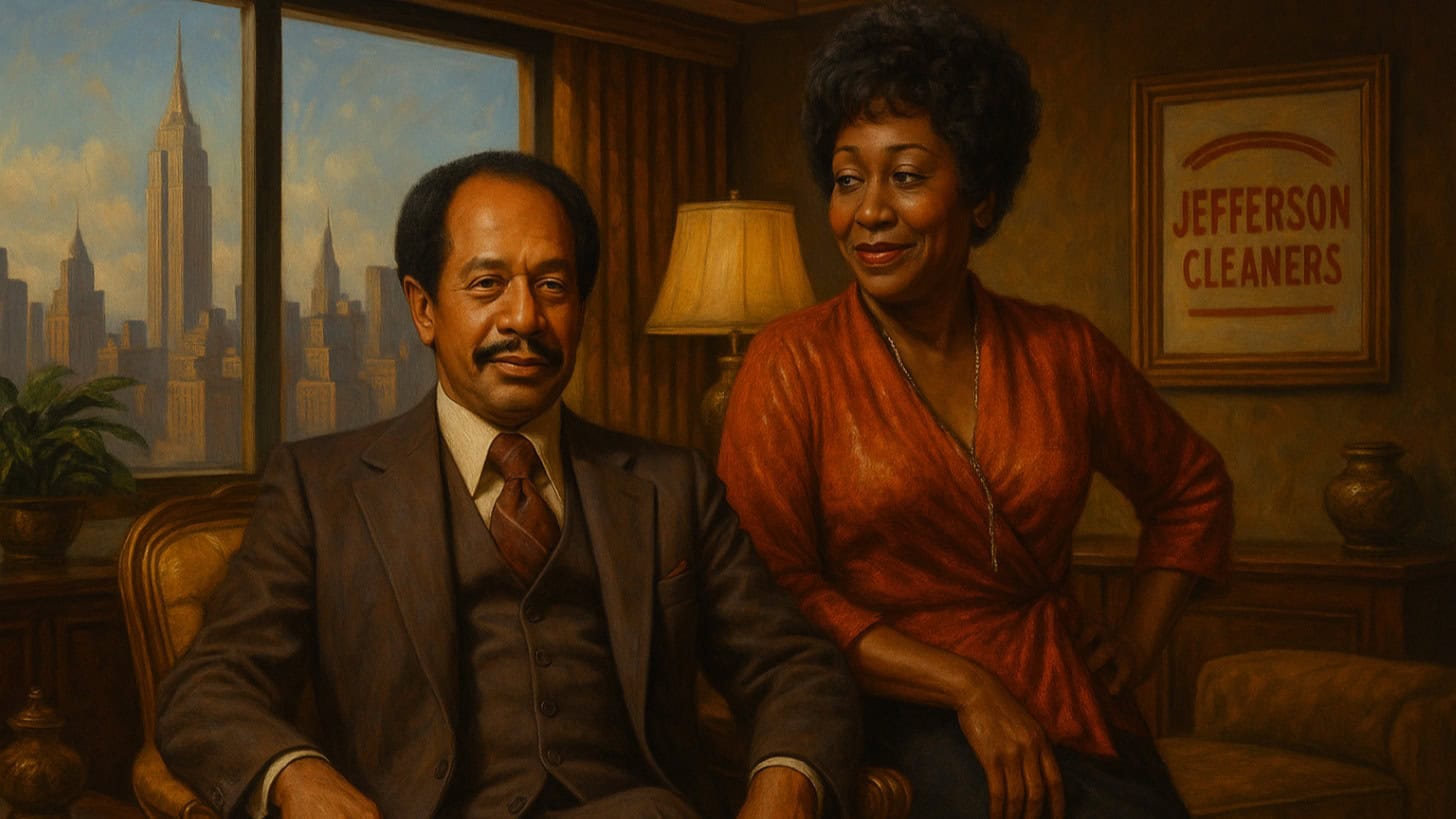
As one of the first shows to feature an upwardly mobile Black family, The Jeffersons broke new ground in television representation. George and Louise Jefferson’s move to a “deluxe apartment in the sky” showed African American success in a way never before seen on TV. The show tackled racism, class issues, and interracial relationships while maintaining its sharp humor and wit, proving that social commentary could coexist with genuine entertainment.
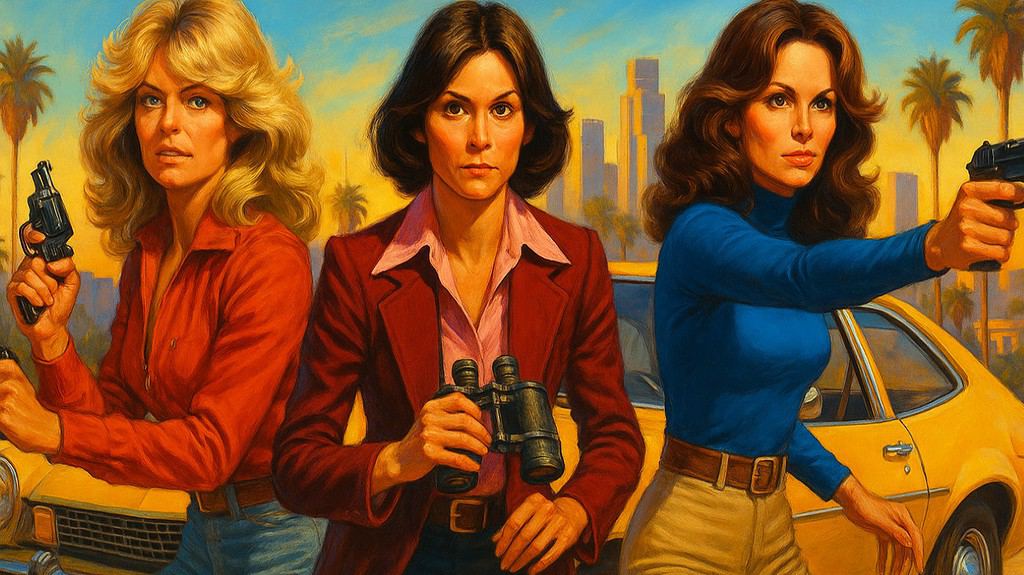
12. Charlie’s Angels (1976-1981)

While often criticized for emphasizing glamour, Charlie’s Angels revolutionized television by showing women as capable action heroes. The show proved that female-led series could achieve massive ratings success and appeal to both male and female viewers. It challenged women’s traditional roles on television, even if it did so while maintaining Hollywood beauty standards.
13. The Rockford Files (1974-1980)
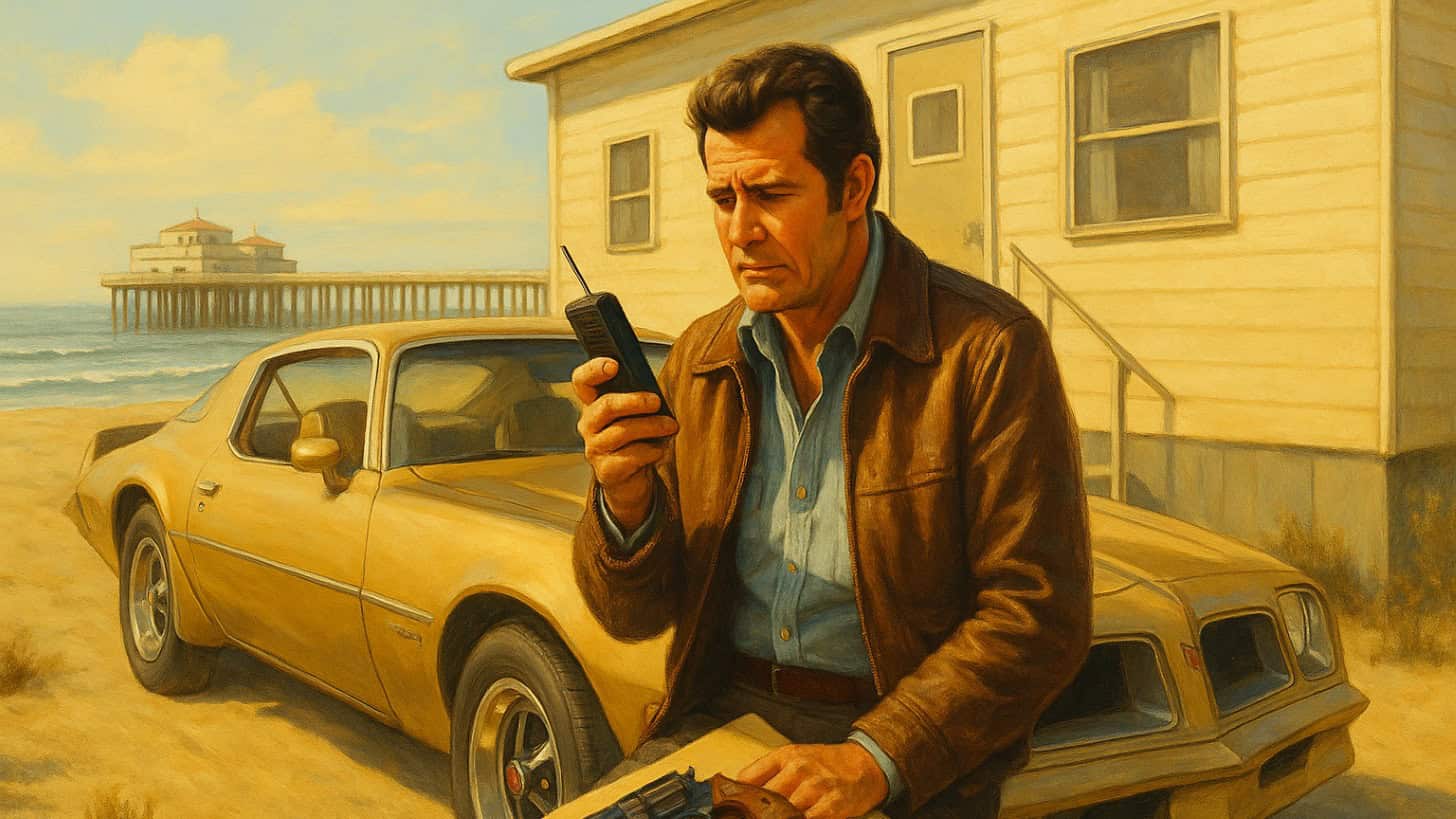
James Garner’s Jim Rockford reinvented the private detective genre by introducing a new kind of TV hero – one who preferred to talk his way out of trouble and often got beaten up when he couldn’t. The show pioneered a more realistic approach to crime drama, mixing humor with action and featuring a protagonist who lived in a mobile home and struggled with bills, making him relatable to average viewers.
14. Good Times (1974-1979)

As the first television show to feature an African American two-parent family struggling to raise their children in a public housing project, Good Times broke new ground in representing urban life. The Evans family’s struggles with poverty, racism, and the challenges of daily life in Chicago’s housing projects brought serious social issues to prime time while still maintaining its status as a comedy. The show proved that television could address serious issues while still entertaining audiences.