Before smartphones tracked every step and GPS pinpointed locations, parents had ingenious ways of keeping their kids safe and accounted for. These methods weren’t just about supervision – they were about building community, responsibility, and street smarts. Let’s look back at how families managed to raise independent, safety-conscious kids without digital assistance.
Table of Contents
- 1 1. The Street Light Rule
- 2 2. The Neighborhood Watch Network
- 3 3. The Buddy System
- 4 4. Check-In Houses
- 5 5. The Whistle System
- 6 6. Boundaries and Landmarks
- 7 7. The Family Code Word
- 8 8. Phone Number Memorization
- 9 9. The Door-to-Door Check
- 10 10. Safe House Symbols
- 11 11. The Bell System
- 12 12. Regular Check-In Times
- 13 13. The Bike License
- 14 14. Community Activities
1. The Street Light Rule

“Be home when the street lights come on” was the universal signal that playtime was over. This simple system taught kids time management and responsibility without the need for watches or phones. The gradual dimming of daylight provided ample warning time, and everyone in the neighborhood operated on the same schedule.
Save for later
Want to come back to this story? Save it with your email so it is easy to find again.
2. The Neighborhood Watch Network

Every block had its unofficial supervisors – moms who kept an eye out while hanging laundry or working in gardens. This informal network of watchful neighbors meant children were always under caring adult supervision, even when parents weren’t directly present. News of mischief traveled faster than any text message.
3. The Buddy System

Kids traveled in pairs or groups, whether walking to school or exploring the neighborhood. This simple safety measure not only provided protection but also built lasting friendships. The buddy system taught responsibility for others and strength in numbers.
4. Check-In Houses

Designated homes where kids could stop in throughout the day provided safe havens and communication points. These trusted neighbors would offer water, Band-Aids, and phone calls home when needed. It created a network of safe spaces throughout the neighborhood.
5. The Whistle System

Many families used distinct whistle calls that could be heard blocks away. Each child knew their family’s unique signal and would respond immediately. This simple communication system worked effectively across long distances and through neighborhood noise.
6. Boundaries and Landmarks
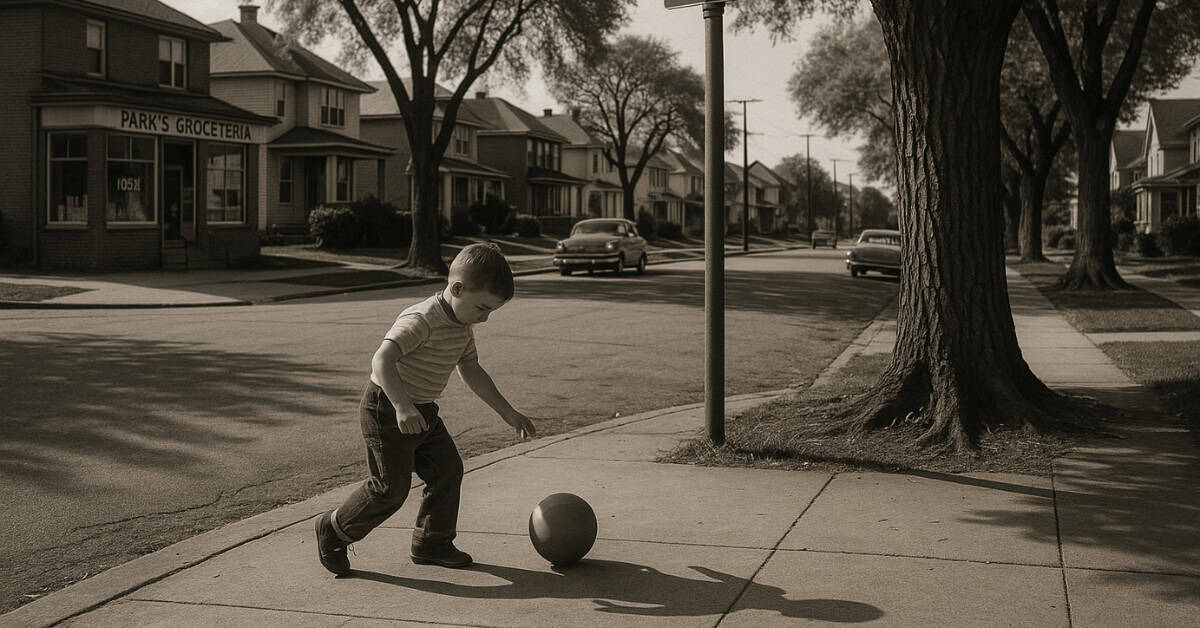
Clear physical boundaries like specific streets, stores, or landmarks defined the children’s allowed roaming area. These limits were non-negotiable and easily understood, teaching kids to respect boundaries while giving them freedom within safe zones.
7. The Family Code Word

Each family had a secret word that only trusted individuals would know. Children were taught never to go with anyone who couldn’t provide this password, even if they claimed to be sent by their parents. This simple system protected against strangers while empowering kids to make safe choices.
8. Phone Number Memorization

Children memorized important phone numbers and addresses from an early age. This essential information, often practiced through songs or rhymes, ensured they could always contact family or trusted neighbors from any phone booth or friendly neighbor’s house.
9. The Door-to-Door Check

Parents would call other parents to track down their children, creating a neighborhood communication network. This system not only located kids quickly but also strengthened community bonds as families looked out for each other’s children.
10. Safe House Symbols

Special window stickers or symbols identified homes where children could seek help if needed. These designated safe houses were typically homes of teachers, police officers, or other trusted community members who local parent groups had vetted.
11. The Bell System

Many families used bells or other distinct sounds to call children home. Whether it was a dinner bell, distinctive car horn pattern, or other unique signal, kids could hear and recognize their family’s call from impressive distances.
12. Regular Check-In Times

Setting times throughout the day when children needed to physically check in at home kept parents informed and kids accountable. These brief visits, often coinciding with meals or snacks, provided natural opportunities to monitor children’s activities and whereabouts.
13. The Bike License

Many communities required bicycle registration and safety training before kids could ride independently. These programs taught traffic rules and safety while helping identify bikes and their owners if found away from home.
14. Community Activities

Organized community activities provided supervised entertainment and safety education. From summer recreation programs to safety workshops, these events taught children while keeping them occupied in secure environments.