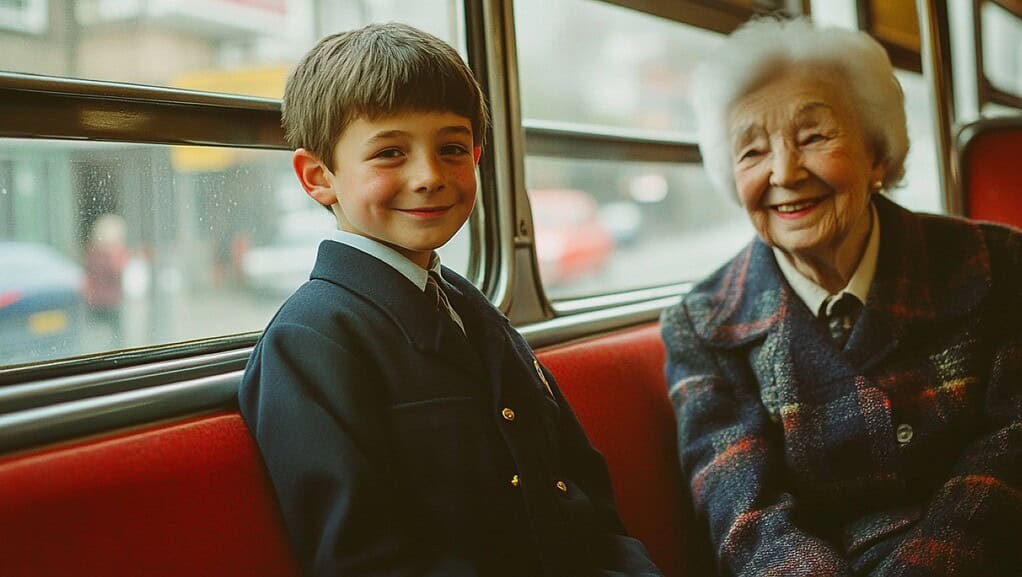
While the world has changed so much since my childhood, I have been thinking about what the world was like back when I was a child in the 1950s and 1960s. Do you remember how guidance on good behavior was a normal everyday thing in life? Remember how parents and teachers always told children how to act? Let’s bring back the memories of those rules from the past.
Table of Contents
- 1 1. Standing When an Elder Enters the Room
- 2 2. Saying “Sir” and “Ma’am”
- 3 3. Writing Thank You Notes
- 4 4. Never Interrupting Adult Conversations
- 5 5. Offering Your Seat to Others
- 6 6. Asking to Be Excused from the Table
- 7 7. Answering the Phone Properly
- 8 8. Not Calling During Dinner Hours
- 9 9. Removing Your Hat Indoors
- 10 10. Waiting Until Everyone Is Served
- 11 11. Looking People in the Eye
- 12 12. Keeping Elbows Off the Table
- 13 13. Not Speaking Unless Spoken To
- 14 14. Opening Doors for Others
1. Standing When an Elder Enters the Room
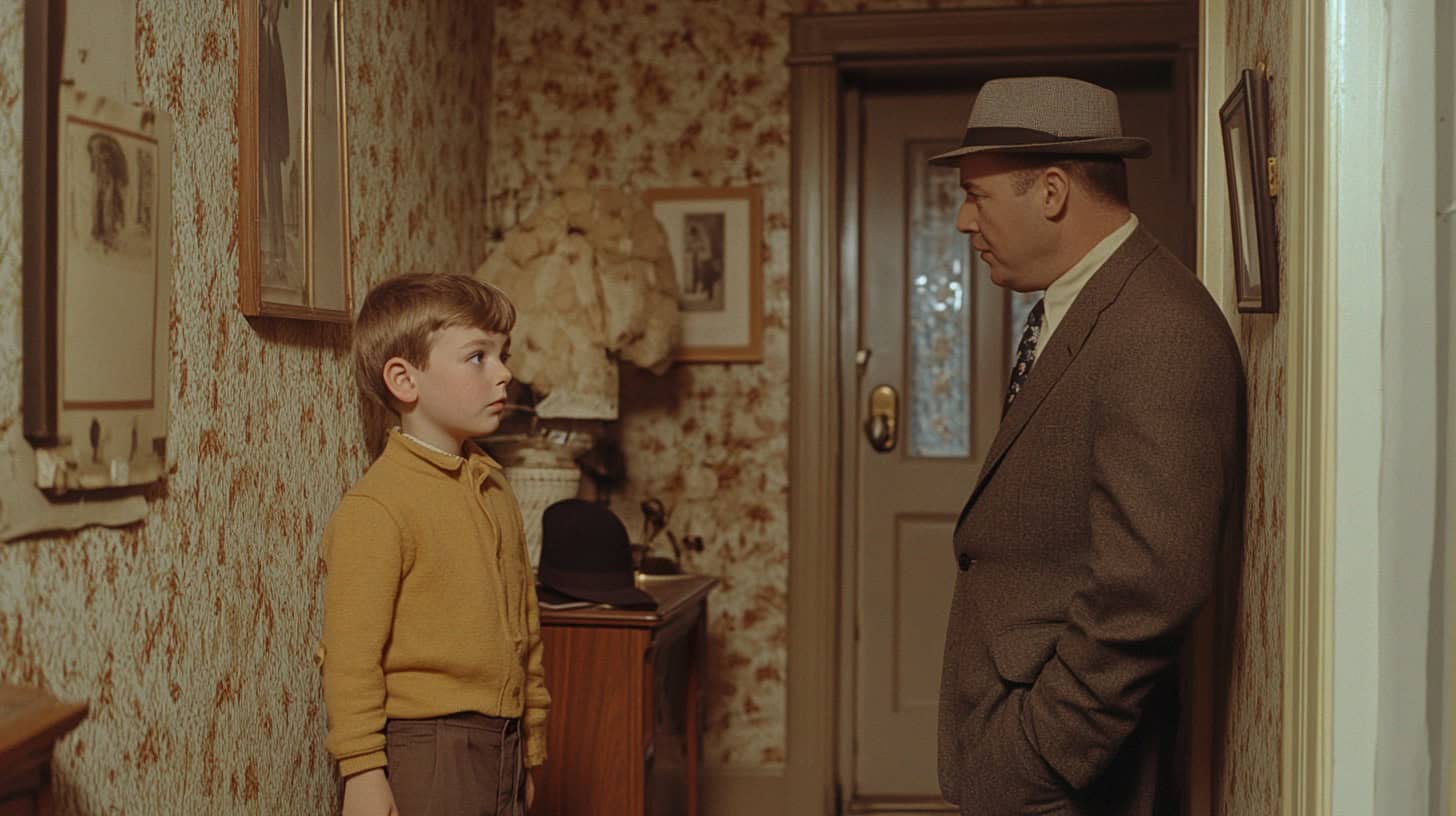
Here is another simple thing to ensure people remain respectful to everyone. When an adult walks into your classroom, as a child, you were expected to get up from your chair. Show appreciation for those people who are older than you because you have good morals. Good behavior is a sign of great parenting.
Save for later
Want to come back to this story? Save it with your email so it is easy to find again.
2. Saying “Sir” and “Ma’am”
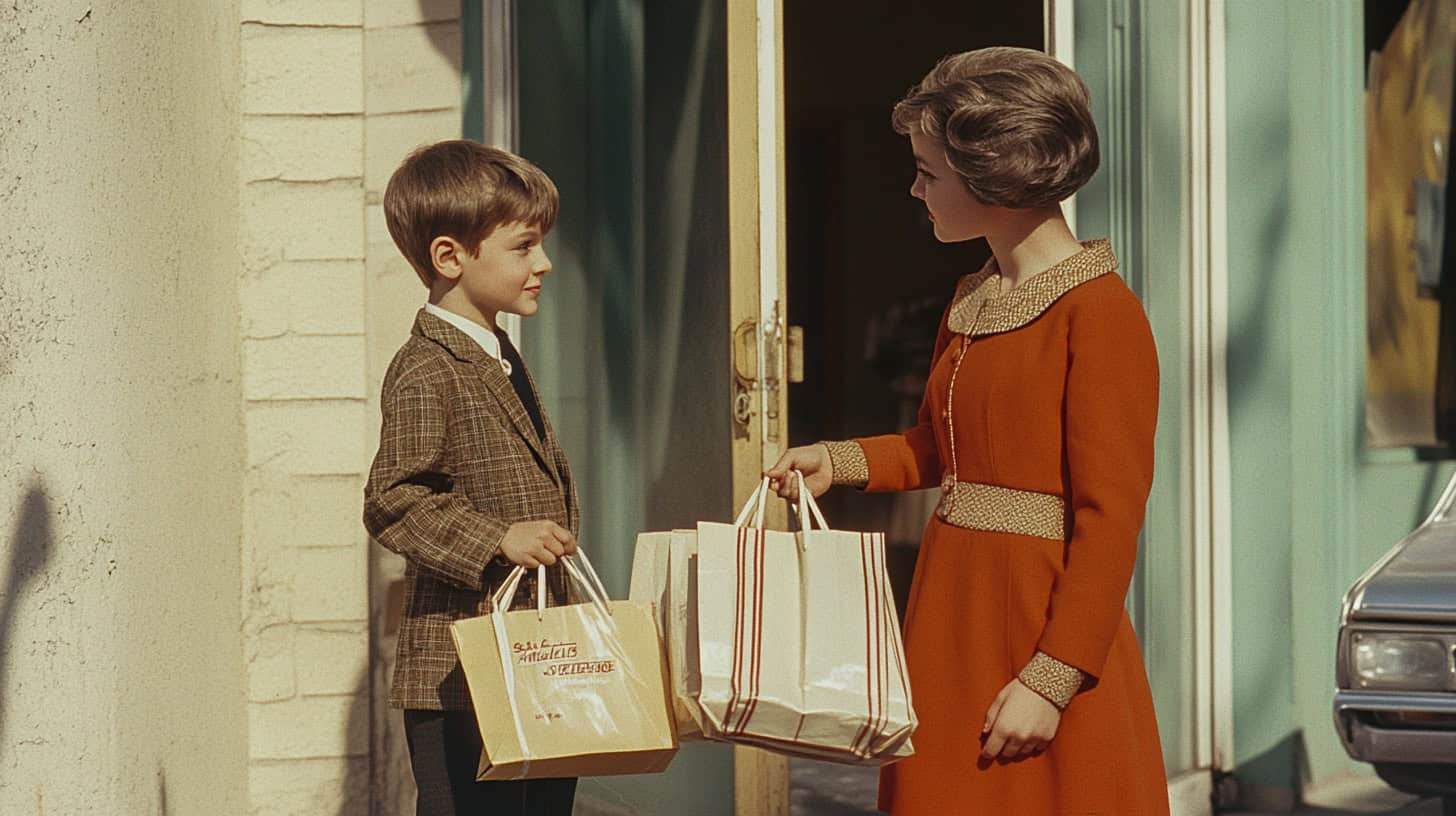
Children today do not have to worry about being punished as a teenager for having good behavior. This is because every single adult is addressed as ‘Sir’ or ‘Ma’am’ regardless of their position. You can even be in trouble, and still be polite. Of course, in most societies you would no longer be expected to do that.
3. Writing Thank You Notes

We used to be taught that if you ever received a gift, you had to send a thank you message to that person. Expressing gratitude was a lesson that not every family was required to teach. It demonstrates good etiquette and a genuine appreciation for the gift. This was how you expressed gratitude to the giver.
4. Never Interrupting Adult Conversations

Even when we were kids we understood not to interrupt adult conversations, unless the house was on fire. We were taught the importance of being patient when we needed to talk to someone. If the conversation was important enough where they wouldn’t take a break for someone to interject, it could wait.
5. Offering Your Seat to Others

We were taught to be nice and respectful when giving our public transport seats up, and to be aware of the needs of others (including when we weren’t comfortable), instead of selfish and ignorant. It was considered polite to give up your seat for older people, pregnant women, people with strollers, etc. on the bus.
6. Asking to Be Excused from the Table

Family dinner was not optional. No child was allowed to leave the table unless they were “excused”, and children were taught that the meal was more important than the many activities that may come after. This created the belief that family time at meals was an important value to hold up.
7. Answering the Phone Properly
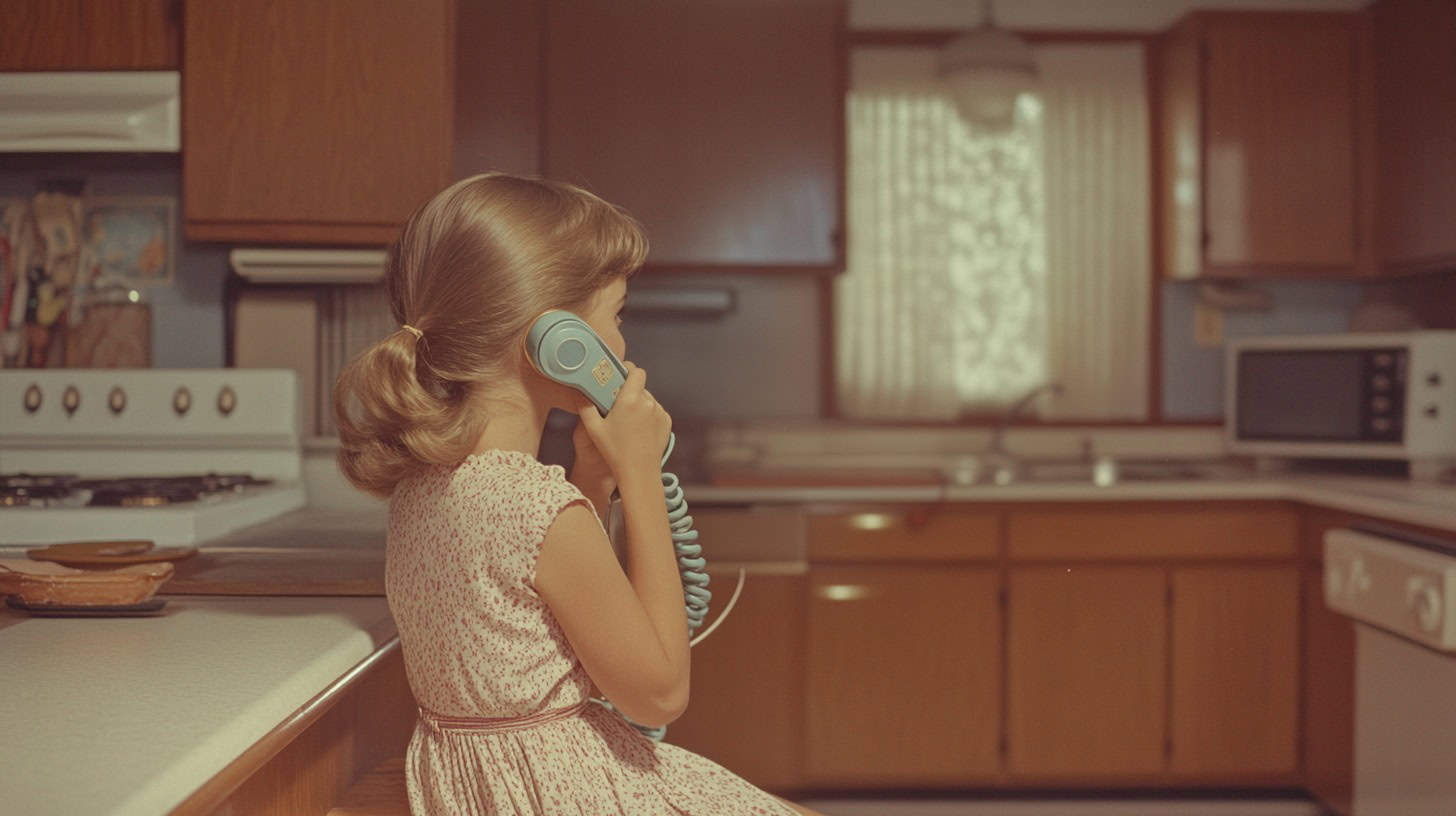
The most important part about answering the phone was being formal. No casual, “Yeah”. We had to take messages with all of the details included, and that taught us responsibility.
8. Not Calling During Dinner Hours
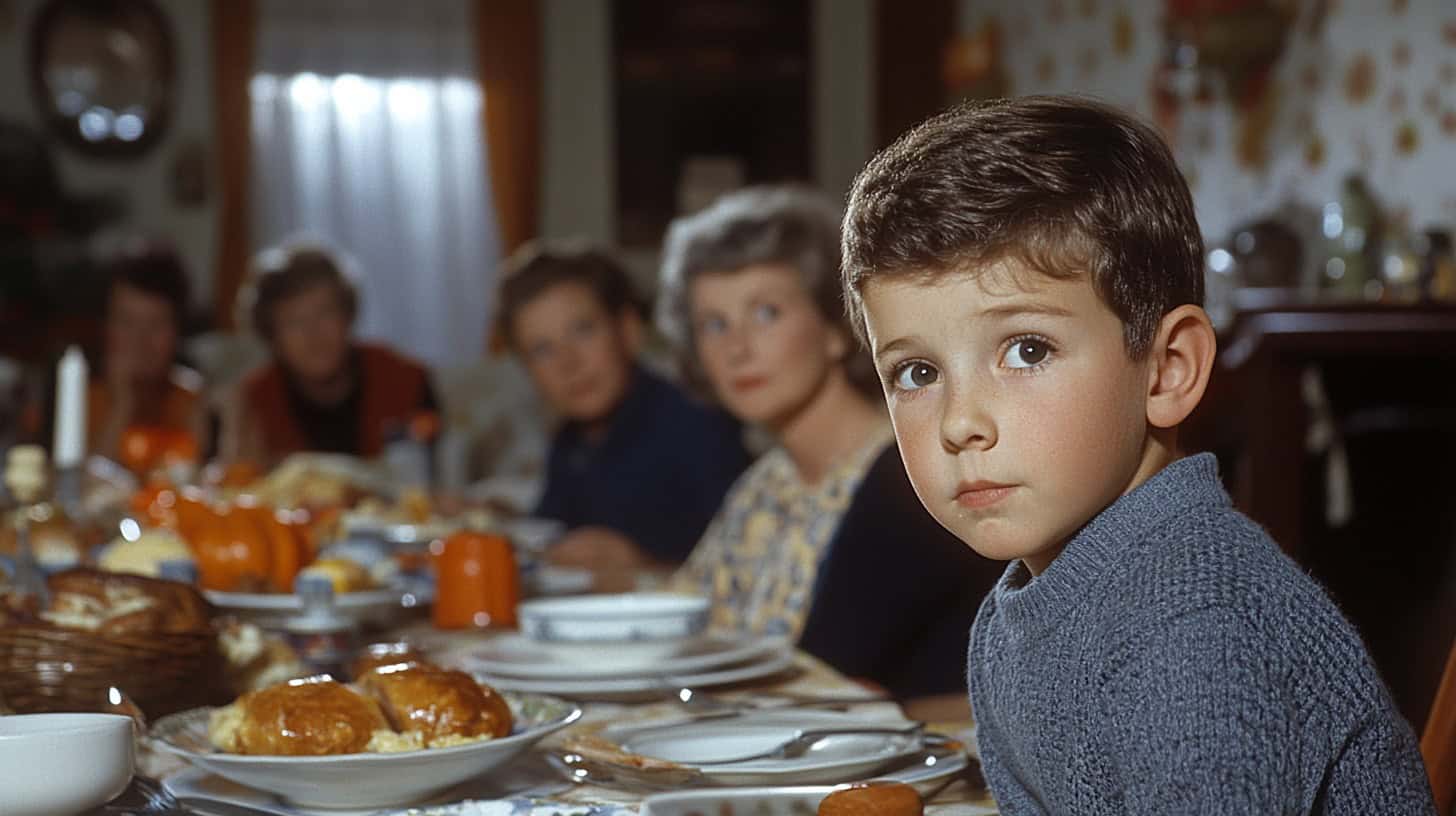
Respect for others and their time was the value that made no one call the house from dinner. Family meals are no longer sacred in the connected world, and the calls that are made during that time should be calls that are important. If the call interrupts the meal, it had better be important or an emergency.
9. Removing Your Hat Indoors

It was automatic for boys to take off their hats when entering a building. Especially in schools, restaurants, and church, it was a sign of respect.
10. Waiting Until Everyone Is Served

Table etiquette was another taught behavior in restaurants. We were taught to wait to eat until everyone at the table was served. It taught us community and patience.
11. Looking People in the Eye
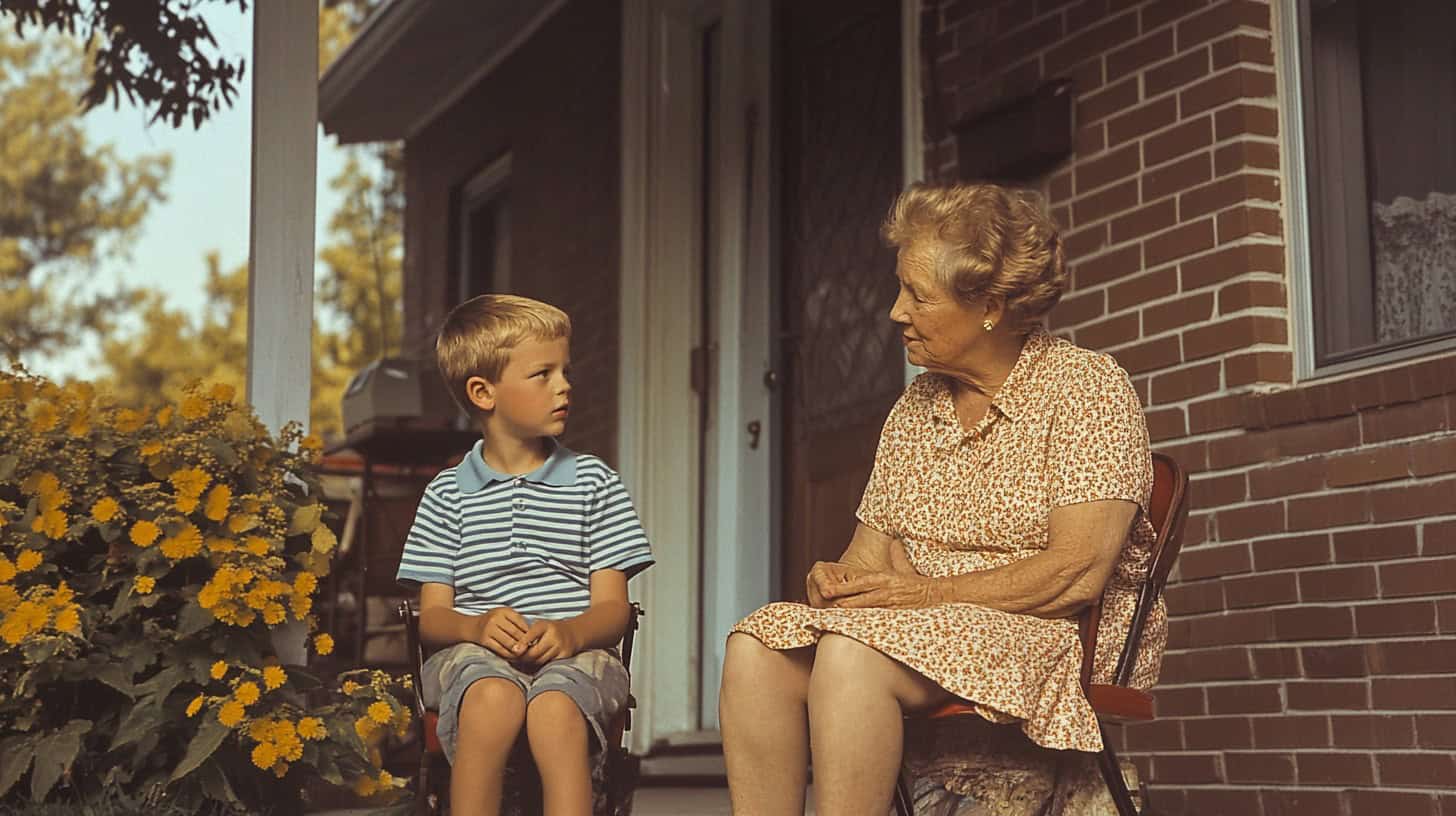
Engagement was instilled in us at a young age. We were taught that if someone was speaking to you, looking away from the speaker or staring at the ground was unacceptable. With the advancement of social media and the development of technology, the act of looking at the speaker has become even rarer.
12. Keeping Elbows Off the Table
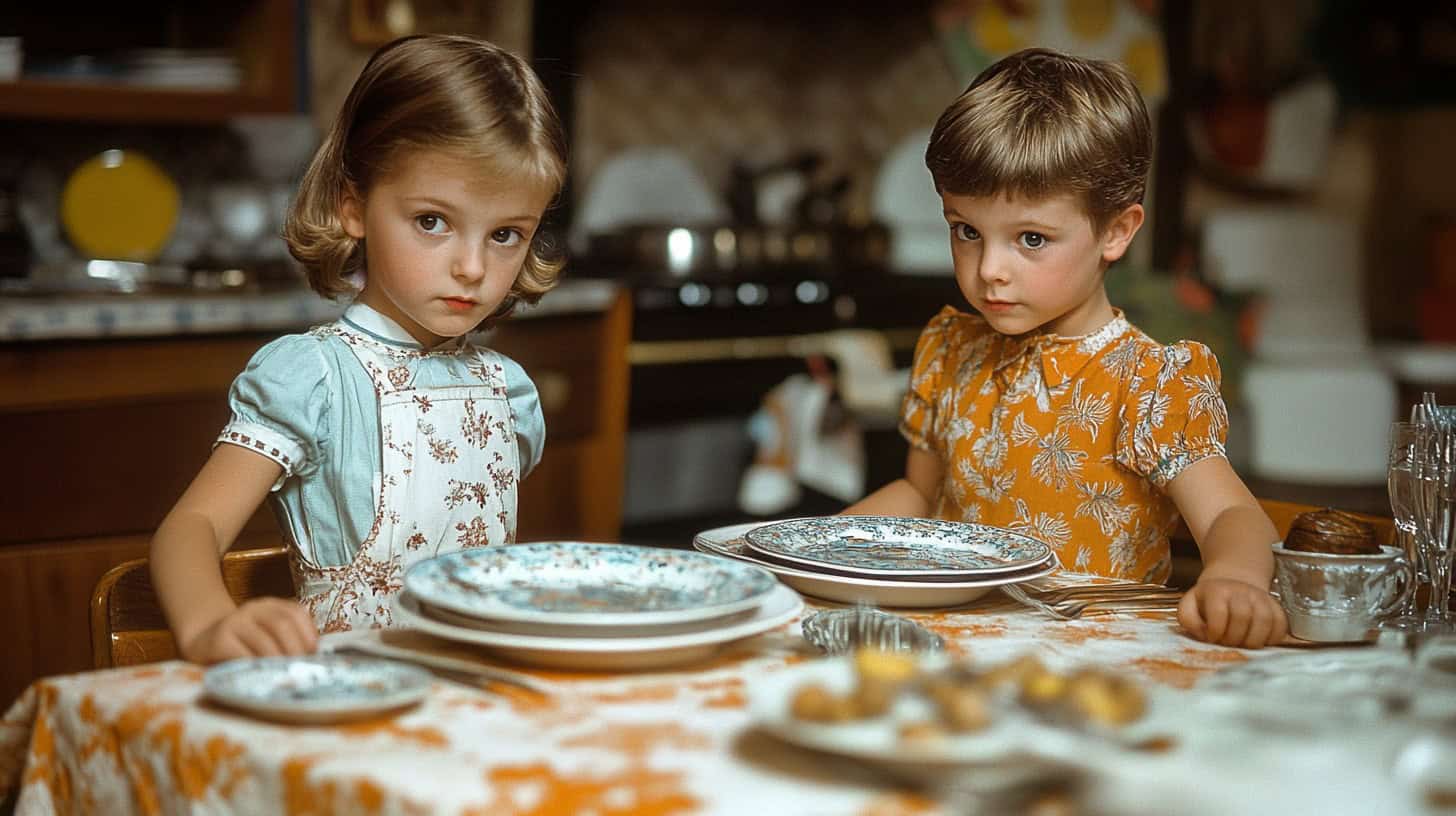
Posture was instilled at a young age during dining. It was seen as disrespectful to the meal and to those that prepared it to rest an elbow on the table. And of course, it helped prevent elbow incidents.
13. Not Speaking Unless Spoken To

Children were expected to remain quiet unless spoken to, or when guests were present. It may seem strict, but it taught us to observe, listen, and pick our moment to speak. It was about learning to contribute to adult conversations.
14. Opening Doors for Others
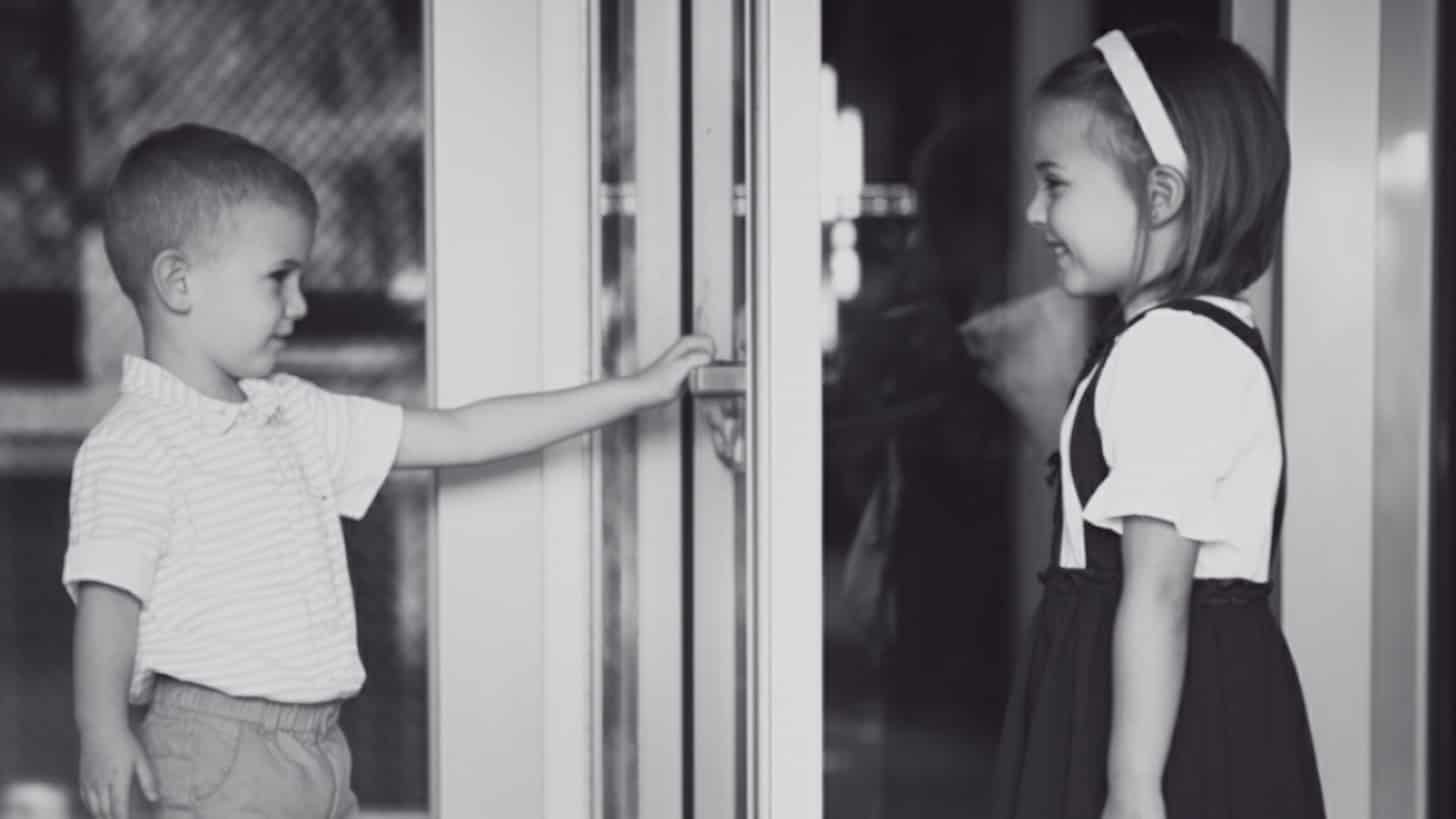
We learned that holding doors for others was good practice in common courtesy. Special consideration was given to women, the elderly, and people with their hands full. It was more than just being polite; it was being aware of the people around me, and making their day just a bit easier. It was a point of emphasis for boys as they were expected to practice this style of courtesy from a young age.