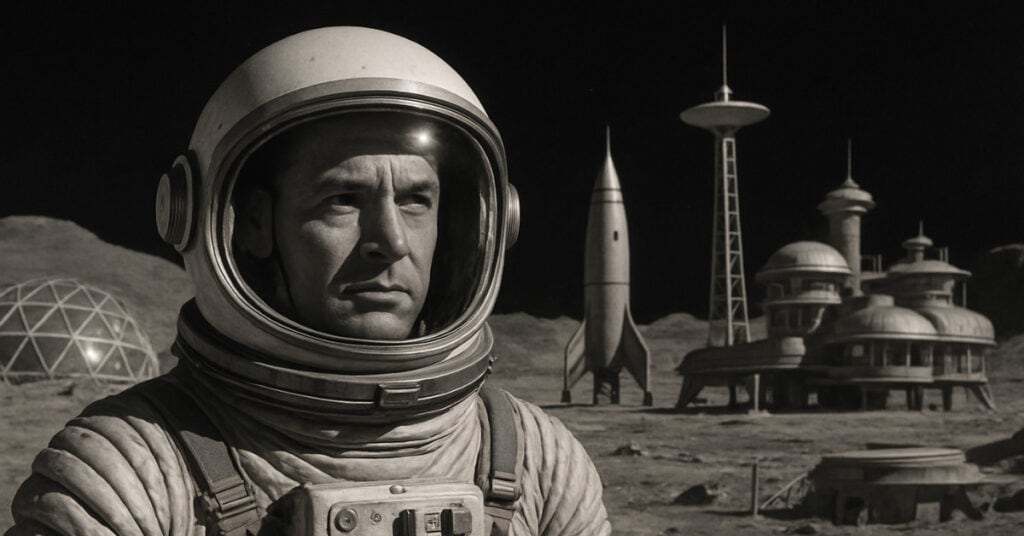
The 1950s were an era of boundless optimism about the future, when scientists and futurists made bold predictions about life in the year 2000. From flying cars to robot servants, these visions of tomorrow reflected both the technological aspirations and social attitudes of the post-war period. Let’s look back at some of the most interesting – and often wildly inaccurate – predictions about life at the turn of the millennium.
Table of Contents
- 1 1. Flying Cars in Every Garage
- 2 2. Robot Housekeepers
- 3 3. Three-Hour Workdays
- 4 4. Weather Control Centers
- 5 5. Disposable Clothing
- 6 6. Underwater Cities
- 7 7. Moon Colonies
- 8 8. Pill-Based Meals
- 9 9. Moving Sidewalks Everywhere
- 10 10. Telepathic Communication
- 11 11. Personal Helicopters
- 12 12. Climate-Controlled Cities
- 13 13. Atomic-Powered Cars
- 14 14. Automated Schools
1. Flying Cars in Every Garage
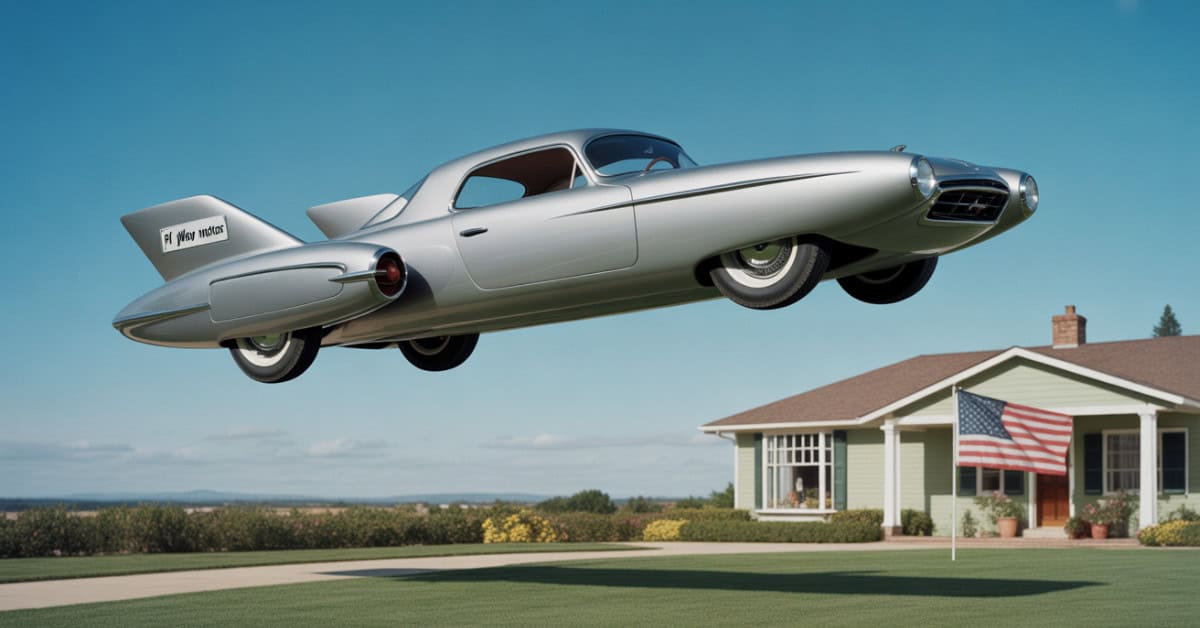
Popular Mechanics magazine confidently predicted that by 2000, every family would own at least one flying car. These personal aircraft would be as common as station wagons, with special sky lanes and automated navigation systems. Some predictions even included rooftop parking lots and aerial gas stations.
Save for later
Want to come back to this story? Save it with your email so it is easy to find again.
2. Robot Housekeepers

Science and technology magazines of the 1950s regularly featured humanoid robots that would handle all household chores. These mechanical servants would cook, clean, and even raise children. The predictions included robots with personalities and the ability to understand complex verbal commands, far beyond what even today’s most advanced robots can achieve.
3. Three-Hour Workdays
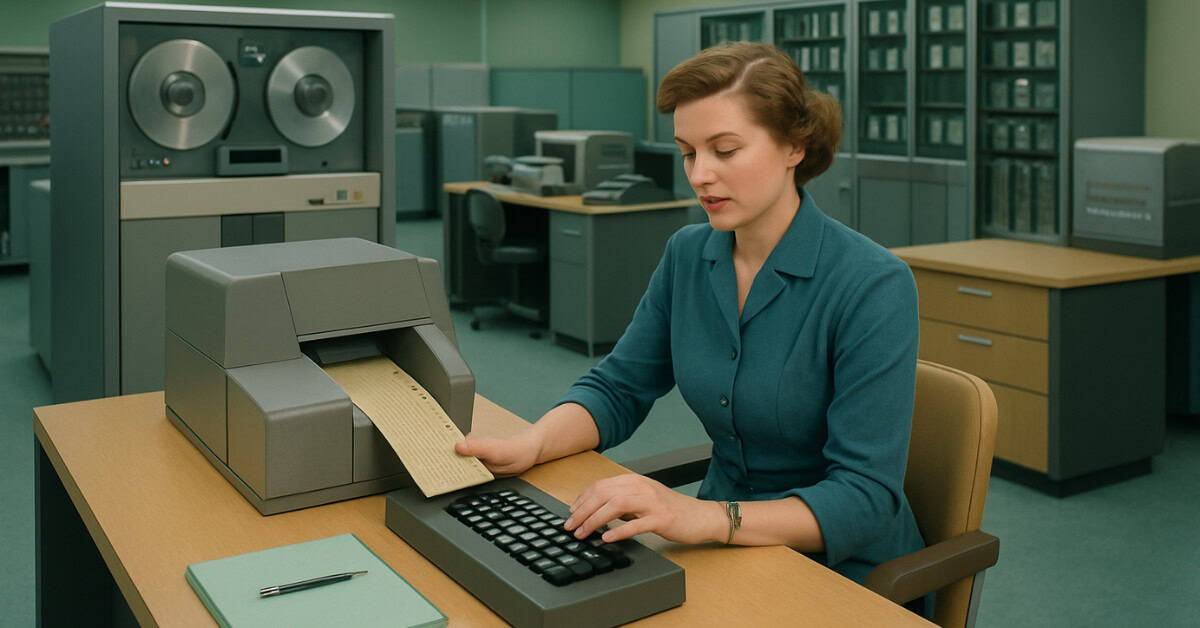
RAND Corporation experts predicted that automation would reduce the average workday to just three hours by 2000. They envisioned a world where machines would handle most tasks, leaving humans with unprecedented leisure time. The biggest challenge, they thought, would be finding ways to occupy all our free hours.
4. Weather Control Centers
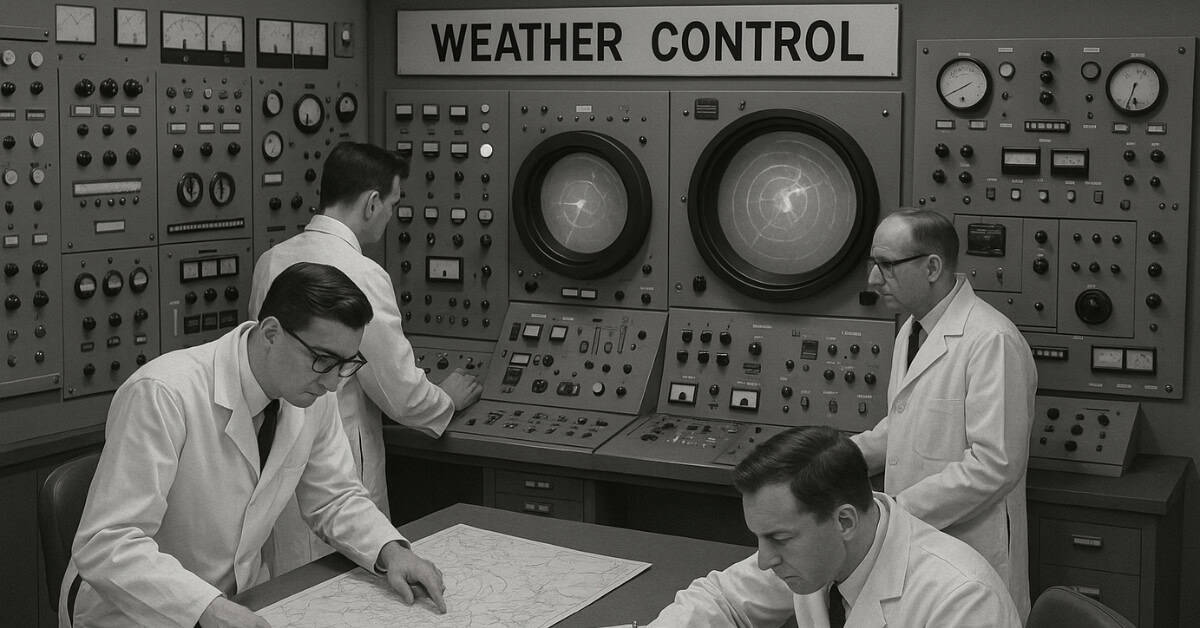
Scientists predicted complete control over weather patterns by 2000. Cities would have massive weather control centers that could guarantee sunshine for weekends and schedule rain for nighttime hours only. Some even suggested we’d be able to redirect hurricanes and prevent natural disasters.
5. Disposable Clothing

Fashion magazines predicted that all clothing would be made from paper or other disposable materials by 2000. After wearing an outfit once, you’d simply throw it away. The idea was that synthetic materials would become so inexpensive that washing clothes would be obsolete.
6. Underwater Cities

Popular Science featured elaborate plans for underwater cities housing thousands of people. These submerged metropolises would have glass domes, submarine transportation, and underwater farms. Some predictions included mining operations and factories operating on the ocean floor.
7. Moon Colonies
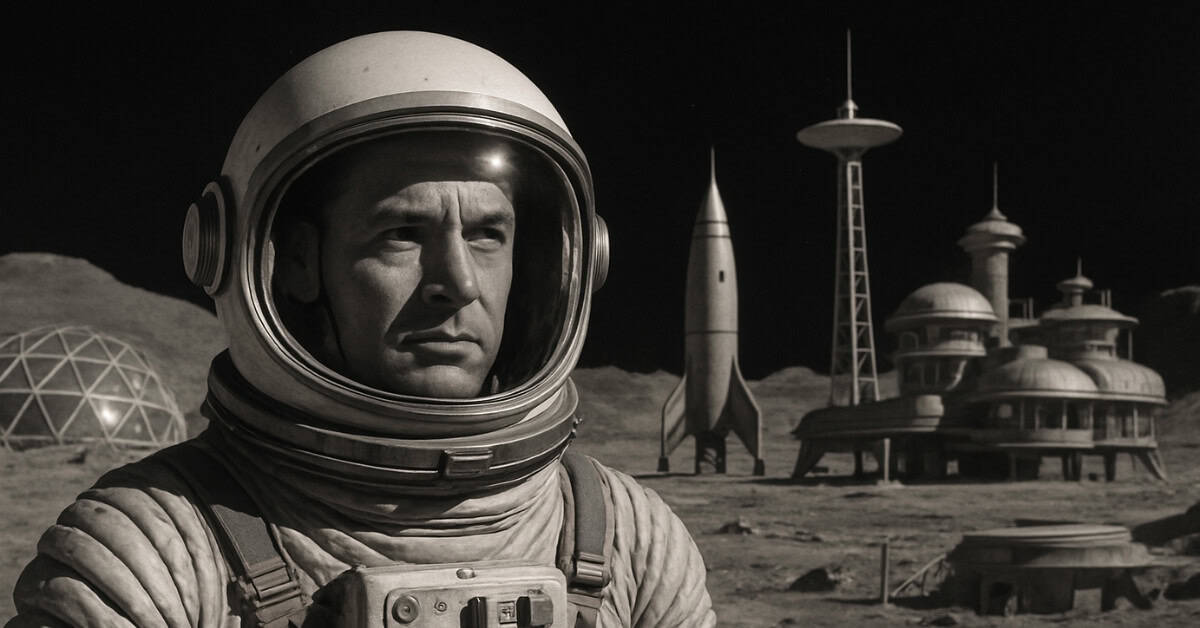
Scientists and science fiction writers alike predicted thriving lunar colonies by 2000. These settlements would include hotels, mines, and research facilities. Regular rocket service would transport tourists and workers between Earth and the Moon, making space travel as common as air travel.
8. Pill-Based Meals

Food futurists predicted that traditional cooking would be replaced by nutritionally complete pills. Each pill would contain an entire meal’s worth of calories and nutrients. Kitchen appliances would be replaced by small pill dispensers, and grocery stores would become obsolete.
9. Moving Sidewalks Everywhere
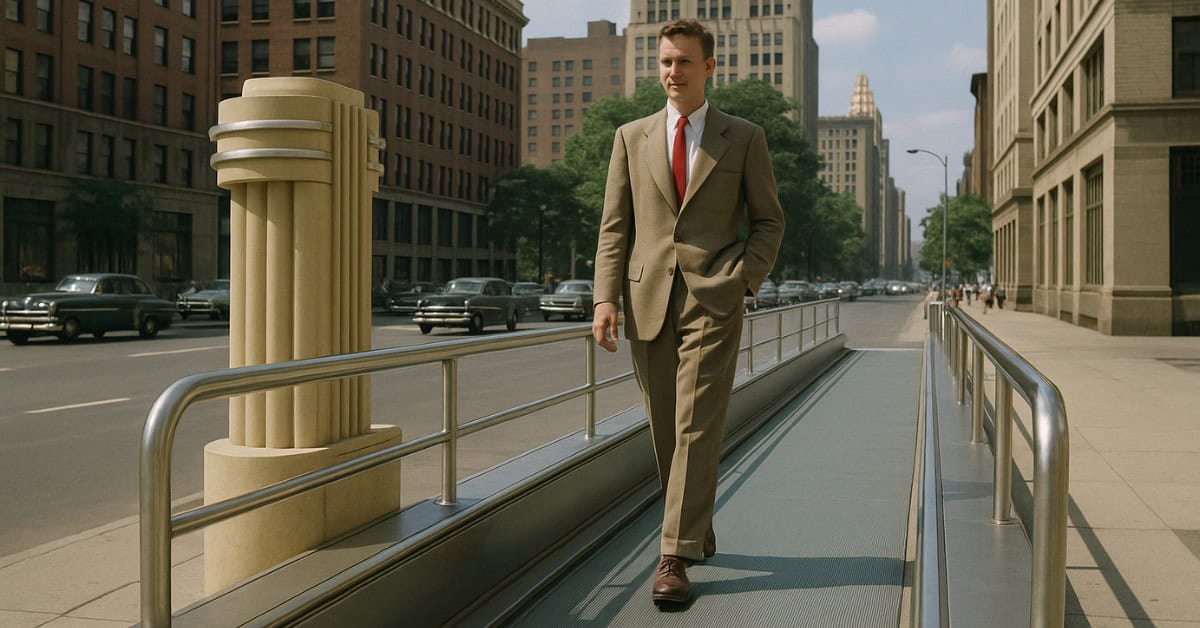
Urban planners envisioned cities connected by networks of moving sidewalks. These conveyor belt-like paths would travel at different speeds, eliminating the need for cars in city centers. Some predictions included climate-controlled covers and automated package delivery systems.
10. Telepathic Communication
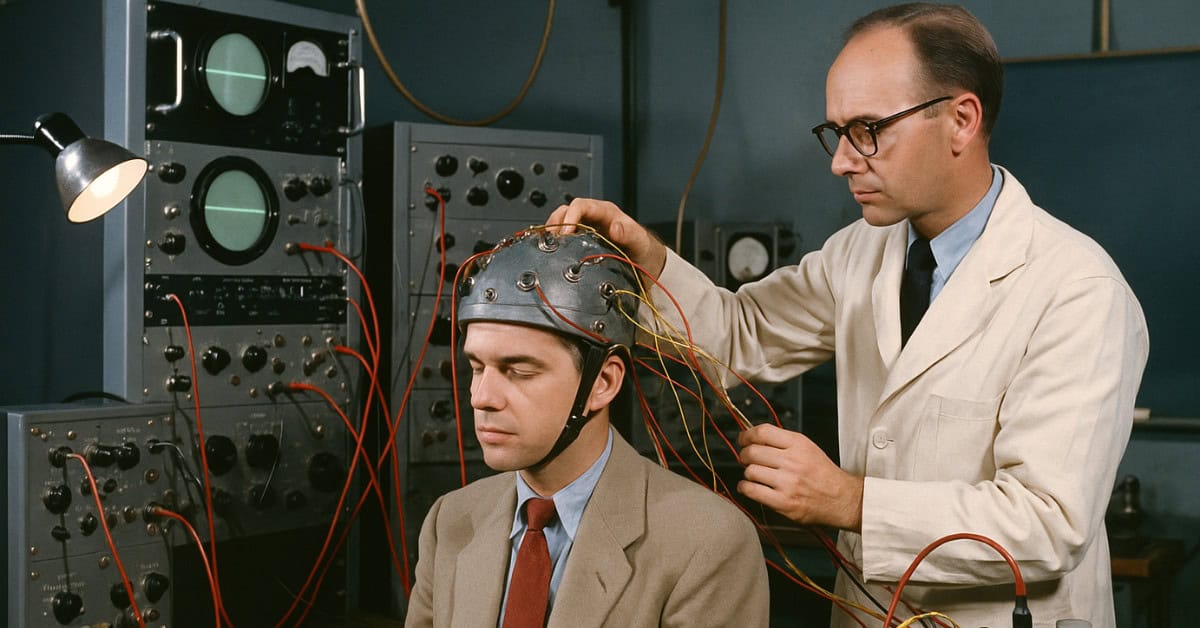
Some scientists predicted that technological advances would enable direct brain-to-brain communication by 2000. Special helmets or implants would allow people to share thoughts and emotions instantly across any distance. Telephones would become obsolete as everyone would communicate telepathically.
11. Personal Helicopters

Before settling on flying cars, many futurists predicted personal helicopters would become the standard mode of transportation. These small aircraft would be as easy to operate as a car and would cost about the same. Every home would have a landing pad on the roof.
12. Climate-Controlled Cities

Engineers predicted entire cities would be enclosed in climate-controlled domes by 2000. These massive structures would maintain perfect weather year-round and filter out pollution. Some designs included multiple levels of streets and gardens suspended in the air.
13. Atomic-Powered Cars

Ford and other car manufacturers seriously predicted that nuclear-powered cars would be common by 2000. These vehicles would run for years on a single uranium pellet and never need refueling. Some designs included built-in radiation shields and cooling systems.
14. Automated Schools

Educational experts predicted schools would be fully automated by 2000, with robot teachers and computer-controlled classrooms. Students would learn through electronic brain stimulation and programmed instruction. Traditional teachers would be replaced by “learning machines” that could instantly transfer knowledge to students’ brains.